
DJ, Live Band or Hybrid Concept: Choosing What Truly Fits
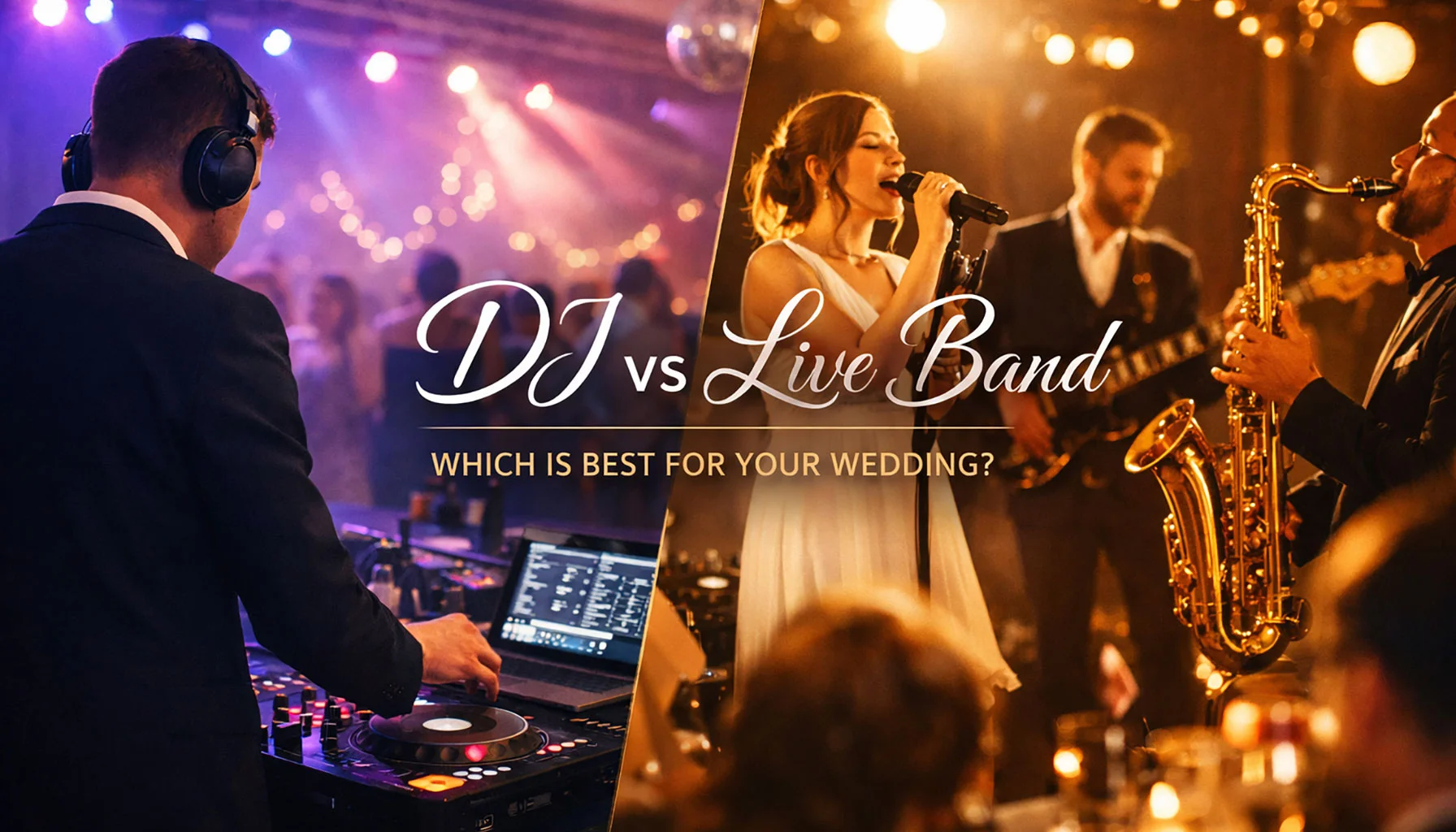
Music is discussed early in wedding planning, but it is rarely understood early. In practice, the question of DJ, live band, or a combination often becomes clear only once the frame of the day is visible. Who is really coming. How long people are likely to stay. How loud the evening can become. And how much movement the day can carry. Across many celebrations, this choice proves to be less a matter of style than a matter of rhythm.
This is why the subject belongs naturally to both DJ vs Live Band and What Is Not Said. Music is one of the strongest ways a wedding shapes tone without explaining itself. It opens the room, closes it, gathers attention, or leaves space for conversation. Guests often feel this very clearly while naming it only afterward, if at all.
DJ vs Live Band – CategoryMusic shapes the energy and flow of a wedding celebration. Whether choosing a DJ for seamless transitions and a wide music selection or a live band for dynamic performances and a unique atmosphere, the right choice sets the mood from the first song to the last dance. Thoughtful planning ensures the music reflects the couple’s style and keeps guests engaged throughout the day.

Not everything meaningful is spoken. Silence often carries what language cannot hold.
Definition
Choosing between a DJ, a live band, or a hybrid concept is not only a music decision. It is a decision about how the wedding evening will move, where attention will gather, how conversation and dancing will coexist, and what kind of atmosphere the hosts want to allow.
The DJ Concept
DJs are often chosen when weddings are long and the guest structure is broad in age, culture, and musical reference. Their strength is not performance in the visible sense, but responsiveness. Good DJs are rarely the center of attention, and that is exactly what creates calm. They react, shift quietly, and adjust when conversations last longer than expected or when the evening needs more momentum later on. One guest said afterward: It felt like someone knew exactly when we still wanted to talk and when we did not anymore. Comments like that appear often when music leaves the room open enough to breathe.
The Live Band
Live bands change the perception of an evening quite noticeably. Music becomes visible. Guests listen. Eye contact appears. Applause does too. The night begins to divide itself more clearly into sections, with playing times, pauses, and marked transitions. Especially in the earlier evening hours, this can create shared moments of real concentration. A certain sense of occasion enters the room without feeling forced. One host later described it this way: While the band was playing, no one looked at their phone. That was unexpectedly beautiful. At the same time, this format brings limits. Repertoire is narrower, pauses interrupt the flow, and conversations must wait or become louder. For some weddings, that fits perfectly. For others, less so.
Hybrid Concepts
Hybrid concepts usually do not come from a desire for spectacle. They come from weighing different needs. They combine structure with flexibility. Live elements create presence, while a DJ holds the larger flow together. Typical combinations include a DJ with saxophone, vocals, or violin, or acoustic live sets for the ceremony and reception followed by a DJ later in the evening. In the best cases, guests barely register these changes as separate systems. Music changes, but it does not break. One guest put it like this: It did not feel like two concepts. More like one long evening with different moods. These solutions require real coordination, technically and personally, but when that works, the result can feel strikingly smooth.
What Guests Actually Perceive
Across many weddings, one pattern returns. Guests rarely care first about what is being played. What matters more is when it happens and how it sits inside the evening. Music is usually felt as successful when it does not dominate, but carries. The most convincing concepts give space for conversation, movement, pauses, and the shifts in energy that happen naturally over the course of the night. In those cases, the decision for DJ, band, or hybrid recedes into the background and what remains is a feeling of rightness. Sometimes, toward the end of the evening, that feeling becomes a sentence like this: It was exactly right. We would not have needed more.
Conclusion
The question is not which format sounds best in theory. It is which one truly fits the day, the guests, and the pace the wedding can hold. DJs, live bands, and hybrid concepts each shape space differently. The strongest choice is the one that leaves the least visible strain and the most natural movement behind. That is often why good wedding music feels so hard to describe afterward. It has already done its work in the layer of the evening that stayed mostly unspoken.
Related Articles

Prenup Conversations Before the Wedding: What Should Be Said Early, Calmly, and Clearly
Prenup conversations are rarely only about money. This article looks at timing, fairness, family history, debt, business ownership, inheritance, legal advice, and the quiet concerns couples should name before paperwork begins.
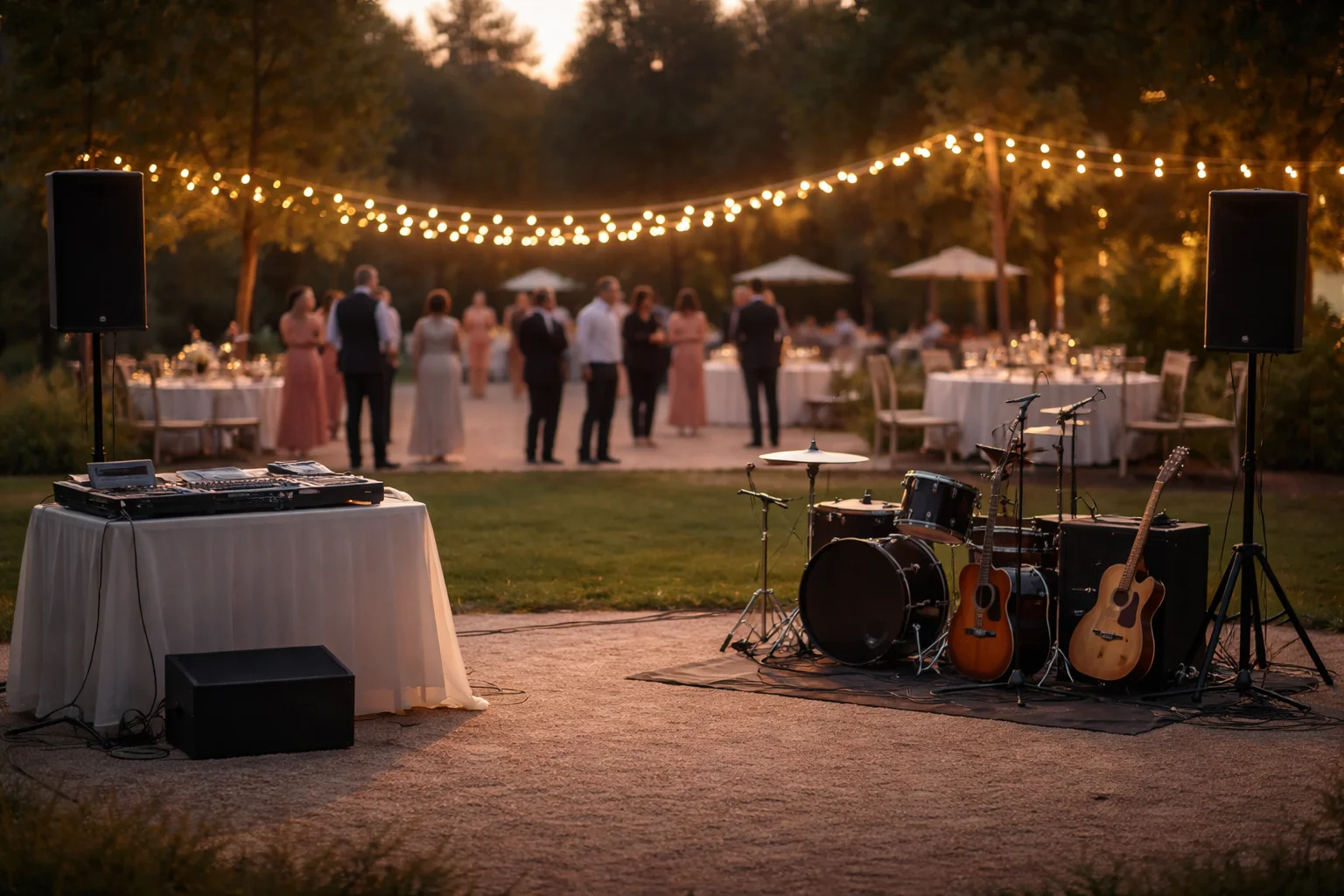
Music Budget: DJ, Band or Playlist at Weddings
Music is part of almost every wedding reception, although it is not always the first topic during planning. Venue, food, guest numbers. Those decisions tend to appear earlier. Later the conversation moves toward sound in the room. How the evening should feel once dinner ends and people begin to gather near the dance floor.
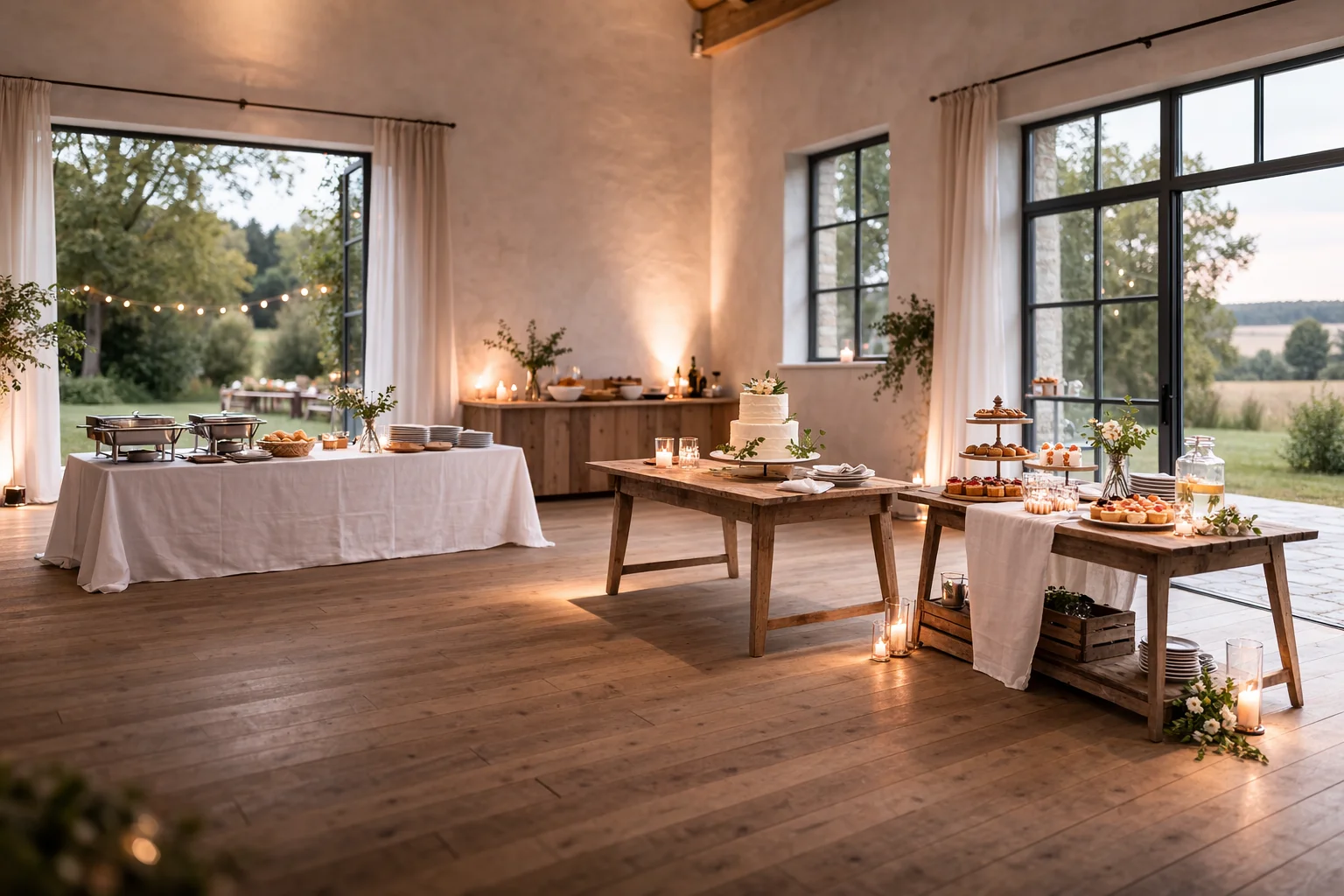
Flowers Near Food at Weddings: Buffet and Dessert Table Placement
Flowers sometimes end up close to food. Not always by clear decision. More because the rest of the room is already filled, and these zones remain. Then something gets added there too. It does not look unusual once it is in place.
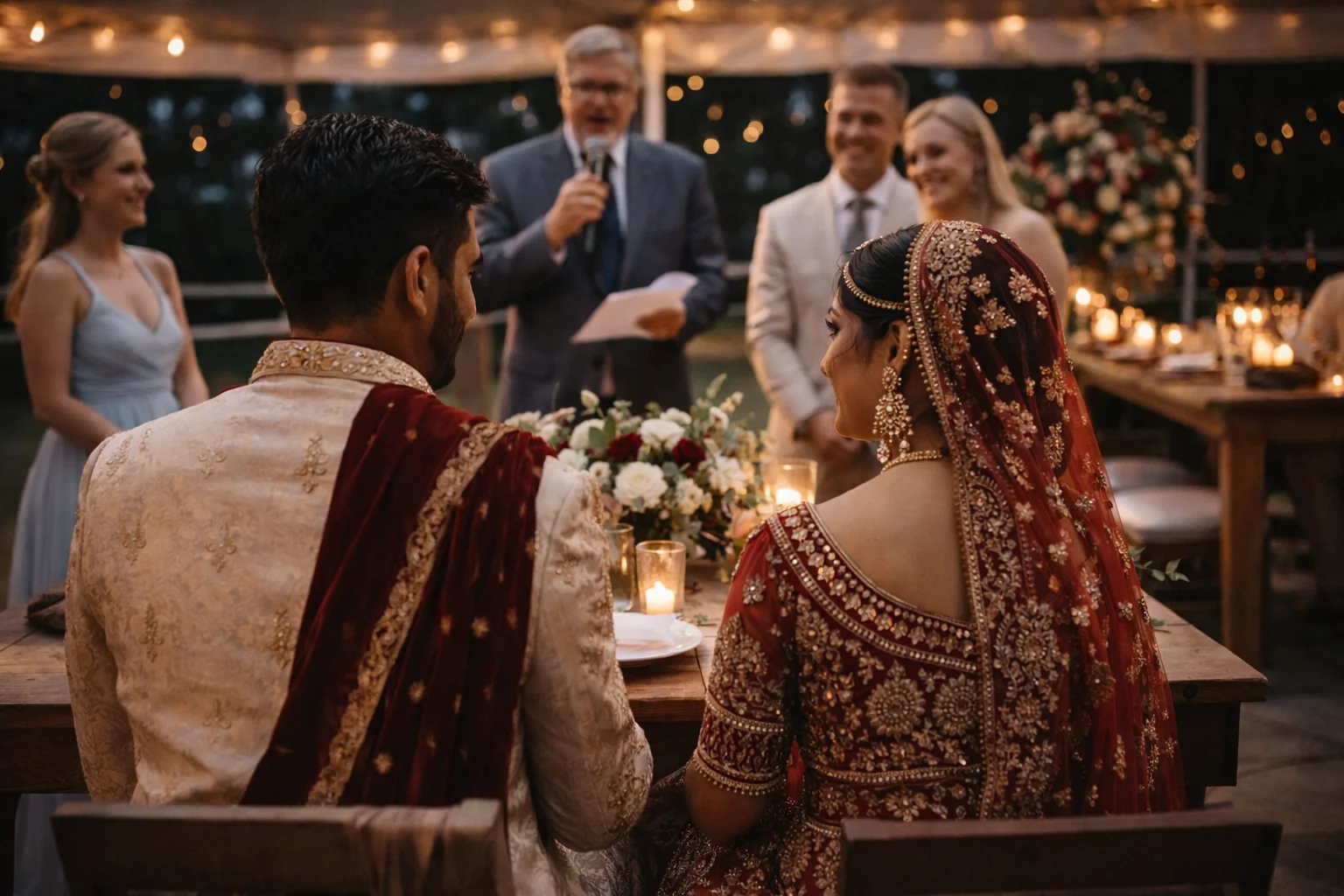
International Weddings and the Meaning of What Is Not Said
An international wedding brings visible complexity, but its deeper challenge often lives in the quiet layer beneath logistics. Between cultures, traditions, and expectations, what remains unspoken can shape the ceremony as much as anything that is formally planned.
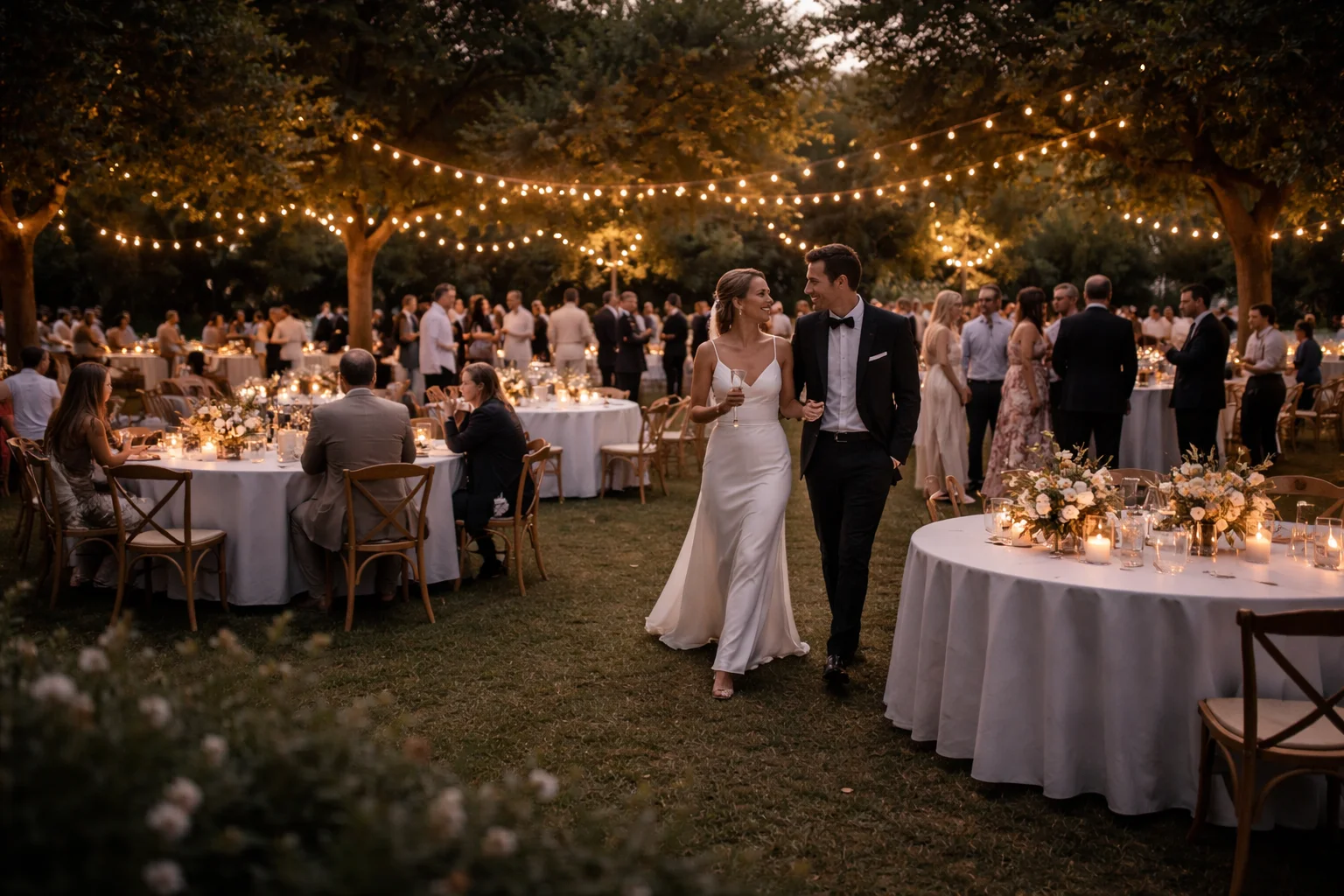
Second Dress for the Wedding Reception
At many weddings the clothing does not stay the same from start to finish. After the ceremony and formal photographs, a quiet shift sometimes happens. The bride disappears for a short time and later returns wearing something different. Guests notice it in small ways. A lighter fabric. Shorter hem. Movement that feels easier during the evening.
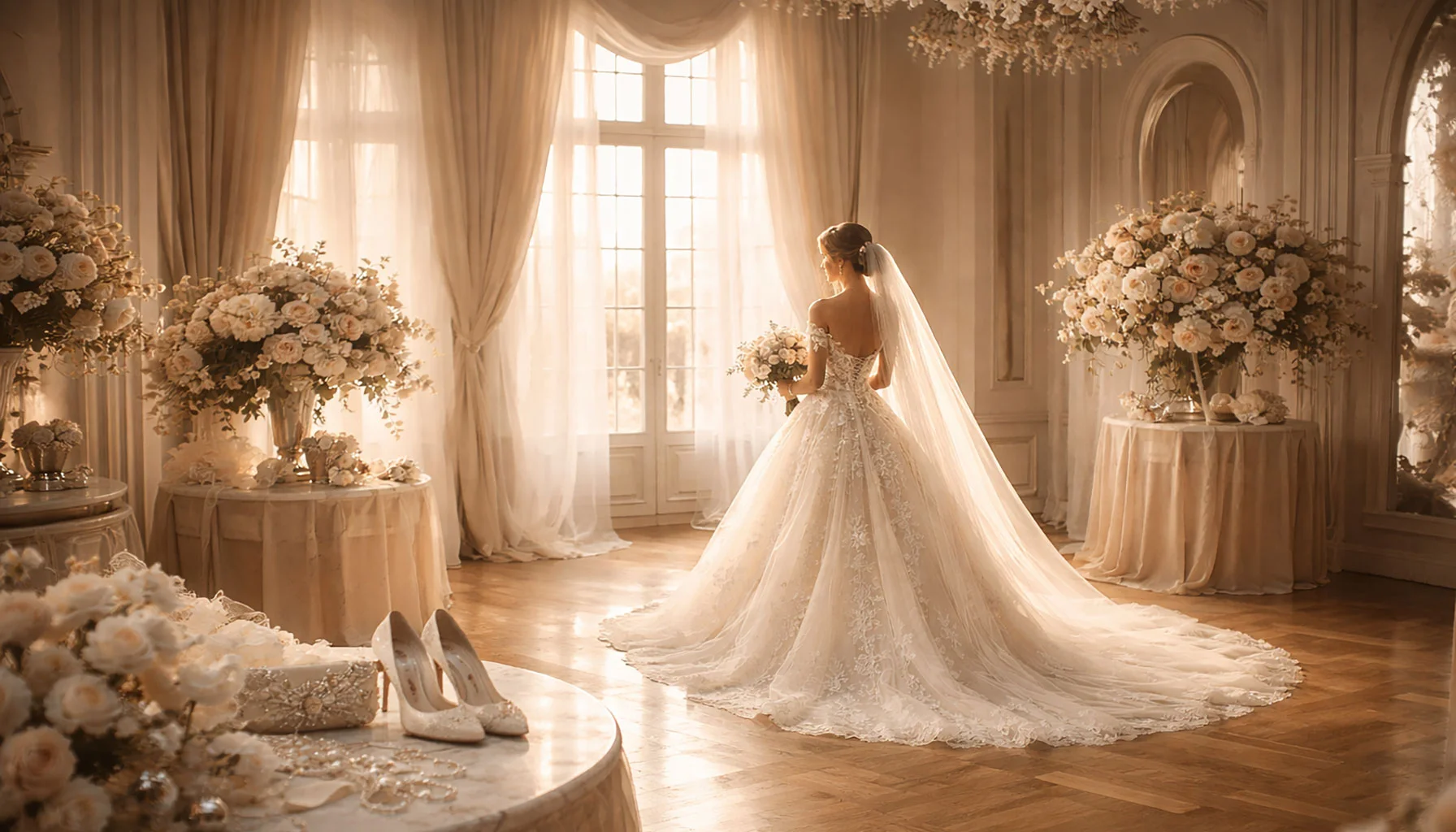
Bridal Fashion and Attire: Timeless Elegance, Modern Trends and the Art of an Unforgettable Bridal Look
Bridal fashion is rarely a single decision. It develops through fittings, conversations, and gradual adjustments until the visible result feels settled rather than assembled. This article looks at bridal fashion as a composed form of presence shaped by dress, styling, material, and the quieter language of what a bridal look communicates without needing to say it aloud.

Who Pays for What? A Wedding Budget Checklist for Couples and Families
When families help pay for a wedding, money can bring generosity, relief, pressure, or quiet control. This checklist helps couples discuss contributions, boundaries, priorities, and expectations before financial support begins shaping the day in unspoken ways.
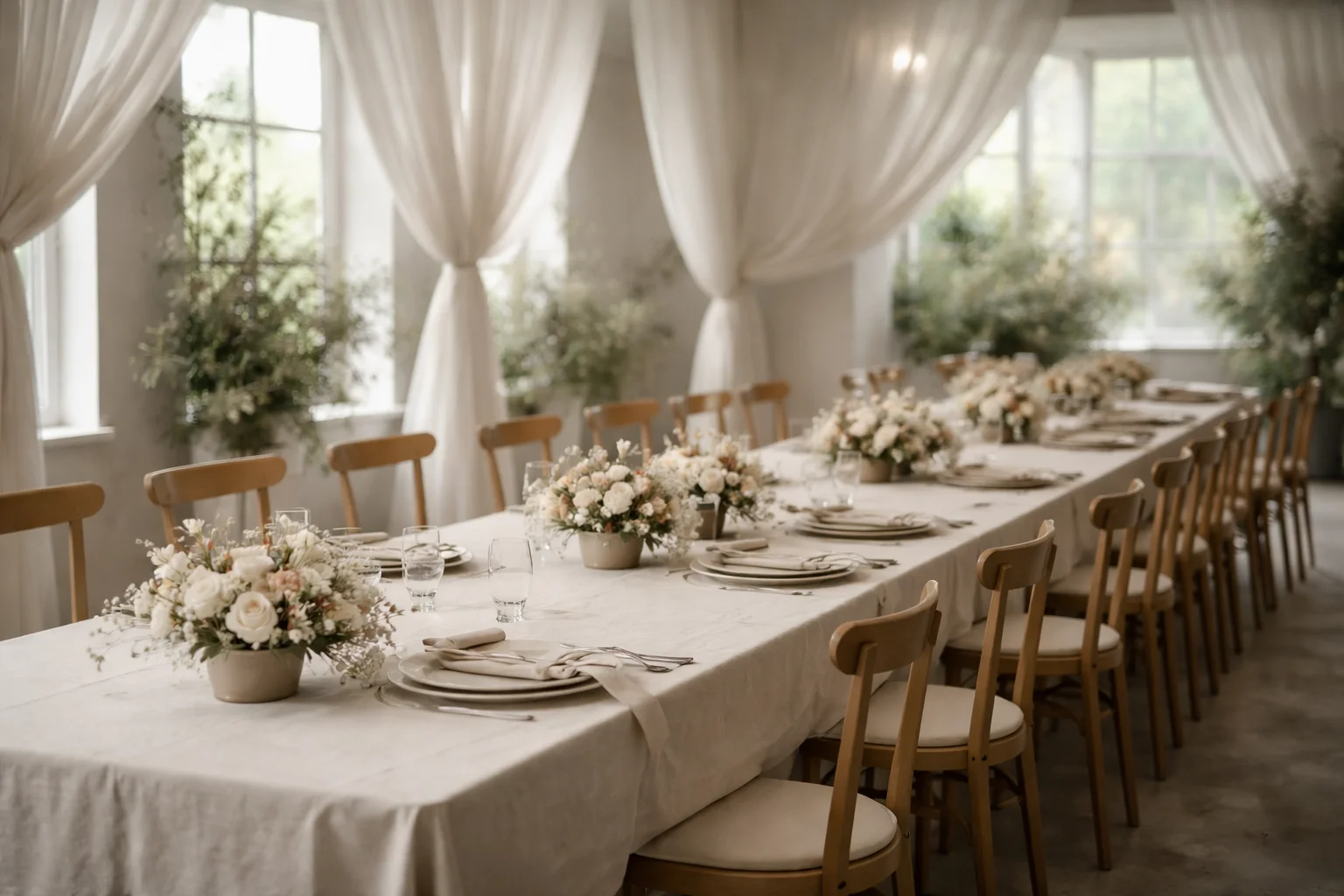
When Wedding Decoration Says What People Leave Unspoken
Wedding decoration is often discussed through color palettes, florals, table settings, and style references. Those things matter, but they are rarely the whole story. The room also carries what has not been fully explained: family tensions handled with grace, private histories that shape a couple's choices, or a shared wish for the day to feel calm rather than spectacular. In that sense, decoration is not only visual. It becomes part of the emotional architecture of the ceremony.

Last-Week Wedding Checklist: What Still Needs Attention Shortly Before the Day
The last week before a wedding is rarely about major decisions. It is about clarifying what still has weight, what can no longer be improved by adding more, and what needs to be named before it starts shaping the day in silence. This article looks at what still deserves attention shortly before the wedding and why the unspoken layer often matters most at that stage.
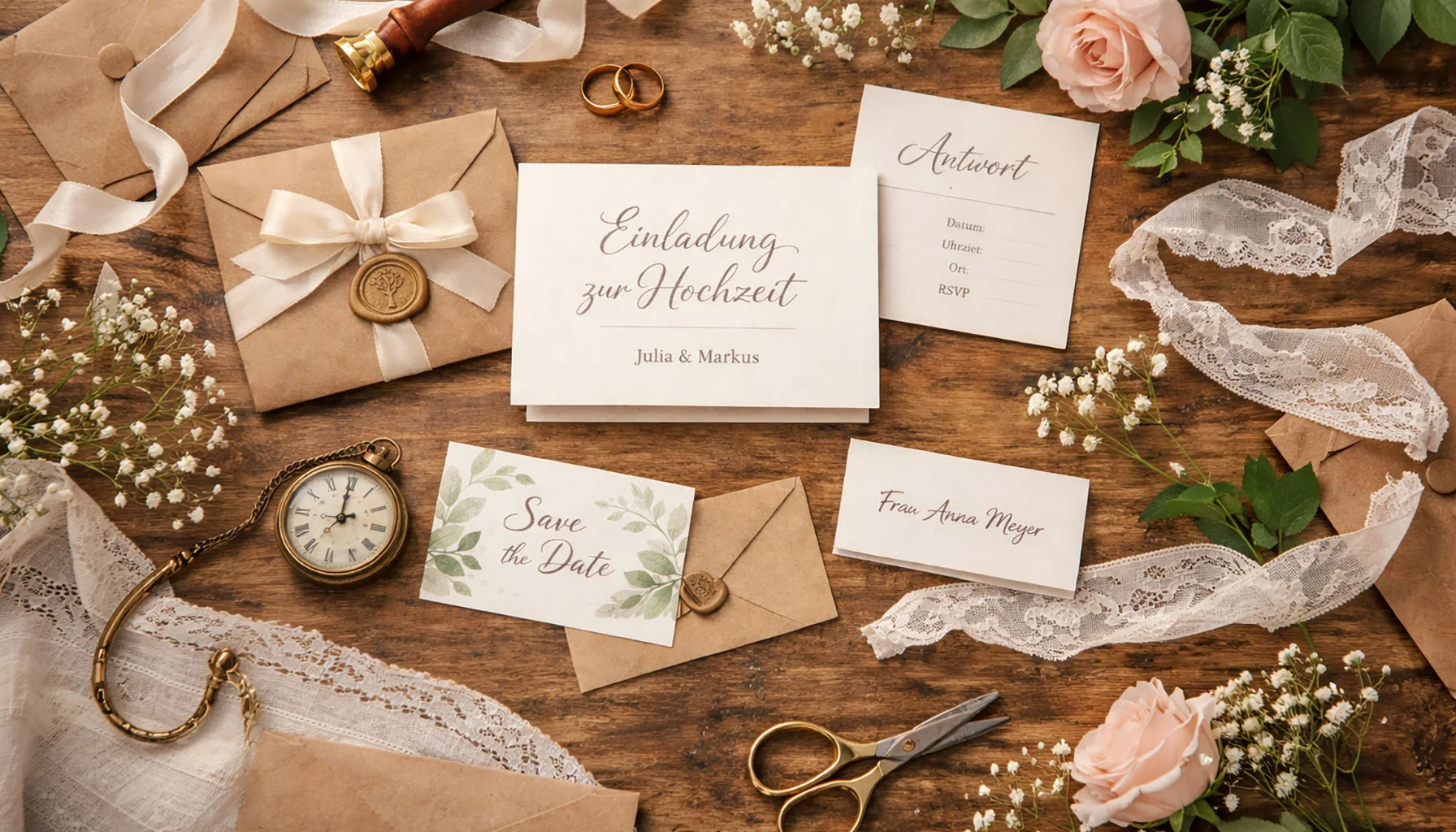
Inviting With Care
A wedding invitation does more than share a date. It begins shaping tone, expectation, and emotional distance long before anyone arrives. This article looks at invitations as the first quiet threshold of a wedding, where clarity, restraint, and what remains unsaid start doing their work.
DJ or Live Band: What Actually Fills a Wedding Dance Floor
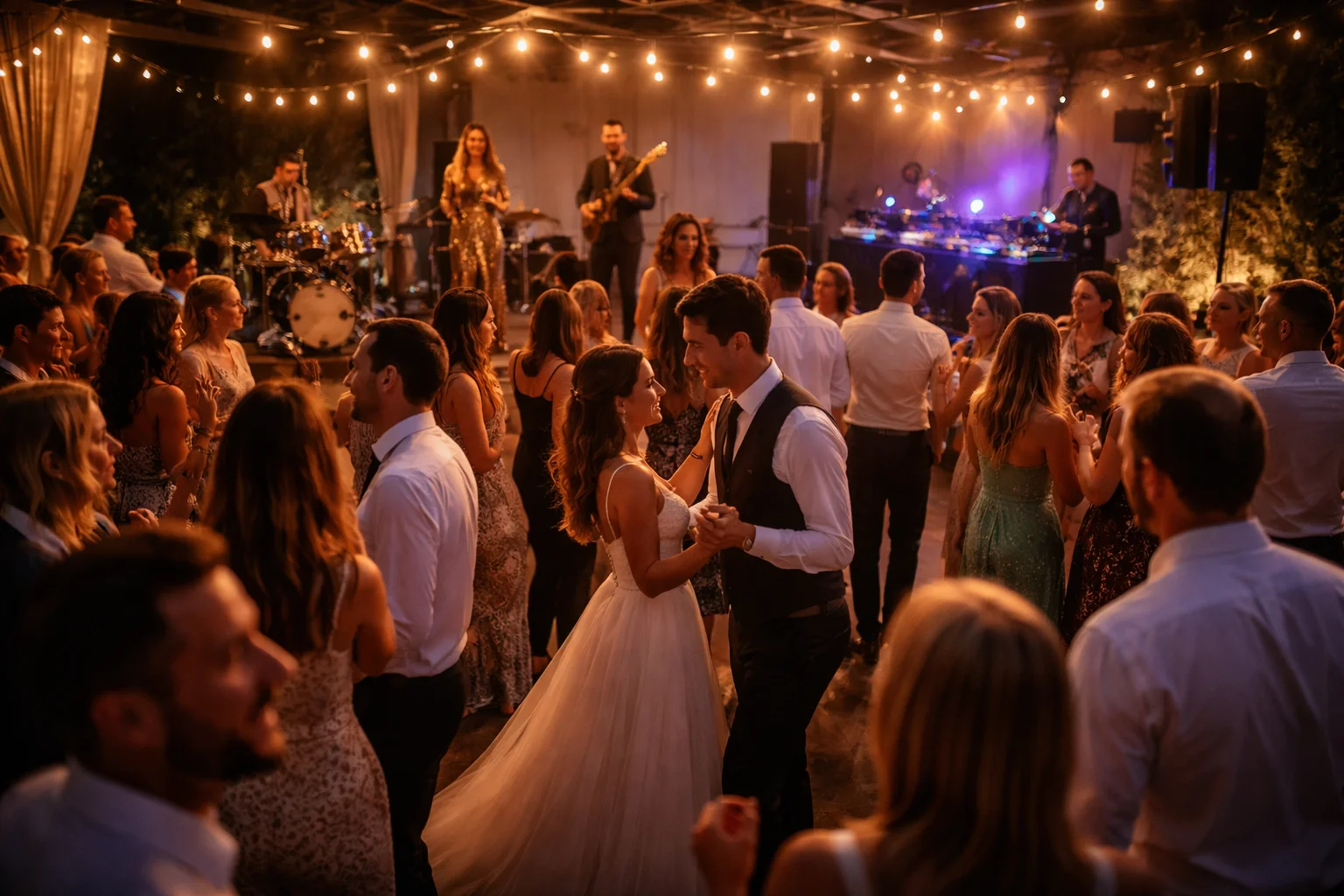
The choice between DJ and live band is often framed as a style decision, but at weddings it changes timing, energy, and how guests move through the night. This article looks at what really fills a dance floor, what guests actually want, and why the most important musical choice often happens before the first song begins.

Wedding Budget Conversations Checklist: What Should Be Said Before Money Turns Quiet
A wedding budget is rarely only about numbers. This checklist helps couples and families name financial expectations, priorities, and unspoken pressure before silence turns into confusion, tension, or unnecessary cost.