
Music Budget: DJ, Band or Playlist at Weddings
Music Budget: DJ, Band or Playlist at Weddings
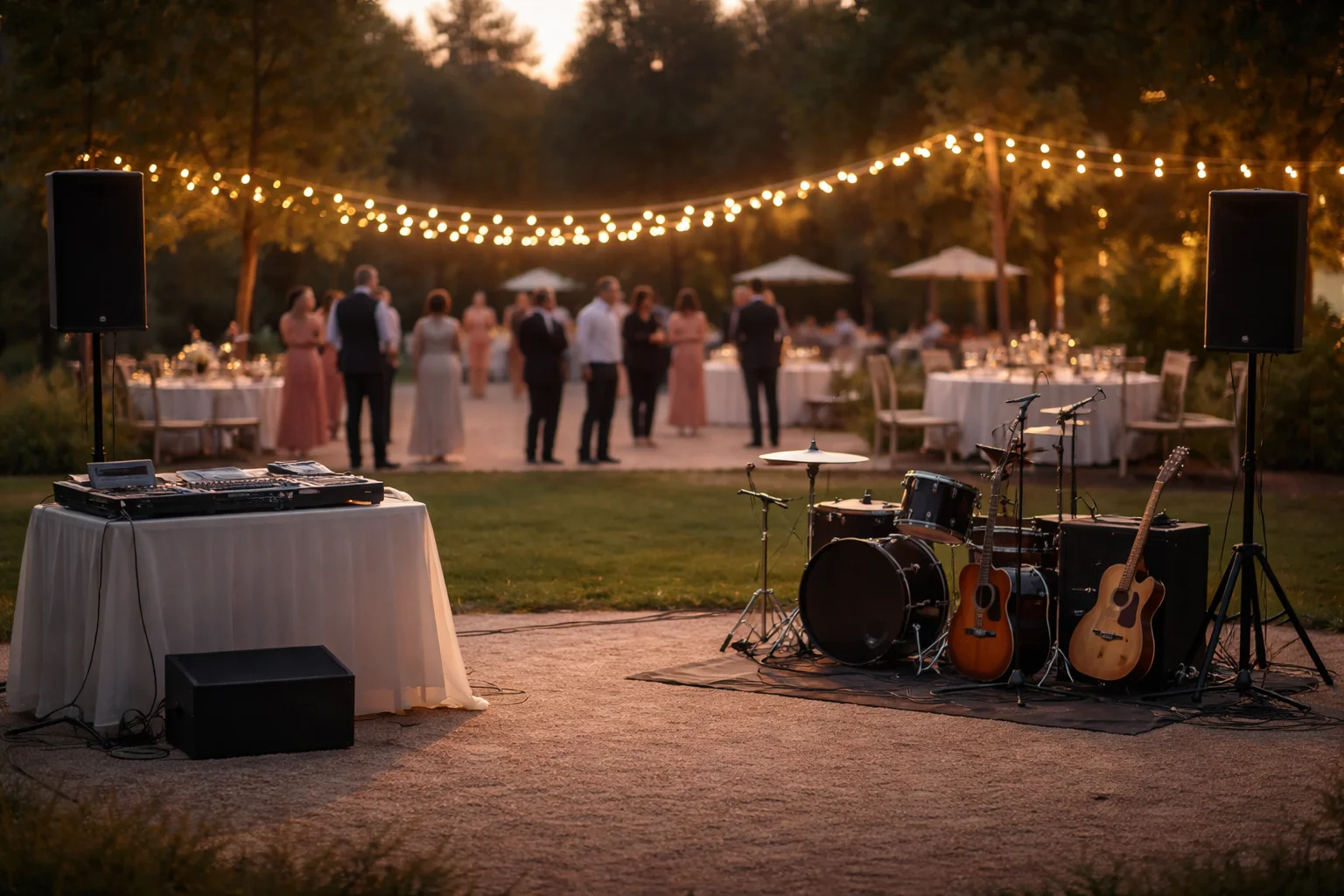
Three formats appear regularly. A DJ with professional equipment. A live band performing in several sets. Or a simple playlist managed through speakers. Each option carries its own price range and its own way of organizing the evening. The differences become clearer once couples start comparing them side by side.
Definition
The wedding music budget refers to the amount of money reserved for music and sound during the reception. This can include hiring a DJ, booking live musicians, or using a playlist with rented or venue provided speakers. In practical terms it describes how music is delivered and what preparation surrounds it.
DJ Price Ranges
DJs are common at many receptions because the format adapts easily to different schedules. Prices often begin around 700 euros. In some cases they reach 1500 or 1800 euros depending on playing hours, travel distance, and lighting equipment. The physical setup stays relatively compact. A small table, speakers, light stands. Before the wedding there is usually a short conversation about music preferences and a few key songs.
Live Bands
Live bands introduce a visible musical presence in the room. Instruments arrive earlier in the day. Sound checks happen while the venue is still quiet. Costs normally start somewhere near 1800 euros and often move toward 3500 or more depending on the number of musicians. Performances usually take place in sets. During the breaks the room settles again, then the music returns.
Playlists and Speaker Setups
Some weddings rely on playlists prepared ahead of time. Financially this option stays modest compared with other formats. Often the only expense is speaker rental or using equipment from the venue. Music runs from a phone or laptop. Someone nearby occasionally checks the volume. The evening moves along quietly when the playlist has been arranged with attention.
Timing and Coordination
The different formats shape the timing of the reception in small ways. DJs can adjust quickly when dinner takes longer than expected. Bands tend to follow their planned sets because instruments and breaks structure the performance. Playlists shift the work earlier in the planning process. Once the reception begins, the system usually continues without much involvement.
Room Space and Technical Needs
Space inside the venue also plays a role. Bands require a visible area for instruments, cables, and microphones. DJs need less room but still bring lighting and sound equipment. Playlists depend mostly on speaker placement that fits the size of the hall. These technical details often become clearer during the final venue walkthrough.
Conclusion
Music budgets at weddings vary widely. Playlists remain simple and inexpensive. DJs offer flexibility and appear frequently across different types of receptions. Live bands bring a strong musical presence and a larger share of the event budget. The final choice usually reflects the atmosphere couples imagine for the evening and the practical setup that feels comfortable for the celebration.
Related Articles
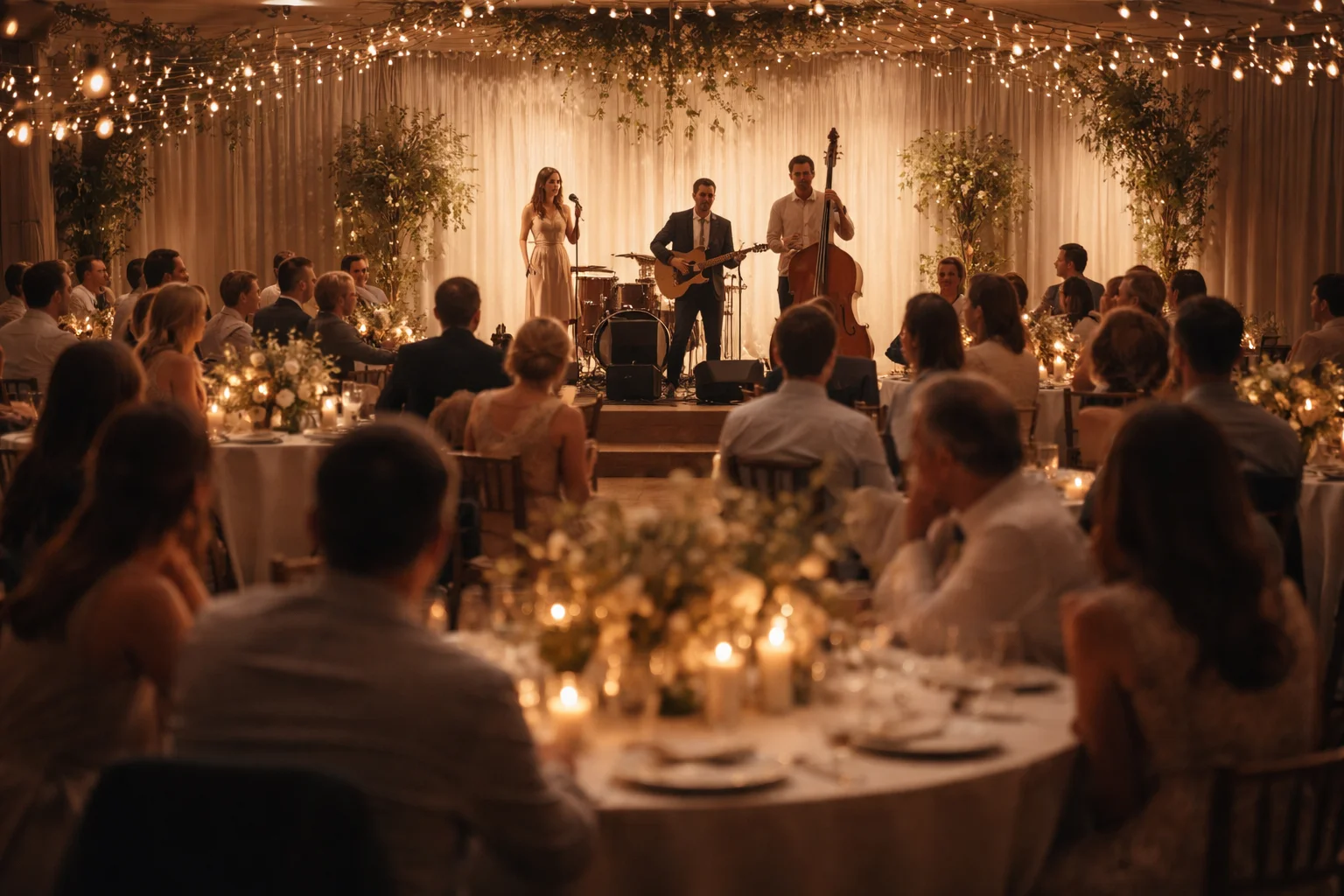
Live Music or Playlist: Subtle Differences in How Guests Respond
The difference between live music and recorded tracks at weddings is often described in larger terms than it appears in the room. In practice, it shows up in smaller shifts. Where people look. When they stop talking for a second. Or don’t.
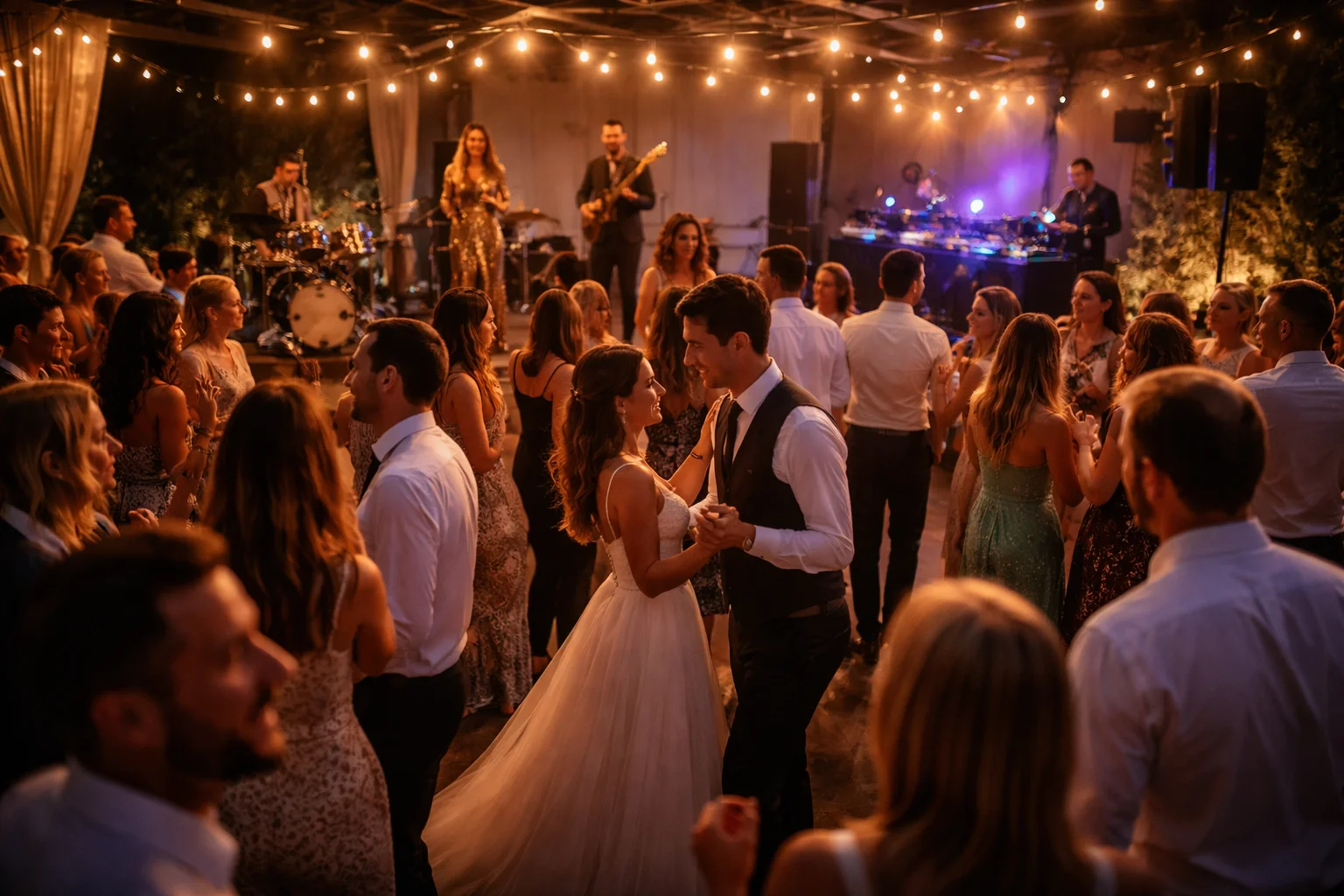
DJ or Live Band: What Actually Fills a Wedding Dance Floor
The choice between DJ and live band is often framed as a style decision, but at weddings it changes timing, energy, and how guests move through the night. This article looks at what really fills a dance floor, what guests actually want, and why the most important musical choice often happens before the first song begins.

Wedding invitation online – Clearly organized, personally connected
Digital wedding invitations have established themselves in practice as a reliable organizational tool. They consolidate information, facilitate feedback, and connect guests regardless of their location. A wedding website provides clarity, reduces coordination effort, and allows for flexible adjustments to the schedule. Key are clear content, an uncluttered design, and a personal approach. This turns a technical solution into a fitting start for a shared day.
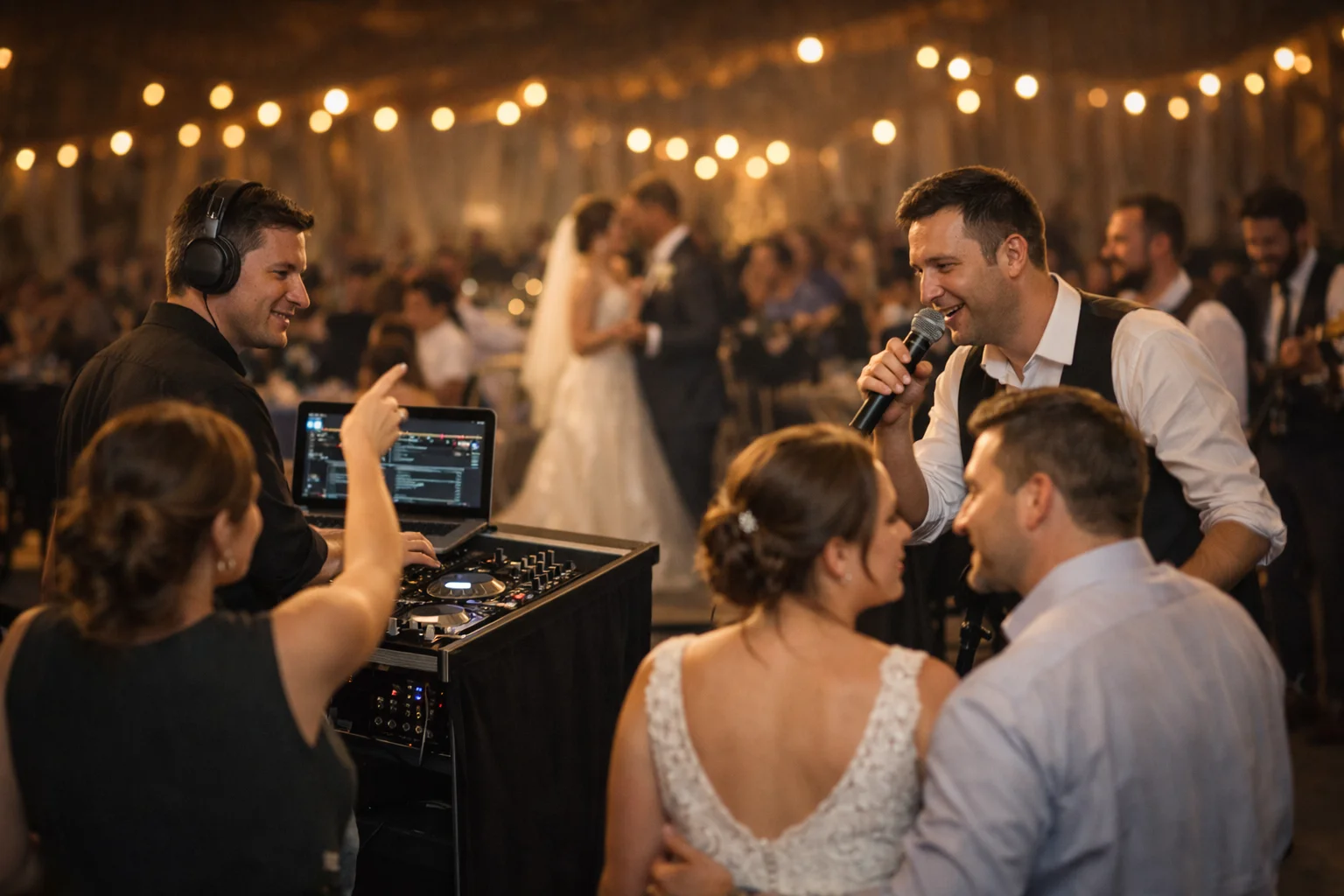
How Requests Move Through a Wedding Night
Music requests at weddings are rarely just about songs. They move through timing, confidence, mood, and the different logic of DJs and live bands, shaping the social texture of the night as much as the playlist itself.
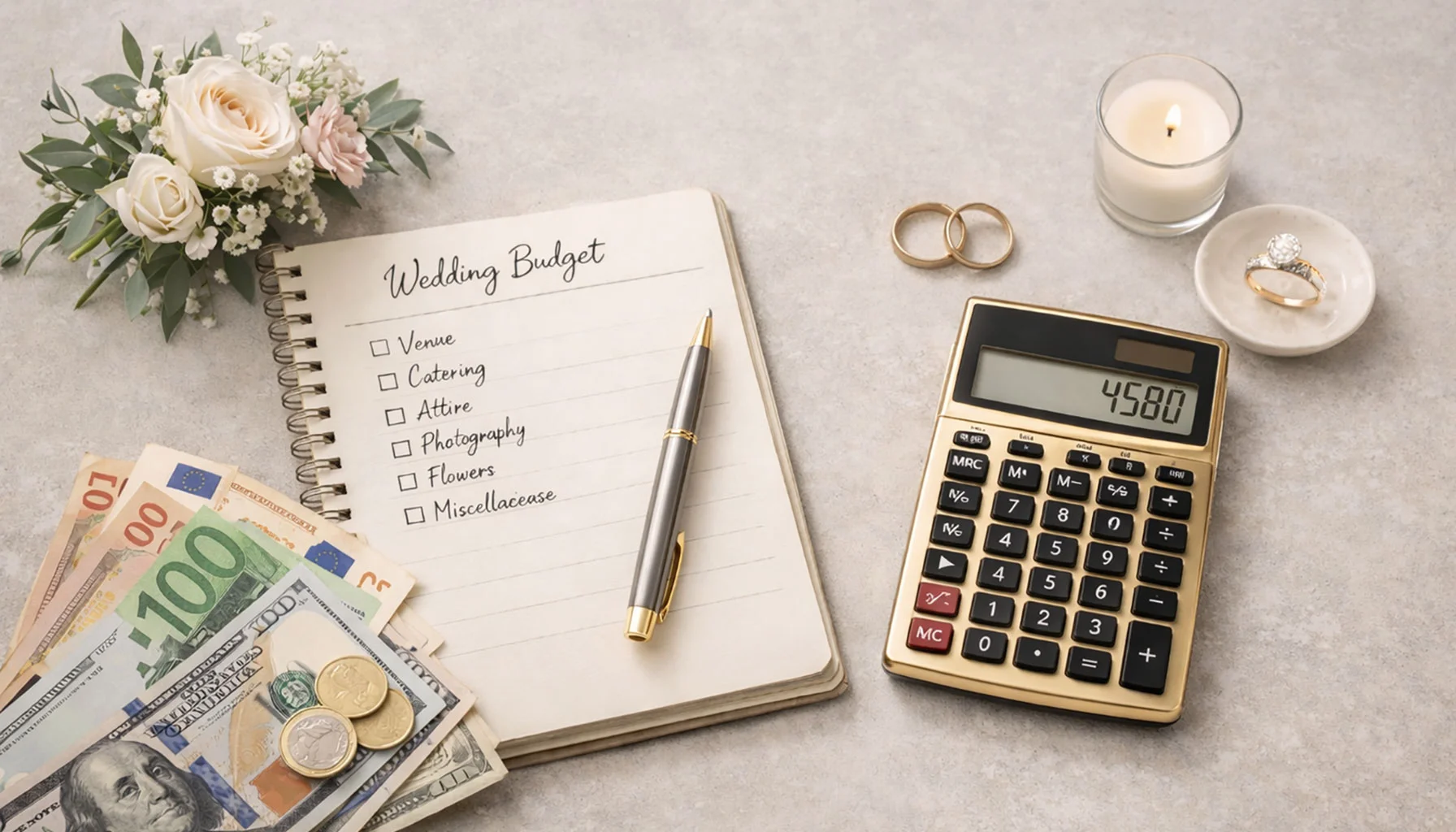
The Complete Wedding Budget Guide: Realistic Costs, Smart Planning & What to Expect
A wedding budget is more than a total amount. It shapes how smoothly a day runs, how supported guests feel, and how much flexibility exists behind the scenes. Observations from real weddings show that clarity around costs brings calm into the process. When hosts understand what a budget realistically provides, decisions become steadier. The celebration may not grow bigger, but it often feels more coherent.
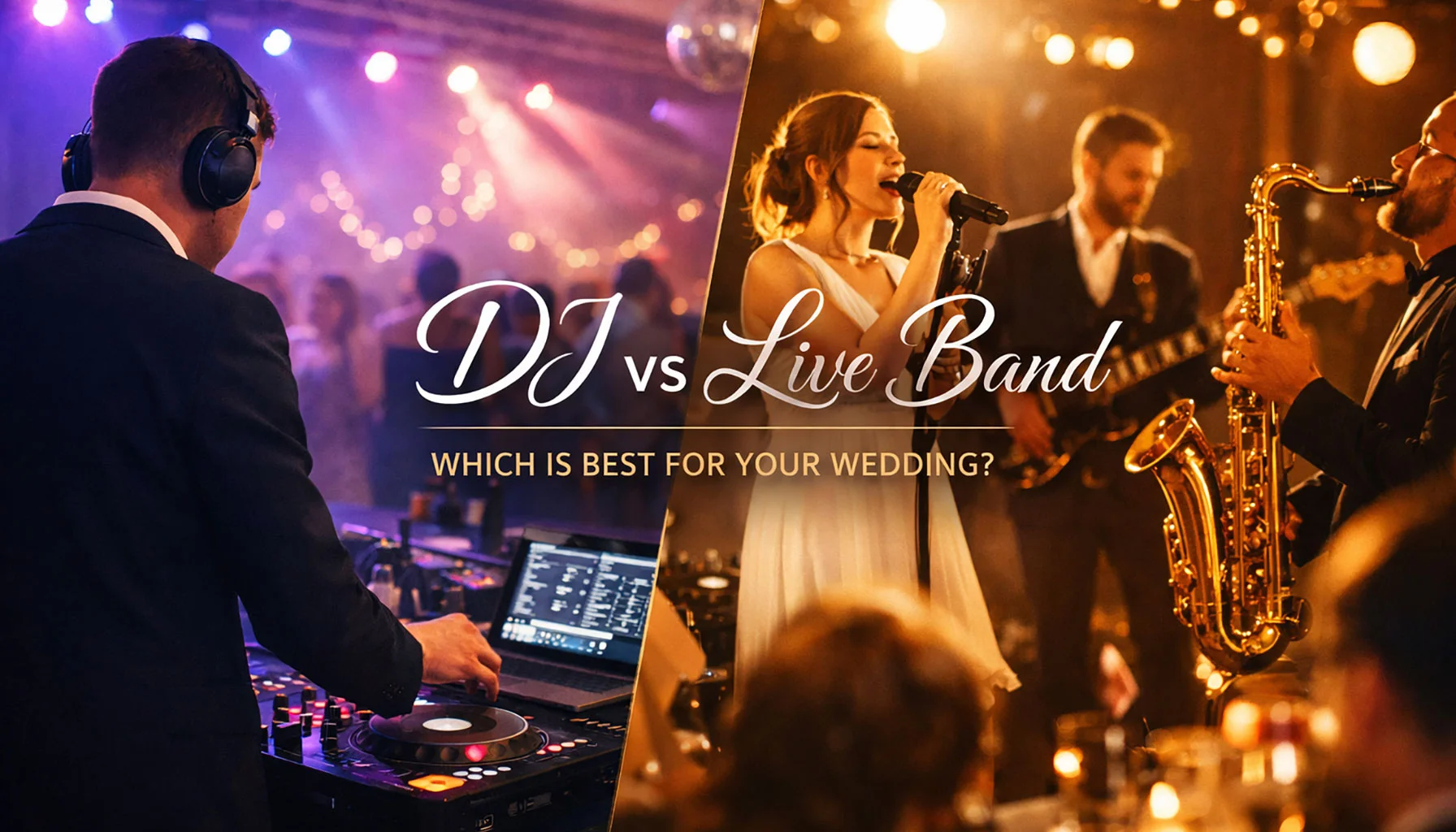
DJ, Live Band or Hybrid Concept: Choosing What Truly Fits
Music is one of the earliest wedding decisions and one of the least understood until the day begins to take real shape. The choice between a DJ, a live band, or a hybrid concept is rarely only about taste. It changes timing, movement, conversation, and how the evening is allowed to breathe.

Who Pays for What? A Wedding Budget Checklist for Couples and Families
When families help pay for a wedding, money can bring generosity, relief, pressure, or quiet control. This checklist helps couples discuss contributions, boundaries, priorities, and expectations before financial support begins shaping the day in unspoken ways.
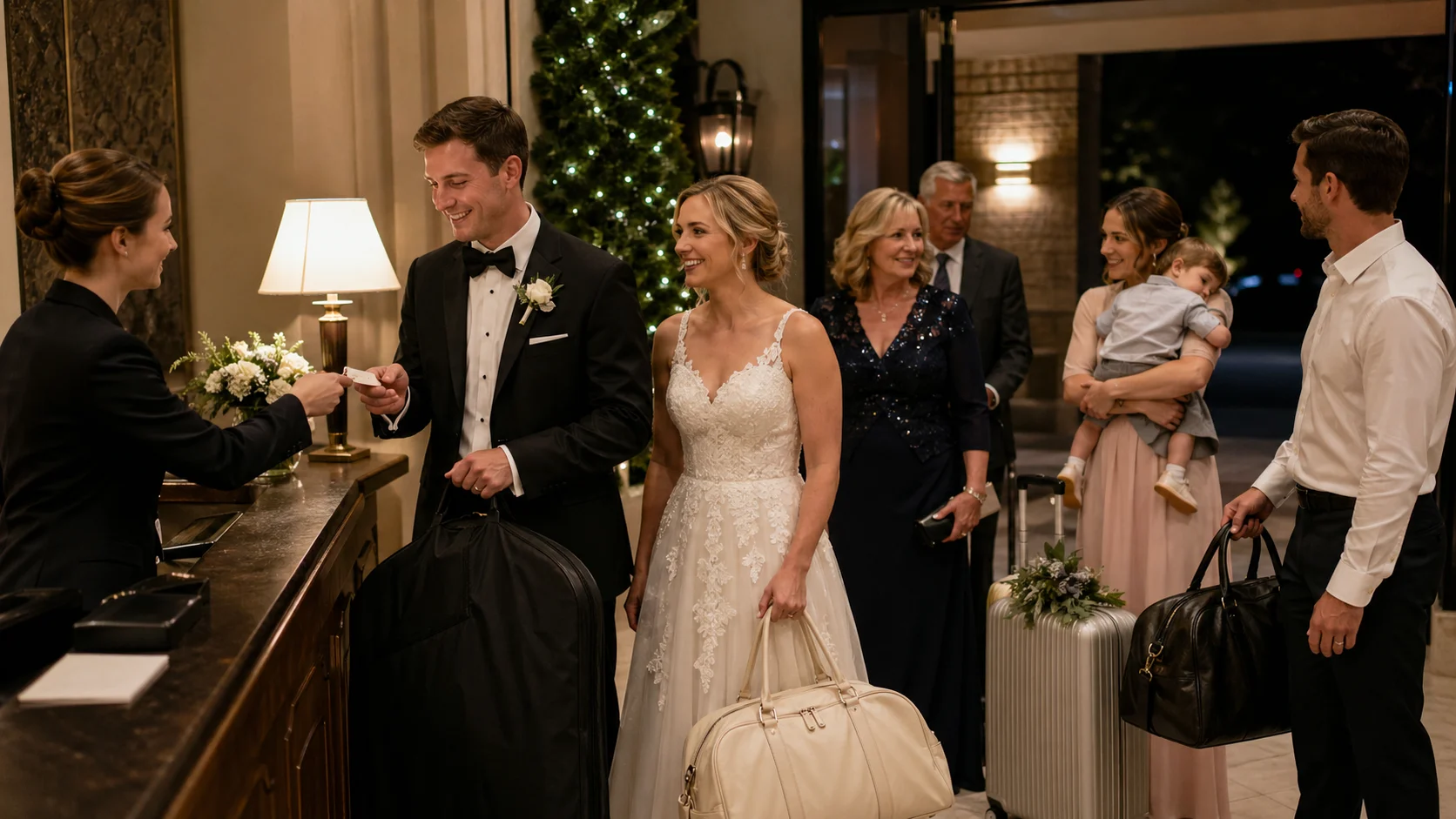
Overnight Stay Checklist: What Couples and Guests Often Realize Too Late
Overnight stays around weddings often seem solved once rooms are booked. This article looks at room access, bags, keys, transport, breakfast, checkout, and the late-night waiting moments couples and guests usually notice too late.

What a Budget Decides, What a Ring Still Means
A wedding budget is built on numbers, but its direction is often set much earlier. The engagement ring carries a meaning that quietly shapes how couples think about value, cost, and what is truly worth keeping as they begin planning.

Wedding Budget Conversations Checklist: What Should Be Said Before Money Turns Quiet
A wedding budget is rarely only about numbers. This checklist helps couples and families name financial expectations, priorities, and unspoken pressure before silence turns into confusion, tension, or unnecessary cost.