
Destination Wedding Checklist: What Changes When Travel Becomes Part of the Plan
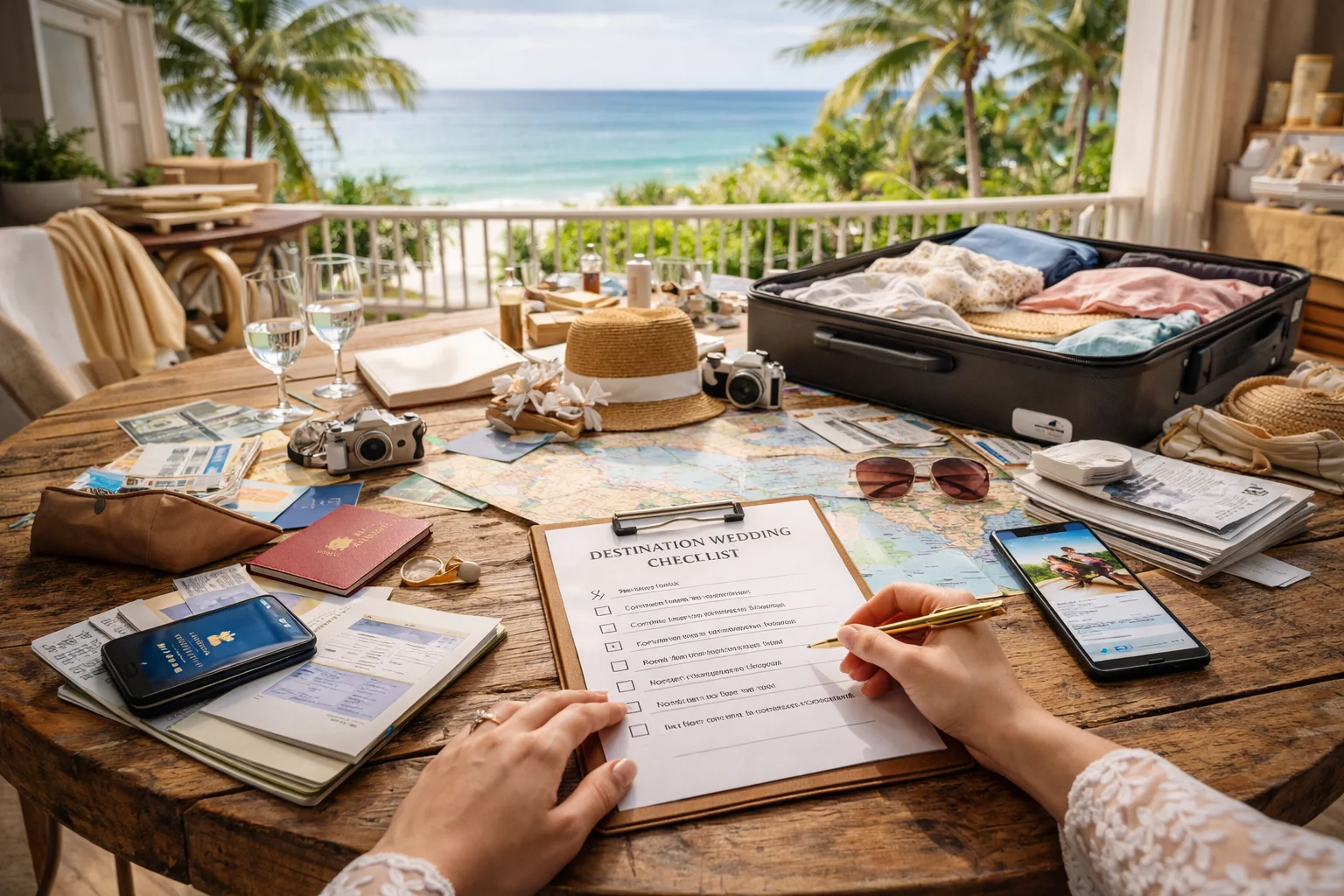
A destination wedding often begins as an image. A coast, a city, a mountain venue, a place with meaning, or a place that seems able to hold the wedding differently from home. But the moment travel enters the plan, the wedding stops being only about setting. It becomes a question of movement, time, access, cost, fatigue, coordination, and the very practical difference between inviting someone and asking them to journey. That shift changes more than logistics. It changes the social reality of the day.
This is also why destination weddings connect naturally to stories. Loving Rocks describes stories as the place where ideals meet reality, where rituals begin in one clear moment but unfold in lived time afterward. Travel does exactly that to a wedding. It stretches the event beyond the ceremony itself. Arrival becomes part of the experience. Delays, shared transfers, airport pickups, unexpected weather, luggage, hotel check-ins, and tired conversations over breakfast all become part of what the wedding actually is. Once travel is involved, the wedding starts becoming a story before anyone reaches the venue.
Guest ListWedding Guest List – Who to Invite and What to Consider is one of the most important aspects of wedding planning. Your guest list influences your budget, venue choice, seating arrangements, and the overall atmosphere of your celebration. Deciding who to invite, how to handle plus-ones, managing RSVPs, and considering special guest needs all play a key role in creating a smooth and enjoyable experience for both you and your guests.

Stories are where ideals meet reality. They do not explain love — they show how it is lived, carried, tested, and remembered over time.
Definition
A destination wedding checklist is not only a planning list for venue and travel. It is a structure for what changes once guests, timing, accommodation, communication, and budget all have to move across distance. Its purpose is to protect the wedding from becoming beautiful in theory but difficult in lived experience.
The Guest List Changes First
The first real change in a destination wedding is usually not scenic but social. The guest list starts behaving differently. Some people feel honored enough to travel far. Some cannot. Some want more lead time than a local wedding would require. Others need cost clarity before they can answer honestly. This is why destination planning belongs so closely to the guest list itself. Travel turns invitation into a larger ask, and couples need to build that reality into the wedding rather than treating it as a side issue.
Timing Becomes a Different Kind of Structure
A destination wedding needs more timing than a local one, but not in the way many couples first assume. It is not only about ceremony start and dinner service. It is about save-the-date distance, booking windows, transfer times, check-in patterns, arrival fatigue, and whether the schedule respects the fact that guests are moving through an unfamiliar place. The wedding often feels calmer when couples stop thinking in isolated events and start thinking in travel rhythms.
Accommodation and Movement Matter More Than Styling
Guests usually forgive simpler styling more easily than disorganized movement. Accommodation options, transfer logic, airport or station access, local transport, weather contingencies, and how easily guests can understand the geography of the wedding all shape their experience long before they notice flowers or table settings. A good destination wedding checklist treats movement as part of hospitality, not as background administration.
Budget Stops Being Only the Couple's Budget
Travel changes the economic meaning of attendance. Even when the couple is not paying for guest flights or hotel rooms, those costs become part of the wedding's real structure. This does not mean destination weddings are unfair by nature. It means they require more awareness. Guests are often calculating more than the couple can see, and communication works best when it acknowledges that reality without turning every invitation into an apology.
Travel Turns the Wedding Into a Shared Story
What makes destination weddings distinctive is not only the place itself, but the fact that guests begin living the wedding before it formally starts. They meet in airports, share taxis, wait in hotel lobbies, compare arrival times, get lost, recover, adapt, and slowly enter the atmosphere together. This is where the checklist matters most. Good planning does not flatten the story. It gives the story enough structure that the travel feels held rather than chaotic.
Conclusion
When travel becomes part of the wedding plan, almost everything changes a little. The guest list becomes more selective in practice, timing becomes wider, hospitality becomes more logistical, and attendance becomes more meaningful because it costs more to say yes. That is why a destination wedding checklist matters. It helps the wedding remain not only beautiful in place, but coherent in the way people actually live through it.
Related Articles
Wedding Website Checklist: What Guests Actually Need, and What They Ignore
Wedding websites work best when they reduce uncertainty instead of filling space. This article looks at what guests actually need to find quickly, what they usually ignore, and which unspoken questions a good website can answer before they become messages to the couple.
Multilingual Wedding Communication: What Guests Need to Understand Without Constant Explanation
A multilingual wedding does not fail because different languages are present. It becomes difficult when guests are left unsure what they need to understand, what they can simply feel, and what requires translation in the moment. This article looks at how to create clarity in multilingual wedding communication without overexplaining every part of the day.

Post-Wedding Gatherings Across Countries: When the Celebration Continues Elsewhere
Some weddings do not end when the official day is over. They continue in another city, another country, another family home, or another social circle that could not be present the first time. This article looks at what post-wedding gatherings across countries actually mean and why they are often less like an encore than a second form of the wedding itself.

Guest List Coordination with Families: Typical Situations During Wedding Planning
The guest list rarely develops in isolation. Once families become involved, the list begins to shift. Names appear from old address books, distant relatives, or long standing family friendships. The process is usually quiet and gradual. Conversations happen in small steps. Over time the list starts to reflect not only the couple but also the wider family network.
Overnight Stay Checklist: What Couples and Guests Often Realize Too Late
Overnight stays around weddings often seem solved once rooms are booked. This article looks at room access, bags, keys, transport, breakfast, checkout, and the late-night waiting moments couples and guests usually notice too late.
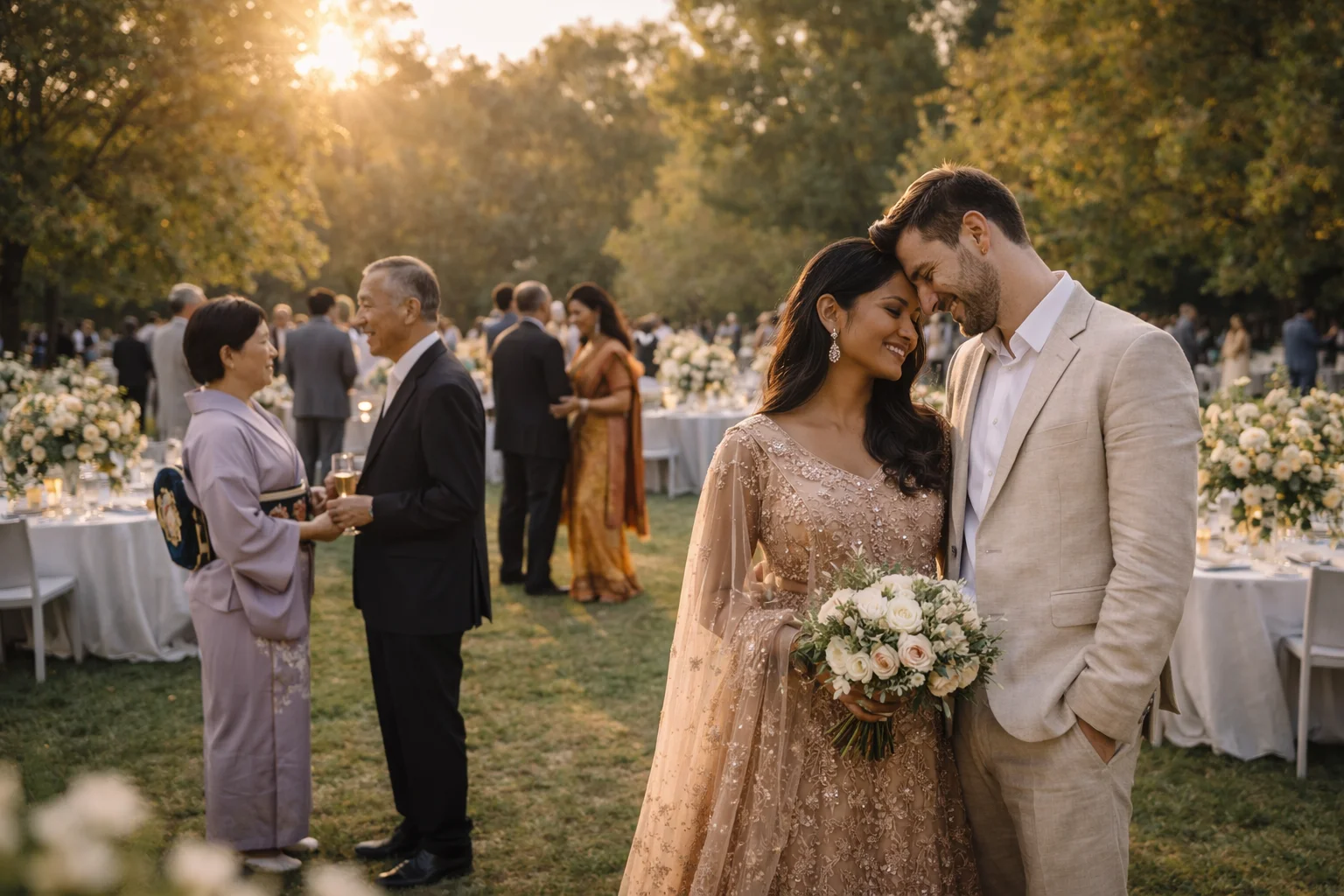
Mixed-Culture Weddings Without Performative Symbolism
A mixed-culture wedding does not become meaningful by displaying as many symbols as possible. It becomes meaningful when the symbols that appear are actually lived, understood, and emotionally carried by the couple and their families. This article looks at how international weddings can honor difference without turning culture into performance.

AI-Edited Wedding Photos in 2026: Where Should the Documentary Boundary Be?
Generative AI can now remove people, reconstruct missing details, replace backgrounds and create wedding images that look completely photographic. This guide helps couples decide which edits are normal photography, which cross into factual alteration, and what to agree with the photographer before the wedding.

The Wedding Guest List and the Quiet Art of Waiting
A guest list is one of the most practical parts of wedding planning, but it is also where uncertainty shows itself most clearly. Decisions about who will stand near the ceremony often unfold slowly, in pauses, hesitations, and unfinished conversations.
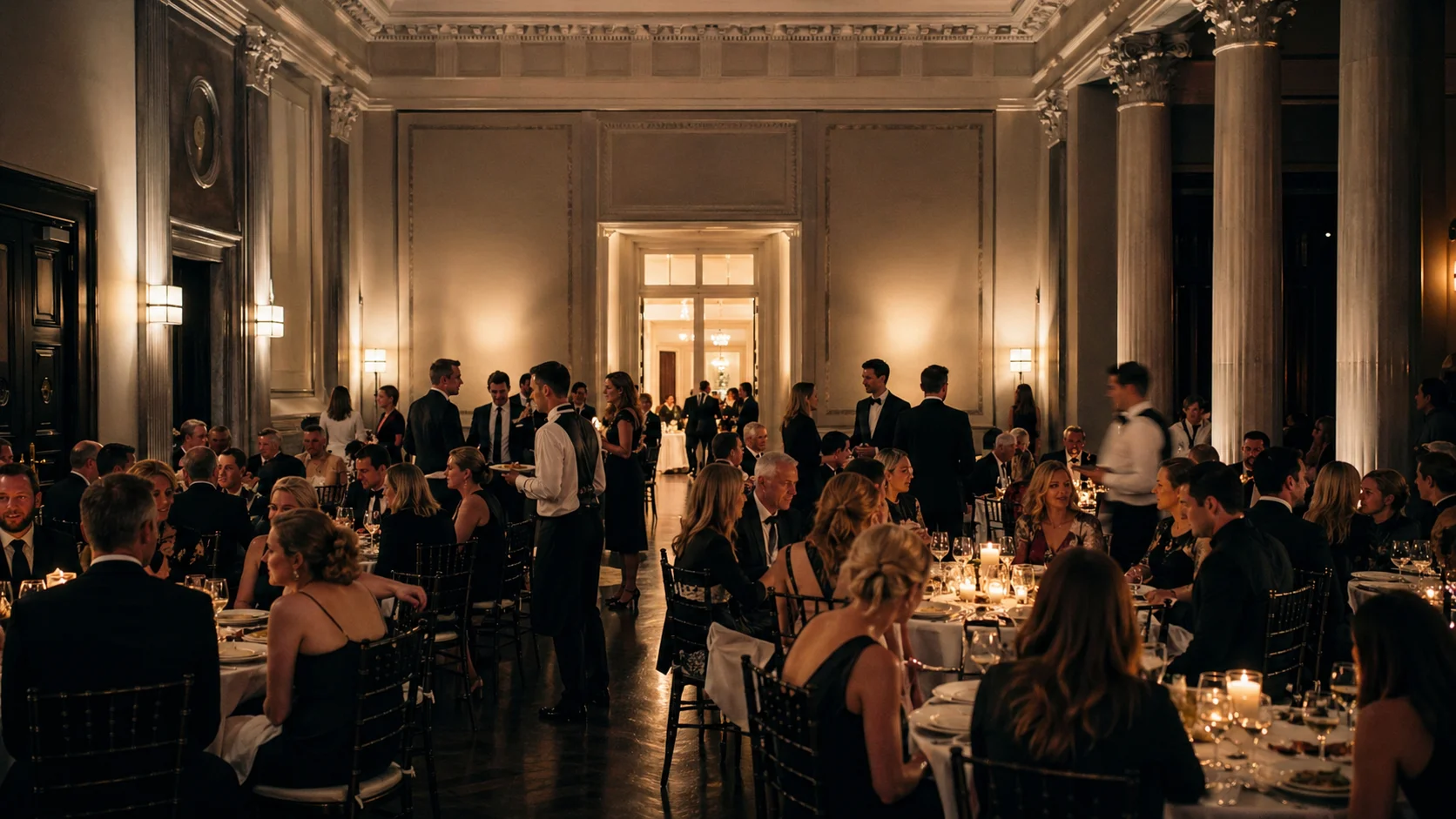
Wedding Dinner Flow Checklist: What Keeps the Room Together Between Courses
Wedding dinners usually drift or hold together in the moments between courses, not during the food itself. This article looks at service rhythm, guest movement, music, speeches, and the small in-between conditions that keep the room socially connected.
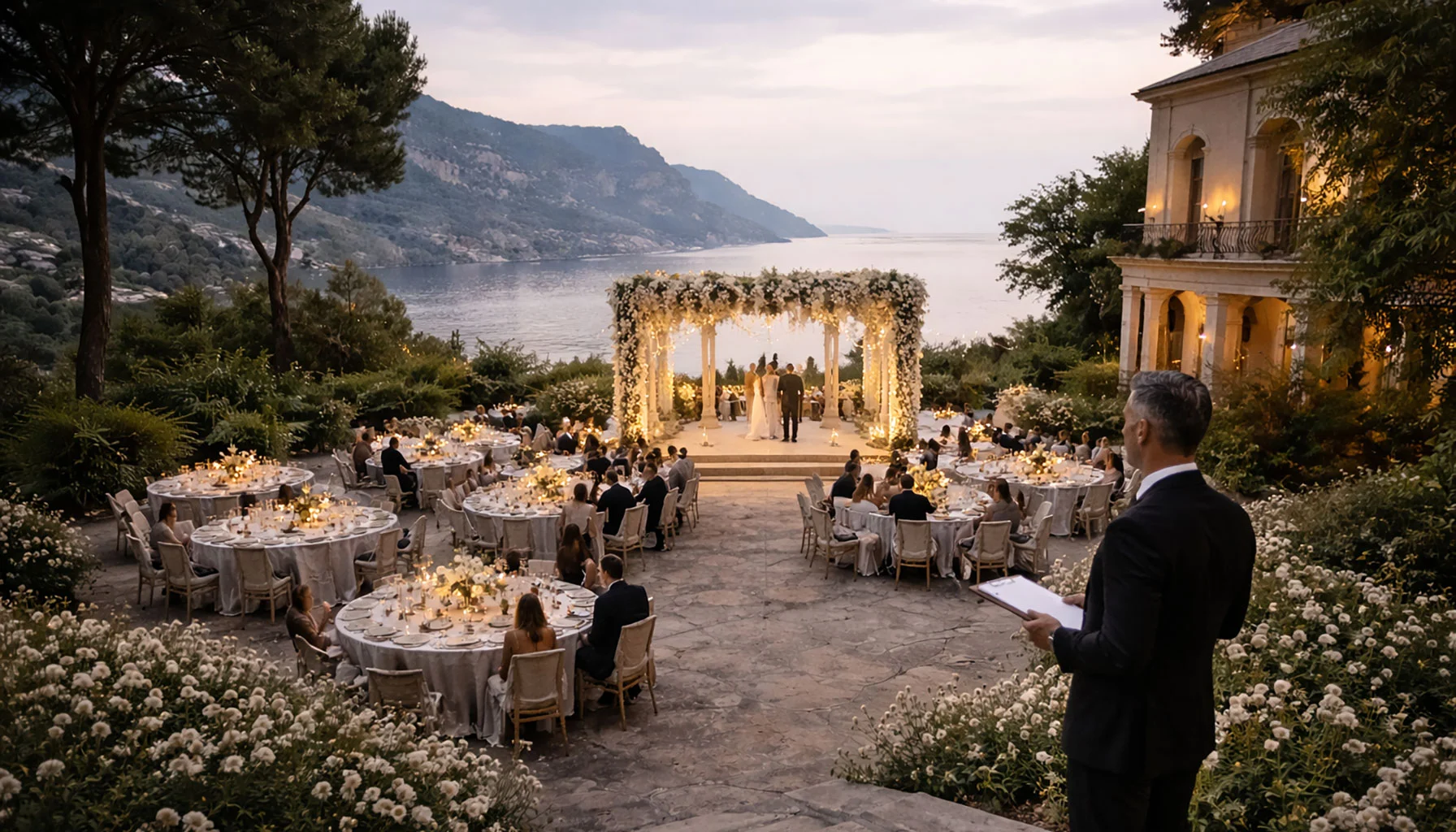
A Wedding Shaped by Quiet Alignment
This wedding was defined not by individual highlights, but by its steady flow. Planning, design, and service worked together without drawing attention to themselves. For guests, the day unfolded naturally and remained consistent, carried by a sense of calm, closeness, and continuity throughout.

Music for Kids and Families at Weddings: International Hits, Trends and Timeless Crowd Pleasers
Family-friendly wedding music rarely works by sheer volume or by forcing participation. It works when recognition arrives quickly enough that children move closer, older guests stay a little longer, and the room begins to trust what is happening. This article looks at music for kids and families through international examples and the quieter logic of how wedding playlists help people remain together.
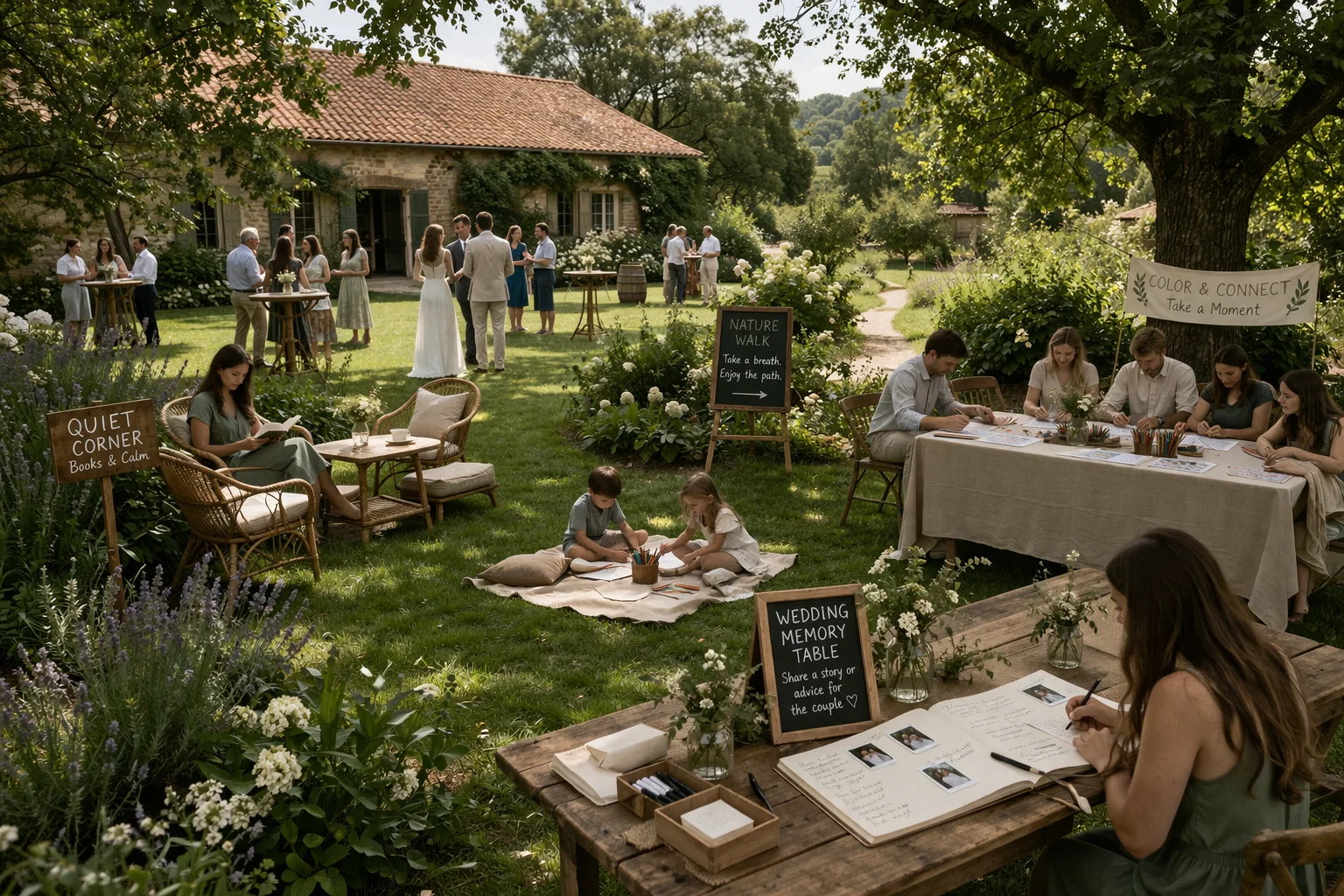
Quiet Wedding Activities for Introverted Guests
Not every wedding guest wants to fill the room with energy. Some feel most present in quieter moments, smaller conversations, and activities that do not demand performance. This article explores thoughtful wedding activities for introverted guests and why those quieter choices often create the most lasting stories.