
Inviting with Intention: The People Who Accompany the Day
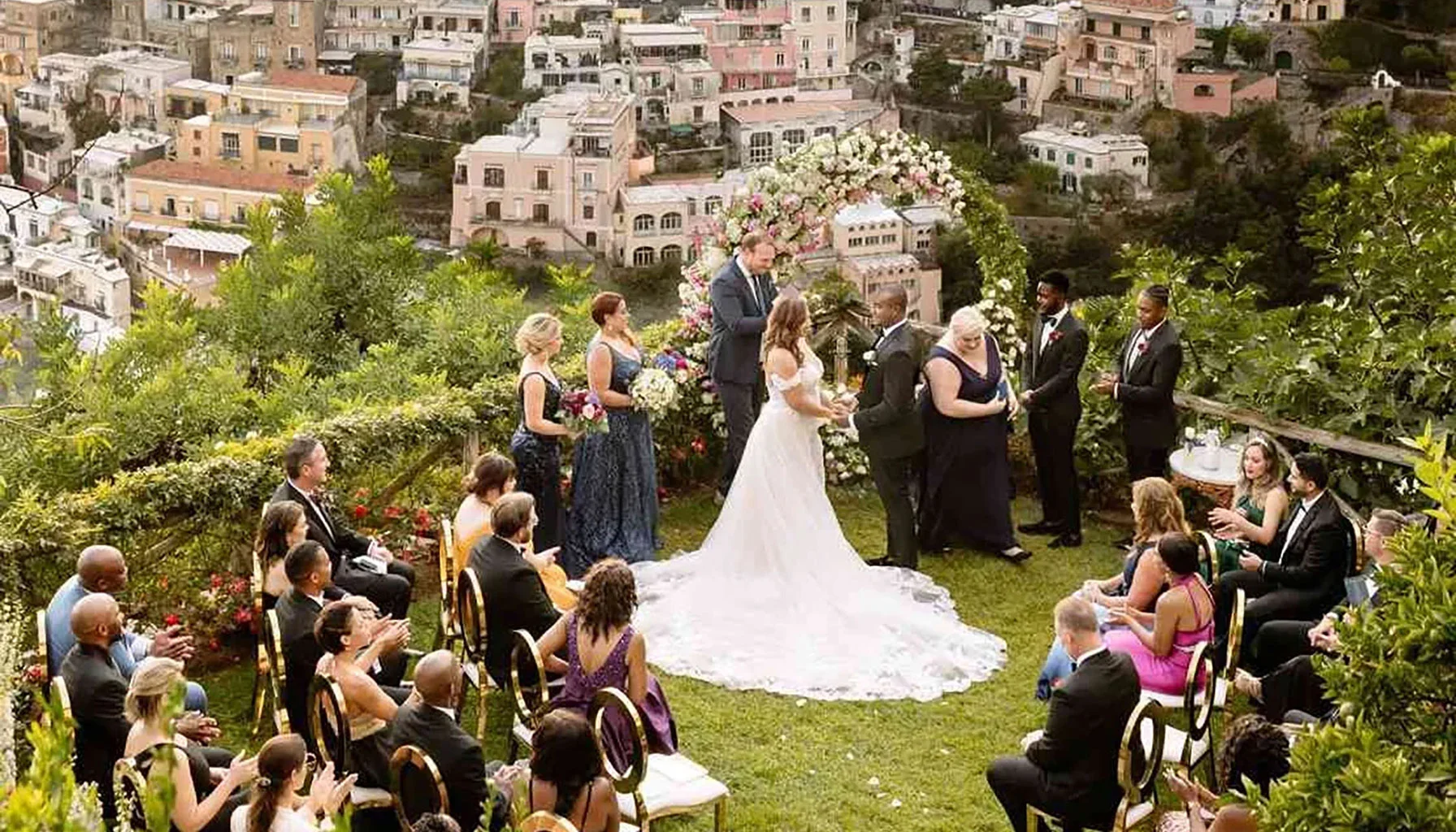
Putting Together a Guest List That Holds
A guest list is more than a number. It shapes the atmosphere long before anyone arrives. You notice it as soon as you walk into a room. Some weddings feel expansive, voices crossing easily. Others feel close, almost settled from the start. In most cases, this has little to do with decoration or scale. It comes down to who is present, and how they relate to one another.
Before You Decide: How Guest Lists Usually Take Shape
Most couples do not begin with a clear list. They begin with names that surface automatically. Family expectations. Old friendships. People connected to shared history. At some point, the focus often shifts. Not dramatically. Just quietly. The question becomes simpler: who is part of daily life now, and who is likely to remain so.
Many couples end up working with loose groupings. Not as rules, more as orientation. It helps when the list grows unevenly, which it often does.
- Inner circle: people you speak to often and would feel the absence of
- Extended circle: relatives and long-standing connections still in contact
- Additional names: people included through context, courtesy, or shared past
Smaller guest lists often allow more ease in conversation. Larger ones can feel lively and generous. Both can work well. What matters is recognizing the kind of day you are shaping and feeling at ease with that choice.
Once the List Exists: Practical Guest Planning
Once invitations are sent, the work becomes practical. Guests want to orient themselves. Where to go. When to arrive. What the day might involve. When this information is clear early on, the tone stays relaxed.
Several guests later said that what stayed with them was not a single moment, but how uncomplicated the day felt.
- Clear arrival instructions and timing
- Accommodation suggestions grounded in reality
- Transport plans where distances matter
- Dietary preferences collected early
- A schedule guests can follow without checking in
- Signage that quietly answers common questions
Seating arrangements tend to matter more than expected. People settle faster when they recognize someone nearby. Mixing groups can work naturally. Forced combinations are usually noticeable. Familiarity often creates the calm guests carry through the evening.
On the Day and After: What Guests Tend to Notice
On the day itself, guests respond to rhythm. When things move steadily, people relax. Short personal moments matter. A greeting. A brief exchange. No one expects long conversations, just recognition.
- A timeline that allows for flexibility
- One clear person to approach with questions
- Spaces to sit, step aside, or get water
- Clear signals for what happens next
- Consistent service that feels attentive
After the wedding, follow-up often happens gradually. Guests notice when it does. A brief, specific thank-you carries weight. Especially for those who traveled or supported the day in practical ways.
- Thank guests within a comfortable timeframe
- Acknowledge travel, help, or presence
- Share a small selection of photos once available
- Mention those who took on extra responsibility
Closing Note
Guest lists do not need to be flawless. They need to feel true to the people getting married. When choices are made with attention and communication stays clear, guests usually meet that tone naturally. One couple reflected afterward, “It felt like everyone there belonged exactly where they were.”
Related Articles

Which Wedding Decisions Should Be Made First? A Dependency Map for Planning Without Rework
Wedding planning is not a flat checklist. Some decisions quietly constrain dozens of others. This guide shows which choices should come first, which can safely wait, and how to reduce expensive rework by planning from dependencies rather than excitement.
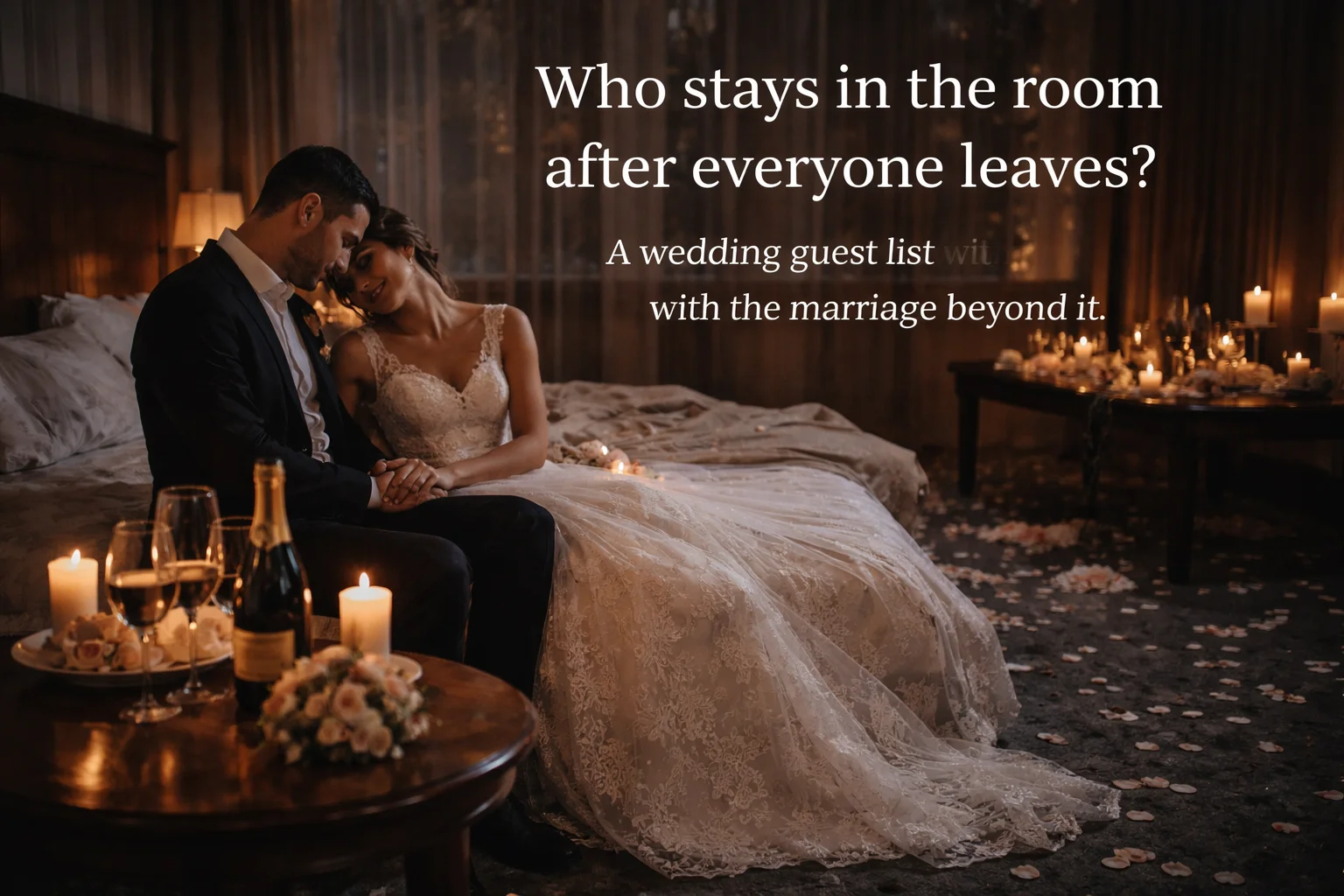
Who Stays in the Room After Everyone Leaves: A Wedding Guest List with the Marriage Beyond It
A wedding guest list is usually treated as a planning tool: numbers, families, tables, obligations. But it also shapes the emotional life that follows the ceremony. This article looks at how choosing who witnesses a marriage influences not only the day itself, but the quieter reality that begins after it.
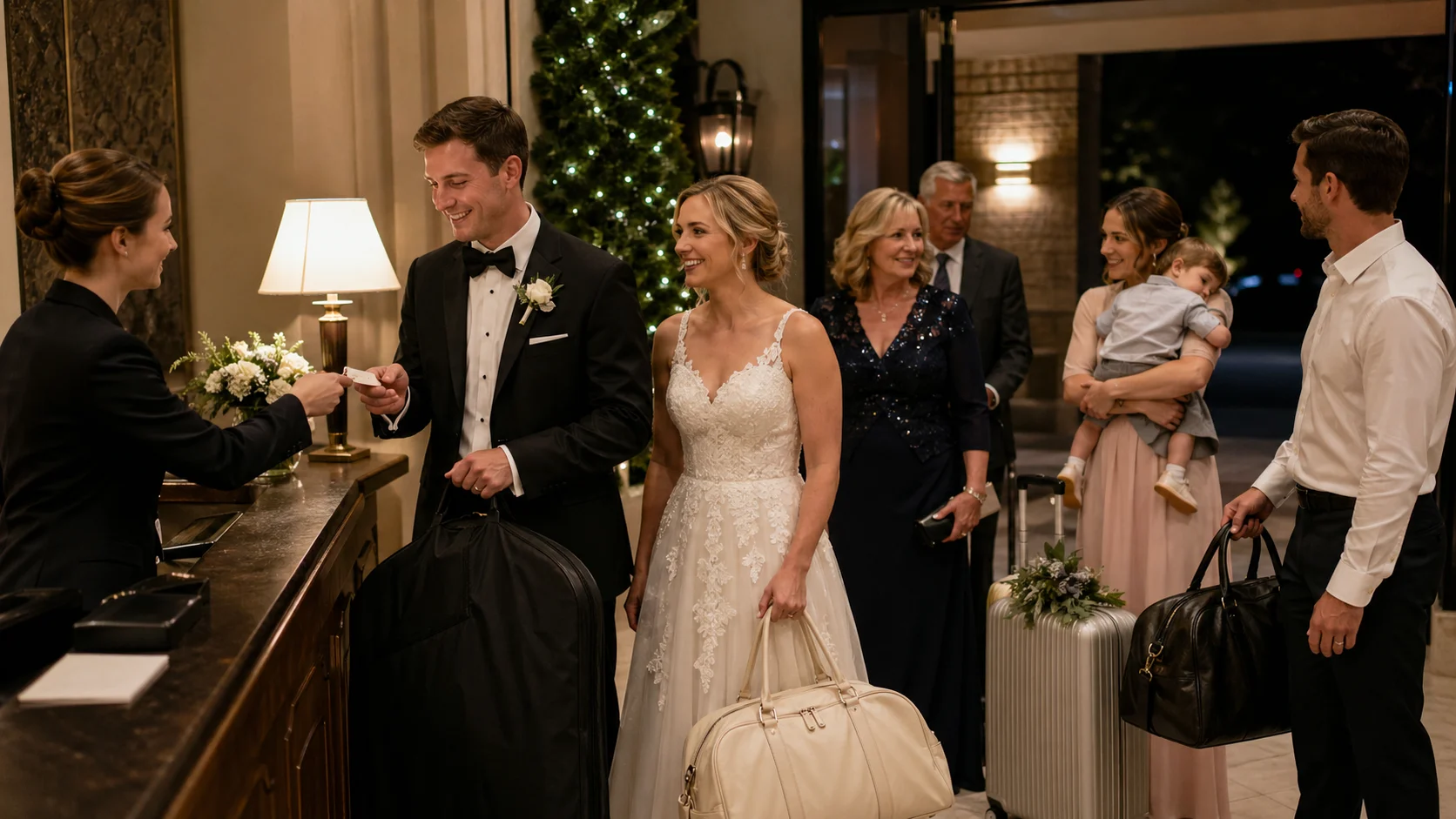
Overnight Stay Checklist: What Couples and Guests Often Realize Too Late
Overnight stays around weddings often seem solved once rooms are booked. This article looks at room access, bags, keys, transport, breakfast, checkout, and the late-night waiting moments couples and guests usually notice too late.

Post-Wedding Gatherings Across Countries: When the Celebration Continues Elsewhere
Some weddings do not end when the official day is over. They continue in another city, another country, another family home, or another social circle that could not be present the first time. This article looks at what post-wedding gatherings across countries actually mean and why they are often less like an encore than a second form of the wedding itself.

Destination Wedding Checklist: What Changes When Travel Becomes Part of the Plan
A destination wedding is never only a wedding in another place. The moment travel becomes part of the plan, the guest list, the schedule, the budget, the emotional pressure, and even the meaning of attendance begin to change. This article looks at what a destination wedding checklist really needs to cover and why travel turns a wedding into a lived story long before the ceremony begins.

Guest Comfort Checklist: Small Conditions That Change the Entire Atmosphere
Guest comfort at weddings is shaped by small conditions long before anyone complains. This article looks at temperature, seating, sound, waiting areas, access, and quiet spaces of relief that change how the whole room feels.

Multilingual Wedding Communication: What Guests Need to Understand Without Constant Explanation
A multilingual wedding does not fail because different languages are present. It becomes difficult when guests are left unsure what they need to understand, what they can simply feel, and what requires translation in the moment. This article looks at how to create clarity in multilingual wedding communication without overexplaining every part of the day.
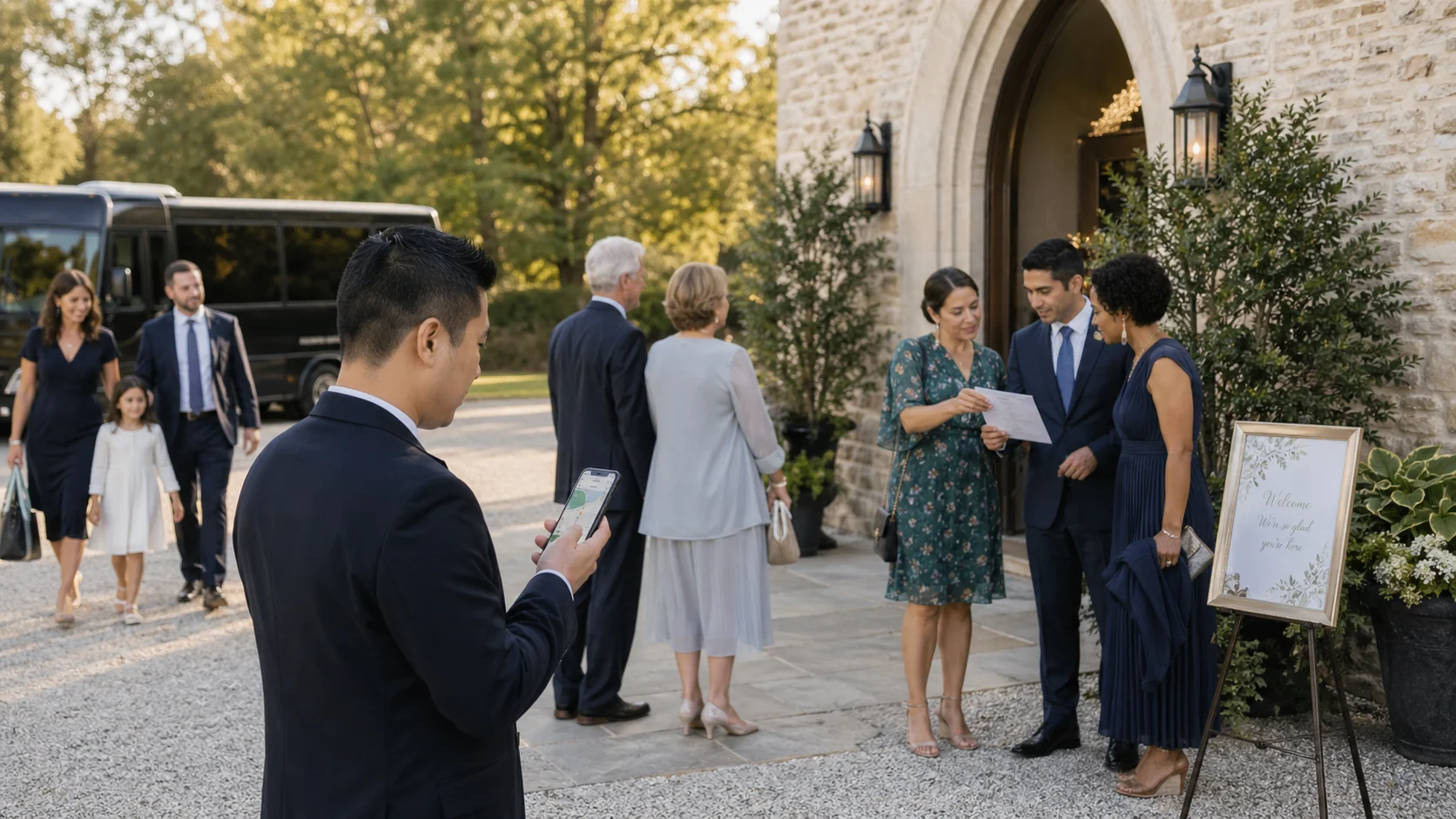
Wedding Website Checklist: What Guests Actually Need, and What They Ignore
Wedding websites work best when they reduce uncertainty instead of filling space. This article looks at what guests actually need to find quickly, what they usually ignore, and which unspoken questions a good website can answer before they become messages to the couple.

Transportation Checklist: How Not to Lose Time Between Wedding Locations
Wedding transportation is rarely only about the drive. This article looks at pickup points, buffers, driver contacts, guest movement, accessibility, and the pause between locations that either keeps the day together or quietly costs time.
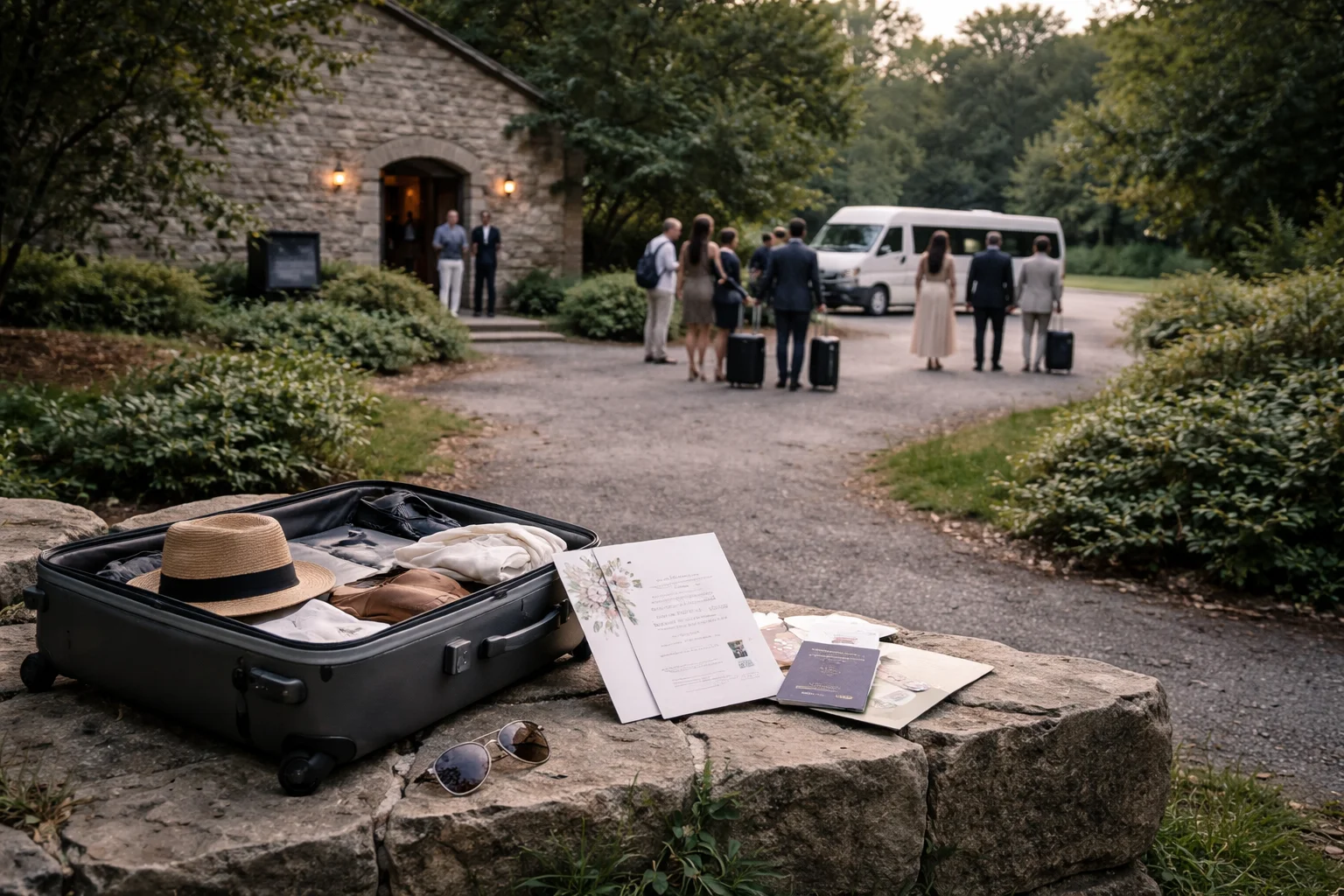
Guests Who Travel Far for the Wedding: What Invitation Means in Practice
A wedding invitation does not mean the same thing to every guest. For people traveling far, it quickly becomes more than a warm gesture. It becomes a practical commitment of time, money, planning, and emotional effort. This article looks at what invitation means in practice when guests come from far away, and why distance reveals the real weight of being included.
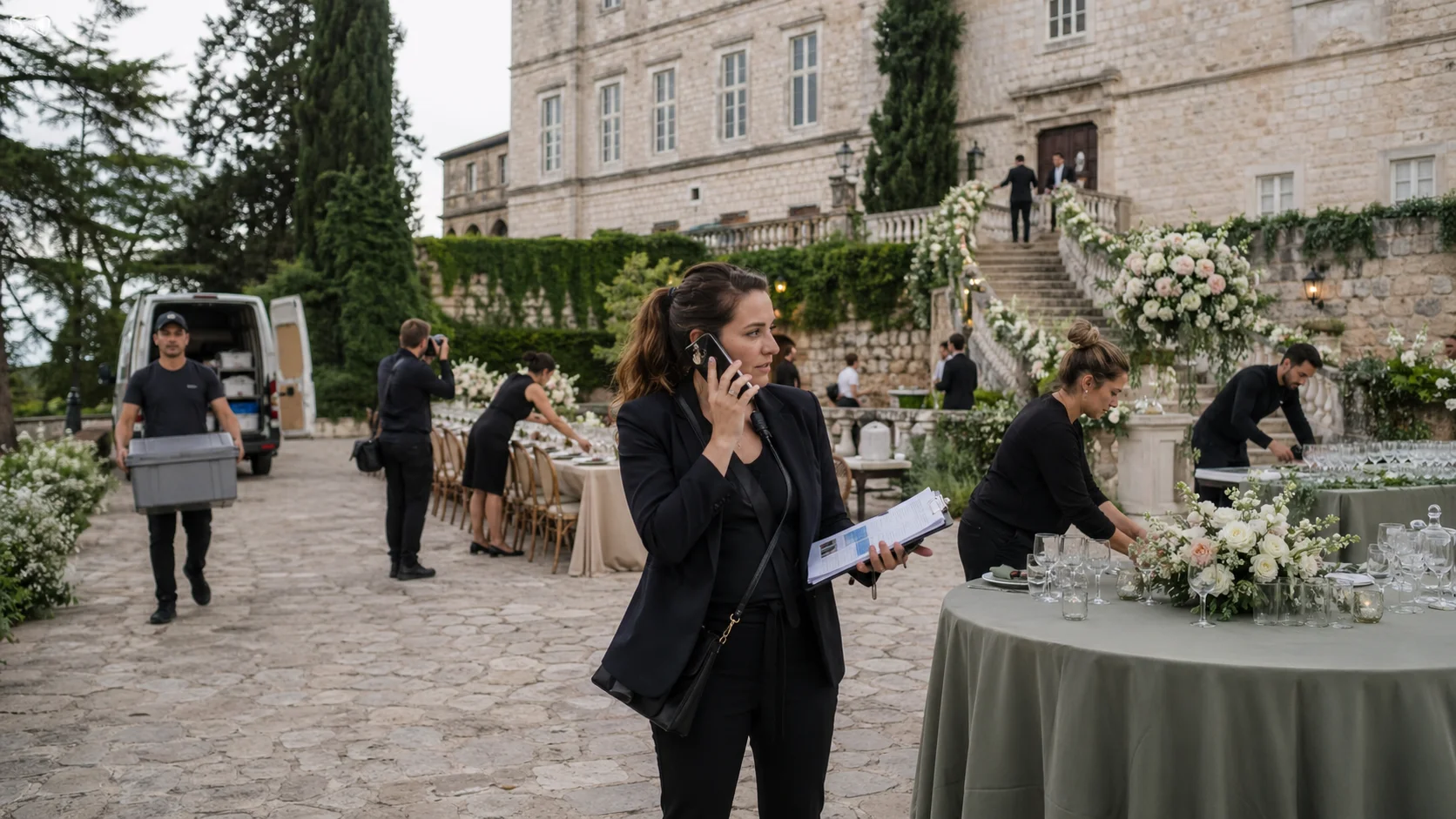
Vendor Contact Checklist: Who Needs to Reach Whom When the Day Starts Moving
A wedding contact list is not the same thing as a wedding communication plan. Once the day starts moving, what matters is not only who is involved, but who should contact whom, for what reason, and at which moment.

The Wedding Guest List and the Quiet Art of Waiting
A guest list is one of the most practical parts of wedding planning, but it is also where uncertainty shows itself most clearly. Decisions about who will stand near the ceremony often unfold slowly, in pauses, hesitations, and unfinished conversations.