
The Wedding Guest List and the Quiet Art of Waiting

The Wedding Guest List and the Quiet Art of Waiting
A wedding guest list seems factual at first. It asks for names, households, numbers, and the practical limits of the room. But anyone who has planned a ceremony knows that the list quickly becomes more than administration. It carries old loyalties, current tensions, and the private question of who truly belongs near the vows.
That is why a guest list naturally connects with the experience of waiting. One is structured and visible, the other quiet and internal. Together, they describe a familiar part of engagement: making decisions before everything feels fully resolved.
Guest List – CategoryWedding Guest List – Who to Invite and What to Consider is one of the most important aspects of wedding planning. Your guest list influences your budget, venue choice, seating arrangements, and the overall atmosphere of your celebration. Deciding who to invite, how to handle plus-ones, managing RSVPs, and considering special guest needs all play a key role in creating a smooth and enjoyable experience for both you and your guests.
Definition
In wedding planning, the bridge between a guest list and waiting lies in timing. Couples must decide whom to invite while some family conversations are still unresolved, some friendships are changing shape, and some boundaries are only beginning to become clear. The list gives structure to the event, while waiting reveals the emotional reality beneath that structure.
Names Carry More Than Logistics
A guest list is never only a count. A single name can bring relief, doubt, affection, or strain. There may be relatives you love but rarely see, friends from another chapter of life, or people whose presence matters mostly to someone else in the family. This is where practical planning becomes emotional work. The list asks for clarity even when the heart is still sorting itself out.
Family Decisions Often Need More Time
Few parts of wedding planning reveal family dynamics as quickly as the invitation list. One parent may want to keep old obligations alive, while the couple hopes for a smaller and more coherent room. Another family member may assume certain invitations are automatic. In these moments, waiting is not passivity. It is often the time required for honest limits to emerge without turning every discussion into a confrontation.
The RSVP Period Extends the Uncertainty
Even after invitations are sent, the waiting does not end. Replies arrive unevenly. Some guests answer within hours, others only after reminders, and a few seem unable to decide at all. This period can feel oddly exposed because the wedding has become visible, yet it is not fully formed. A calm tracking system helps, but what steadies couples most is accepting that silence is part of the process and not always a sign that something has gone wrong.
A Thoughtful No Can Protect the Ceremony
Not every absence is a failure of generosity. Sometimes a careful guest list depends on a respectful refusal, a limit held quietly, or the recognition that a certain relationship does not belong inside the emotional center of the day. Weddings are public in one sense, but the ceremony itself remains intimate. Waiting can help couples see which invitations arise from love and which come only from pressure or habit.

Waiting is not inactivity. It is the emotional state of knowing that something will happen, without knowing when or how.
Conclusion
A wedding guest list is where planning becomes personal in a very direct way. It asks for numbers and decisions, but it also reveals where people are still waiting for clarity, repair, courage, or release. Handled well, the list does more than organize the room. It helps the couple notice which relationships are ready to stand close when the ceremony finally begins.
Related Articles
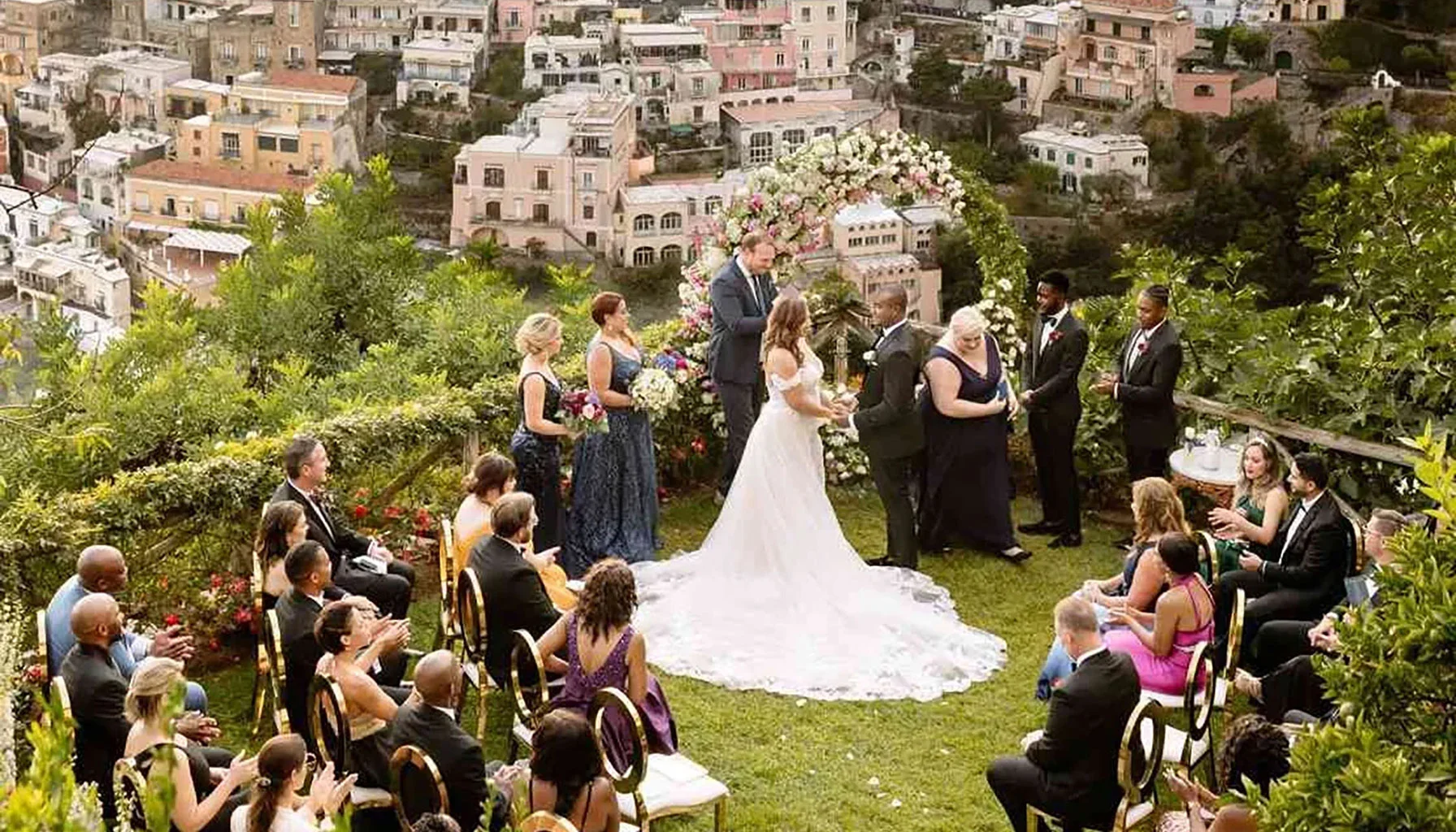
Inviting with Intention: The People Who Accompany the Day
A thoughtfully curated guest list is the foundation of a meaningful and memorable wedding, shaping both the atmosphere and emotional depth of the celebration. By choosing guests with intention and hosting them with care before, during, and after the wedding, couples create an experience rooted in connection, comfort, and genuine appreciation.
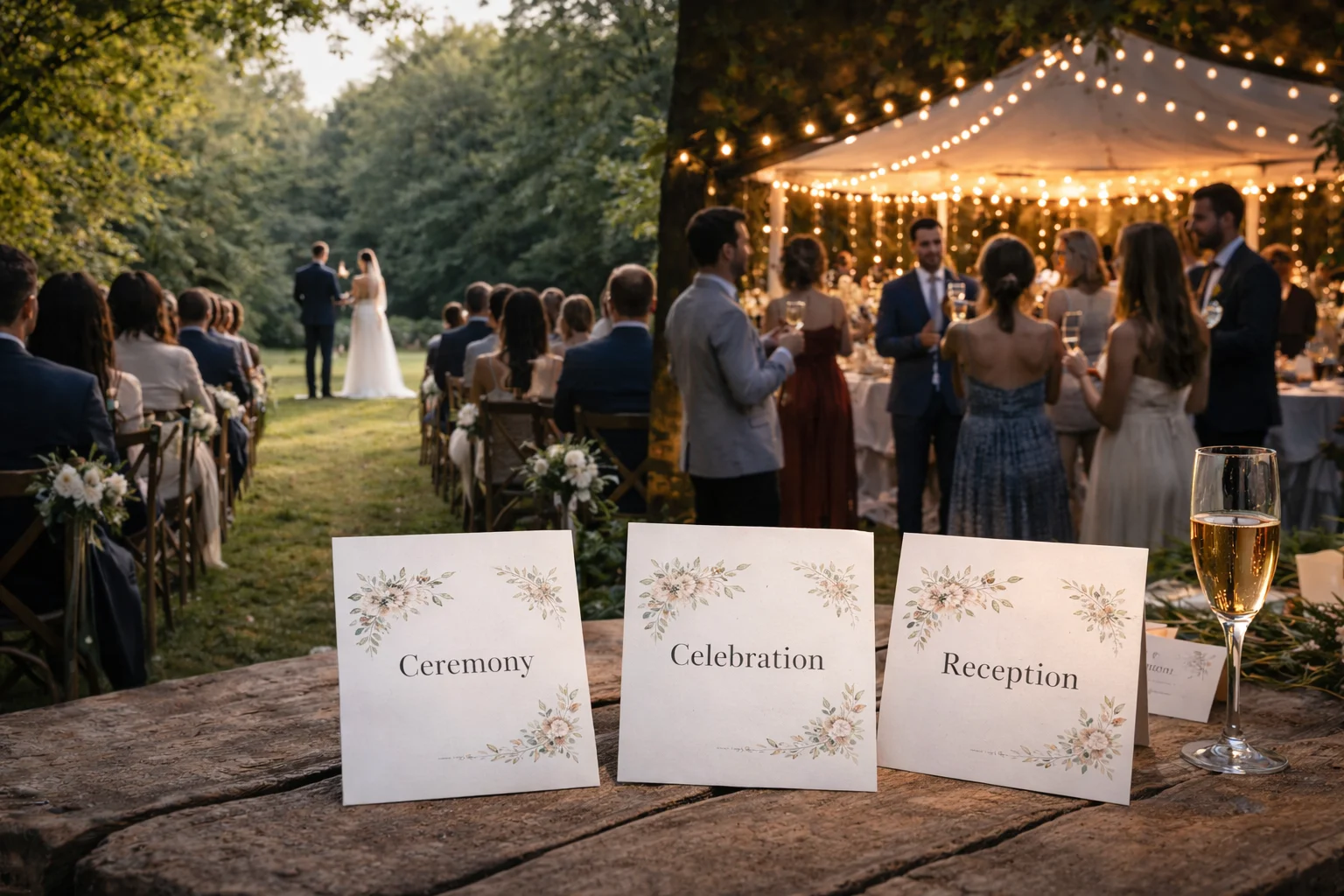
Who Is Invited to the Ceremony and Who Only to the Celebration
Not every wedding invitation has to include every part of the day. But the difference between being invited to the ceremony and being invited only to the celebration carries more meaning than many couples first assume. This article looks at how to make that distinction clearly, gracefully, and in a way that fits both the ritual weight of the ceremony and the social reality of the celebration.
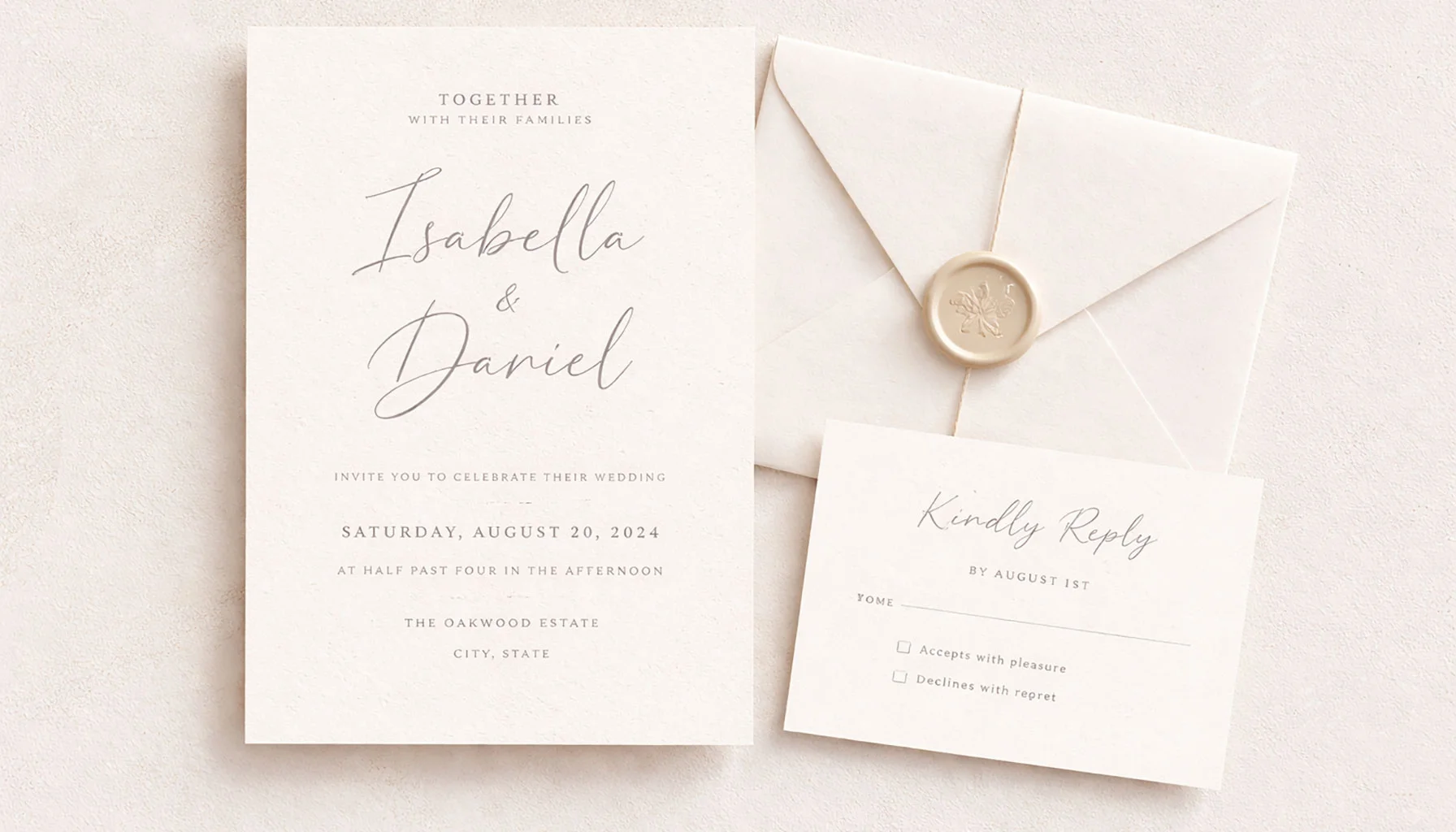
An Invitation to Remember: Creating Wedding Invitations That Set the Tone and Last Forever
A wedding invitation does more than announce a date. It begins shaping expectation, tone, and emotional distance long before anyone arrives. This article looks at invitations as the first quiet threshold of a wedding, where material, wording, and timing begin preparing guests for the day ahead.
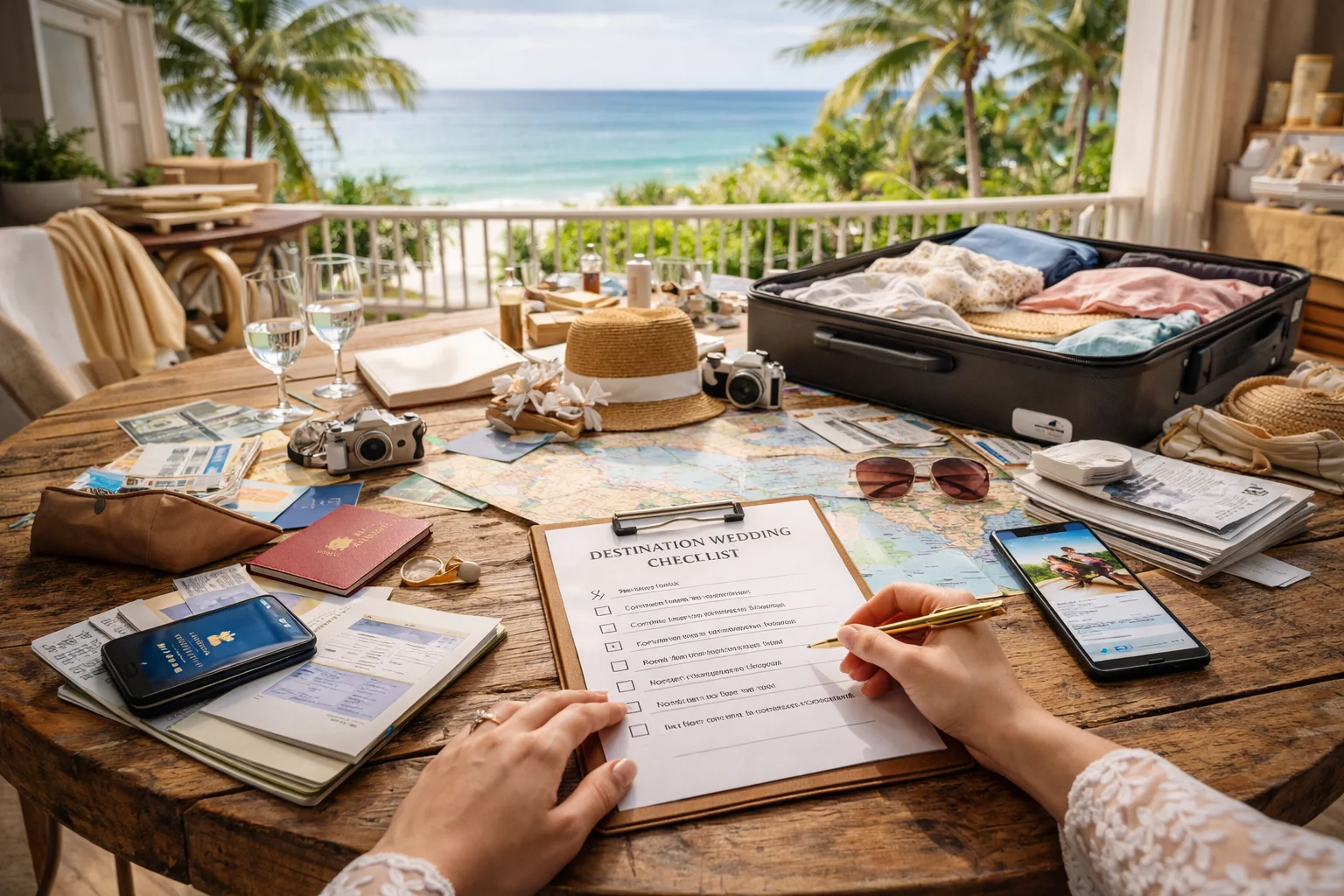
Destination Wedding Checklist: What Changes When Travel Becomes Part of the Plan
A destination wedding is never only a wedding in another place. The moment travel becomes part of the plan, the guest list, the schedule, the budget, the emotional pressure, and even the meaning of attendance begin to change. This article looks at what a destination wedding checklist really needs to cover and why travel turns a wedding into a lived story long before the ceremony begins.

Guest List Coordination with Families: Typical Situations During Wedding Planning
The guest list rarely develops in isolation. Once families become involved, the list begins to shift. Names appear from old address books, distant relatives, or long standing family friendships. The process is usually quiet and gradual. Conversations happen in small steps. Over time the list starts to reflect not only the couple but also the wider family network.
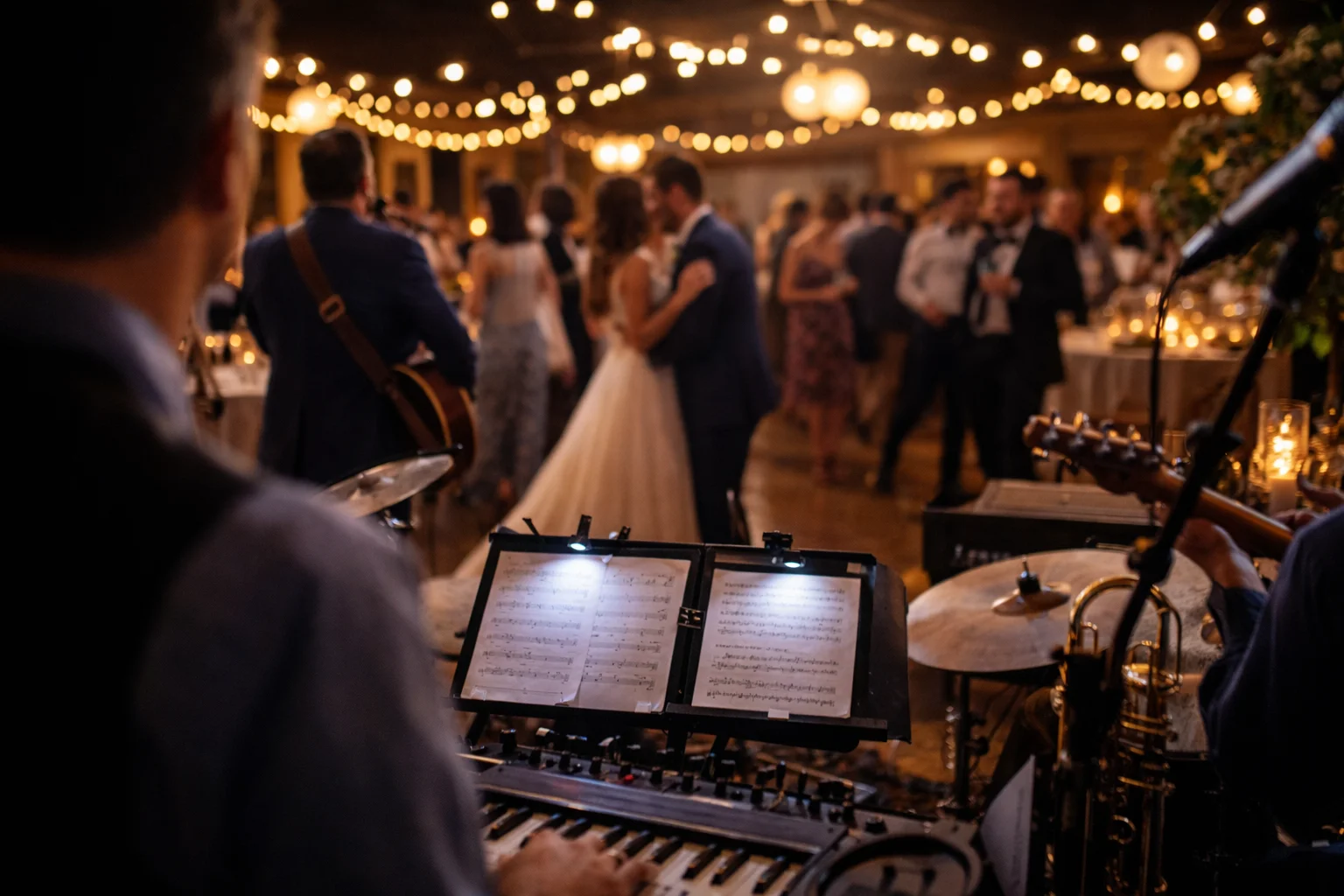
Situational Playlists at Weddings: Real Moments, Small Shifts
The best wedding playlists are rarely built around genres alone. They respond to hesitation, momentum, waiting, release, and the subtle changes that happen across a real evening, often through small song choices rather than big musical statements.
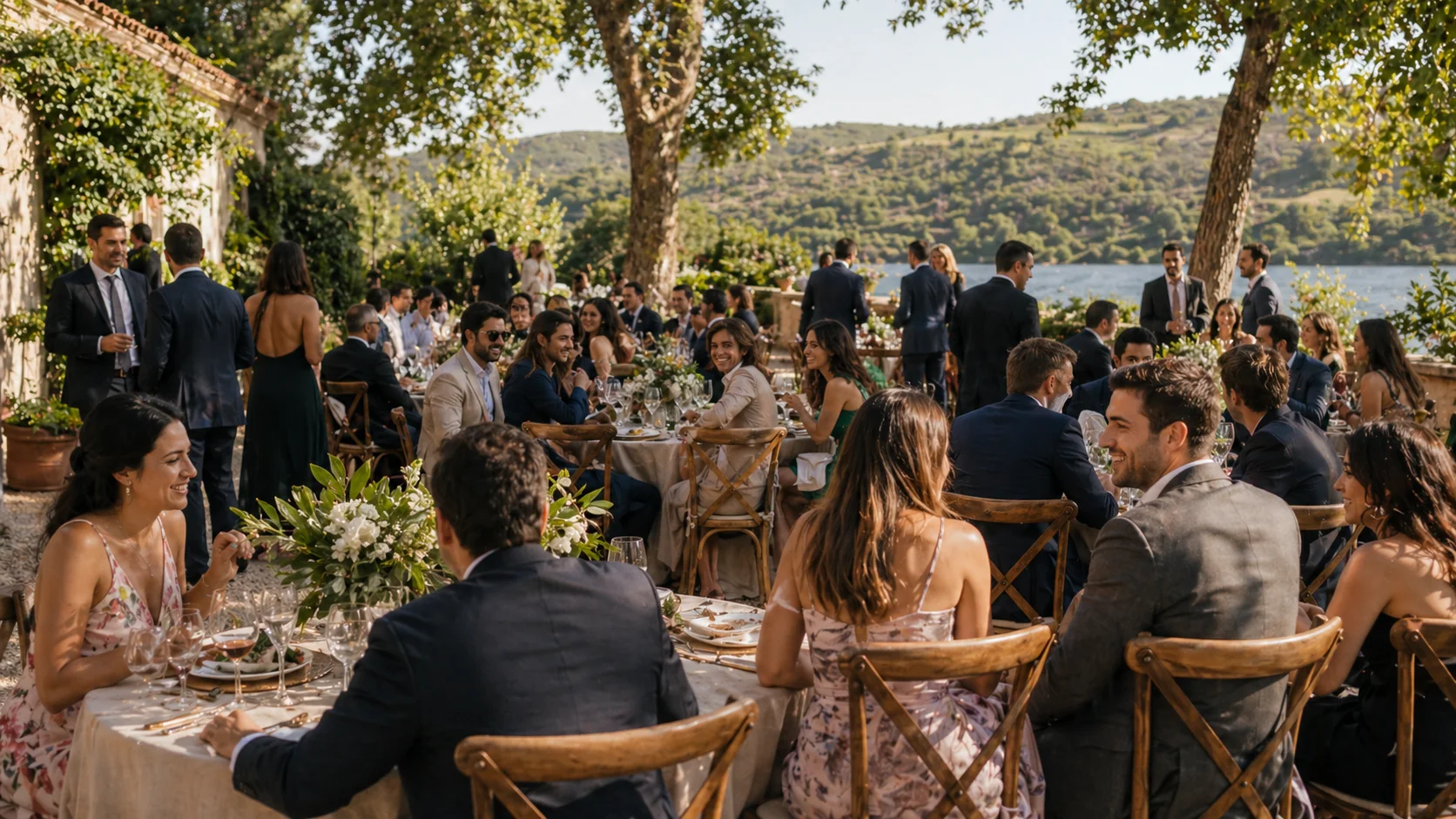
Guest Comfort Checklist: Small Conditions That Change the Entire Atmosphere
Guest comfort at weddings is shaped by small conditions long before anyone complains. This article looks at temperature, seating, sound, waiting areas, access, and quiet spaces of relief that change how the whole room feels.
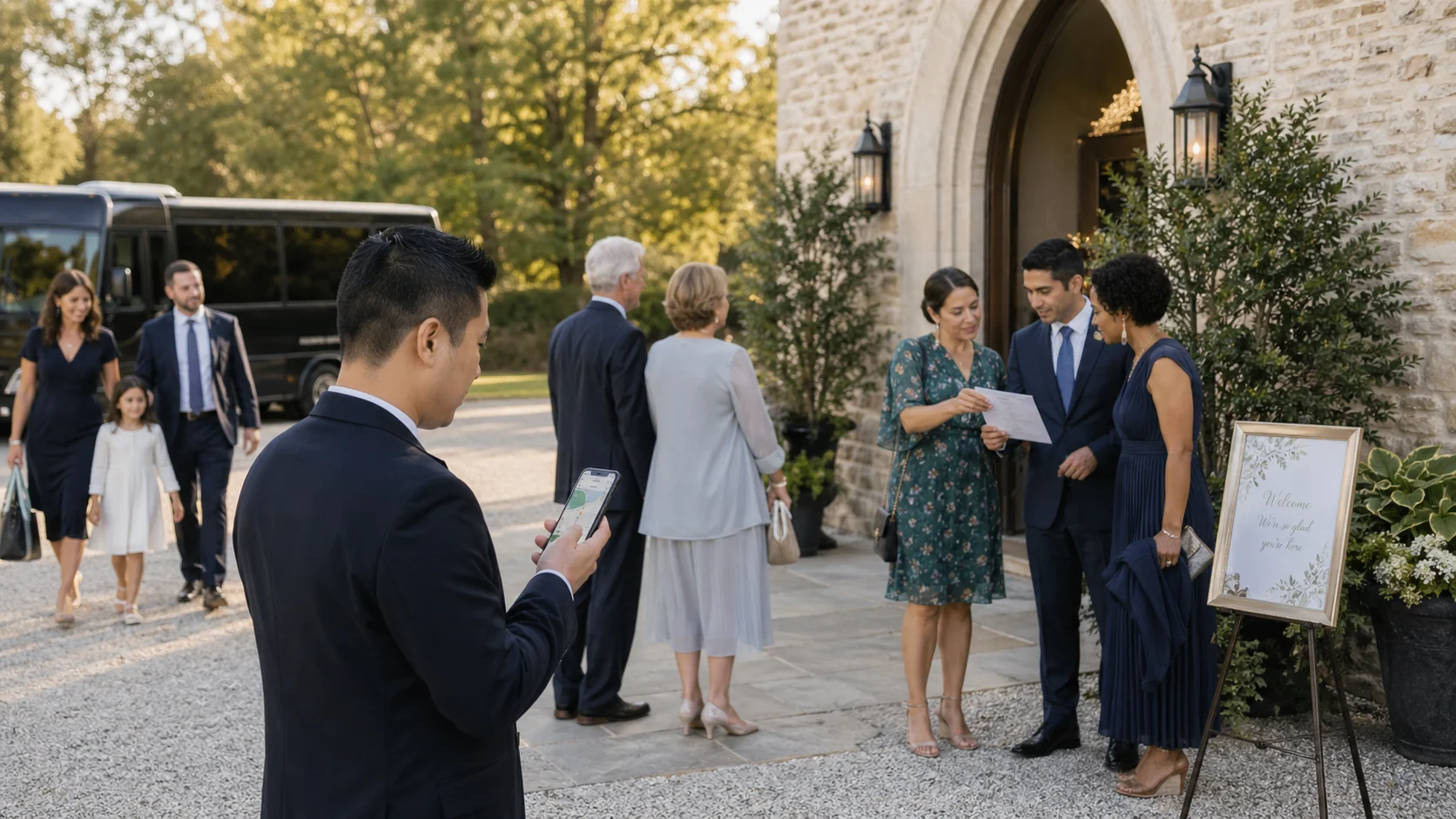
Wedding Website Checklist: What Guests Actually Need, and What They Ignore
Wedding websites work best when they reduce uncertainty instead of filling space. This article looks at what guests actually need to find quickly, what they usually ignore, and which unspoken questions a good website can answer before they become messages to the couple.
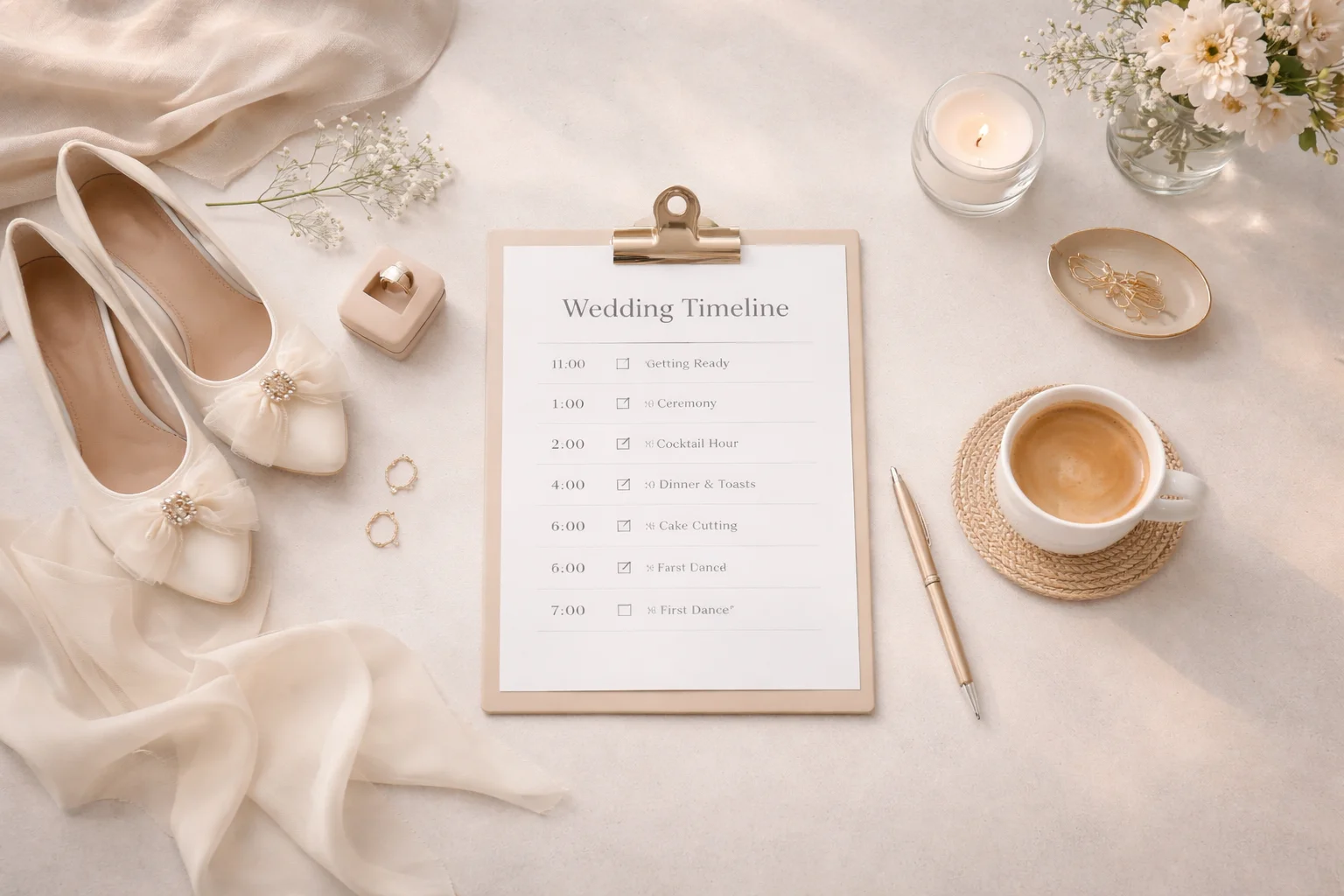
Minimal Wedding Timeline Checklist: How to Leave Space Without Losing Structure
A minimal wedding does not need to fill every moment too early. This checklist helps couples create a calm celebration with space, timing, and intentional restraint, while recognizing that waiting itself can shape the emotional atmosphere of the day.
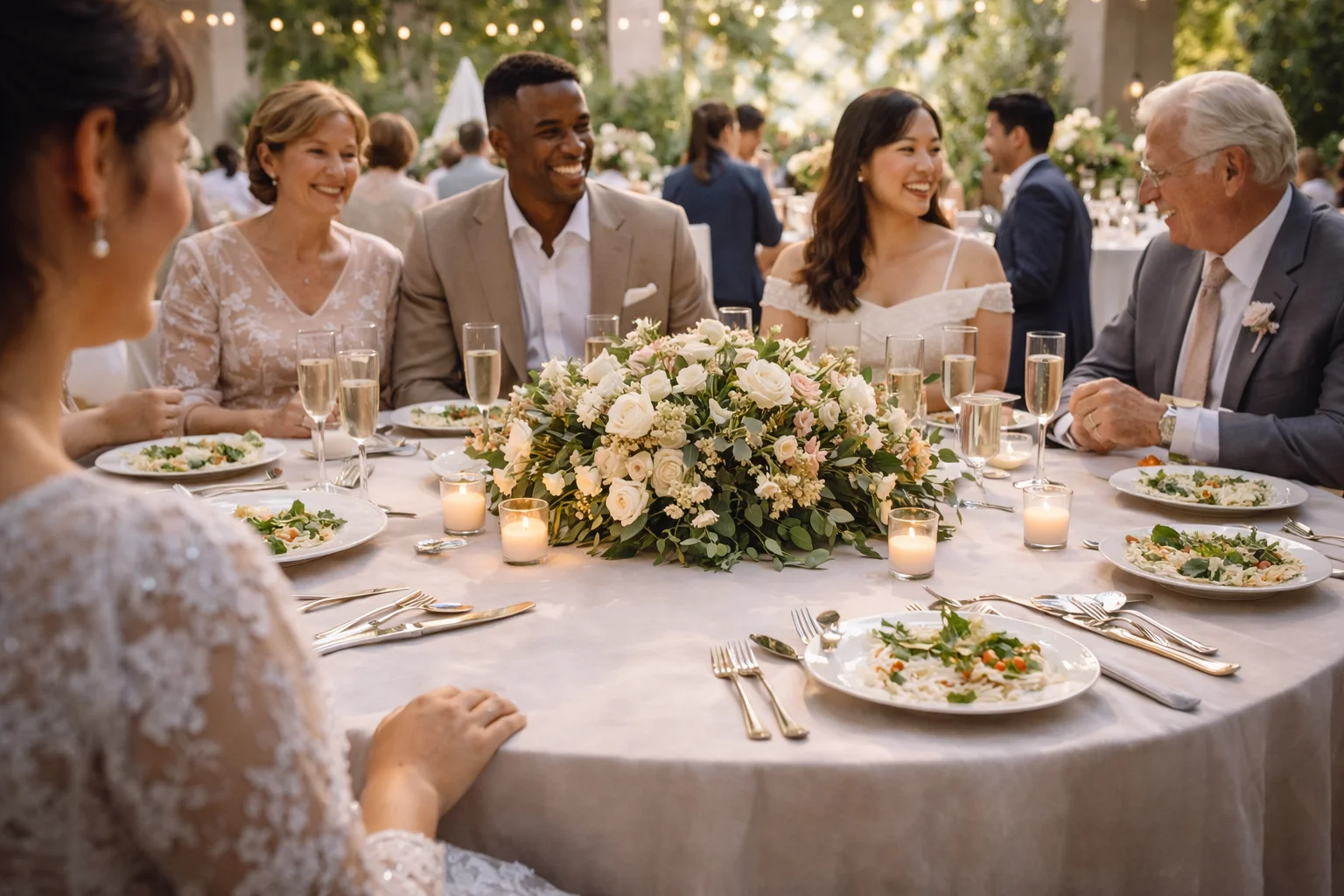
Multilingual Wedding Communication: What Guests Need to Understand Without Constant Explanation
A multilingual wedding does not fail because different languages are present. It becomes difficult when guests are left unsure what they need to understand, what they can simply feel, and what requires translation in the moment. This article looks at how to create clarity in multilingual wedding communication without overexplaining every part of the day.
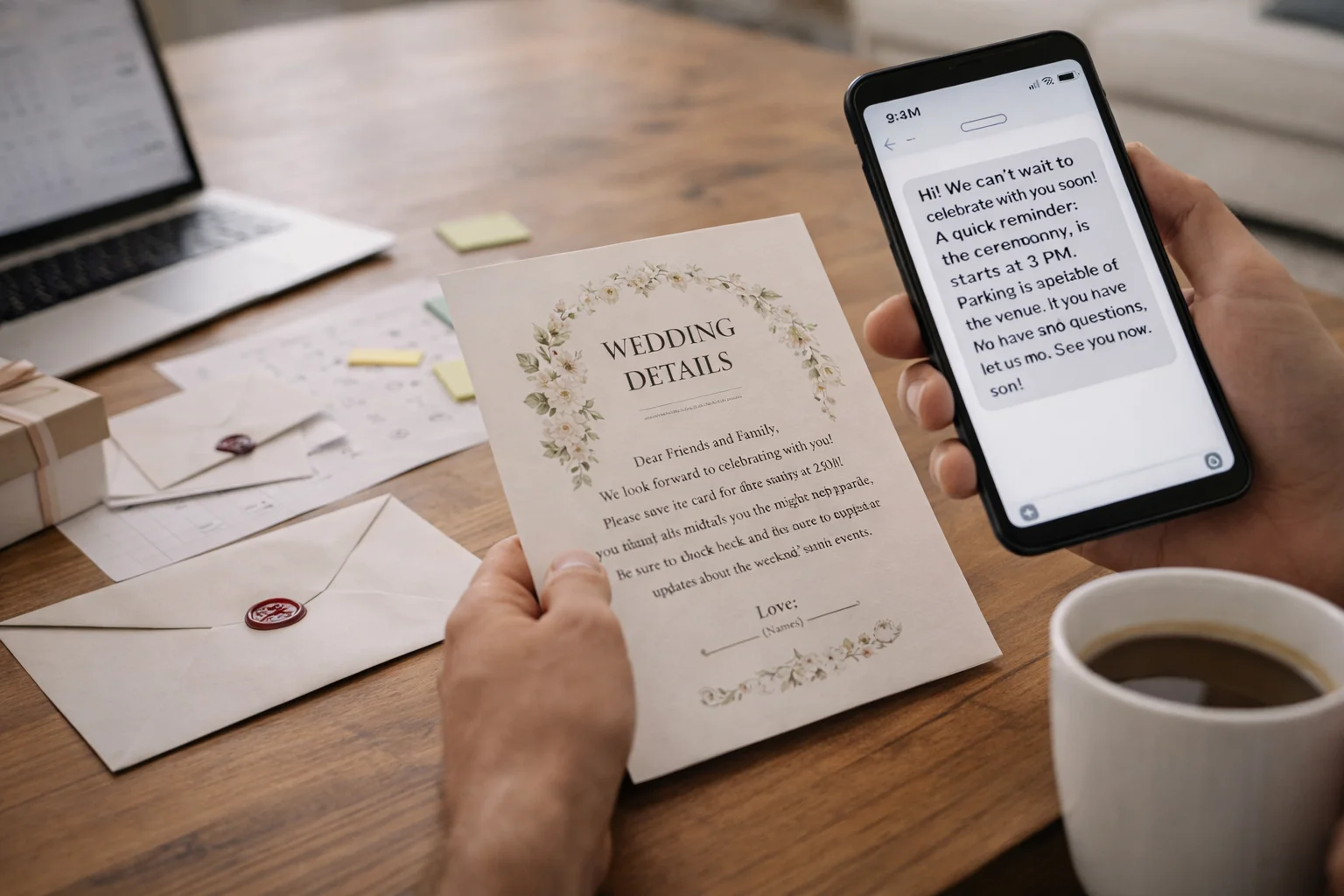
Wedding Guest Communication Checklist: What Guests Need to Know and When
Good wedding communication is not about sending guests everything at once. It is about giving the right information at the right moment, so the day feels clear without becoming overexplained. This article looks at what guests actually need to know, when they need to know it, and why silence still has a place in wedding planning.
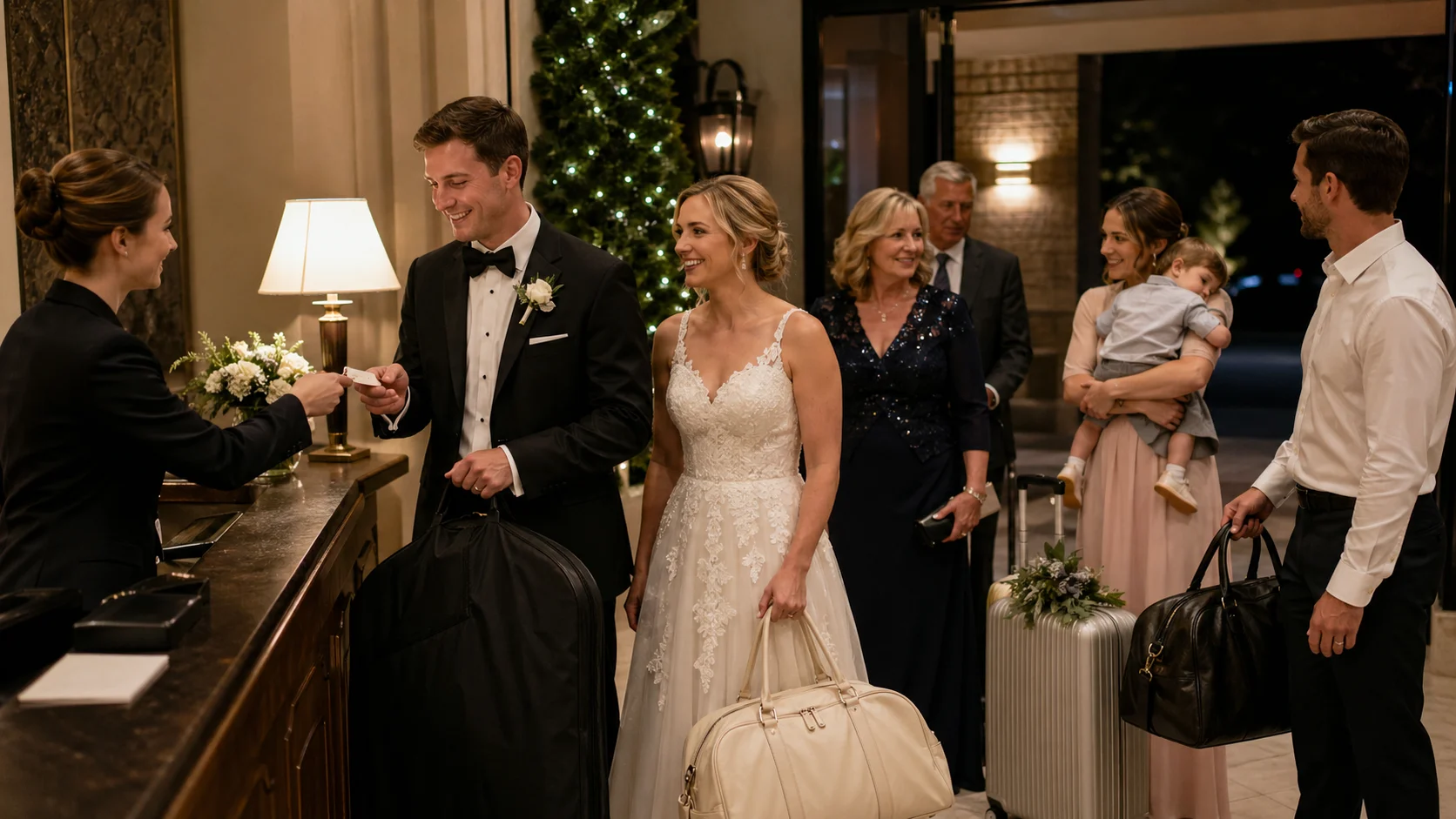
Overnight Stay Checklist: What Couples and Guests Often Realize Too Late
Overnight stays around weddings often seem solved once rooms are booked. This article looks at room access, bags, keys, transport, breakfast, checkout, and the late-night waiting moments couples and guests usually notice too late.