
Guests Who Travel Far for the Wedding: What Invitation Means in Practice
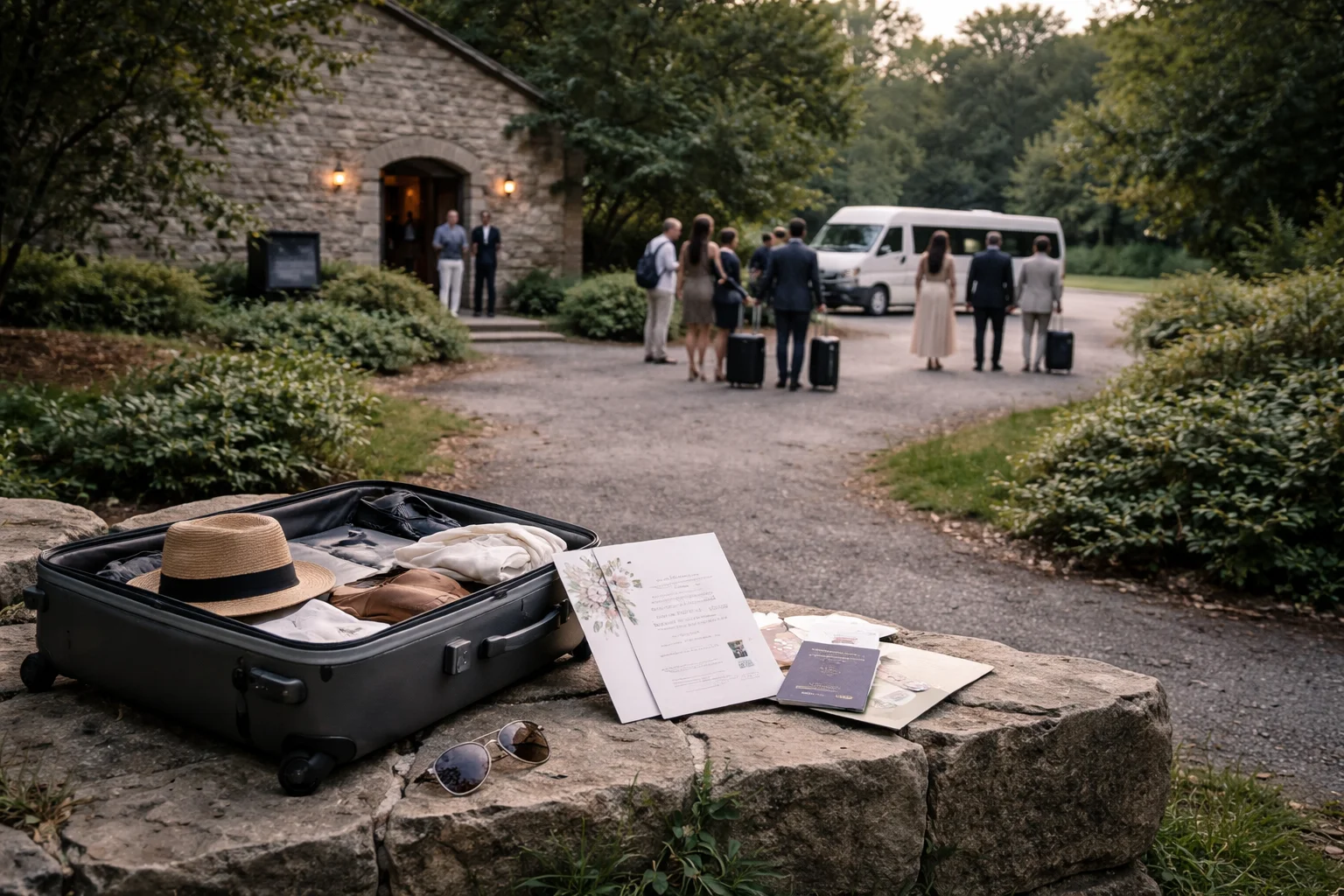
A wedding invitation looks simple on paper. A date, a place, a welcome. But for guests who travel far, it is rarely received as a light social gesture. It becomes a question of flights, time off, hotel costs, childcare, transfers, clothing, fatigue, and the quiet calculation of what this wedding asks in real life. That does not make the invitation less generous. It makes its meaning more visible. Distance tends to reveal what inclusion actually costs.
This is also why long-distance invitations connect so naturally to the question of why proposals matter. A proposal turns private feeling into explicit direction. It asks for clarity and makes a relationship public in a new way. A wedding invitation, especially for guests who must travel far, carries that clarity outward. It tells people not only that the couple is getting married, but that their presence is worth real effort. In that sense, the guest list is one of the first practical forms the proposal takes in the wider world.
Guest ListWedding Guest List – Who to Invite and What to Consider is one of the most important aspects of wedding planning. Your guest list influences your budget, venue choice, seating arrangements, and the overall atmosphere of your celebration. Deciding who to invite, how to handle plus-ones, managing RSVPs, and considering special guest needs all play a key role in creating a smooth and enjoyable experience for both you and your guests.

Proposals matter because they force clarity. A single question turns uncertainty into choice, and choice into memory that can shape a relationship long after the moment has passed.
Definition
Inviting guests who travel far is not only a guest list decision. It is a practical and emotional invitation into the wedding's real demands. The meaning of inclusion becomes heavier because attendance requires planning, expense, and trust that the effort will be met with care and clarity.
Distance Changes the Meaning of Yes
When a guest lives nearby, saying yes often means rearranging one day. When a guest lives far away, yes can mean rearranging a week, a budget, or a family routine. That is why long-distance invitations are heard differently. They do not simply ask whether someone wants to come. They ask whether someone can translate affection into logistics. Couples usually communicate better once they understand that distance changes the scale of the decision.
Inclusion Has to Be Supported Practically
Guests who travel far do not need luxury in order to feel considered, but they do need usable information. Save-the-date timing, realistic location guidance, accommodation options, local transport clarity, ceremony timing, and an honest sense of how much of the wedding weekend is actually expected of them all matter. A far-travel invitation becomes stronger when it is paired with practical orientation, because care is felt most clearly when uncertainty is reduced.
The Emotional Weight Is Different Too
Distance intensifies feeling in both directions. Guests who travel far often feel especially honored to be included, but they may also feel exposed if the invitation seems vague, overly demanding, or socially difficult to decline. Couples do not need to apologize for inviting people from afar. They do need to understand that the invitation carries more emotional weight because it asks for a visible choice. For some guests, attending becomes a small act of loyalty, not just celebration.
Hospitality Starts Before Arrival
For long-distance guests, hospitality begins well before the wedding day. It begins in the wording of the invitation, in the timing of communication, in whether the travel burden is acknowledged without becoming theatrical, and in whether the wedding seems prepared to receive people who have made a real journey to be there. Small gestures matter here: a clear website, transport notes, welcome timing, one contact point, and a schedule that respects fatigue all change how invited guests experience the wedding before it even begins.
An Invitation Also Gives Permission
The most thoughtful invitations to far-travel guests do something subtle. They offer inclusion without turning attendance into a moral test. They make it clear that the invitation is sincere, the presence would matter, and the realities of distance are understood. That balance is important. A wedding invitation should carry warmth and significance, but it should not punish the practical limits of the people it reaches.
Conclusion
When guests travel far for a wedding, invitation stops being abstract very quickly. It becomes a measure of what inclusion asks and how carefully that ask is held. This is why distance can clarify the meaning of the guest list so sharply. It shows that being invited is not only about who matters emotionally, but also about how that importance is translated into real care, real planning, and a real place in the wedding.
Related Articles
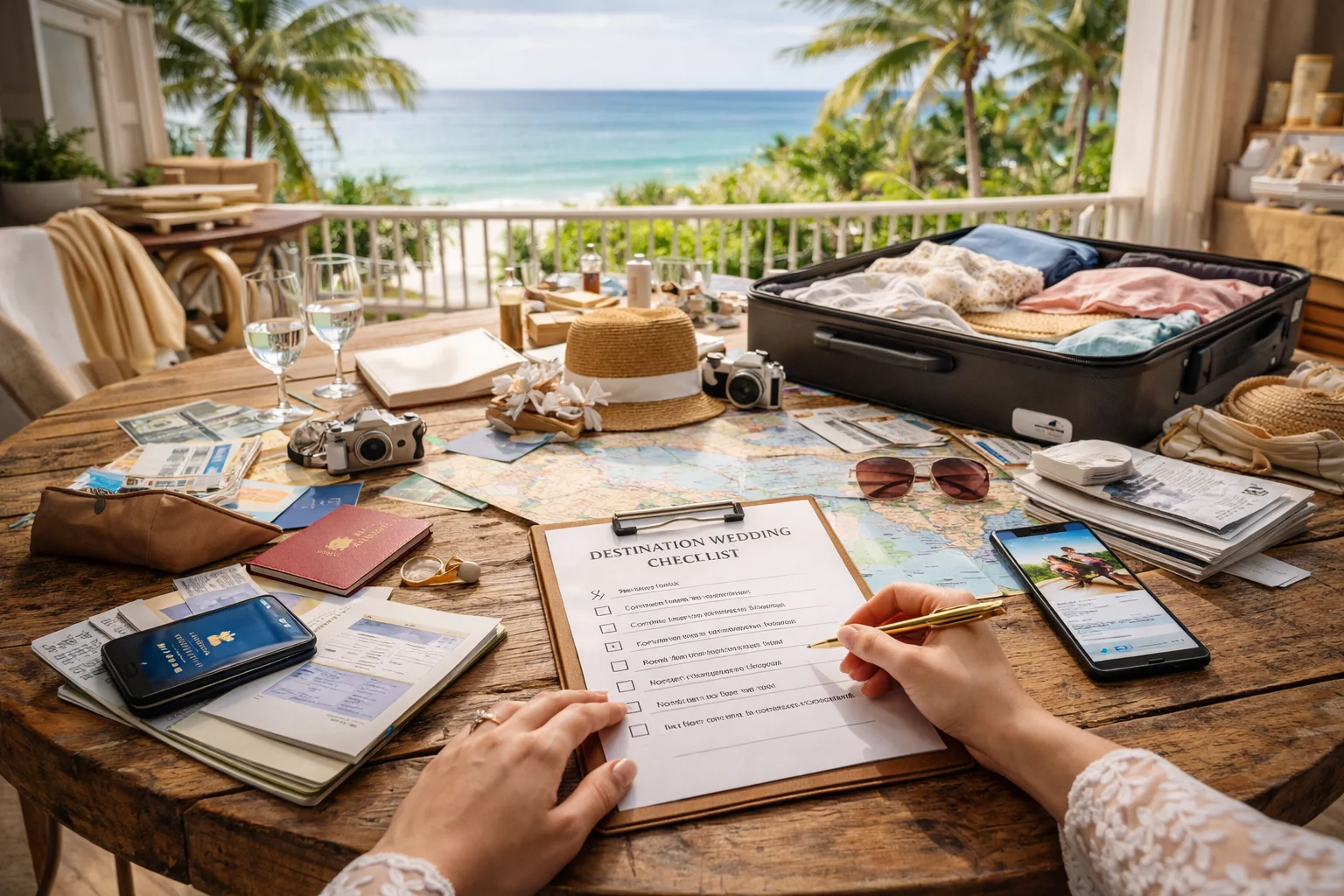
Destination Wedding Checklist: What Changes When Travel Becomes Part of the Plan
A destination wedding is never only a wedding in another place. The moment travel becomes part of the plan, the guest list, the schedule, the budget, the emotional pressure, and even the meaning of attendance begin to change. This article looks at what a destination wedding checklist really needs to cover and why travel turns a wedding into a lived story long before the ceremony begins.

Guest Comfort Checklist: Small Conditions That Change the Entire Atmosphere
Guest comfort at weddings is shaped by small conditions long before anyone complains. This article looks at temperature, seating, sound, waiting areas, access, and quiet spaces of relief that change how the whole room feels.
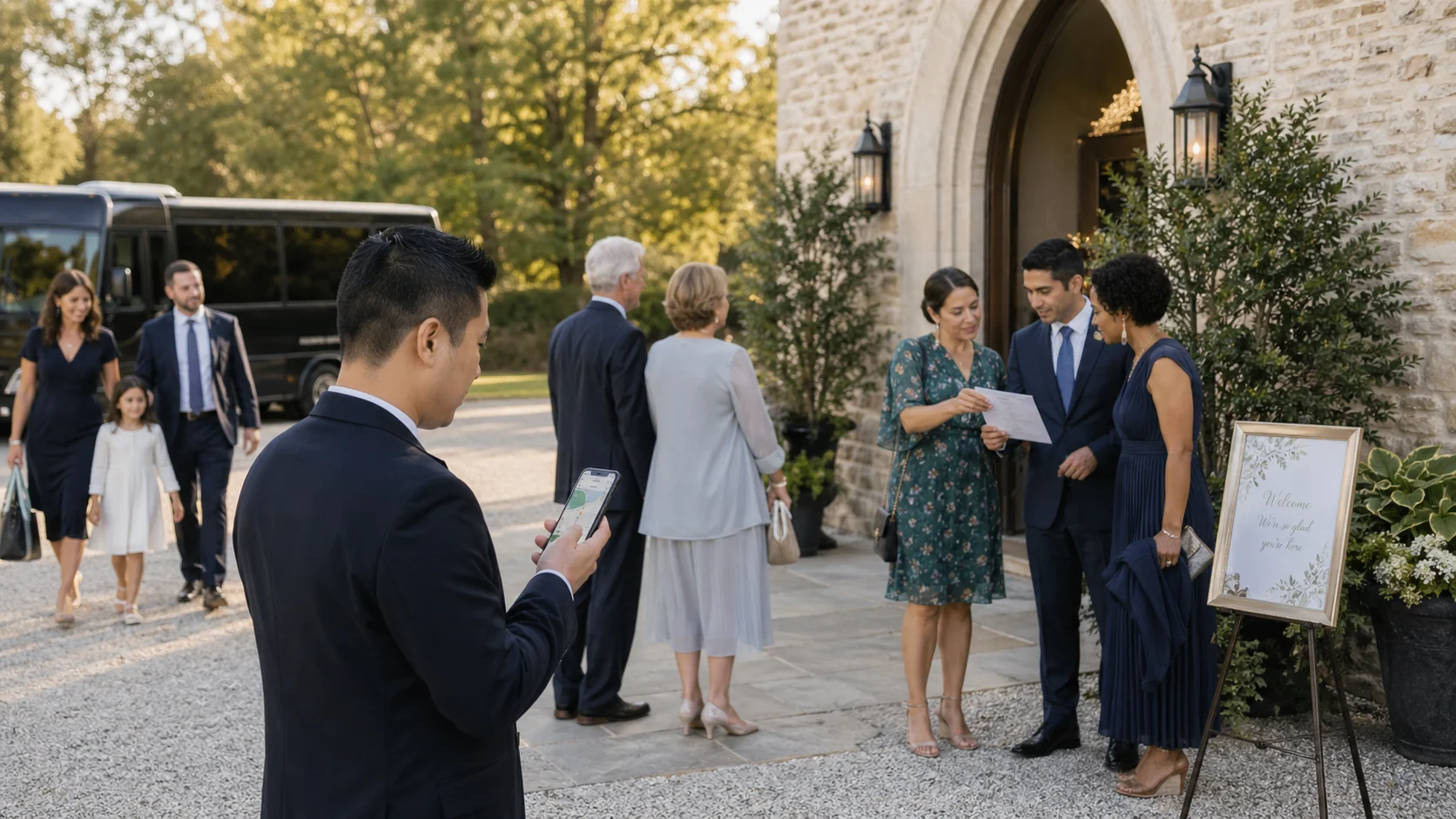
Wedding Website Checklist: What Guests Actually Need, and What They Ignore
Wedding websites work best when they reduce uncertainty instead of filling space. This article looks at what guests actually need to find quickly, what they usually ignore, and which unspoken questions a good website can answer before they become messages to the couple.
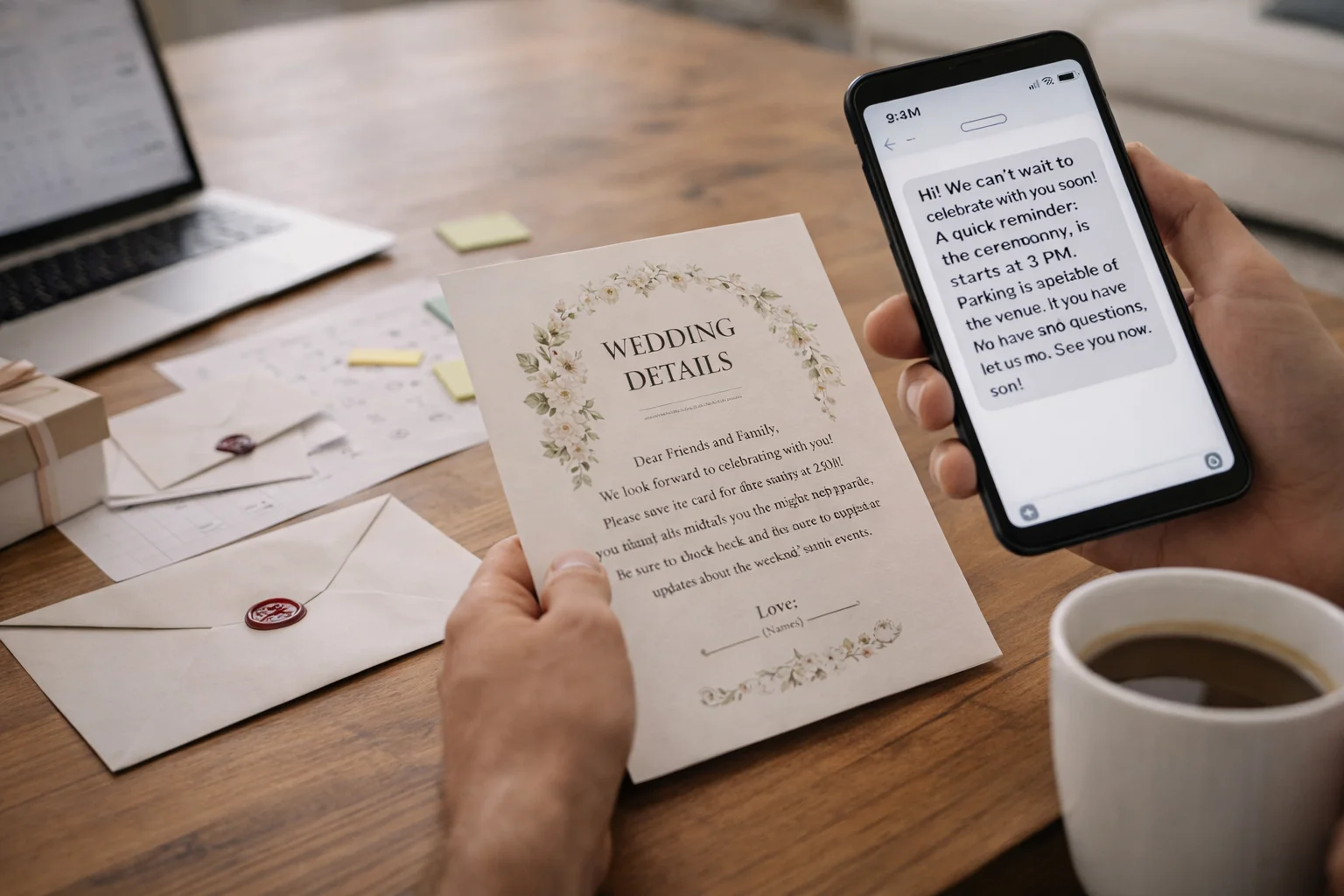
Wedding Guest Communication Checklist: What Guests Need to Know and When
Good wedding communication is not about sending guests everything at once. It is about giving the right information at the right moment, so the day feels clear without becoming overexplained. This article looks at what guests actually need to know, when they need to know it, and why silence still has a place in wedding planning.

The Wedding Guest List and the Quiet Art of Waiting
A guest list is one of the most practical parts of wedding planning, but it is also where uncertainty shows itself most clearly. Decisions about who will stand near the ceremony often unfold slowly, in pauses, hesitations, and unfinished conversations.
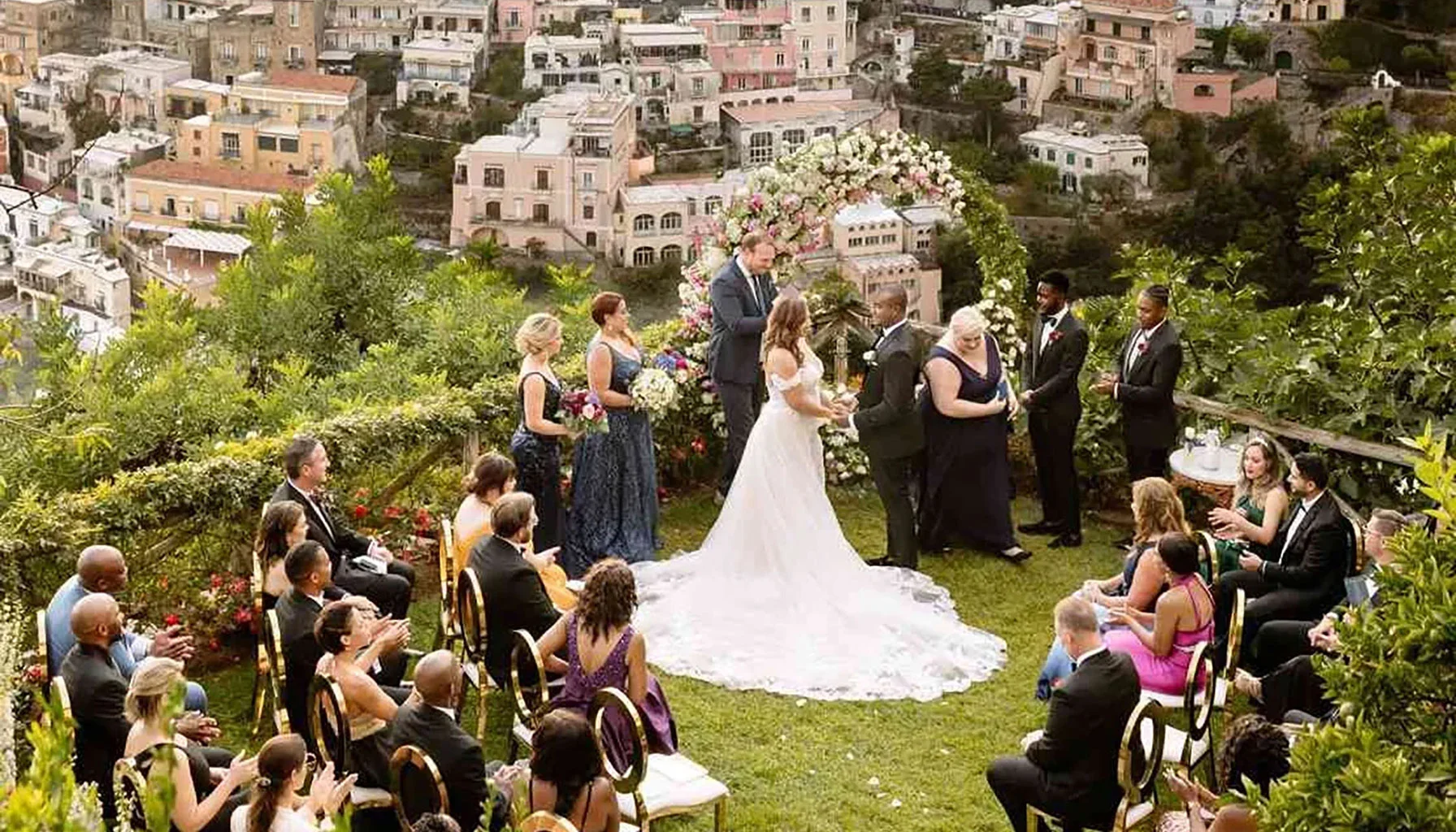
Inviting with Intention: The People Who Accompany the Day
A thoughtfully curated guest list is the foundation of a meaningful and memorable wedding, shaping both the atmosphere and emotional depth of the celebration. By choosing guests with intention and hosting them with care before, during, and after the wedding, couples create an experience rooted in connection, comfort, and genuine appreciation.

Multilingual Wedding Communication: What Guests Need to Understand Without Constant Explanation
A multilingual wedding does not fail because different languages are present. It becomes difficult when guests are left unsure what they need to understand, what they can simply feel, and what requires translation in the moment. This article looks at how to create clarity in multilingual wedding communication without overexplaining every part of the day.
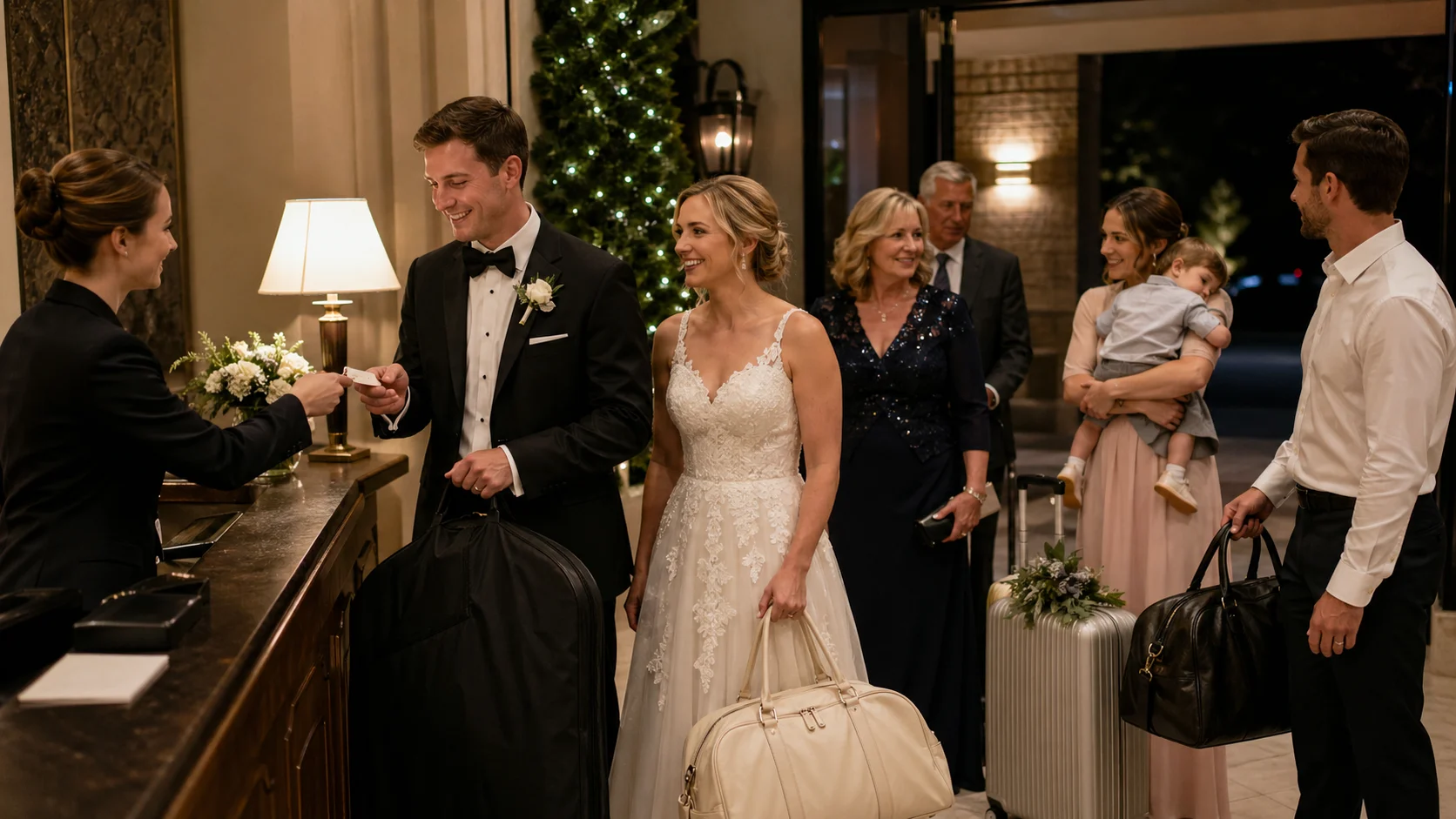
Overnight Stay Checklist: What Couples and Guests Often Realize Too Late
Overnight stays around weddings often seem solved once rooms are booked. This article looks at room access, bags, keys, transport, breakfast, checkout, and the late-night waiting moments couples and guests usually notice too late.

Post-Wedding Gatherings Across Countries: When the Celebration Continues Elsewhere
Some weddings do not end when the official day is over. They continue in another city, another country, another family home, or another social circle that could not be present the first time. This article looks at what post-wedding gatherings across countries actually mean and why they are often less like an encore than a second form of the wedding itself.

Guest List Coordination with Families: Typical Situations During Wedding Planning
The guest list rarely develops in isolation. Once families become involved, the list begins to shift. Names appear from old address books, distant relatives, or long standing family friendships. The process is usually quiet and gradual. Conversations happen in small steps. Over time the list starts to reflect not only the couple but also the wider family network.

After-the-Wedding Checklist: What Still Needs to Be Returned, Paid, Thanked, or Closed
A wedding rarely ends when the last guest leaves. What follows is quieter, more practical, and often more emotionally mixed than couples expect. This article looks at what still needs to be returned, paid, thanked, or closed after the wedding, and why the days after the celebration are part of the wedding's meaning, not just its cleanup.
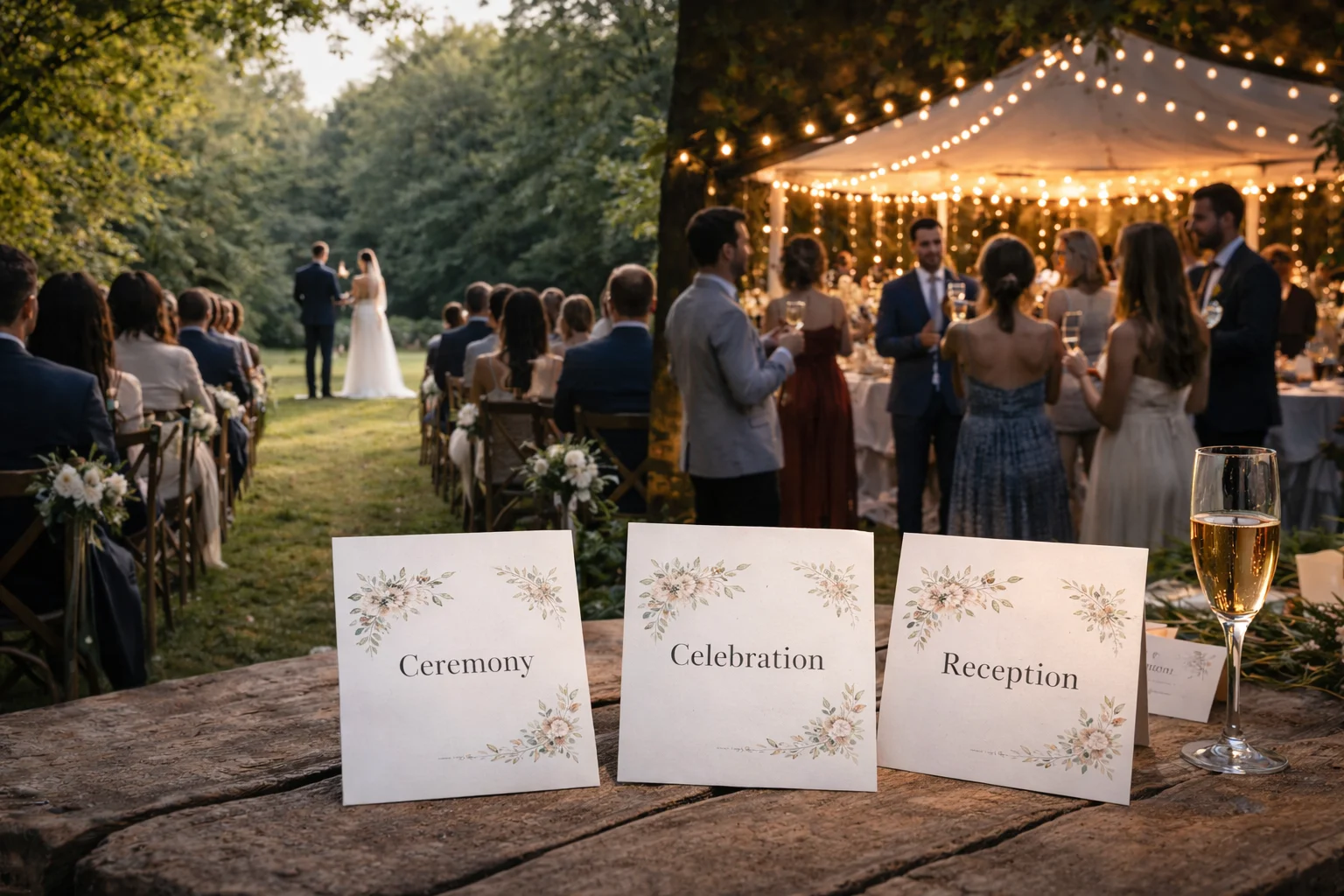
Who Is Invited to the Ceremony and Who Only to the Celebration
Not every wedding invitation has to include every part of the day. But the difference between being invited to the ceremony and being invited only to the celebration carries more meaning than many couples first assume. This article looks at how to make that distinction clearly, gracefully, and in a way that fits both the ritual weight of the ceremony and the social reality of the celebration.