
Restaurant Weddings: Why Some Rooms Feel Social Without Much Effort
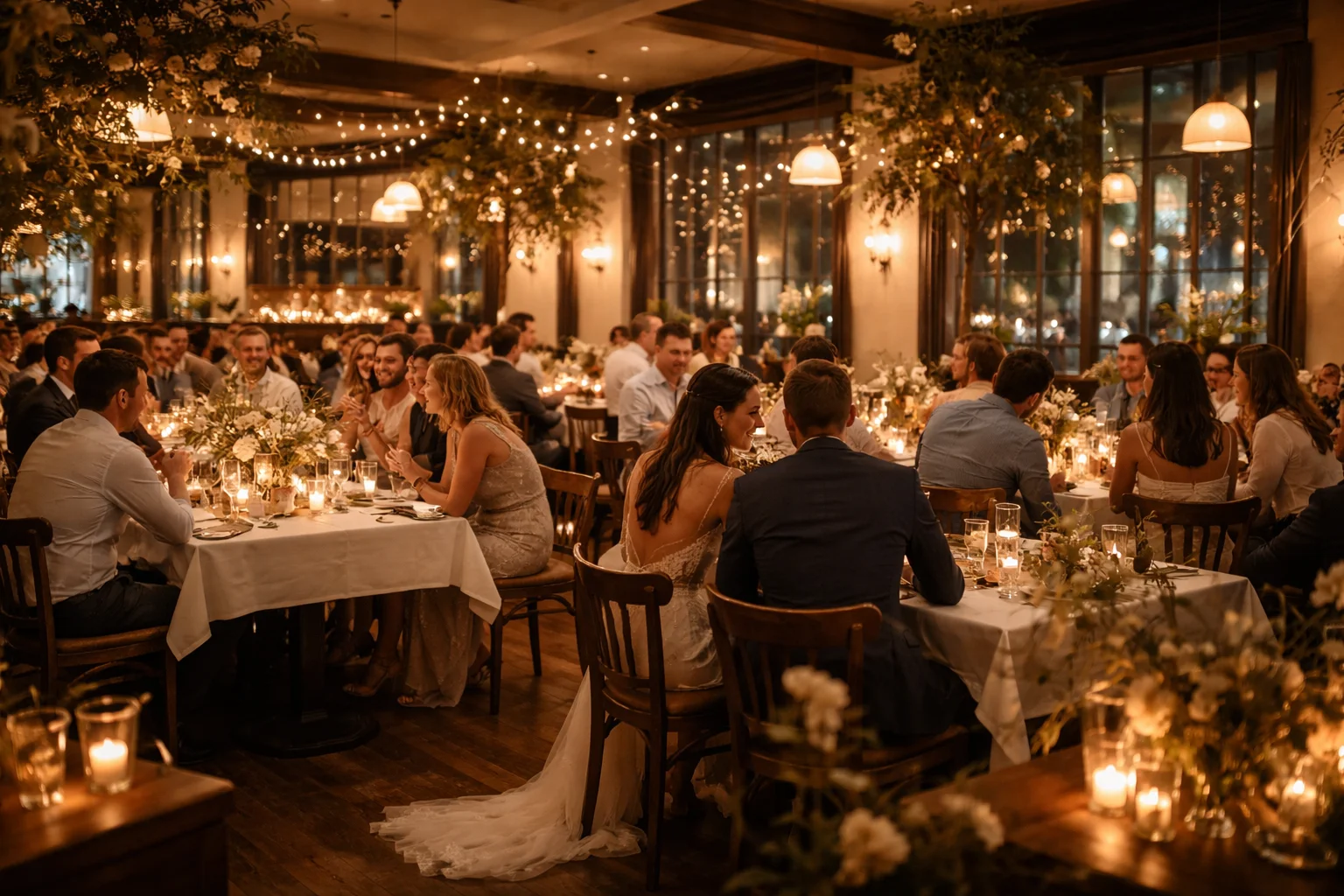
Some wedding rooms need a great deal of help before they begin to feel warm. Others seem to arrive there almost on their own. Restaurant weddings often belong to the second category. Even before the celebration has properly started, there is usually a sense that conversation already knows where to go, that movement has a natural shape, and that guests understand the room without needing it explained to them.
That ease is rarely accidental. Restaurants are built for sociability long before they are ever used for a wedding. They already hold rhythms of arrival, sitting, sharing, pausing, watching, leaning in, and drifting between one table and another. When a wedding enters a room like that, it inherits something valuable: not just atmosphere, but a social structure that has been practiced many times before.
Definition
A restaurant wedding is a celebration held in a space originally designed for dining rather than formal events. What distinguishes it is not only scale or style, but the fact that the room already knows how to host people socially, often making interaction feel easier and less staged than it does in more neutral venues.
The Room Already Understands Conversation
One reason restaurant weddings work so well is that the room has usually been shaped around human exchange from the start. Table distances, sightlines, lighting levels, acoustics, and the relationship between seated and standing areas tend to support actual interaction rather than just visual effect. In many places, that changes the entire tone of the wedding. Guests do not need much encouragement to start speaking, moving, or settling in, because the room does not feel like an empty shell waiting to be activated.
Smaller Distances Often Create Better Social Flow
Restaurant weddings are often physically tighter than celebrations in large halls or open event venues, but that is not always a disadvantage. A slightly denser room can reduce hesitation. Guests overhear fragments, notice each other more easily, and move between conversations without the effort that larger, emptier spaces often create. A restaurateur who hosts intimate weddings regularly once described it in simple terms: when the room is already holding people a little closer, the wedding does not have to work so hard to make them feel together.
PlacesGood places for weddings are usually simple spaces that allow people to gather comfortably. Gardens, historic houses, restaurants, or open event halls often appear in this context because they handle groups and movement naturally. In the end, the location mostly works as a quiet frame around the celebration, giving the day a place to unfold.
Service Rhythm Matters As Much As Design
The social ease of a restaurant wedding is not created by furniture alone. It also comes from rhythm. Good restaurant service understands pace: when to approach, when to leave space, how to let a table keep talking, how to move a room forward without making that movement too visible. At a wedding, this can matter more than couples expect. A celebration feels smoother when food, drinks, clearing, and transitions happen inside a tempo that guests can accept almost without noticing.
These Rooms Carry A Lived-In Kind Of Intimacy
There is also a difference in texture. Many restaurant spaces already carry a used, inhabited, slightly layered feeling that can be difficult to build artificially elsewhere. The bar has history. The corners have scale. The lighting belongs to evenings rather than installations. The result is often an intimacy that feels less curated and more lived. Couples who want a wedding that feels social rather than theatrical are often responding to exactly this, even if they do not phrase it that way.
Stories Form More Easily Where People Already Know How To Gather
The deeper link to stories sits here. Some wedding venues impress first and become human later. Restaurant rooms often do the reverse. They begin with ordinary social recognitions: a shared dish, a table turning louder, someone leaning across to speak more quietly, two groups merging for a moment near the bar. These are small scenes, but they matter. They are the kind of moments from which wedding stories are actually made, not because they are spectacular, but because they feel inhabited from the start.
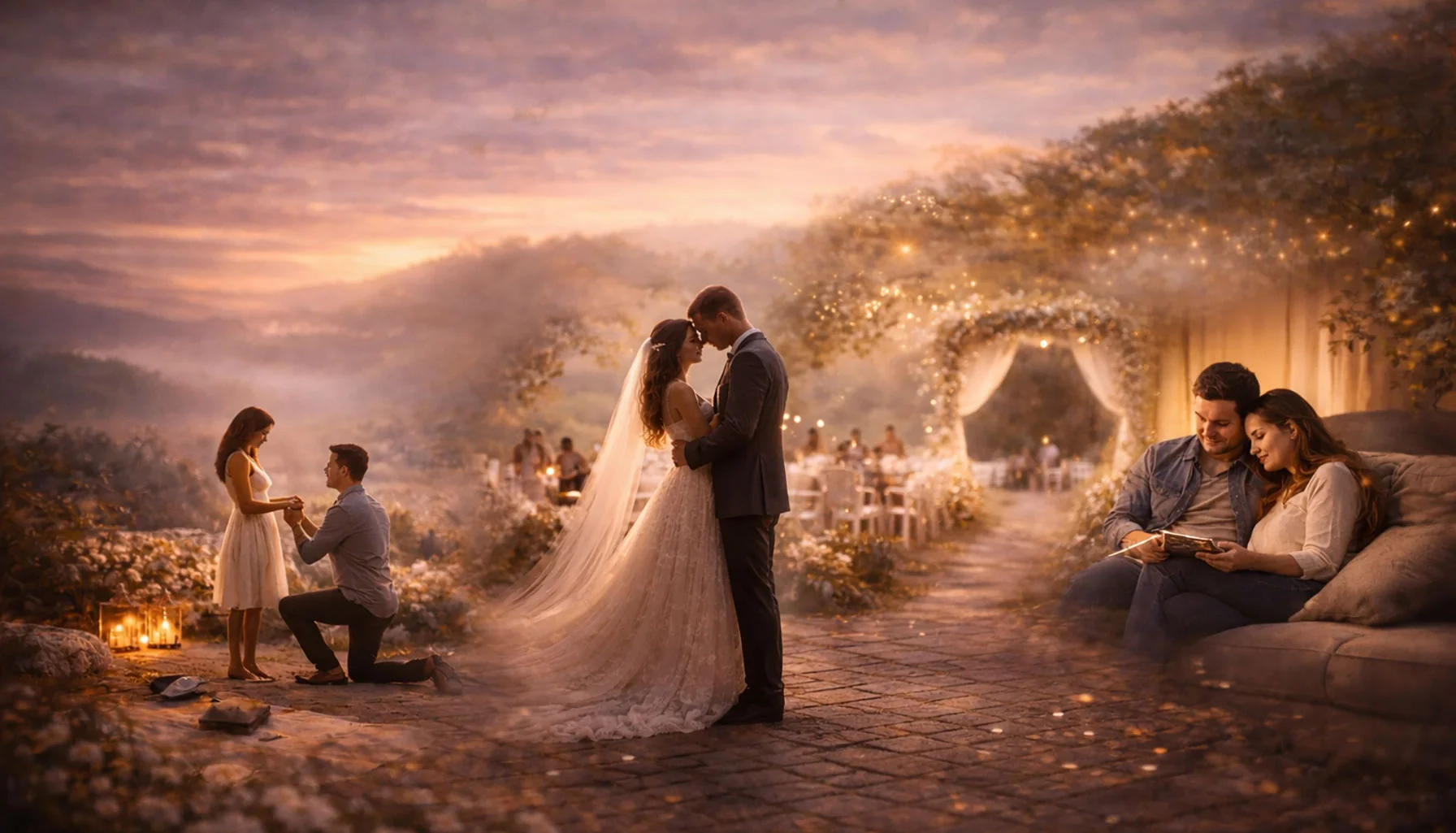
Stories are where ideals meet reality. They do not explain love — they show how it is lived, carried, tested, and remembered over time.
Conclusion
Restaurant weddings can feel social without much visible effort because the room is already working in that direction before the wedding begins. Its scale, service rhythm, distances, and lived-in atmosphere support interaction in practical and emotional ways at once. That does not make every restaurant automatically right for a wedding. But when the fit is real, the celebration often gains something difficult to manufacture elsewhere: a sense that people are not only attending the event, but already inside it.
Related Articles
Choose the Venue or the Wedding Colors First? A Decision Method
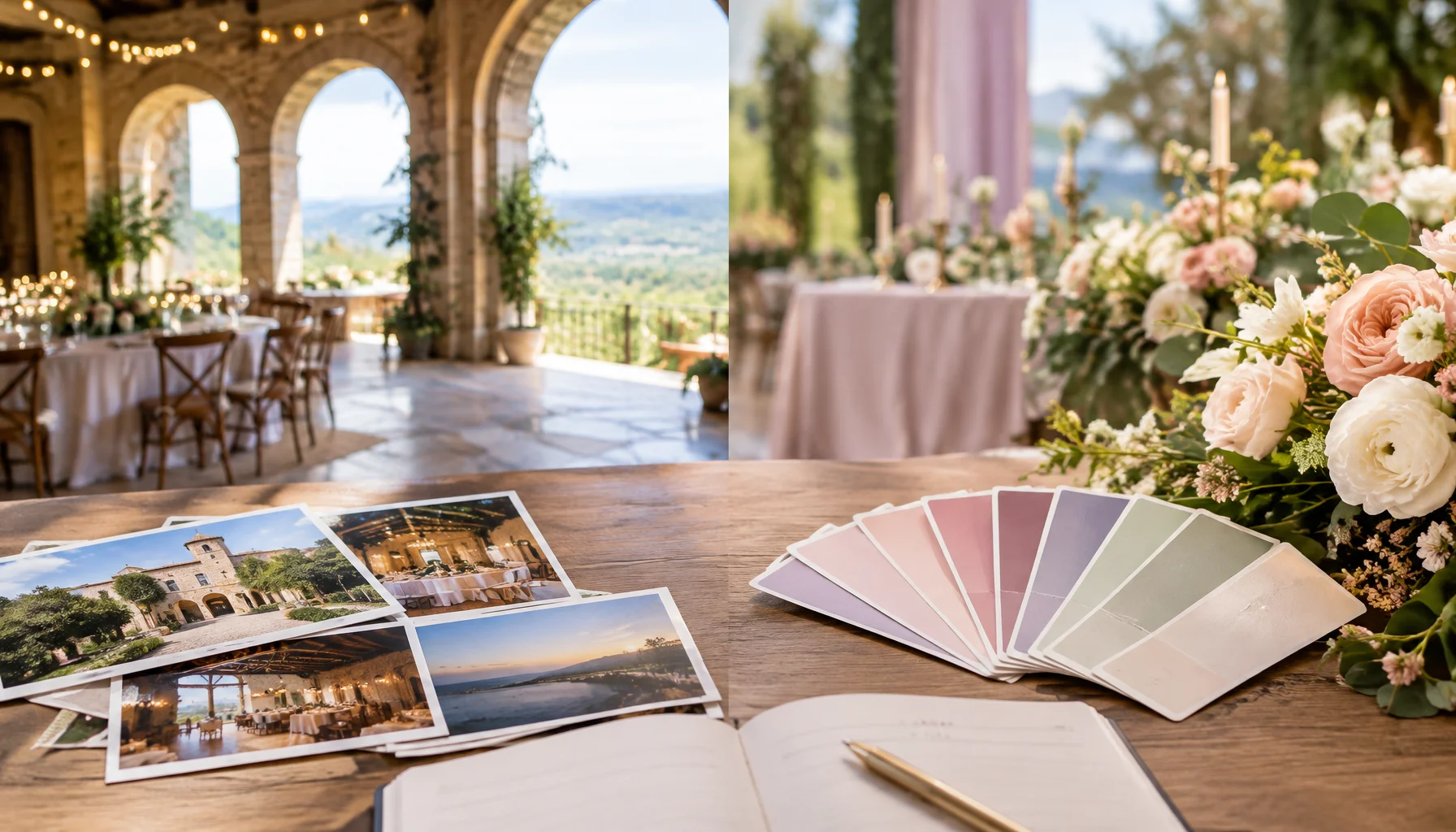
Your venue already has a color palette before you add a single flower. This guide shows when the venue should shape your wedding colors, when the palette should come first, and how to test the decision against lighting, photography, meaning, and real-world constraints.
Quiet Observations on Wedding Locations and Gathering Spaces
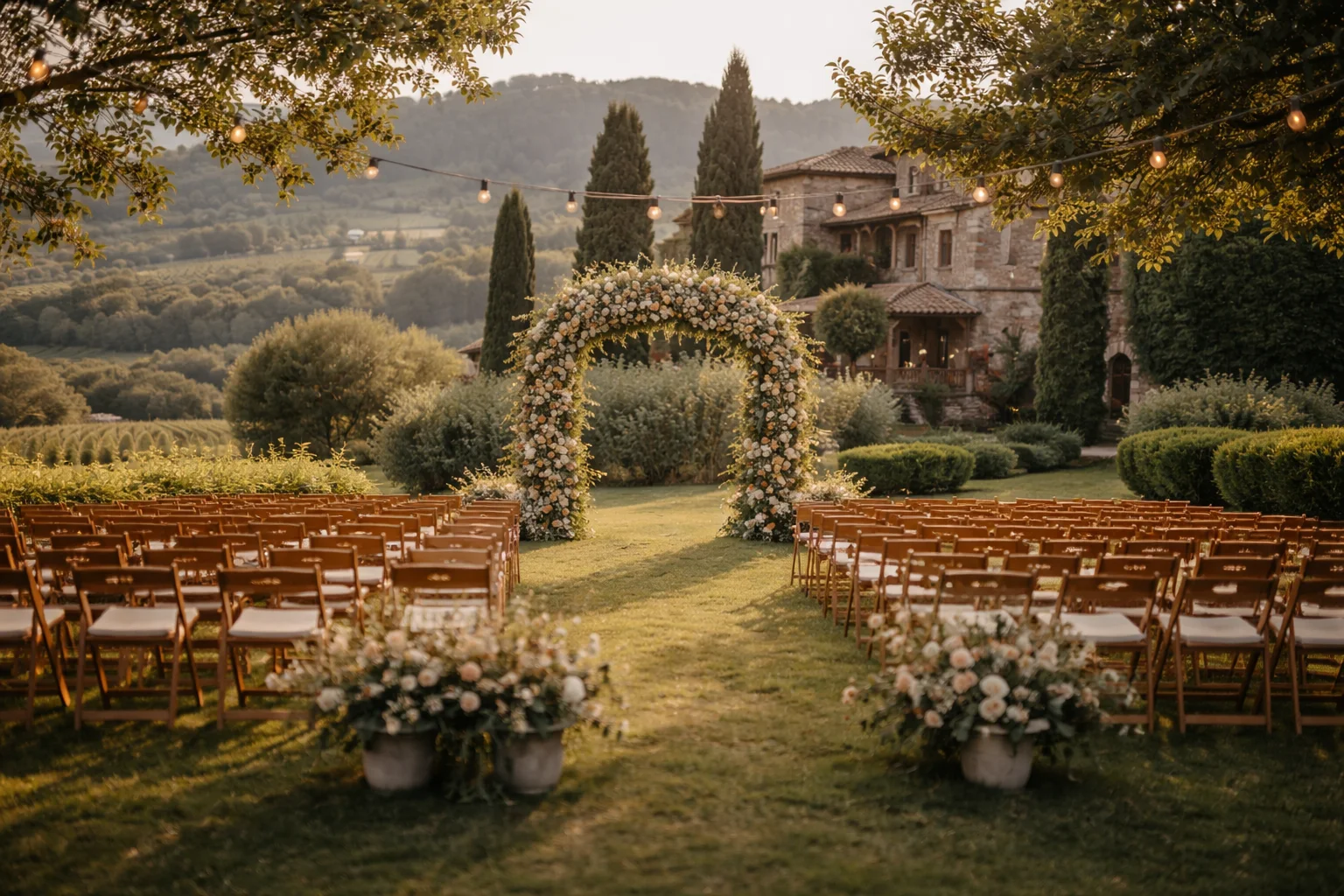
Discussions about wedding venues often circle around style or decoration. In practice the location itself shapes the event long before flowers or lighting appear. The way guests arrive, how rooms connect, how sound travels in an old hall or across a garden terrace. These things quietly determine the rhythm of the day.
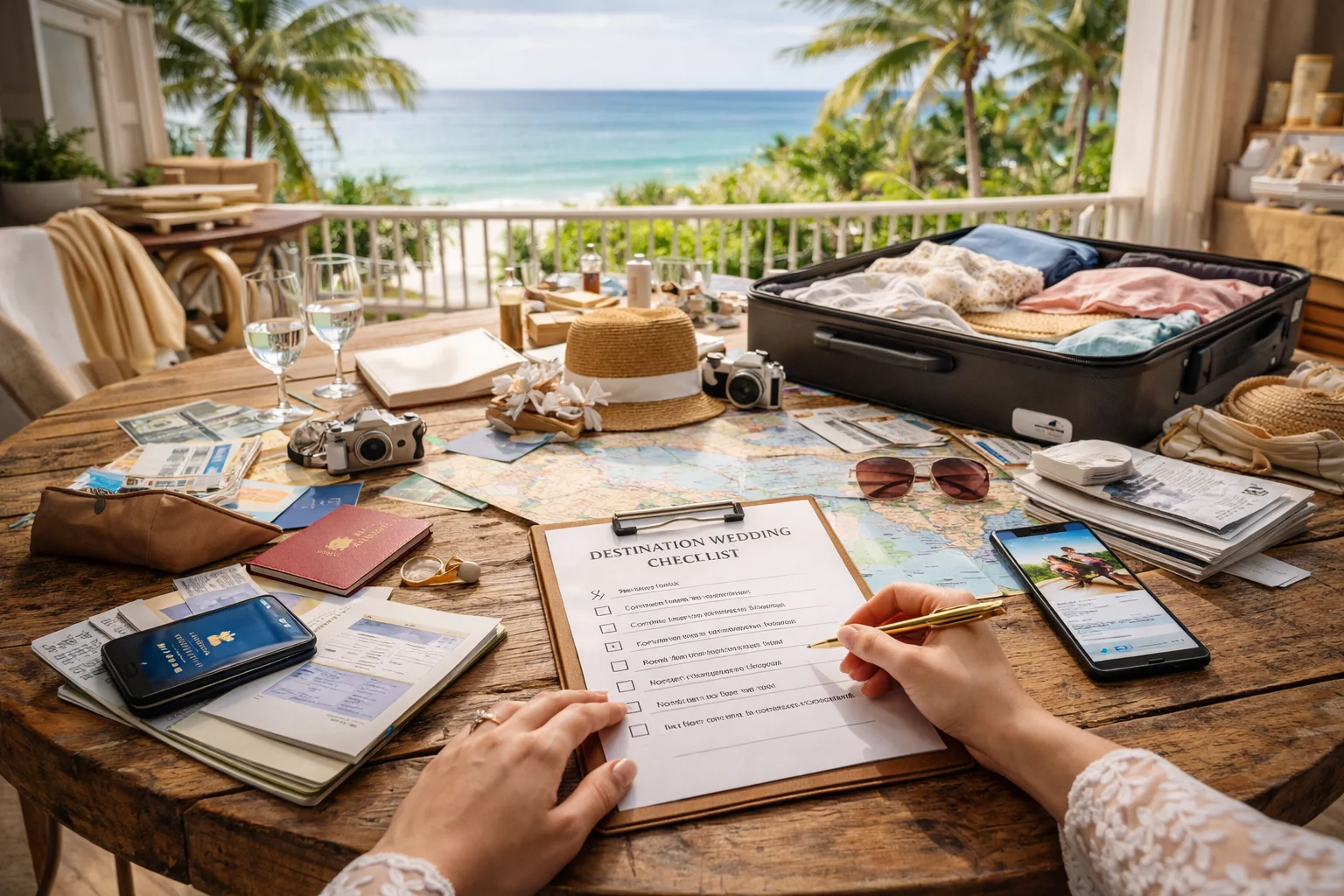
Destination Wedding Checklist: What Changes When Travel Becomes Part of the Plan
A destination wedding is never only a wedding in another place. The moment travel becomes part of the plan, the guest list, the schedule, the budget, the emotional pressure, and even the meaning of attendance begin to change. This article looks at what a destination wedding checklist really needs to cover and why travel turns a wedding into a lived story long before the ceremony begins.
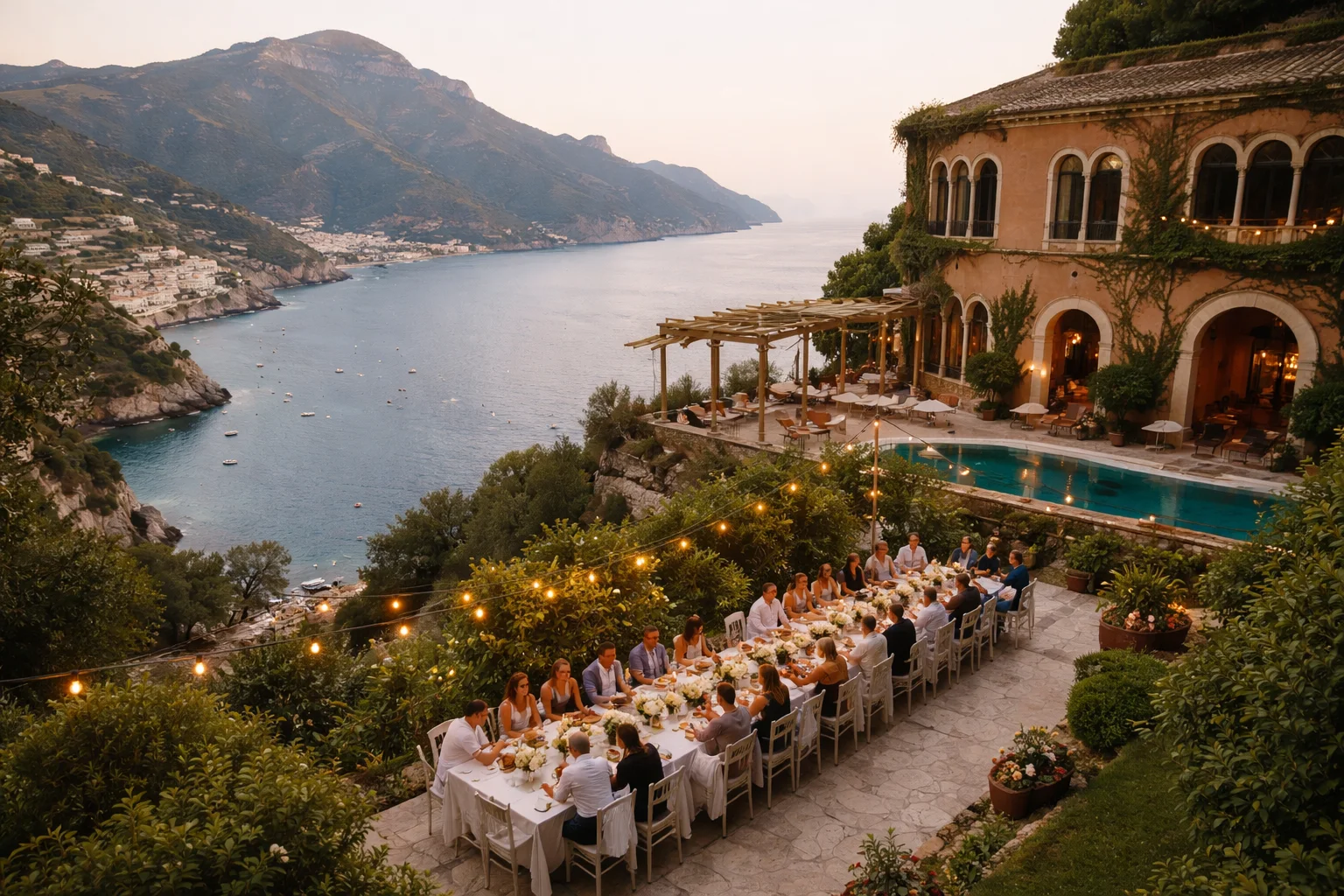
Exclusive Wedding Locations Abroad: Quiet Observations on Distant Celebration Spaces
Exclusive wedding locations abroad are often chosen for beauty, privacy, or distance from everyday life. But what they actually change is subtler than that. They alter arrival, pacing, social concentration, and the strange pause that appears when a celebration happens far from home.
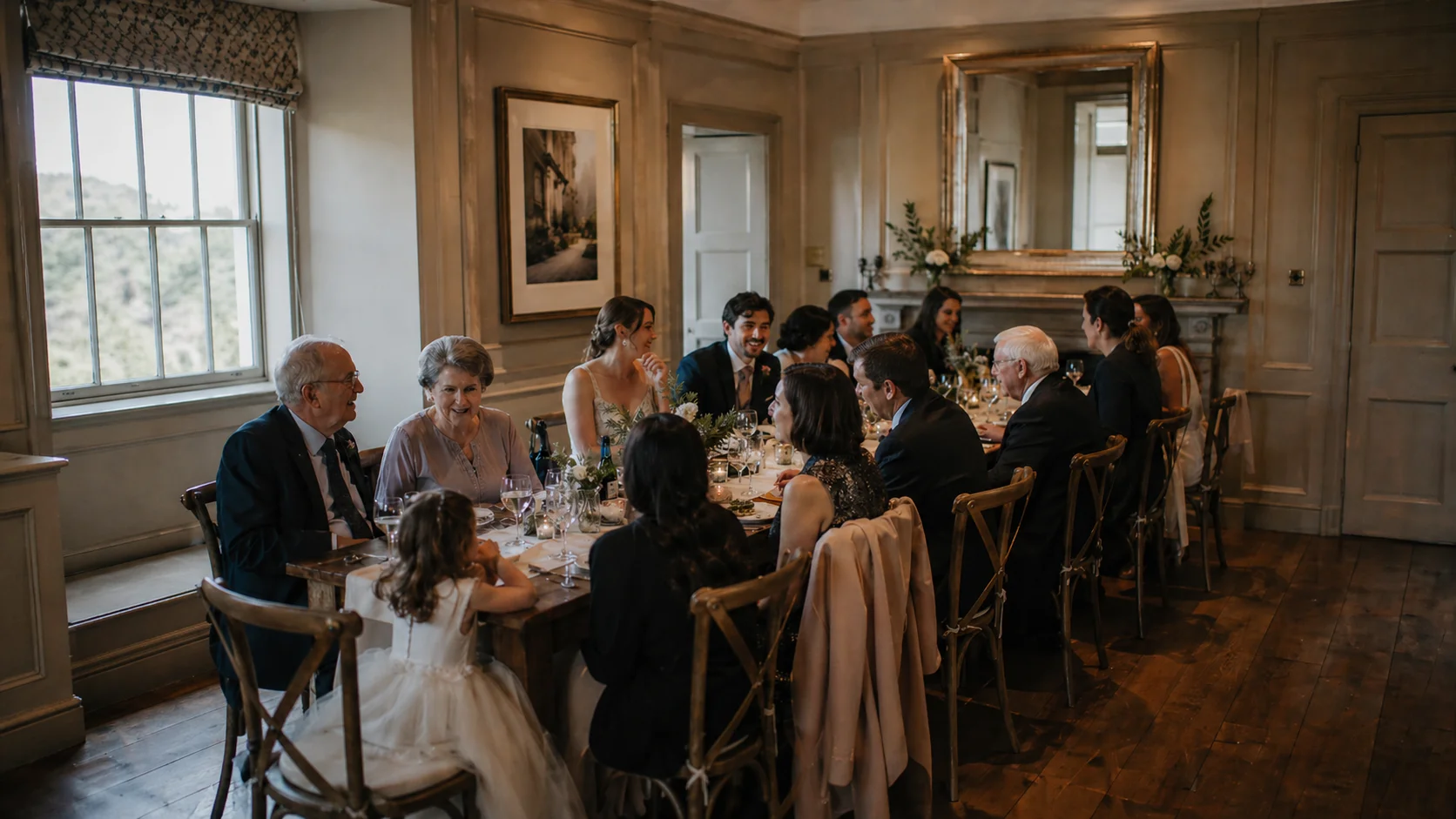
Family Table Checklist: What Helps Mixed Generations Sit More Easily Together
Family tables at weddings rarely depend on seating order alone. They work better when physical comfort, conversational balance, newer relationships, and older family stories are all considered before dinner begins.
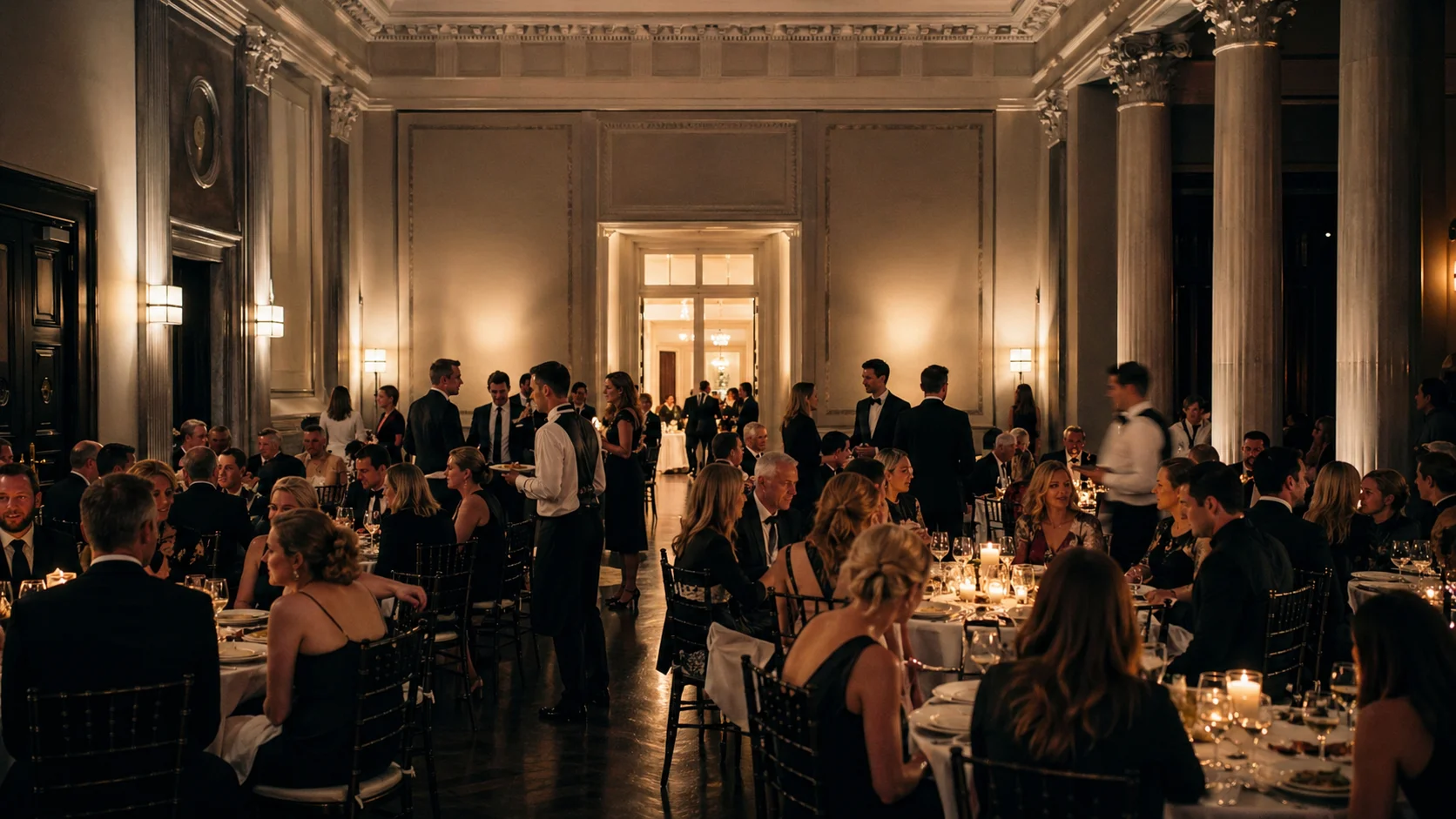
Wedding Dinner Flow Checklist: What Keeps the Room Together Between Courses
Wedding dinners usually drift or hold together in the moments between courses, not during the food itself. This article looks at service rhythm, guest movement, music, speeches, and the small in-between conditions that keep the room socially connected.
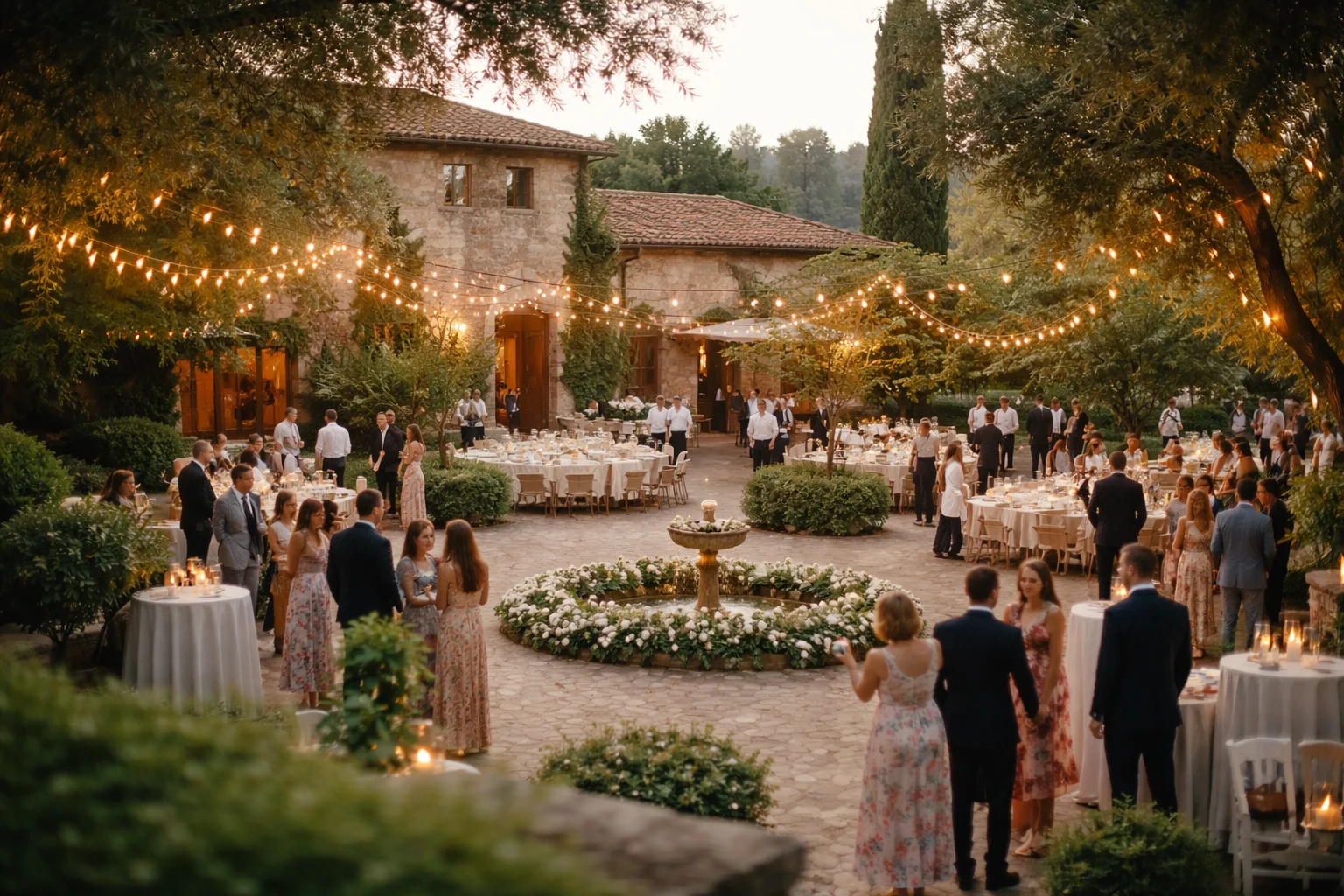
Location vs Expectation: How Wedding Spaces Actually Feel on the Day
A location is usually known before the day. Seen in photos, maybe visited once, talked through. It already exists in a certain way. Then the wedding happens inside it. People arrive, move, wait. The space stays the same, but it starts to read differently.
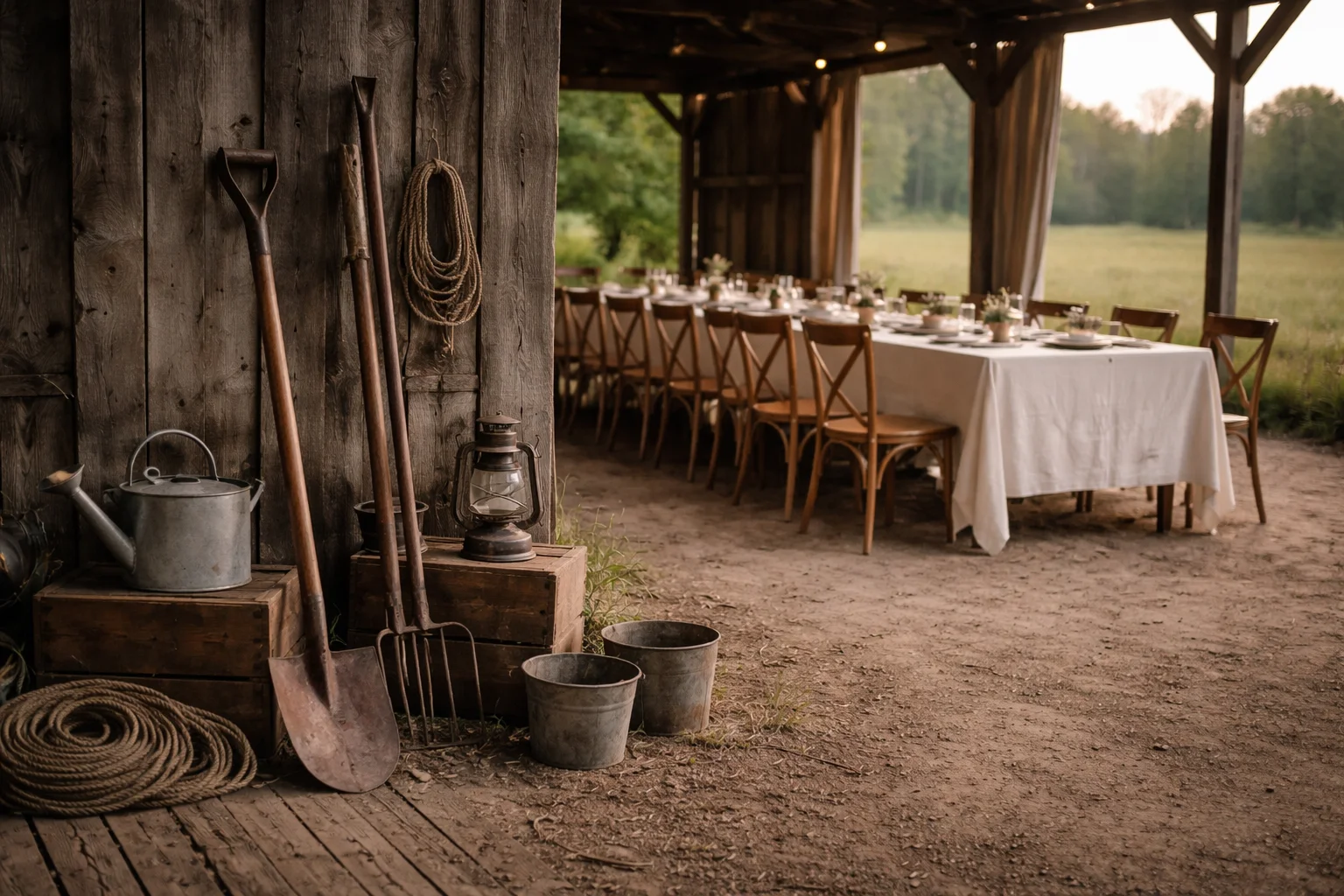
Vintage Tools as Static Objects in Rustic Weddings
Old tools can strengthen a rustic wedding space without ever becoming formal decor. This article looks at how leaving them quiet, slightly uneven, and largely untouched can preserve the character of a venue while adding depth, history, and a more believable sense of place.
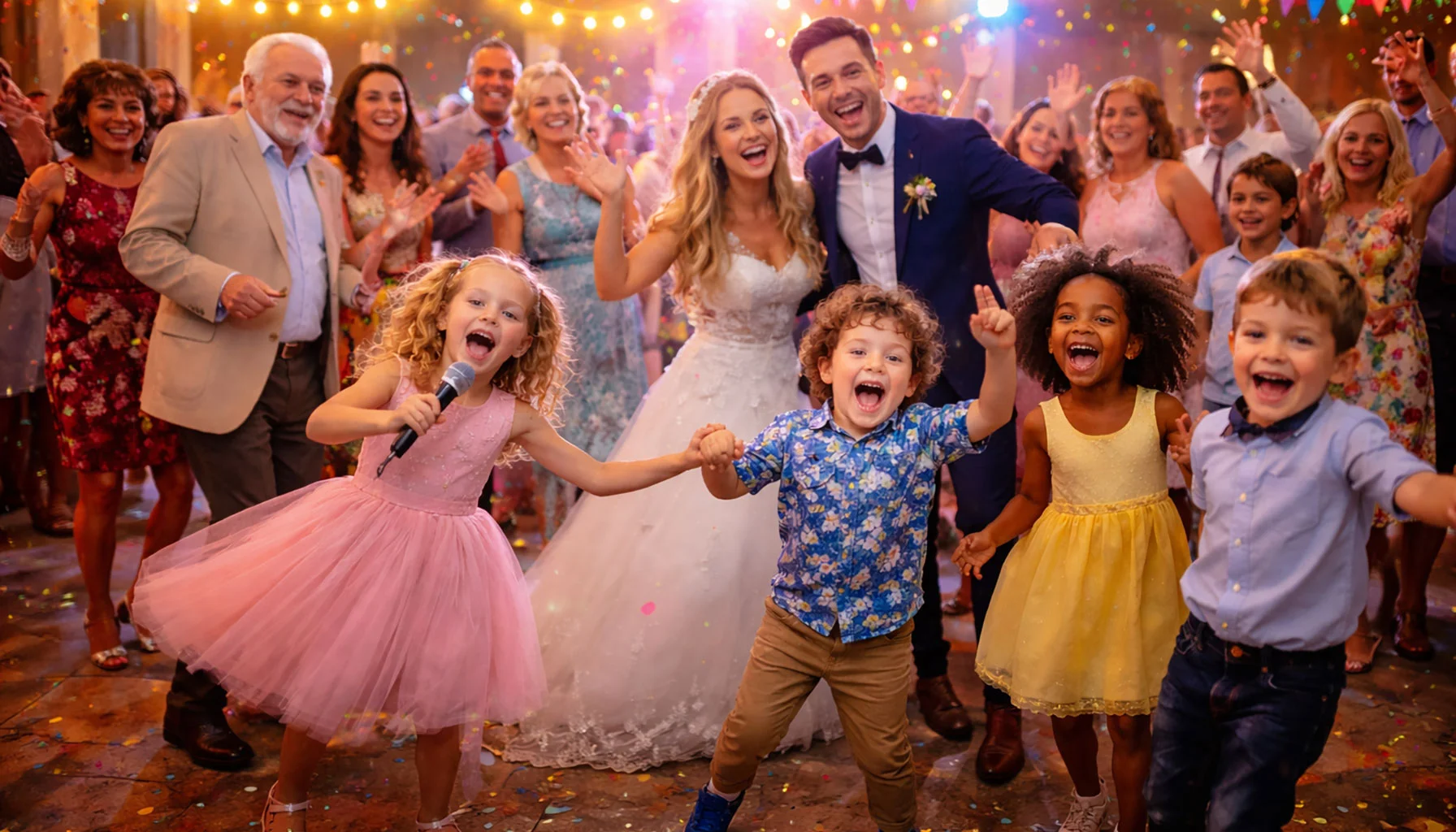
Music for Kids and Families at Weddings: International Hits, Trends and Timeless Crowd Pleasers
Family-friendly wedding music rarely works by sheer volume or by forcing participation. It works when recognition arrives quickly enough that children move closer, older guests stay a little longer, and the room begins to trust what is happening. This article looks at music for kids and families through international examples and the quieter logic of how wedding playlists help people remain together.
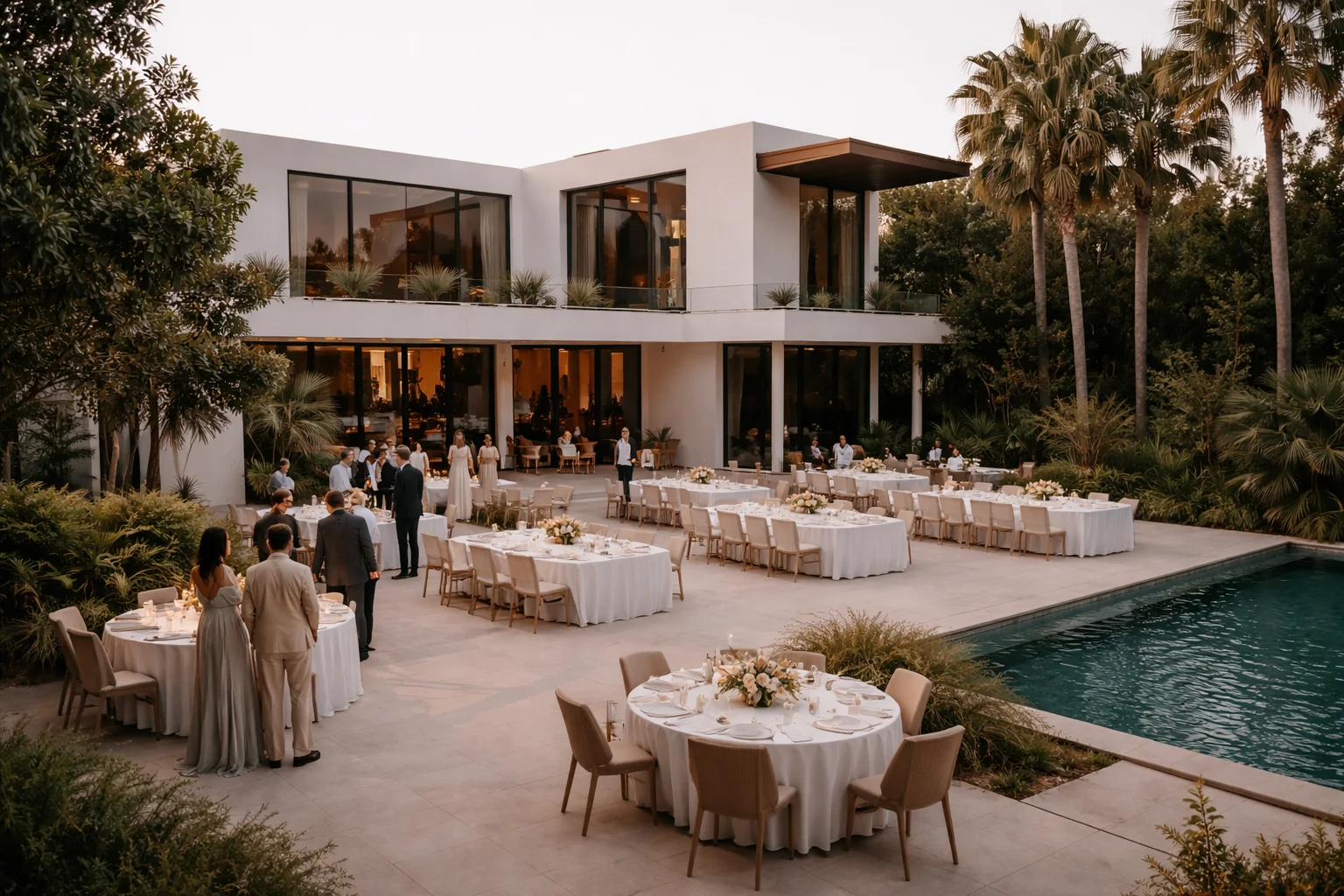
Venues & Concepts in Weddings
Wedding venues and wedding concepts are often treated as separate decisions. In practice, they rarely stay separate for long. The place changes the idea, the idea changes the place, and somewhere between the two an atmosphere begins to form that guests later remember more clearly than the plan itself.
Europe Destination Weddings in 2026: What EES and ETIAS Mean for Your Guests
European destination weddings now have a new travel-planning layer. EES is already operational, while ETIAS is expected later in 2026. This guide explains what couples actually need to communicate to international guests without turning the wedding website into an immigration authority.
Quiet Wedding Activities for Introverted Guests
Not every wedding guest wants to fill the room with energy. Some feel most present in quieter moments, smaller conversations, and activities that do not demand performance. This article explores thoughtful wedding activities for introverted guests and why those quieter choices often create the most lasting stories.