
International Weddings (Info)
What to Know When Love Crosses Borders bring together different cultures, traditions, and legal systems. Planning an international wedding often involves additional considerations such as legal requirements, documentation, cultural customs, language differences, and travel logistics for you and your guests. With the right preparation and understanding, international weddings can become a deeply meaningful celebration that reflects both your backgrounds and creates a truly unforgettable experience.

Post-Wedding Gatherings Across Countries: When the Celebration Continues Elsewhere
Some weddings do not end when the official day is over. They continue in another city, another country, another family home, or another social circle that could not be present the first time. This article looks at what post-wedding gatherings across countries actually mean and why they are often less like an encore than a second form of the wedding itself.
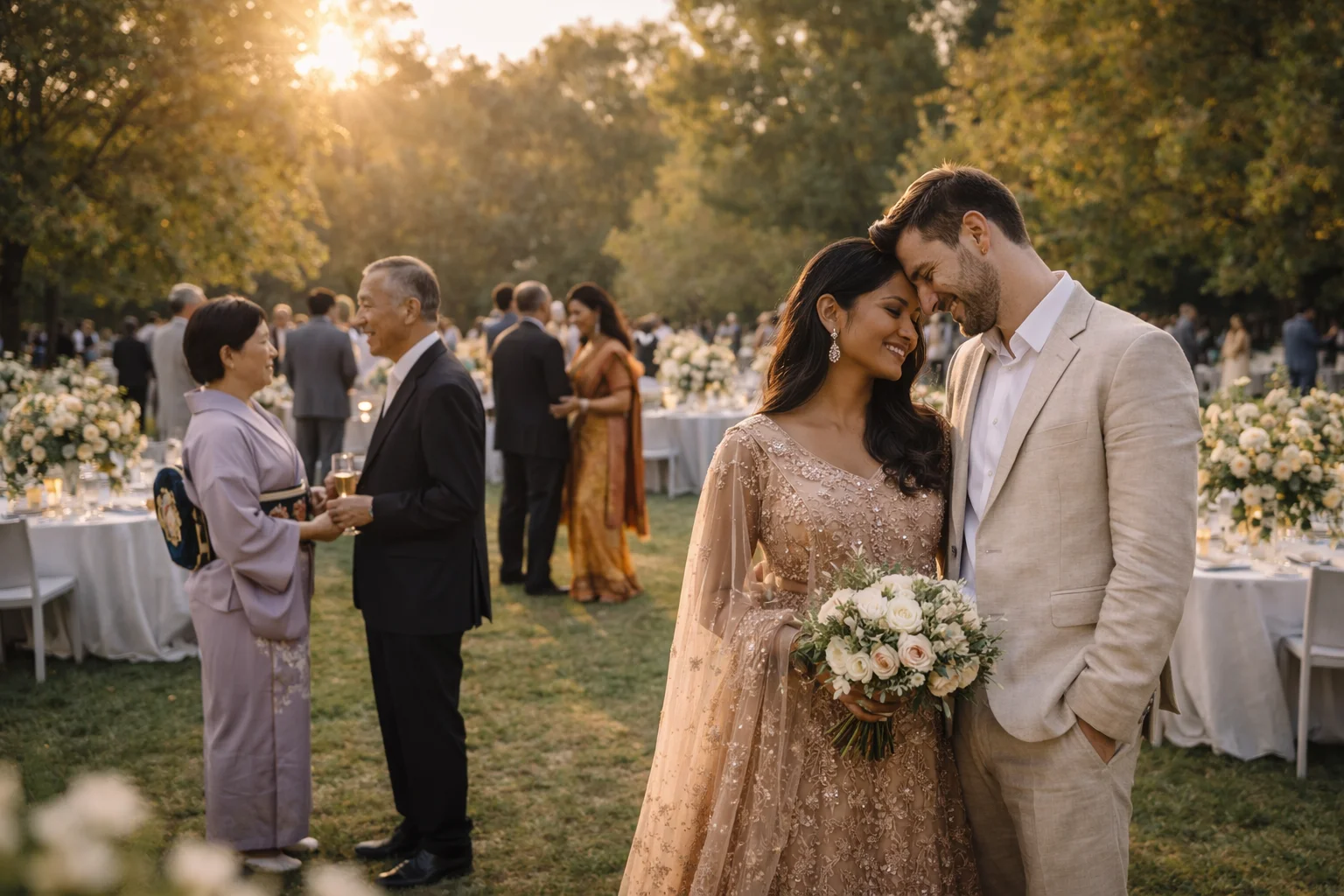
Mixed-Culture Weddings Without Performative Symbolism
A mixed-culture wedding does not become meaningful by displaying as many symbols as possible. It becomes meaningful when the symbols that appear are actually lived, understood, and emotionally carried by the couple and their families. This article looks at how international weddings can honor difference without turning culture into performance.
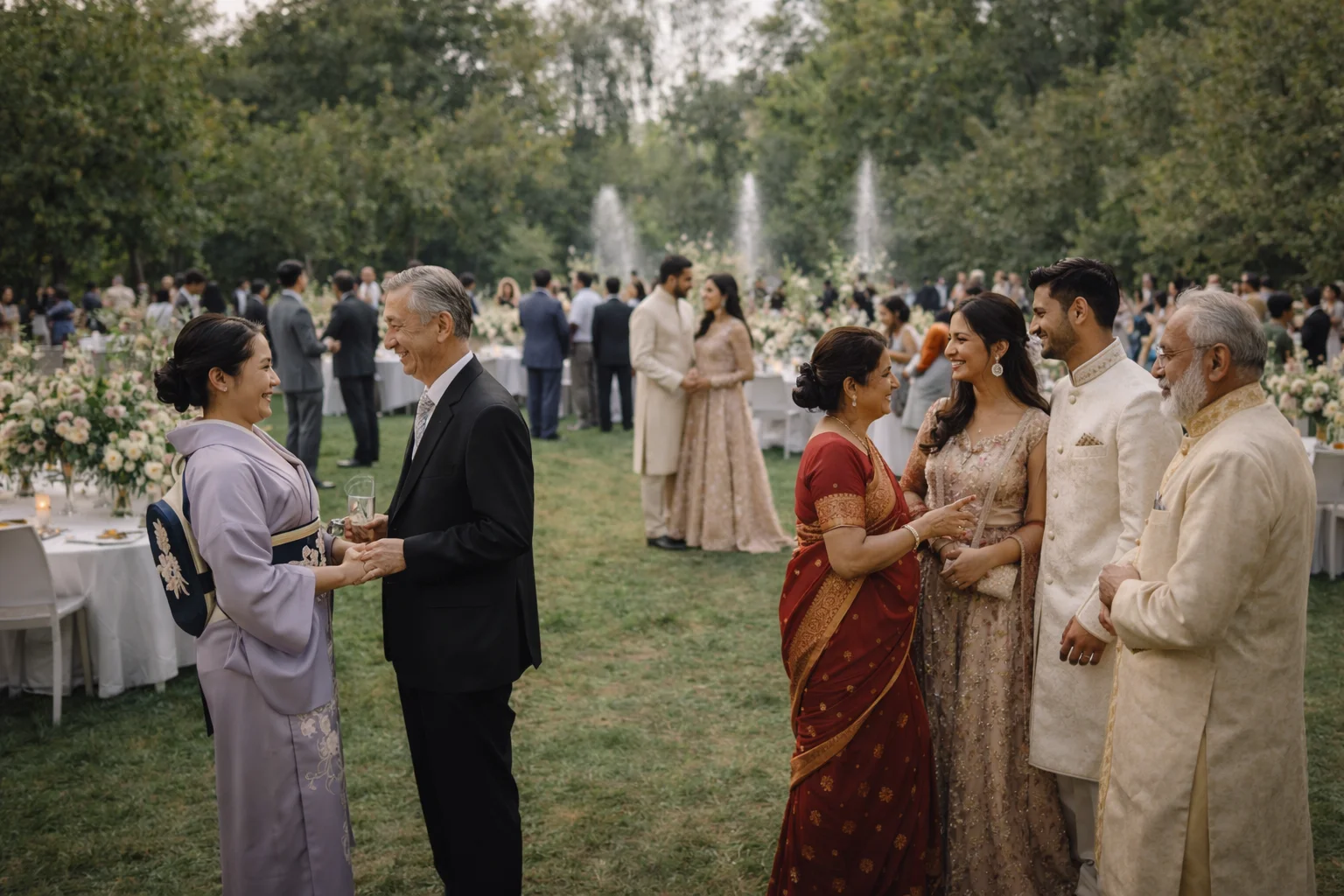
Two Families, Two Cultural Rhythms: How International Weddings Balance Different Social Expectations
International weddings do not only bring together two languages or two traditions. They often bring together two different social rhythms: different ideas of hospitality, family presence, punctuality, emotional expression, ritual weight, and what a wedding is supposed to feel like. This article looks at how couples balance those differences without flattening either side.
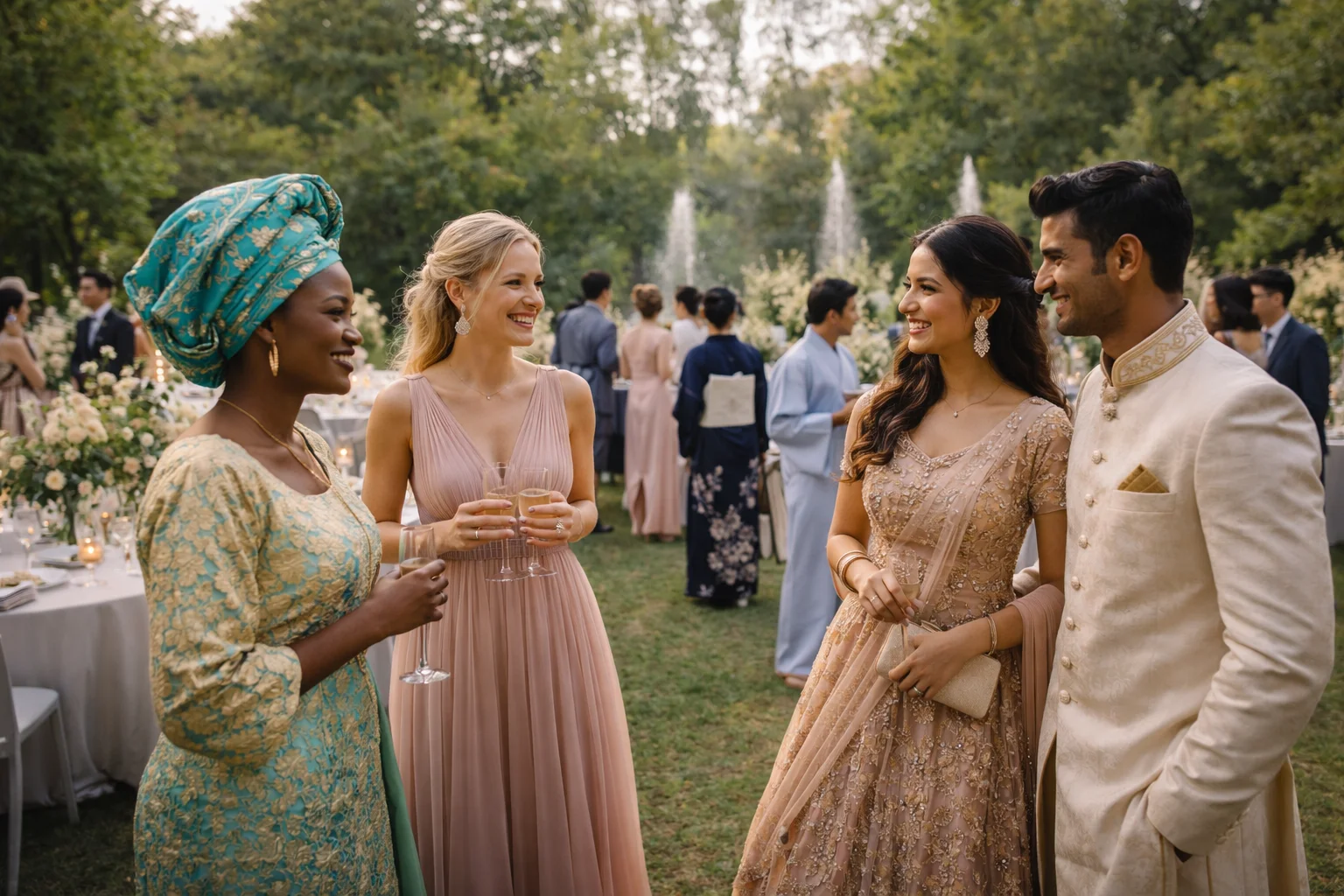
Dress Expectations at International Weddings: What Guests May Read Differently
Dress codes at international weddings are rarely just about clothing. Guests interpret formality, respect, family signals, and cultural meaning differently. This article looks at how attire is understood across contexts and why what seems obvious to one guest can feel unclear to another.
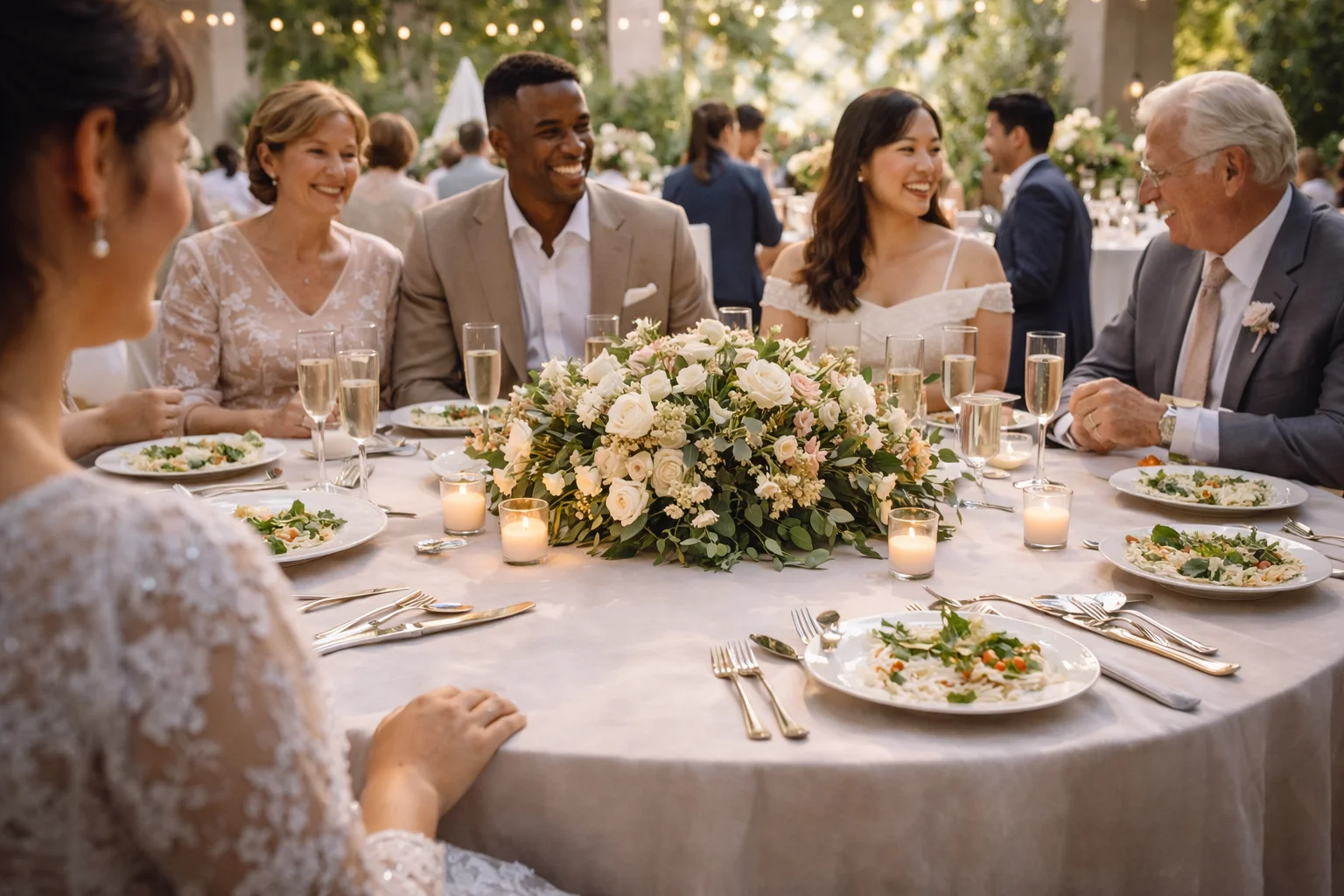
Multilingual Wedding Communication: What Guests Need to Understand Without Constant Explanation
A multilingual wedding does not fail because different languages are present. It becomes difficult when guests are left unsure what they need to understand, what they can simply feel, and what requires translation in the moment. This article looks at how to create clarity in multilingual wedding communication without overexplaining every part of the day.
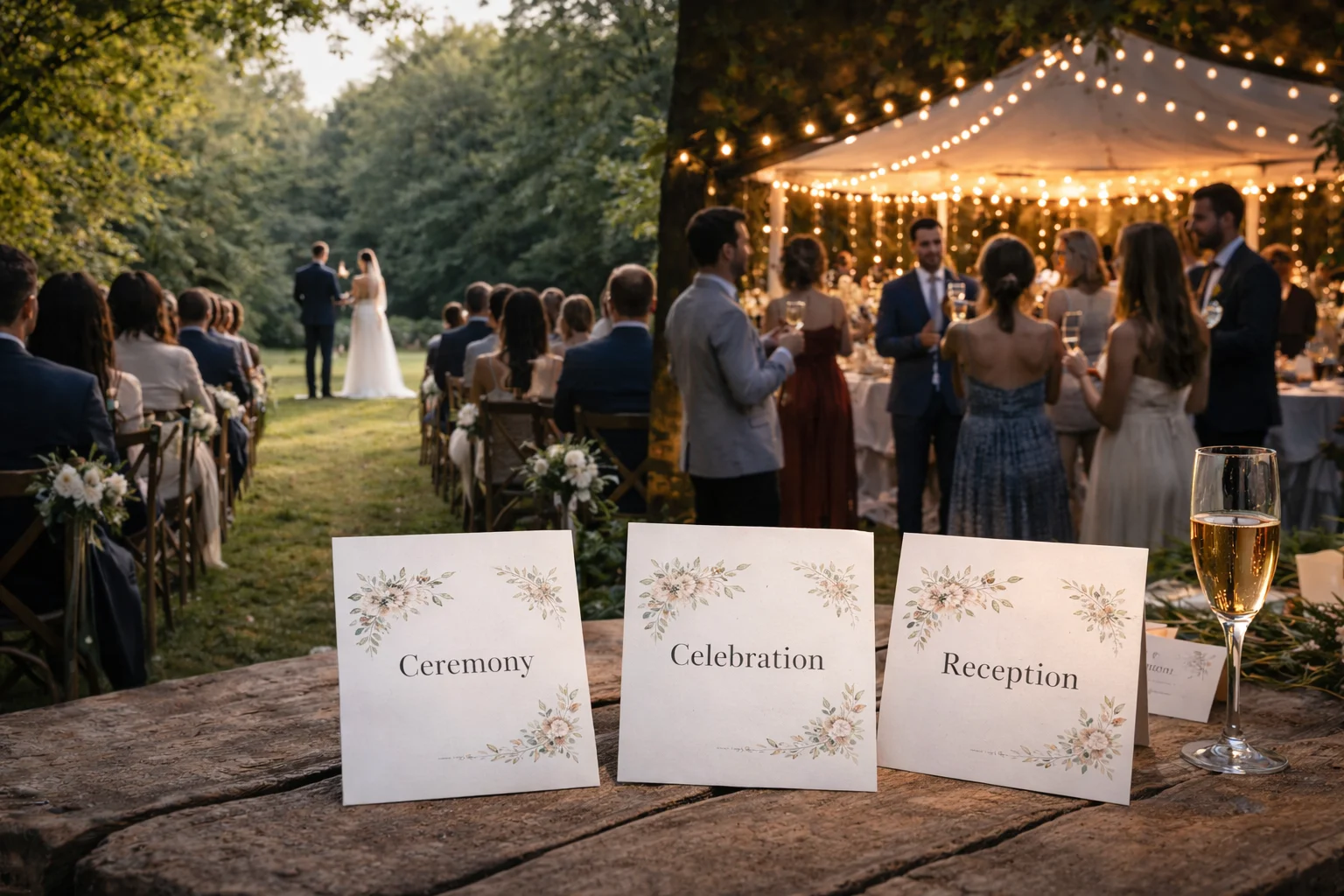
Who Is Invited to the Ceremony and Who Only to the Celebration
Not every wedding invitation has to include every part of the day. But the difference between being invited to the ceremony and being invited only to the celebration carries more meaning than many couples first assume. This article looks at how to make that distinction clearly, gracefully, and in a way that fits both the ritual weight of the ceremony and the social reality of the celebration.

Destination Wedding Checklist: What Changes When Travel Becomes Part of the Plan
A destination wedding is never only a wedding in another place. The moment travel becomes part of the plan, the guest list, the schedule, the budget, the emotional pressure, and even the meaning of attendance begin to change. This article looks at what a destination wedding checklist really needs to cover and why travel turns a wedding into a lived story long before the ceremony begins.
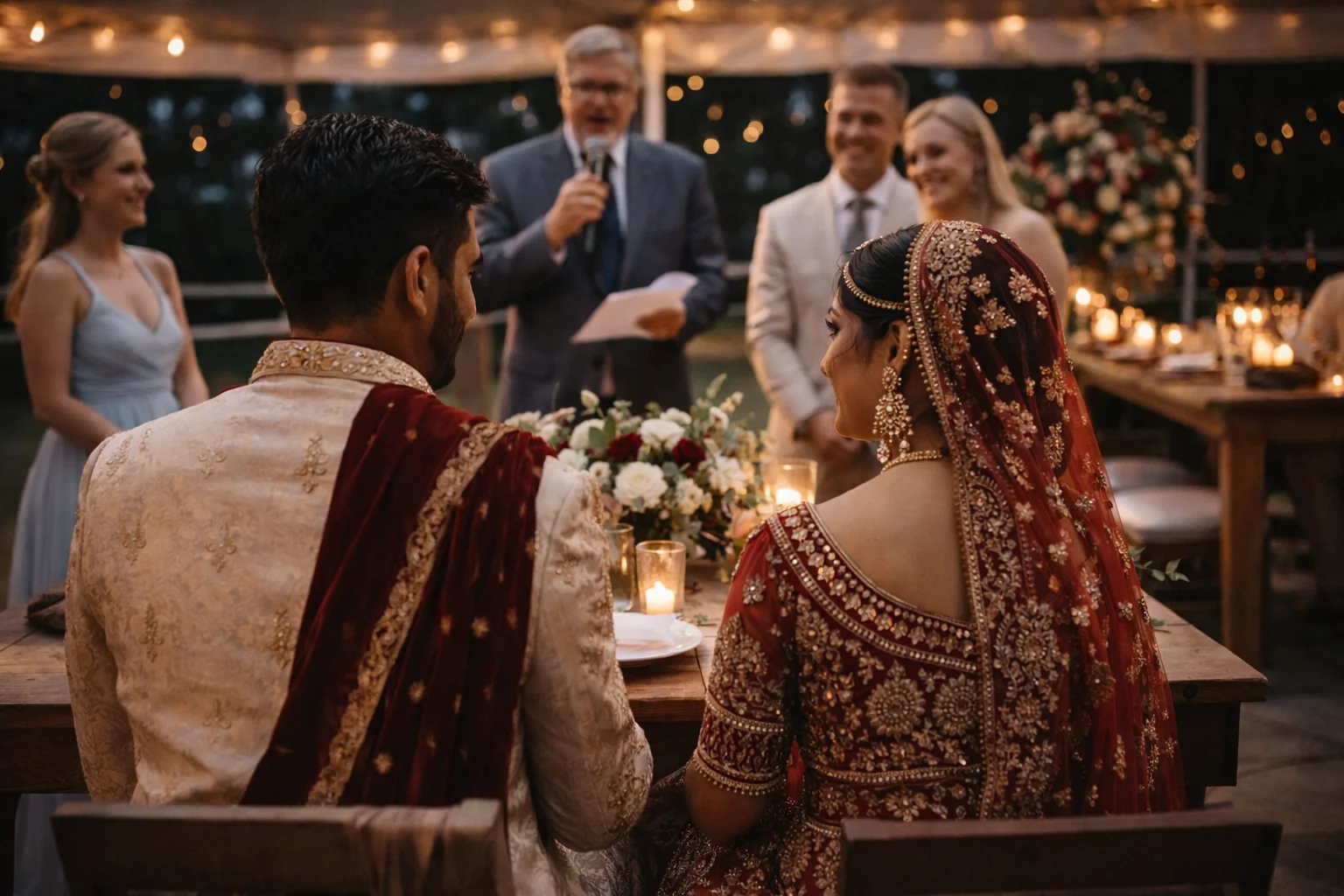
International Weddings and the Meaning of What Is Not Said
An international wedding brings visible complexity, but its deeper challenge often lives in the quiet layer beneath logistics. Between cultures, traditions, and expectations, what remains unspoken can shape the ceremony as much as anything that is formally planned.
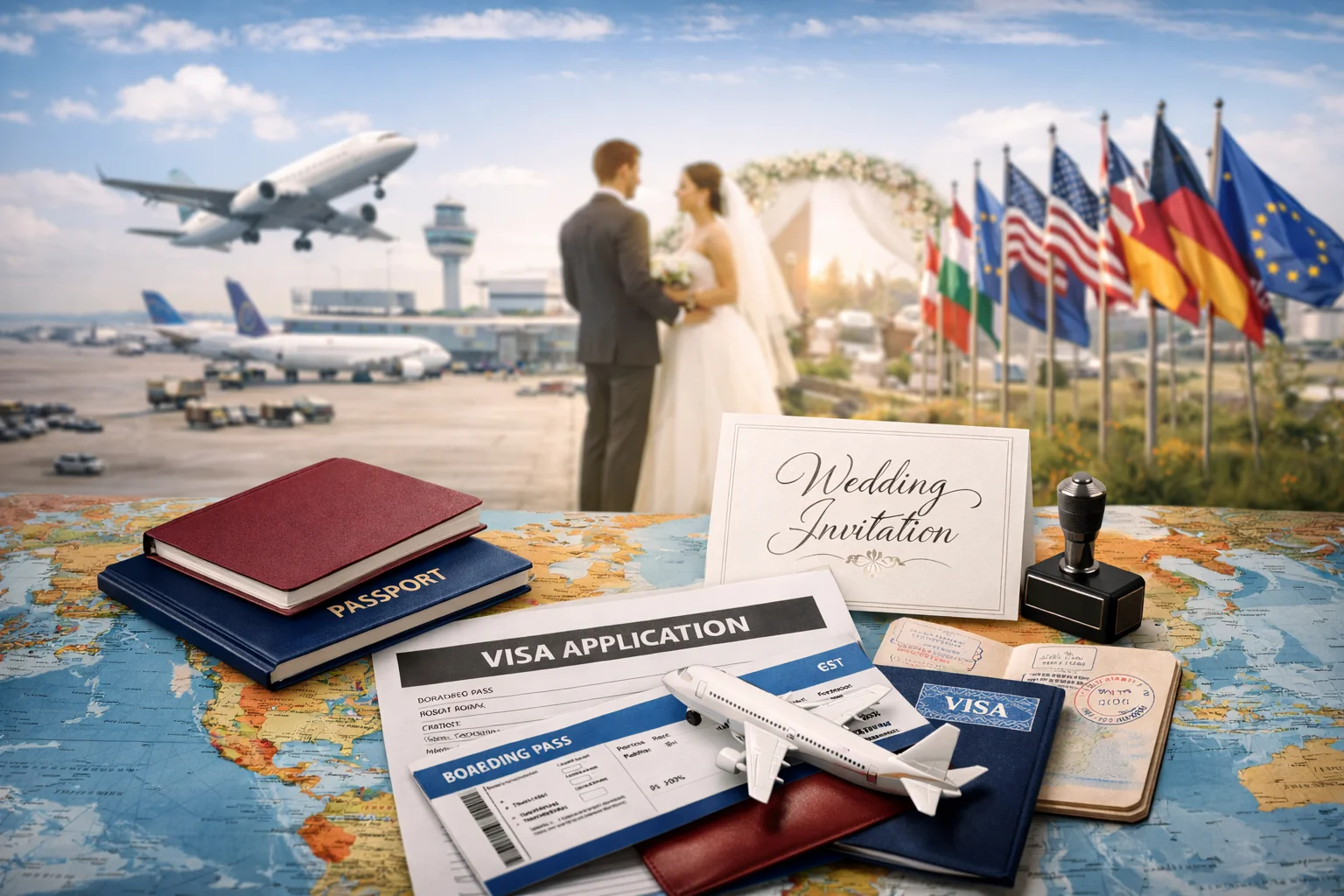
Visa and Travel Rules for International Wedding Guests
At international weddings, the guest list and the travel list are often two different things. An invitation may be accepted quickly, warmly, without much hesitation. Then the paperwork starts. Passport dates are checked. Entry rules are read again. A short family trip suddenly sits inside a formal border process.
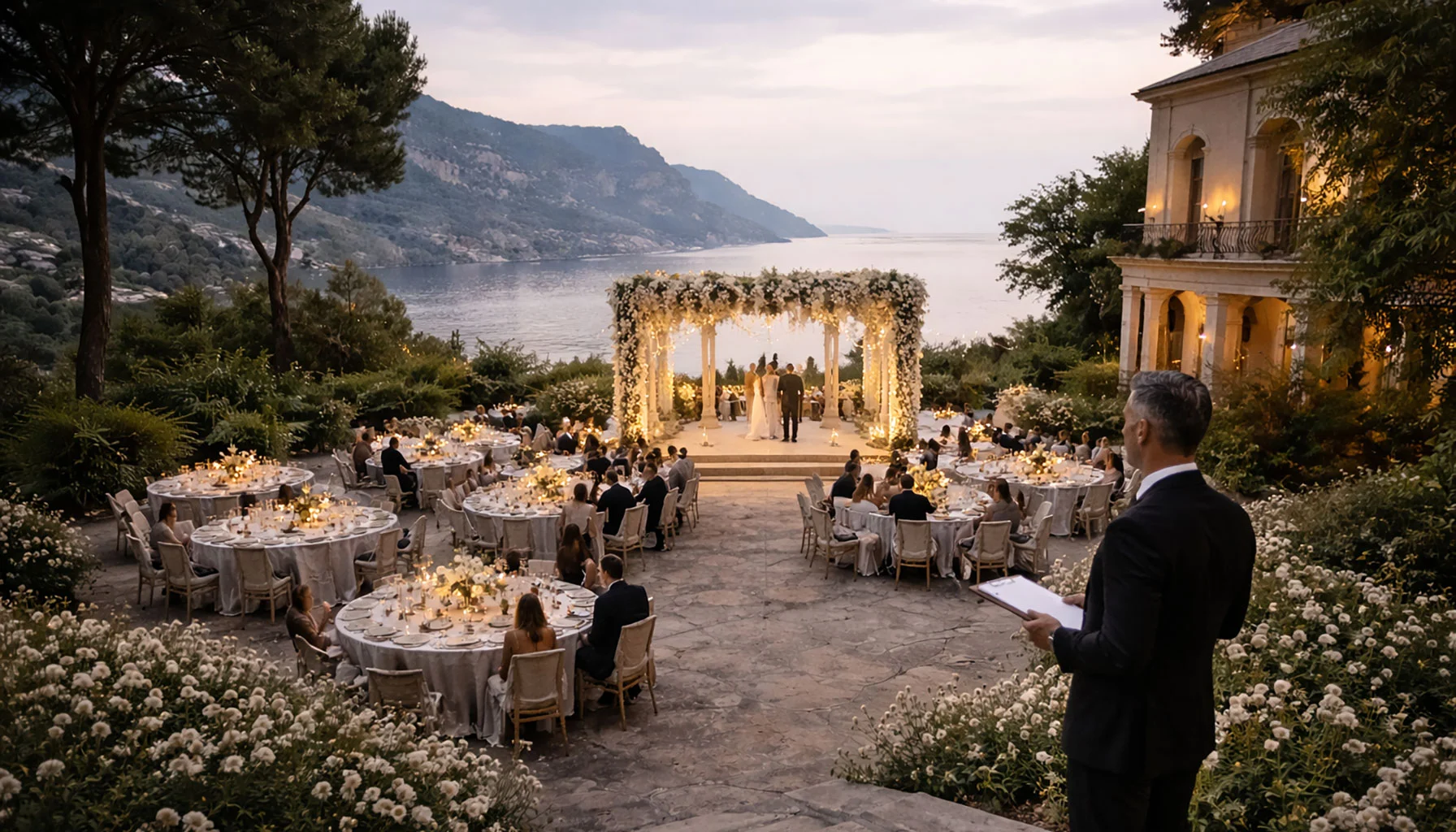
A Wedding Shaped by Quiet Alignment
This wedding was defined not by individual highlights, but by its steady flow. Planning, design, and service worked together without drawing attention to themselves. For guests, the day unfolded naturally and remained consistent, carried by a sense of calm, closeness, and continuity throughout.

Weddings in Comparison
This text brings together impressions from weddings in different countries and social settings. It describes how rituals, timing, and atmosphere appear in practice, without explanation or judgment. The focus is on closeness, structure, and the way community becomes visible during a public moment.