
Two Families, Two Cultural Rhythms: How International Weddings Balance Different Social Expectations
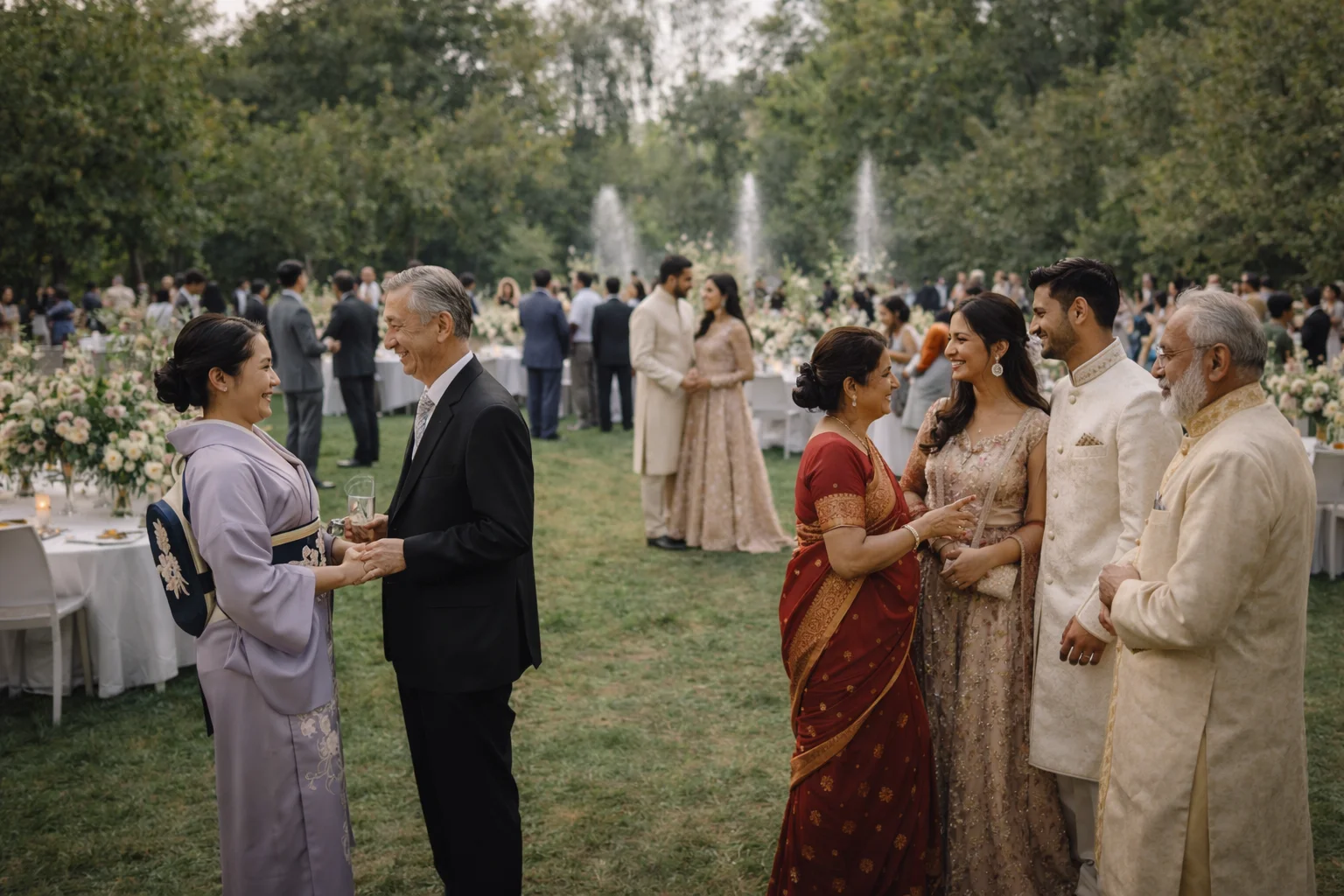
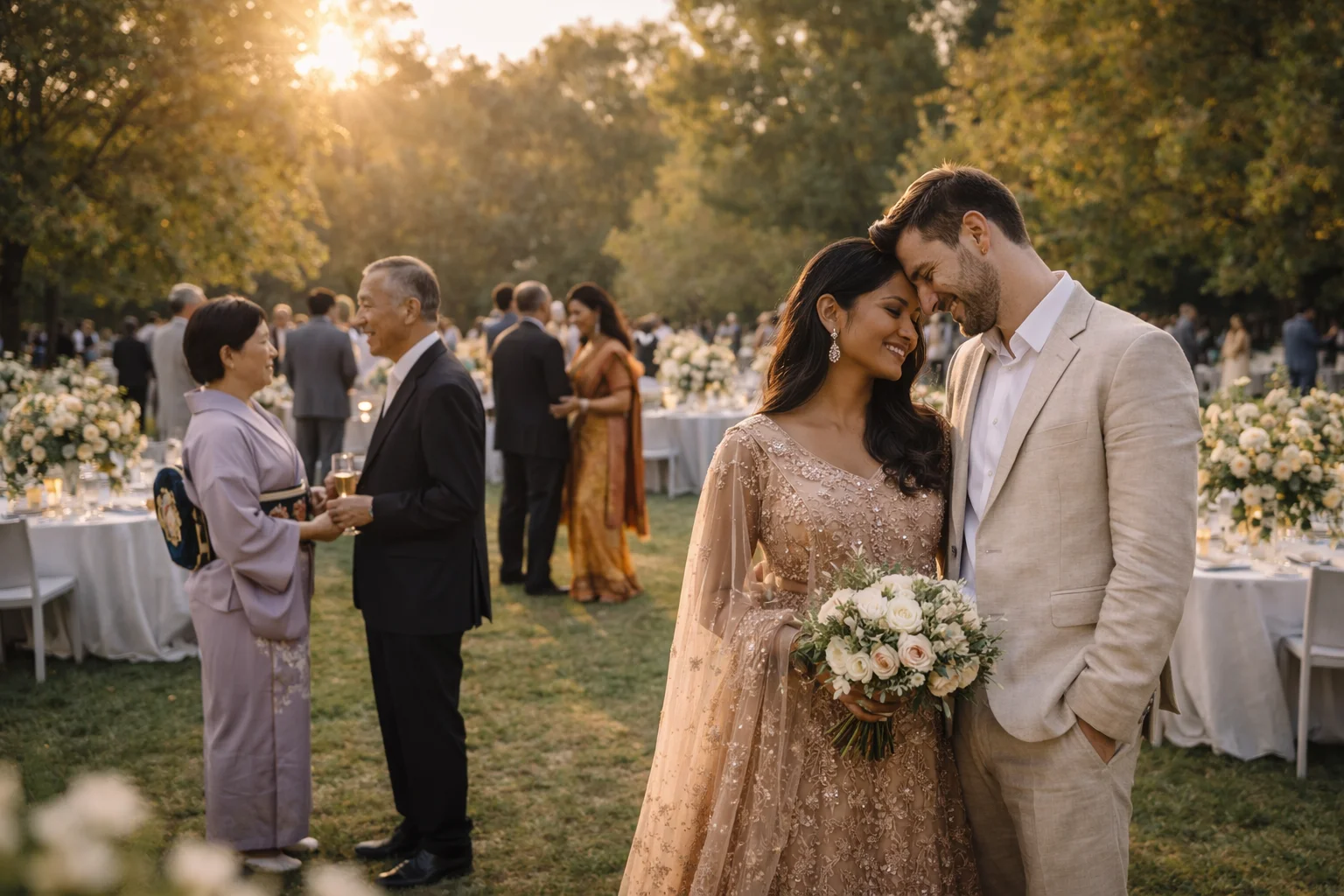
International weddings are often described through visible difference: language, clothing, food, legal paperwork, travel, ceremony structure. But what couples usually feel most strongly is something less obvious and more difficult to name. Different families often move at different social speeds. One side may treat the wedding as a shared family event that expands naturally. The other may protect privacy, timing, or restraint more carefully. One side may read warmth through abundance and visible involvement. The other may read care through precision, calm, and not imposing too much.
This is exactly why the subject belongs not only to international weddings, but also to the emotional meaning of marriage. Marriage is not only a public event between two individuals. It is also the point at which two emotional cultures often become more visible than ever before. The wedding does not create those differences, but it concentrates them. And in concentrating them, it asks the couple to decide what kind of shared emotional structure they want their marriage to begin with.
International WeddingsWhat to Know When Love Crosses Borders bring together different cultures, traditions, and legal systems. Planning an international wedding often involves additional considerations such as legal requirements, documentation, cultural customs, language differences, and travel logistics for you and your guests. With the right preparation and understanding, international weddings can become a deeply meaningful celebration that reflects both your backgrounds and creates a truly unforgettable experience.
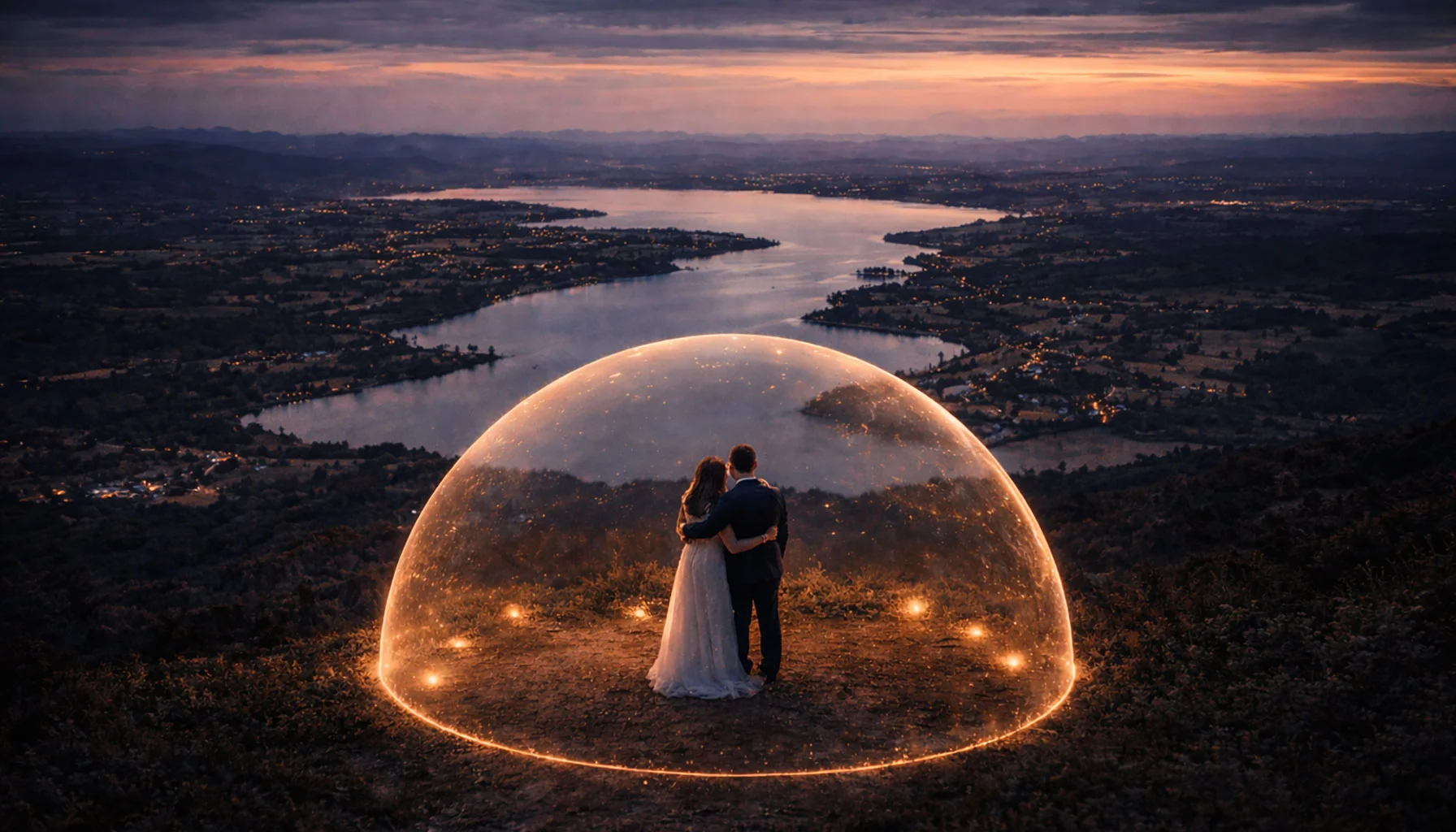
Marriage is not only a legal bond or a public ritual. It is an emotional structure that reshapes intimacy, responsibility, and how two people experience time together.
Definition
Two cultural rhythms in a wedding means more than two traditions appearing side by side. It describes the different social tempos, expectations, and emotional habits families bring into one event: how they gather, greet, host, participate, celebrate, and interpret what respect looks like.
Different Expectations Usually Show Up in Tone Before They Show Up in Rules
Many couples expect cultural difference to appear mainly in visible rituals, but it often appears first in tone. How early people arrive. How loudly they respond. How much family direction is considered normal. Whether a wedding should feel formal, expansive, quiet, generous, tightly structured, or socially fluid. These are not minor style questions. They shape how each family feels welcomed or displaced inside the same day.
Balancing Does Not Mean Splitting Everything in Half
A common mistake in international wedding planning is trying to make every element symmetrical. Equal airtime, equal rituals, equal language, equal representation at every visible point. Sometimes that works. Often it makes the wedding feel engineered rather than lived. Balance is usually stronger when couples ask a harder question: what does each side need in order to feel respected, and what kind of day still feels emotionally true to the marriage itself. That is not always the same as perfect visible equality.
Hospitality and Emotional Safety Matter as Much as Symbolism
When two families follow different social rhythms, hospitality becomes more than seating charts or multilingual signage. It becomes emotional pacing. People need to know when to act, when to wait, when participation is welcome, when quiet is respectful, when celebration expands, and when the day turns inward. This is where international weddings succeed or fail in practice. Not in whether every symbol was included, but in whether both sides could inhabit the day without constantly second-guessing how to behave.
Marriage Begins with the Structure the Couple Protects
The emotional meaning of marriage, as Loving Rocks describes it, is not only romance made official. It is the creation of a container that can hold difference, expectation, and vulnerability over time. Weddings often reveal very early what kind of container the couple is trying to build. Are they organizing the day around fear of disappointing both sides, or around a shared center that can receive both families without dissolving into them. The distinction matters because marriage will keep asking this question long after the wedding ends.
The Best International Weddings Create a Third Rhythm
The most convincing international weddings do not simply alternate between one family logic and the other. They create a third rhythm that belongs to the couple. That rhythm may include elements from both sides, but it is held by a clearer emotional center. Guests can feel when a wedding is borrowing expectations and when it has found its own pace. The second one is usually calmer, even when it contains more visible difference.
Conclusion
International weddings are not difficult only because cultures differ. They become demanding because social rhythms do. The wedding gathers different ideas of closeness, respect, family presence, and celebration into one shared time. When couples balance that well, they are doing more than planning a successful event. They are already shaping the emotional form of the marriage they are entering.
Related Articles
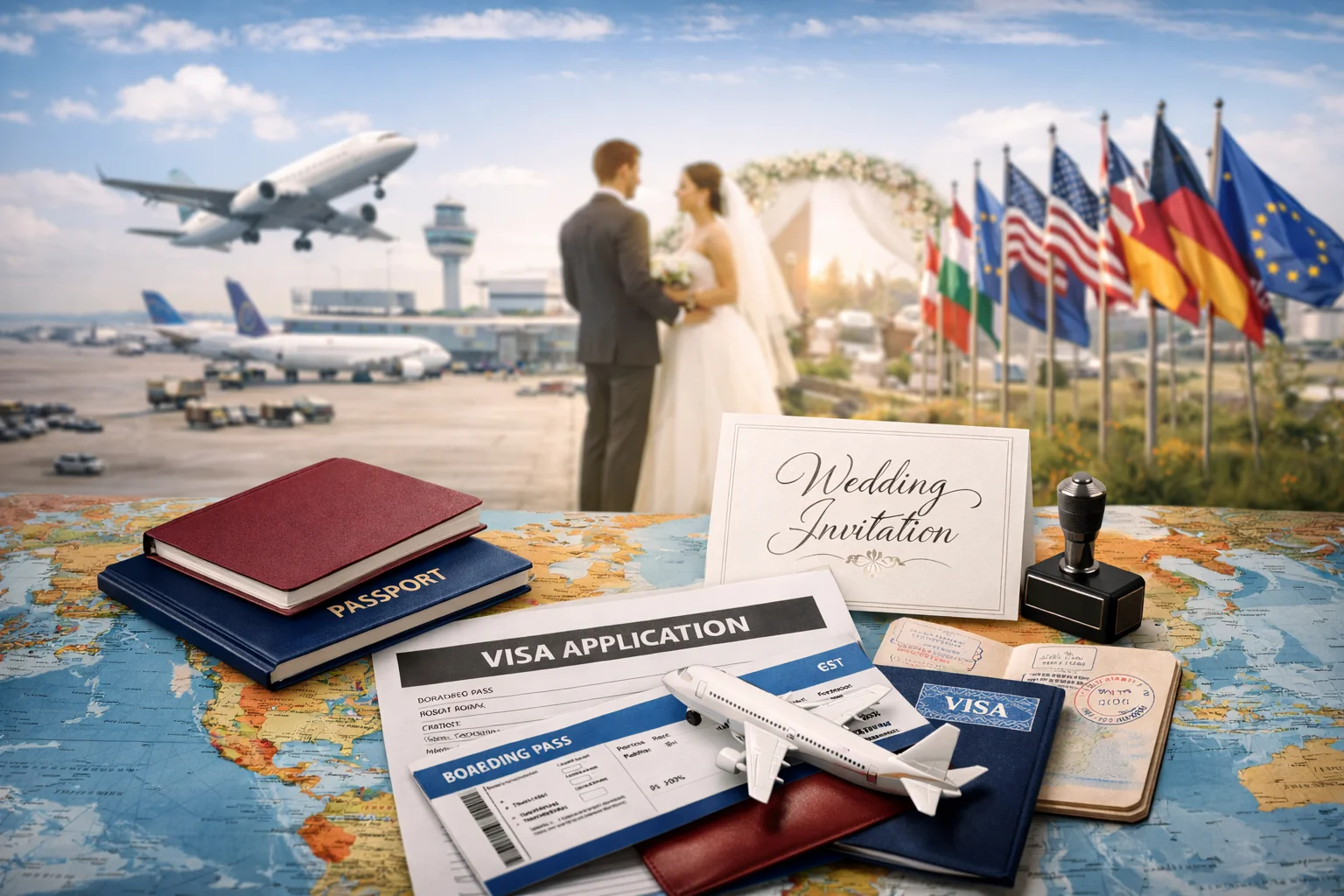
Visa and Travel Rules for International Wedding Guests
At international weddings, the guest list and the travel list are often two different things. An invitation may be accepted quickly, warmly, without much hesitation. Then the paperwork starts. Passport dates are checked. Entry rules are read again. A short family trip suddenly sits inside a formal border process.
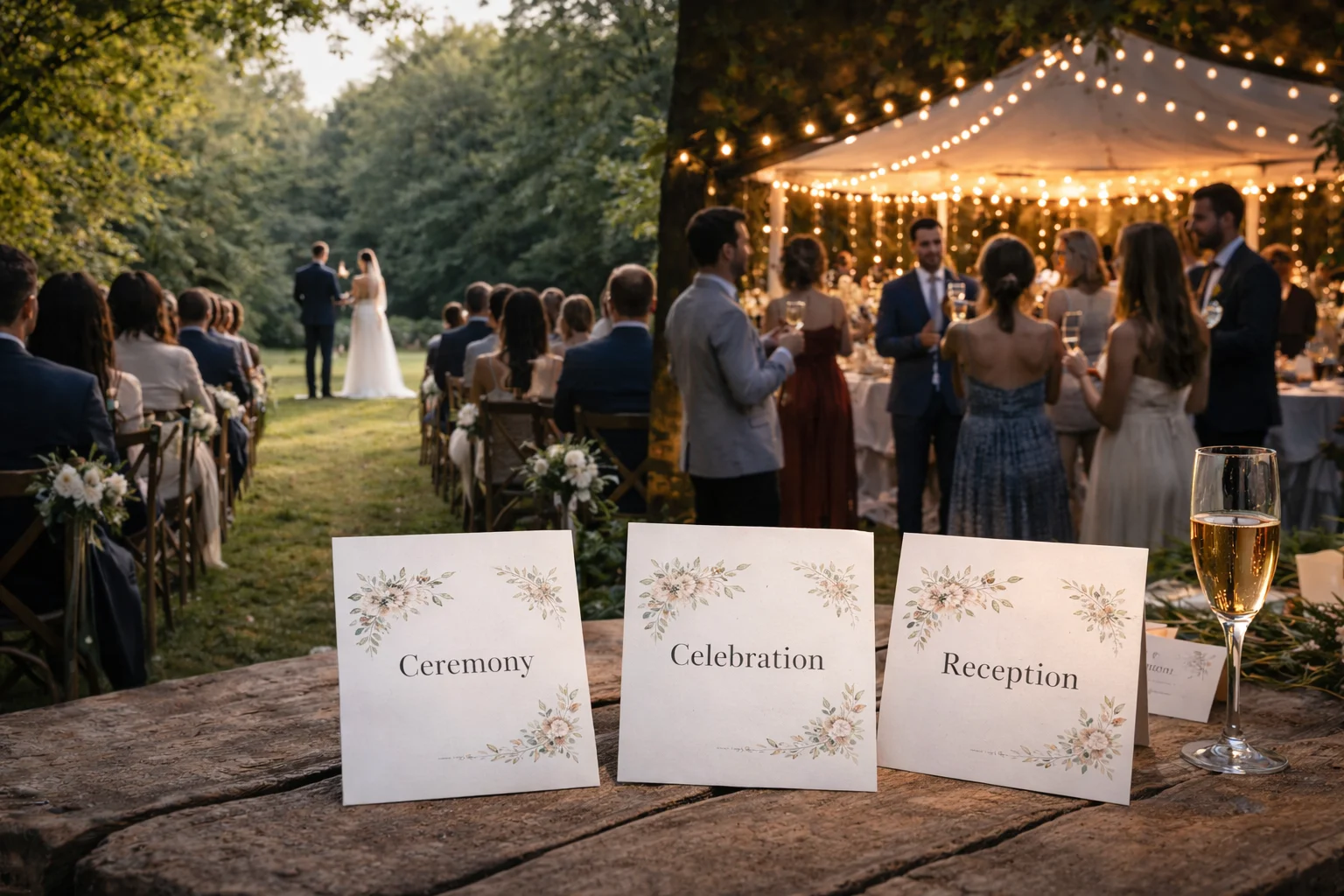
Who Is Invited to the Ceremony and Who Only to the Celebration
Not every wedding invitation has to include every part of the day. But the difference between being invited to the ceremony and being invited only to the celebration carries more meaning than many couples first assume. This article looks at how to make that distinction clearly, gracefully, and in a way that fits both the ritual weight of the ceremony and the social reality of the celebration.
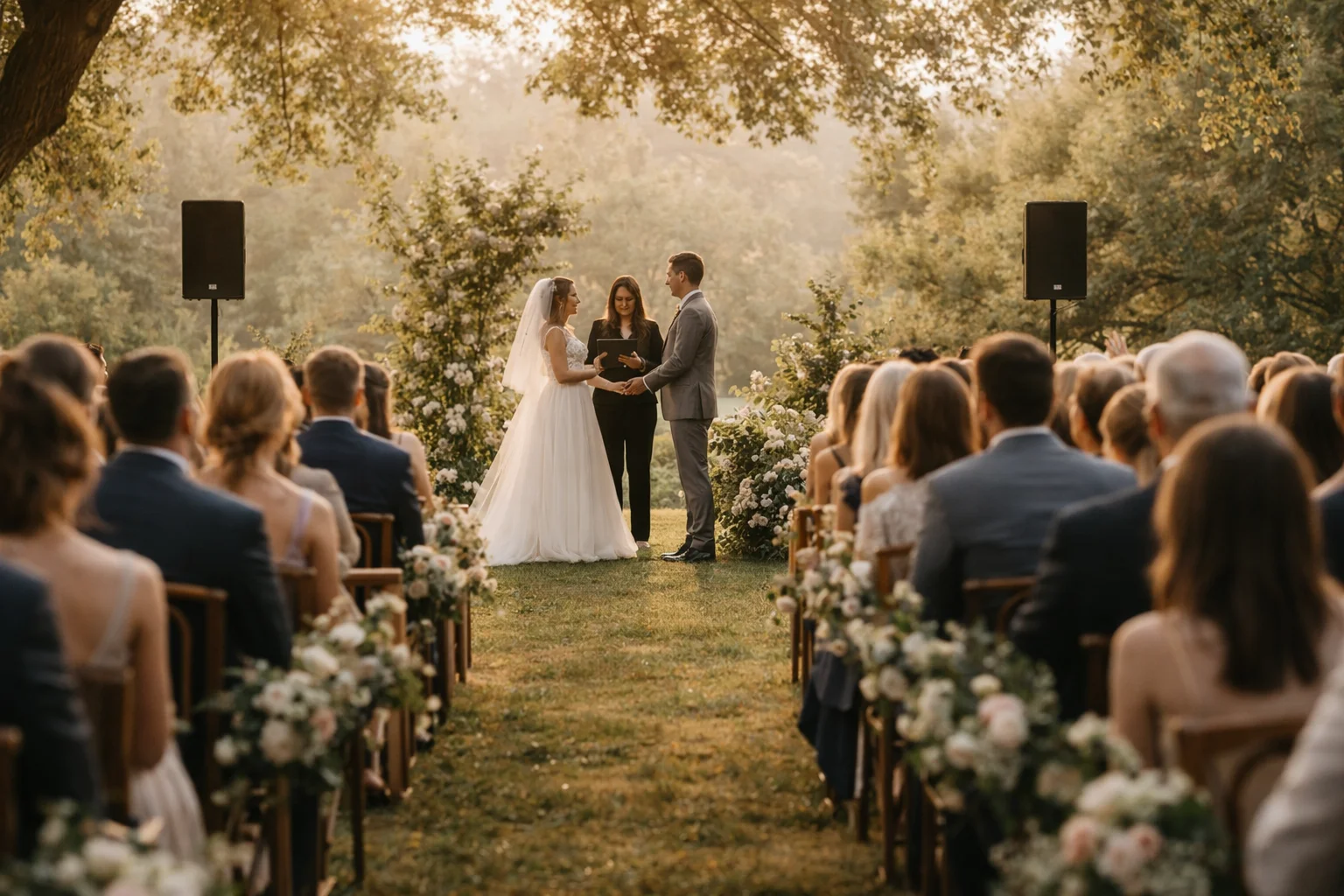
What Guests Remember About Ceremony Music Later
Ceremony music rarely stays in memory as a perfect playlist. Guests remember how it changed the room, how it shaped emotion, and whether it made the ceremony feel intimate, oversized, personal, or strangely distant. This article looks at what guests actually carry away from wedding ceremony music and why placement often matters more than the song itself.
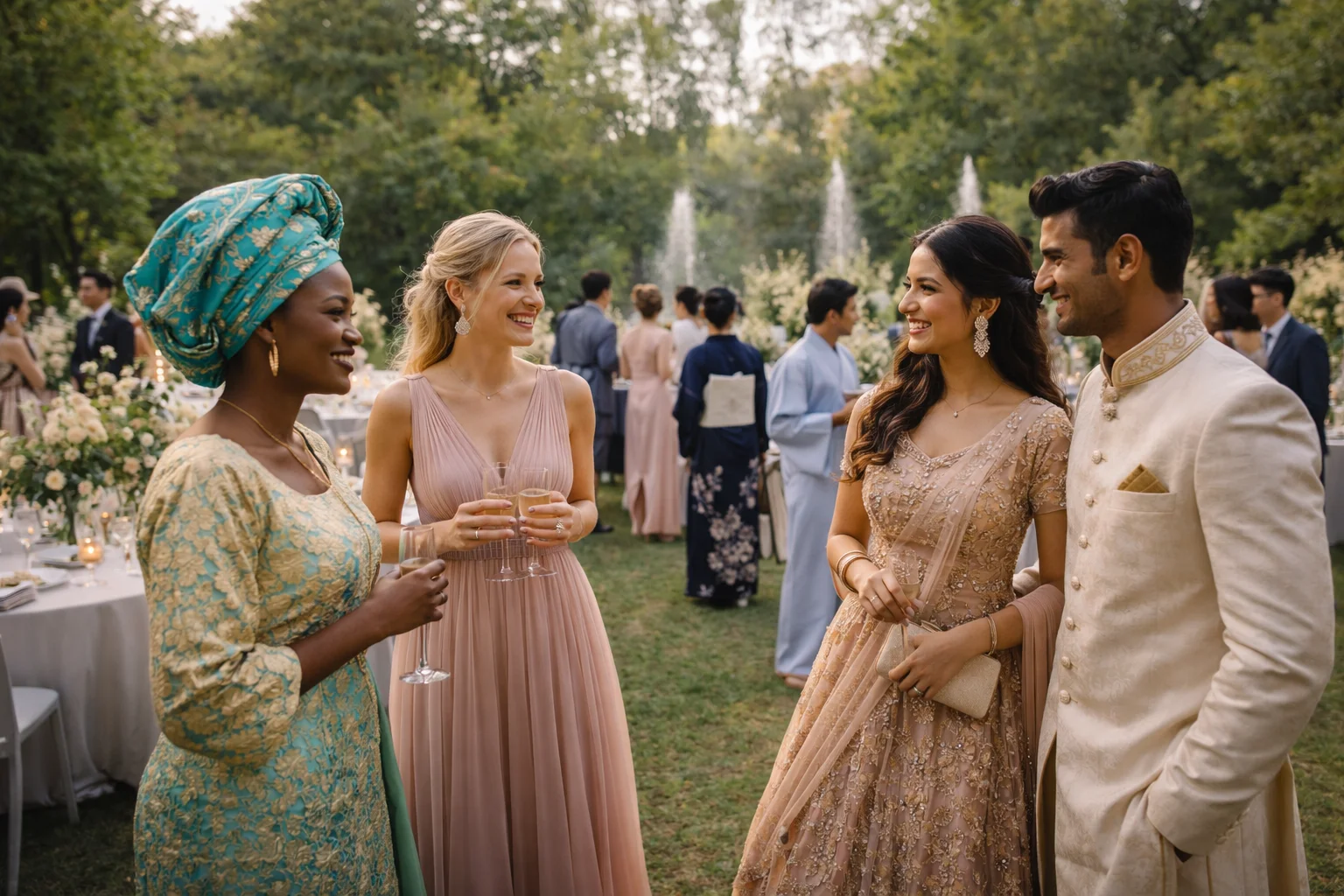
Dress Expectations at International Weddings: What Guests May Read Differently
Dress codes at international weddings are rarely just about clothing. Guests interpret formality, respect, family signals, and cultural meaning differently. This article looks at how attire is understood across contexts and why what seems obvious to one guest can feel unclear to another.
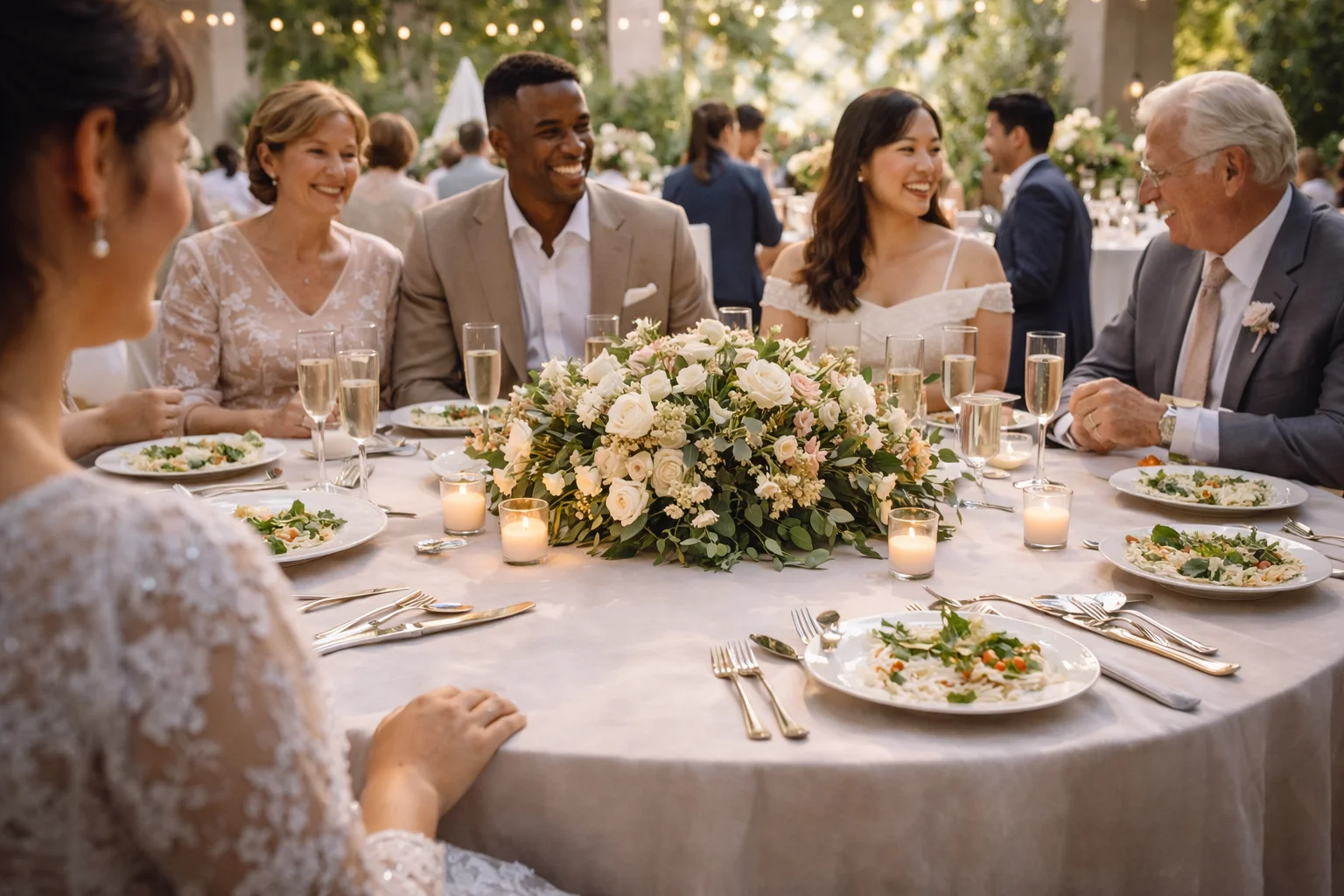
Multilingual Wedding Communication: What Guests Need to Understand Without Constant Explanation
A multilingual wedding does not fail because different languages are present. It becomes difficult when guests are left unsure what they need to understand, what they can simply feel, and what requires translation in the moment. This article looks at how to create clarity in multilingual wedding communication without overexplaining every part of the day.
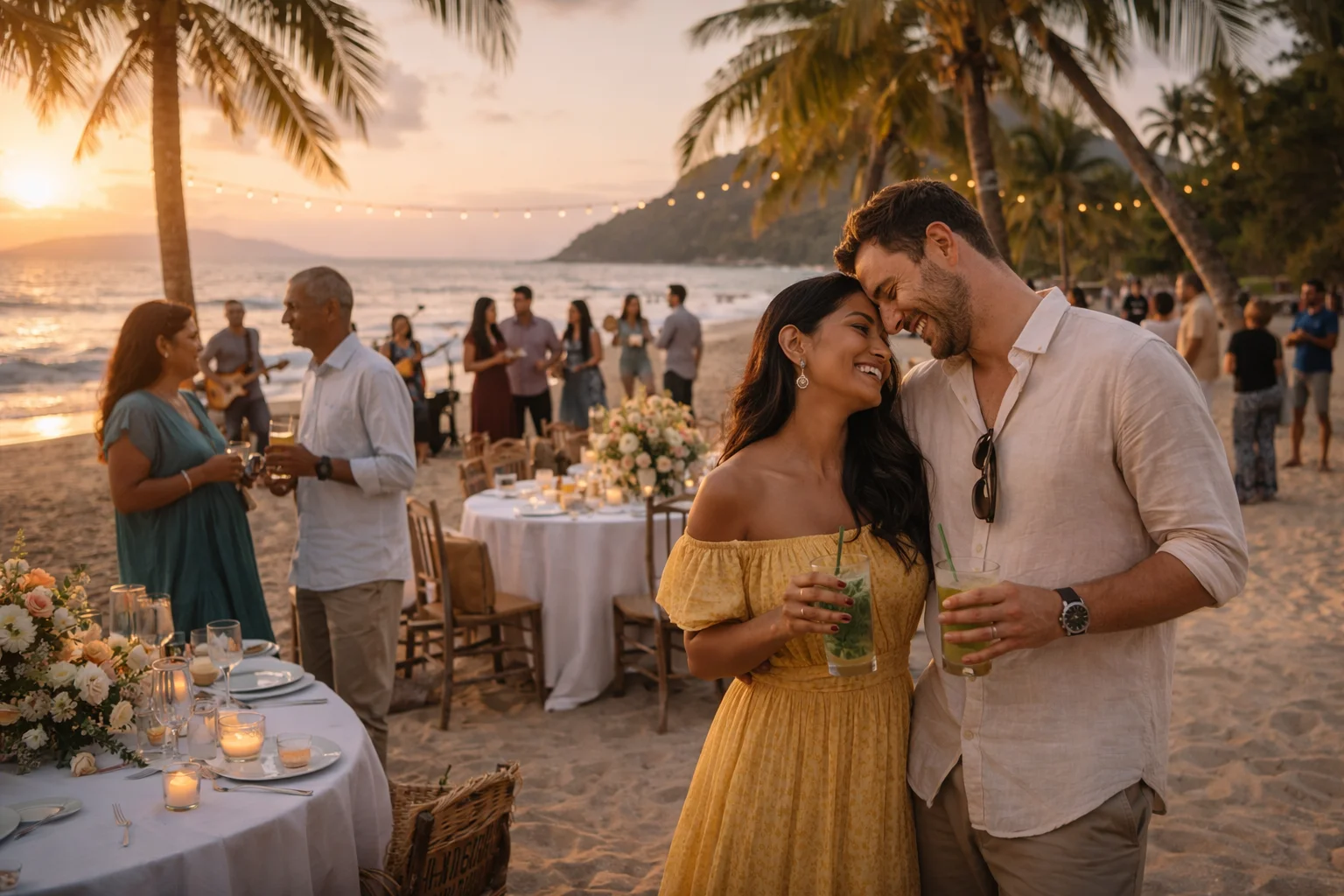
Post-Wedding Gatherings Across Countries: When the Celebration Continues Elsewhere
Some weddings do not end when the official day is over. They continue in another city, another country, another family home, or another social circle that could not be present the first time. This article looks at what post-wedding gatherings across countries actually mean and why they are often less like an encore than a second form of the wedding itself.
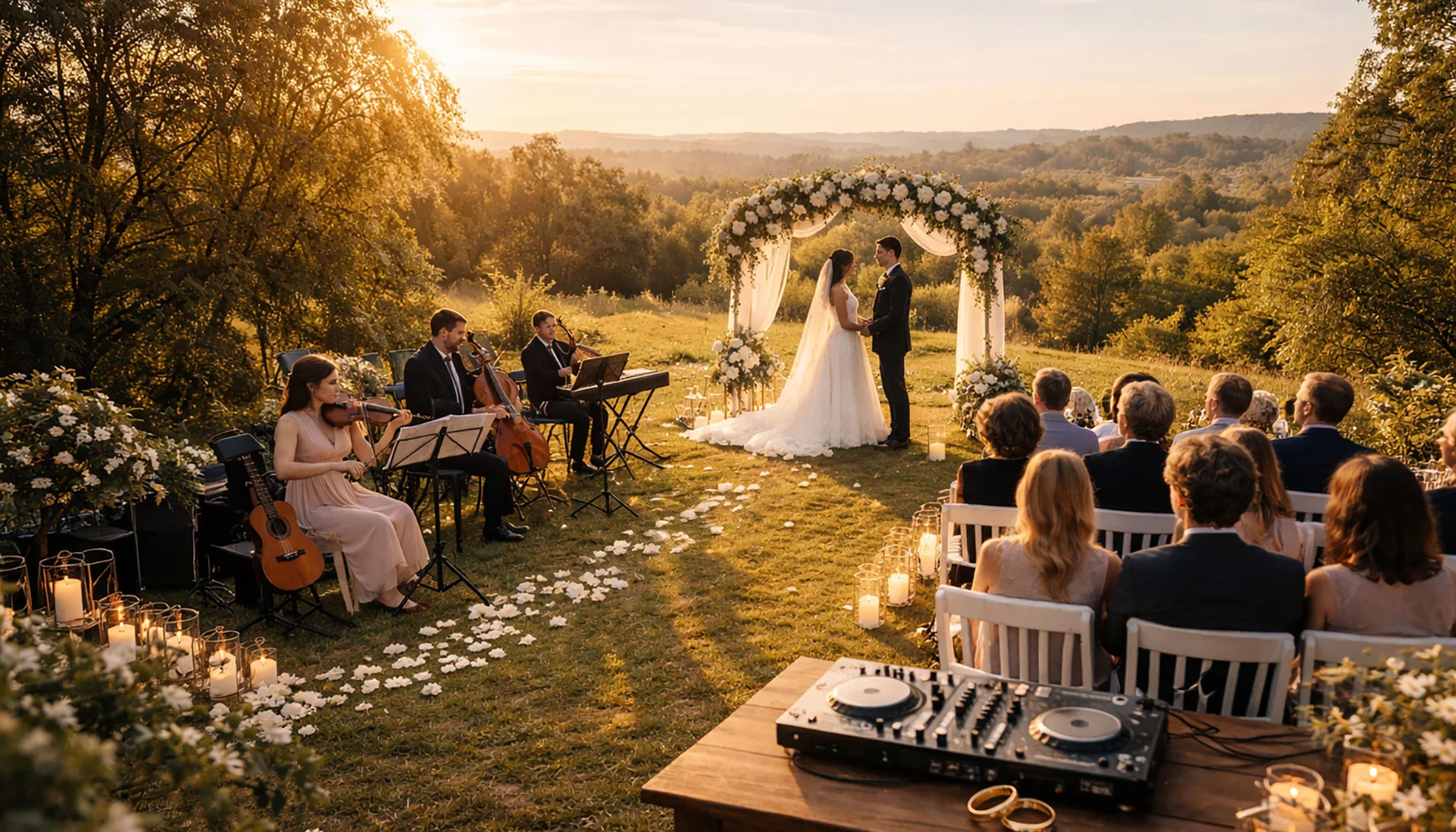
Music for Ceremony – The Art of Setting the Perfect Tone for a Wedding Ceremony
Ceremony music does more than create mood. It marks transitions, slows attention, and gives emotional and symbolic actions the weight they need in real time. This article offers a practical overview of ceremony music across settings and countries while connecting music to the deeper emotional meaning carried by marriage rituals.
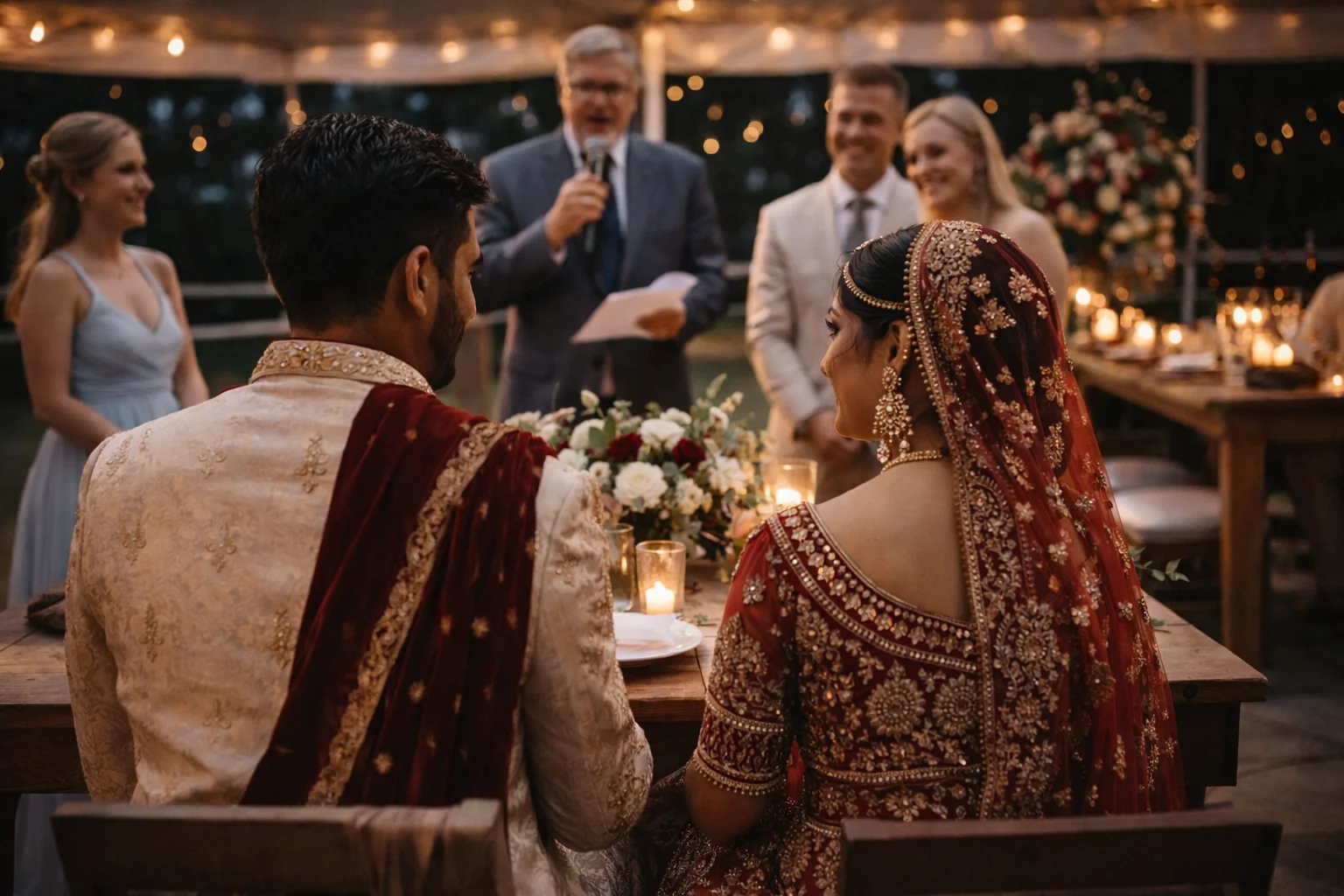
International Weddings and the Meaning of What Is Not Said
An international wedding brings visible complexity, but its deeper challenge often lives in the quiet layer beneath logistics. Between cultures, traditions, and expectations, what remains unspoken can shape the ceremony as much as anything that is formally planned.
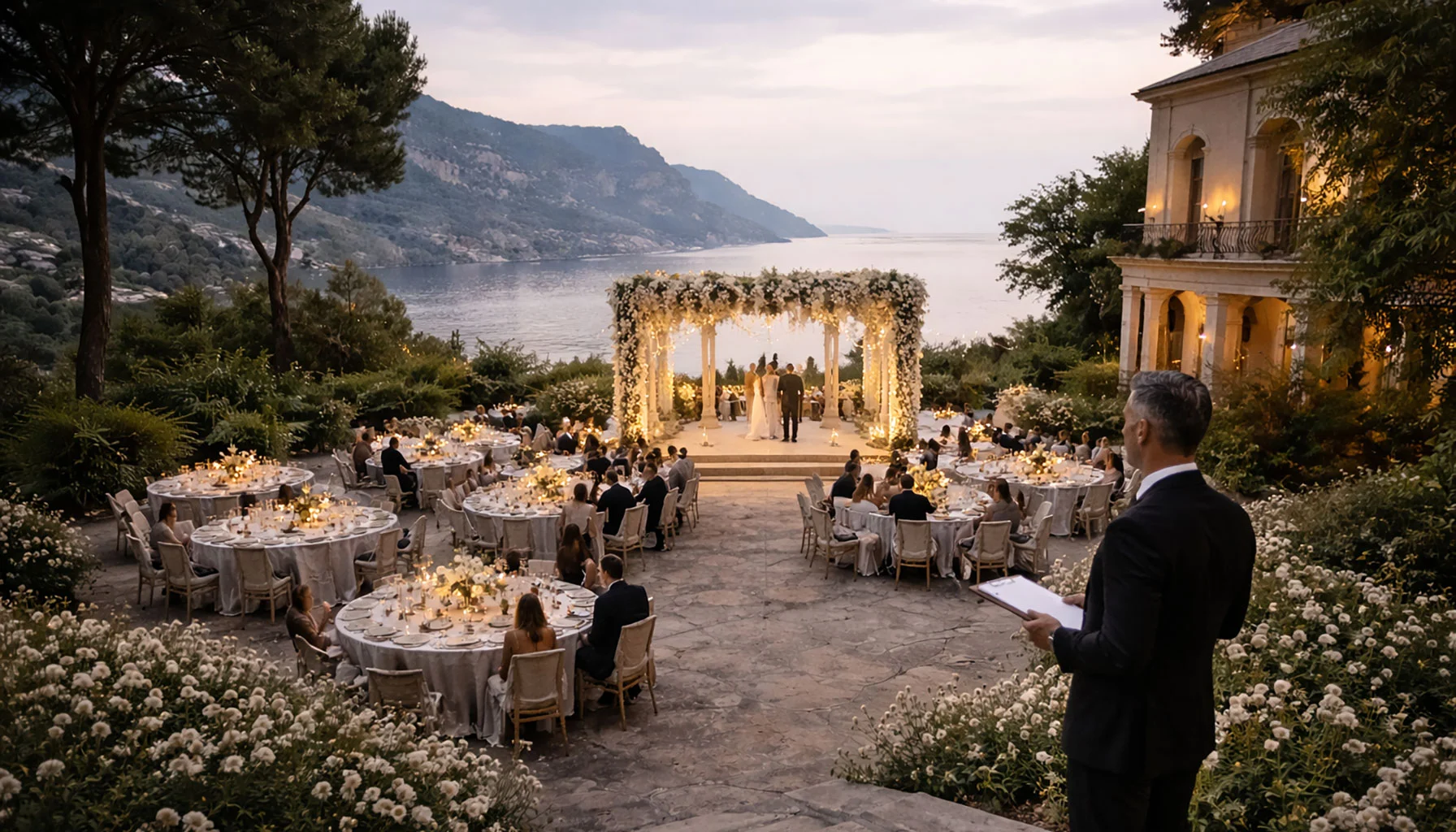
A Wedding Shaped by Quiet Alignment
This wedding was defined not by individual highlights, but by its steady flow. Planning, design, and service worked together without drawing attention to themselves. For guests, the day unfolded naturally and remained consistent, carried by a sense of calm, closeness, and continuity throughout.

Destination Wedding Checklist: What Changes When Travel Becomes Part of the Plan
A destination wedding is never only a wedding in another place. The moment travel becomes part of the plan, the guest list, the schedule, the budget, the emotional pressure, and even the meaning of attendance begin to change. This article looks at what a destination wedding checklist really needs to cover and why travel turns a wedding into a lived story long before the ceremony begins.
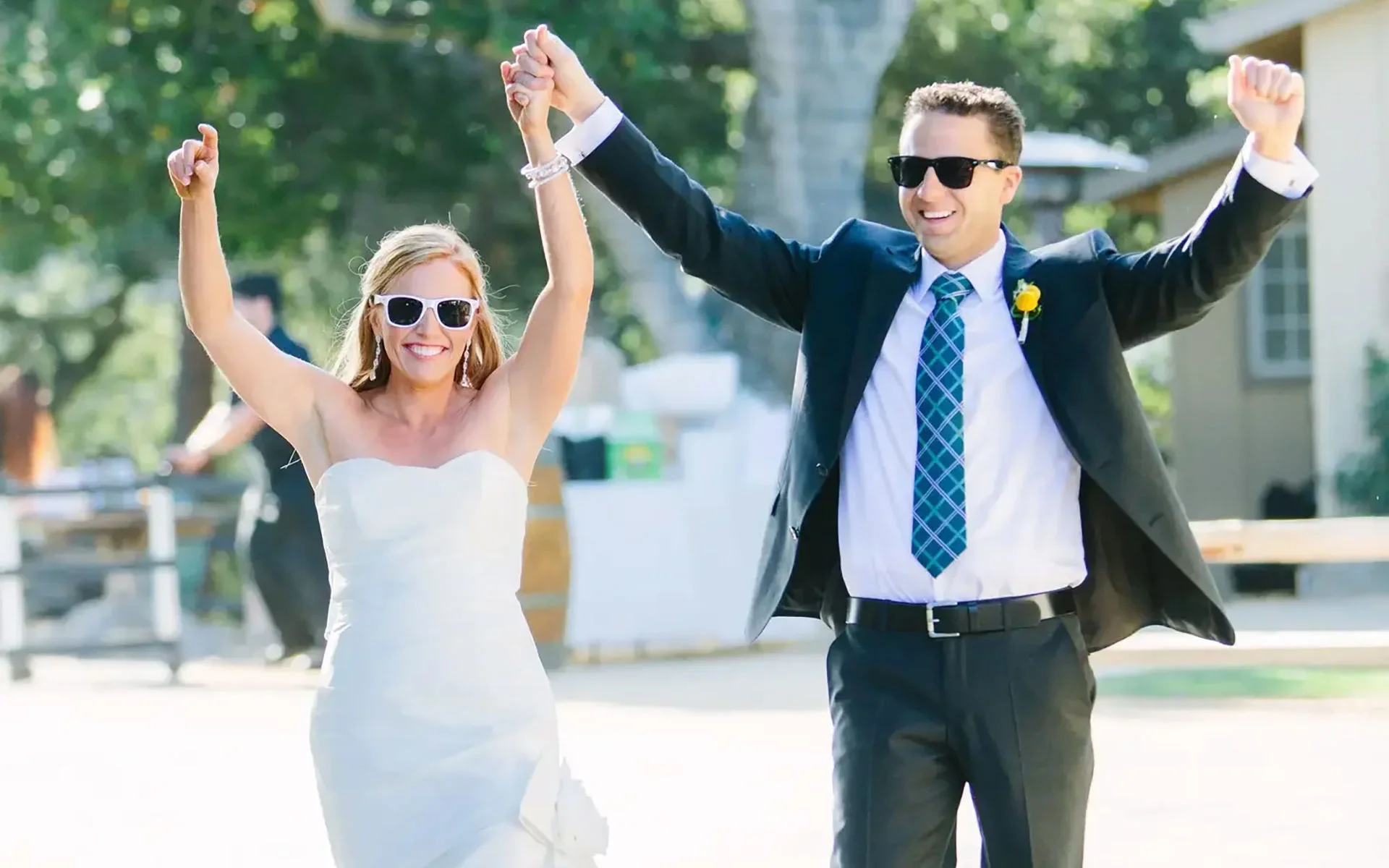
Weddings in Comparison
This text brings together impressions from weddings in different countries and social settings. It describes how rituals, timing, and atmosphere appear in practice, without explanation or judgment. The focus is on closeness, structure, and the way community becomes visible during a public moment.
Mixed-Culture Weddings Without Performative Symbolism
A mixed-culture wedding does not become meaningful by displaying as many symbols as possible. It becomes meaningful when the symbols that appear are actually lived, understood, and emotionally carried by the couple and their families. This article looks at how international weddings can honor difference without turning culture into performance.