
Music for Ceremony – The Art of Setting the Perfect Tone for a Wedding Ceremony
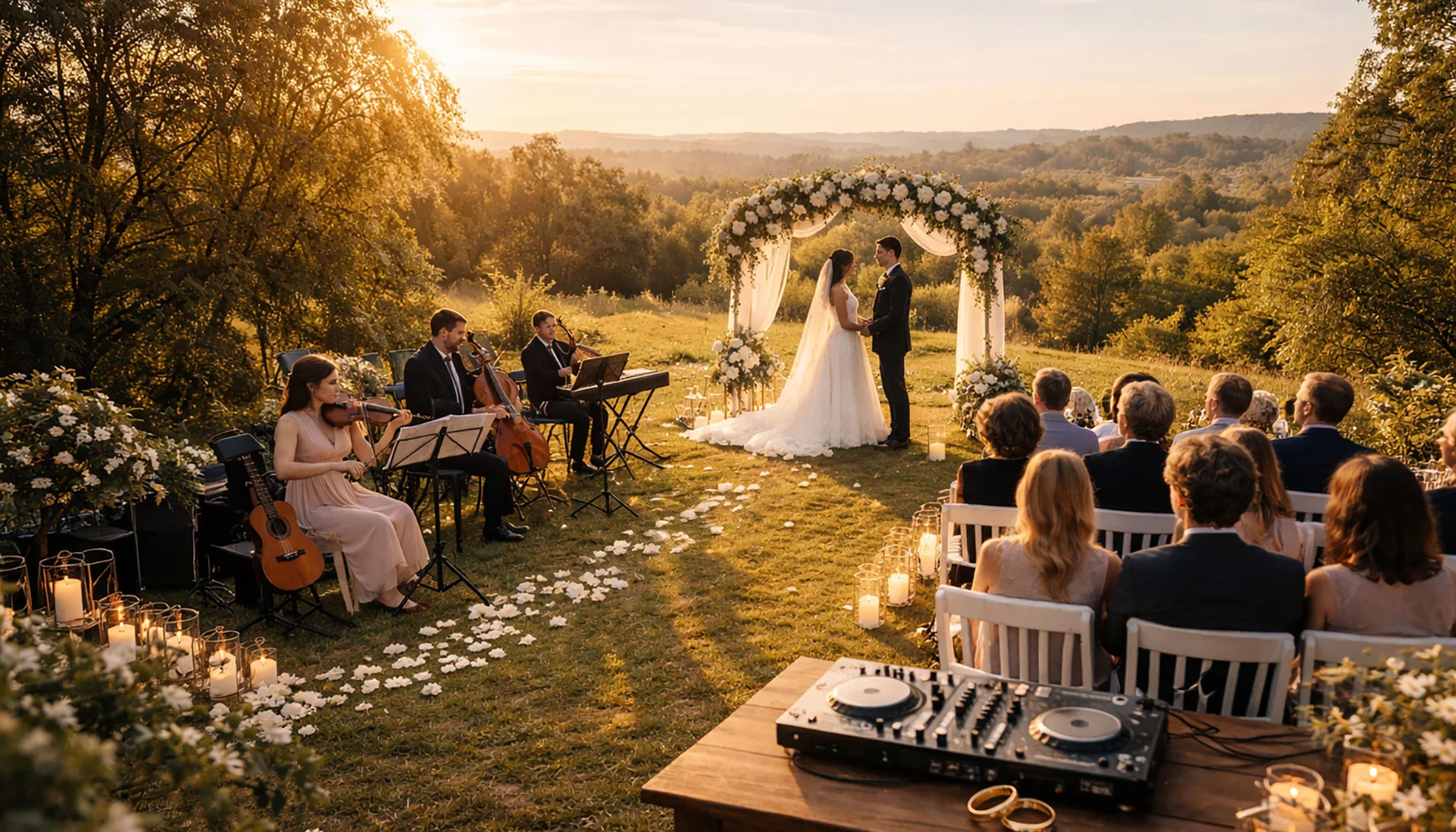
Ceremony music does not behave like decoration. It works closer to structure. It marks time, slows people down, and gives weight to actions that would otherwise pass too quickly. Guests notice it most when it is missing or poorly placed. When it works, it stays mostly unnoticed. The room settles. People listen differently. The ceremony holds.
Across many weddings, one pattern repeats: music that fits the moment feels quieter than it actually is. Not because of volume, but because it belongs. The transition from arrival to attention, from speech to silence, is carried by sound more than by words. Good ceremony music does not ask to be admired. It allows the ritual to happen. This is why the subject belongs naturally to both Music for Ceremony and The Emotional Meaning of Marriage. On Loving Rocks, ceremony music is already described as something that shapes attention more than mood, while marriage itself is framed there as an emotional structure that organizes intimacy, expectation, and responsibility over time. Ceremony music matters because it helps that structure become perceptible in the room.
Music for CeremonyAs emotions fill the air, music becomes the gentle voice of the ceremony. Soft melodies carry anticipation, love, and promise through every meaningful moment. From the first step down the aisle to the final notes of togetherness, music weaves an invisible thread that makes the ceremony timeless and deeply moving.

Marriage is not only a legal bond or a public ritual. It is an emotional structure that reshapes intimacy, responsibility, and how two people experience time together.
Observed Shifts in Ceremony Music
Ceremonies today show less interest in fixed formulas. Music choices are narrower, but more deliberate. Fewer pieces. Longer pauses. Instrumental arrangements replace full vocal tracks. Live musicians appear next to carefully edited recordings. The aim is not novelty. It is coherence. Cultural references remain present, though often softened or re-framed.
Outdoor and destination ceremonies reveal another shift. Sound design becomes lighter. Natural acoustics are allowed space. Amplification is used with restraint. Music is shaped to the environment rather than imposed on it.
How Guests Respond
Guests rarely describe ceremony music in technical terms. They speak about mood, calm, or focus. A clear beginning helps them arrive mentally. Gentle underscoring during vows keeps attention close. A confident recessional releases tension. Familiar melodies help, but only when arranged with care. Overstatement breaks concentration. Simplicity keeps it intact.
Common Structural Elements
- Arrival and seating
- Processional
- Quiet underscoring during readings or vows
- Music during symbolic actions or signing
- Recessional
Country-Specific Observations
Germany
Ceremony music in Germany tends toward clarity and restraint. Instrumental works dominate. Classical pieces remain common, though modern compositions appear when arranged simply. Music stays secondary to speech. Humor is rare. Precision matters more than expression.
United States
In the United States, flexibility defines ceremony music. Personal references are frequent. Modern love songs appear mostly as instrumental versions. The emotional tone is open but controlled. Recessionals often carry lightness, without crossing into performance.
Serbia
Serbian ceremonies, particularly Orthodox ones, give music a ceremonial weight. Traditional melodies and chants shape the ritual. Modern music is kept separate. The distinction between ceremony and celebration remains clear.
China
Chinese ceremony music emphasizes balance. Traditional melodies are chosen for symbolism rather than drama. Instrumental arrangements dominate. Emotional intensity is present, but measured. Abrupt contrasts are avoided.
Southern and Western Europe
In countries such as Spain, France, and Italy, ceremony music reflects long-standing religious and cultural frameworks. Classical and sacred works remain central. Expression is warm, but formality holds. Pop influences appear rarely and with caution.
Practices That Disrupt the Ceremony
- Lyrics that distract from spoken words
- Abrupt musical cuts
- Excessive volume
- Too many stylistic shifts
- Ignoring venue-specific constraints
Observed Markers of a Coherent Ceremony Soundtrack
Successful ceremony music follows the rhythm of the ritual. Each cue has a function. Timing is exact, but not rigid. Sound supports presence. It does not compete for attention. When technical execution is solid, the music disappears into the moment.
Selected Testimonials
Nothing felt rushed. The music seemed to arrive a second before we needed it, every time.
Guests mentioned the atmosphere long after. Hardly anyone named a song, but everyone remembered how calm it felt.
There was space for silence. That mattered more than expected.
Closing Notes
Ceremony music works best when it respects the pace of human attention. It frames without pushing. It allows emotion without directing it. Across cultures and settings, the same observation holds: when music is chosen with care and placed with patience, the ceremony feels complete. That is also why ceremony music belongs to the emotional meaning of marriage. It helps commitment become audible without turning emotion into performance.
Related Articles
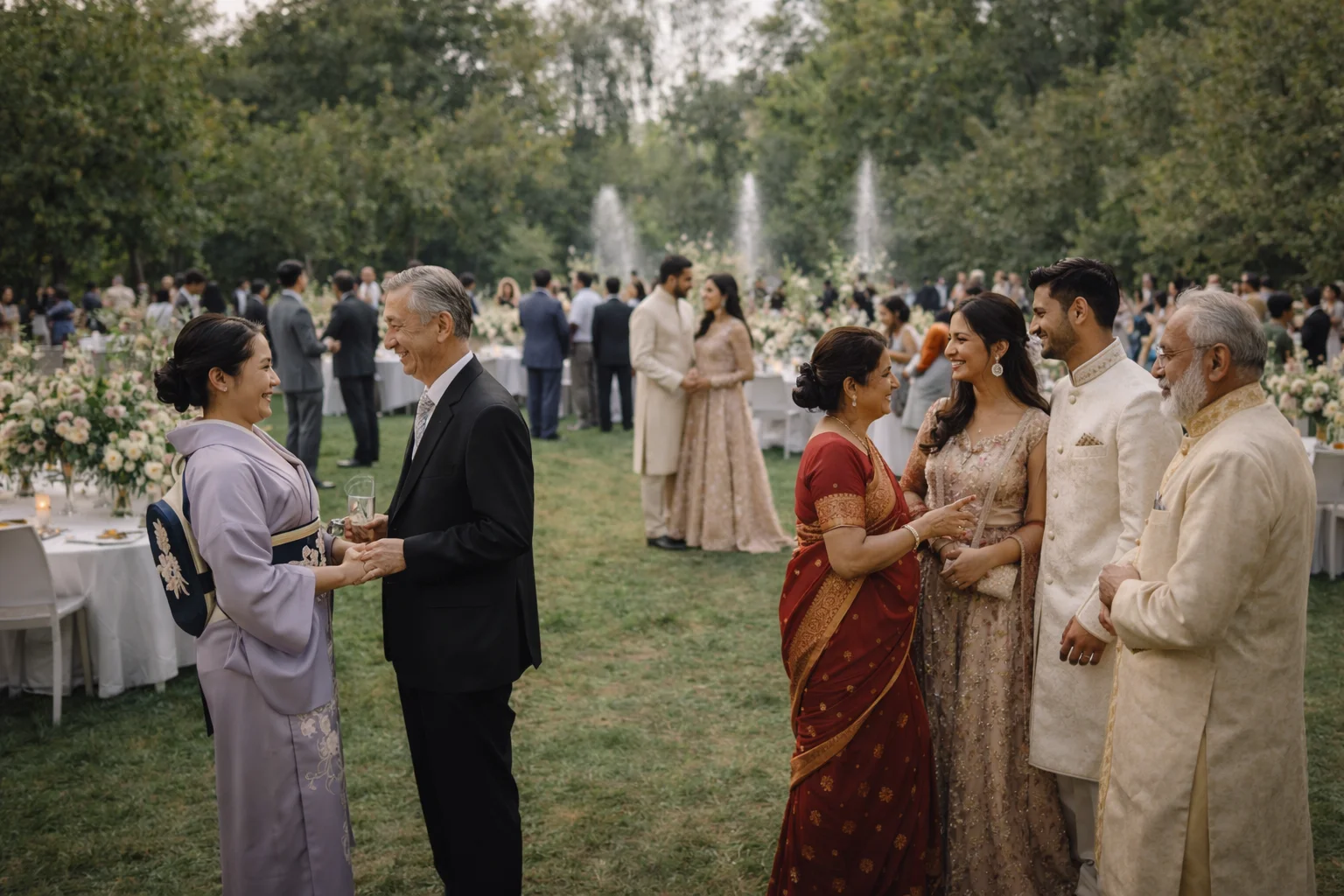
Two Families, Two Cultural Rhythms: How International Weddings Balance Different Social Expectations
International weddings do not only bring together two languages or two traditions. They often bring together two different social rhythms: different ideas of hospitality, family presence, punctuality, emotional expression, ritual weight, and what a wedding is supposed to feel like. This article looks at how couples balance those differences without flattening either side.
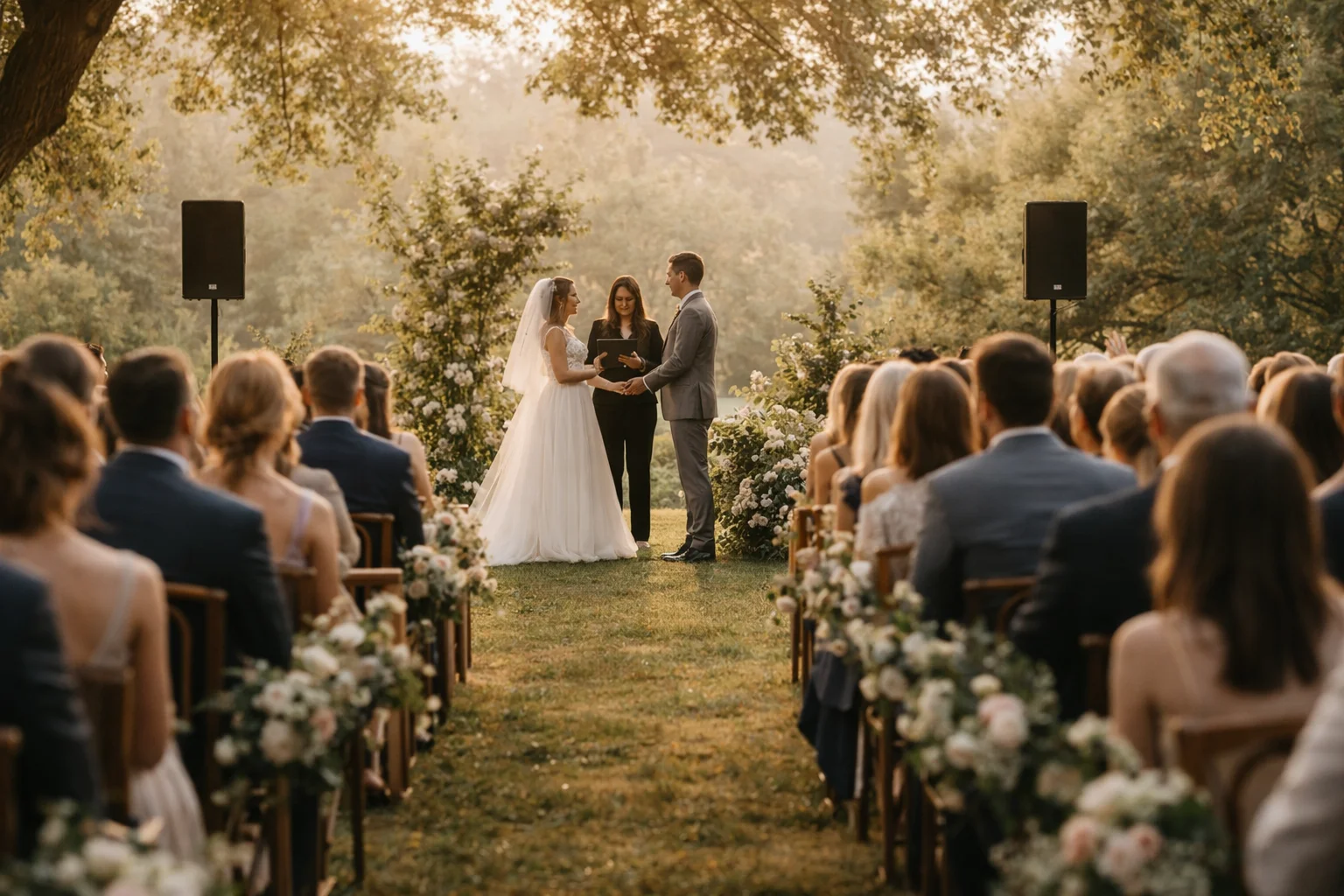
What Guests Remember About Ceremony Music Later
Ceremony music rarely stays in memory as a perfect playlist. Guests remember how it changed the room, how it shaped emotion, and whether it made the ceremony feel intimate, oversized, personal, or strangely distant. This article looks at what guests actually carry away from wedding ceremony music and why placement often matters more than the song itself.
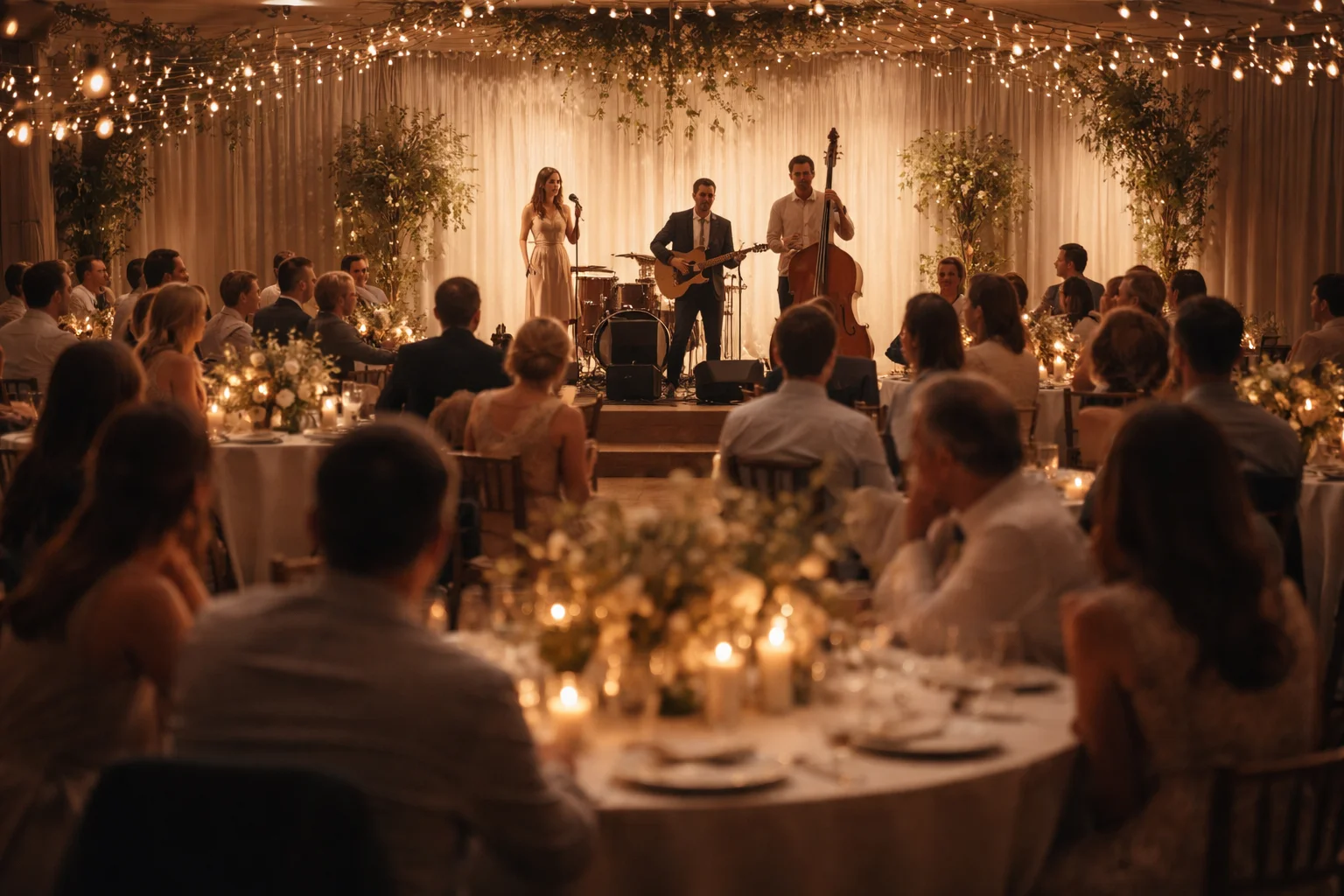
Live Music or Playlist: Subtle Differences in How Guests Respond
The difference between live music and recorded tracks at weddings is often described in larger terms than it appears in the room. In practice, it shows up in smaller shifts. Where people look. When they stop talking for a second. Or don’t.
Why Ceremony Music Feels Different Live and Recorded
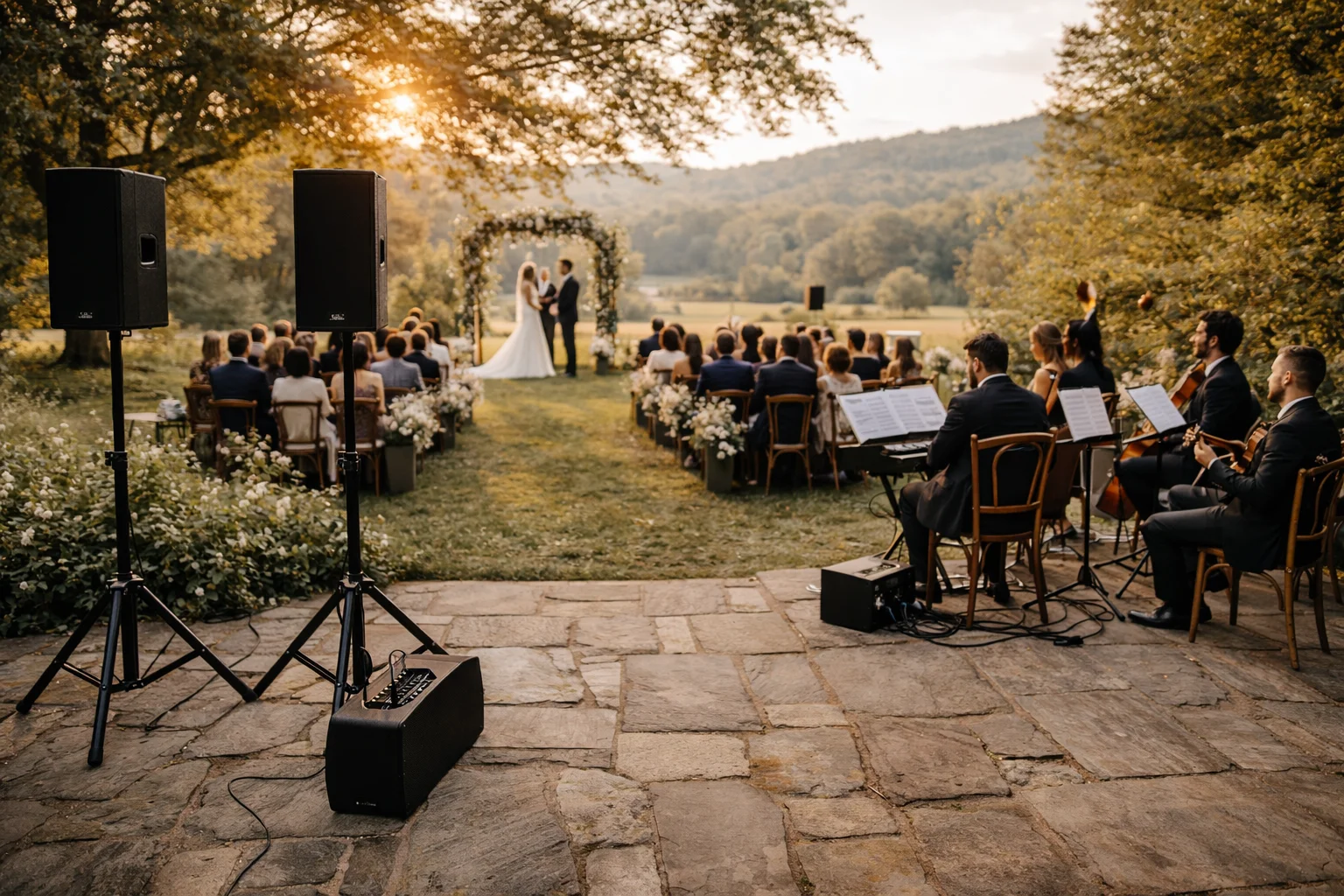
Ceremony music is often chosen as if the main question were preference. Live or recorded, strings or piano, solo or ensemble. In reality, guests experience something more subtle: scale, breath, distance, timing, and the way music changes the room before the ceremony and after the ritual has already happened. This article looks at what really changes when wedding music is live, recorded, too performed, too thin, or exactly right.
How Room and Situation Change Ceremony Music
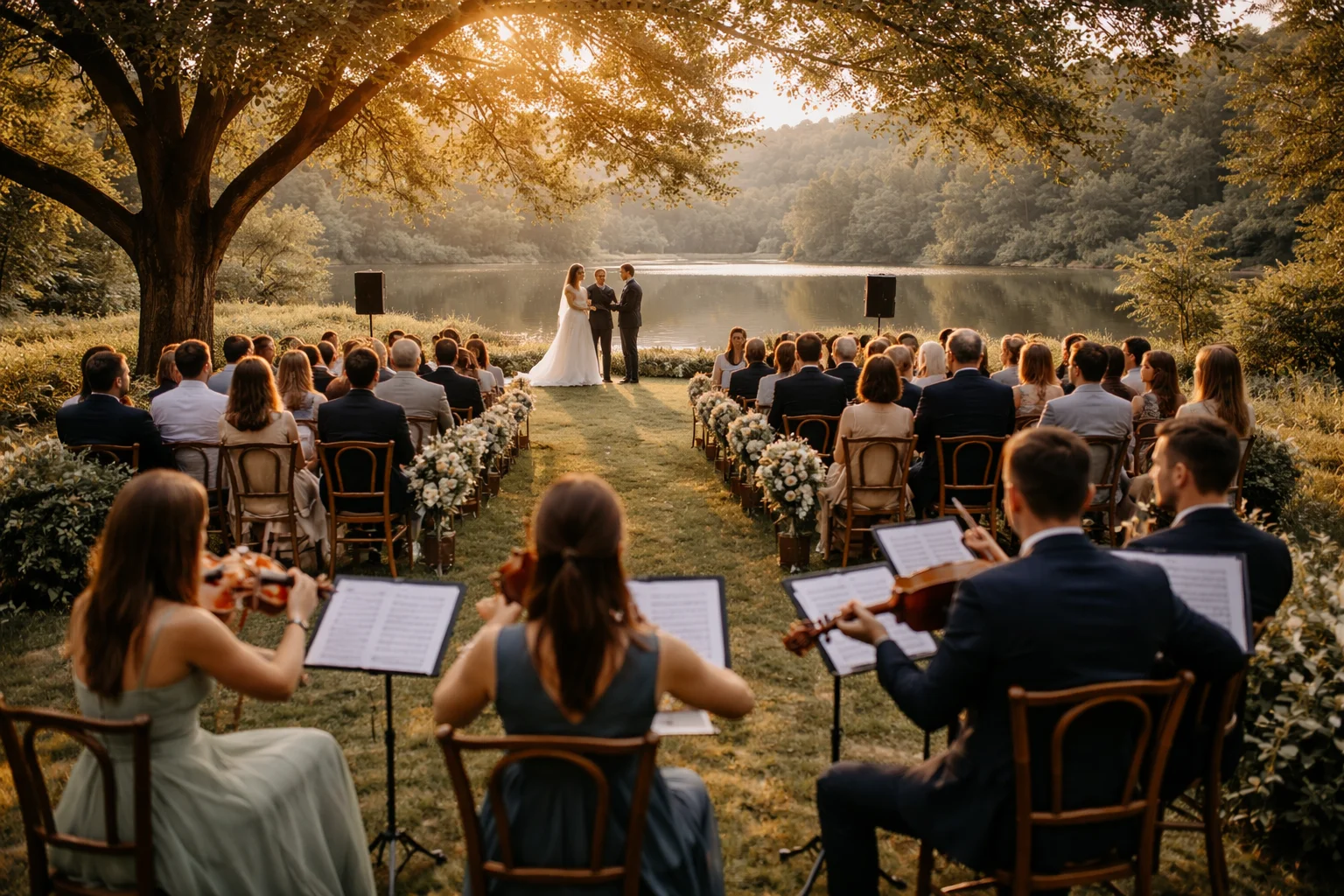
Ceremony music is never only a matter of taste. It behaves differently in wind, in formal rooms, in small gatherings, in religious settings, and in very quiet weddings where every note becomes more exposed. This article looks at how space and situation change the effect of wedding ceremony music, and why placement matters as much as the music itself.