
How Room and Situation Change Ceremony Music
How Room and Situation Change Ceremony Music
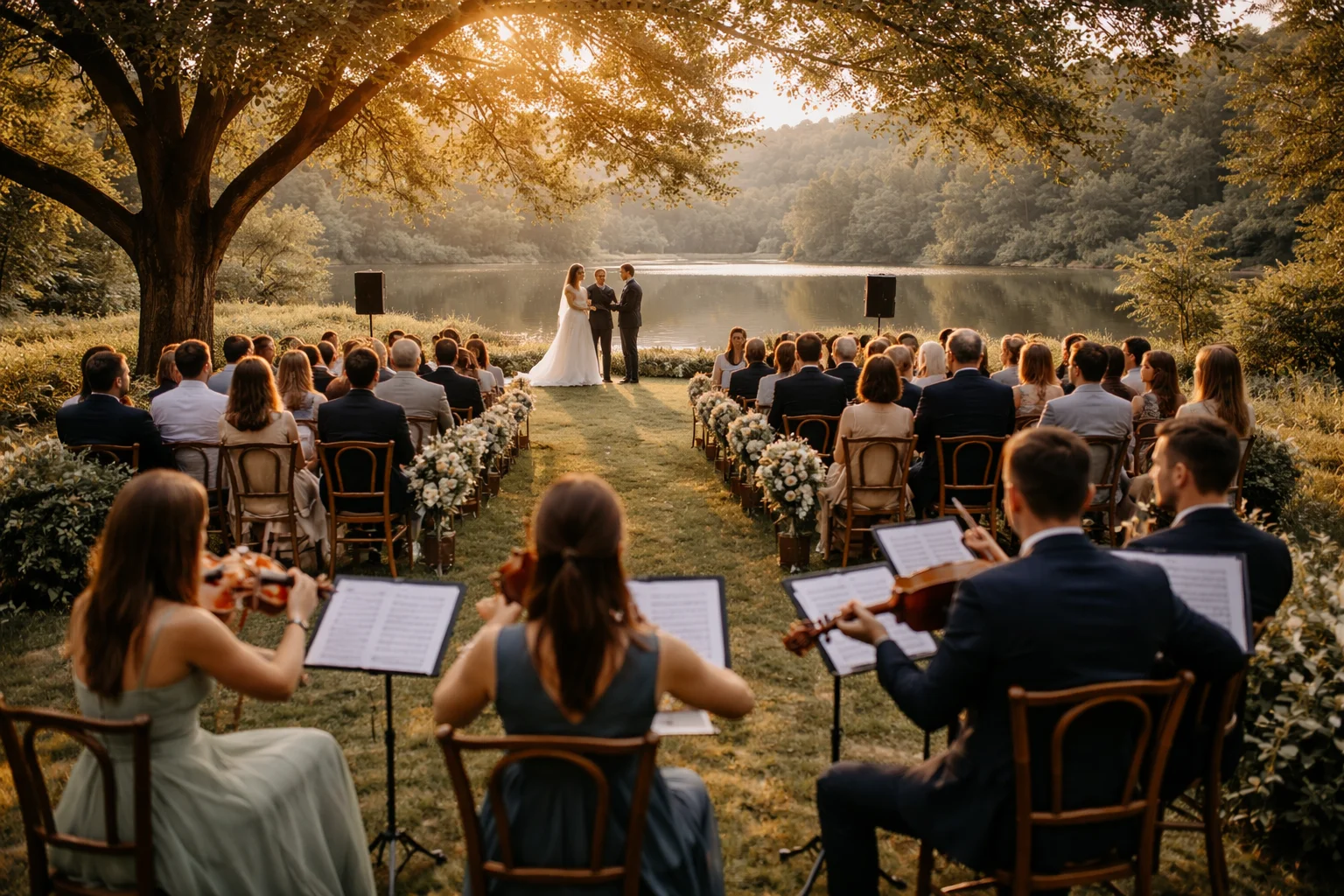
Couples often choose ceremony music as if it will sound the same wherever it is placed. A song is selected, an instrument is booked, a processional is imagined, and the emotional picture feels complete. But ceremony music is not fixed once it leaves the speakers or the instrument. It changes with distance, ceiling height, wind, silence, room shape, guest density, and the kind of attention the setting creates. Music that feels intimate in one place can feel thin in another, while something simple can suddenly become powerful because the room knows how to hold it.
This is also why ceremony music belongs naturally beside the proposal as a ritual category. A proposal is one of the first moments when private feeling becomes staged by place, timing, and witness. Ceremony music continues that movement. It takes emotion that once lived between two people and lets a wider room feel its shape. The setting matters because the room, whether open, formal, sacred, civil, or almost silent, decides how much of that feeling can actually be heard.
Music for CeremonyAs emotions fill the air, music becomes the gentle voice of the ceremony. Soft melodies carry anticipation, love, and promise through every meaningful moment. From the first step down the aisle to the final notes of togetherness, music weaves an invisible thread that makes the ceremony timeless and deeply moving.

A proposal is more than a question. It is a ritual of choice, vulnerability, and timing — a moment that can shape a relationship long after the answer is given.
Definition
Ceremony music is not only chosen music. It is music in relation to a specific room, landscape, ritual form, and level of social attention. Its effect depends on placement, acoustics, proportion, and the way the setting shapes what guests can actually hear and feel.
Outdoor Music Changes Under Wind and Distance
Outdoors, ceremony music loses the architectural support that indoor rooms naturally provide. Wind carries away detail, open distance softens attack, and silence around the music becomes more visible. This is why outdoor ceremony music usually works best when it has clear shape, steady phrasing, and enough body to survive the landscape. Music in open fields or mountain settings is not automatically more emotional. It simply becomes more exposed, which means weak placement is noticed faster and good placement feels almost effortless.
Small and Very Quiet Ceremonies Need Less, Not More
In small ceremonies, music does not need to declare itself as strongly because the emotional distance in the room is already shorter. Fewer guests usually means more direct attention, more visible faces, and less need for musical enlargement. Very quiet weddings intensify this effect even further. Every note becomes more legible, which is why sparse instrumentation often carries more force than fuller arrangements. Less works better not because the ceremony is lacking, but because intimacy reduces the need for amplification.
Religious, Free, and Civil Ceremonies Hold Music Differently
Music behaves differently depending on the ceremonial form around it. In religious weddings, it often carries inherited gravity and belongs to a structure larger than the couple. In free ceremonies, it tends to help create emotional continuity because tradition is less predefined. In civil ceremonies, the room is often shorter, stricter, and more administratively shaped, so music usually has to work within tighter limits. The question is not which form is better for music, but what kind of ceremonial logic the music is entering and whether it is trying to support that logic or replace it.
Formal Rooms and Open Landscapes Create Opposite Problems
Formal rooms often intensify music by reflecting it back into the ceremony. This can make simple music feel richer, but it can also make poor choices feel heavy very quickly. Open landscapes create the opposite challenge. They remove the room's support and force the music to carry itself. In formal interiors, the risk is overstatement. In open landscapes, the risk is dissipation. Good ceremony music responds to this difference. It does not assume that one emotional idea can simply be transferred unchanged from church, town hall, ballroom, meadow, or garden.
Sometimes the Song Is Fine and the Situation Is Wrong
Many pieces are judged too quickly as wrong when the deeper problem is situational mismatch. A song may feel too large only because the room is too small for it. Another may seem underwhelming only because it was placed outdoors without enough acoustic support. In weddings, music succeeds when it enters the right moment in the right scale. Taste matters, but situation decides whether taste can actually reach the room as intended.
Conclusion
Ceremony music does not exist in isolation. It is altered by room, ritual form, guest density, silence, and distance. That is why couples usually choose better when they stop asking only which music they love and start asking what kind of space will have to carry it. In weddings, sound becomes meaningful not only through the piece itself, but through the situation that allows it to be heard.
Related Articles
What Guests Remember About Ceremony Music Later
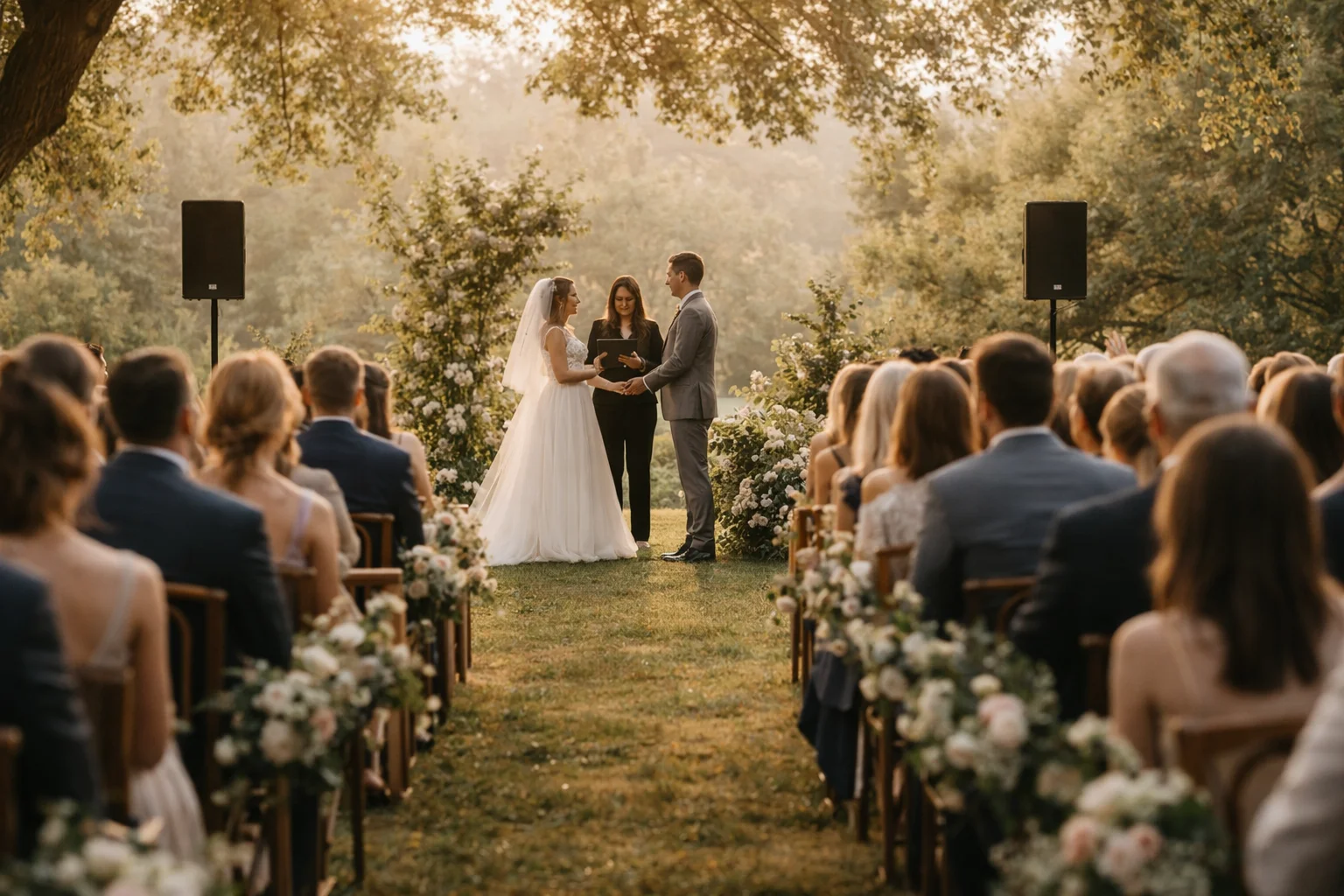
Ceremony music rarely stays in memory as a perfect playlist. Guests remember how it changed the room, how it shaped emotion, and whether it made the ceremony feel intimate, oversized, personal, or strangely distant. This article looks at what guests actually carry away from wedding ceremony music and why placement often matters more than the song itself.
The Bride Look Begins Long Before the Dress
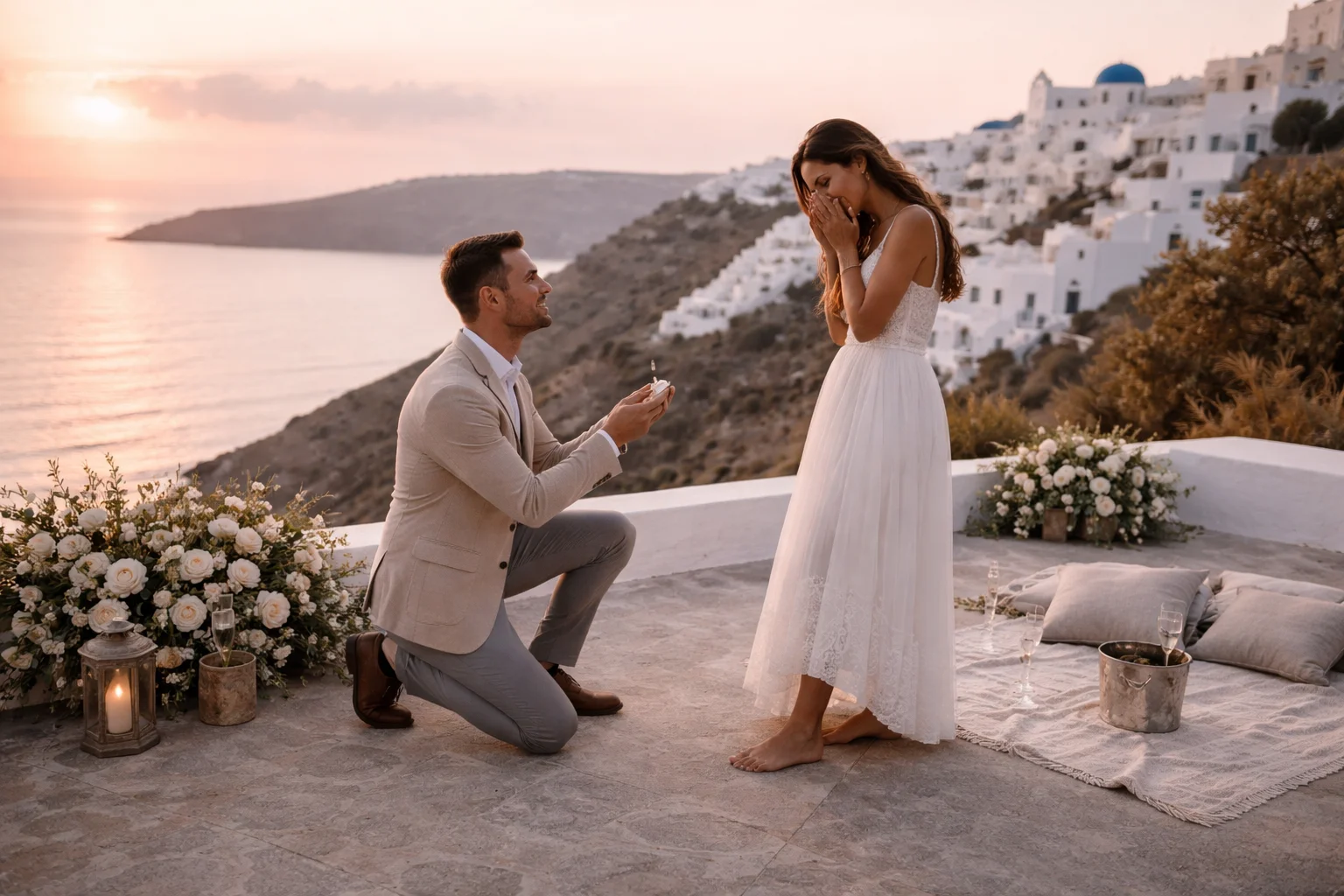
The bride look is often discussed as a final decision. A dress, a hairstyle, a set of details chosen close to the wedding day. It appears as something visual, something assembled. But in practice, it rarely starts there.
The Marriage Proposal: A Moment between Decision and Trust
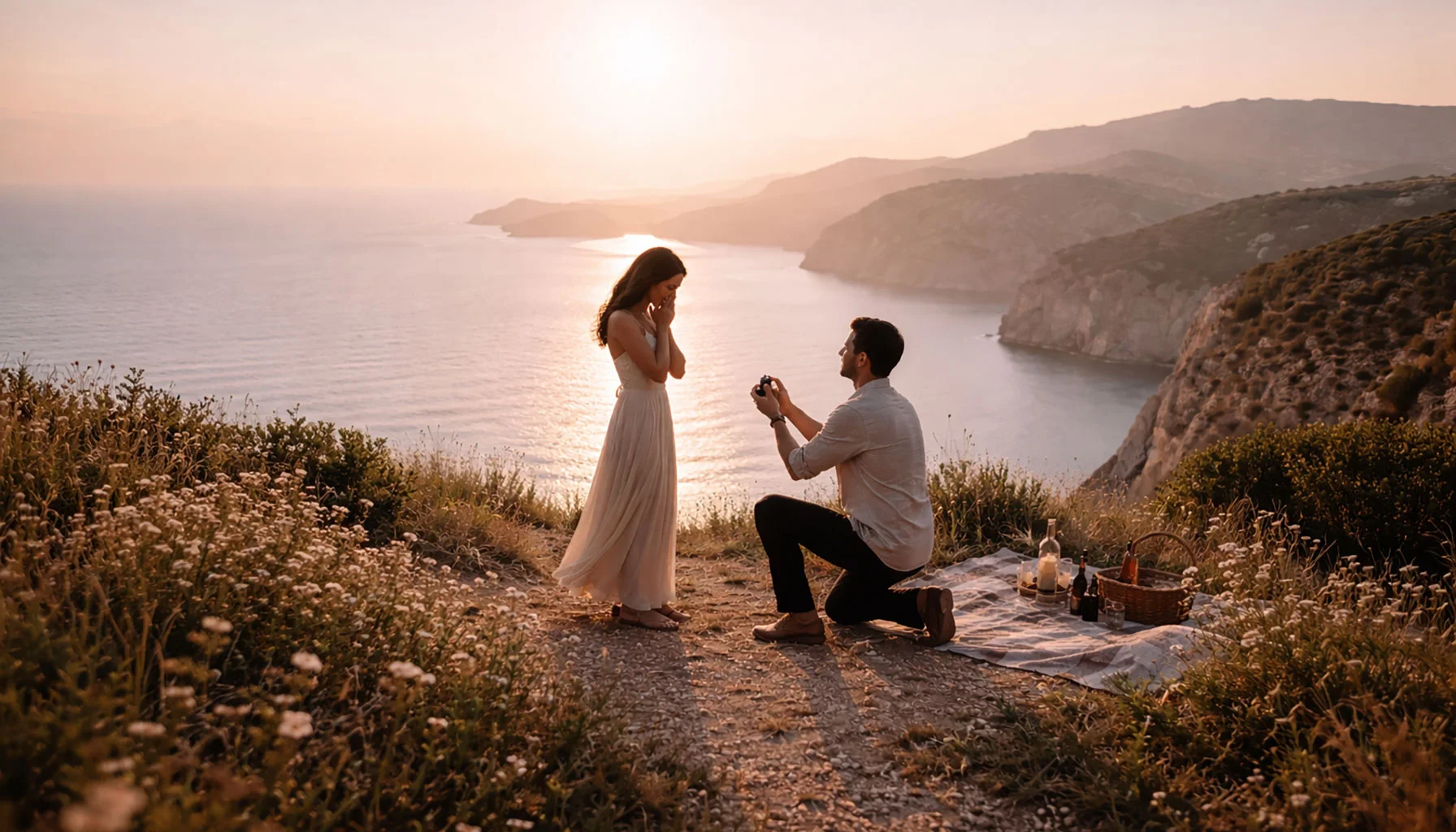
A marriage proposal is rarely only a surprise. More often, it gathers what has already grown in conversations, decisions, and quiet alignment. This article looks at the proposal as a visible threshold between decision and trust, while keeping close to lived experience, ring choice, gesture, timing, and the open reality of what may follow.
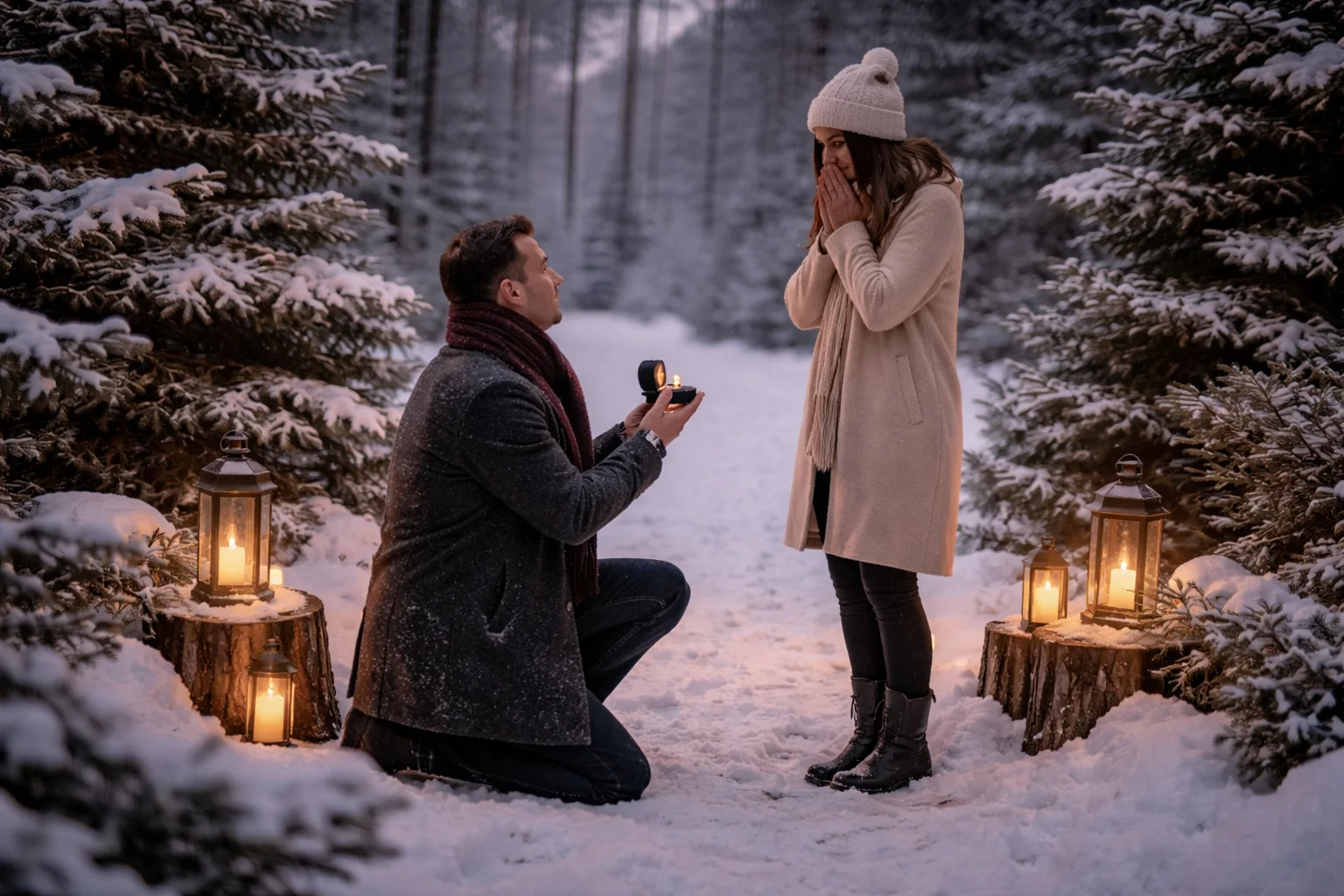
When Winter Weddings Return to the Beginning
Winter weddings carry a different kind of attention. Light is shorter, sounds feel softer, and every decision seems to stand out more clearly. There is less room for distraction, which often makes the ceremony feel more deliberate.
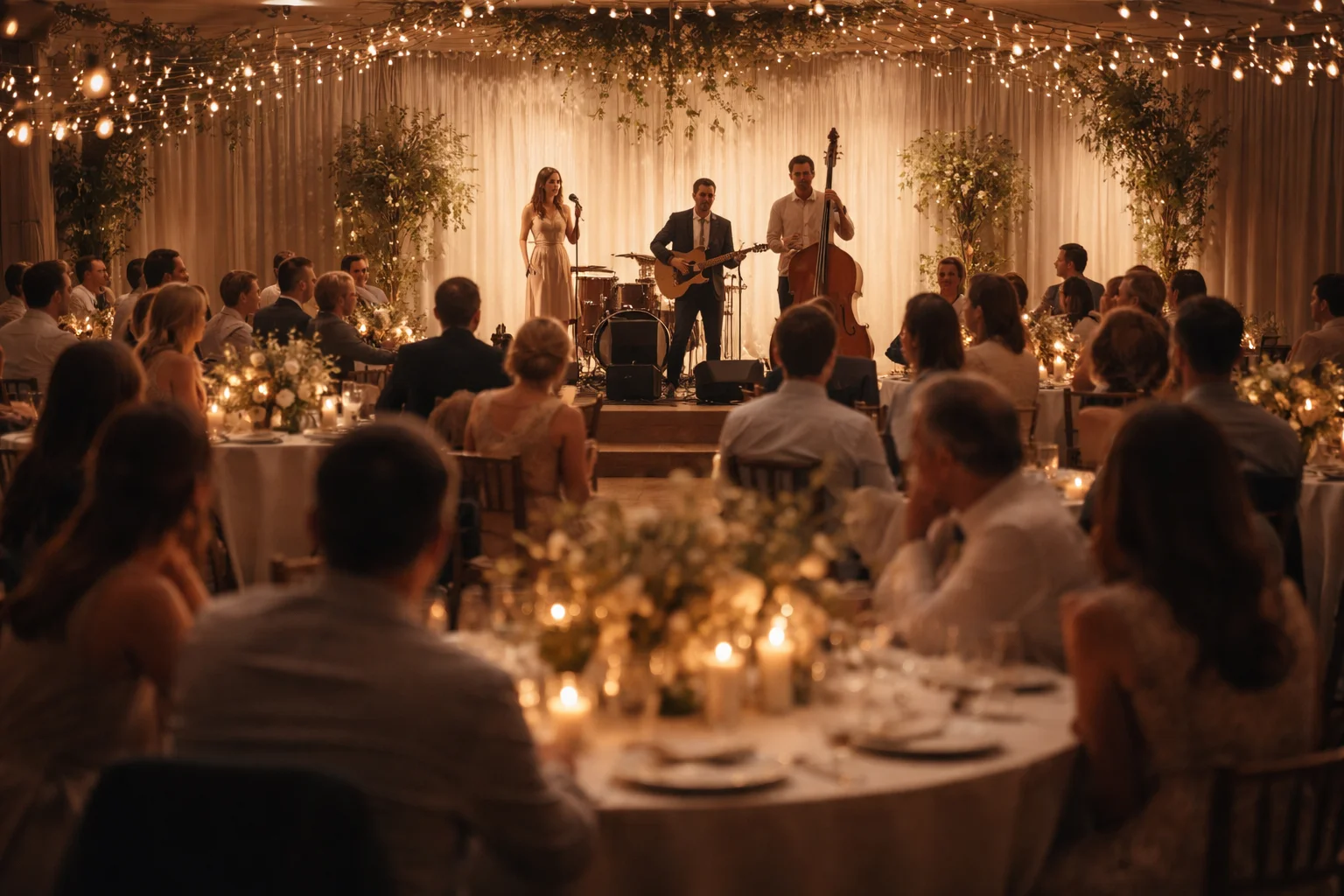
Live Music or Playlist: Subtle Differences in How Guests Respond
The difference between live music and recorded tracks at weddings is often described in larger terms than it appears in the room. In practice, it shows up in smaller shifts. Where people look. When they stop talking for a second. Or don’t.
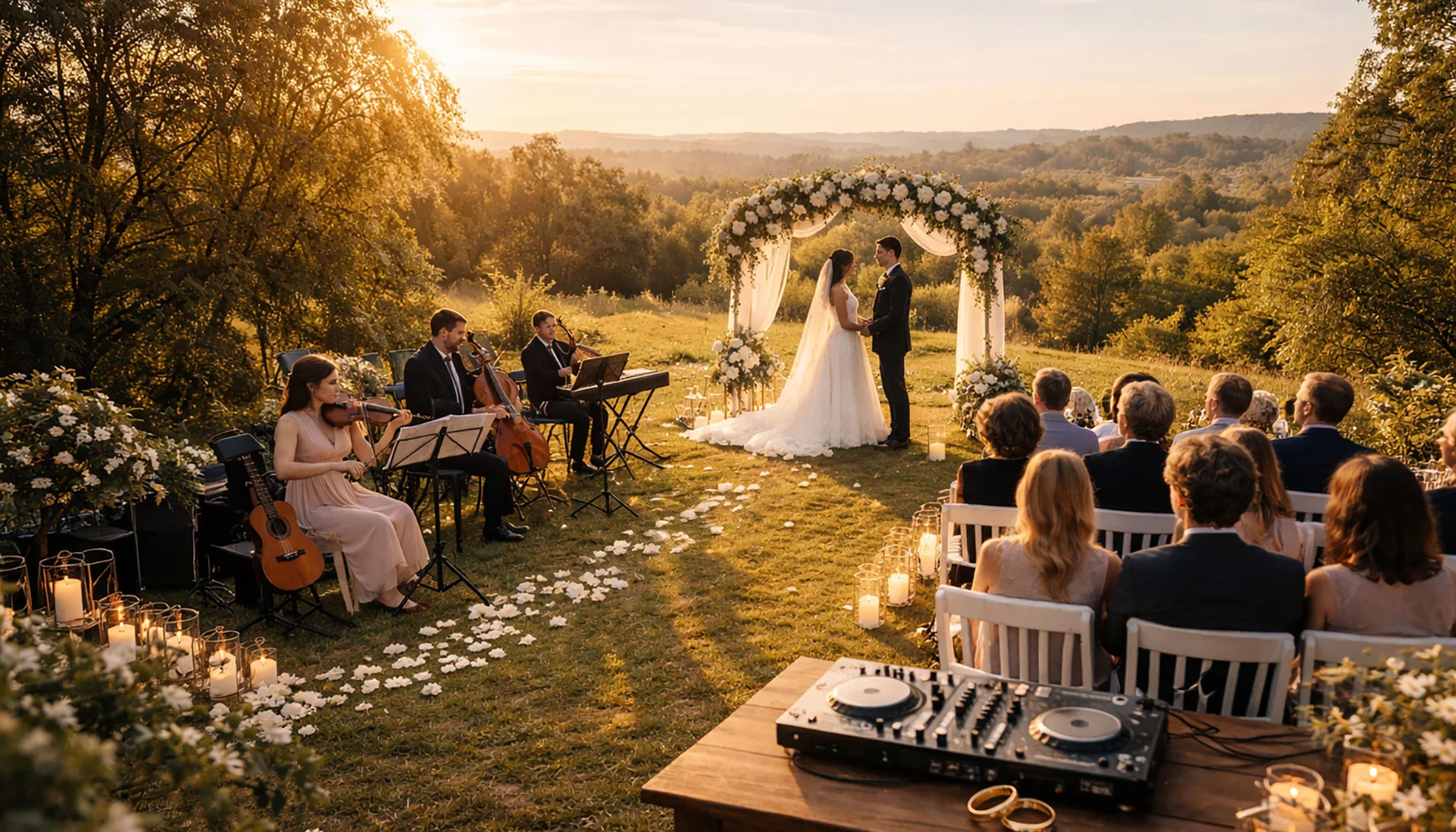
Music for Ceremony – The Art of Setting the Perfect Tone for a Wedding Ceremony
Ceremony music does more than create mood. It marks transitions, slows attention, and gives emotional and symbolic actions the weight they need in real time. This article offers a practical overview of ceremony music across settings and countries while connecting music to the deeper emotional meaning carried by marriage rituals.
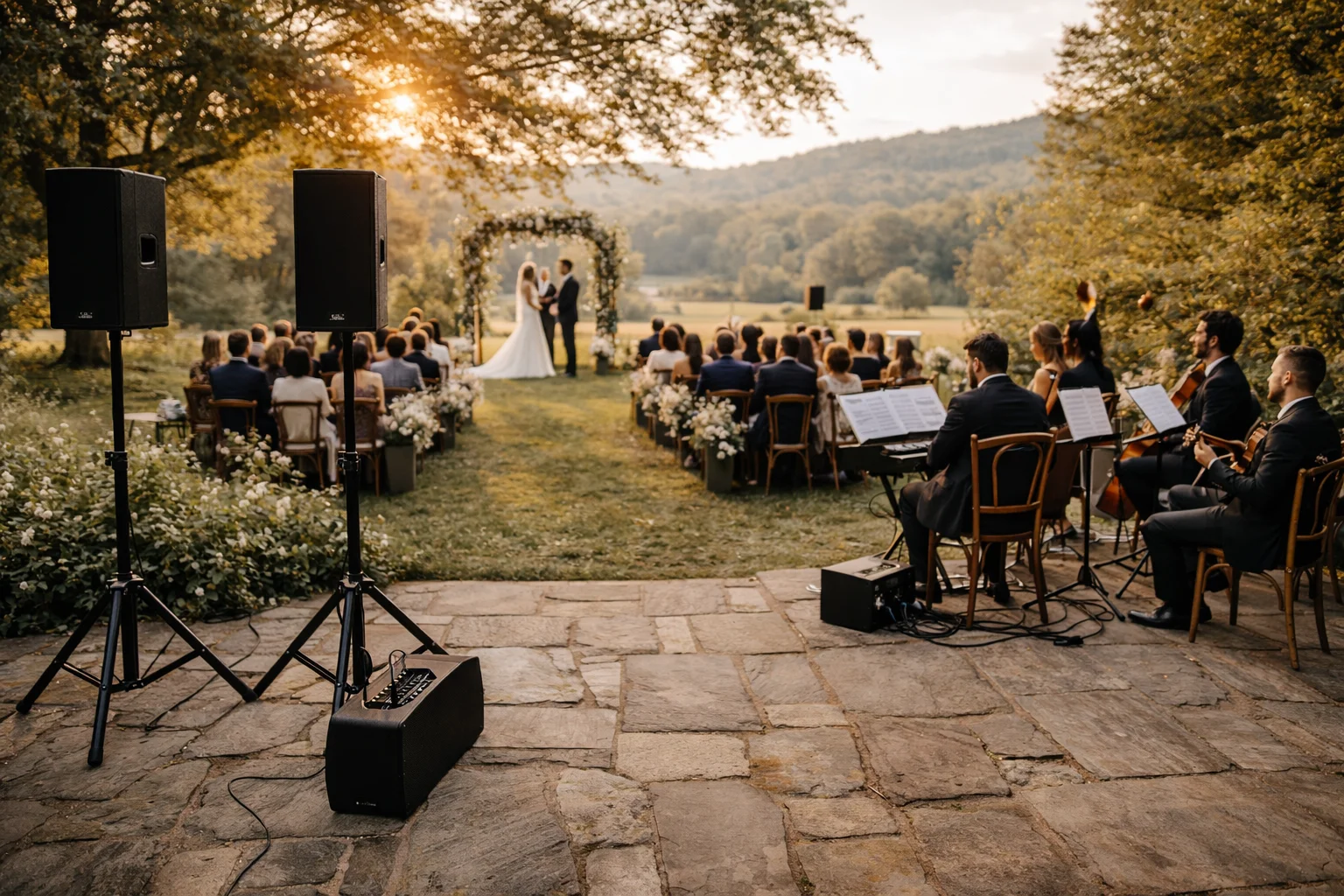
Why Ceremony Music Feels Different Live and Recorded
Ceremony music is often chosen as if the main question were preference. Live or recorded, strings or piano, solo or ensemble. In reality, guests experience something more subtle: scale, breath, distance, timing, and the way music changes the room before the ceremony and after the ritual has already happened. This article looks at what really changes when wedding music is live, recorded, too performed, too thin, or exactly right.
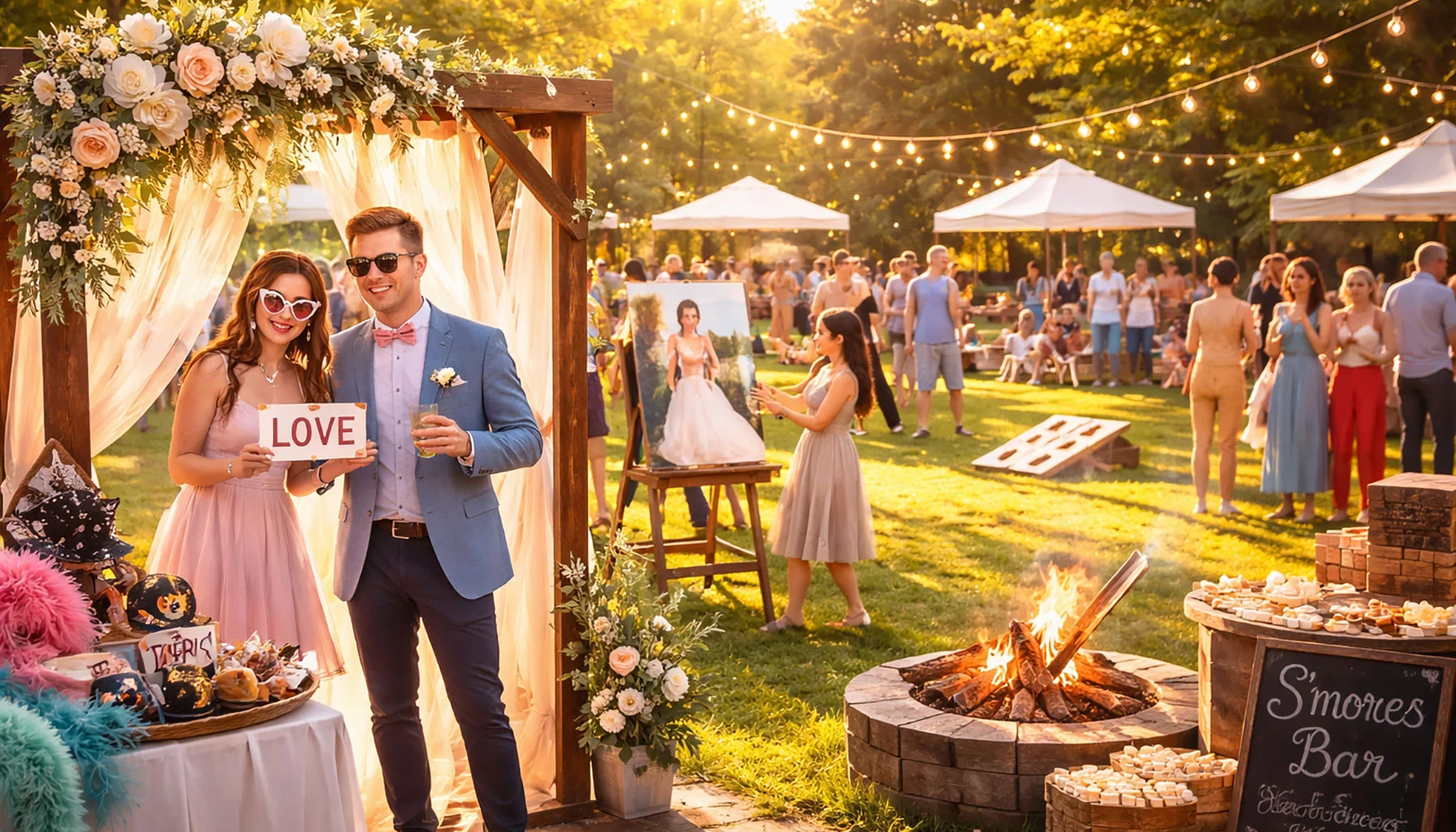
Wedding Guest Activities That Create Lasting Memories
The wedding activities guests remember most are rarely the loudest. They are the ones that give people something gentle to enter, something quiet to touch, and something small to carry away afterward. This article looks at which kinds of wedding guest activities tend to stay with people and why they often leave a deeper imprint than more spectacular entertainment.