
What Guests Remember About Ceremony Music Later
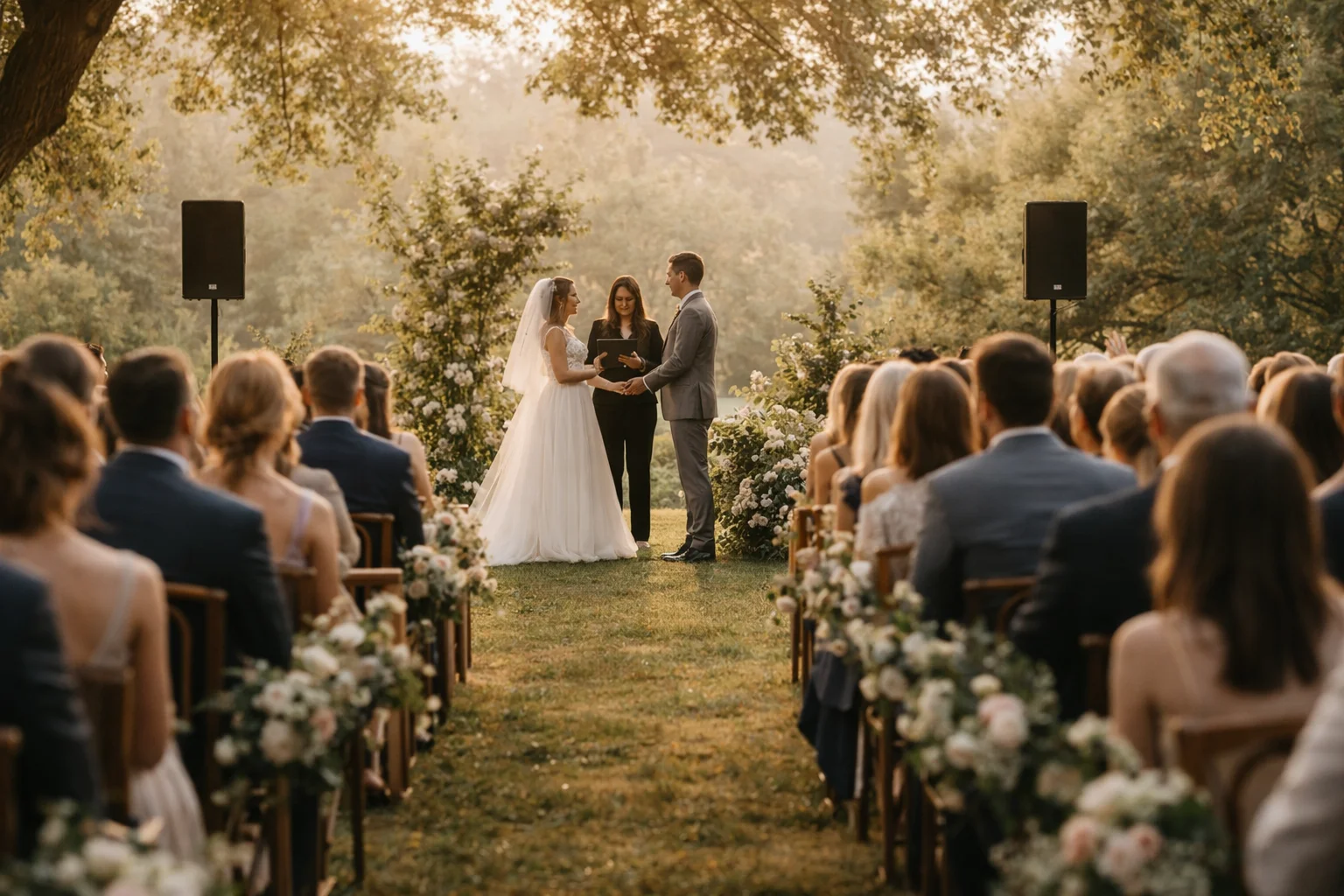
Wedding ceremony music is often planned as selection. Couples compare tracks, imagine favorite songs, and try to choose something meaningful enough for the moment. But guests rarely remember ceremony music as a list. They remember what it did to the room. Whether it softened the entrance, carried the pause before the vows, held the family in one shared feeling, or made the whole ceremony suddenly feel larger than speech alone could manage. Music enters memory less as title and more as atmosphere.
This is also why ceremony music belongs so naturally to the emotional meaning of marriage. Marriage is not only expressed through vows, rings, or legal form. It is also felt through the emotional field in which those gestures happen. Music shapes that field. It can make the ceremony feel intimate or distant, inherited or newly personal, grounded or overstated. In that sense, guests are not only hearing songs. They are hearing how the meaning of the marriage is being held in public.
Music for CeremonyAs emotions fill the air, music becomes the gentle voice of the ceremony. Soft melodies carry anticipation, love, and promise through every meaningful moment. From the first step down the aisle to the final notes of togetherness, music weaves an invisible thread that makes the ceremony timeless and deeply moving.

Marriage is not only a legal bond or a public ritual. It is an emotional structure that reshapes intimacy, responsibility, and how two people experience time together.
Definition
Ceremony music is not only a decorative layer in a wedding. It is part of the emotional structure of the ritual. Its real effect depends less on musical taste alone than on timing, proportion, family context, and how it shapes shared attention in the room.
What Guests Remember About Ceremony Music Later
Guests usually remember a ceremonial feeling before they remember a specific piece. They recall the doors opening, the slight change in breathing when the first notes began, or the way the room seemed to settle into one emotional direction. This is why music that is perfectly chosen on paper can still disappear later if it never shaped the atmosphere strongly enough. Memory keeps the shift, not the playlist.
When Music Feels More Personal Than the Vows
Sometimes music feels more personal than the vows not because the vows are weak, but because music reaches the room all at once. Vows ask to be processed through language, while music moves through memory, family association, and bodily response much faster. Instrumental music often carries even more emotion for this reason. Without fixed words, guests are not told what to feel. They are allowed to arrive there on their own, which can make the experience seem more intimate and more direct.
How Family Presence Changes the Sound of a Ceremony
Music does not sound the same in an empty room as it does in a room full of parents, siblings, grandparents, children, and old emotional histories. Family presence changes the sound because it changes what is at stake. A song may become heavier, softer, or more fragile simply because the people hearing it know what it carries for the couple. In weddings, music is never just sound. It is heard through relationship, and family intensifies that immediately.
What Makes Ceremony Music Feel Intimate Instead of Cinematic
Intimate ceremony music usually feels proportionate to the room. It leaves space around itself, does not overannounce the moment, and sounds as if it belongs to the people present rather than to an imagined audience elsewhere. Cinematic music is not automatically wrong, but it becomes distancing when it seems to tell guests how extraordinary they should find the ceremony before they have actually felt it themselves. Intimacy arrives through scale, not through emotional pressure.
When the Wrong Song Is Not Wrong, Just Poorly Placed
Many songs fail in ceremonies not because they are unsuitable in essence, but because they are placed against the wrong moment. A song that feels too light for the entrance may work beautifully during signing. A piece that overwhelms the vows may feel exactly right after the rings. Placement decides whether music supports the ceremony or competes with it. In wedding logic, timing often matters more than purity of taste.
Conclusion
What guests remember about ceremony music later is rarely a clean list of songs. They remember whether the music helped the ceremony feel inhabited, whether it held family feeling without overwhelming it, and whether it made the meaning of the marriage more audible in the room. That is why ceremony music matters so much. It shapes not only what is heard, but what the wedding means while it is happening.
Related Articles
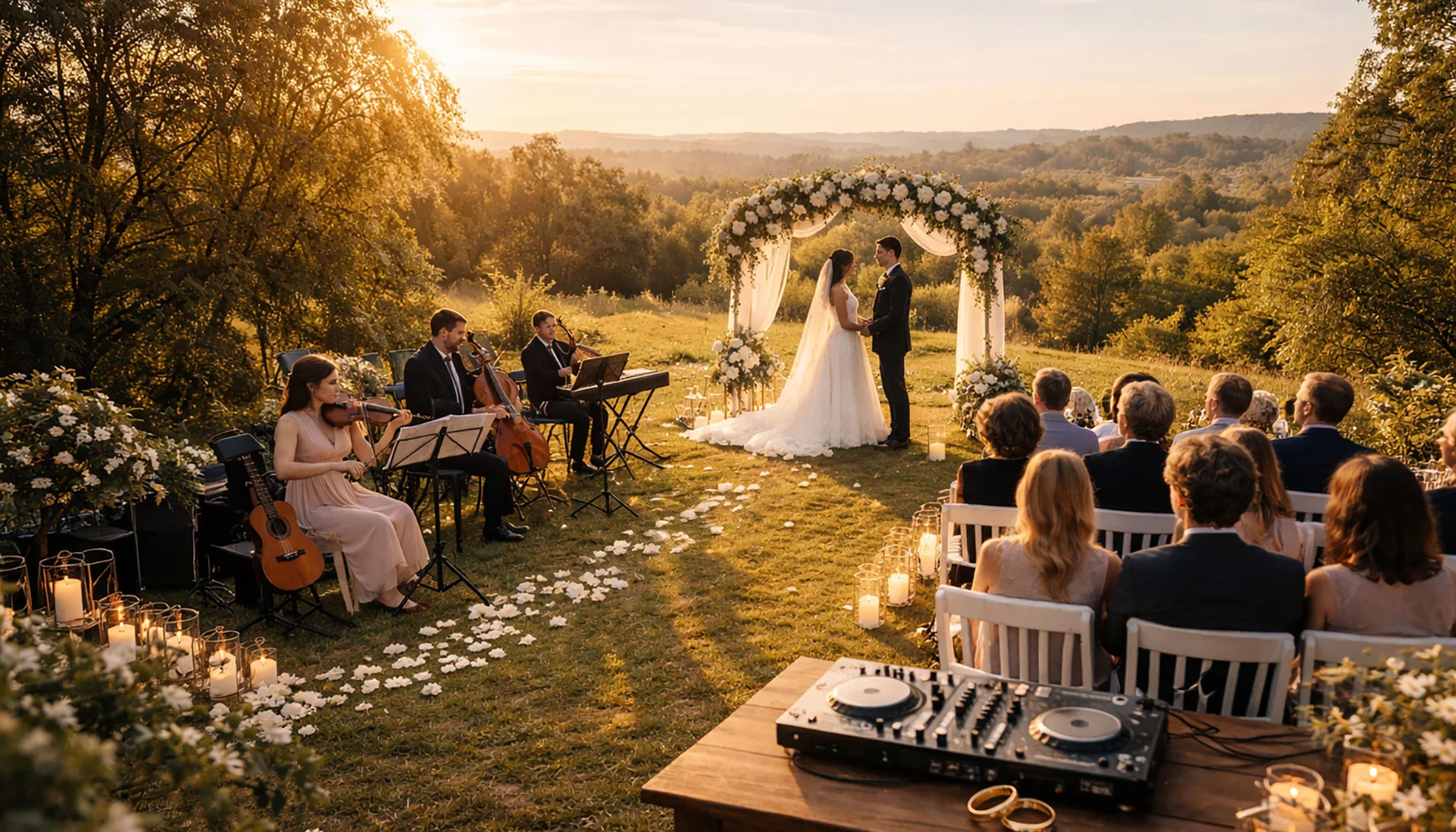
Music for Ceremony – The Art of Setting the Perfect Tone for a Wedding Ceremony
Ceremony music does more than create mood. It marks transitions, slows attention, and gives emotional and symbolic actions the weight they need in real time. This article offers a practical overview of ceremony music across settings and countries while connecting music to the deeper emotional meaning carried by marriage rituals.
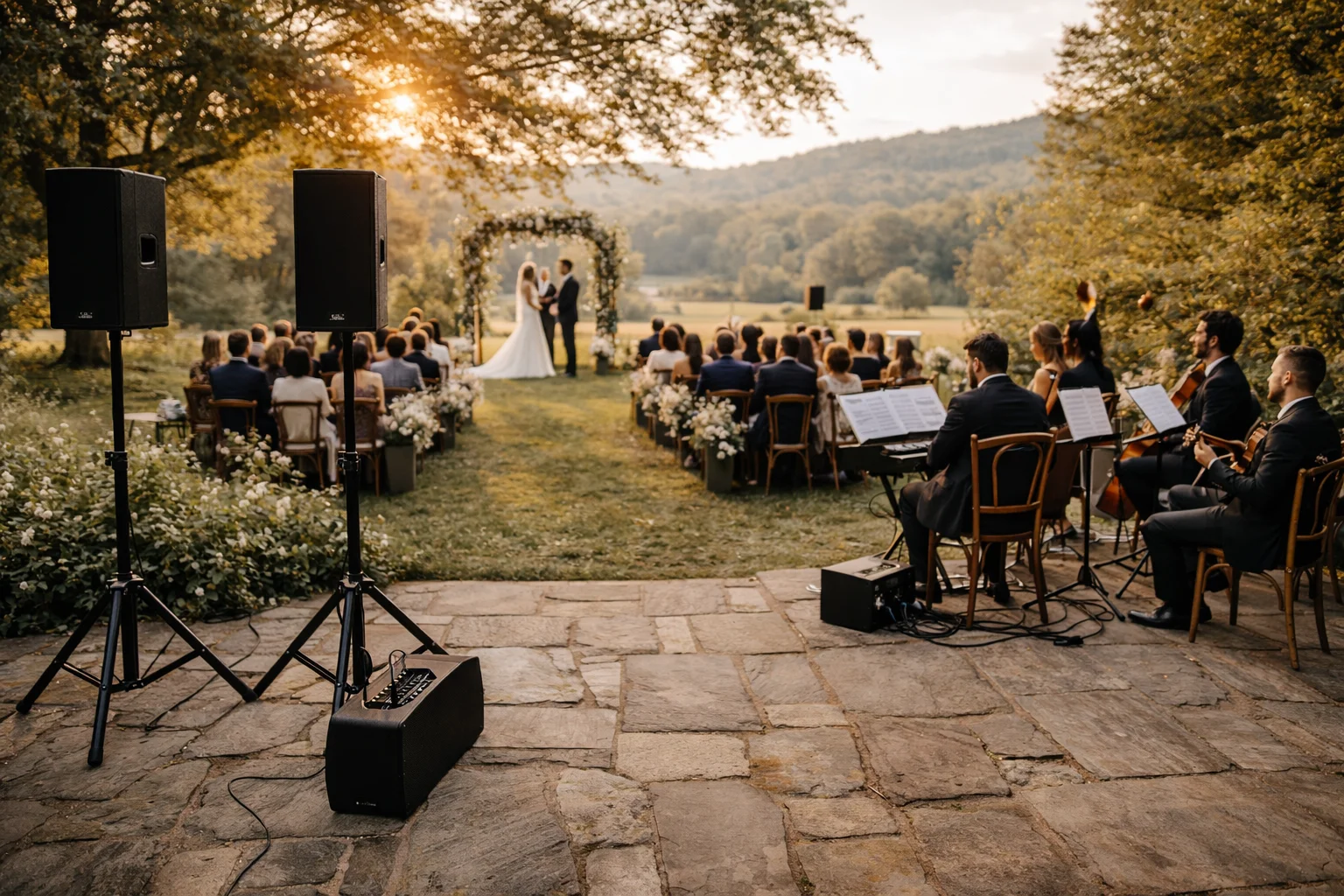
Why Ceremony Music Feels Different Live and Recorded
Ceremony music is often chosen as if the main question were preference. Live or recorded, strings or piano, solo or ensemble. In reality, guests experience something more subtle: scale, breath, distance, timing, and the way music changes the room before the ceremony and after the ritual has already happened. This article looks at what really changes when wedding music is live, recorded, too performed, too thin, or exactly right.
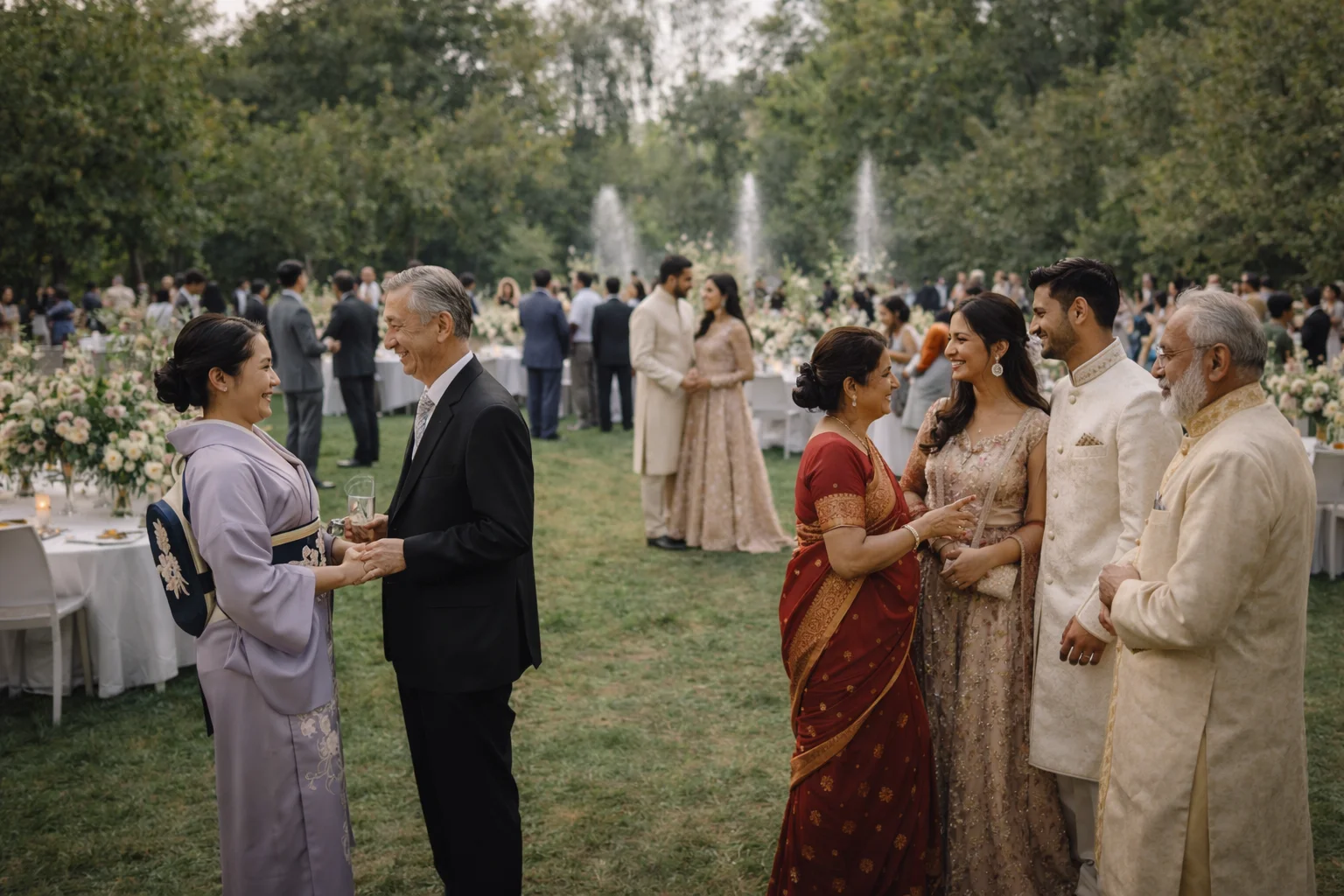
Two Families, Two Cultural Rhythms: How International Weddings Balance Different Social Expectations
International weddings do not only bring together two languages or two traditions. They often bring together two different social rhythms: different ideas of hospitality, family presence, punctuality, emotional expression, ritual weight, and what a wedding is supposed to feel like. This article looks at how couples balance those differences without flattening either side.
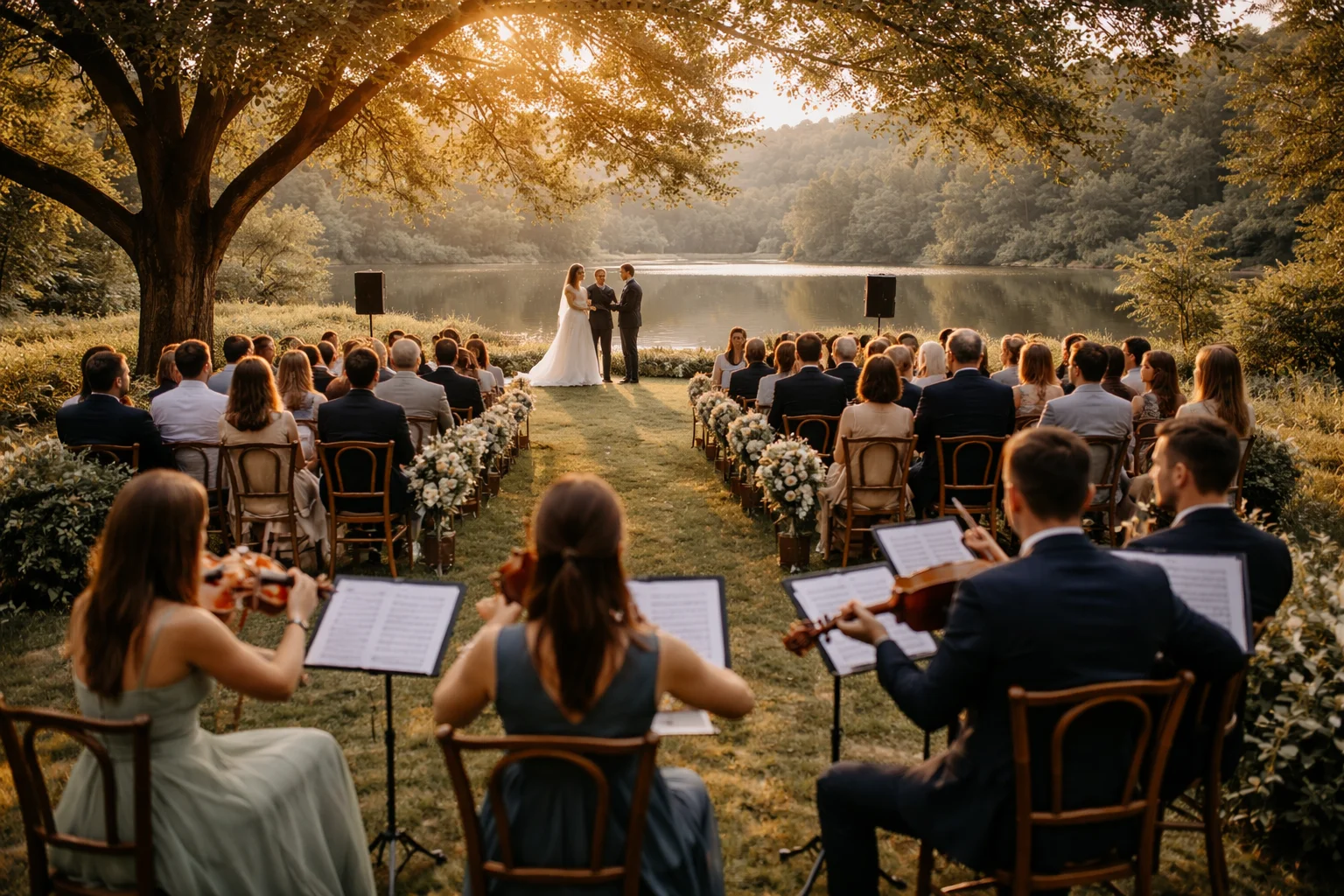
How Room and Situation Change Ceremony Music
Ceremony music is never only a matter of taste. It behaves differently in wind, in formal rooms, in small gatherings, in religious settings, and in very quiet weddings where every note becomes more exposed. This article looks at how space and situation change the effect of wedding ceremony music, and why placement matters as much as the music itself.
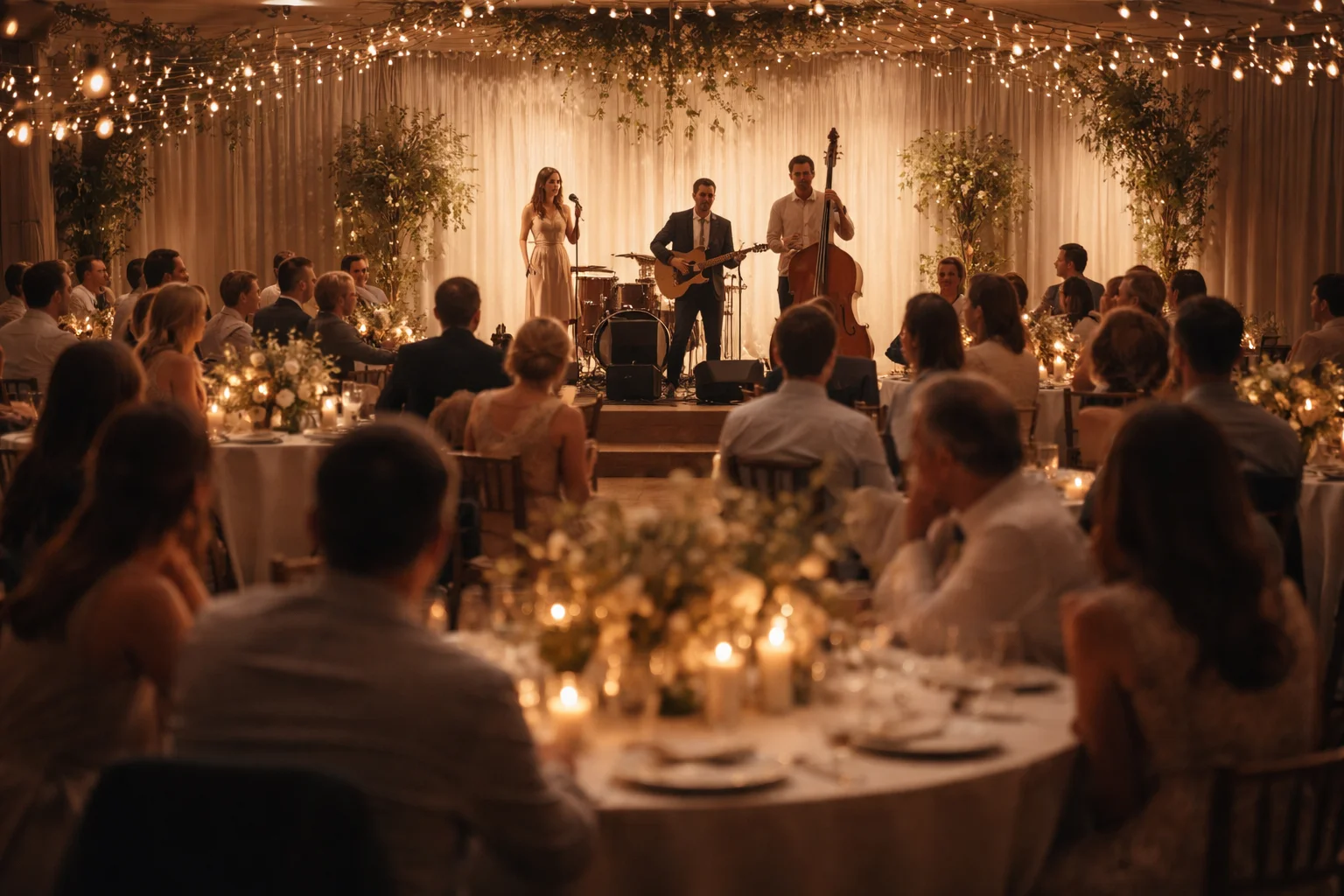
Live Music or Playlist: Subtle Differences in How Guests Respond
The difference between live music and recorded tracks at weddings is often described in larger terms than it appears in the room. In practice, it shows up in smaller shifts. Where people look. When they stop talking for a second. Or don’t.