
Why Ceremony Music Feels Different Live and Recorded
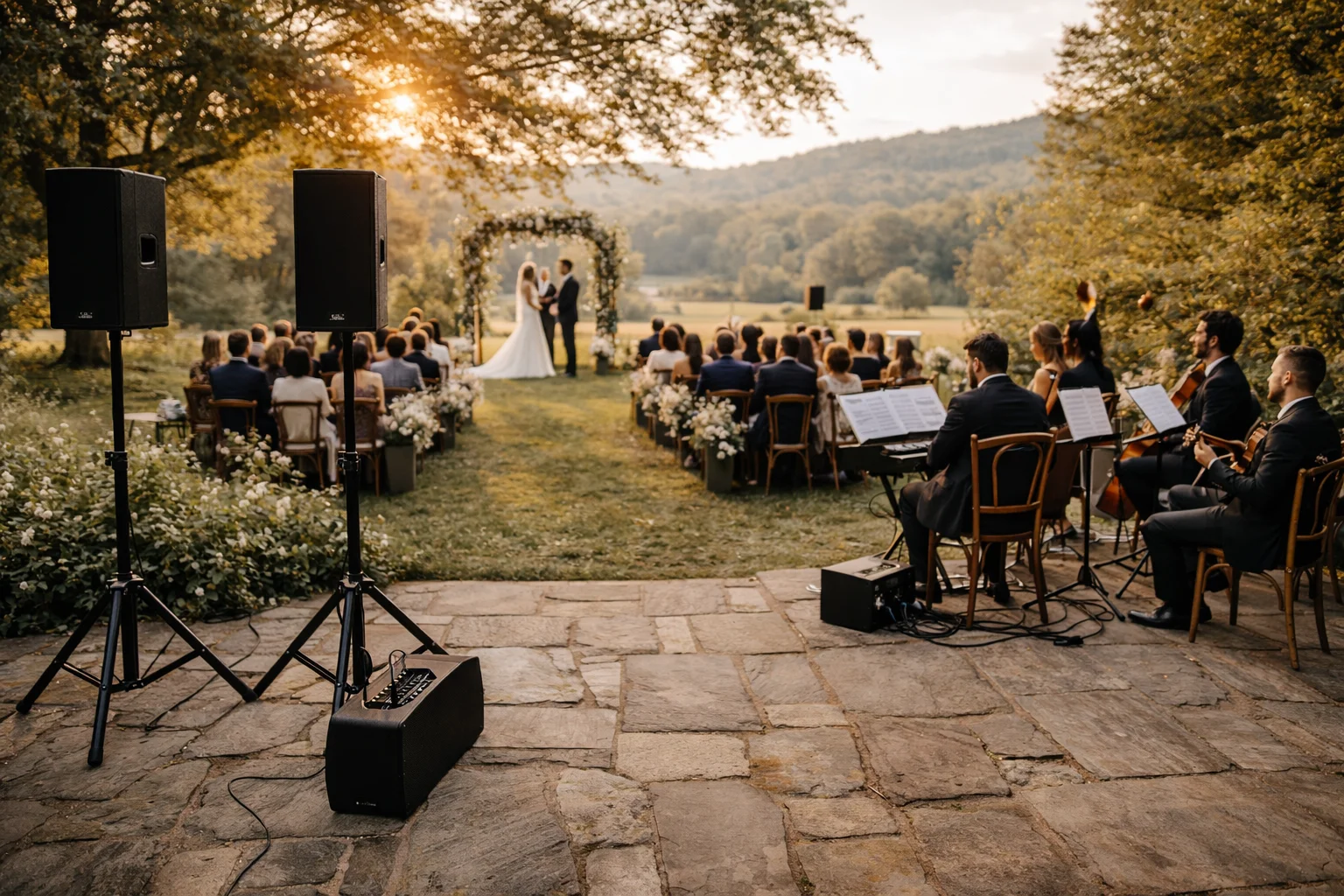
Couples often speak about ceremony music as if the central decision were taste. A song they love, an instrument they prefer, a performer they trust. But guests do not experience ceremony music as selection alone. They experience how it enters the room, how it carries waiting, whether it enlarges the ritual or overstates it, and how it changes the emotional temperature before anything visible has happened. That is why live and recorded music rarely feel interchangeable, even when they use the same melody.
This also explains why ceremony music connects so naturally to what happens before the ceremony and after the ritual. Music often begins its work before the couple arrives, while guests are still orienting themselves, and it keeps shaping the atmosphere after the formal center has passed. It prepares attention before the room settles and gives release after the vows, rings, or blessing have already changed the meaning of the moment. In weddings, music is rarely only inside the ritual. It is often what teaches the room how to enter and leave it.
Music for CeremonyAs emotions fill the air, music becomes the gentle voice of the ceremony. Soft melodies carry anticipation, love, and promise through every meaningful moment. From the first step down the aisle to the final notes of togetherness, music weaves an invisible thread that makes the ceremony timeless and deeply moving.
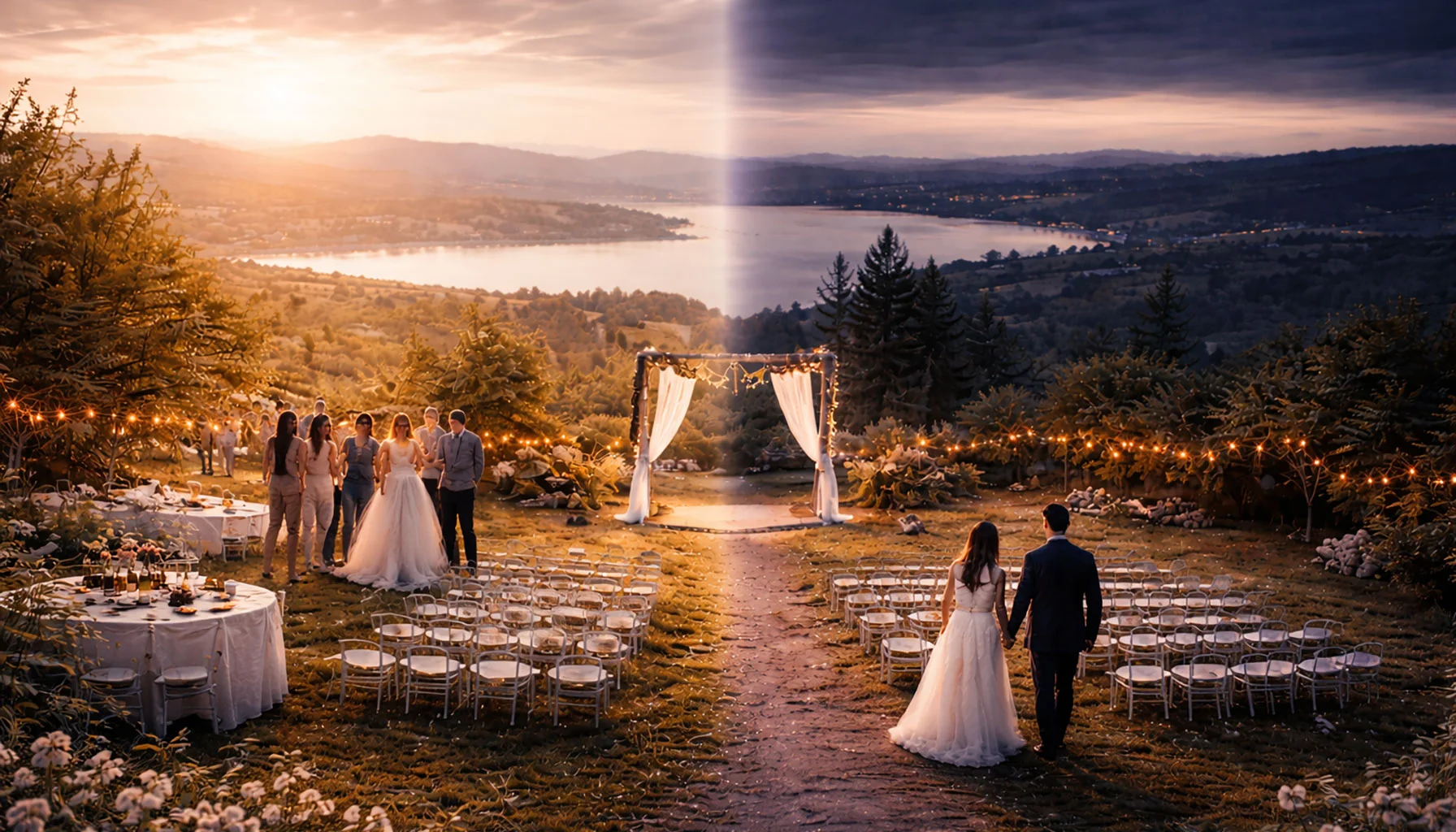
A wedding concentrates meaning into a single day, but its emotional impact begins earlier and lasts longer. What happens before and after often matters more than the ritual itself.
Definition
Ceremony music is not only chosen sound. It is a structural part of the wedding that shapes anticipation, attention, transition, and release. The effect of music depends on whether it is live or recorded, how many players carry it, which instruments are used, how the room responds acoustically, and where the music is placed around the ritual itself.
Why Live Music Feels Larger Even When It Is Softer
Live ceremony music often feels larger because guests are not only hearing sound. They are sensing breath, effort, timing, and the physical fact of someone making the room vibrate in real time. That creates presence even at lower volume. Recorded music does some things better. It offers consistency, precise versions of meaningful songs, and a wider emotional vocabulary when a specific track matters. But recorded music arrives already completed, while live music is being completed in front of the room. That difference changes scale more than volume does.
What Really Changes Between Solo, Duo, Quartet, Piano, Strings, and Guitar
The practical difference is not prestige but density. A solo instrument leaves more air in the room and can feel direct, exposed, and intimate. A duo adds conversation. A quartet creates width and emotional surface. Piano often gives structure and grounding, strings tend to widen feeling without needing words, and guitar usually brings warmth and informality more quickly. The right choice depends less on fashion than on how much musical body the room or landscape actually needs. Too much ensemble can overwhelm a small ceremony, while too little can disappear in open space.
When Ceremony Music Sounds Too Performed
Ceremony music starts feeling too performed when it draws attention to itself faster than the ritual has earned. This can happen through overly dramatic phrasing, excessive vocal style, arrangements that seem aimed at applause, or a performer treating the ceremony like a showcase. Guests usually feel the misalignment immediately. The issue is not skill. It is proportion. In weddings, music works best when it enlarges the ritual without competing with it, especially in the minutes before the ceremony begins and in the fragile space just after the central act has taken place.
What Couples Notice Too Late About Ceremony Acoustics
Acoustics are often ignored until the wedding day because they are hard to imagine in abstraction. Yet couples notice them immediately when music turns thin outdoors, muddy in echoing rooms, too directional in small civil spaces, or emotionally flat because the sound never reaches the back of the gathering. This is one reason recorded music can fail even with beautiful speakers, and live music can feel miraculous with only a few players. The room is always part of the performance, whether anyone planned for it or not.
Why Placement Matters More Than the Track Itself
A song is rarely simply right or wrong. More often it is early, late, oversized, underheld, or placed against the wrong emotional task. Music before the ceremony should gather attention without closing it too soon. Music after the ritual should either release tension or help the room absorb what has just happened. This is where couples often discover that a piece they love was not unsuitable at all, only misplaced. Ceremony music succeeds when it understands not only what it sounds like, but what the moment around it is asking for.
Conclusion
Live and recorded ceremony music do not differ only in format. They differ in how they occupy space, how they prepare the room, and how they let a ritual end without collapsing too quickly into ordinary sound. Couples usually choose better once they stop asking only what they like and start asking what kind of presence, scale, and transition the ceremony actually needs. In weddings, music does not just decorate the moment. It teaches the room how to feel it.
Related Articles
Why Wedding Tables Decide More Than You Think
Wedding tables are often treated as decoration, but they quietly shape how guests experience the entire event. This article explores how tables influence rhythm, perception, and the emotional space before and after key moments.
What Guests Remember About Ceremony Music Later
Ceremony music rarely stays in memory as a perfect playlist. Guests remember how it changed the room, how it shaped emotion, and whether it made the ceremony feel intimate, oversized, personal, or strangely distant. This article looks at what guests actually carry away from wedding ceremony music and why placement often matters more than the song itself.
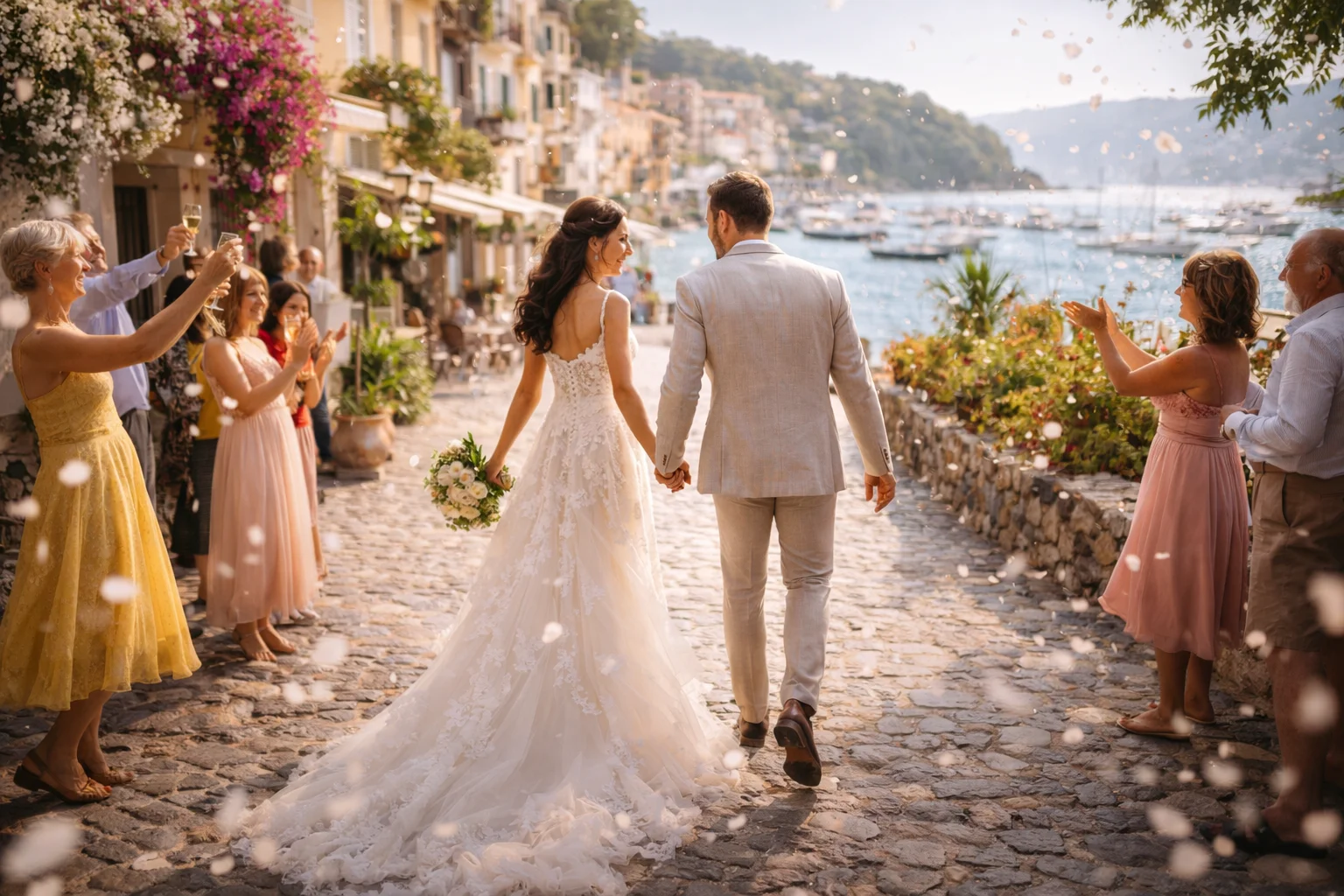
After the Wedding Abroad: A Legal Checklist for What Happens Once the Ceremony Is Over
A wedding may feel complete when the ceremony ends, but legal reality often continues afterward. This checklist helps couples understand what documents, registrations, translations, and confirmations may still matter after a wedding abroad, when the ritual is over but the administrative part has not yet disappeared.
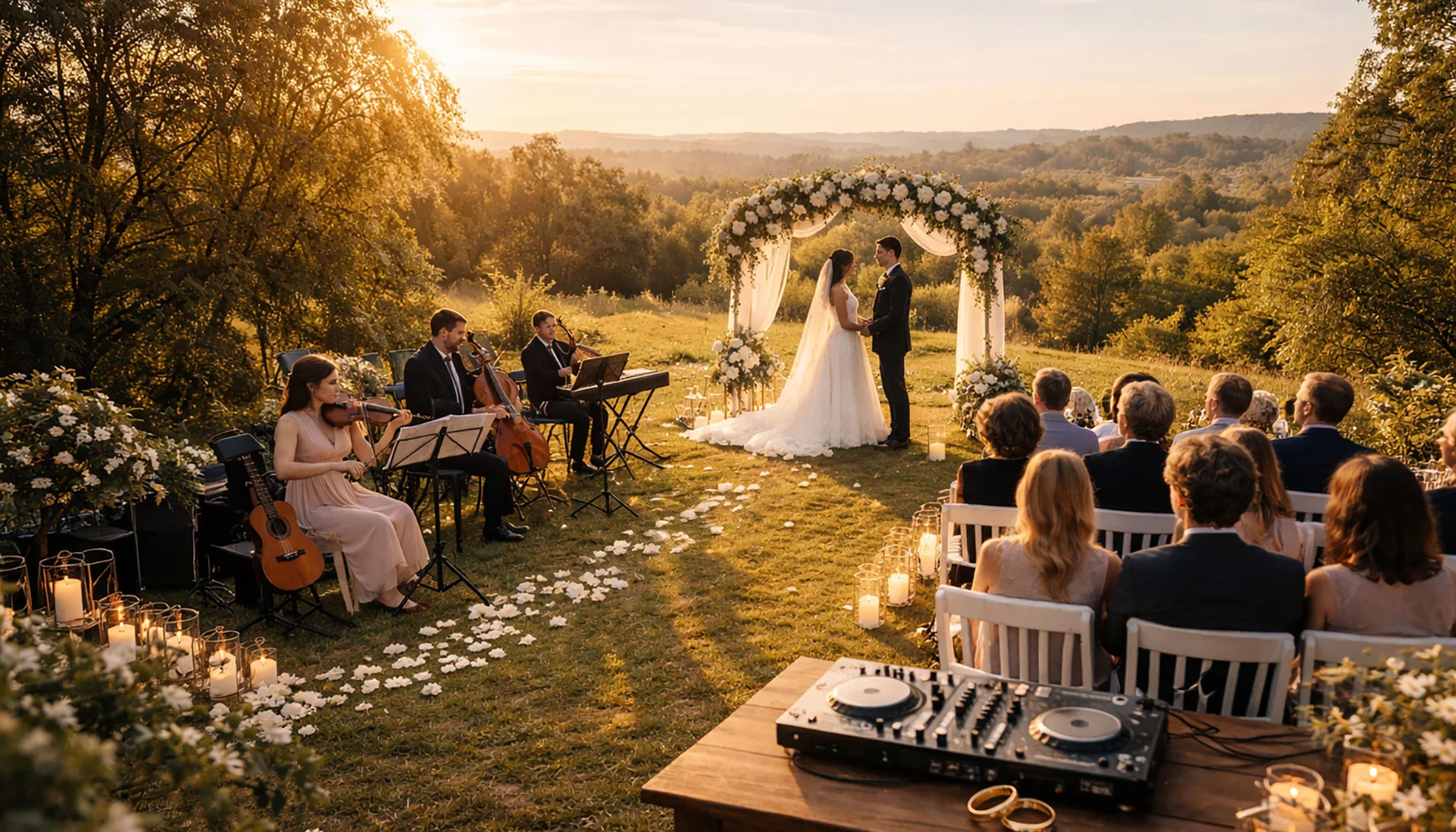
Music for Ceremony – The Art of Setting the Perfect Tone for a Wedding Ceremony
Ceremony music does more than create mood. It marks transitions, slows attention, and gives emotional and symbolic actions the weight they need in real time. This article offers a practical overview of ceremony music across settings and countries while connecting music to the deeper emotional meaning carried by marriage rituals.
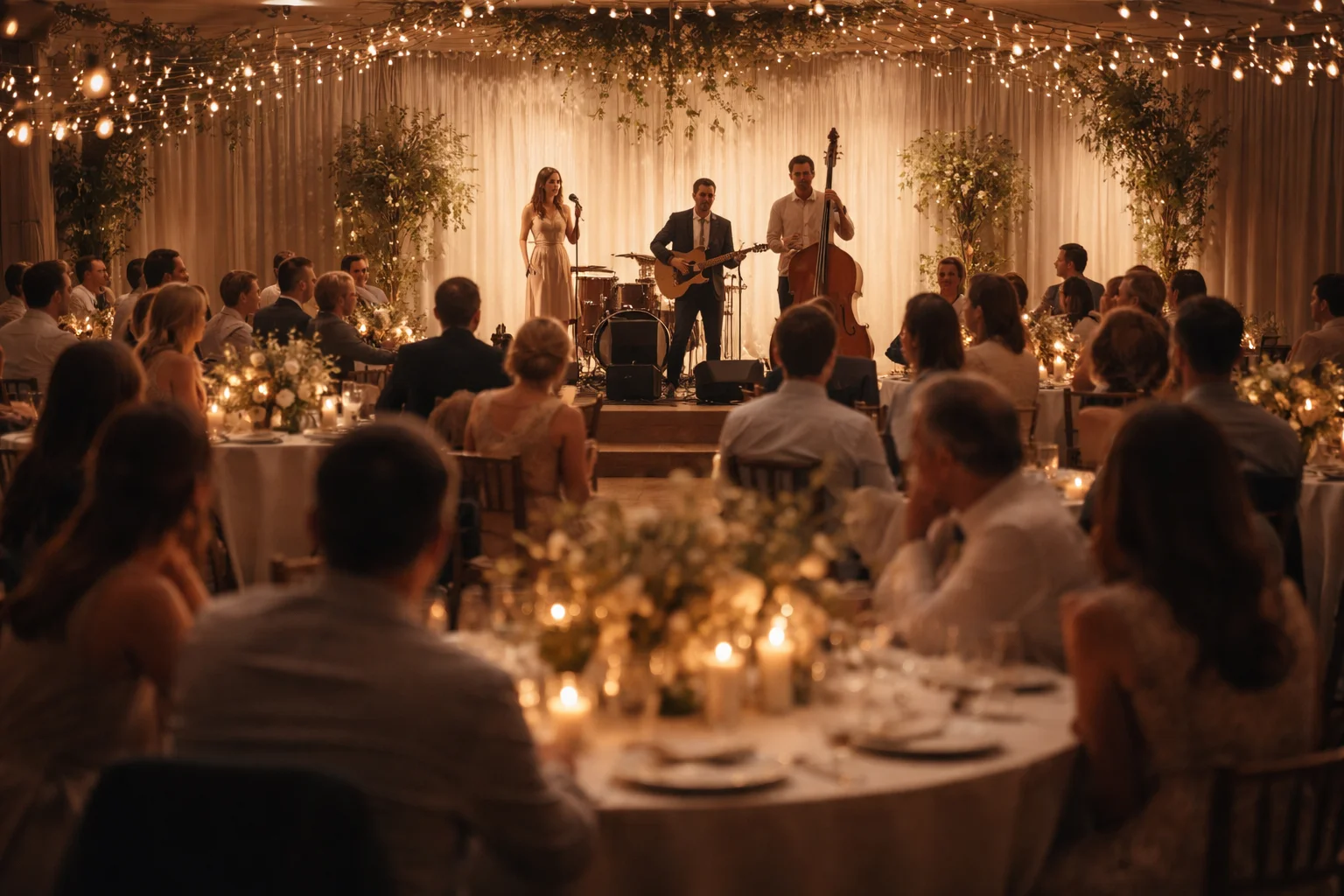
Live Music or Playlist: Subtle Differences in How Guests Respond
The difference between live music and recorded tracks at weddings is often described in larger terms than it appears in the room. In practice, it shows up in smaller shifts. Where people look. When they stop talking for a second. Or don’t.
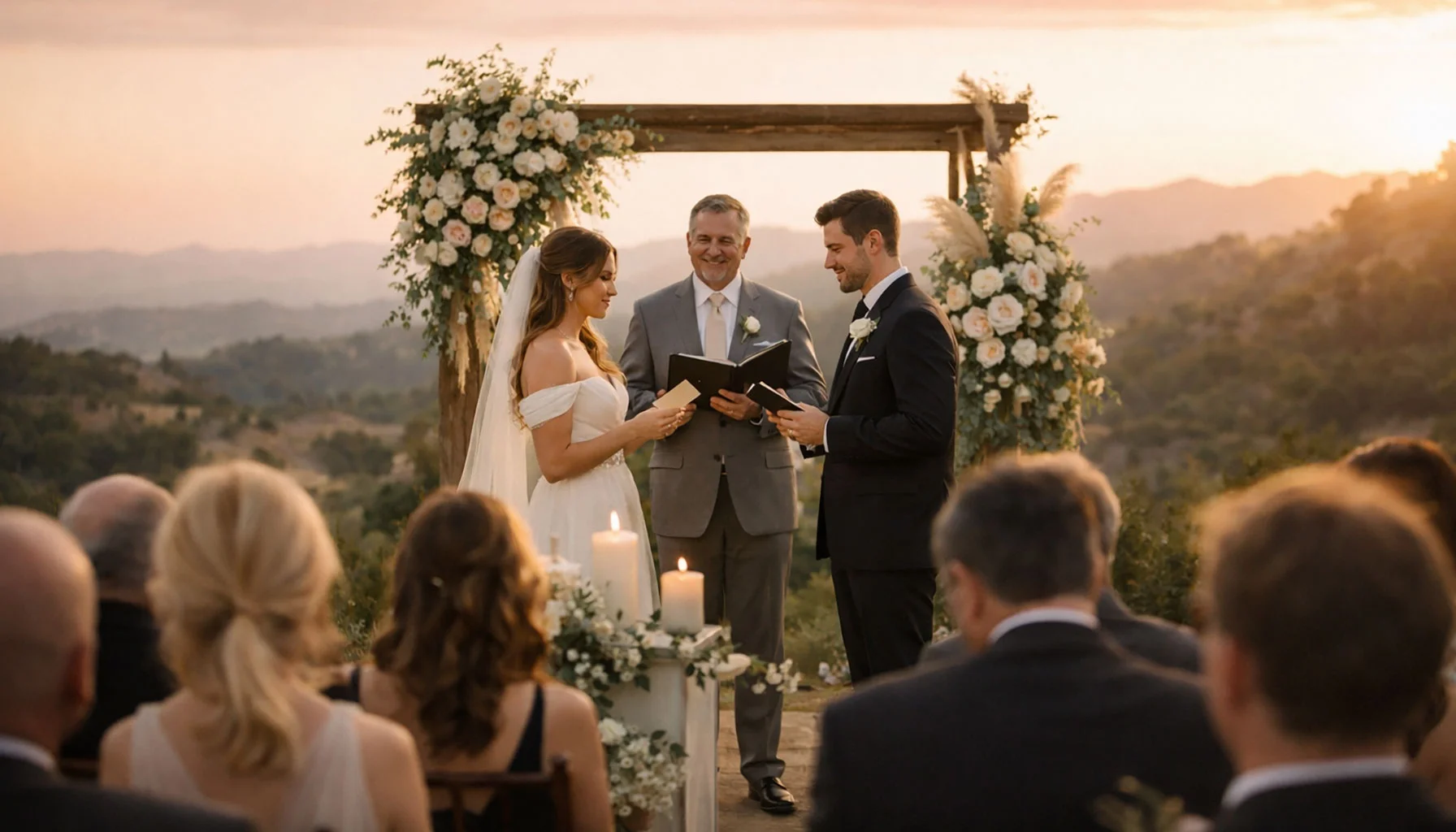
Vows and Scripts for Weddings: Meaning, Structure, Cultural Context and a Complete Ceremony Script
Vows and ceremony scripts are the spoken core of a wedding. They carry meaning for the couple, but they also give the room structure and help guests understand what is happening in real time. This article offers a practical international overview of vows and scripts while connecting them to the emotional space before and after the ritual itself.
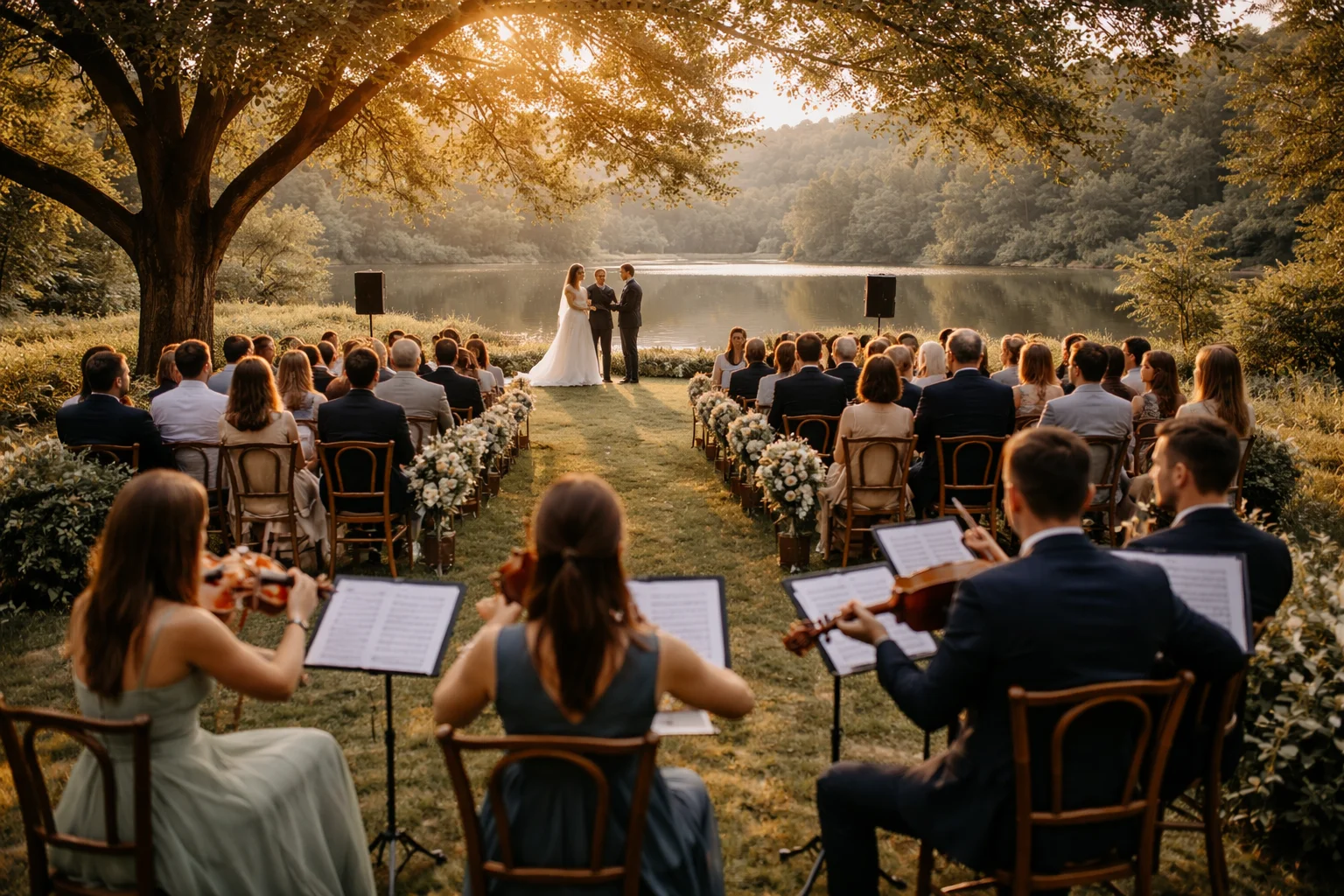
How Room and Situation Change Ceremony Music
Ceremony music is never only a matter of taste. It behaves differently in wind, in formal rooms, in small gatherings, in religious settings, and in very quiet weddings where every note becomes more exposed. This article looks at how space and situation change the effect of wedding ceremony music, and why placement matters as much as the music itself.
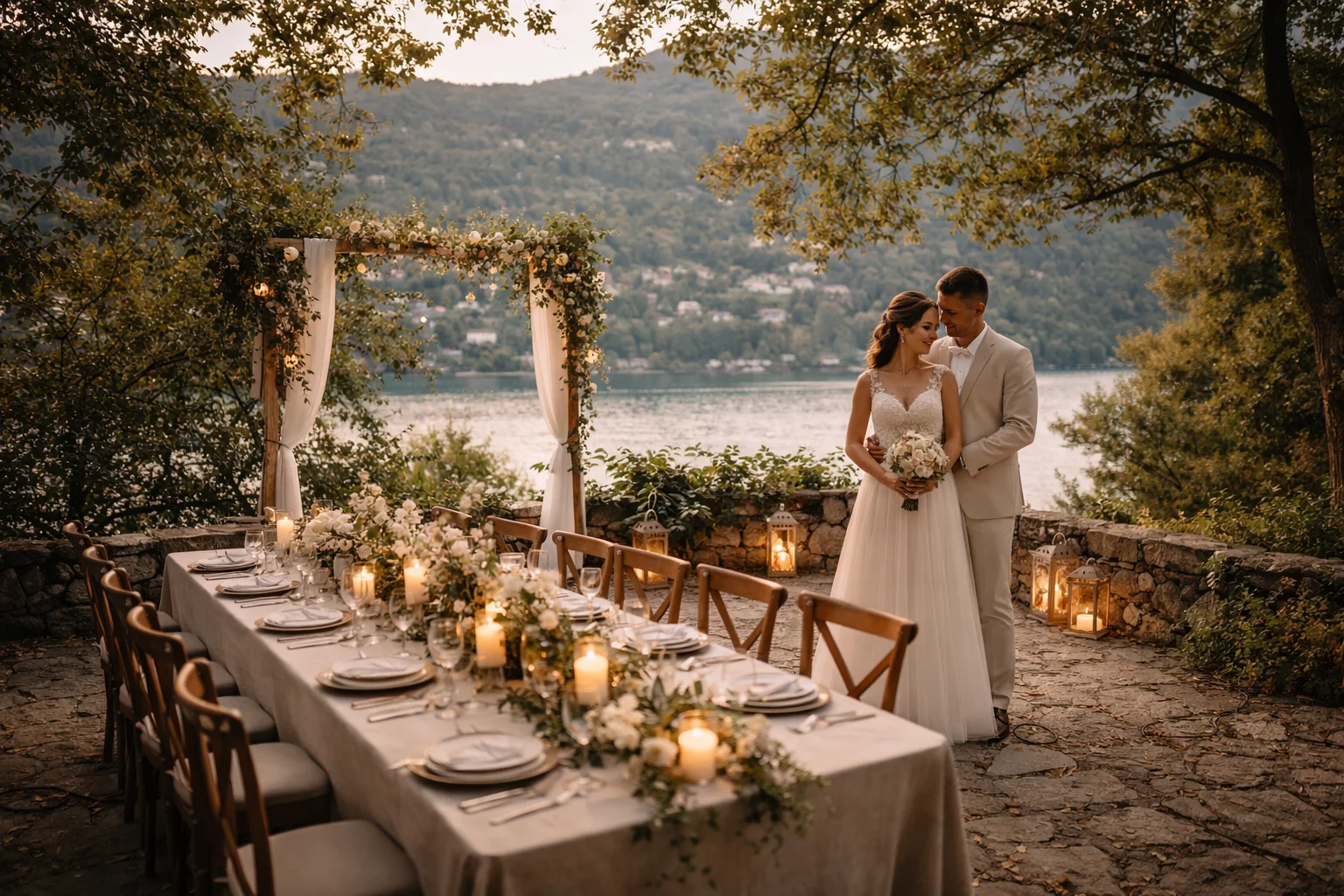
Where Small Weddings Expand Beyond the Ceremony
Small weddings are often described through numbers. Fewer guests, fewer tables, fewer logistical layers. The focus shifts naturally toward what is essential. People arrive, take their places, and the ceremony begins without much distance between those involved and those witnessing it.