
Live Music or Playlist: Subtle Differences in How Guests Respond
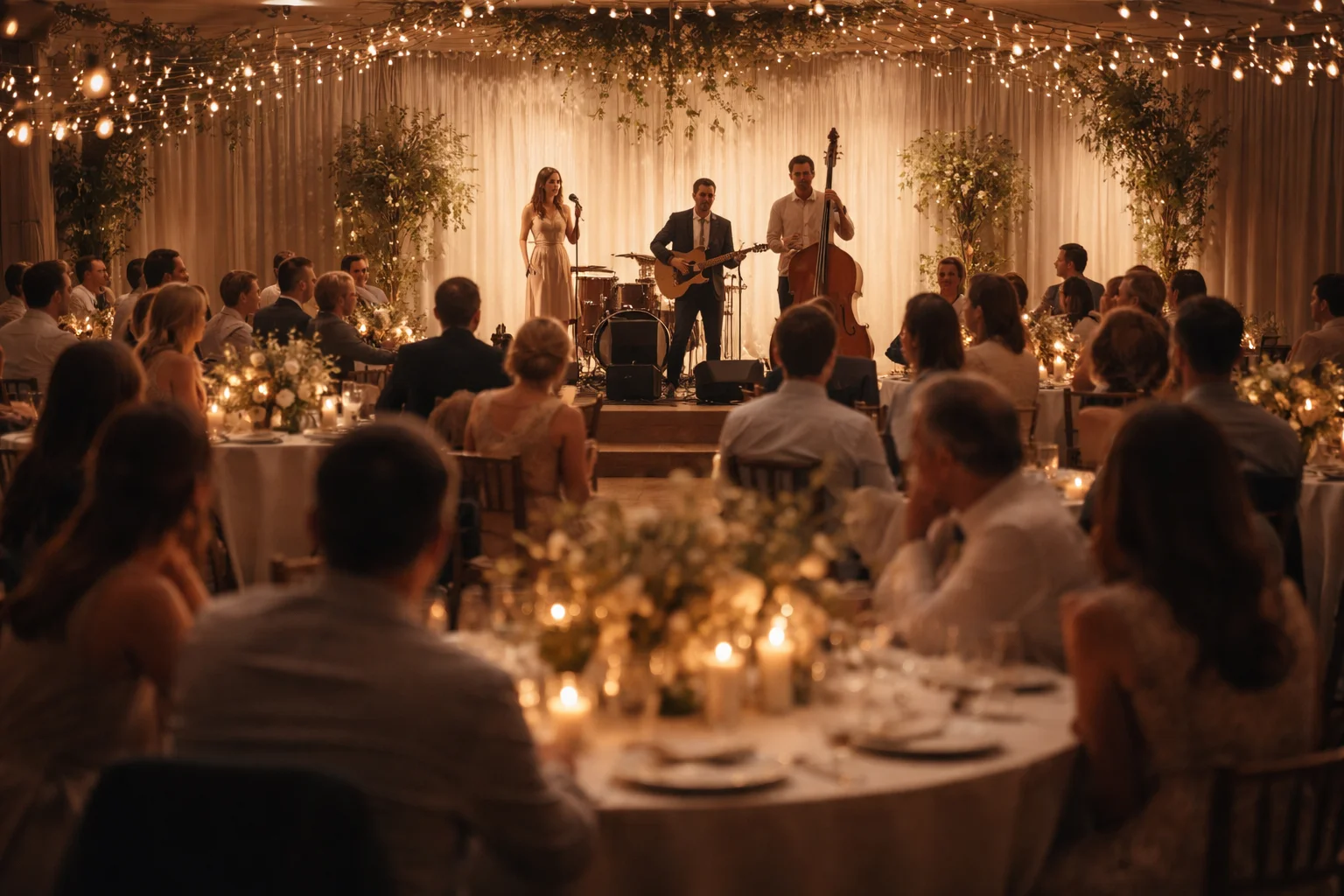
Live Music vs Recorded: Small Differences in Presence
Both formats work without issue. No clear preference in general use. But they behave differently once people are inside the situation. The change is not loud. It sits somewhere in timing and presence, not in volume or style.
Definition
Live music is produced in the moment by visible performers. Recorded music is pre-produced and played back through a system. The difference is not limited to sound. It includes visibility, timing behavior, and how people relate to what they hear.
A Source That Can Be Seen, Or Not
With live music, there is always something to locate visually. Even without direct attention, people register movement. A hand, a slight lean, someone adjusting position between phrases. It pulls focus for a moment, then releases it again. Recorded music does not offer this. The sound is there, but it does not point anywhere specific. People keep their gaze where it already was.
Timing Is Slightly Unstable
Live playing moves a little. Not enough to name it while it happens, but enough that things do not land exactly the same way twice. Endings take a fraction longer. Or less. Applause sometimes comes in late, then corrects itself. Recorded tracks stay fixed. The room adjusts to that without effort.
Attention Does Not Gather at Once
In live situations, attention comes back in pieces. One person looks up, then another, not at the same time. A change in dynamics does not pull everyone together, just a few at first. It spreads unevenly. With recorded music, attention tends to stay low but steady. It does not drop out, but it rarely concentrates either.
Volume Feels Closer Than It Measures
Live sound often feels nearer than it is. Even at moderate levels. There is a direction to it, a sense of where it comes from. Recorded sound spreads more evenly across the room. It can be present without feeling close. Guests adjust how they speak without really noticing why.
Small Adjustments in Real Time
Live musicians sometimes extend or shorten parts without signaling it. A walk takes longer, so the music follows. Or ends earlier. These adjustments are not always obvious, but they fit the moment. Recorded tracks continue as they are. Changes are possible, but they sit outside the flow, not inside it.
Conclusion
The difference between live and recorded music at weddings stays small but consistent. Live music adds a visible layer that shifts attention in uneven ways. Recorded music keeps things more stable, more even across the room. Neither stands out as dominant. The effect is quiet. Still, it changes how people look, pause, and stay present, just enough to register.
Related Articles
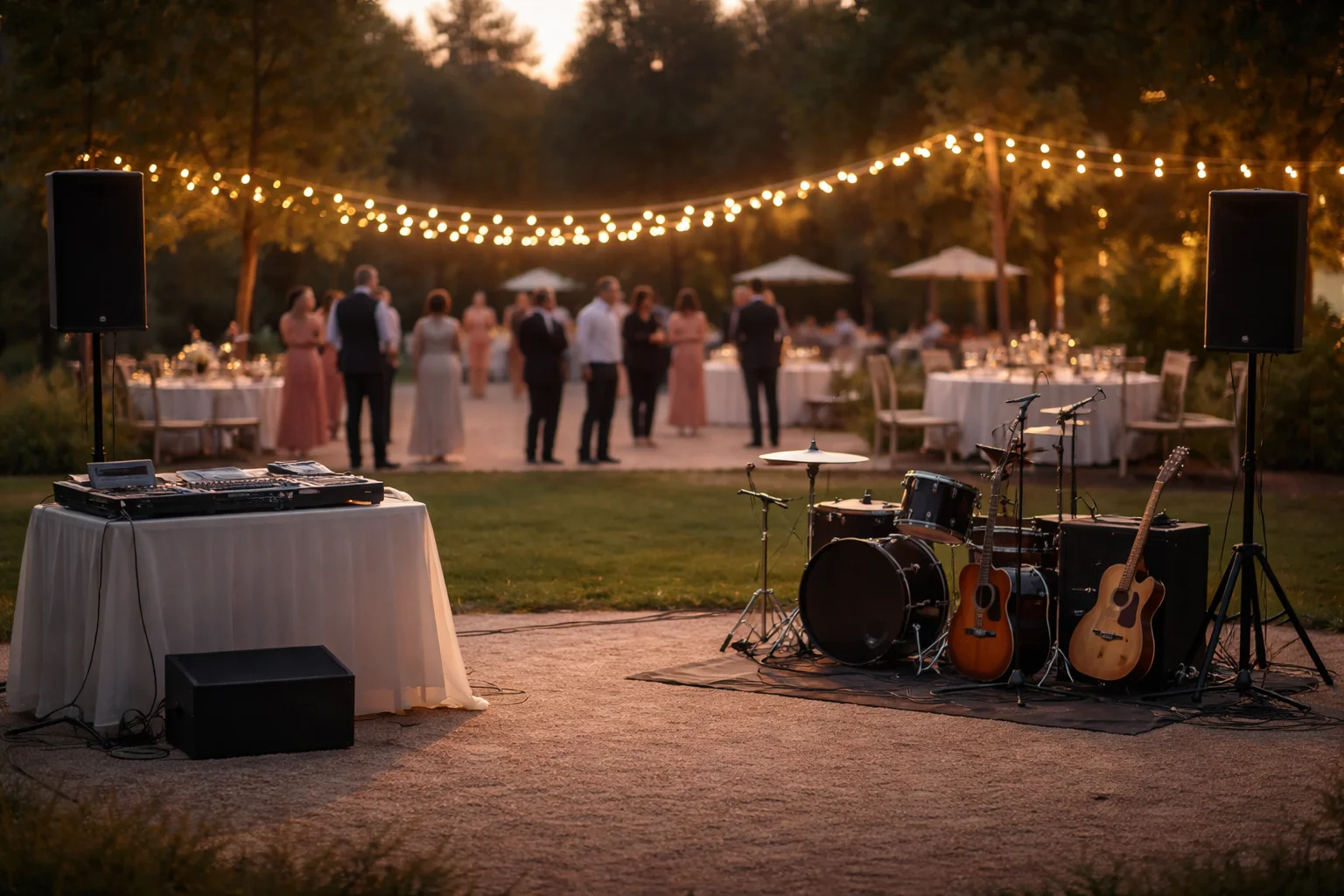
Music Budget: DJ, Band or Playlist at Weddings
Music is part of almost every wedding reception, although it is not always the first topic during planning. Venue, food, guest numbers. Those decisions tend to appear earlier. Later the conversation moves toward sound in the room. How the evening should feel once dinner ends and people begin to gather near the dance floor.
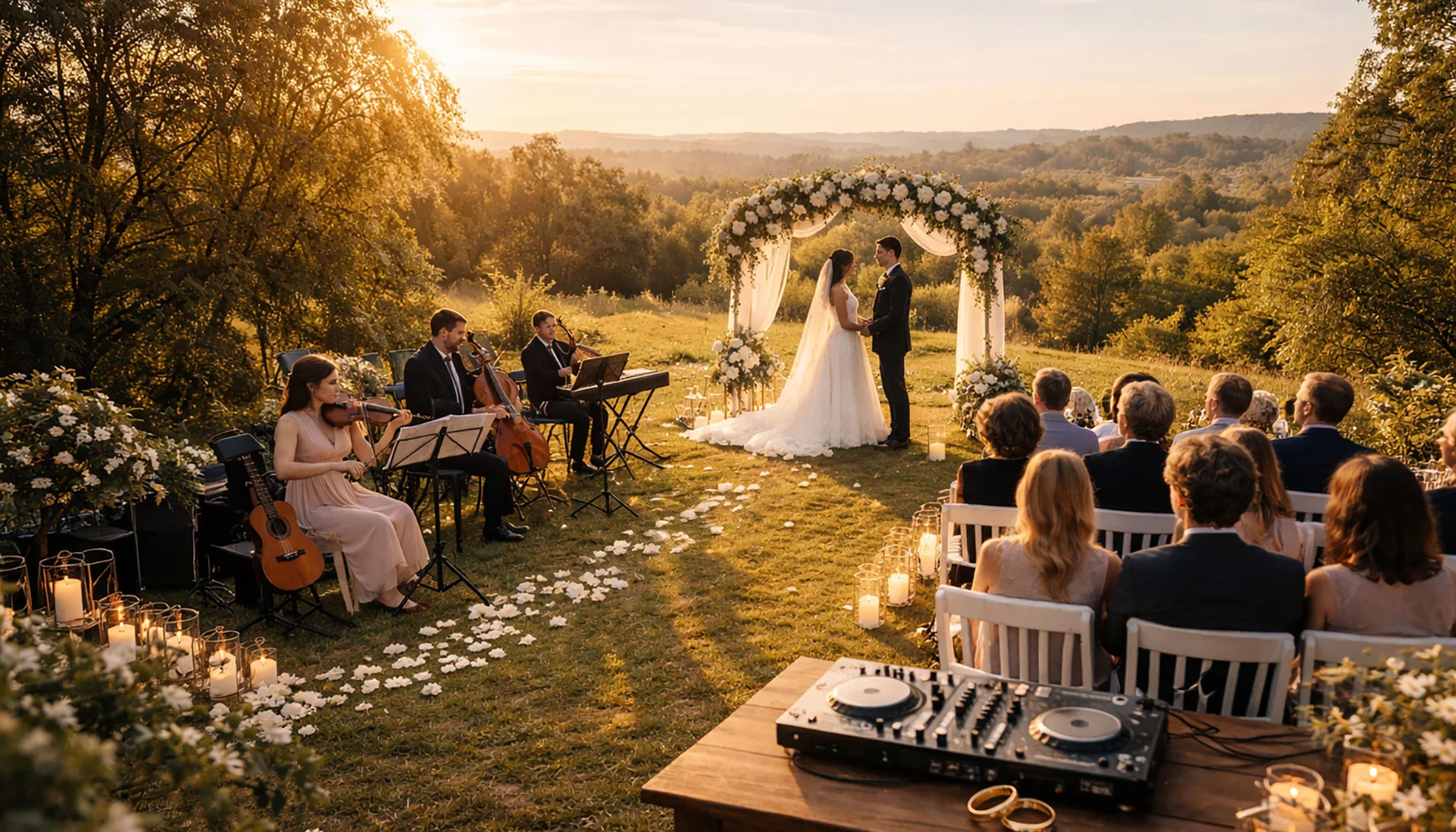
Music for Ceremony – The Art of Setting the Perfect Tone for a Wedding Ceremony
Ceremony music does more than create mood. It marks transitions, slows attention, and gives emotional and symbolic actions the weight they need in real time. This article offers a practical overview of ceremony music across settings and countries while connecting music to the deeper emotional meaning carried by marriage rituals.
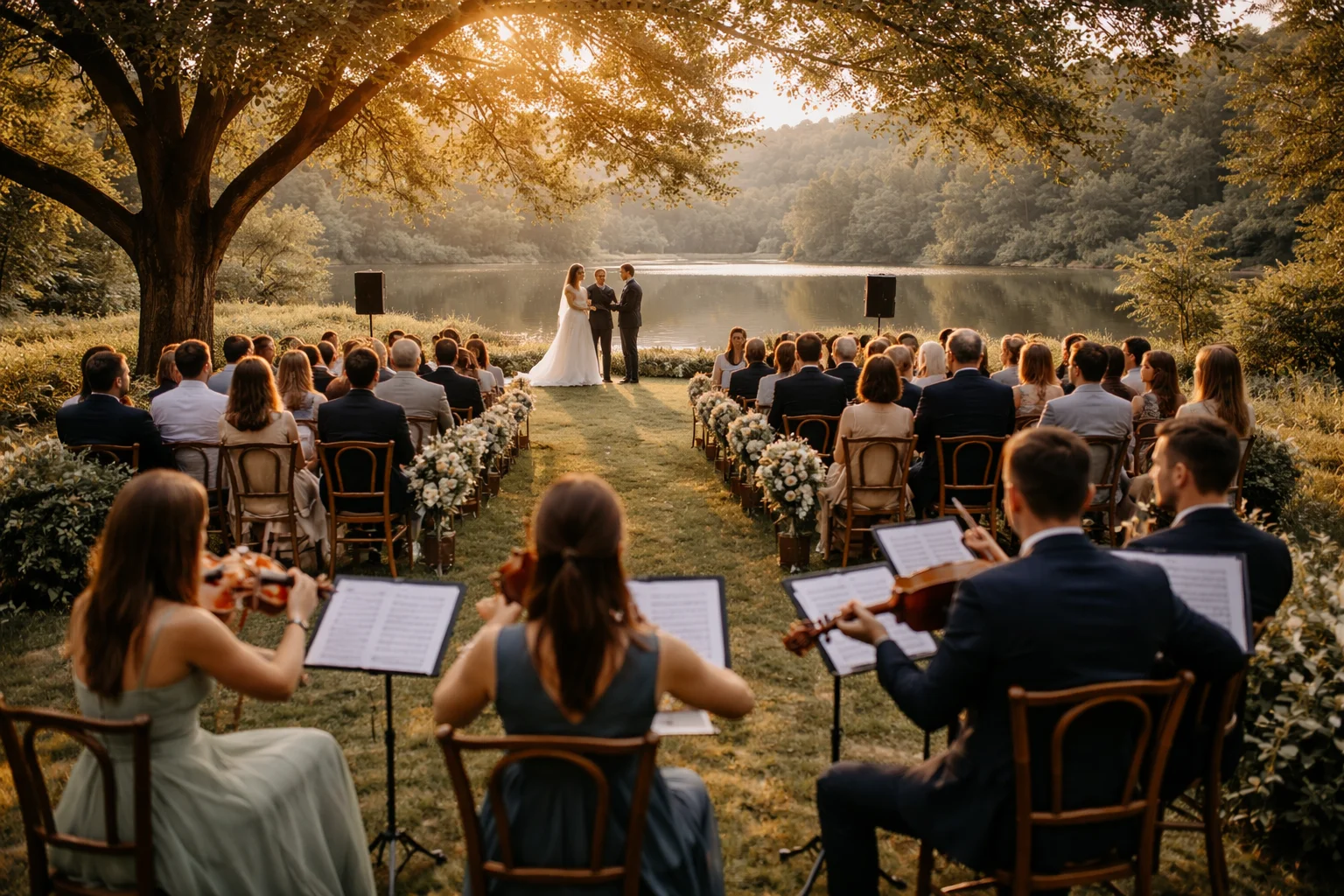
How Room and Situation Change Ceremony Music
Ceremony music is never only a matter of taste. It behaves differently in wind, in formal rooms, in small gatherings, in religious settings, and in very quiet weddings where every note becomes more exposed. This article looks at how space and situation change the effect of wedding ceremony music, and why placement matters as much as the music itself.

DJ, Live Band or Hybrid Concept: Choosing What Truly Fits
Music is one of the earliest wedding decisions and one of the least understood until the day begins to take real shape. The choice between a DJ, a live band, or a hybrid concept is rarely only about taste. It changes timing, movement, conversation, and how the evening is allowed to breathe.
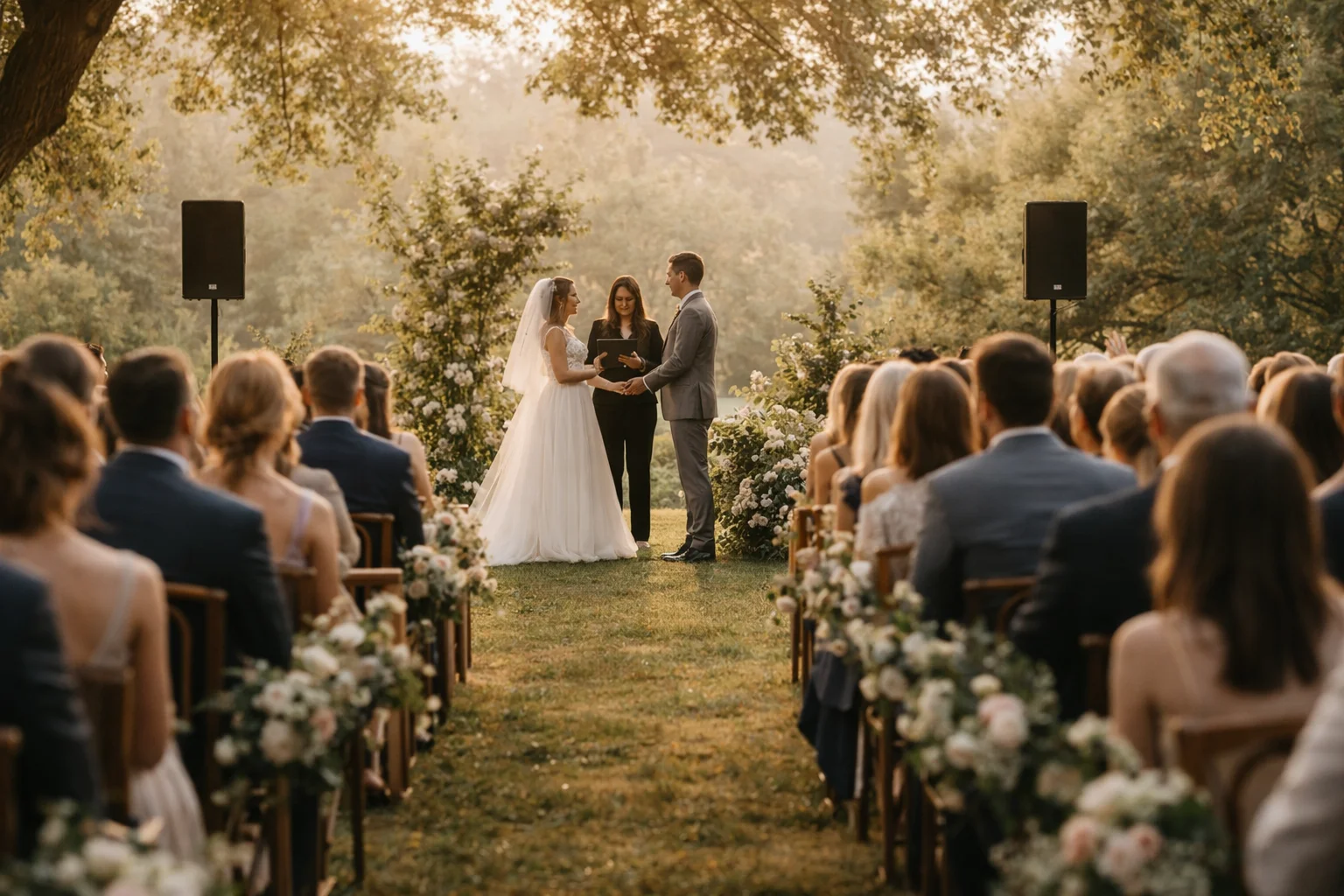
What Guests Remember About Ceremony Music Later
Ceremony music rarely stays in memory as a perfect playlist. Guests remember how it changed the room, how it shaped emotion, and whether it made the ceremony feel intimate, oversized, personal, or strangely distant. This article looks at what guests actually carry away from wedding ceremony music and why placement often matters more than the song itself.
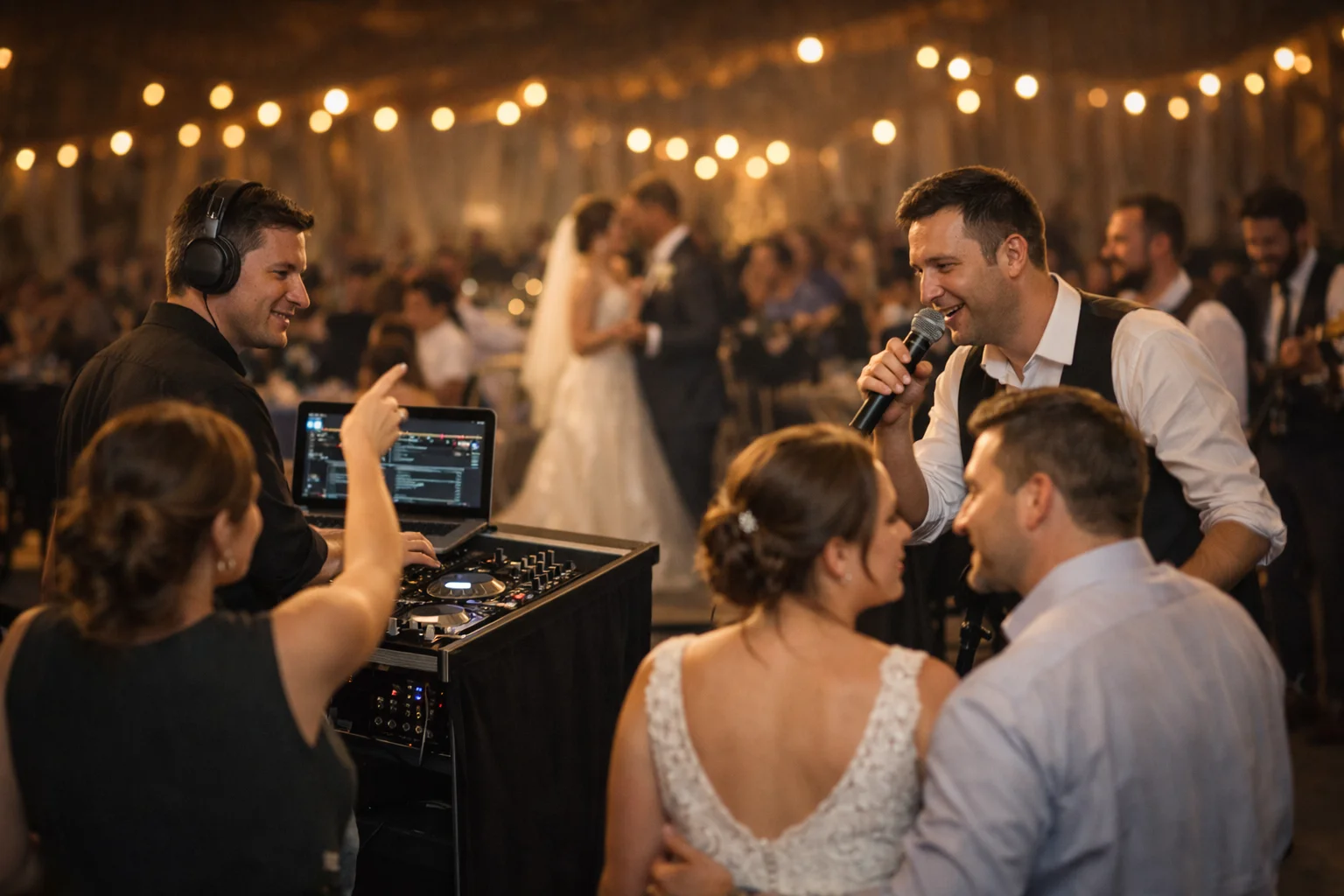
How Requests Move Through a Wedding Night
Music requests at weddings are rarely just about songs. They move through timing, confidence, mood, and the different logic of DJs and live bands, shaping the social texture of the night as much as the playlist itself.
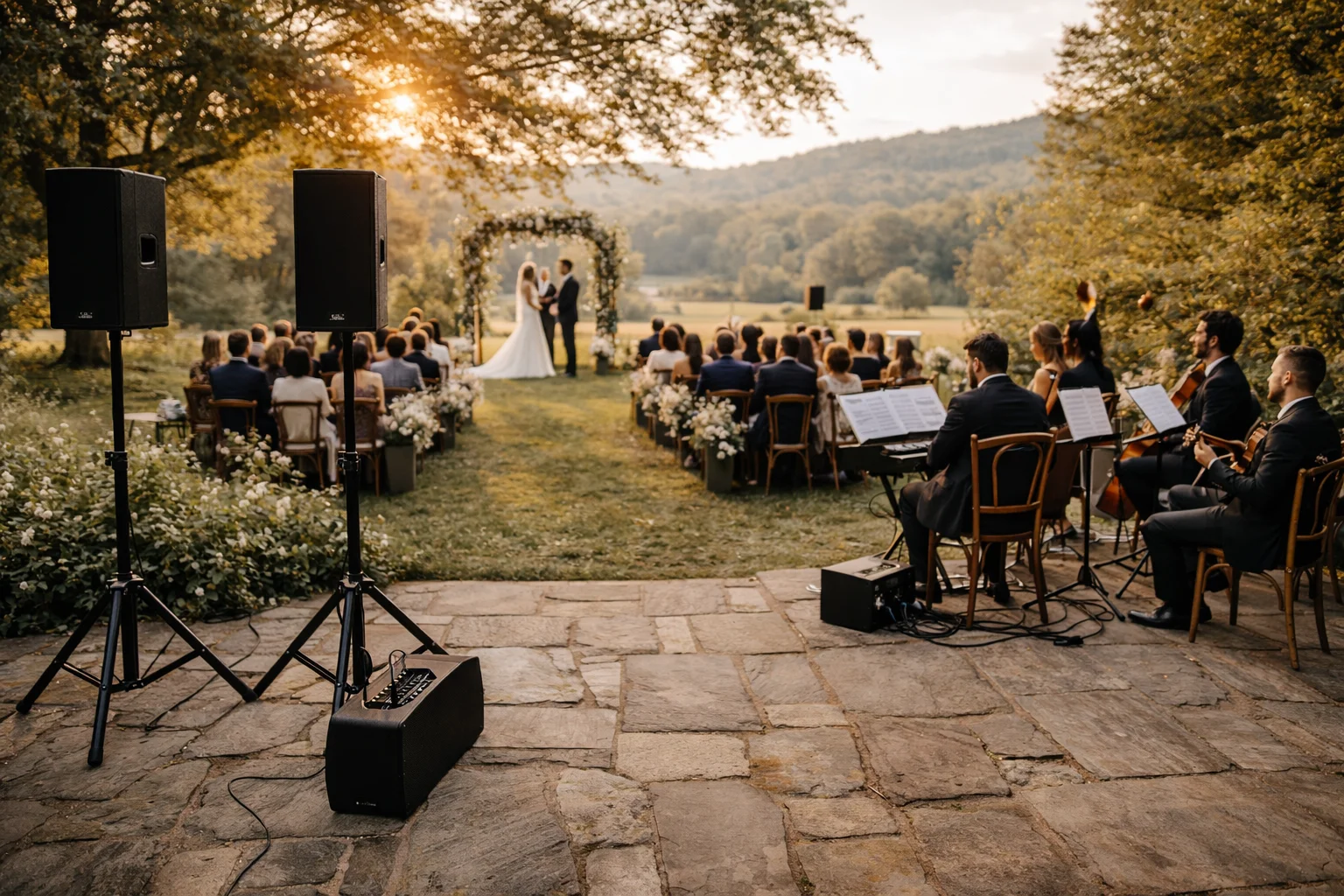
Why Ceremony Music Feels Different Live and Recorded
Ceremony music is often chosen as if the main question were preference. Live or recorded, strings or piano, solo or ensemble. In reality, guests experience something more subtle: scale, breath, distance, timing, and the way music changes the room before the ceremony and after the ritual has already happened. This article looks at what really changes when wedding music is live, recorded, too performed, too thin, or exactly right.
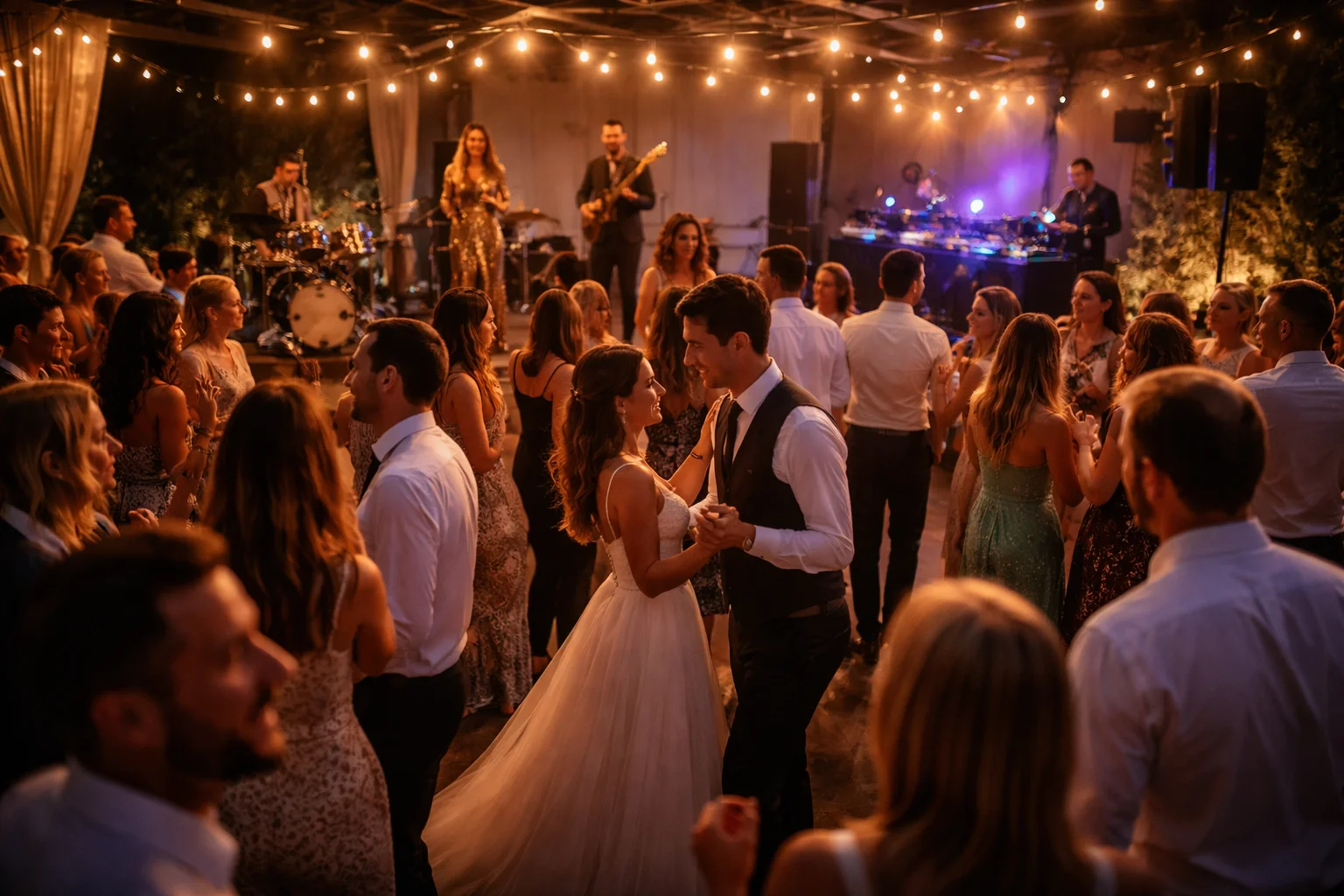
DJ or Live Band: What Actually Fills a Wedding Dance Floor
The choice between DJ and live band is often framed as a style decision, but at weddings it changes timing, energy, and how guests move through the night. This article looks at what really fills a dance floor, what guests actually want, and why the most important musical choice often happens before the first song begins.