
Why Wedding Tables Decide More Than You Think
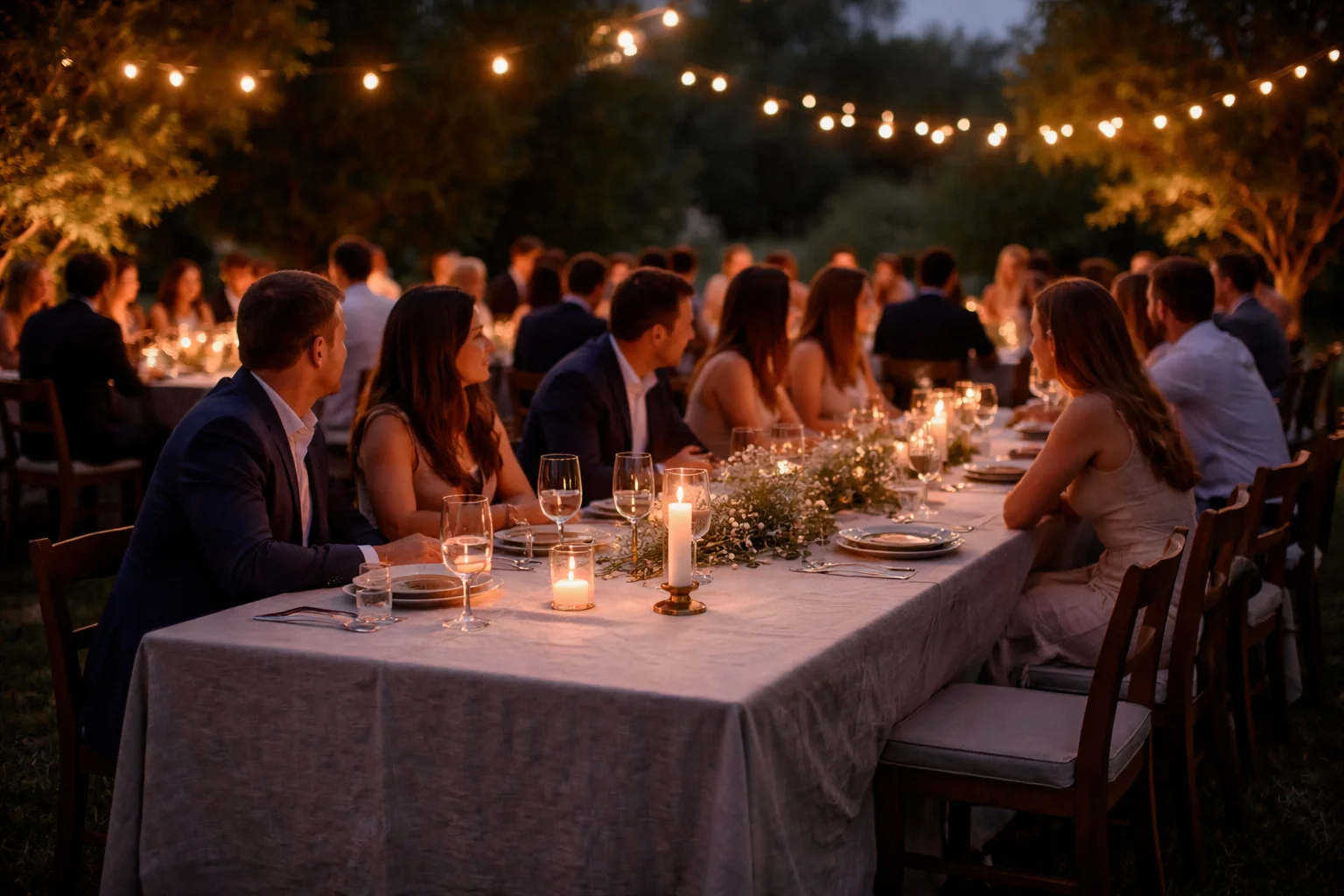
Why Wedding Tables Decide More Than You Think
Tables are rarely the first thing people think about when planning a wedding, yet they are where guests spend most of their time. Conversations start there, pauses happen there, and attention shifts between people and the room. This makes table design part of engagement in a very literal sense, because it shapes how people connect throughout the event.
There is also a quieter role. Tables hold the time before something begins and the time after something ends. Before the ceremony, after a ritual, and between transitions. They carry the atmosphere that is not formally staged but still deeply felt.
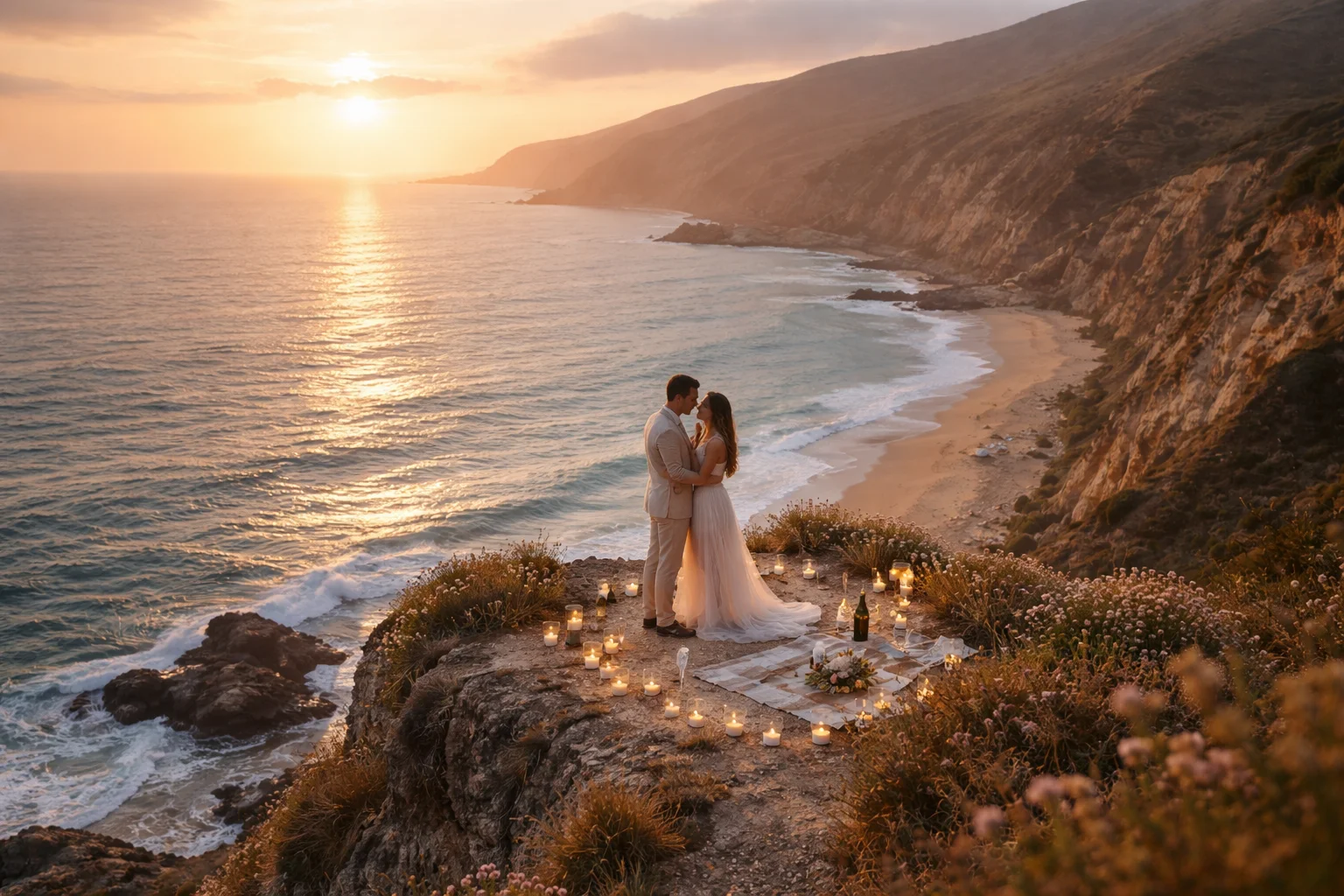
Engagement often gets framed as a highlight moment, a ring, a proposal, a story told again and again. But what follows tends to matter more than the moment itself. The period after the yes carries a different kind of weight, quieter, less visible, but more defining.
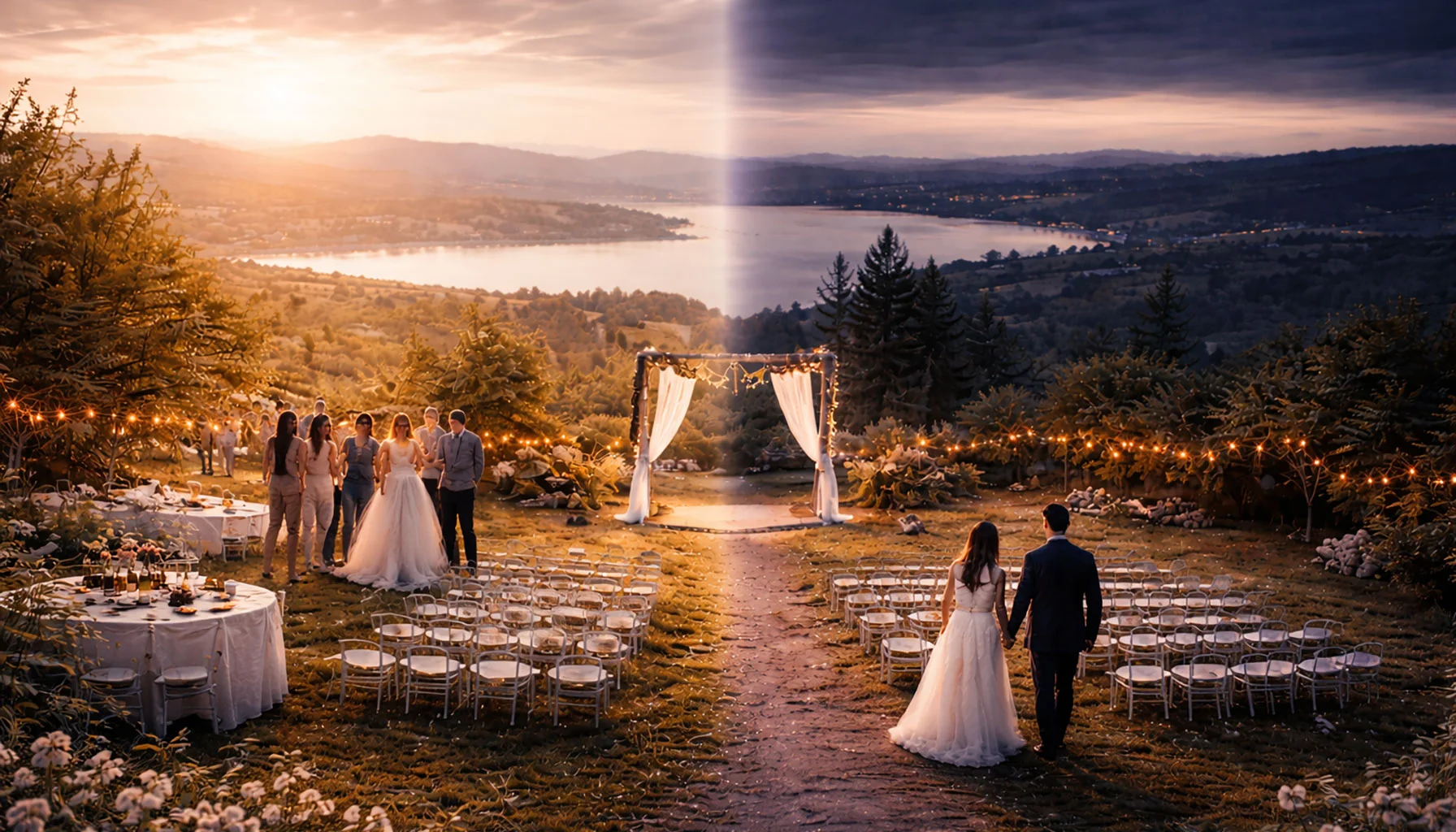
A wedding concentrates meaning into a single day, but its emotional impact begins earlier and lasts longer. What happens before and after often matters more than the ritual itself.
Definition
A wedding table is not only a surface for decoration. It is a functional and social system that organizes interaction, directs attention, and stabilizes the flow of the event. Its design influences both behavior and perception.
Why Your Table Feels Restless
A table feels unsettled when too many elements compete at the same visual level. Multiple heights, conflicting materials, or unclear focal points create tension. The eye has nowhere to rest, which affects how comfortable the space feels.
One Simple Trick for Immediate Improvement
Remove one element, then another. Most tables improve not by adding but by subtracting. When one clear focal point remains, the entire composition becomes readable within seconds.
What Always Works
Consistency in spacing, limited material variation, and one dominant visual line work across almost every table. These principles create calm even when styles differ.
How to Upgrade a Table Quickly
Focus on alignment. Straighten what is slightly off, center what drifts, and create intentional spacing. Small corrections shift the table from accidental to deliberate.
When Less Is Actually More
Especially before and after rituals, tables benefit from restraint. Fewer elements allow conversations and presence to become the focus instead of decoration.
Conclusion
Wedding tables shape how people connect, wait, and remember. When they are designed with clarity and restraint, they support both interaction and atmosphere.
Related Articles
After the Wedding Abroad: A Legal Checklist for What Happens Once the Ceremony Is Over
A wedding may feel complete when the ceremony ends, but legal reality often continues afterward. This checklist helps couples understand what documents, registrations, translations, and confirmations may still matter after a wedding abroad, when the ritual is over but the administrative part has not yet disappeared.
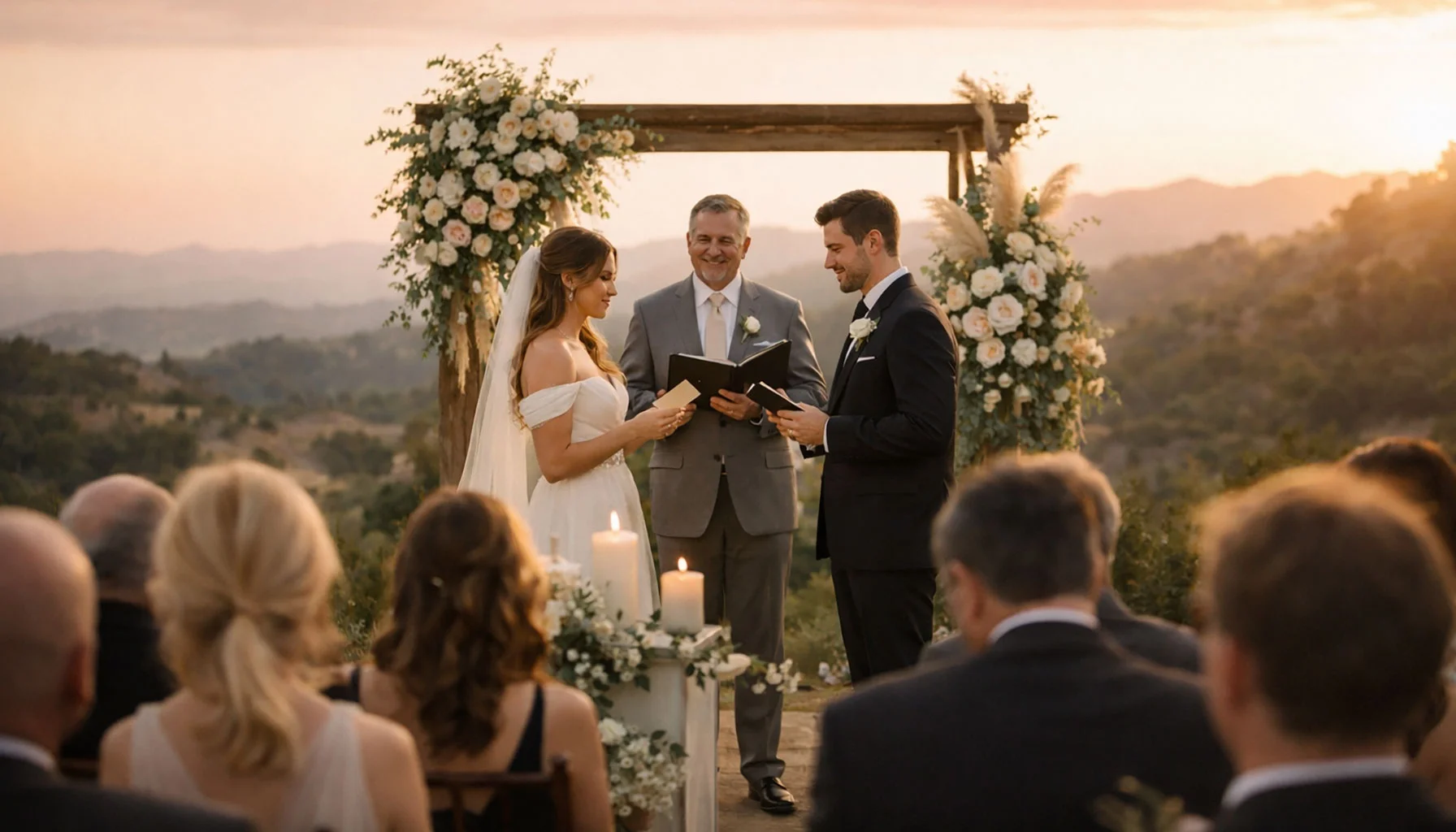
Vows and Scripts for Weddings: Meaning, Structure, Cultural Context and a Complete Ceremony Script
Vows and ceremony scripts are the spoken core of a wedding. They carry meaning for the couple, but they also give the room structure and help guests understand what is happening in real time. This article offers a practical international overview of vows and scripts while connecting them to the emotional space before and after the ritual itself.
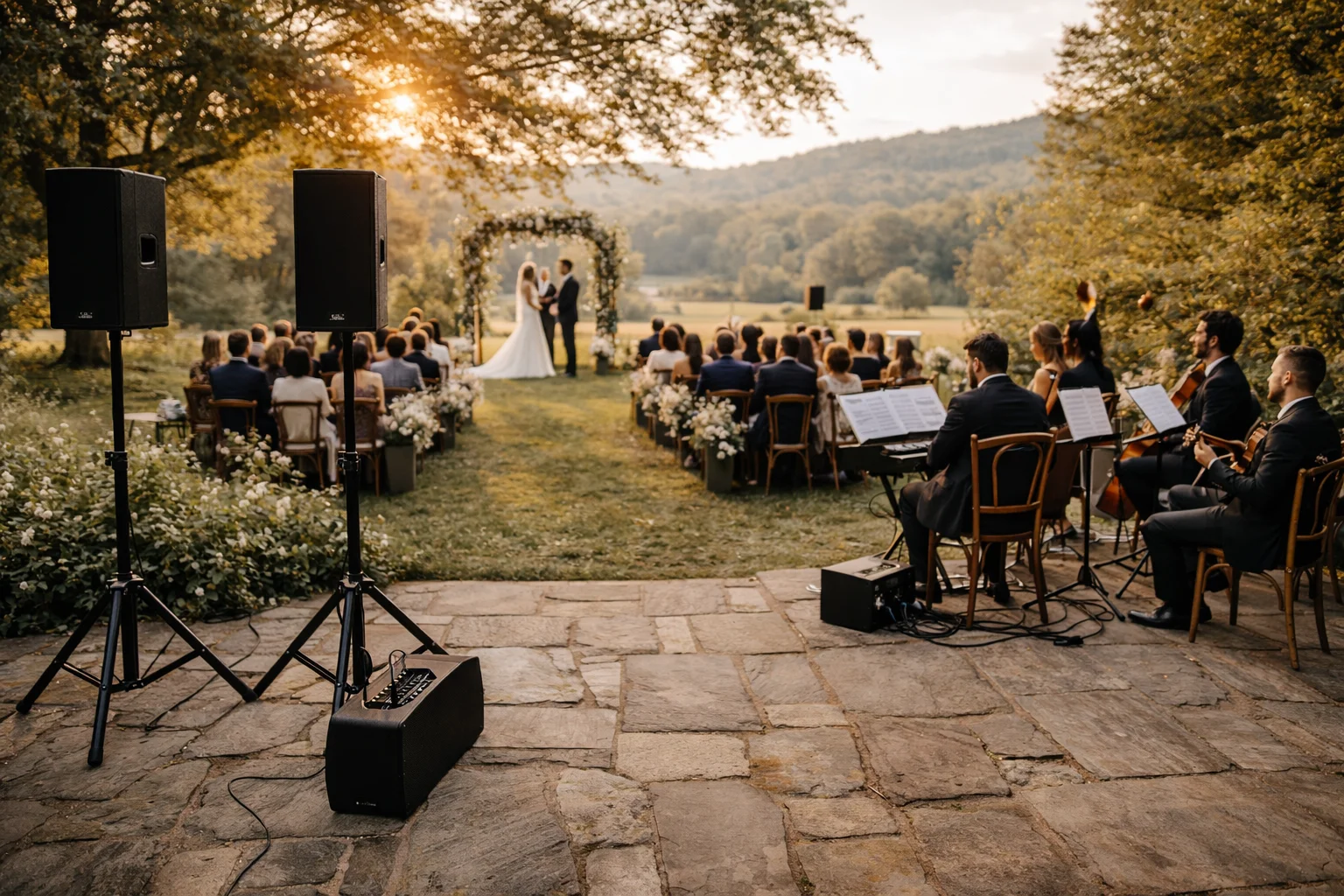
Why Ceremony Music Feels Different Live and Recorded
Ceremony music is often chosen as if the main question were preference. Live or recorded, strings or piano, solo or ensemble. In reality, guests experience something more subtle: scale, breath, distance, timing, and the way music changes the room before the ceremony and after the ritual has already happened. This article looks at what really changes when wedding music is live, recorded, too performed, too thin, or exactly right.
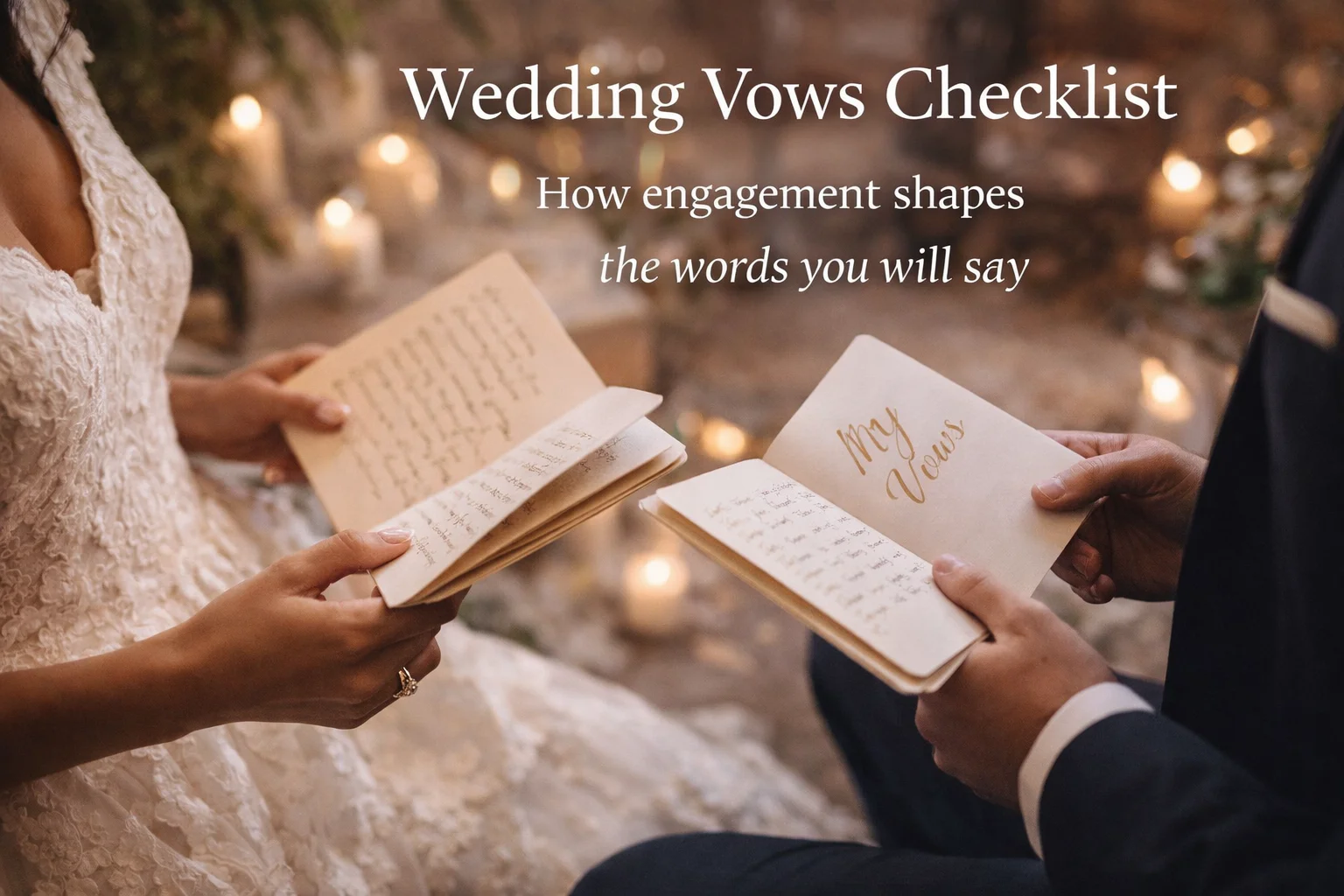
Wedding Vows Checklist: How Engagement Shapes the Words You Will Say
Engagement changes how couples speak long before the wedding ceremony begins. This checklist helps shape wedding vows from the emotional shift of being engaged, so the words spoken later feel grounded, personal, and true to the promise already taking form.

Before Wedding Planning Takes Over: An Engagement Checklist for the Things That Actually Change
An engagement can turn into a wedding project surprisingly fast. Before venues, guest counts and timelines take over, there are quieter things worth checking together: expectations, family pressure, money, symbols, privacy and what the promise has actually changed between you.
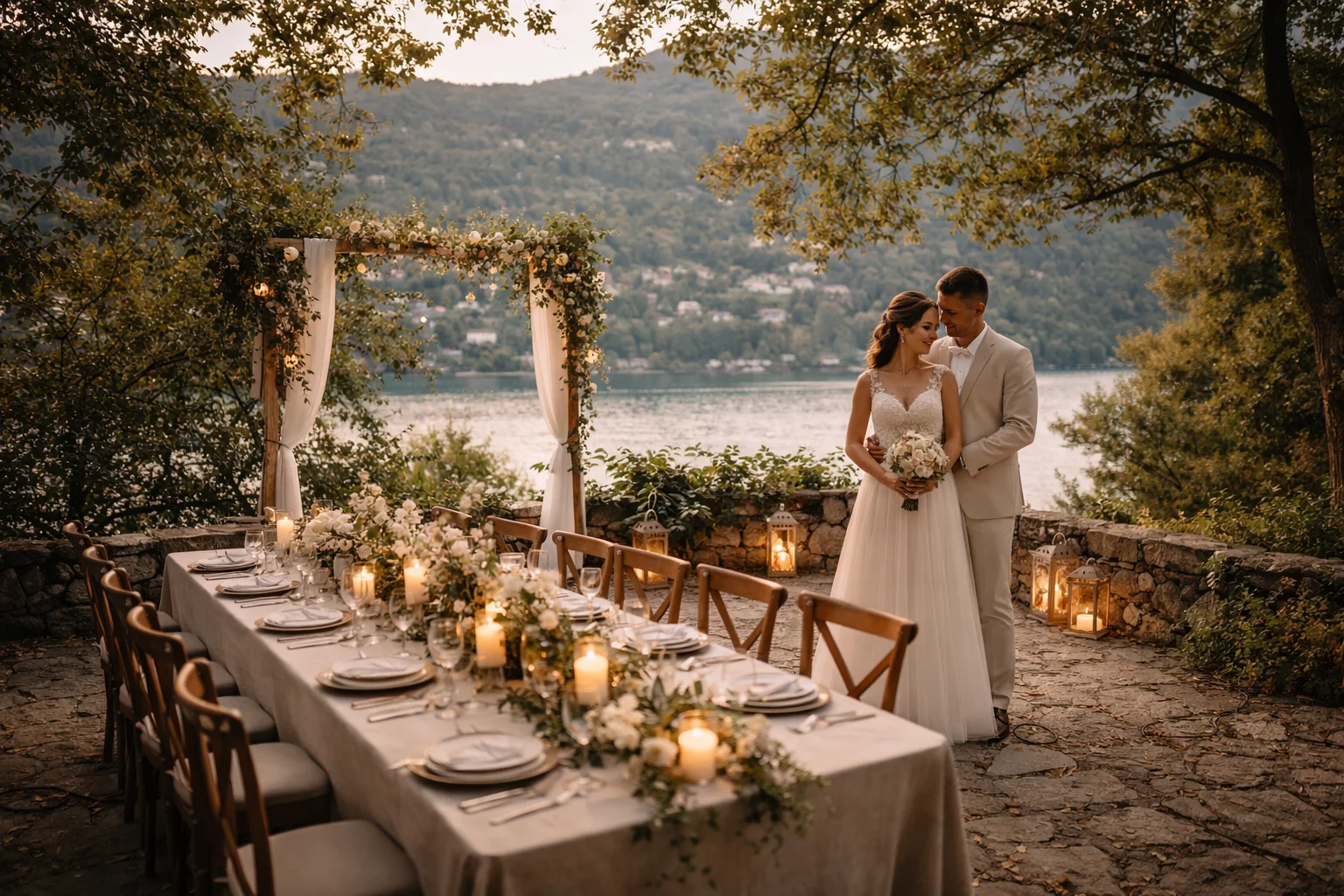
Where Small Weddings Expand Beyond the Ceremony
Small weddings are often described through numbers. Fewer guests, fewer tables, fewer logistical layers. The focus shifts naturally toward what is essential. People arrive, take their places, and the ceremony begins without much distance between those involved and those witnessing it.