
Second Dress for the Wedding Reception
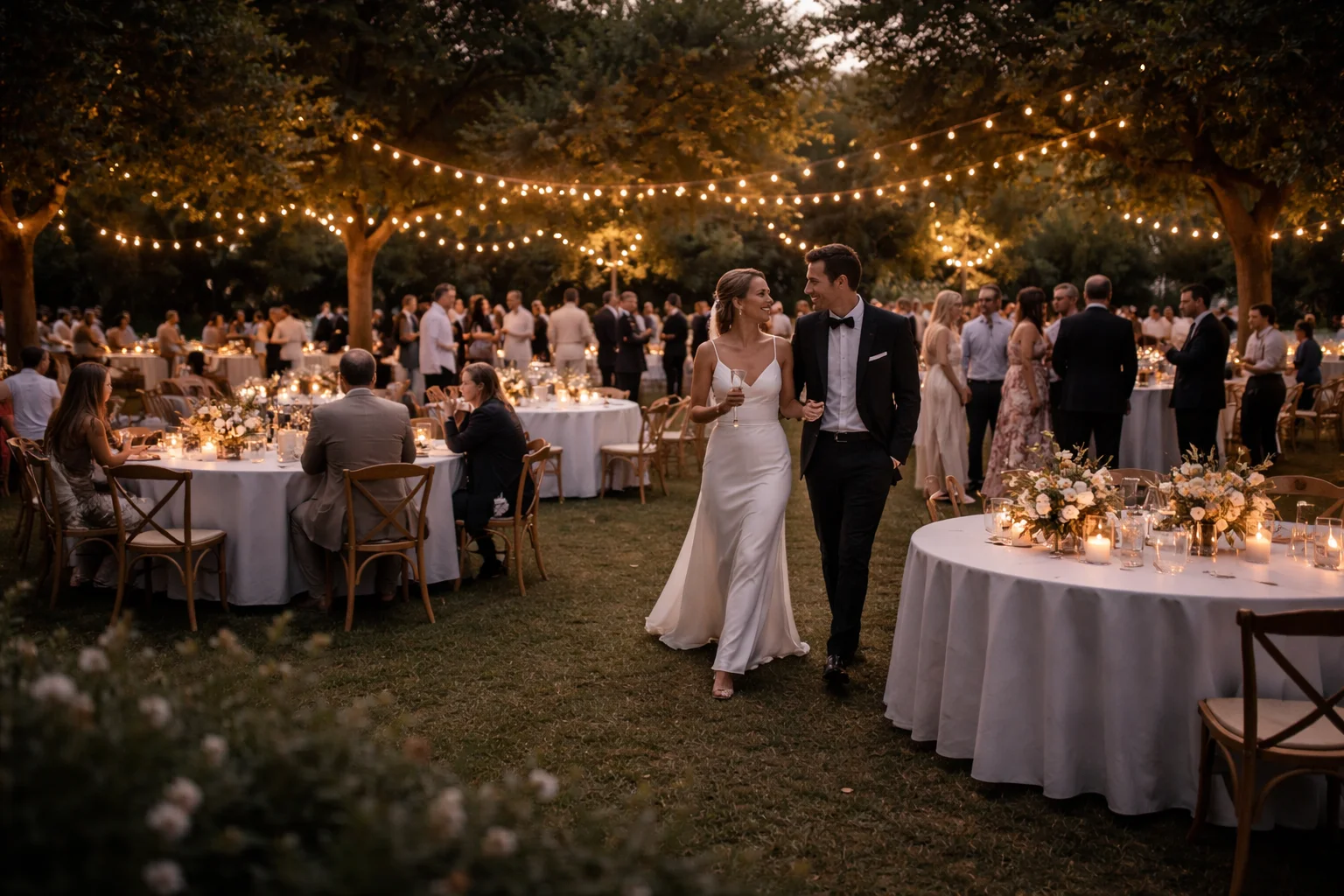
Within the bride look, the second dress is rarely understood as a separate fashion statement. It appears more often as a continuation of the day in another form. And within what is not said, it belongs to the quieter layer of a wedding: the moment when posture softens, formality loosens, and the evening begins to carry itself differently without anyone needing to explain why.
Bride – CategoryPersonal style and emotion come together in the overall appearance of the bride. From the wedding dress and accessories to hair and makeup, every detail contributes to a look that feels authentic and confident. A thoughtfully chosen bridal look reflects personality, complements the wedding style, and makes the bride feel truly herself on this special day.

Not everything meaningful is spoken. Silence often carries what language cannot hold.
This second dress appears most often when the reception becomes more relaxed. Music gets louder. People move around the room more freely. Long trains and structured gowns start to feel less practical. The change of dress is not dramatic in most cases. It is simply a small adjustment that fits the rhythm of the evening.
Definition
A second dress for the wedding reception refers to an additional outfit worn by the bride after the ceremony. It is usually lighter, easier to move in, and intended for the later part of the celebration. The first gown remains associated with the formal moments, while the second dress fits the social and active part of the event.
In practice, it is less a replacement than a shift in emphasis. The ceremony dress holds the beginning. The second dress supports what comes after. Both belong to the same wedding, but they answer different conditions within it.
Shift in Atmosphere
The transition between ceremony and reception often changes the mood of the event. Formal posture slowly softens. Guests gather in smaller groups, conversation spreads across the room. In this setting the second dress appears almost naturally. It matches the more relaxed energy that arrives later in the day.
This is often why the dress change does not need announcement. Guests understand it through atmosphere rather than explanation. The room has already changed. The clothing simply follows.
Practical Movement
Reception spaces encourage movement. Dancing, walking between tables, greeting guests who arrived later. A structured ceremony gown can make these actions slower. The second dress often removes that weight. Short sleeves, lighter fabric, sometimes shorter length. Nothing dramatic. Just easier motion.
What changes here is not only comfort, but tempo. The bride moves differently. The evening responds to that difference. A dress with less resistance often allows the social part of the wedding to begin more fully.
Visual Continuity
Even when the dress changes, a sense of continuity usually remains. Similar color, similar texture, sometimes small details carried over from the first gown. The second look does not erase the ceremony dress. It sits beside it in memory. Guests tend to recall both without separating them too sharply.
This continuity matters more than novelty. The strongest second looks do not appear unrelated to the day. They feel like the same bridal presence under changed conditions.
Guest Perception
Most guests notice the change in a quiet way. There may be a brief moment of attention when the bride reenters the room. Then the celebration continues. The new dress becomes part of the evening without much discussion. It blends into the rhythm of speeches, food, and music.
That quietness is part of what makes the second dress fit so well into the logic of what is not said. It is visible, but not overexplained. It adjusts the mood of the room without becoming a separate event inside the event.
Catalog of Styles
Observation across many weddings shows a range of reception dresses. Simple satin slip dresses. Soft lace pieces with shorter skirts. Minimal structured designs that echo evening wear. Some remain traditional in tone, others lean toward modern silhouettes. The variety is wide, yet the intention stays similar: comfort and presence during the later hours.
In more recent choices, shorter hemlines, detachable overskirts, soft corsetry, and dresses that can be worn again after the wedding appear more often. Even then, the central criterion remains the same. The dress has to support the evening rather than interrupt it.
Why the Second Dress Often Stays Quiet
The second dress rarely becomes memorable because it is louder than the first. More often, it stays in memory because it made the bride seem lighter, less occupied, more present in the later hours. It does not compete with the ceremony gown. It releases the body from it.
In that sense, the second dress belongs both to the bride look and to the unspoken structure of the celebration. It shows how appearance can respond to mood without needing to declare the change aloud.
Conclusion
The second dress for a wedding reception is less about fashion statements and more about the flow of the celebration. The ceremony gown carries the formal moment, while the reception dress supports the social part that follows. Both exist side by side, each fitting a different part of the same day.
Related Articles

Some Things Only Work With Certain Guests
Wedding activities rarely work on format alone. They depend on guest chemistry, timing, shared ease, and the unspoken permissions already moving through the room before anyone fully names them.
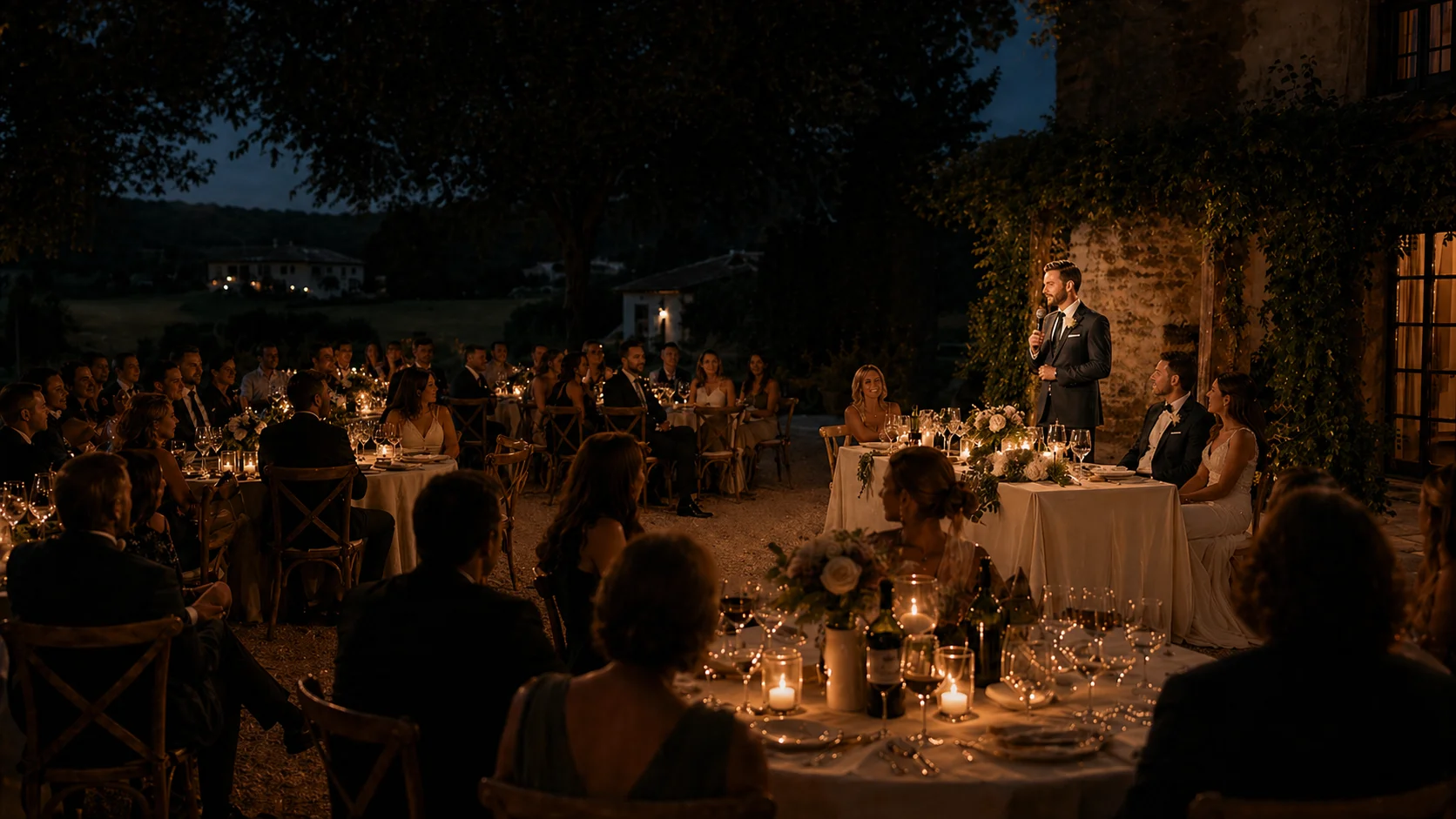
Speech Moment Checklist: What Makes a Toast Feel Held, Not Exposed
A wedding toast depends on more than good writing. It lands differently depending on attention, sound, timing, room tone, and the unspoken signals that tell a speaker whether the moment is carrying them or leaving them alone.

Bachelor Party – A Day Between Everyday Life and Wedding
A bachelor party is not a loud statement, but a quiet transition. People come together who have accompanied them on their journey so far. For a limited period, nothing is on the agenda except shared time. Planning provides stability, openness creates space. Whether for men or women: What's crucial is that the occasion suits the person. Then something unique emerges. Understated. Enduring.

Prenup Conversations Before the Wedding: What Should Be Said Early, Calmly, and Clearly
Prenup conversations are rarely only about money. This article looks at timing, fairness, family history, debt, business ownership, inheritance, legal advice, and the quiet concerns couples should name before paperwork begins.

Wedding Budget Conversations Checklist: What Should Be Said Before Money Turns Quiet
A wedding budget is rarely only about numbers. This checklist helps couples and families name financial expectations, priorities, and unspoken pressure before silence turns into confusion, tension, or unnecessary cost.
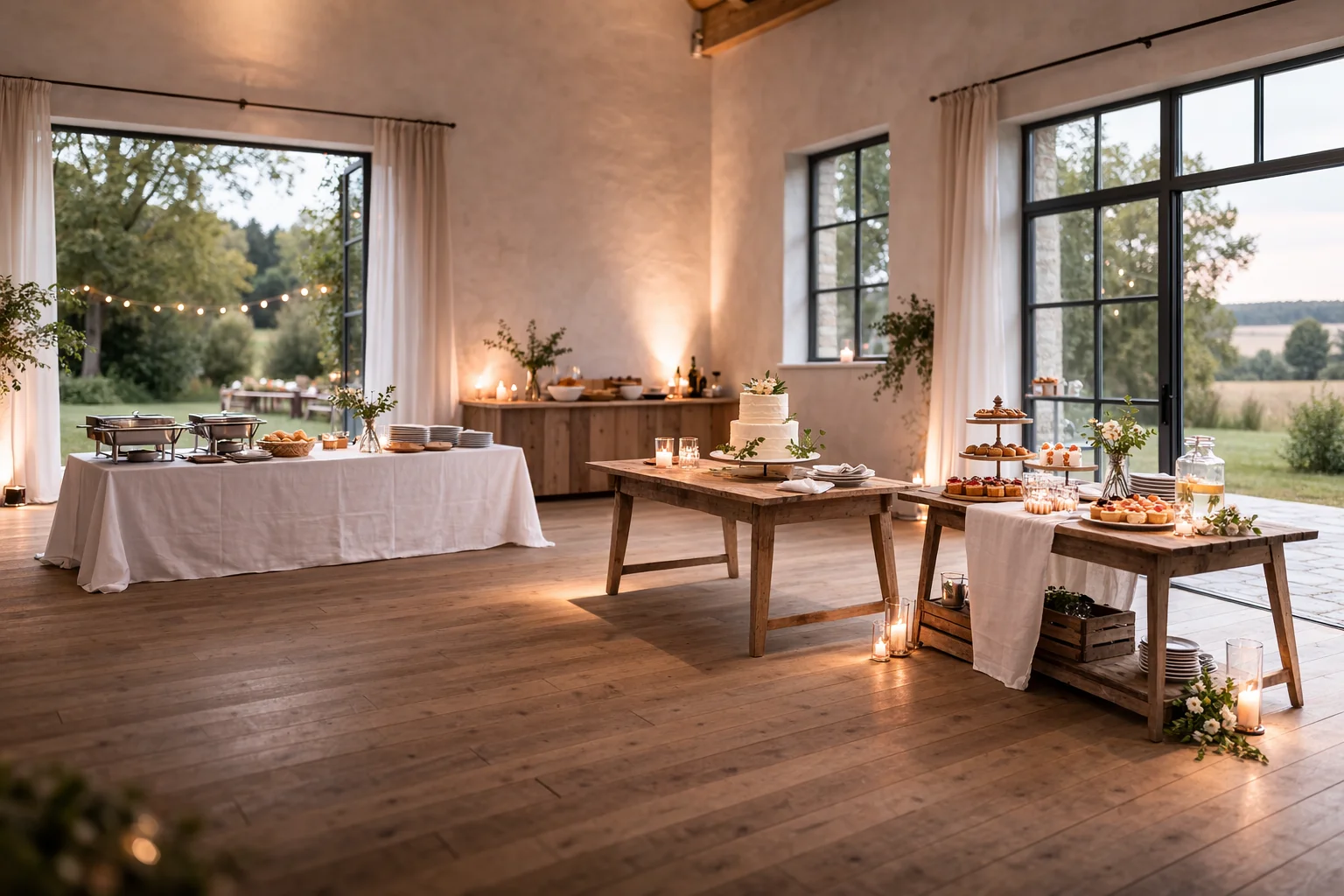
Flowers Near Food at Weddings: Buffet and Dessert Table Placement
Flowers sometimes end up close to food. Not always by clear decision. More because the rest of the room is already filled, and these zones remain. Then something gets added there too. It does not look unusual once it is in place.
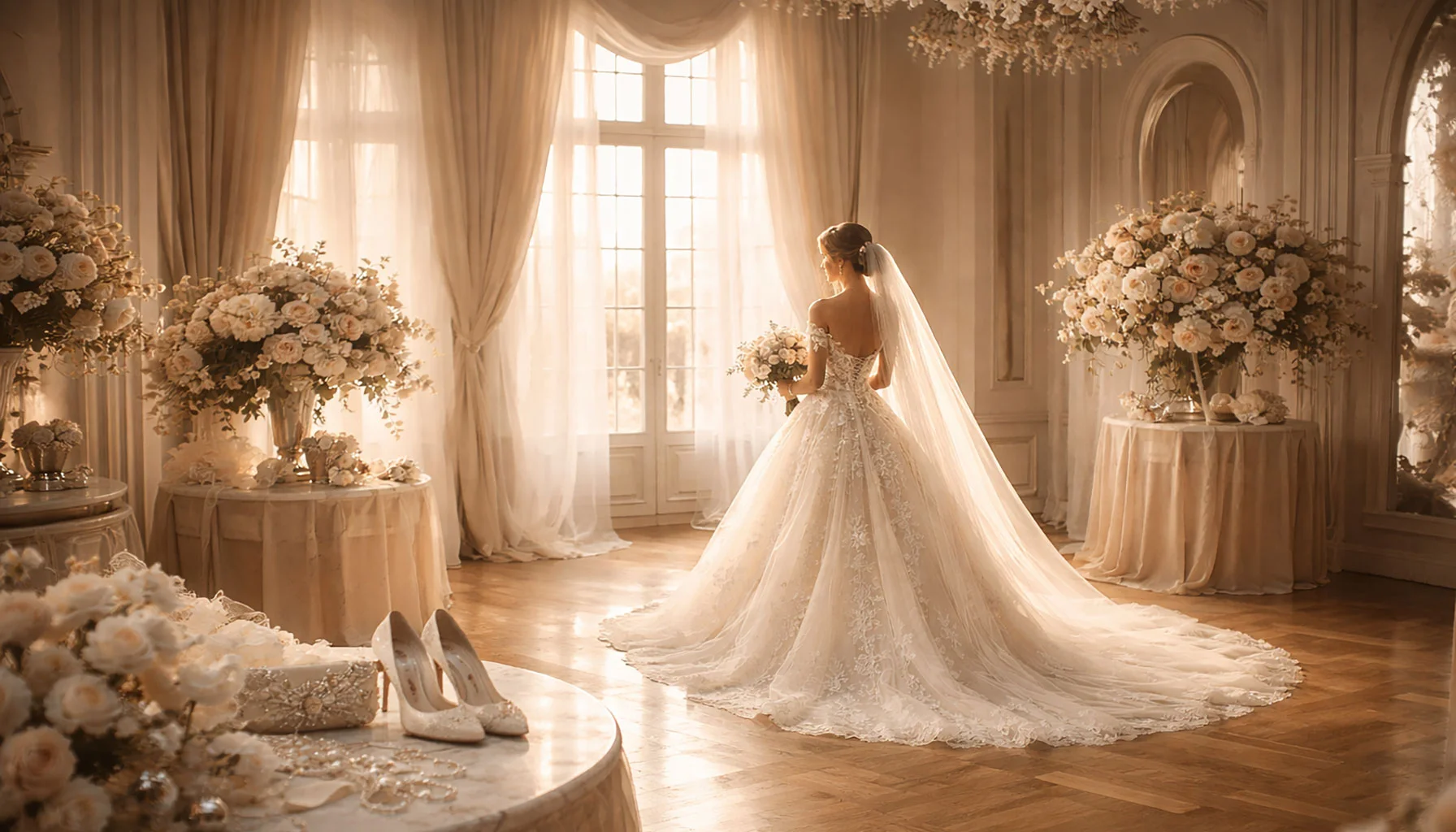
Bridal Fashion and Attire: Timeless Elegance, Modern Trends and the Art of an Unforgettable Bridal Look
Bridal fashion is rarely a single decision. It develops through fittings, conversations, and gradual adjustments until the visible result feels settled rather than assembled. This article looks at bridal fashion as a composed form of presence shaped by dress, styling, material, and the quieter language of what a bridal look communicates without needing to say it aloud.
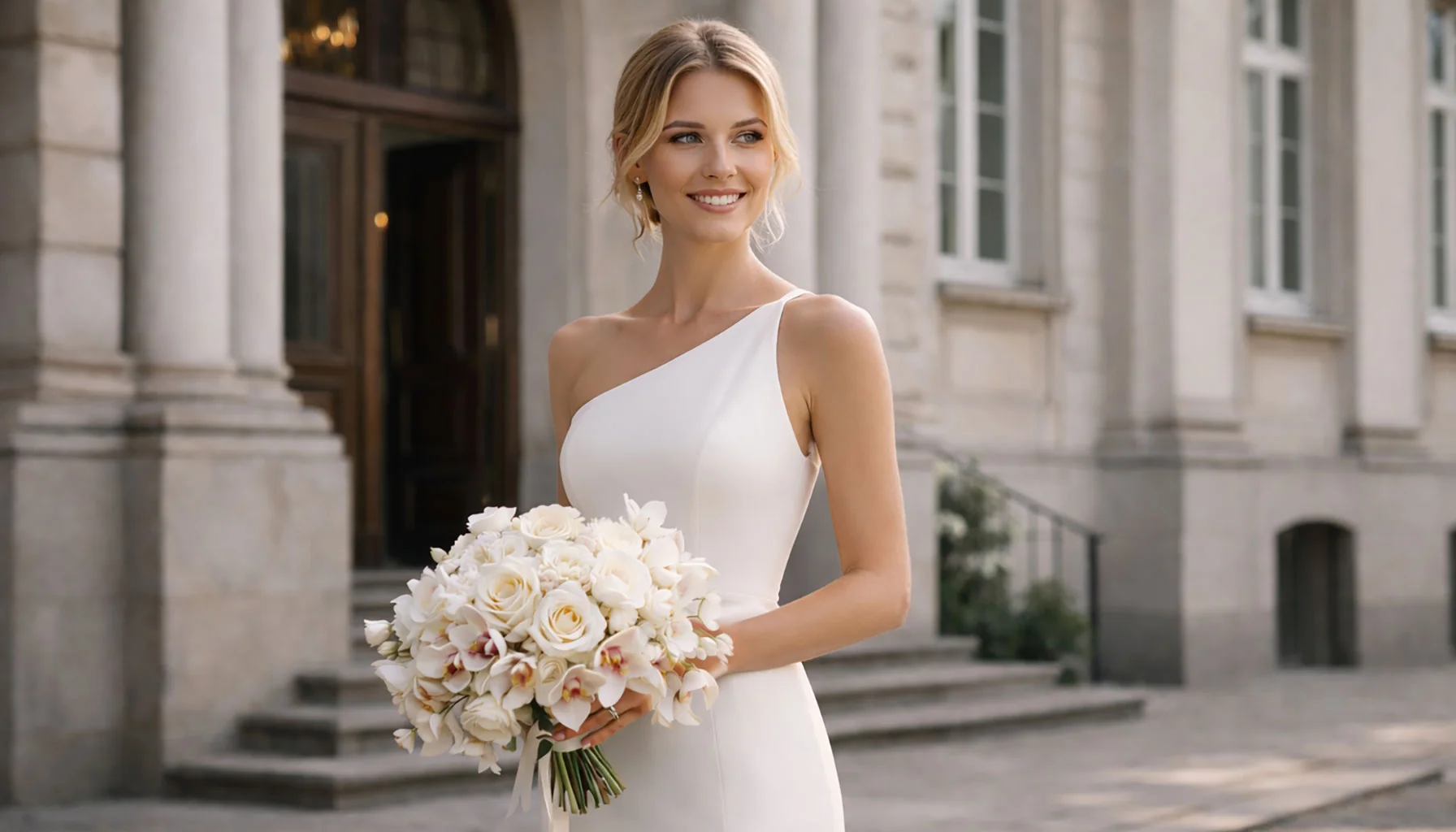
A Love Made Official: A Bridal Look for the Civil Ceremony
Civil ceremonies tend to be focused and quiet. The setting is smaller, the attention sharper. In this context, the bridal look does not perform. It supports. Fabric, cut, and proportion matter more than embellishment. What remains is a look that fits the moment, allows presence, and feels appropriate long after the ceremony ends.

Last-Week Wedding Checklist: What Still Needs Attention Shortly Before the Day
The last week before a wedding is rarely about major decisions. It is about clarifying what still has weight, what can no longer be improved by adding more, and what needs to be named before it starts shaping the day in silence. This article looks at what still deserves attention shortly before the wedding and why the unspoken layer often matters most at that stage.
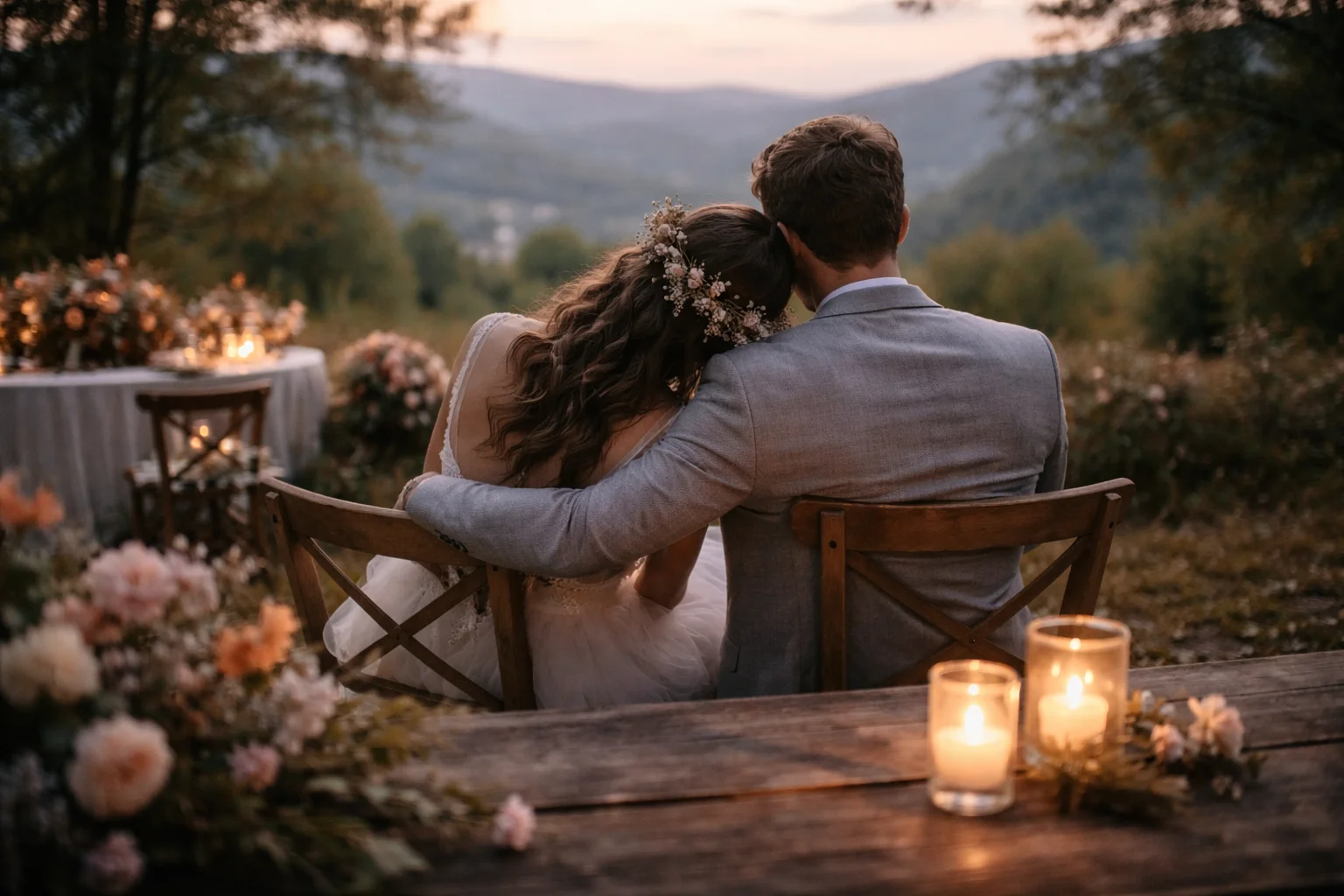
A Timeline Holds the Day, Silence Holds the Meaning
A wedding timeline organizes what happens. But what shapes the experience often lives in the pauses, the unspoken moments, and the space between events.
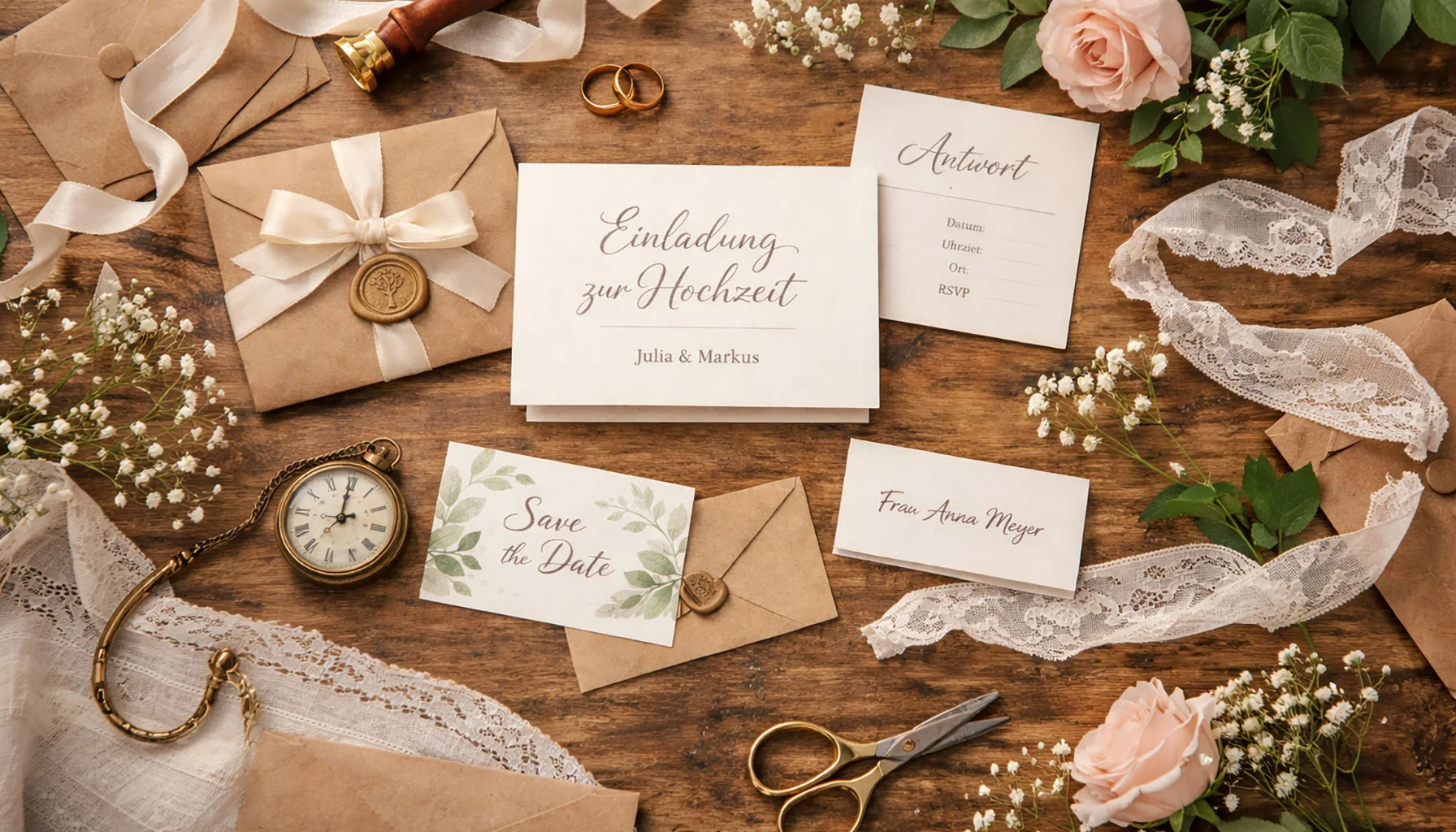
Inviting With Care
A wedding invitation does more than share a date. It begins shaping tone, expectation, and emotional distance long before anyone arrives. This article looks at invitations as the first quiet threshold of a wedding, where clarity, restraint, and what remains unsaid start doing their work.
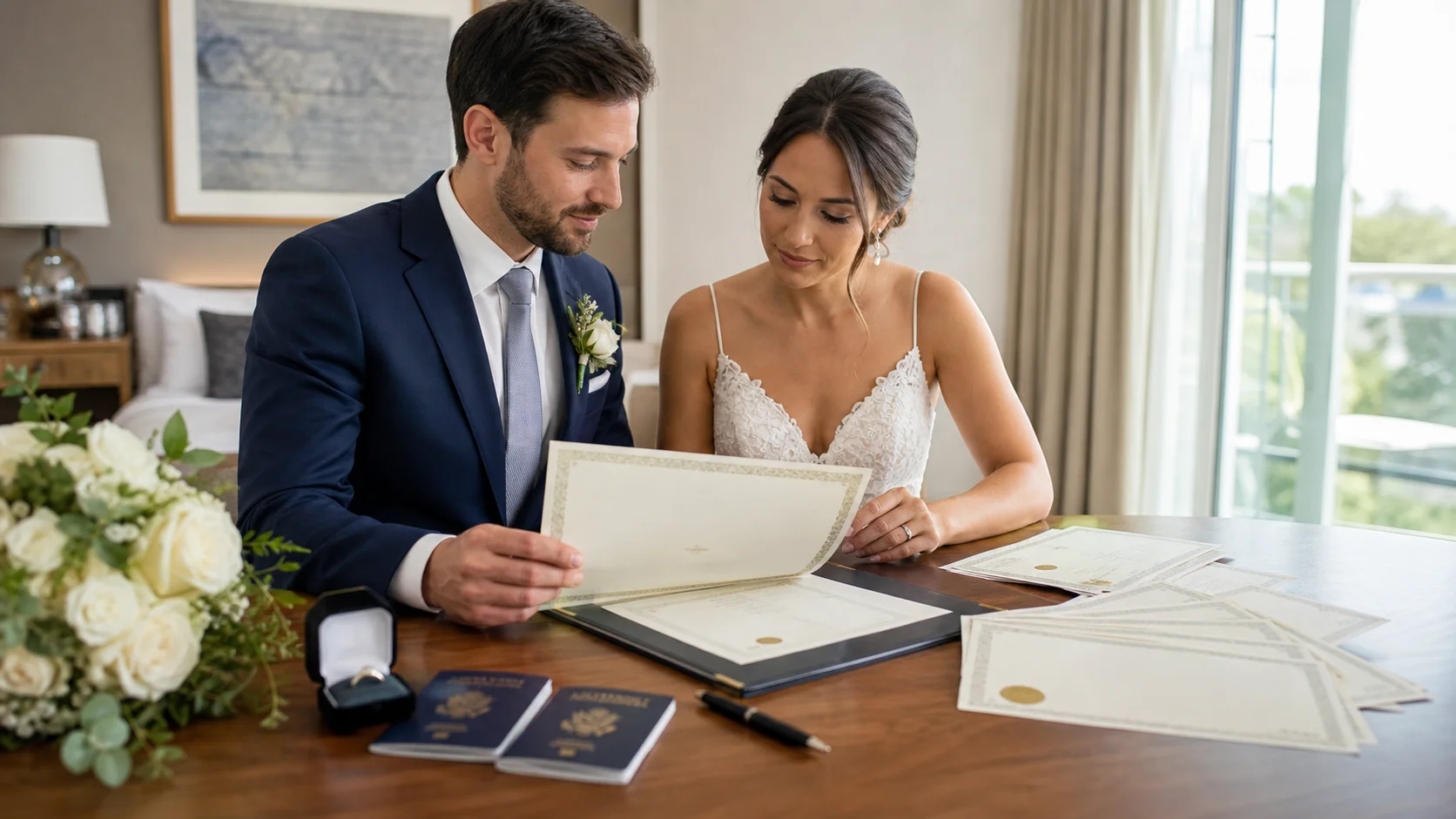
Marriage Certificate Checklist: Why One Document Keeps Returning After the Wedding
A marriage certificate often feels like the final paper of the wedding, but it keeps returning in ordinary life. This article looks at certified copies, scans, translations, apostilles, name changes, travel, banking, insurance, and the quiet imprint one document leaves after the celebration.