
Looking good on the wedding day – quiet preparation, visible effect
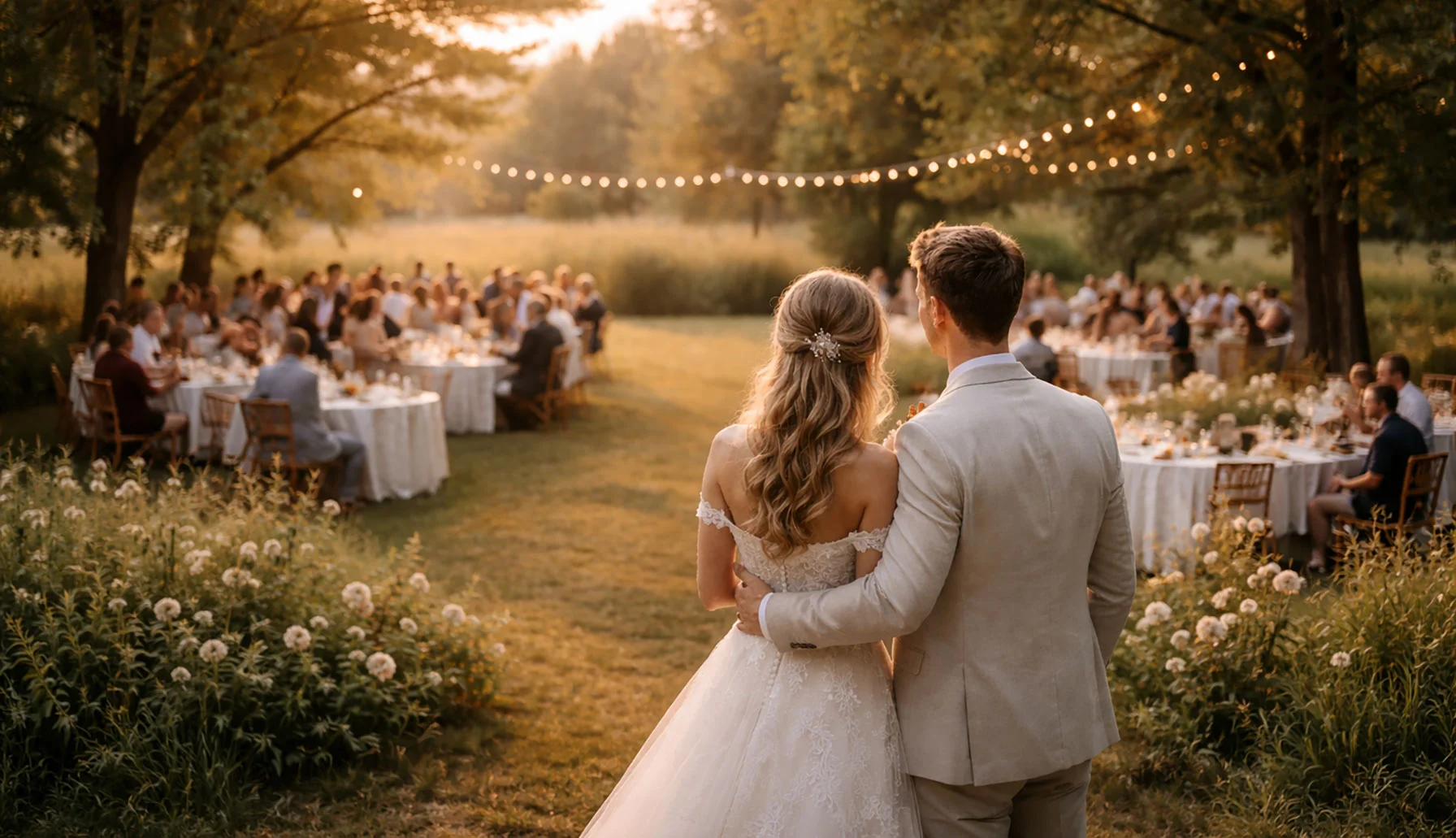
Looking good on your wedding day – what has been observed over the years
On the wedding day, outwardly, often less happens than one expects. And that's exactly what seems to work. People don't look different, they appear different. A little calmer in the face. More alert. Sometimes simply more composed. If you look closely, you'll notice: It's rarely a major intervention. It's the preparation that is barely noticeable.
For weddings that remain long in memory, little was improvised beforehand. Things were allowed to develop. Skin, hair, habits. On the day itself, not much is decided anymore. That takes pressure off. And you can see it.
The Bride – Observations without an Ideal Image
For brides, it's noticeable that a calm complexion is more important than any coverage. Those who start regular skincare weeks in advance will hardly need any correction on the wedding day. Skin reacts to sleep, touch, breaks. This cannot be covered up, but it can be supported.
Hairstyles look harmonious when they don't surprise. Updo or open hair plays less of a role than the feeling of recognizing oneself in it. Hair that is allowed to retain its natural fall moves more easily. And often holds better than expected.
Make-up usually remains subtle. Not invisible, but close to the face. Eyes appear clearer, not more dramatic. Lips calm. Photos often show later that precisely this subtlety endures.
The Groom – Order Instead of Change
For the groom, impact often comes from consistency. Those who define and maintain their style weeks in advance appear confident on the wedding day. Beard or clean-shaven is not a fundamental question. What's important is that it looks intentional, not new.
Hair that is a few weeks old often sits better than freshly cut hair. Contours are in place without looking severe. Small adjustments are sufficient. Major changes are noticed faster than intended.
Grooms' hands often come into focus late. Yet they are constantly visible. During the ring exchange. When receiving congratulations. Well-groomed nails and calm skin appear natural. Precisely for this reason, they remain positively in memory.
Timeline – Bride
- 6–12 months before: Establish skincare routine and stick to it
- 4–6 months before: Test hairstyle without pressure to decide
- 2–3 months before: Make-up trial under real light
- 4 weeks before: no more major hair changes
- 1 week before: Focus on rest, sleep, hydration
- 1 day before: as few stimuli as possible
- Wedding day: only support, do not correct
Timeline – Groom
- 3–6 months before: Define hair and beard style
- 4 weeks before: last major haircut
- 2 weeks before: consistent simple skincare
- 3–5 days before: Plan beard or shave
- 1 day before: Care for hands and nails
- Wedding day: do not try anything new
Voices from Experience
“I didn't look made up. I looked rested. That was the difference.”— Bride
“It felt like me, just more put together.”— Groom
“In the morning, there was nothing left to do. That was perhaps the best part.”— Bridal Couple
In Conclusion
Looking good on your wedding day is not a moment, but a process. Those who take their time appear confident. This confidence carries through. It shows in photos, in encounters, sometimes only later. But it remains.
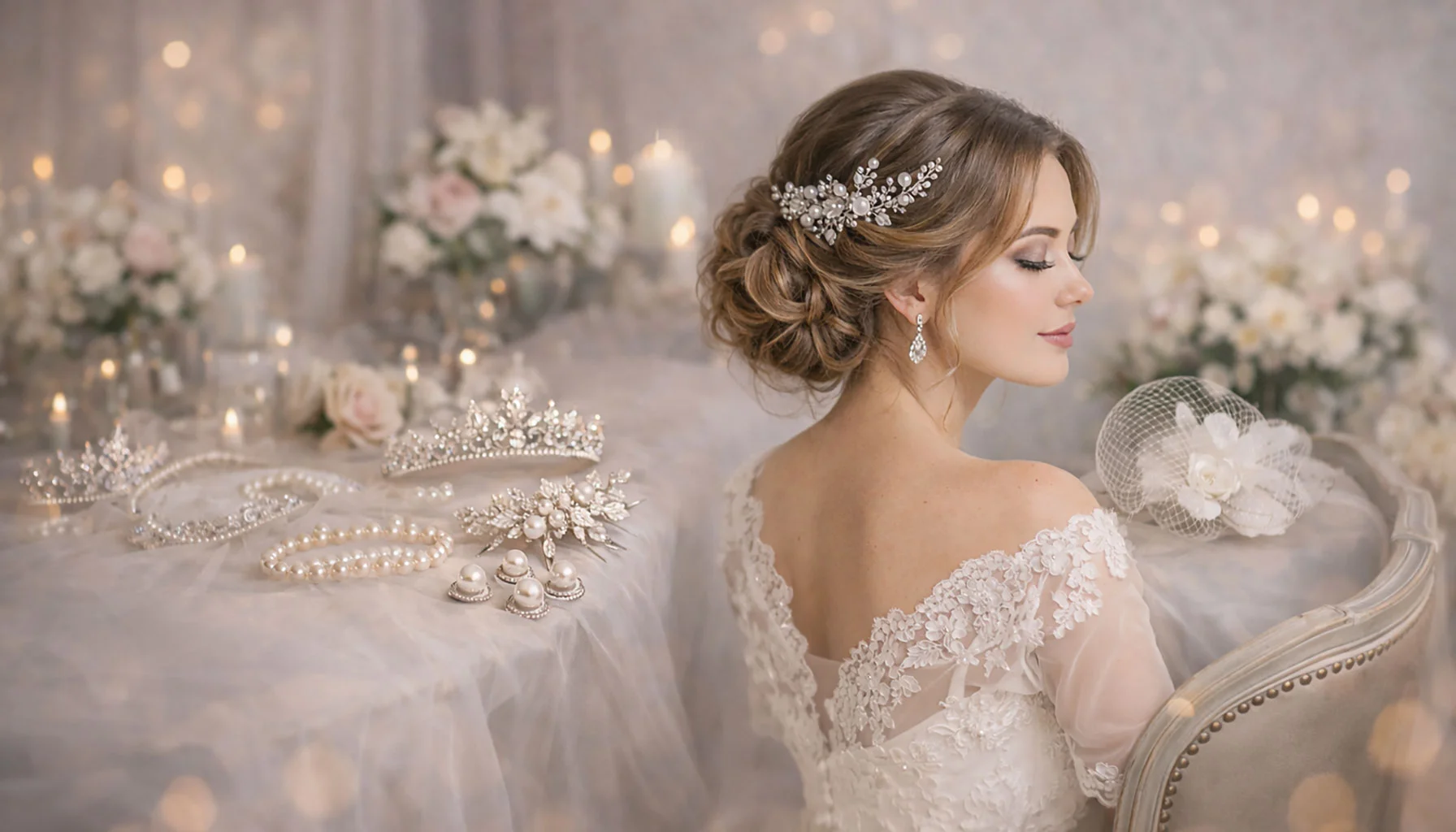
The bridal hairstyle is a functional part of the overall look. It frames the face, complements the dress, and must remain stable for many hours. In practice, convincing hairstyles emerge when hair structure, proportion, and daily routine are considered together. Less effect, more harmony.
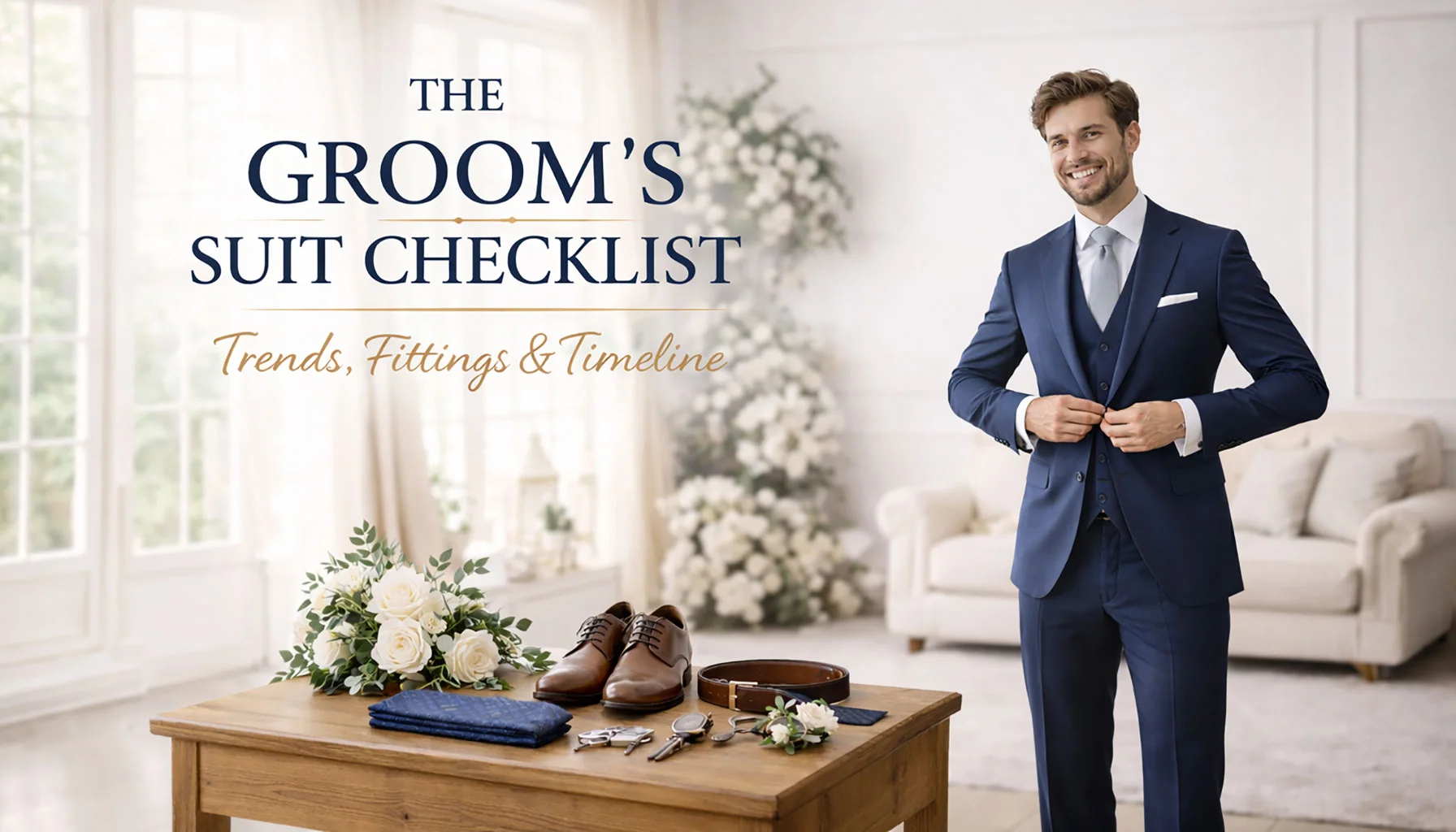
A wedding suit is not created by a single decision, but by coordination over time. Cut, fabric, and fit develop in interaction with the occasion, movement, and personality. When these elements come together, the suit subtly accompanies the day and allows room for presence.
Related Articles
The Bride Look Begins Long Before the Dress
The bride look is often discussed as a final decision. A dress, a hairstyle, a set of details chosen close to the wedding day. It appears as something visual, something assembled. But in practice, it rarely starts there.
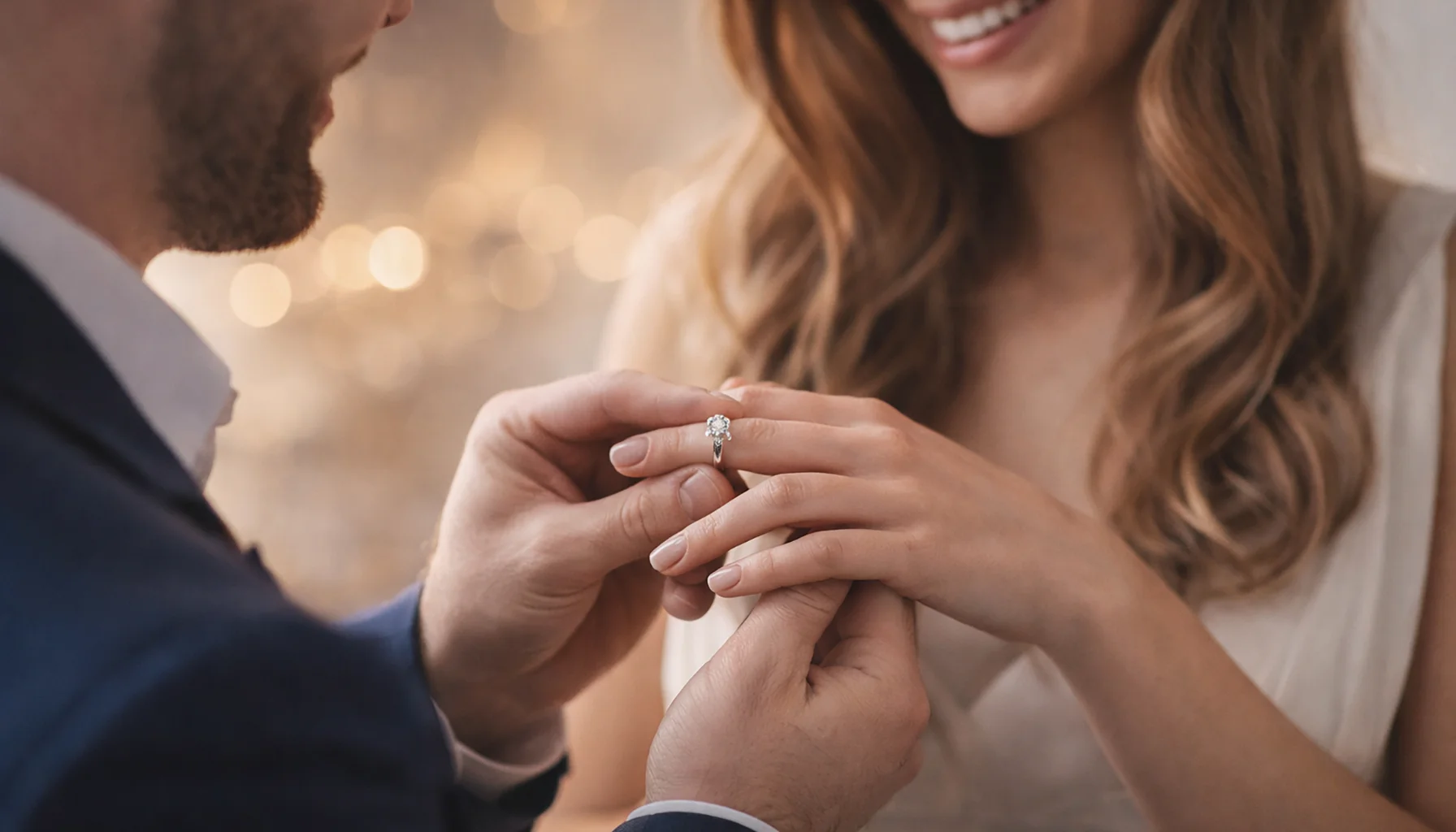
Engagement Ring and Wedding Ring: Two Moments, One Commitment
Engagement ring and wedding ring mark different stages of the same decision. One appears at the beginning, often tied to a single moment. The other enters daily life and stays there. Their forms, materials, and proportions follow different needs, yet they are meant to exist together. Understanding how they differ helps explain why both matter, and why their combination often says more than either ring alone.

Bachelor Party – A Day Between Everyday Life and Wedding
A bachelor party is not a loud statement, but a quiet transition. People come together who have accompanied them on their journey so far. For a limited period, nothing is on the agenda except shared time. Planning provides stability, openness creates space. Whether for men or women: What's crucial is that the occasion suits the person. Then something unique emerges. Understated. Enduring.
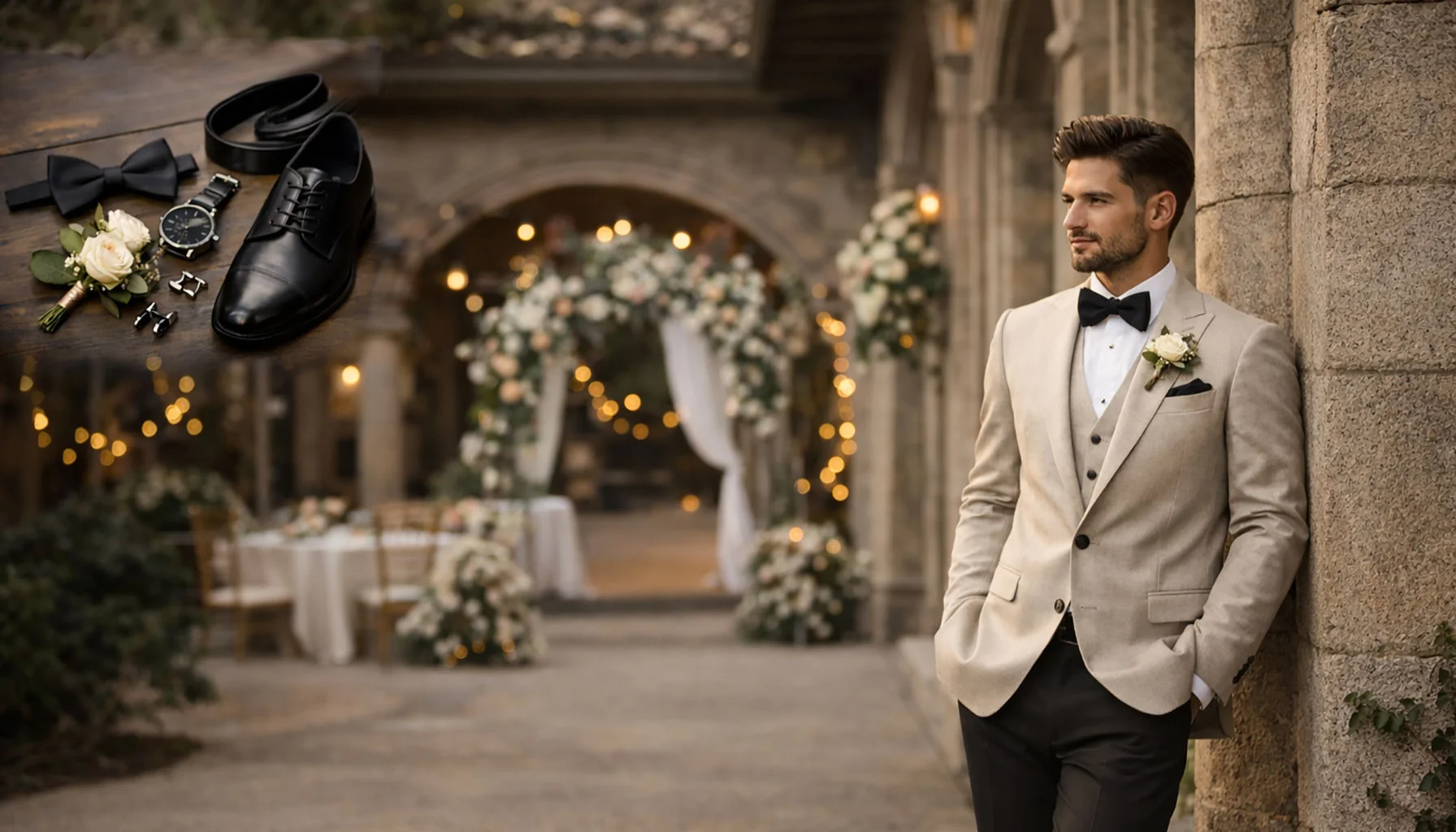
The Art of Groom’s Style – Timeless Elegance, Modern Trends & Personal Expression for an Unforgettable Wedding Day
Groom’s style has become a stable part of modern wedding design. It no longer follows a fixed formula, yet it also avoids constant reinvention. This article looks at groom style as a form of visual presence shaped by fit, material, context, and the ritual structure of the wedding day.
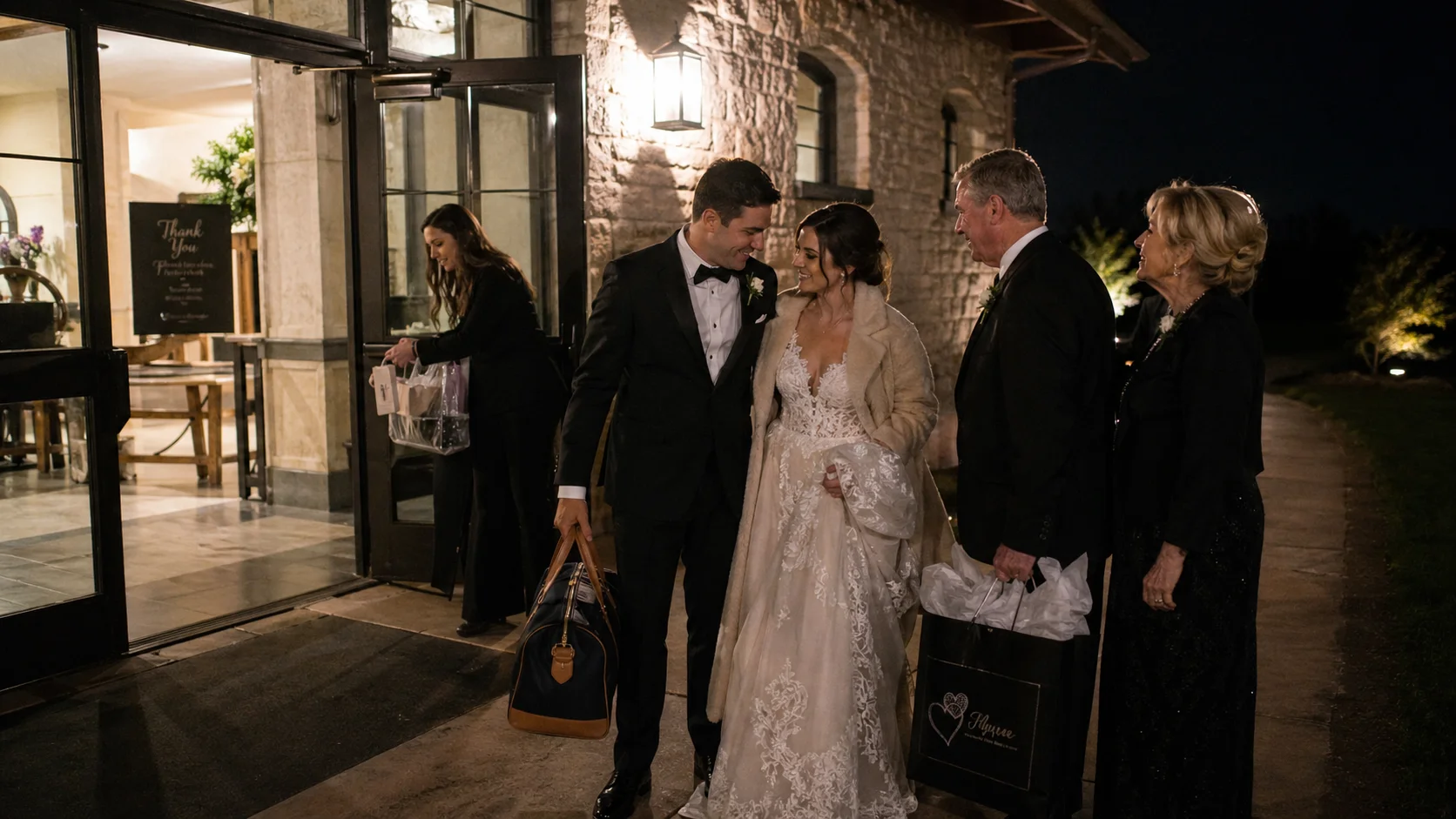
Exit Checklist: What Matters in the Last Thirty Minutes of a Wedding Night
The end of a wedding rarely happens in one clean moment. This article looks at the last thirty minutes of the night, from transport and personal items to final goodbyes, vendor handovers, and the quiet beginning of what comes after.
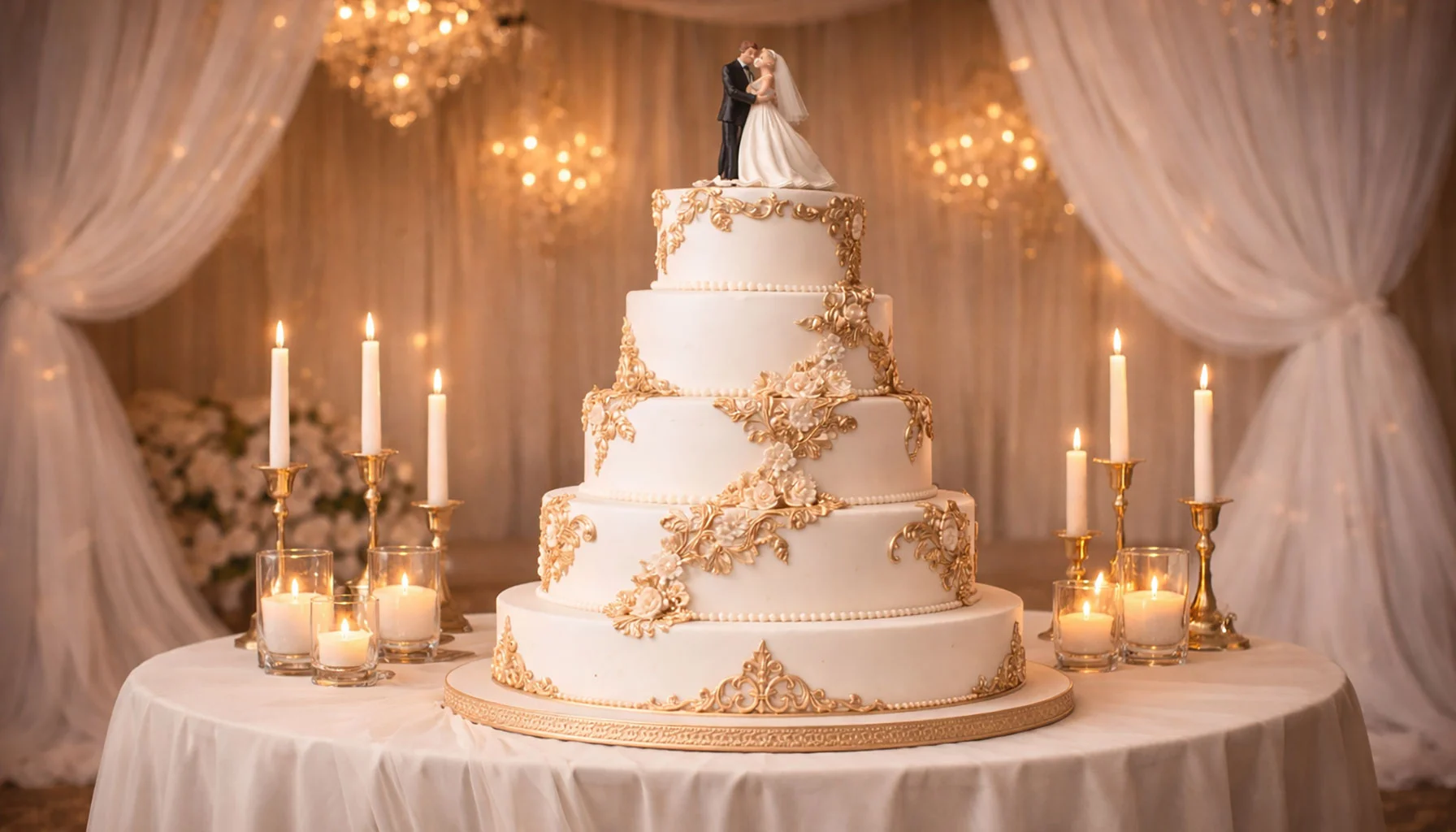
The Wedding Cake – Where Romance, Craftsmanship and Love Meet
The wedding cake is rarely the loudest element of a celebration, yet it often becomes one of the most shared moments. It appears later in the day, when guests have settled, conversations have softened, and attention can gather without effort. More than a dessert, it marks a pause in the rhythm of the wedding. Its presence is quiet, its impact collective. When design, taste, and timing align, the cake becomes part of the experience rather than a separate program point.
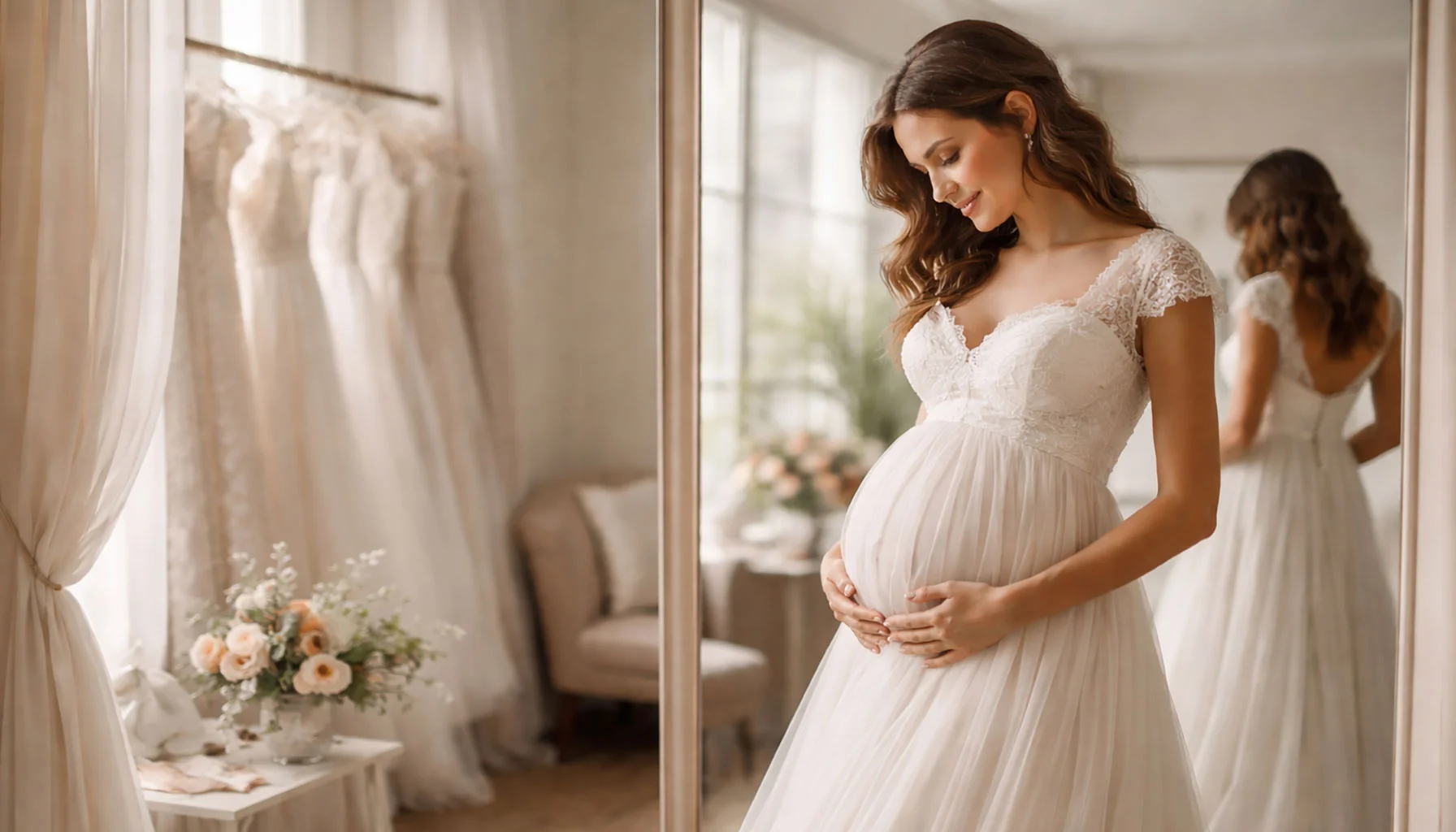
The Wedding Dress During Pregnancy
A wedding dress chosen during pregnancy follows different rules, even when no one names them. The body leads. The day sets limits. Decisions are shaped by comfort, timing, and how the dress behaves over hours rather than moments. This text looks at maternity wedding dresses as they appear in fittings, ceremonies, and recollections afterward. Not as ideals, but as garments that had to work. The focus stays on what proved suitable, calm, and lasting, without dramatizing the process or framing it as exception.
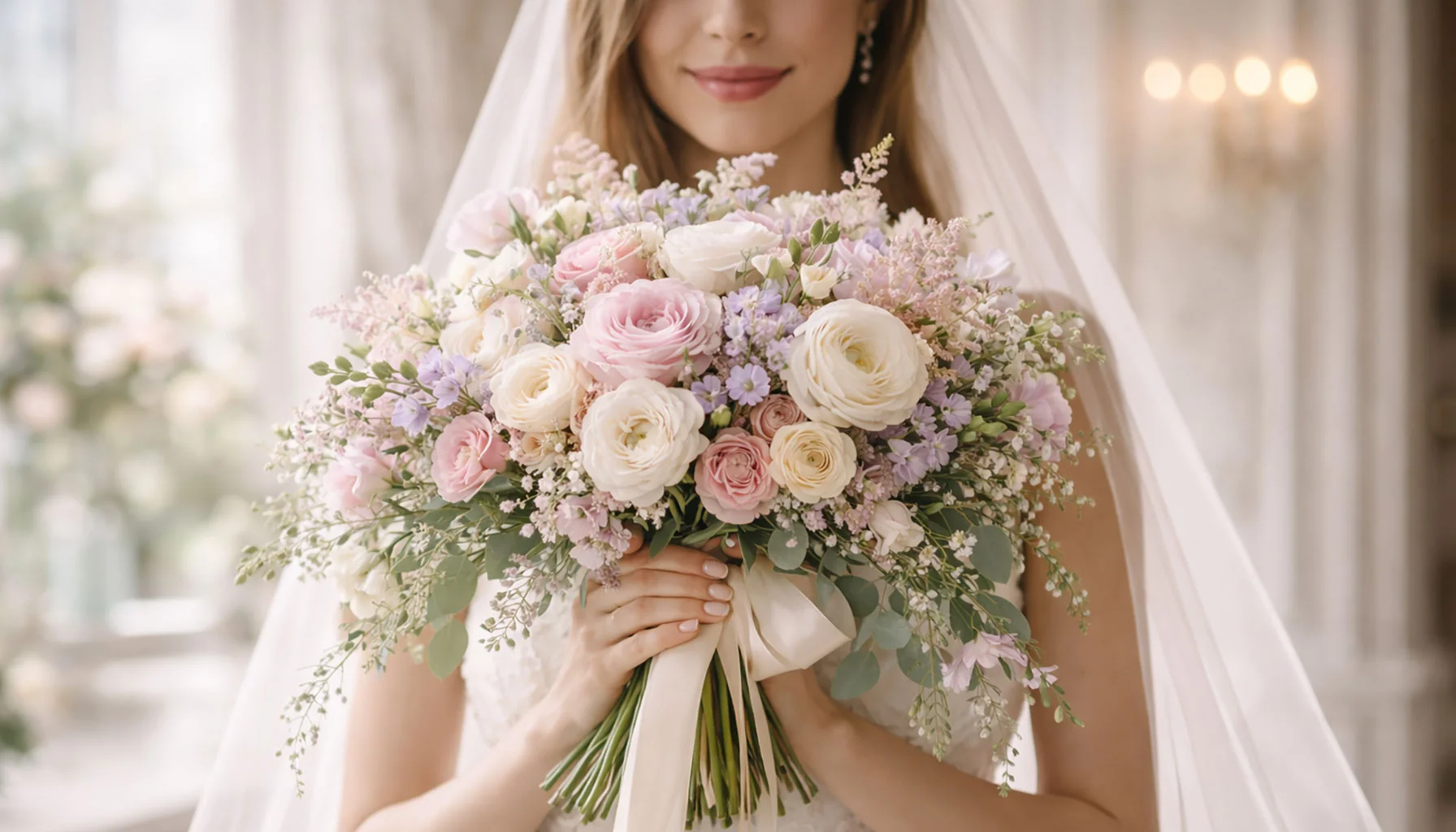
The Bridal Bouquet: A Silent Expression of Love, Style, and Timeless Emotion
The bridal bouquet accompanies the bride throughout the wedding day. It is held, adjusted, set aside, and taken up again. Its impact comes from balance rather than attention. Shape, weight, and color align with movement and appearance and become part of what is remembered.
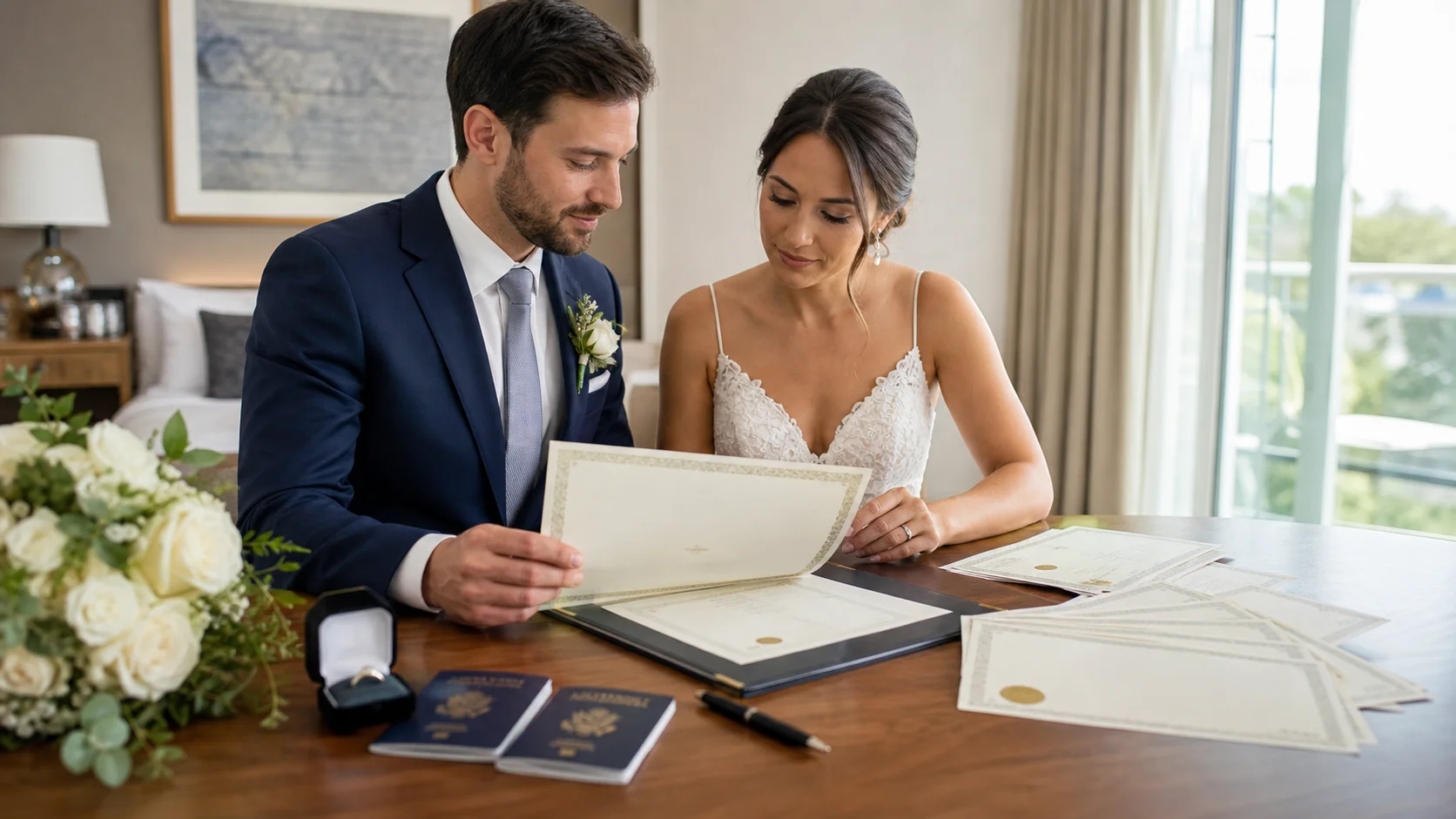
Marriage Certificate Checklist: Why One Document Keeps Returning After the Wedding
A marriage certificate often feels like the final paper of the wedding, but it keeps returning in ordinary life. This article looks at certified copies, scans, translations, apostilles, name changes, travel, banking, insurance, and the quiet imprint one document leaves after the celebration.
The Bridal Hairstyle as a Quiet Part of the Whole
A bridal hairstyle supports the entire look. It frames the face, works with the dress, and needs to hold throughout the day. In practice, the most convincing results come from aligning hair texture, proportion, and the flow of the wedding day. Less display. More coherence.
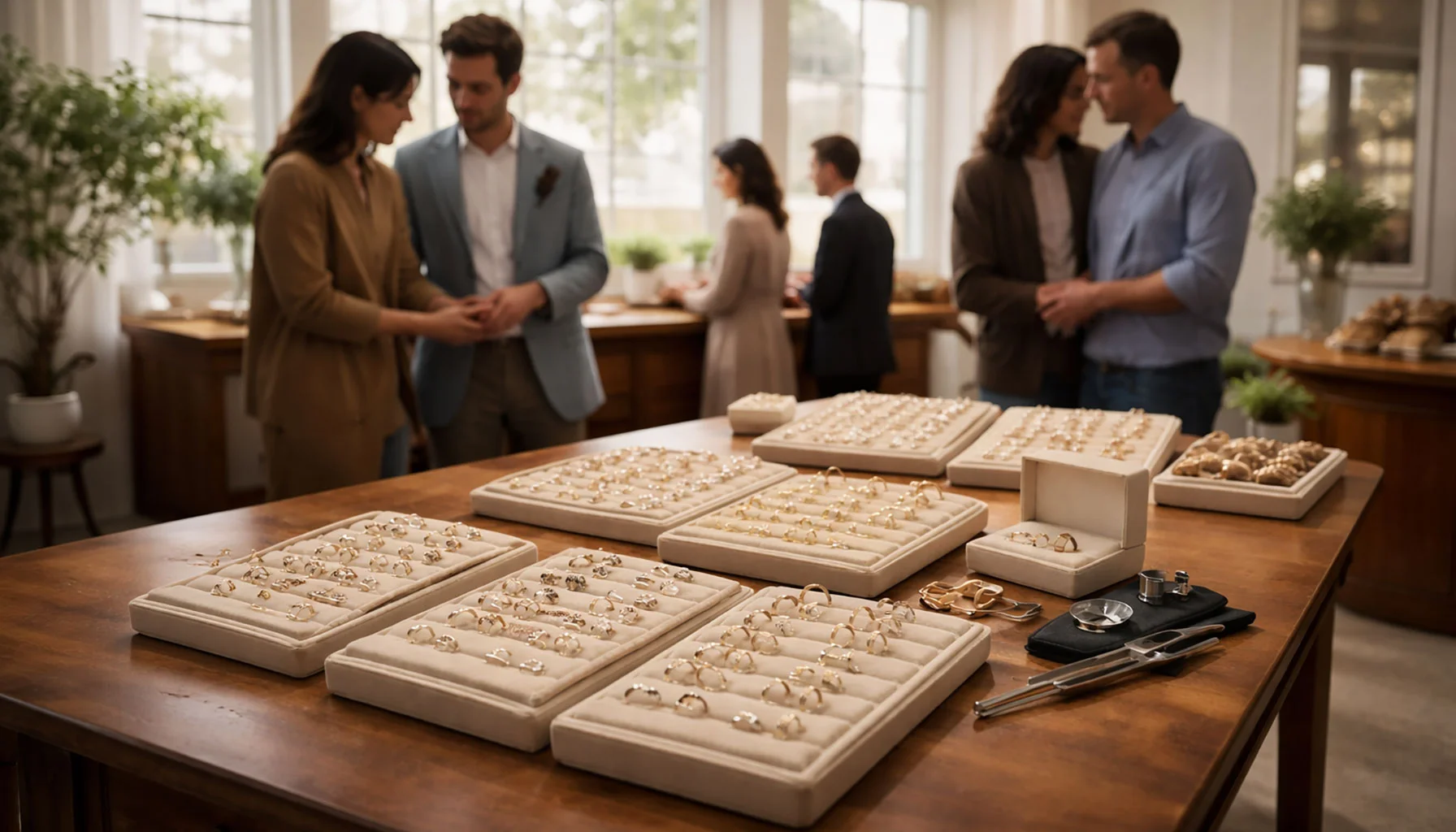
Wedding Rings Between Decision and Everyday Life
Wedding rings are rarely chosen as display objects. They are chosen for repetition, for wear, for the fact that they will remain present long after the ceremony itself has passed. This article looks at wedding rings through width, material, setting, and everyday use, while connecting them to the quieter emotional state of waiting that often surrounds such decisions.
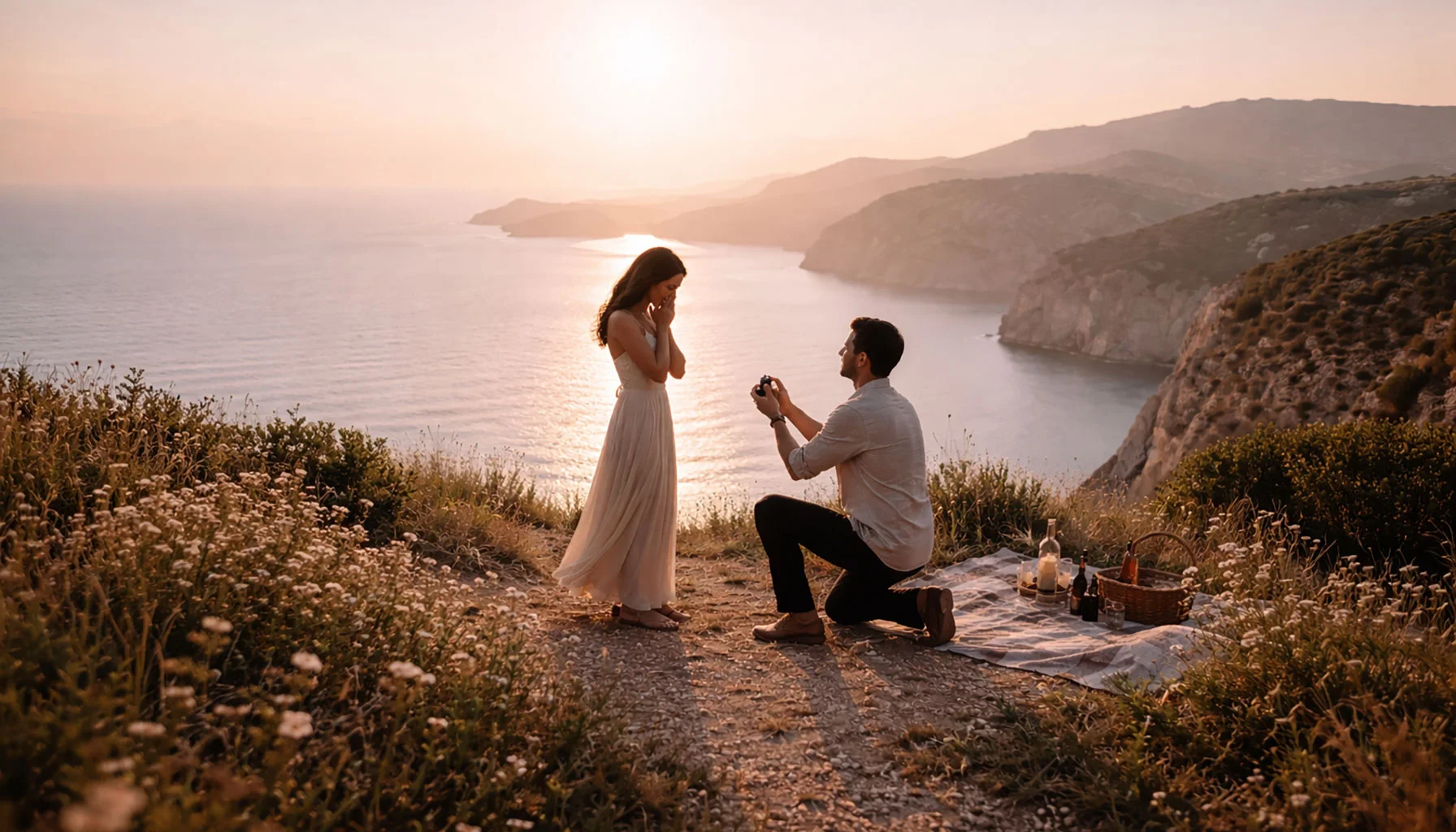
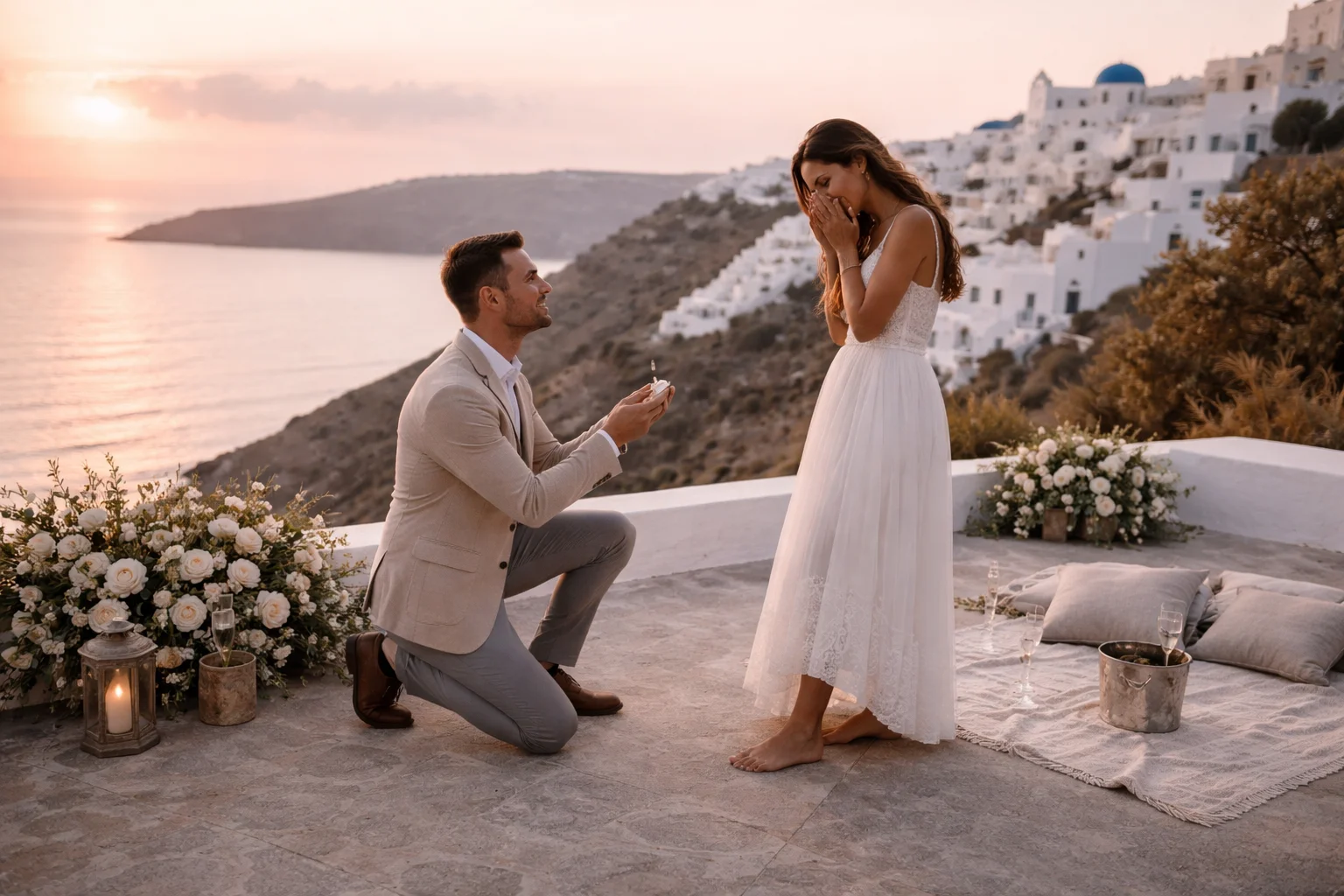
The Marriage Proposal: A Moment between Decision and Trust
A marriage proposal is rarely only a surprise. More often, it gathers what has already grown in conversations, decisions, and quiet alignment. This article looks at the proposal as a visible threshold between decision and trust, while keeping close to lived experience, ring choice, gesture, timing, and the open reality of what may follow.