
The Art of Groom’s Style – Timeless Elegance, Modern Trends & Personal Expression for an Unforgettable Wedding Day
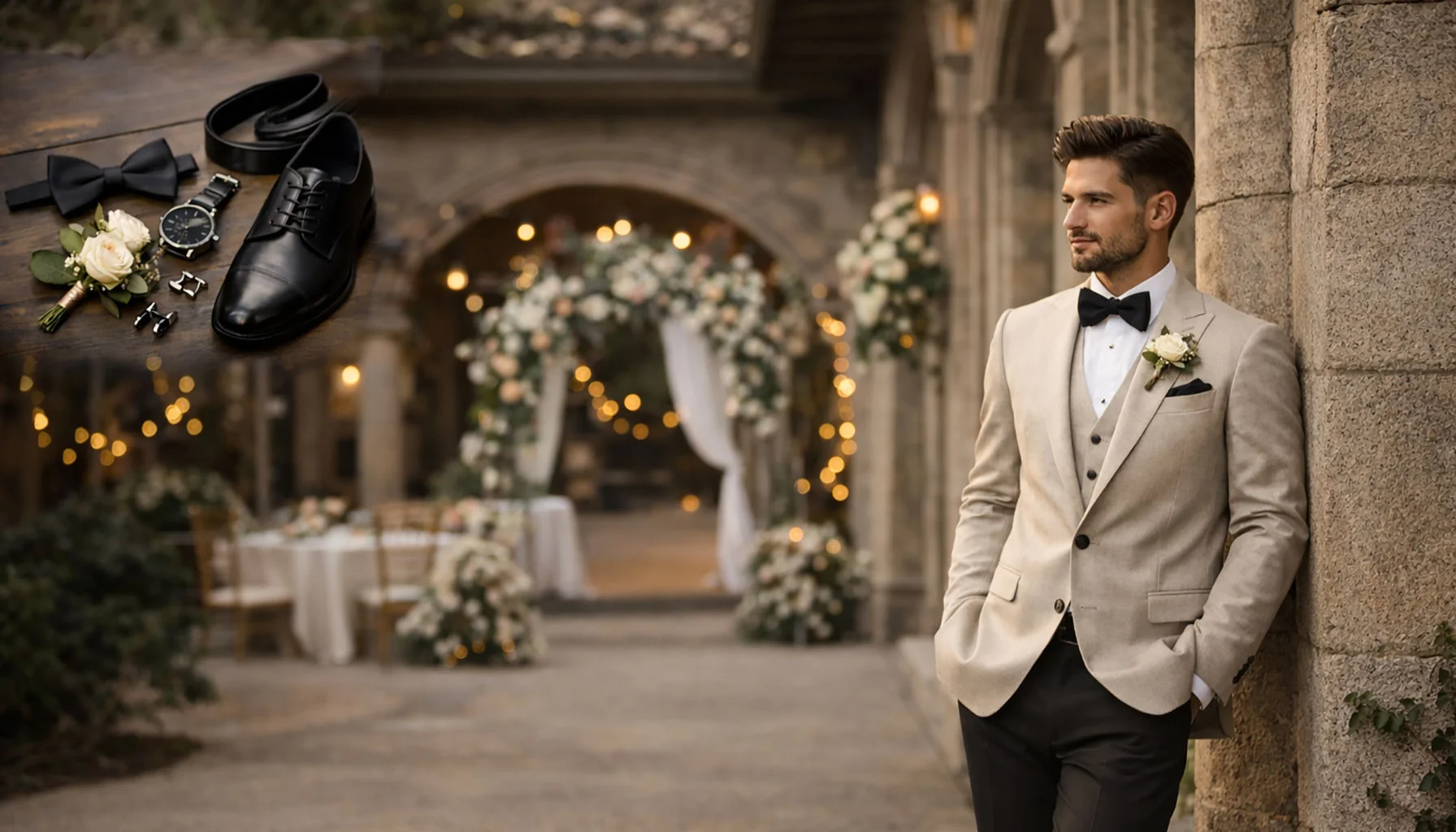
Groom’s style has become a stable part of modern wedding design. It no longer follows a fixed formula, but it also avoids constant reinvention. The groom’s appearance now functions as a visual anchor. It relates to place, season, cultural context, and the overall rhythm of the day. When choices are coherent, the look remains consistent from ceremony to evening without requiring adjustment.
The emphasis has shifted from formality toward alignment. Structure remains relevant, but it is softened by flexibility. Materials, colors, and details are selected with attention to light, duration, and movement. A well-built groom’s style does not seek attention. It holds presence. This is why the subject belongs naturally to both Groom and Wedding Rituals. On Loving Rocks, the groom category already treats the groom look as part of the ceremony rather than a separate style topic, while Wedding Rituals describes the point where private commitment takes visible public form. Groom style becomes meaningful exactly there: when clothing helps the body enter ritual space with clarity.
GroomStyle and confidence come together in the groom’s overall appearance on the wedding day. From the suit and shoes to accessories and grooming details, each element contributes to a polished and personal look. A well-chosen groom look complements the wedding style, reflects personality, and ensures the groom feels comfortable and self-assured throughout the celebration.
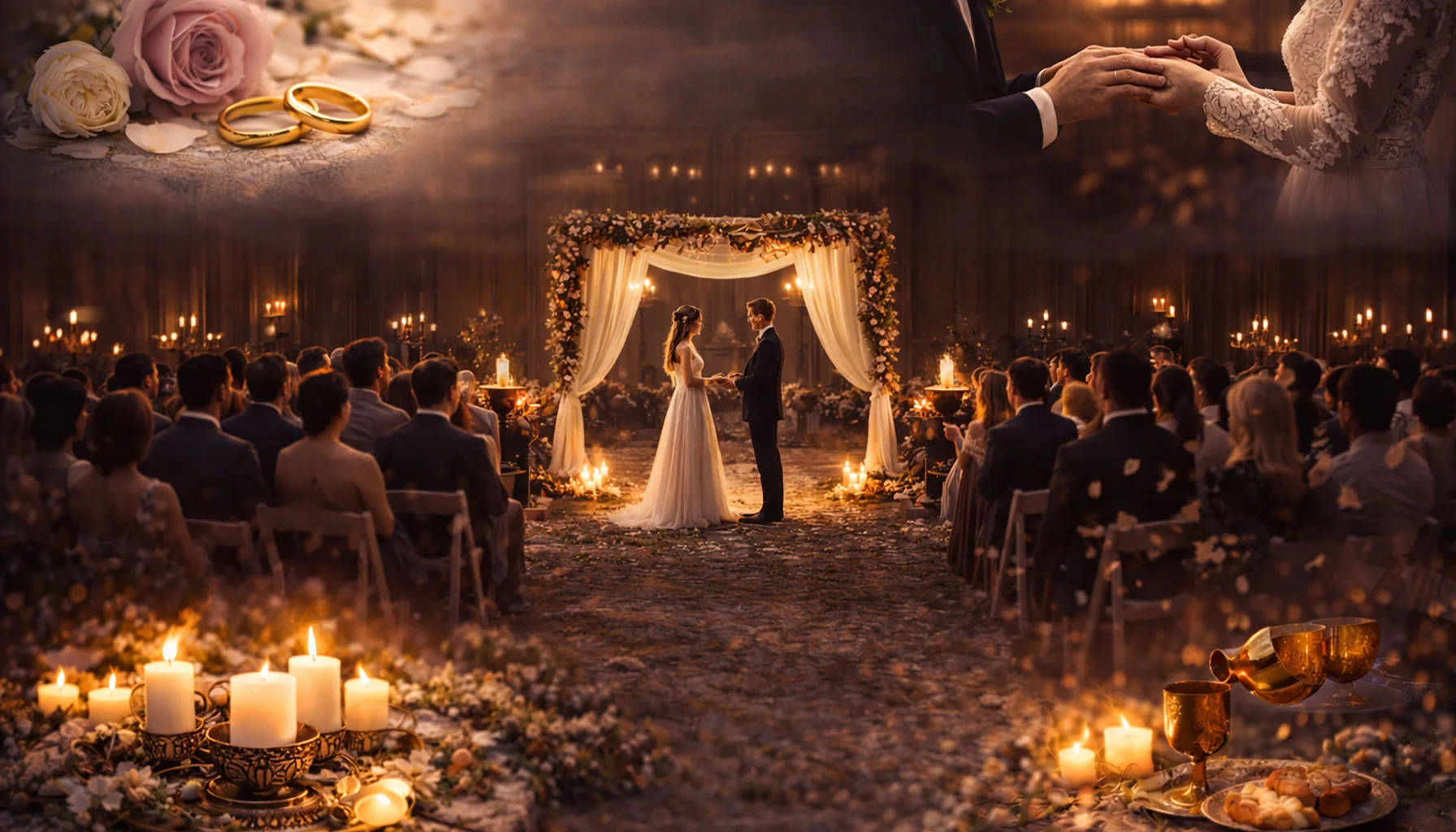
Wedding rituals are where private commitment meets public tradition. Symbols, gestures, and ceremonies attempt to hold what love alone cannot carry by itself.
What Groom’s Style Represents Today
Contemporary groom’s style reflects balance rather than statement. Traditional references still exist, but they are adapted instead of followed. The outfit responds to the wedding concept without competing with it. It remains identifiable while fitting naturally into its surroundings.
- Personal expression without rigid dress codes
- Visual harmony with partner, venue, and design language
- Details chosen for proportion and function
- Comfort that supports long wear and natural movement
A successful groom’s look feels composed. It does not rely on explanation.
The Suit: Foundation, Fit, and Construction
The suit remains the structural base of groom’s style. Its impact is determined primarily by fit and construction, not by brand or cost. Clean shoulders, correct sleeve length, and trousers that fall naturally establish clarity. When proportions align, the suit holds its shape without added emphasis.
- Classic tailoring with controlled structure
- Modern cuts with softer construction and reduced padding
- Textured fabrics that add depth without shine
- Lightweight materials for warm climates or outdoor venues
The goal is stability. The suit should remain visually consistent across the day.
Color and Material Direction
Color choices have expanded beyond black and navy. Muted greens, warm browns, soft grays, and desaturated blues appear frequently. The primary concern is how color behaves under changing light. Shades that remain stable in daylight and artificial lighting tend to age well in photographs.
- Earth tones for natural and outdoor settings
- Deeper shades for evening or winter ceremonies
- Light neutrals for spring and summer weddings
- Tonal layering within one color family
Material choice supports this effect. Matte and textured fabrics read calmer than high-shine surfaces.
Accessories and Reduction
Accessories are used with restraint. Their role is continuity rather than emphasis. One considered element often defines the look more clearly than multiple decorative details. Proportion, placement, and material matter more than visibility.
- Ties or bow ties matched to fabric weight and formality
- Pocket squares folded simply and used sparingly
- Shoes selected according to venue, surface, and duration
- Grooming planned for consistency rather than effect
Groom and Groomsmen Coordination
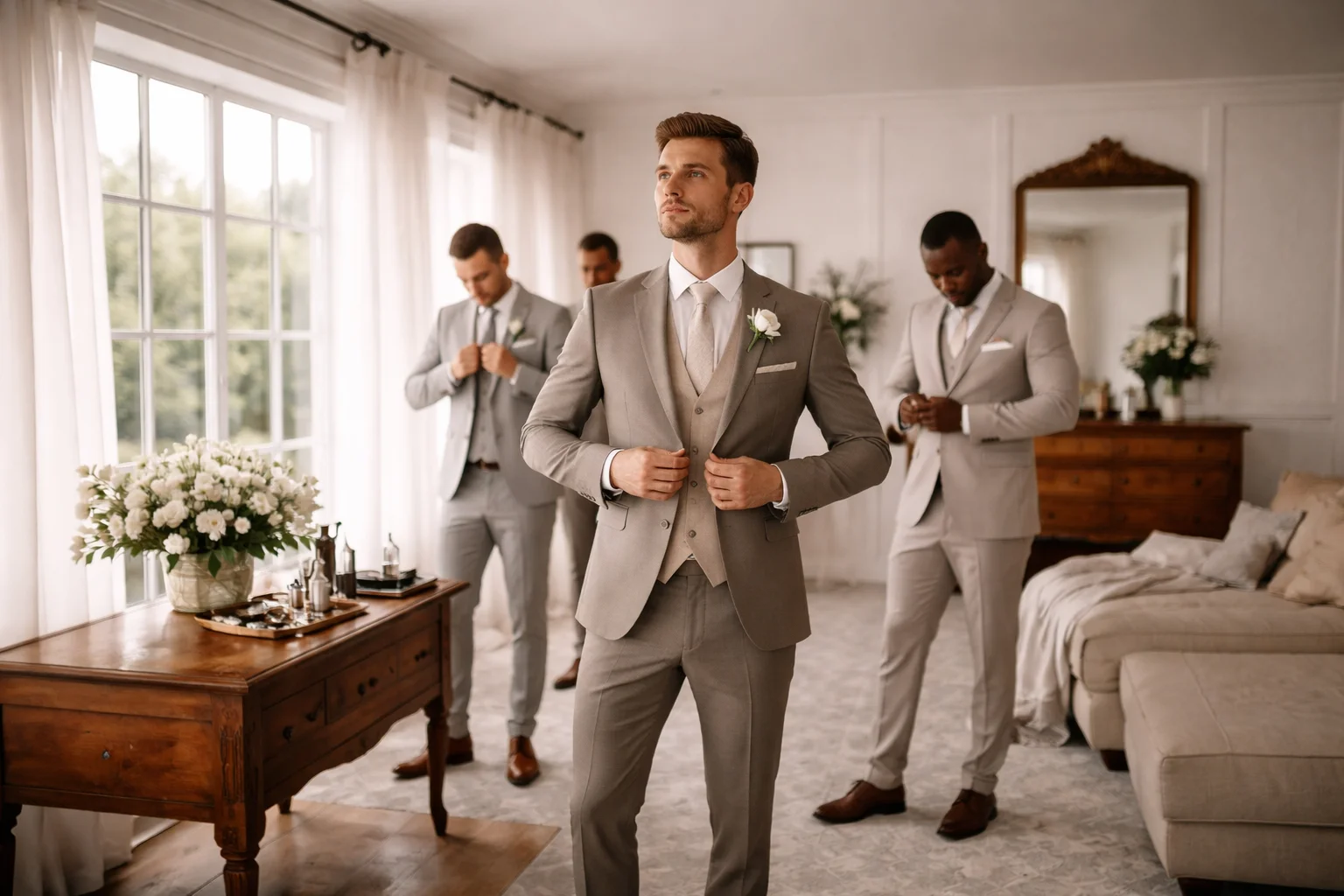
Uniform dressing has largely been replaced by coordination. Wedding parties often share a color range or material logic instead of identical outfits. The groom is distinguished through cut, fabric quality, or a single visual adjustment.
This approach maintains order without appearing staged. It allows variation while preserving cohesion.
Current Trends in Groom’s Style
Recent developments favor longevity over novelty. Trends appear as refinements rather than disruptions. The emphasis lies on garments that remain wearable beyond the wedding day and visually stable over time.
- Made-to-measure tailoring preferred over standard sizing
- Matte and textured fabrics favored over glossy finishes
- Single-point styling instead of layered statements
- Blending formal and relaxed elements to reduce stiffness
- Suits selected with future use in mind
- Subtle cultural references integrated through color or material
Groom’s Style by Country
Germany
Groom’s style in Germany emphasizes restraint and precision. Clean tailoring, controlled palettes, and high-quality fabrics dominate. The overall impression favors clarity and order over expression.
United States
In the United States, individuality and concept-driven styling are common. Looks are often shaped around landscape or venue. Coherence matters more than adherence to tradition.
Serbia
Serbian weddings tend toward formality and presence. Dark tones, structured silhouettes, and polished details remain common, refined through fabric quality and fit.
China
Western suits are frequently combined with symbolic accents. Color carries meaning, and outfit changes are common. Balance between modern tailoring and cultural reference defines the look.
Spain
Spanish groom’s style often shows confident tailoring and expressive texture. Slim silhouettes and warmer tones appear frequently, especially for evening celebrations.
France
Understated refinement defines the French approach. Precision in fit, minimal accessories, and tonal palettes dominate. The look avoids excess.
Italy
Italian groom’s style reflects craftsmanship and confidence. Strong tailoring, quality fabrics, and relaxed polish shape the overall appearance.
Russia
Russian weddings emphasize structure and formality. Dark palettes and clear silhouettes dominate, refined through material choice rather than ornament.
Closing
Groom’s style today is defined by coherence. Fit, color, material, and context work together to support the atmosphere of the wedding. When choices are made with care and restraint, the result remains calm, stable, and visually consistent throughout the day.
Related Articles
Looking good on the wedding day – quiet preparation, visible effect
A good appearance on the wedding day rarely arises spontaneously. It is the result of time, attention, and recognizability. This text collects observations concerning bride and groom, without ideal images or instructions. It's about skin, hair, and posture, about preparation instead of change. And about what remains when nothing needs to be explained.
The engagement ring as a sign of a decision
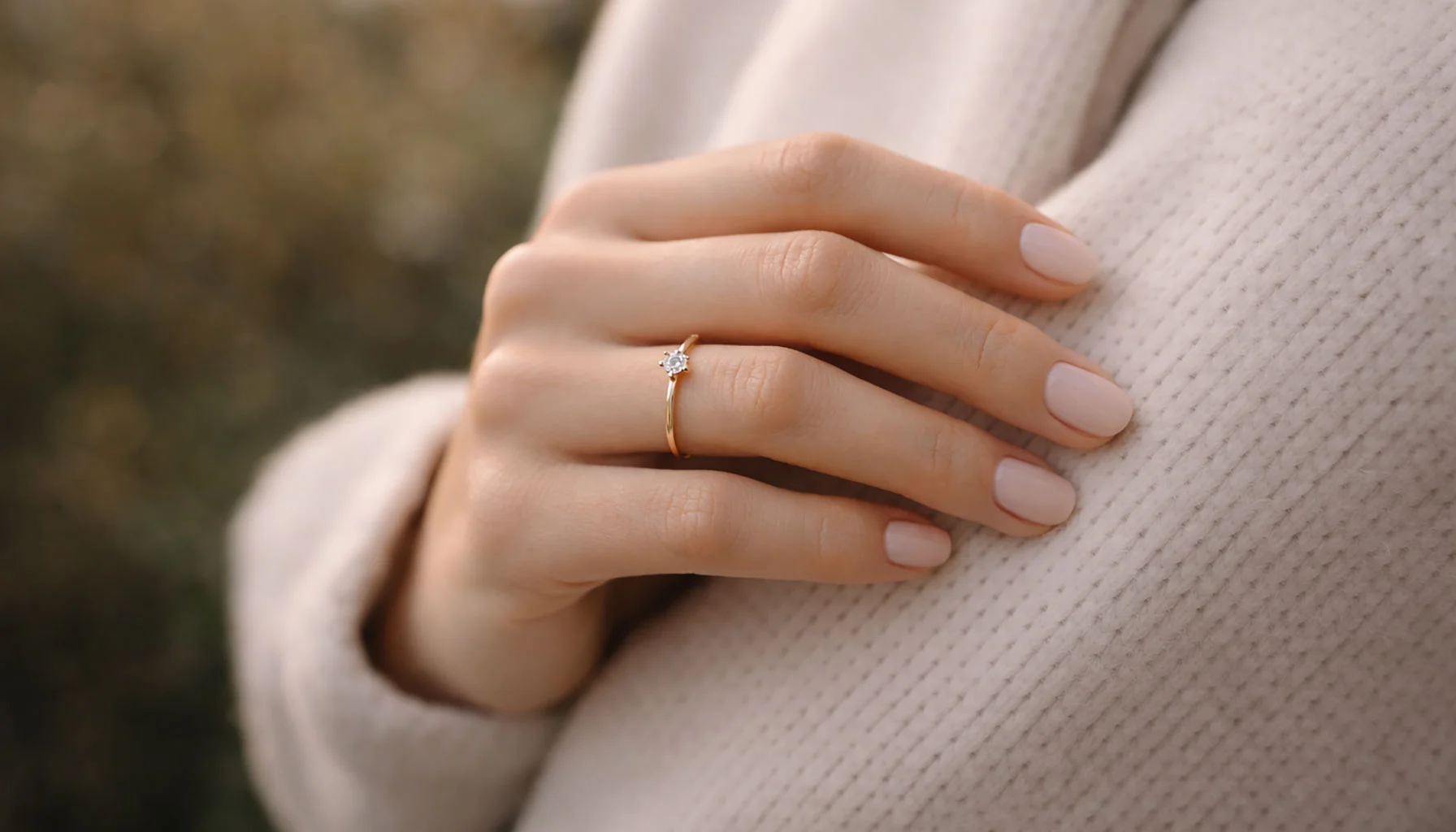
The engagement ring stands on the edge of a big moment and remains present for a long time afterwards. It is part of everyday life, not just a memory of a proposal. This text describes what makes an engagement ring, how it is selected, and why decisions regarding shape, material, ring size, and wearing style mostly arise from observation. It is about common variants, the handling of diamonds and alternatives, as well as developments that have quietly established themselves. In the foreground are experiences, voices from practice, and the question of how a ring fits a person without defining them.
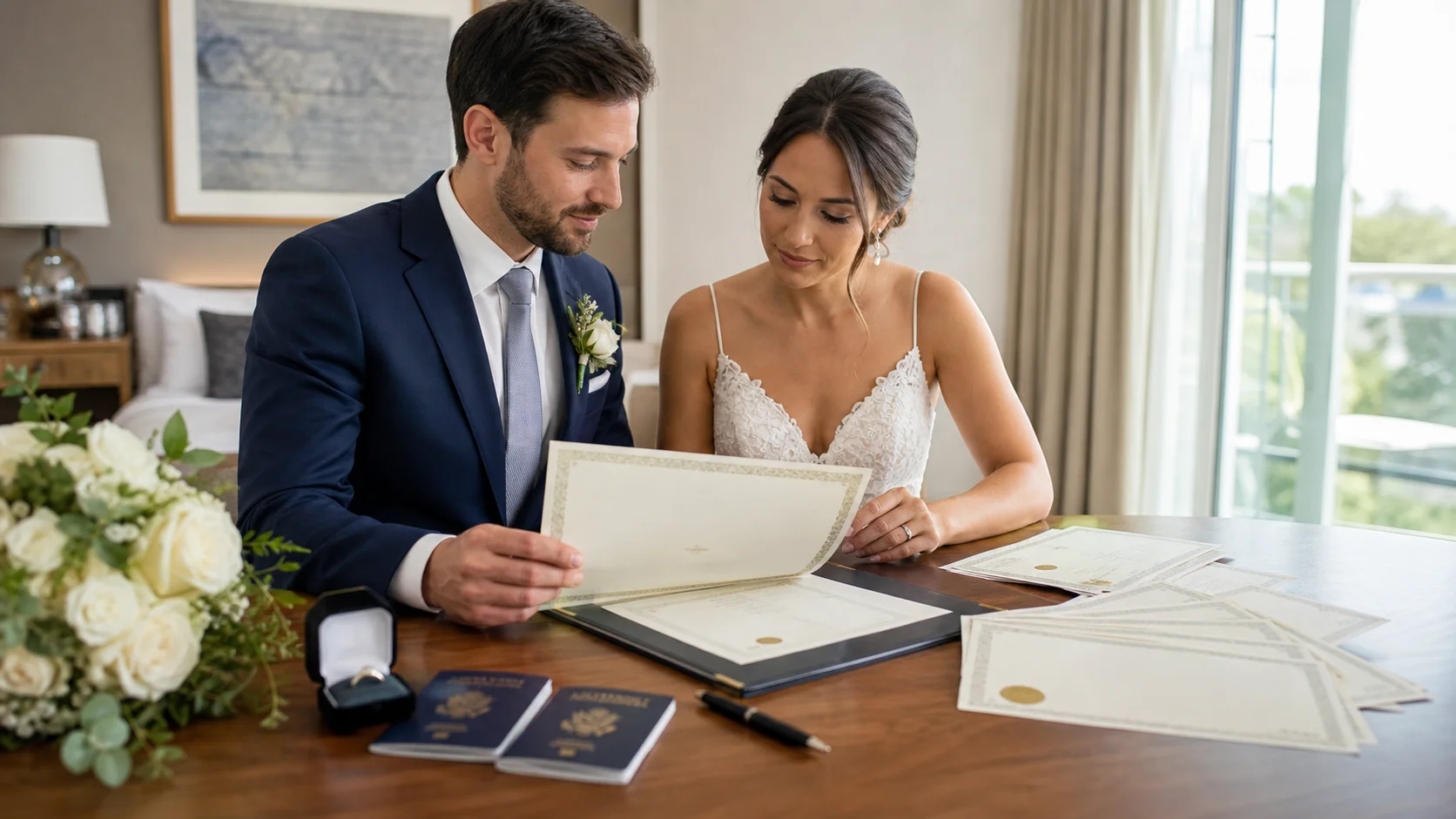
Marriage Certificate Checklist: Why One Document Keeps Returning After the Wedding
A marriage certificate often feels like the final paper of the wedding, but it keeps returning in ordinary life. This article looks at certified copies, scans, translations, apostilles, name changes, travel, banking, insurance, and the quiet imprint one document leaves after the celebration.
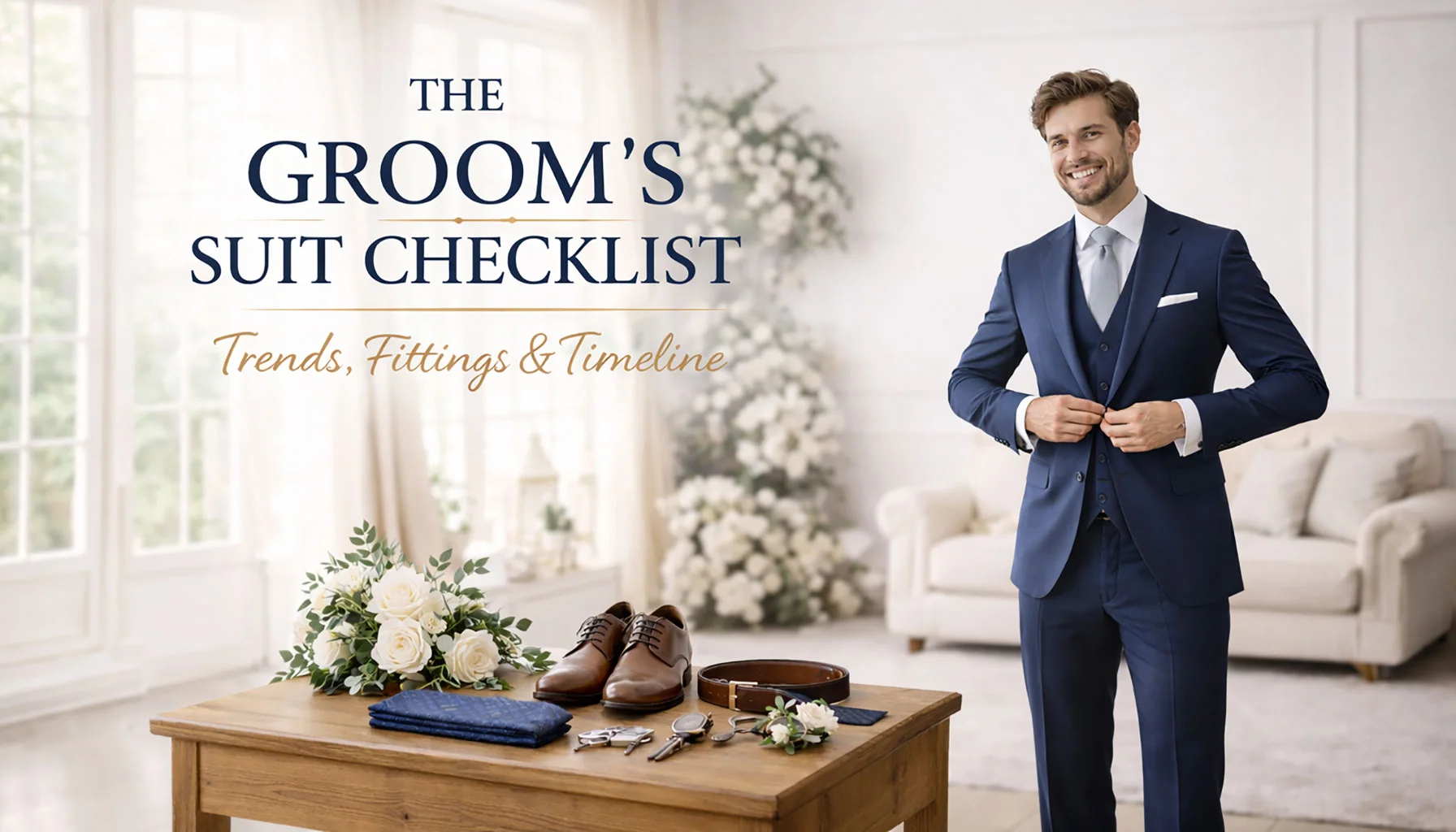
The Groom’s Suit Guide: Planning, Fittings, Trends & Timeline
A wedding suit does not come from a single decision, but from alignment over time. Cut, fabric, and fit develop in relation to occasion, movement, and personality. When these elements settle into place, the suit supports the day quietly and allows the groom to remain fully present.
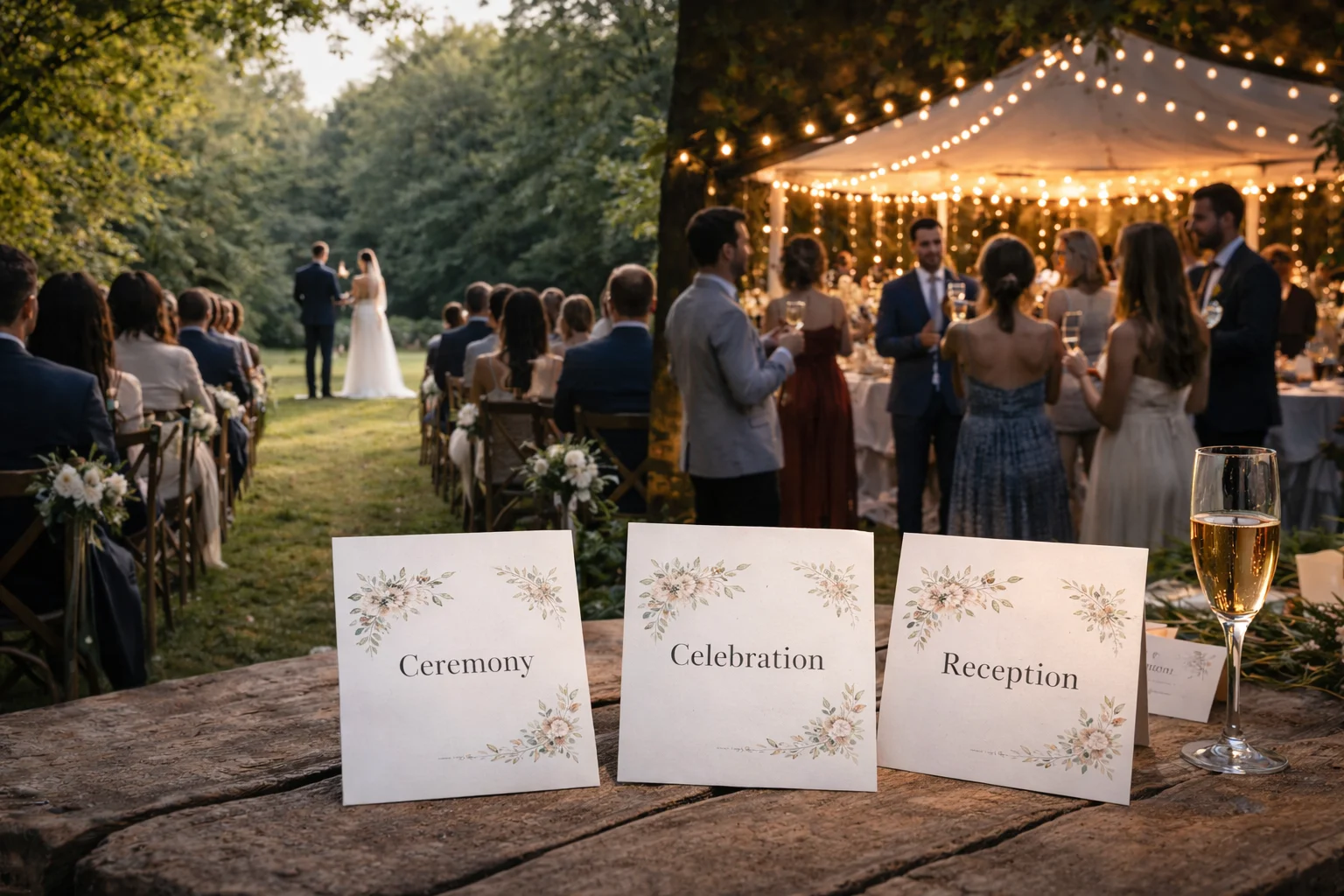
Who Is Invited to the Ceremony and Who Only to the Celebration
Not every wedding invitation has to include every part of the day. But the difference between being invited to the ceremony and being invited only to the celebration carries more meaning than many couples first assume. This article looks at how to make that distinction clearly, gracefully, and in a way that fits both the ritual weight of the ceremony and the social reality of the celebration.
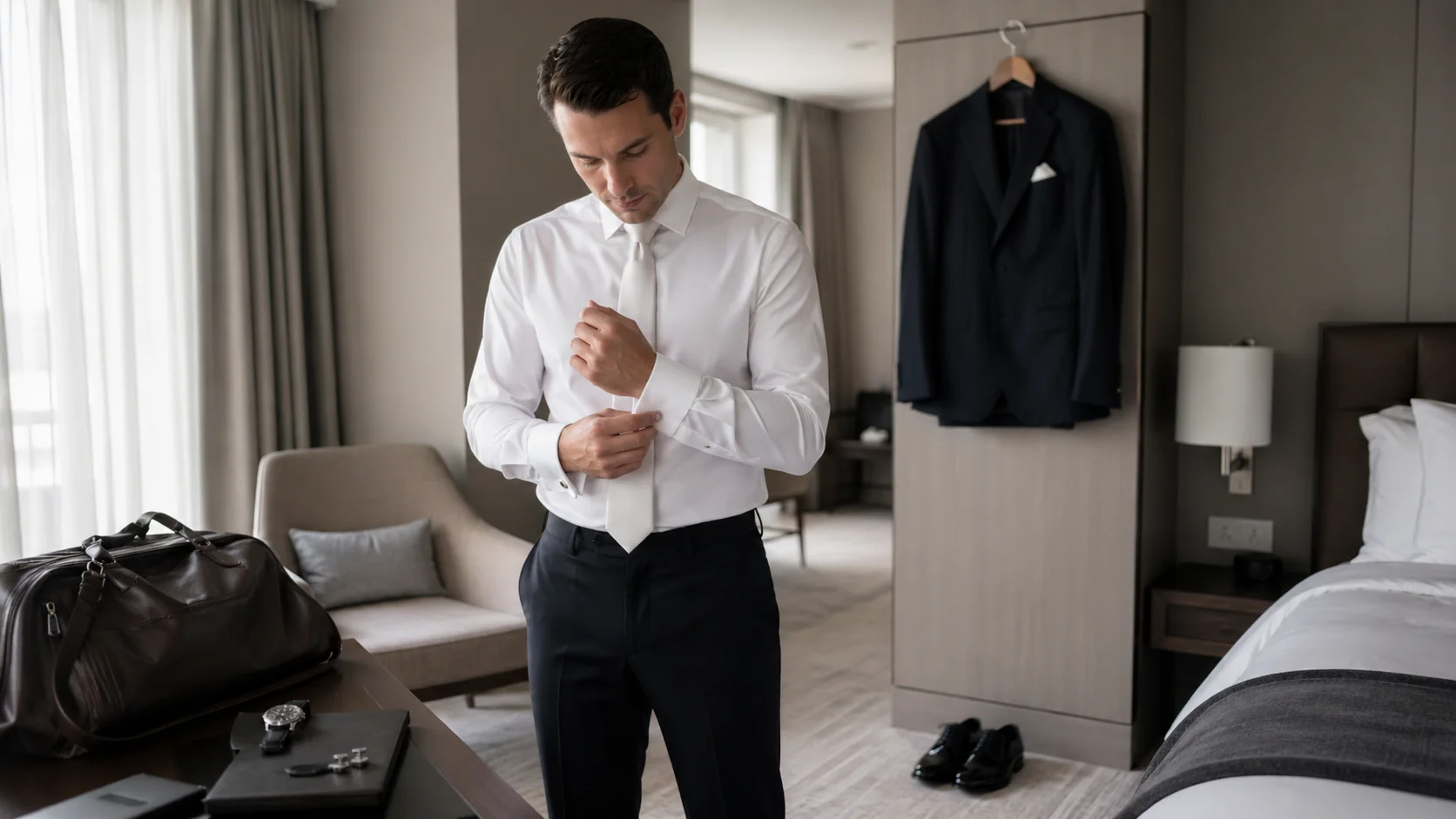
Groom’s Morning Checklist: What Keeps the First Hours Clear and Unforced
The groom’s morning often looks simple from the outside, but it depends on small decisions made early. This article looks at clothing, food, rings, timing, communication, photography, transport, and the quiet rituals that keep the first hours clear without making them feel staged.
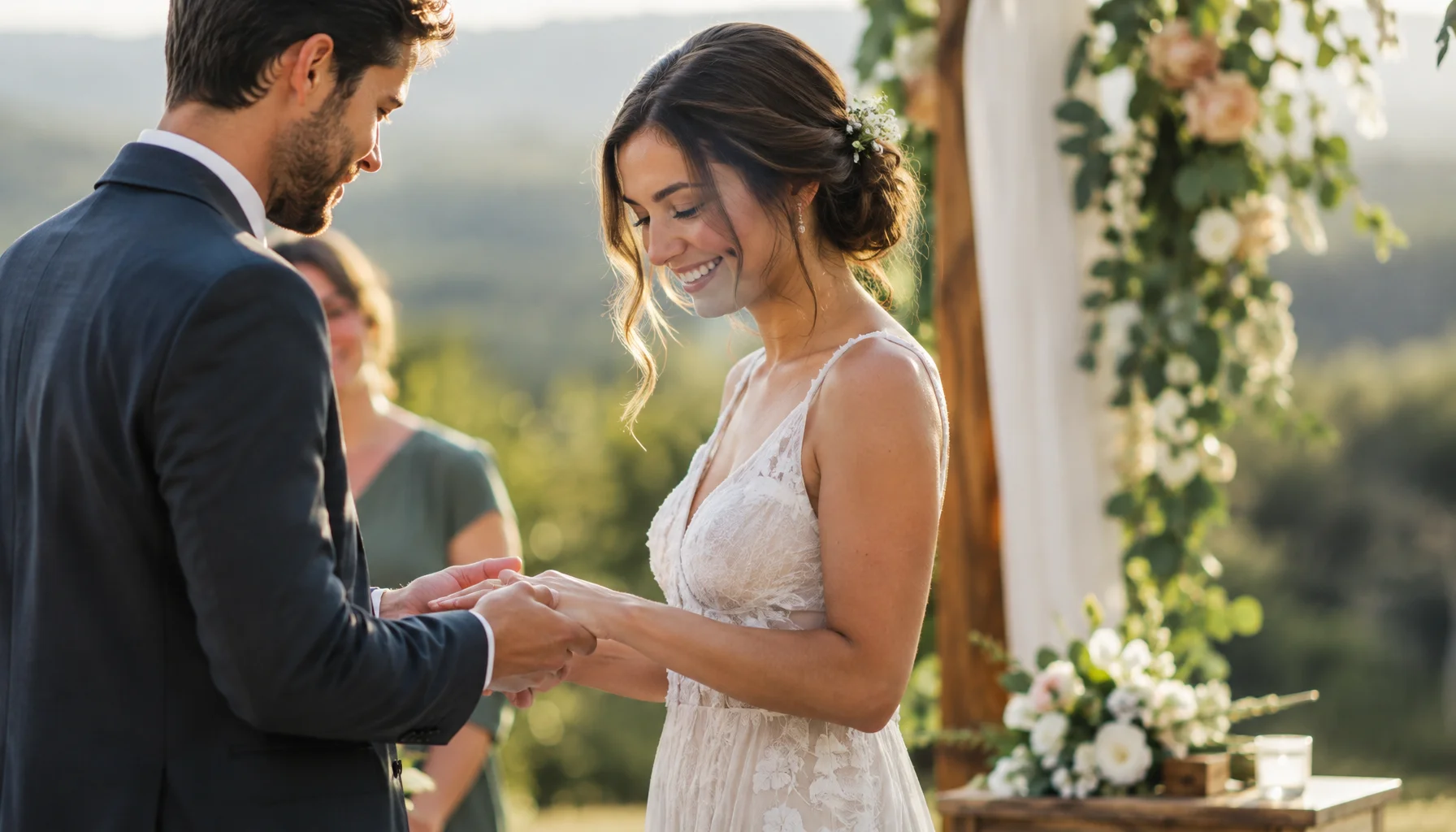
When Is a Wedding Ritual Meaningful — and When Is It Just Decoration?
A wedding can contain dozens of symbolic gestures and still feel empty. This article introduces a practical test for distinguishing meaningful ritual from visual styling by asking what changes, who recognizes it, what relationship it expresses, what it preserves in memory, and what remains afterward.
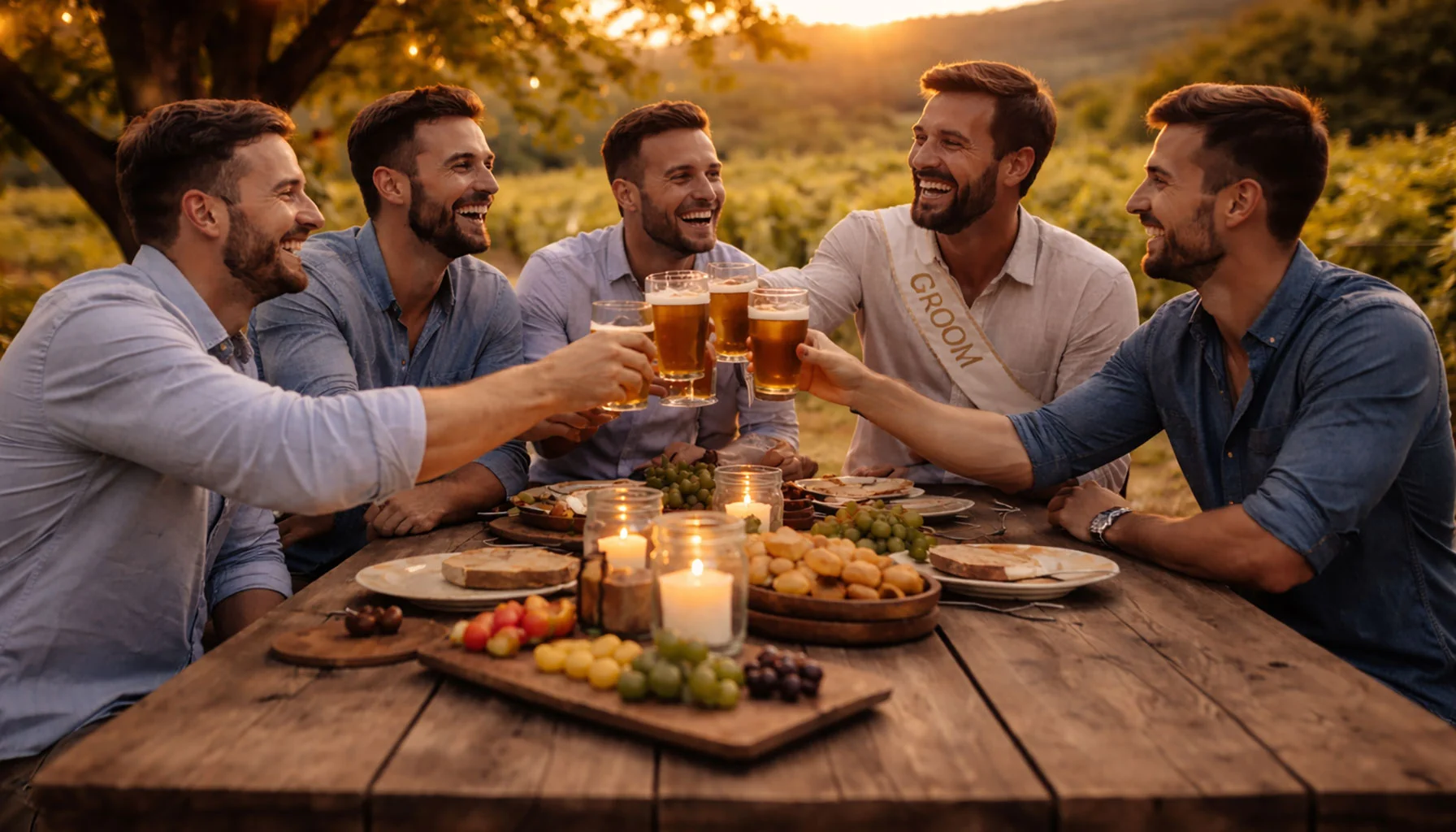
Bachelor Party – A Day Between Everyday Life and Wedding
A bachelor party is not a loud statement, but a quiet transition. People come together who have accompanied them on their journey so far. For a limited period, nothing is on the agenda except shared time. Planning provides stability, openness creates space. Whether for men or women: What's crucial is that the occasion suits the person. Then something unique emerges. Understated. Enduring.
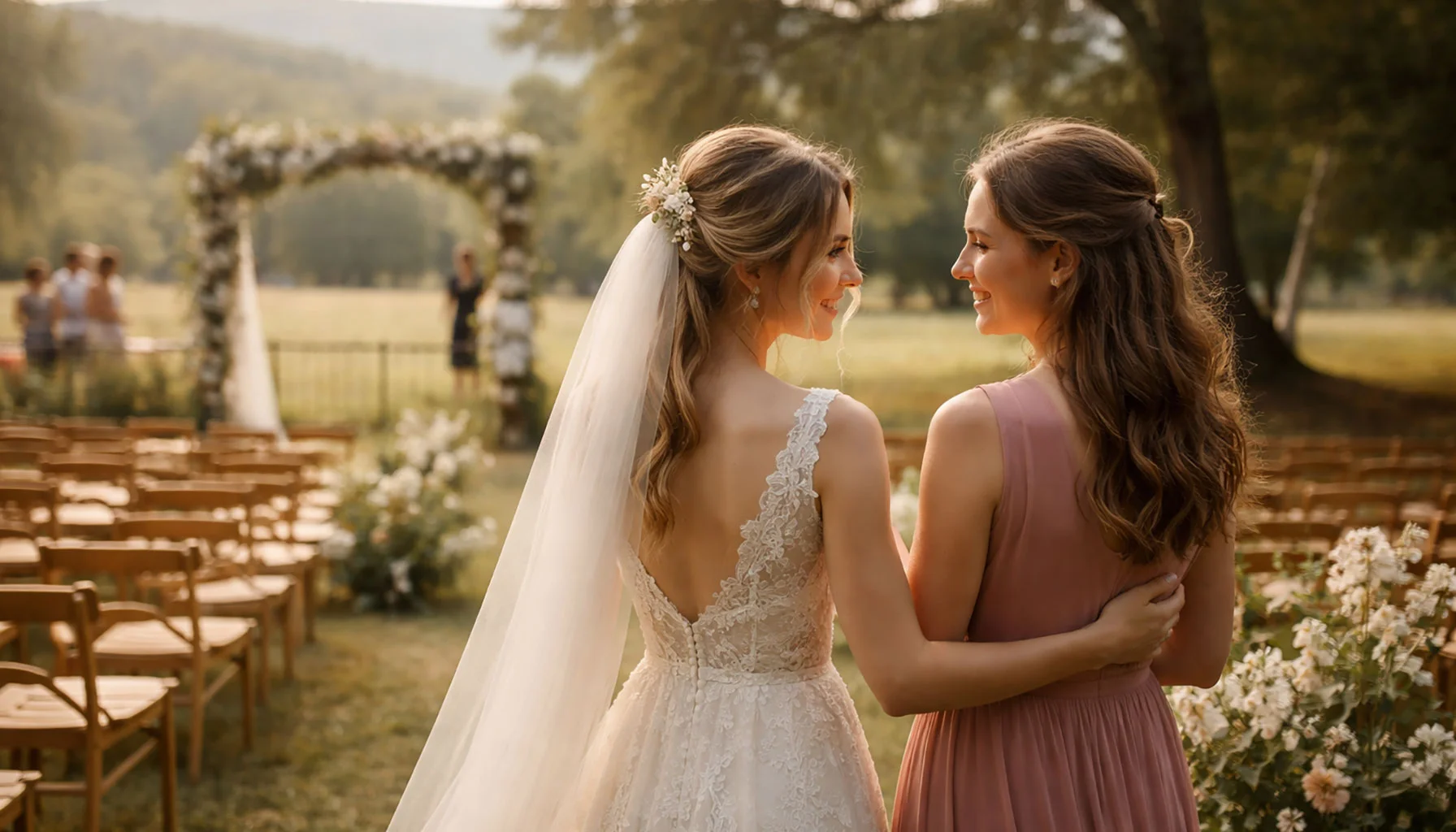
The Maid of Honor at the Wedding
How bridesmaids are chosen, what tasks they perform, and why their presence often remains quiet. A text from observations of weddings, conversations, and moments away from the center.
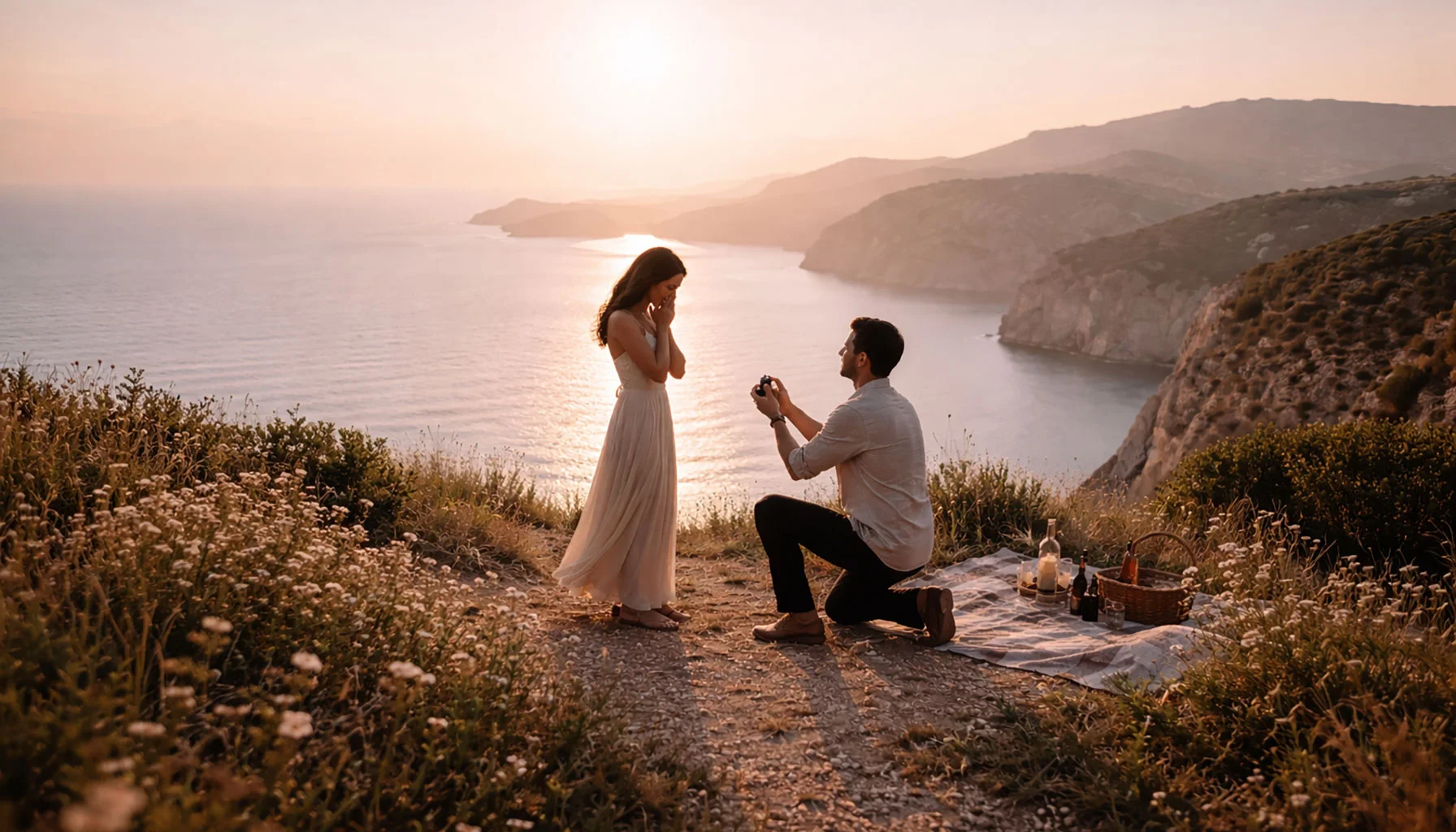
The Marriage Proposal: A Moment between Decision and Trust
A marriage proposal is rarely only a surprise. More often, it gathers what has already grown in conversations, decisions, and quiet alignment. This article looks at the proposal as a visible threshold between decision and trust, while keeping close to lived experience, ring choice, gesture, timing, and the open reality of what may follow.
How the Groom Look Becomes Part of the Ceremony
The groom look is often treated as a matter of style. Suit, fabric, fit, color. Decisions that seem practical, sometimes secondary. Yet on the day itself, what the groom wears becomes part of something more structured, more intentional.

Conversations Before Marriage – Life Questions That Clarify the Relationship
A marriage is not just about feelings, but also expectations, imprints, and ideas about everyday life. This text compiles central life questions that couples should clarify with each other before saying 'I do': regarding money, family, children, conflicts, division of tasks, and personal values. Grown from observations, objectively considered, and close to lived everyday life. Conversations that make differences visible – and thereby strengthen connection.