
How a Free Ceremony Creates Meaning From the First Minute
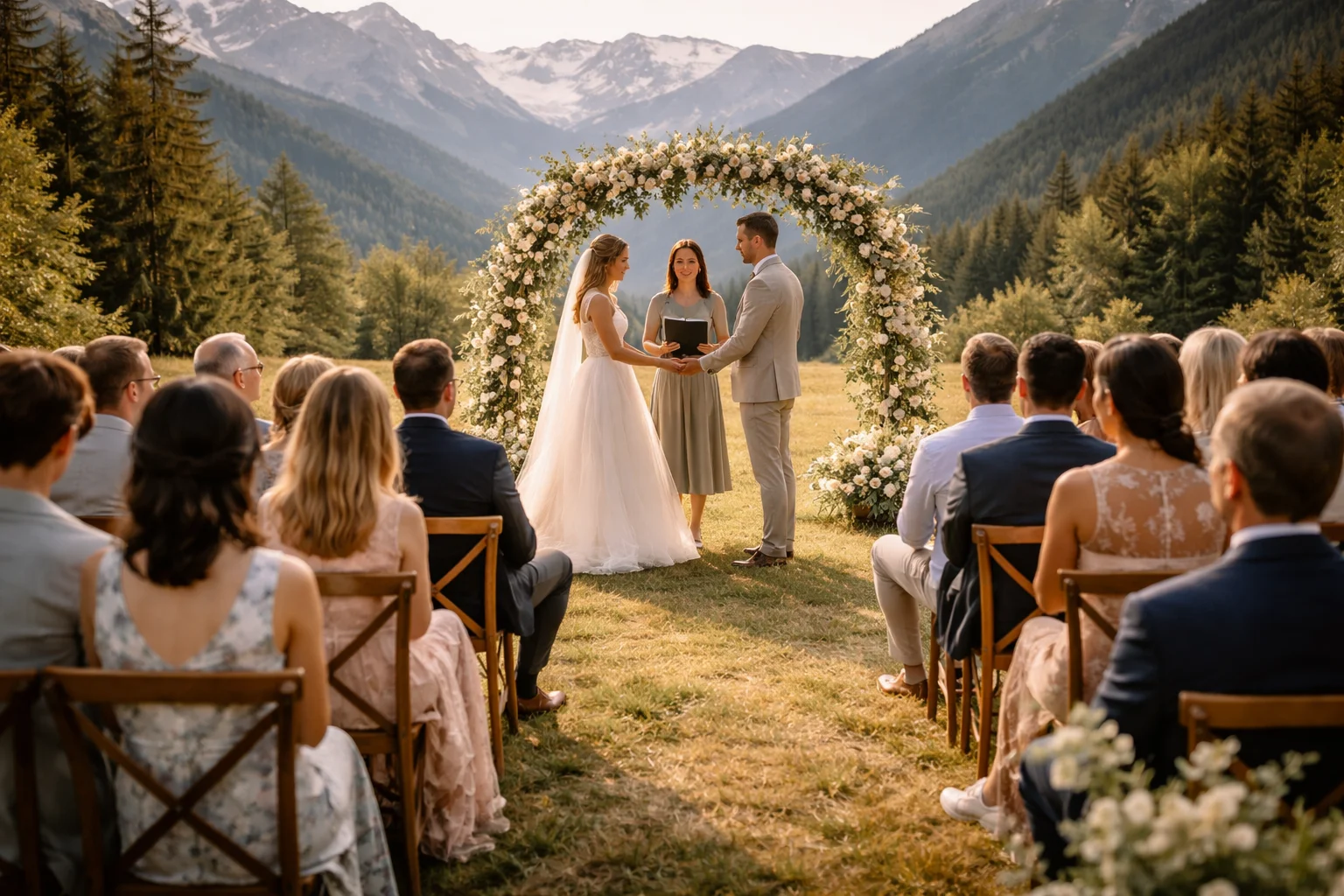
A free ceremony often looks effortless from the outside. There is no fixed religious form, no legal script, and usually more space for personal language, music, and symbolic choices. But that freedom can be misleading. A free ceremony does not become meaningful just because it is personal. It becomes meaningful when the couple, the officiant, and the structure all know what emotional work the ceremony is supposed to do. Otherwise, what feels open in theory can feel loose or uncertain in practice.
This is where a free ceremony connects so naturally to the moment when the answer changes everything. A proposal concentrates change into one instant. A free ceremony has to unfold that change in public, over time, and without relying on inherited tradition to do the work automatically. It must turn a private yes into a shared experience that other people can feel and understand. That is why free ceremonies carry so much potential and so much responsibility at the same time.
Free CeremonyLove takes center stage in a ceremony shaped entirely by emotion and intention. Free from formal rules, couples can create a moment that reflects their journey, their promises, and their connection. Personal vows, symbolic rituals, and heartfelt words turn the ceremony into an intimate expression of love that feels deeply authentic and unforgettable.

A proposal does not end with the question. The answer — yes, no, or hesitation — redraws the emotional map of a relationship and quietly decides what comes next.
Definition
A free ceremony is a non-legal, non-fixed wedding ceremony shaped around the couple's own structure, language, and symbolic choices. Its strength lies in flexibility, but its emotional success depends on rhythm, clarity, and restraint. The ceremony has to create meaning deliberately because no formal tradition is doing that work for it by default.
How a Free Ceremony Begins and What Its Length Really Feels Like
The opening matters more in a free ceremony than many couples expect. Because guests are not entering a known ritual form, they need to understand very quickly what kind of attention the room is asking for. A calm entrance, one clear welcome, and a confident beginning from the officiant usually work better than trying to sound grand from the first sentence. Length behaves differently too. A free ceremony that looks short on paper can feel long if the emotional arc is unclear, while a longer ceremony can feel intimate and precise when each part has a reason to exist. This is also why the transition into the celebration matters so much. Guests need a real release after the final words, otherwise the ceremony can seem to dissolve instead of landing.
What Makes It Personal Without Making It Loose
Personal vows, carefully chosen readings, and one or two real details about the couple can make a free ceremony feel deeply specific. But personal does not mean unlimited. The strongest ceremonies edit themselves. They know what belongs and what does not. A good officiant carries much of that burden by protecting tone, pacing, and proportion. Their role is not only to speak beautifully, but to hold the structure when emotion rises, when the room shifts, and when the couple needs the ceremony to stay coherent. Guests understand a free ceremony best when the personal elements feel shaped rather than poured out.
How Meaning Is Created Without Fixed Tradition
A free ceremony has to create symbolic weight without borrowing authority it has not earned. Symbolic rituals can help, but only when they are chosen for genuine relevance rather than visual effect. Hand fasting, wine rituals, candle lighting, ring warming, or family gestures only work when they clarify the meaning of the day instead of interrupting it. Emotional weight comes less from novelty than from concentration. Meaning is created when the ceremony repeats the right emotional truth in different forms: through words, gesture, silence, music, and witness. That is what allows a free ceremony to feel full rather than empty, even without formal tradition behind it.
Guests, Family, and the Situation Around the Ceremony
Free ceremonies are especially sensitive to context. Outdoors, wind, light, and shifting attention can either enlarge the atmosphere or thin it out. Small free ceremonies often feel stronger because guests can read the couple more directly, while larger ones need more conscious pacing. Family presence also changes the temperature of the ceremony, especially when relatives are invited into readings, symbolic gestures, or visible moments of recognition. Music plays a larger role than many couples realize because it creates continuity before language does. In free ceremonies, music is often what tells the room when to gather inward, when to hold breath, and when to open again.
What Belongs in the Ceremony and What Does Not
The most common mistake in free ceremonies is confusing freedom with accumulation. Too many readings, too many songs, too many symbolic acts, too much explanation, too many attempts to represent every relationship in the room. A free ceremony becomes stronger when it accepts exclusion as part of form. Not every memory belongs there, not every friend needs a role, not every meaningful detail needs stage time. The ceremony should carry the core change, not the whole archive of the relationship. When couples decide that clearly, the result usually feels more intimate, not less generous.
Conclusion
A free ceremony works when it understands its own task. It must take a change that already happened between two people and make it visible, believable, and shared. That requires structure, editing, and emotional discipline as much as tenderness. When the opening is clear, the vows are earned, the symbols are relevant, and the transition into celebration feels held, a free ceremony does not seem less meaningful than tradition. It simply proves that meaning can be made on purpose.
Related Articles
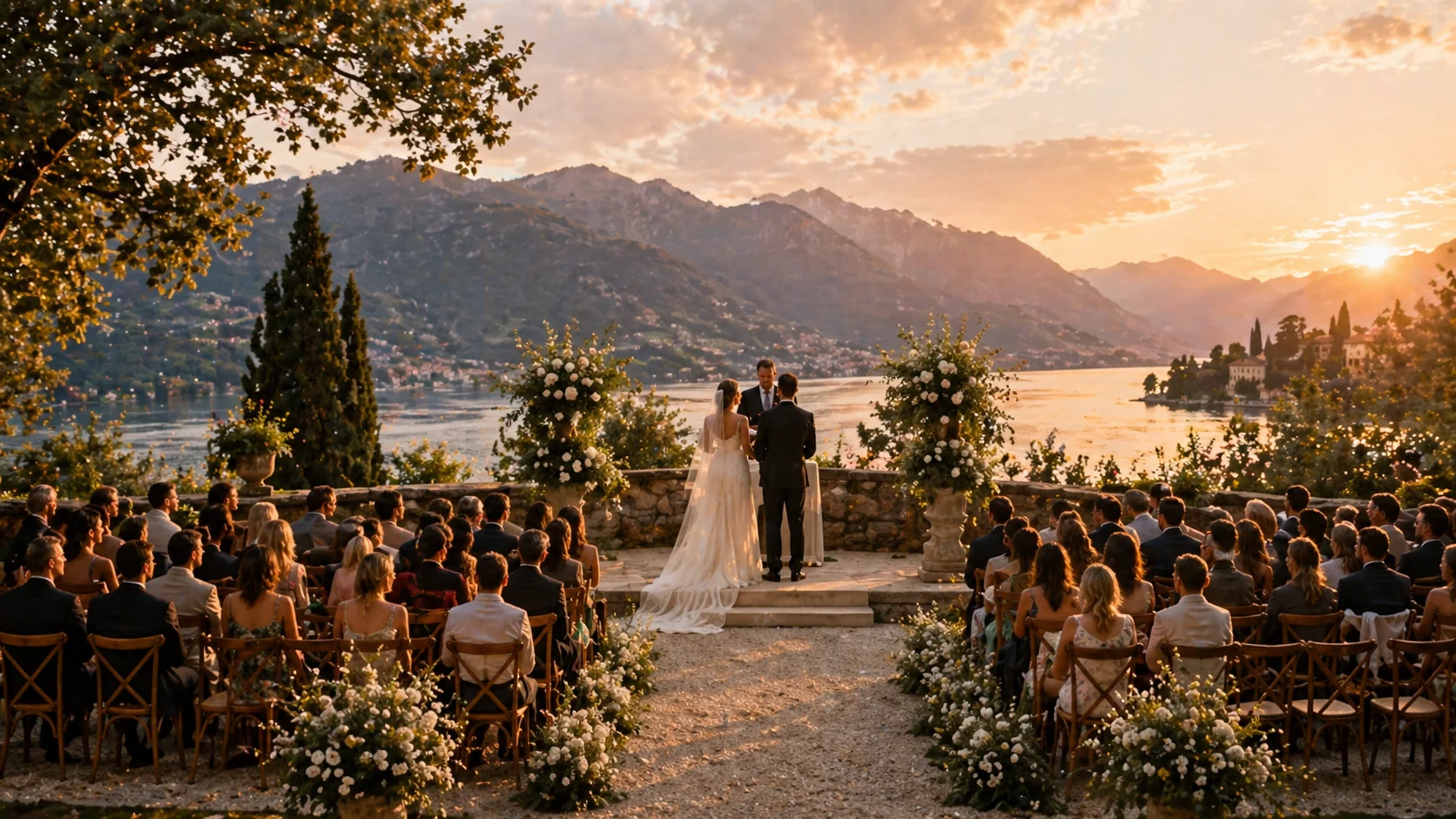
Ceremony Transition Checklist: What Should Be Ready Before Attention Has to Gather
Ceremony transitions often seem brief on paper, but they carry the difficult shift from movement into shared attention. This article looks at what needs to be ready before that moment arrives, from seating and sound to cues, stillness, and the quieter emotional readiness of the room.
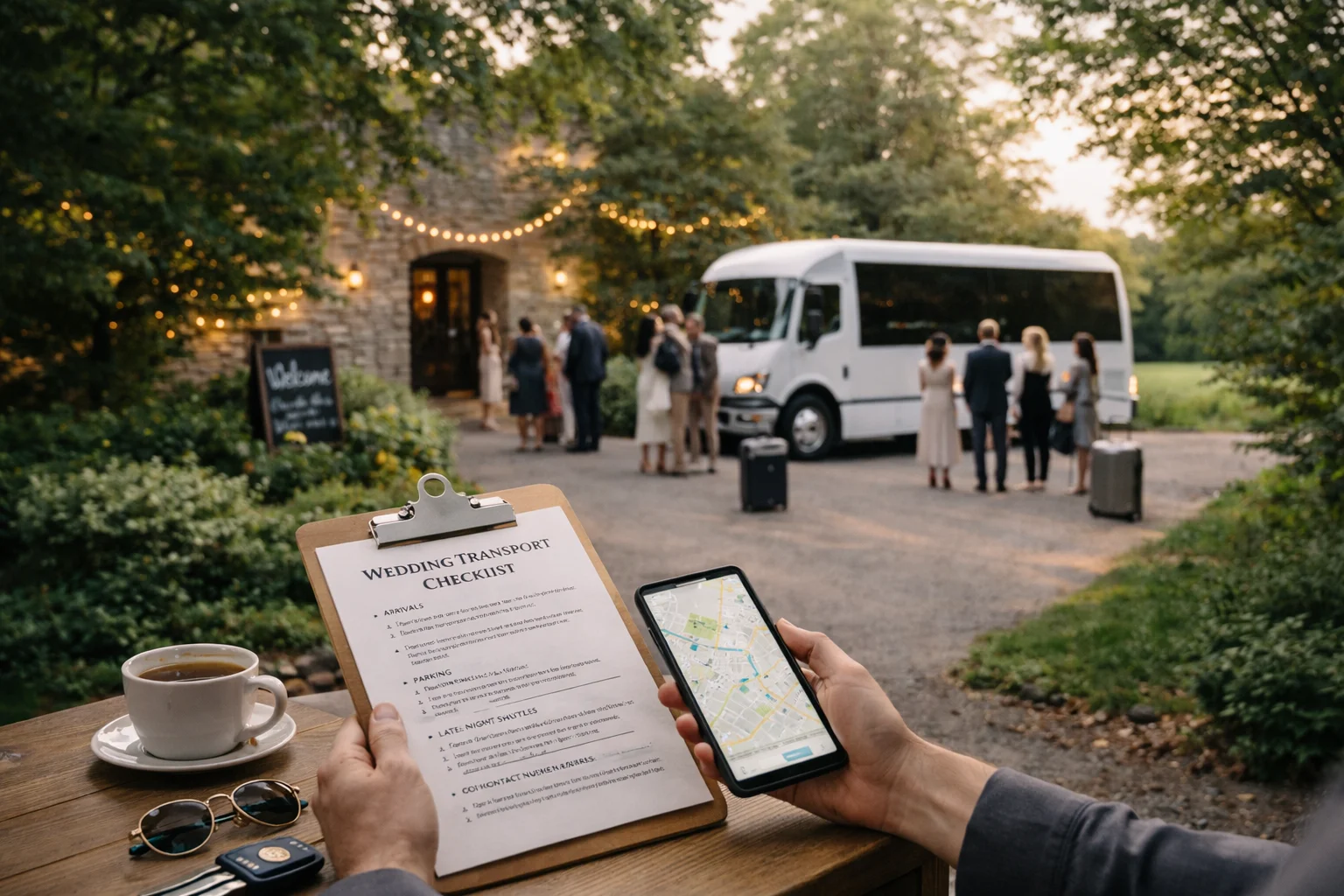
Wedding Transport Checklist: Arrivals, Transfers, Parking, and Late-Night Returns
Wedding transport is rarely remembered when it works, but it shapes the day long before the ceremony begins and long after the central moment has passed. This article looks at what still needs to be planned around arrivals, transfers, parking, and late-night returns, and why movement and waiting belong more closely together than many couples expect.
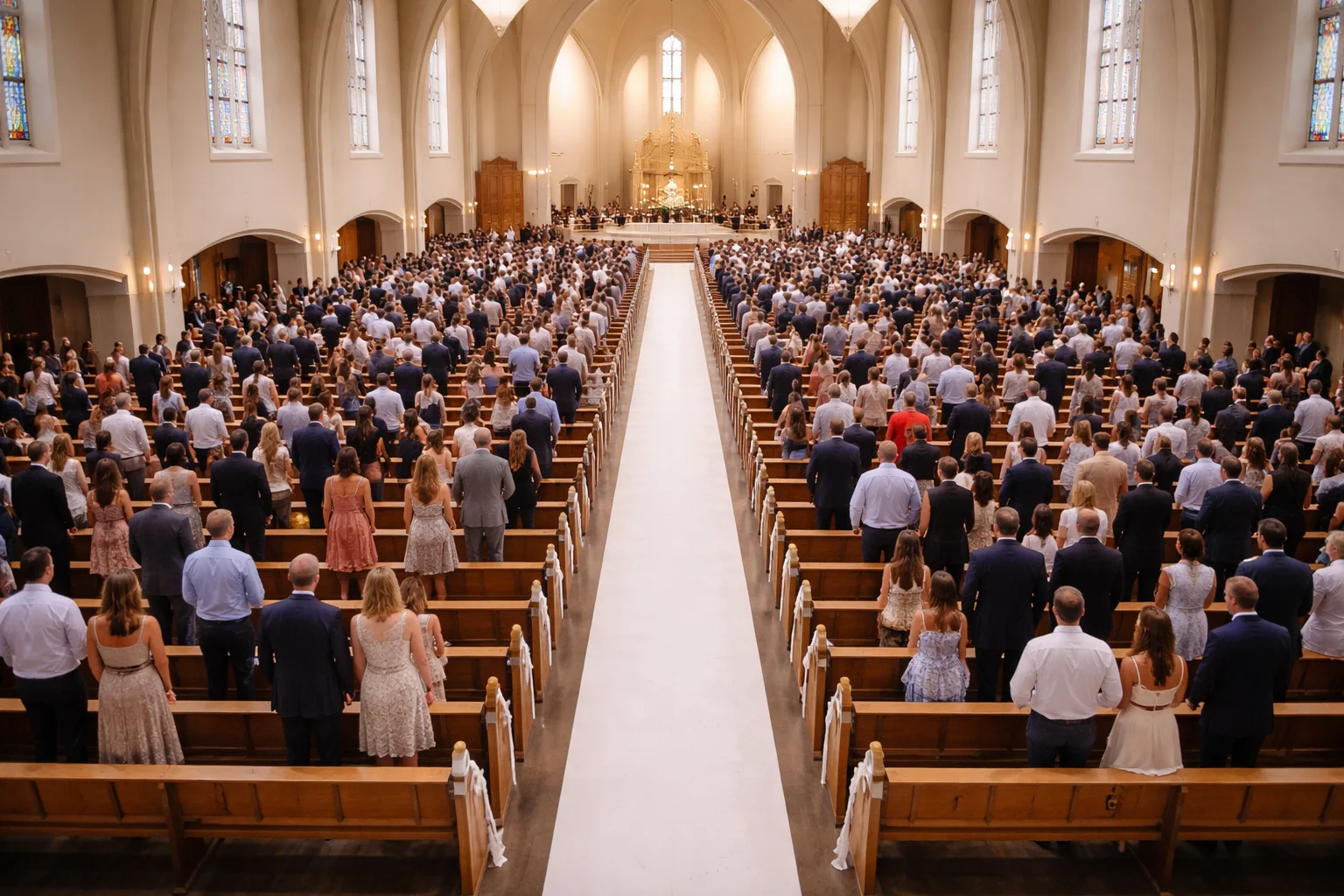
How Space Shapes Guest Behavior at Ceremonies
Large religious rooms tend to slow people down a bit. Not dramatically, just enough to notice. Guests enter, stop for a second too long, look around, then move again. It rarely looks planned. More like small corrections happening one after another.
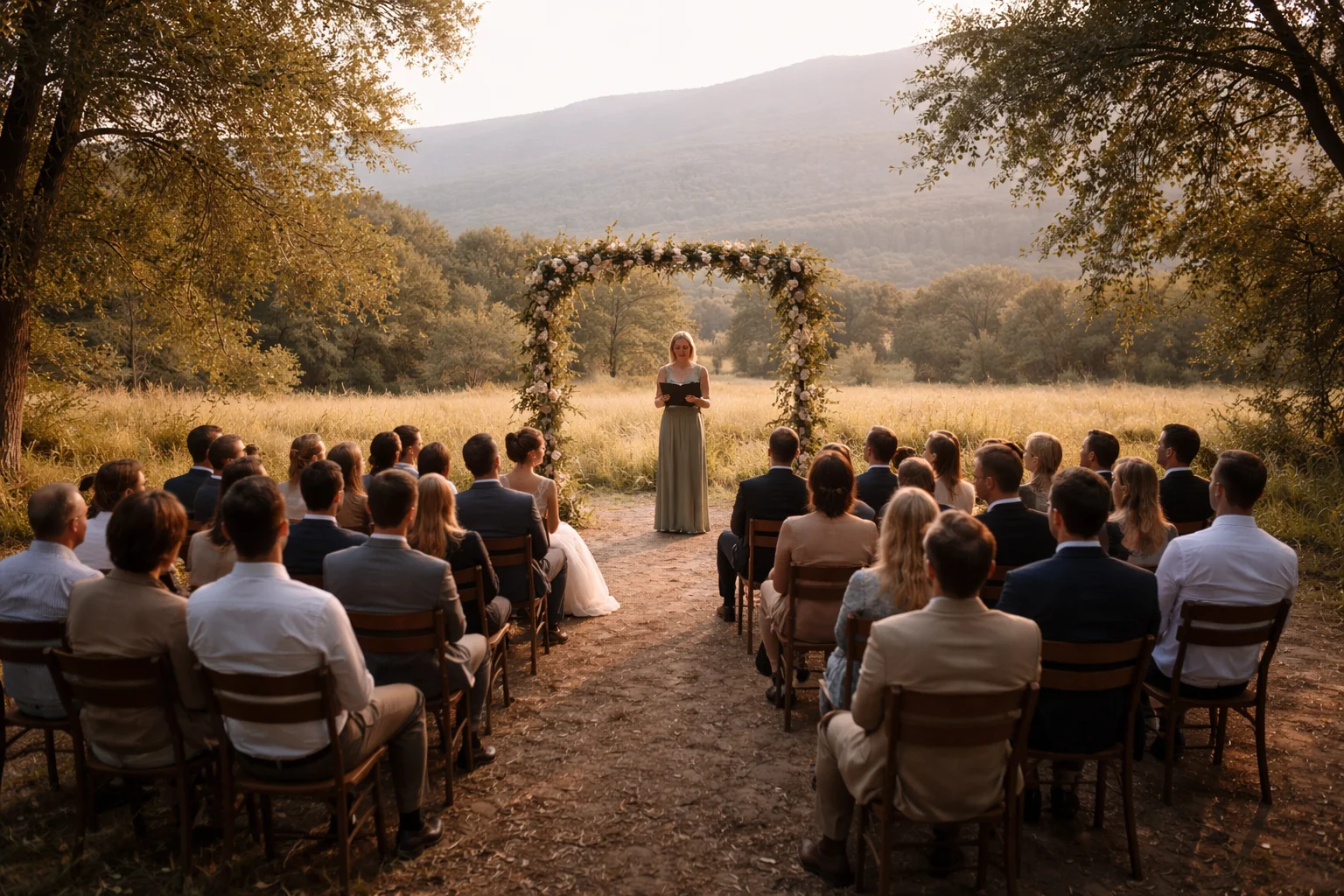
Free Ceremony Officiants: Presence, Voice, and the Shape of Attention
In a free ceremony, the officiant cannot lean on inherited authority or a structure everyone already recognizes. What carries the moment instead is subtler: presence, voice, timing, and the ability to hold attention without gripping it too tightly. This article looks at how officiants shape free ceremonies through the smallest visible forms of guidance.
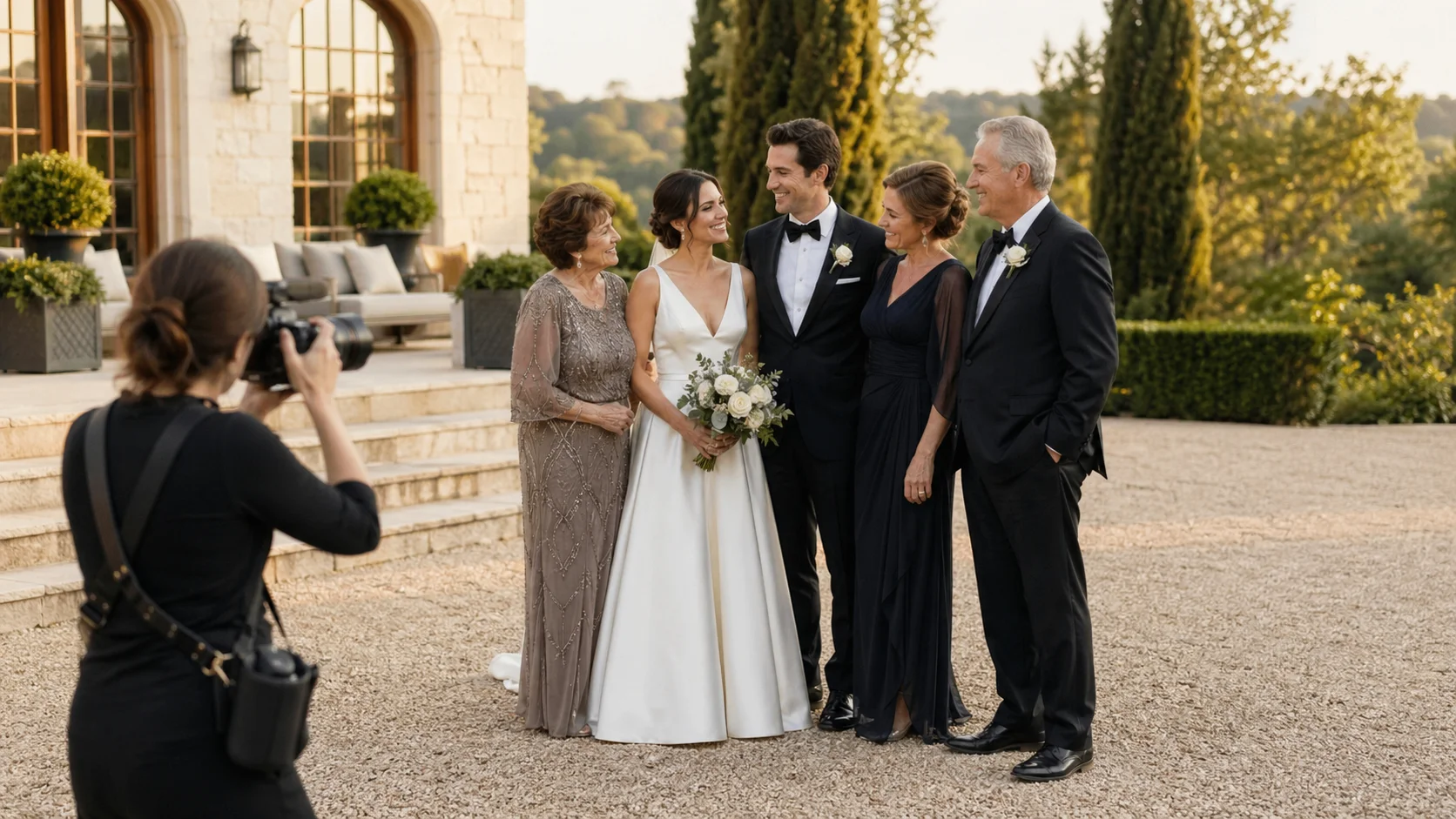
Photographer Coordination Checklist: What Helps Without Overdirecting the Day
Wedding photography needs enough coordination to protect the important images, but not so much direction that the day starts feeling staged. This article looks at shot priorities, family helpers, light windows, access, ceremony limits, and the space photographers need to notice real stories.
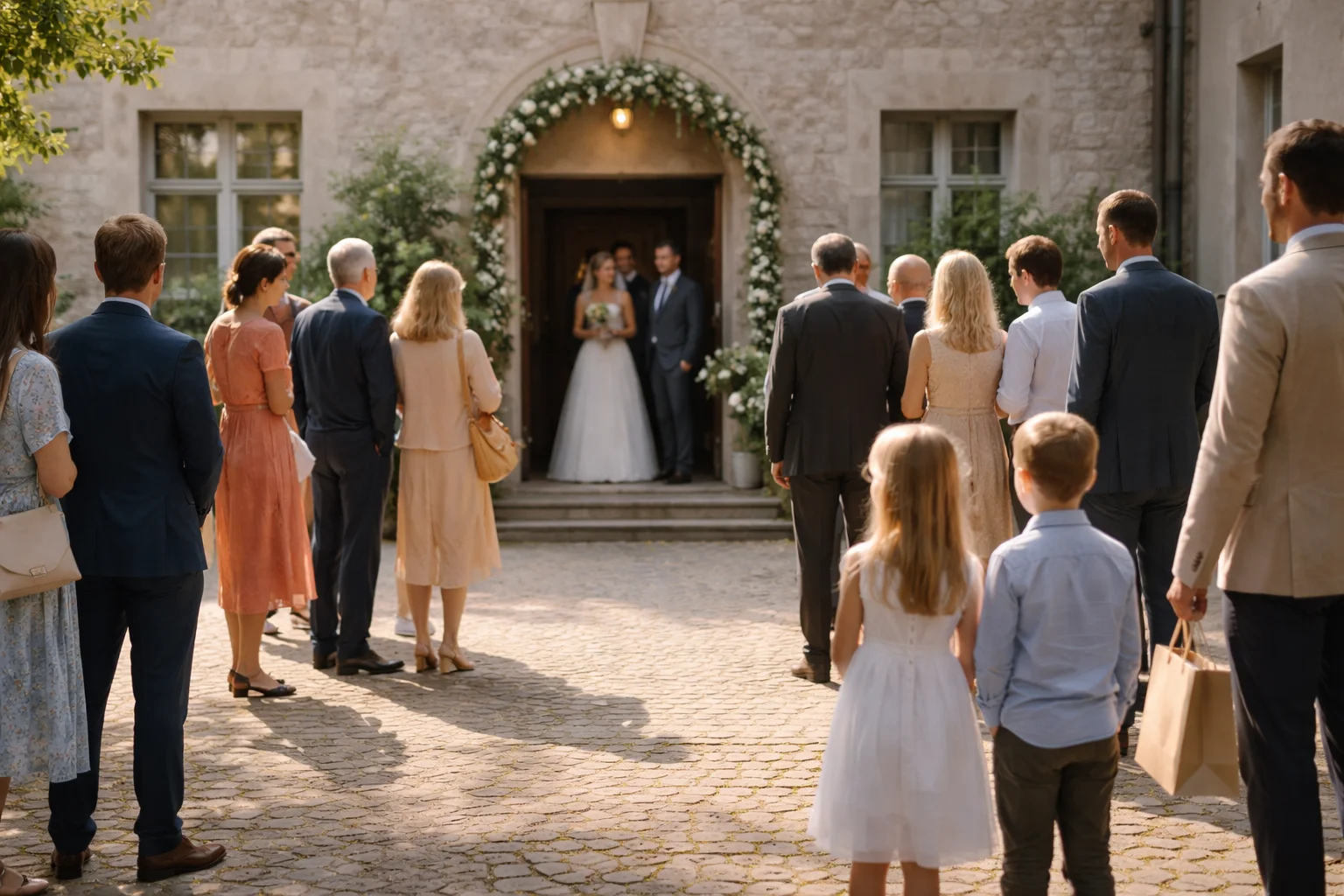
Arrival Before the Ceremony: How Guests Find Their Place Without Being Told
Arrival does not really start at one point. It leaks into the day. Some people are early without meaning to be. Others arrive exactly on time but still end up waiting. The space fills in patches. A few stand close to the entrance, others keep distance. No one explains it. It still settles somehow.
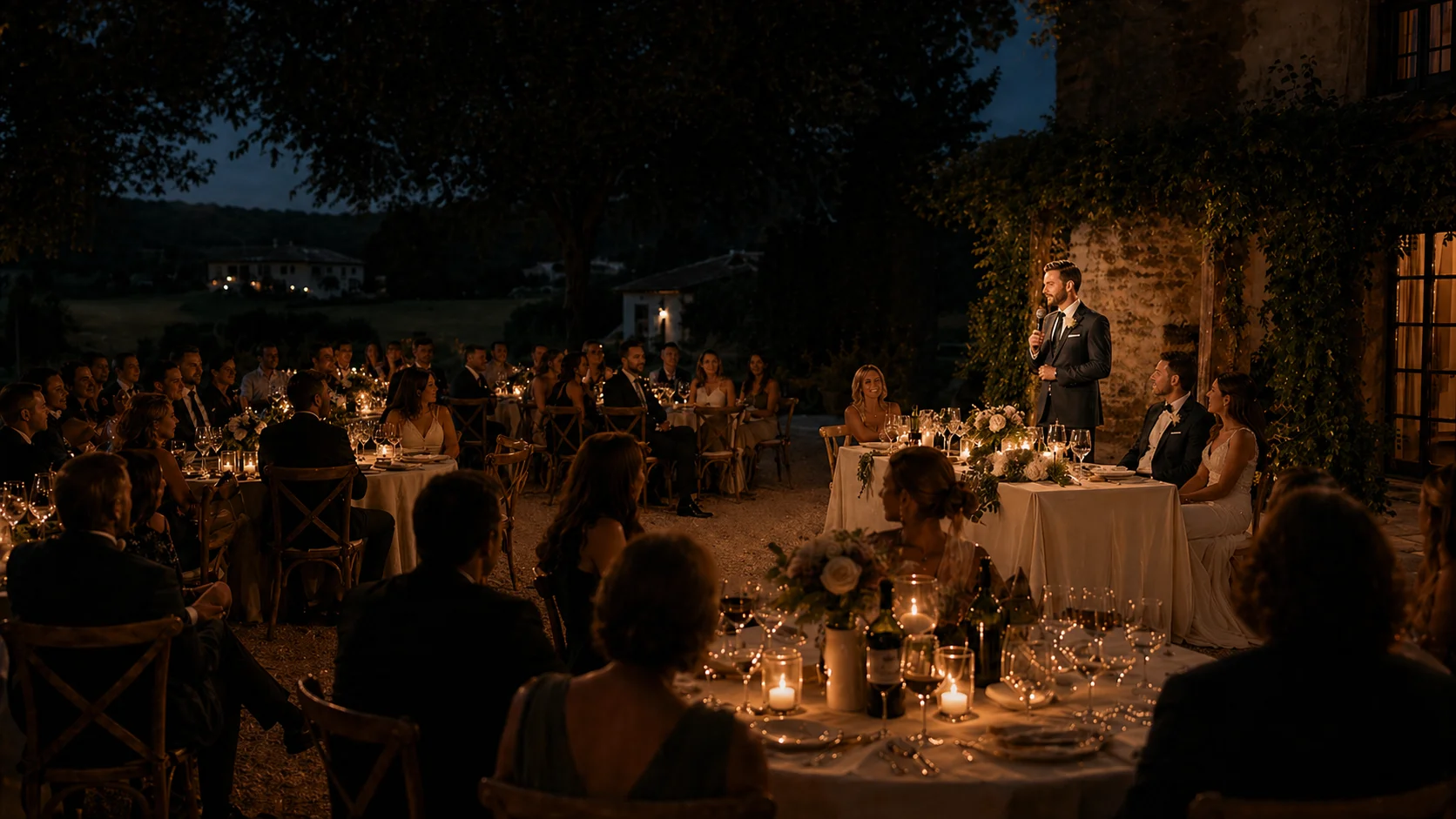
Speech Moment Checklist: What Makes a Toast Feel Held, Not Exposed
A wedding toast depends on more than good writing. It lands differently depending on attention, sound, timing, room tone, and the unspoken signals that tell a speaker whether the moment is carrying them or leaving them alone.
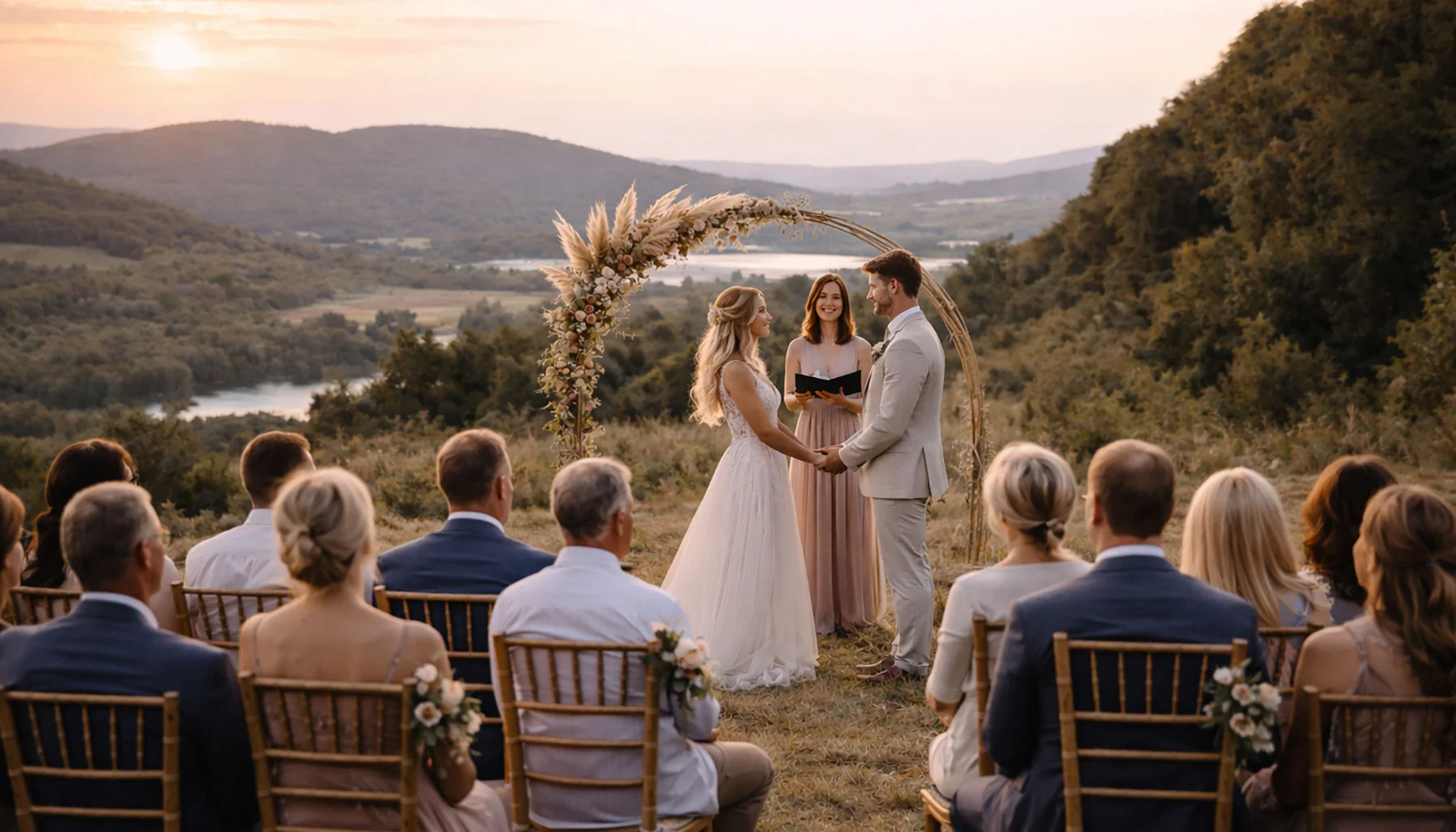
Free Wedding Ceremonies Explained: Meaning, Planning, Legal Context and Global Perspectives
Free wedding ceremonies are symbolic, non-religious ceremonies that do not create a legal marriage and do not depend on religious authority. Yet for many couples, they become the central moment of the day. This article explains how free ceremonies work in practice, where their meaning comes from, and how they relate to legal marriage and traditional wedding symbols.
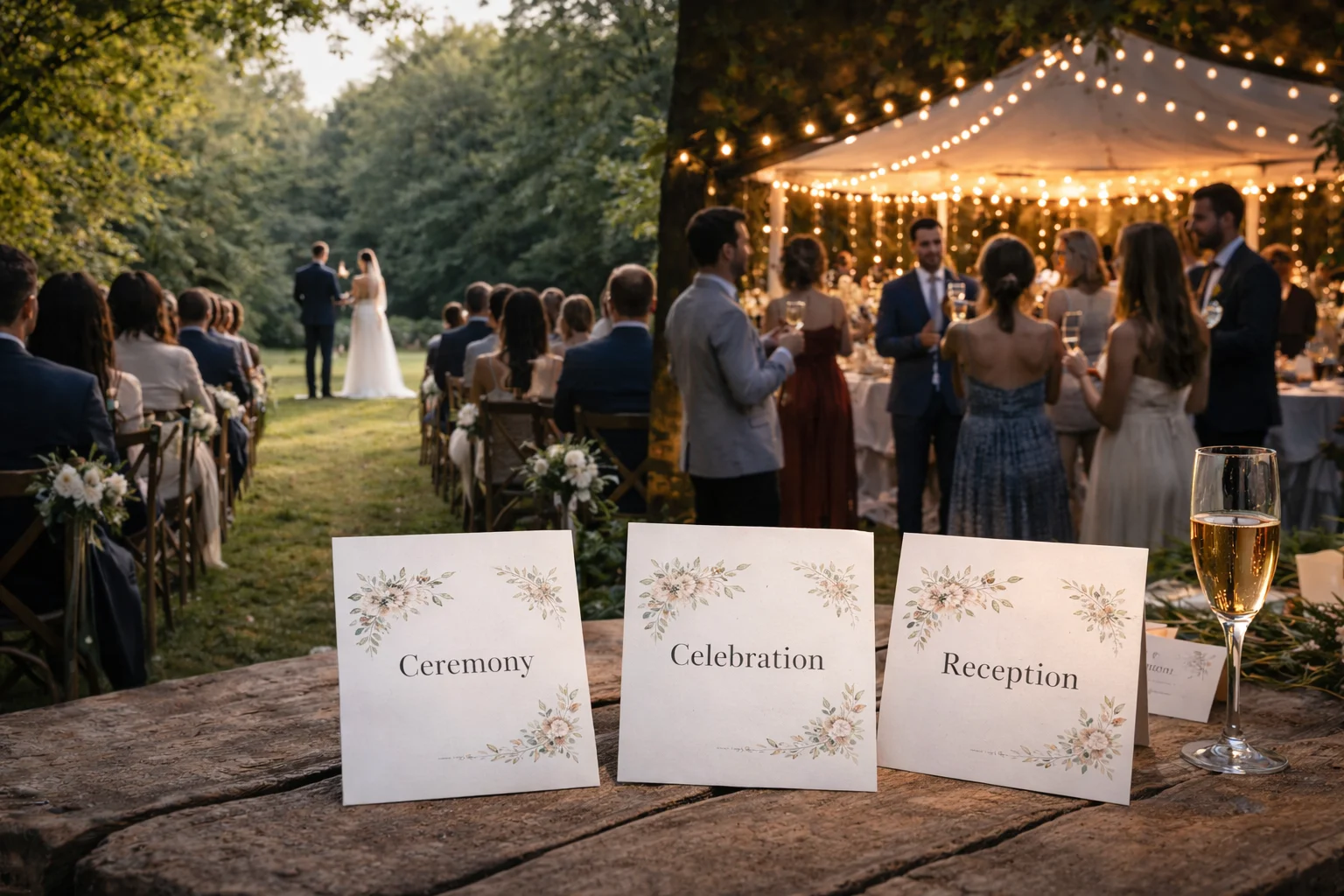
Who Is Invited to the Ceremony and Who Only to the Celebration
Not every wedding invitation has to include every part of the day. But the difference between being invited to the ceremony and being invited only to the celebration carries more meaning than many couples first assume. This article looks at how to make that distinction clearly, gracefully, and in a way that fits both the ritual weight of the ceremony and the social reality of the celebration.