
Free Ceremony Officiants: Presence, Voice, and the Shape of Attention
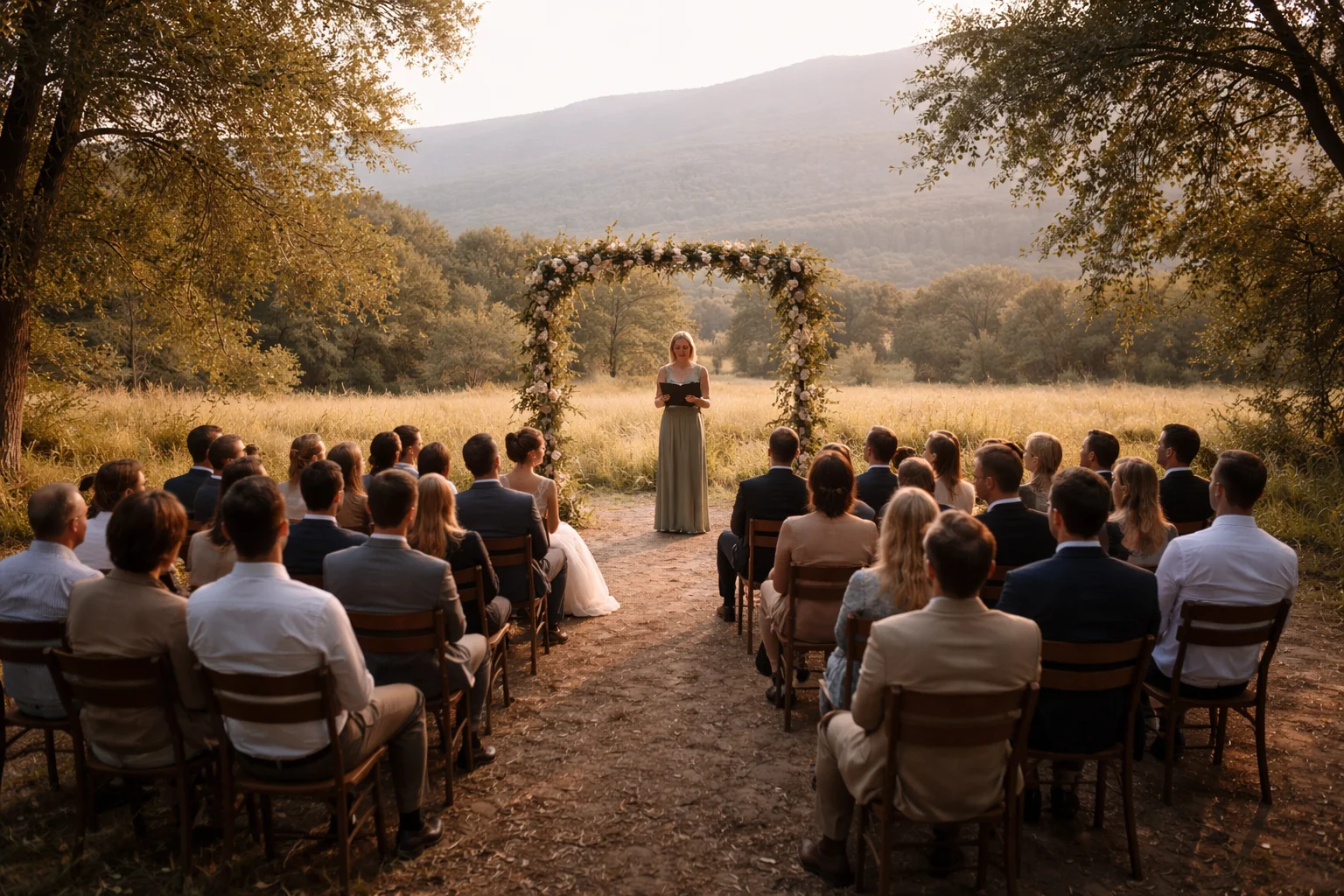
In a free ceremony, what holds the room is often not structure in the usual sense. More often it is the person standing in front. The way they begin, when they stop, how long they wait before continuing, whether the voice settles the room or leaves it drifting a little longer. These things seem small while they are happening. Yet they become the line people follow. Not rigidly. But enough.
This is why the subject belongs naturally not only to free ceremony, but also to silence. Loving Rocks describes silence as the space where meaning gathers before words, decisions, and rituals take shape. In a free ceremony, the officiant works directly inside that space. Without a fixed liturgical frame, pauses remain visible, attention moves more openly, and the ceremony depends more clearly on how presence shapes the room from moment to moment.
loving.rockshttps://loving.rocks/category/free
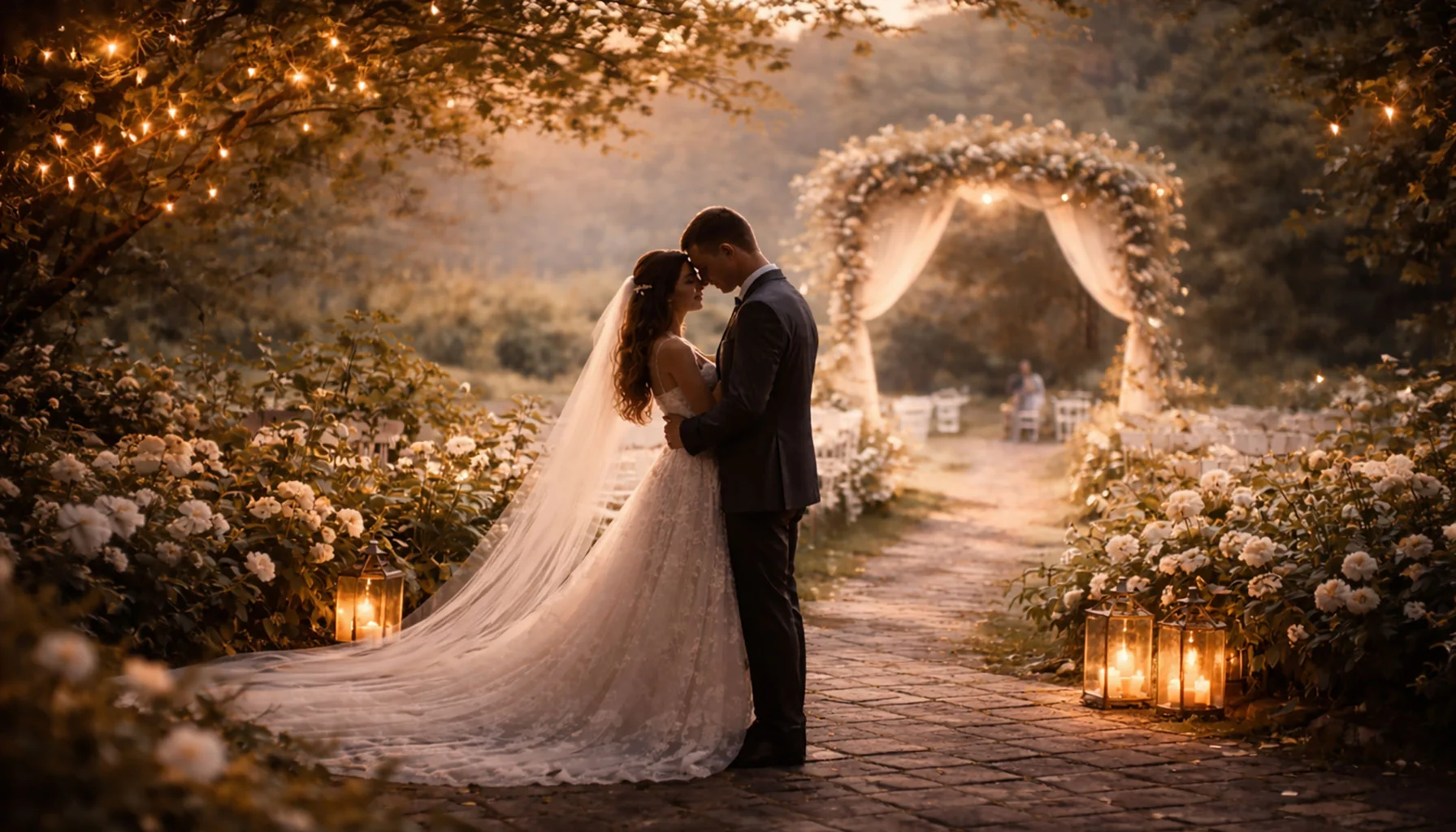
Silence is not absence. It is the space where meaning gathers before words, decisions, and rituals take shape.
Definition
The officiant in a free ceremony guides the sequence without relying on religious rules or a structure everyone already knows. The role is carried through presence, voice, timing, and the ability to hold attention with enough steadiness that the ceremony can gather around it.
Presence Without Automatic Authority
There is no automatic authority in the space. No visual signal that settles everyone at once. People look first. They check, briefly, what kind of person is speaking and whether the room can trust them. Sometimes this takes a moment longer than expected. A small step forward, a different posture, a sentence placed with enough calm, and the room begins to align. Not dramatically. Quietly.
Voice Becomes a Kind of Structure
The voice does more than carry language. It gives shape to time. If it stays too flat, attention starts leaking away at the edges. If it becomes too shaped, too performed, it can stop feeling trustworthy. Somewhere in between, people settle in. The best officiants do not sound theatrical or neutral. They sound inhabitable, as if the ceremony can safely move inside the rhythm they are setting.
Pauses Stay Visible in Free Ceremonies
Pauses are noticed here because there is less covering them. A short pause can gather attention and let a sentence land. A longer one may open the room again, with people shifting, adjusting, or briefly looking elsewhere. Timing is not hidden in a free ceremony. This is one reason silence matters so much. It is not empty space between sentences. It is one of the materials the officiant is working with.
Attention Moves, and the Officiant Follows It
Attention in a free ceremony rarely stays fixed. It moves between the officiant, the couple, the guests, the space itself, and whatever emotion is rising at that moment. Good officiants do not try to pin attention down too aggressively. Small changes in pace, emphasis, or phrasing are often enough to bring it back. What matters is not perfect control. It is responsiveness without visible strain.
Free Ceremonies Often Have Softer Edges
Beginnings are often less sharply marked than in formal religious settings. People arrive, continue talking for a moment too long, and then at some point the ceremony has begun. The same is true at the end. It does not always stop in one decisive cut. It narrows, closes, shifts, and then becomes something else. The officiant is often the person who makes these softer edges legible without forcing them into hardness.
Small Adjustments Carry the Ceremony Forward
A sentence may be shortened. A pause held a little longer. A phrase skipped because the room is already there. None of this is usually announced. It follows the atmosphere as it changes. The plan remains present, but it shifts slightly as the ceremony unfolds. Most guests would not name this kind of adjustment directly, yet they feel the difference between a ceremony being pushed through and one being carried with enough sensitivity to the moment.
Conclusion
Without a fixed ritual structure, the officiant becomes the point around which the ceremony gathers. Not rigidly, more like a line people can follow for a while. Voice, pauses, presence, and timing are enough to hold the room when they are used with care. In free ceremonies, that is often what structure really looks like once silence is left visible.
Related Articles
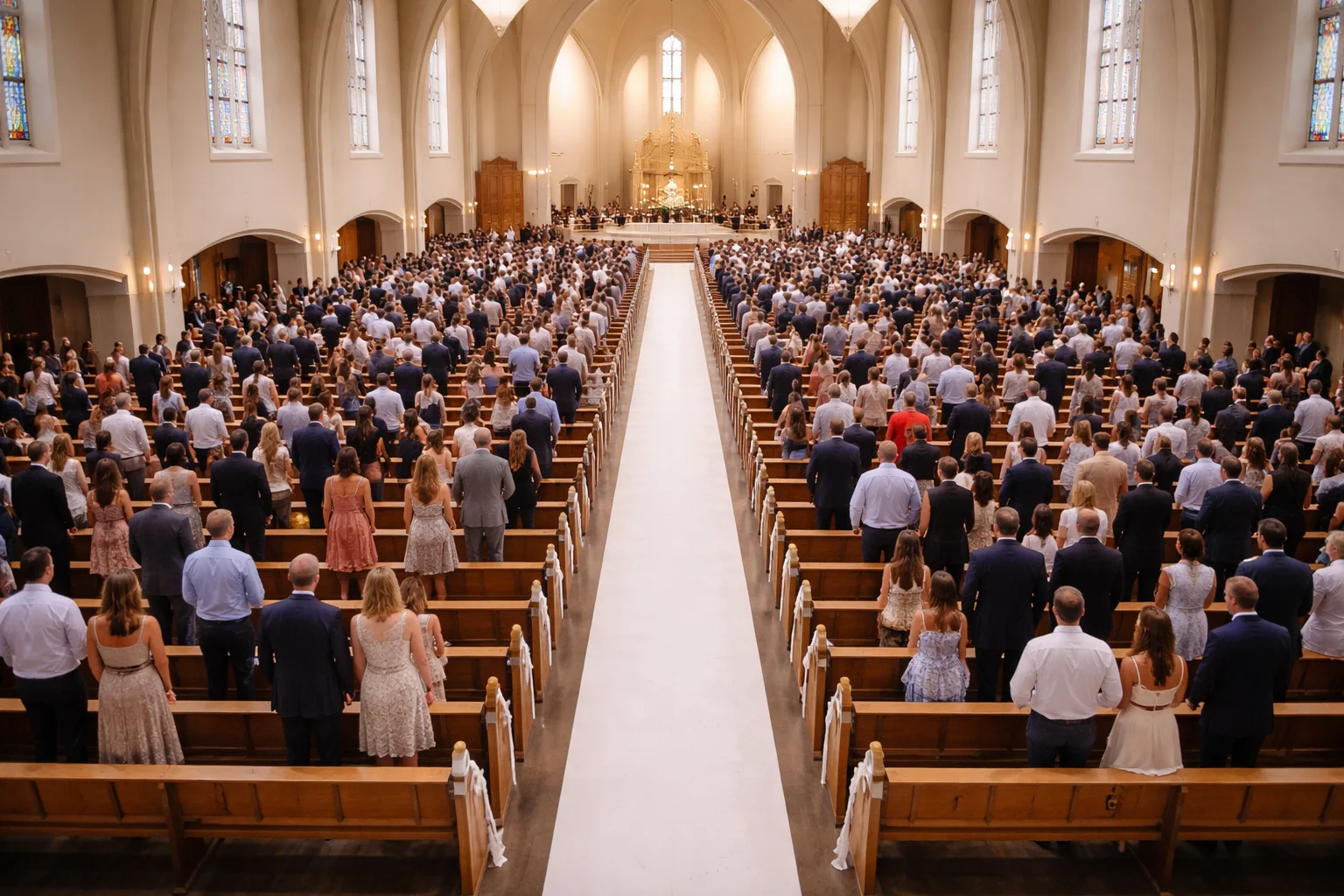
How Space Shapes Guest Behavior at Ceremonies
Large religious rooms tend to slow people down a bit. Not dramatically, just enough to notice. Guests enter, stop for a second too long, look around, then move again. It rarely looks planned. More like small corrections happening one after another.
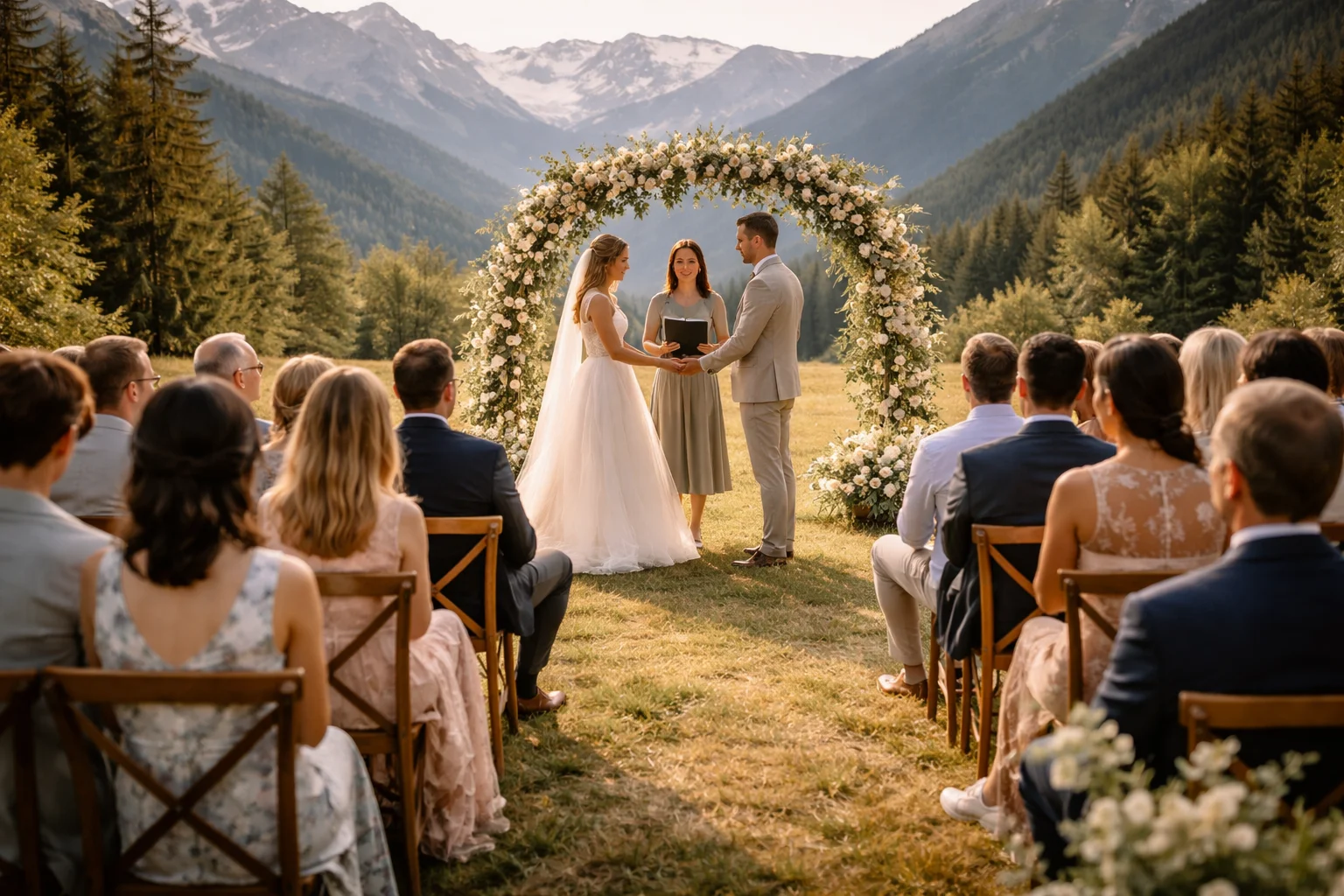
How a Free Ceremony Creates Meaning From the First Minute
A free ceremony is often described as flexible, personal, and less bound by formal rules. But that freedom only works when the ceremony has real structure, emotional direction, and a clear sense of what belongs in the moment. This article looks at how a free ceremony begins, why it carries weight, how guests understand it, and what makes it feel meaningful rather than vague.
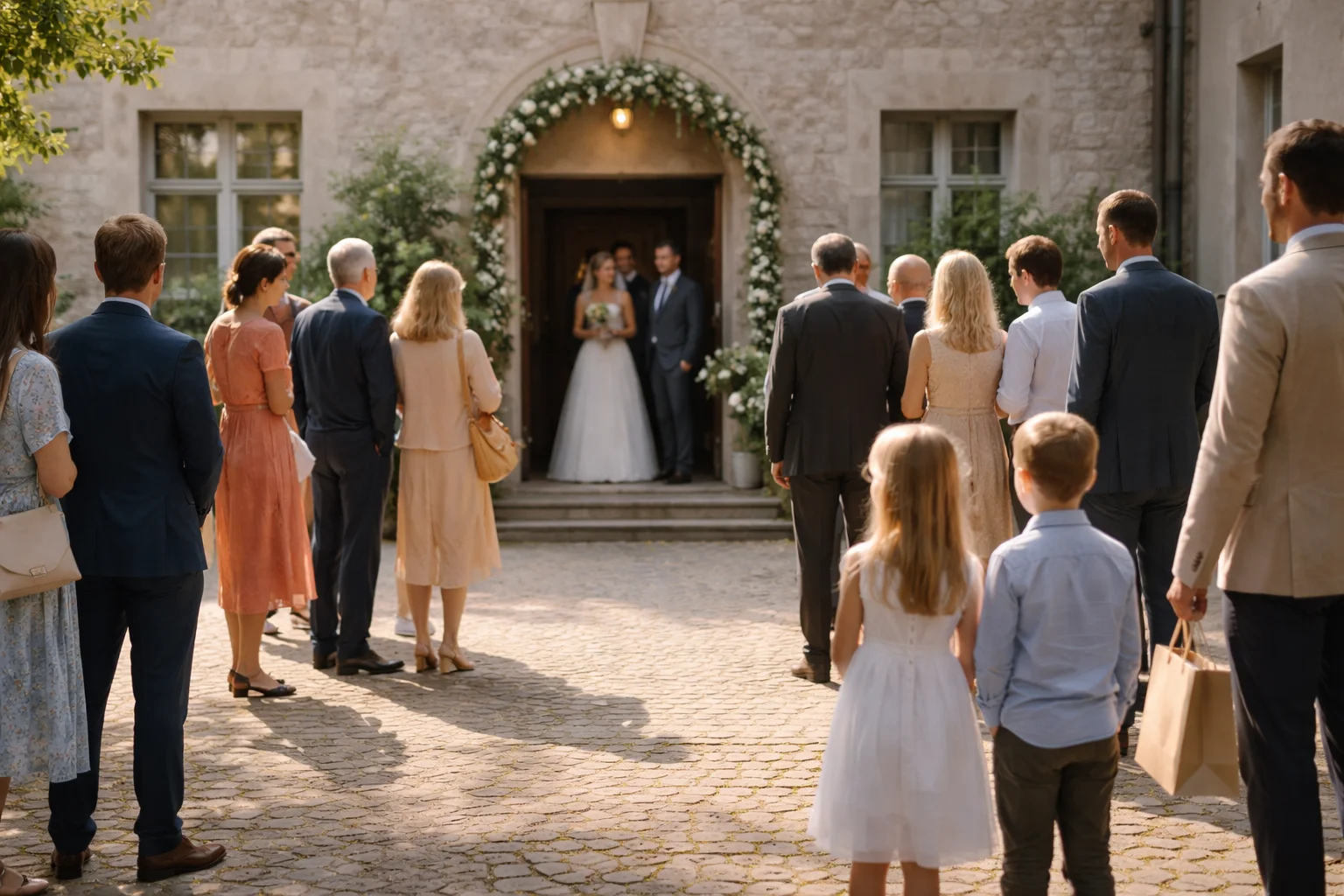
Arrival Before the Ceremony: How Guests Find Their Place Without Being Told
Arrival does not really start at one point. It leaks into the day. Some people are early without meaning to be. Others arrive exactly on time but still end up waiting. The space fills in patches. A few stand close to the entrance, others keep distance. No one explains it. It still settles somehow.
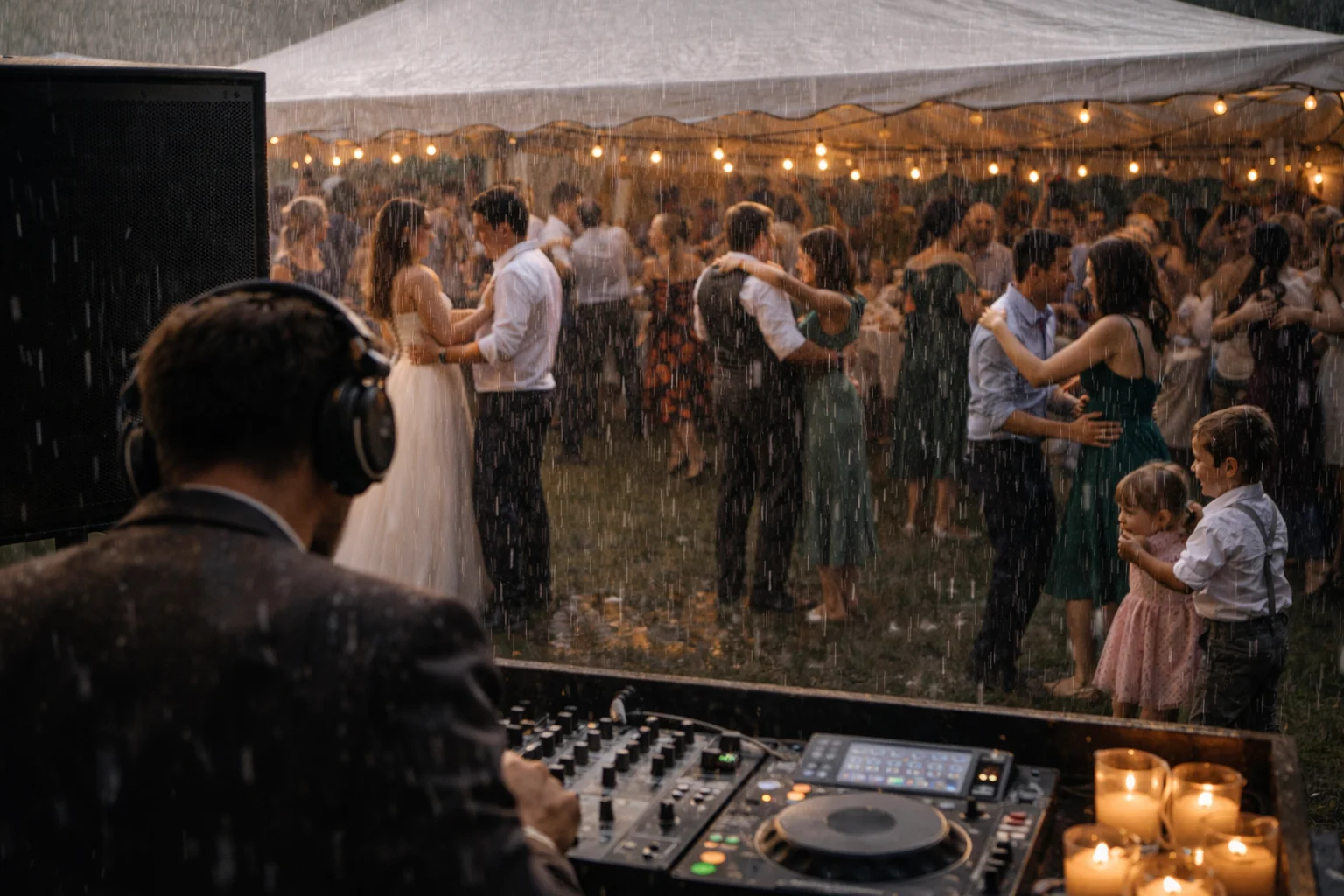
Rainy Wedding Playlist: Music That Works When the Weather Changes Everything
Rain changes a wedding faster than almost anything else. It alters timing, mood, movement, and expectation. This article explores how a rainy wedding playlist can steady the atmosphere, guide guests through uncertainty, and support practical decisions when the day suddenly shifts.
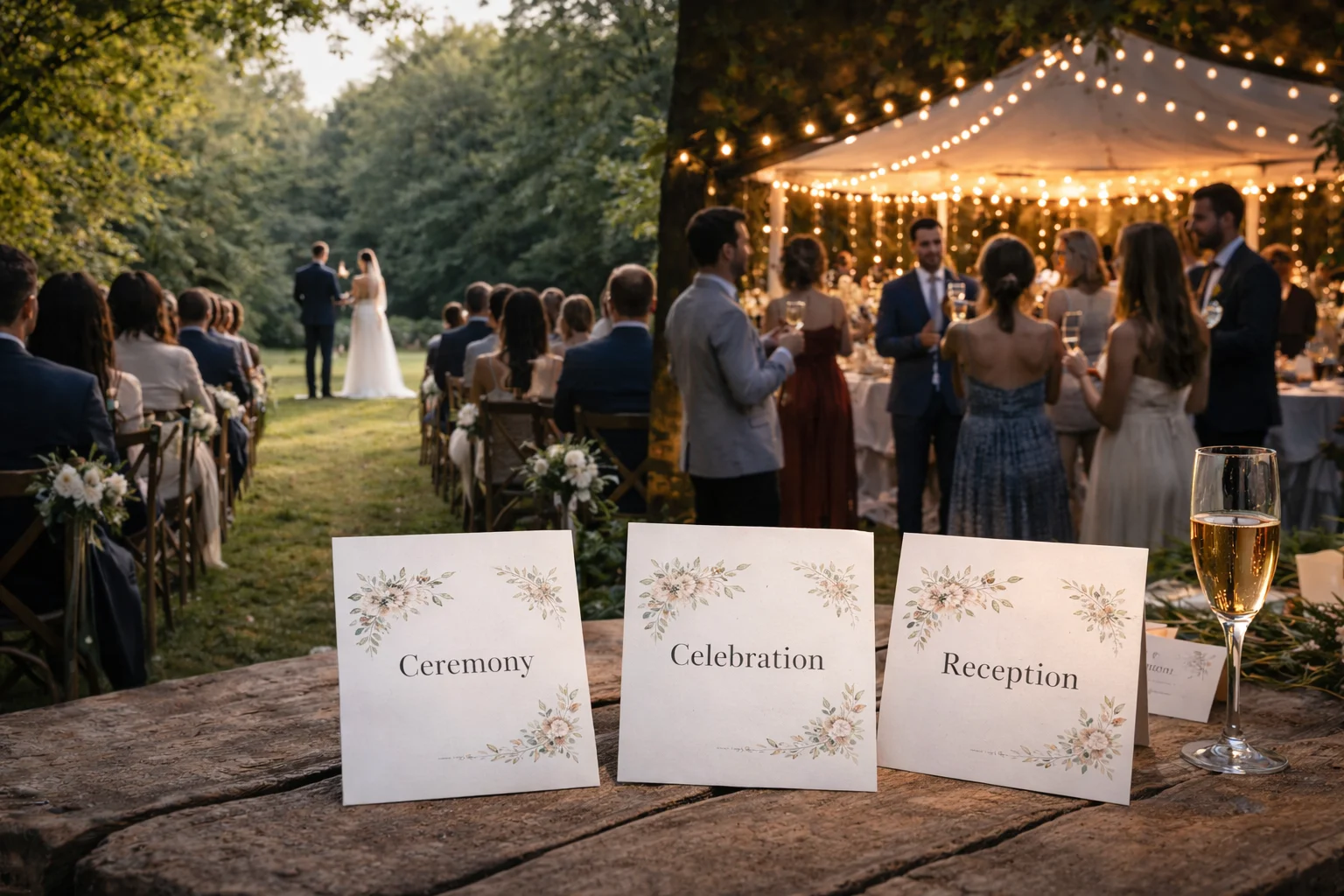
Who Is Invited to the Ceremony and Who Only to the Celebration
Not every wedding invitation has to include every part of the day. But the difference between being invited to the ceremony and being invited only to the celebration carries more meaning than many couples first assume. This article looks at how to make that distinction clearly, gracefully, and in a way that fits both the ritual weight of the ceremony and the social reality of the celebration.
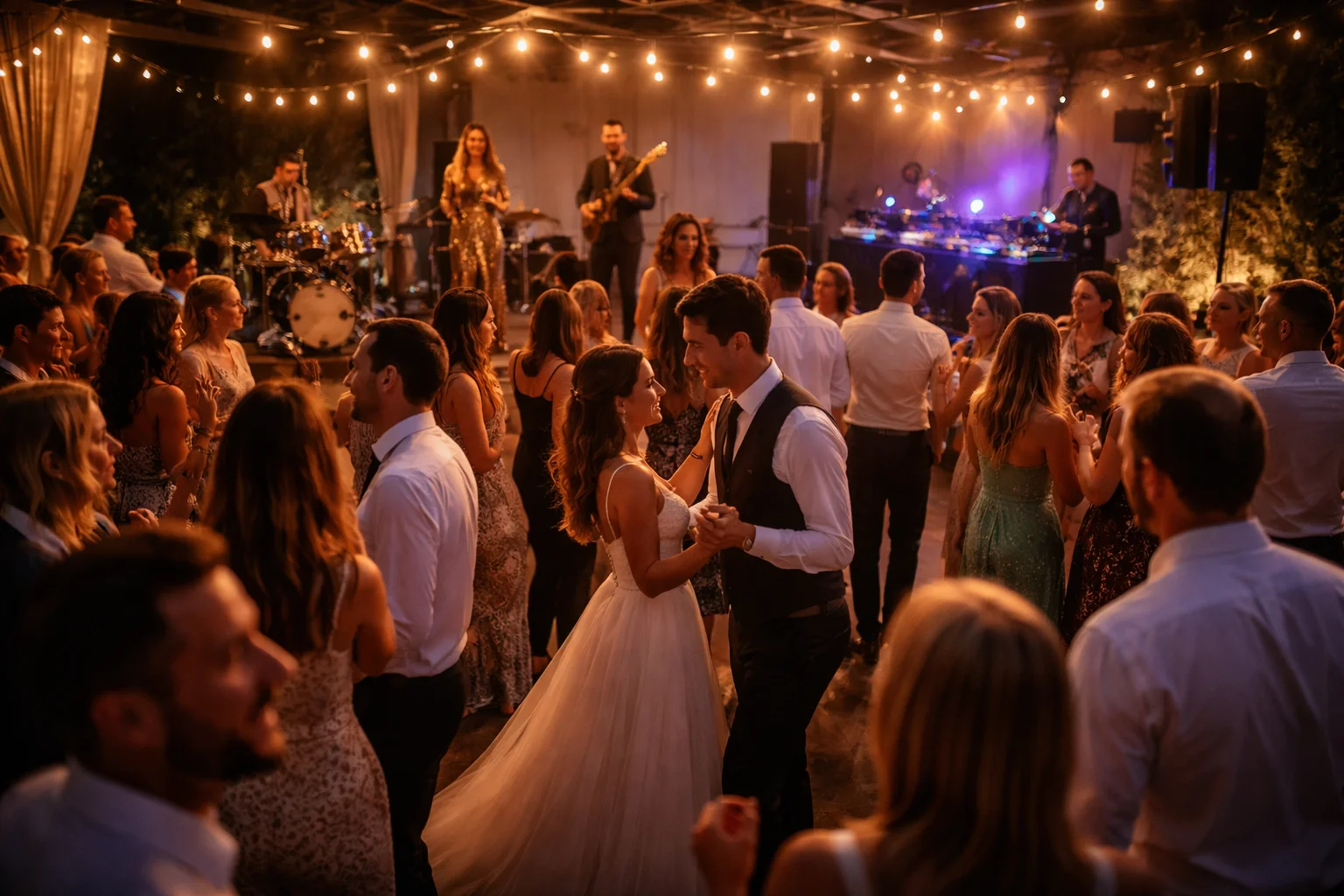
DJ or Live Band: What Actually Fills a Wedding Dance Floor
The choice between DJ and live band is often framed as a style decision, but at weddings it changes timing, energy, and how guests move through the night. This article looks at what really fills a dance floor, what guests actually want, and why the most important musical choice often happens before the first song begins.
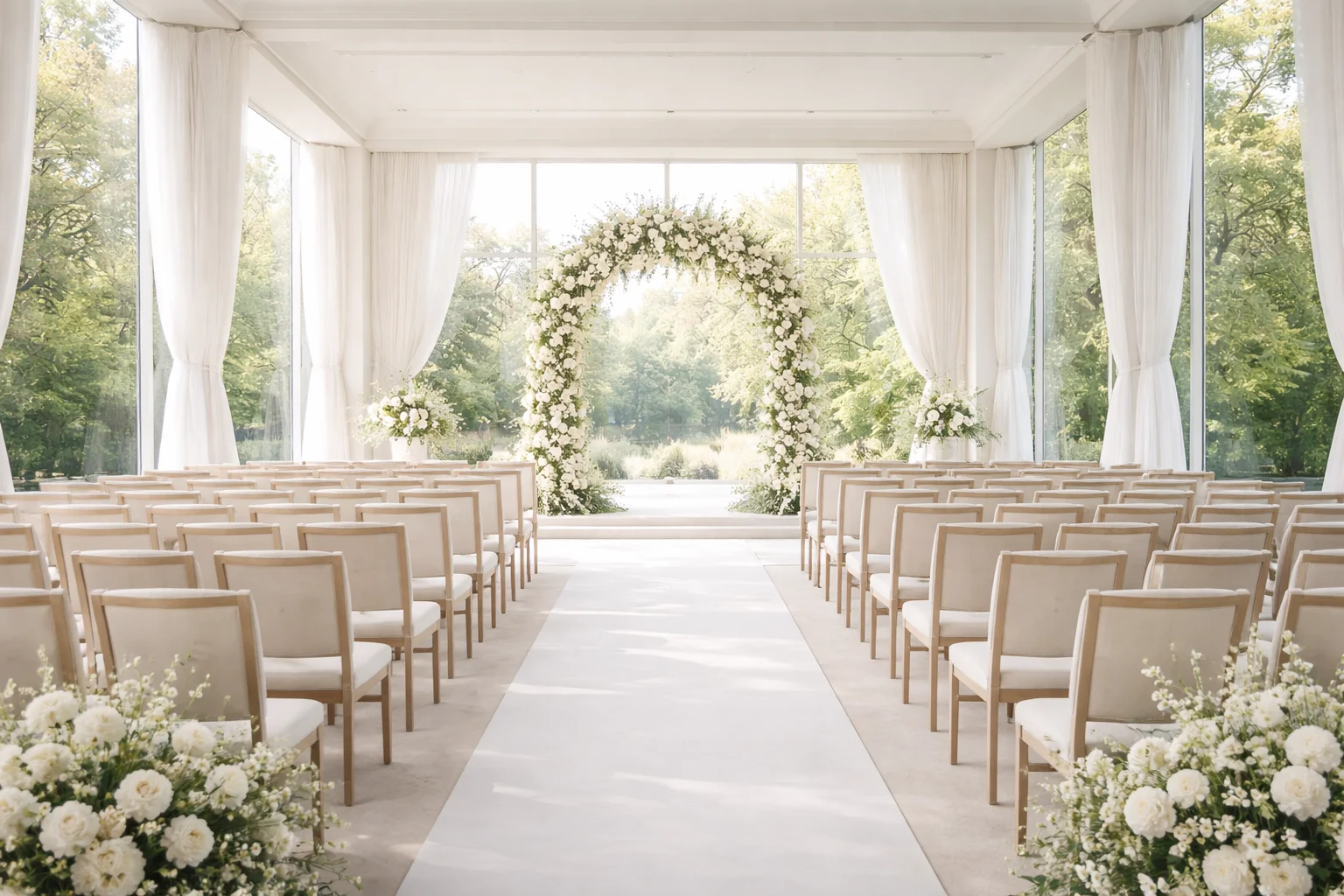
What Guests Notice First in Wedding Decoration — and Why
Guests rarely notice wedding decoration in the order planners imagine. They register proportion, spacing, light, and the calm or tension of a room long before they name a flower or a fabric. This is why the visual intelligence of luxury cars offers an unexpectedly useful lens: both rely on line, restraint, material confidence, and the power of a well-held pause.
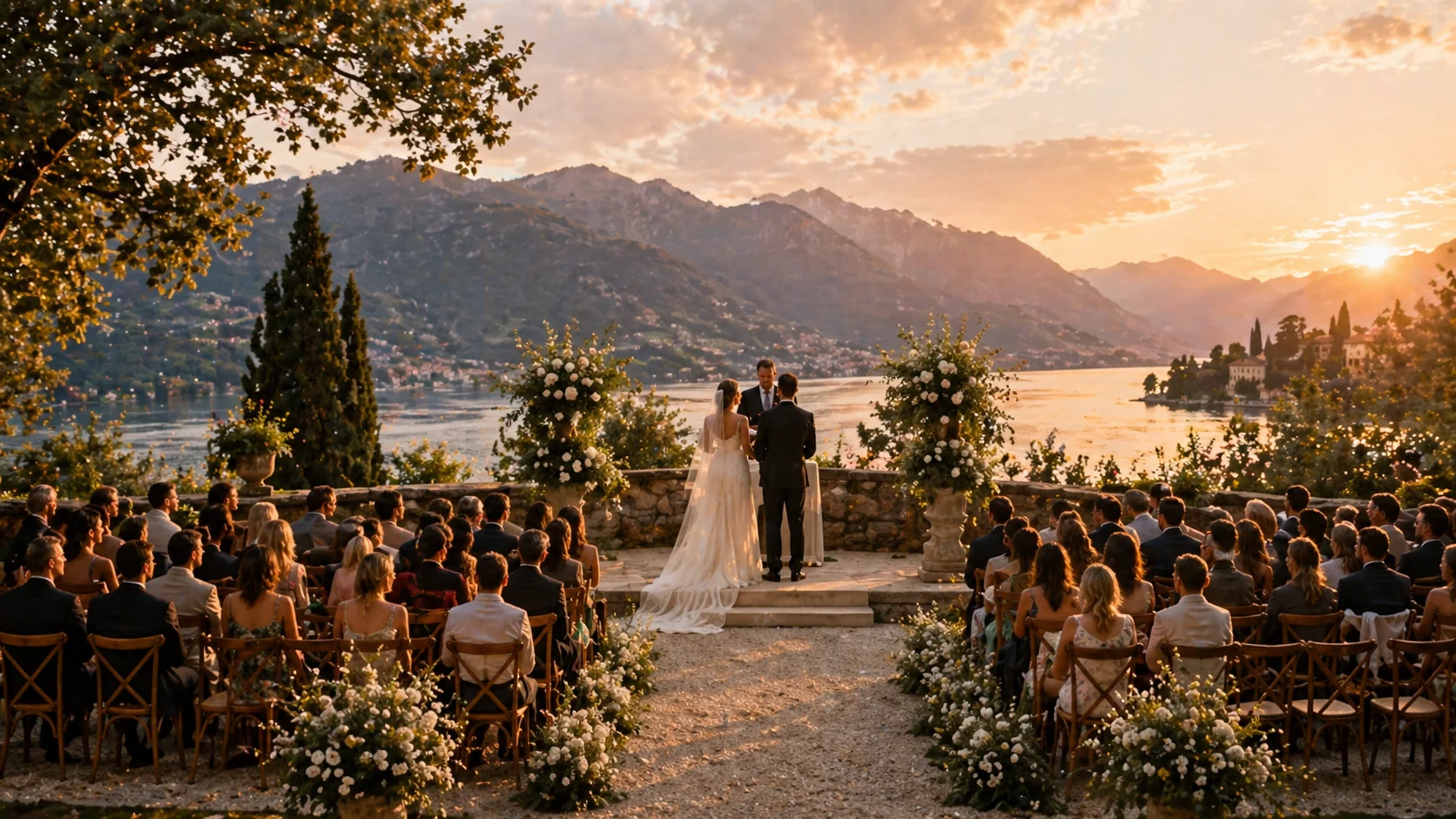
Ceremony Transition Checklist: What Should Be Ready Before Attention Has to Gather
Ceremony transitions often seem brief on paper, but they carry the difficult shift from movement into shared attention. This article looks at what needs to be ready before that moment arrives, from seating and sound to cues, stillness, and the quieter emotional readiness of the room.
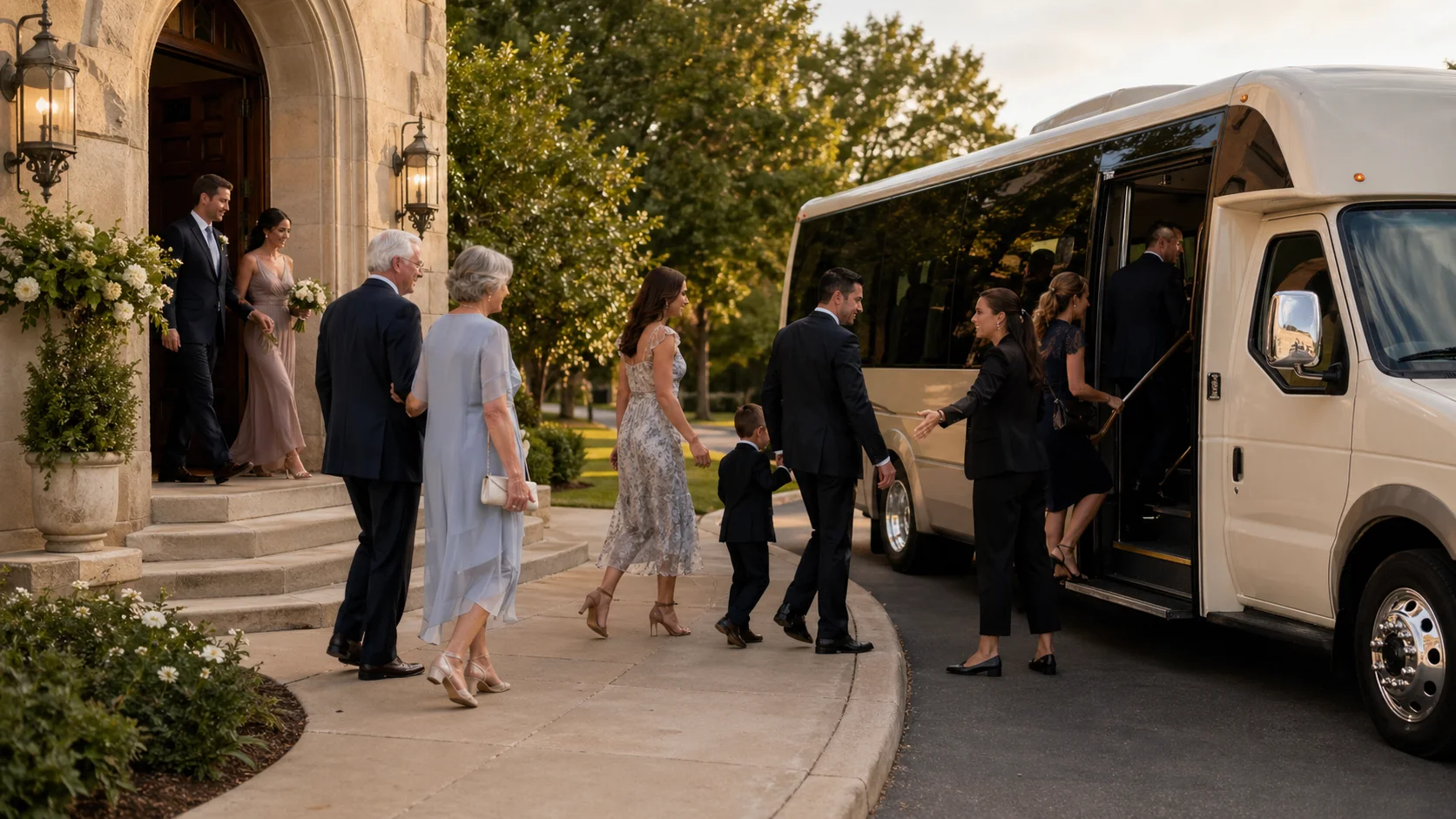
Transportation Checklist: How Not to Lose Time Between Wedding Locations
Wedding transportation is rarely only about the drive. This article looks at pickup points, buffers, driver contacts, guest movement, accessibility, and the pause between locations that either keeps the day together or quietly costs time.
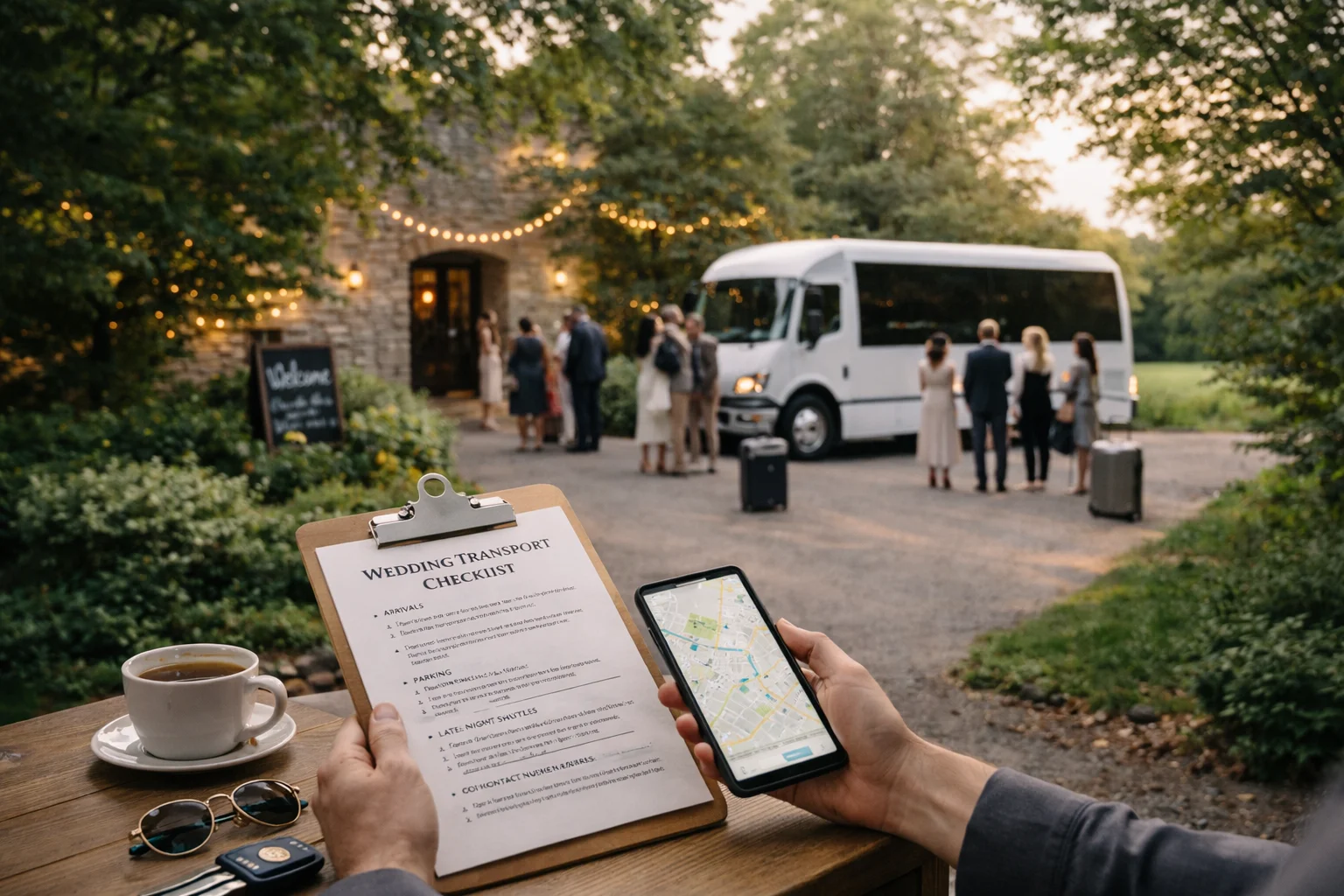
Wedding Transport Checklist: Arrivals, Transfers, Parking, and Late-Night Returns
Wedding transport is rarely remembered when it works, but it shapes the day long before the ceremony begins and long after the central moment has passed. This article looks at what still needs to be planned around arrivals, transfers, parking, and late-night returns, and why movement and waiting belong more closely together than many couples expect.
Photographer Coordination Checklist: What Helps Without Overdirecting the Day
Wedding photography needs enough coordination to protect the important images, but not so much direction that the day starts feeling staged. This article looks at shot priorities, family helpers, light windows, access, ceremony limits, and the space photographers need to notice real stories.
A City Wedding Moves Fast Until It Pauses
City weddings are shaped by movement. Traffic, schedules, tight timelines, elevators, crowded sidewalks, the constant awareness that everything is happening in the middle of something else. Planning one often means working with constraints rather than against them.