
Quiet Wedding Activities for Introverted Guests
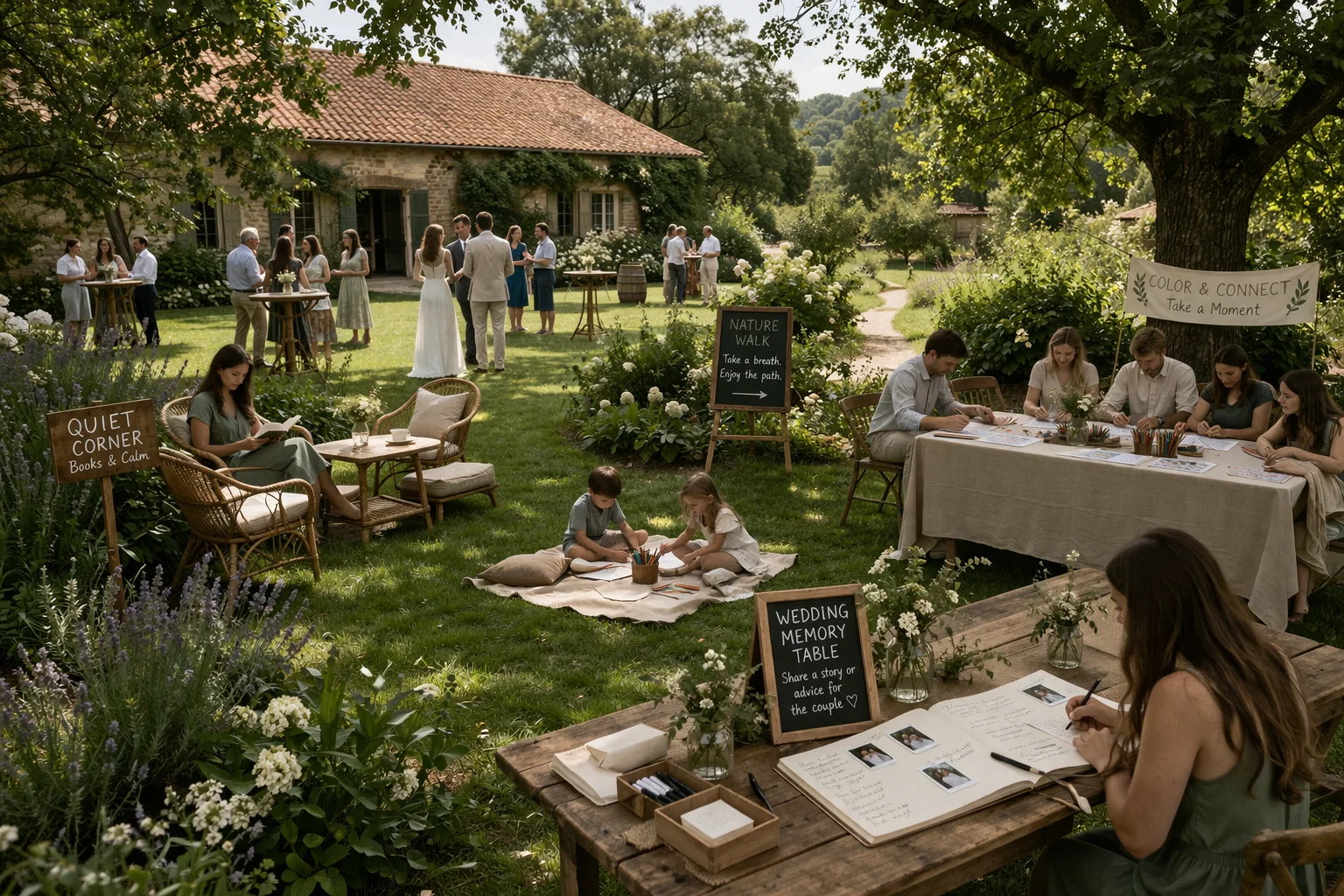
Weddings often assume that participation should look visible. Dancing, talking, cheering, moving quickly from one group to another. But many guests do not enter a celebration that way. They arrive more slowly. They notice details, prefer one real conversation to five light ones, and feel most included when the event allows them to participate without performing. This is why thoughtful wedding activities matter. They create ways to belong that are not built on volume.
That quieter kind of participation also has a second value. It often produces the moments people remember later. A handwritten note, a small table with family photographs, a question card that opens an honest conversation, a corner where someone can sit and look through old images without being interrupted. These are not the loudest parts of a wedding, but they often become part of its stories. In that sense, calm activities do more than accommodate introverted guests. They deepen the emotional memory of the day.
Guest ActivitiesKeeping guests entertained adds an extra layer of joy to a wedding celebration. From interactive games and creative corners to relaxed lounge moments or group experiences, well-chosen activities help guests connect and feel involved. Thoughtful planning ensures there’s something enjoyable for every age and creates lasting memories beyond the dance floor.
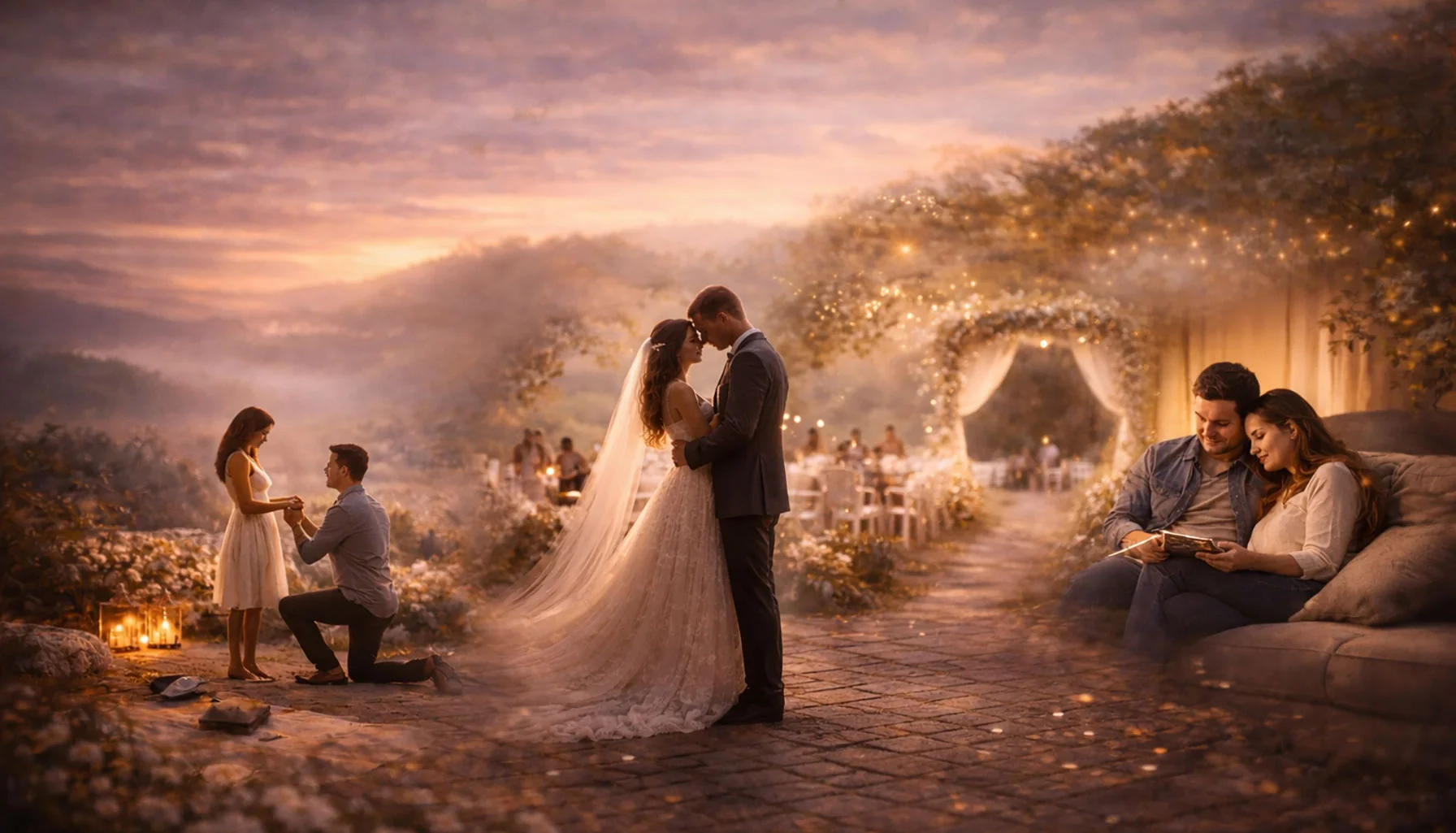
Stories are where ideals meet reality. They do not explain love — they show how it is lived, carried, tested, and remembered over time.
Definition
Quiet wedding activities are low-pressure ways for guests to take part in the celebration without needing constant social energy. They are usually slower, smaller in scale, and designed to encourage reflection, one-to-one interaction, or gentle observation rather than public performance.
Create Places With a Clear Purpose
Introverted guests often feel more comfortable when a quiet space has a reason to exist. A table for writing short notes to the couple, a shelf of photo albums, a basket of story prompts about family memories, or a listening corner with recorded messages from relatives gives people something to do besides circulate. Purpose lowers social pressure immediately.
Use Activities That Start Real Conversation
The best quiet activities do not isolate people completely. They create an easier entrance into conversation. Cards with thoughtful questions, a shared notebook for memories, or a display that invites guests to add one sentence about the couple can open more meaningful interaction than a loud group game ever could. For quieter guests, depth is usually easier than surface-level performance.
Let Observation Count as Participation
Not every guest wants an active role, and that is not a problem to solve. Some people feel fully present by watching, listening, and taking in the room. A comfortable seating area with sightlines to the celebration, softer music nearby, and small visual anchors like candles, printed vows, or framed photographs can make observation feel intentional rather than like withdrawal.
Make Memory Tangible
Quiet guests often engage strongly with materials that hold memory. Family letters, printed stories, childhood photographs, annotated objects, or a timeline of the couple's relationship give them a way into the wedding that feels personal and specific. These details do not simply decorate the space. They create narrative, and narrative is what people carry away afterward.
Keep One Area Unforced
A quiet activity stops working when it is pushed too hard. The most effective version is often one area of the wedding that remains unforced. No host calling attention to it, no pressure to participate, no oversized instructions. Just a clearly prepared place that guests can discover in their own rhythm. That sense of permission matters more than complexity.
Conclusion
Quiet wedding activities are not secondary to the celebration. They are part of what makes a wedding feel hospitable to different kinds of people. And very often, they create the moments that last. Not because they are louder or more visible, but because they give guests a way to connect that can turn into a real story later.
Related Articles
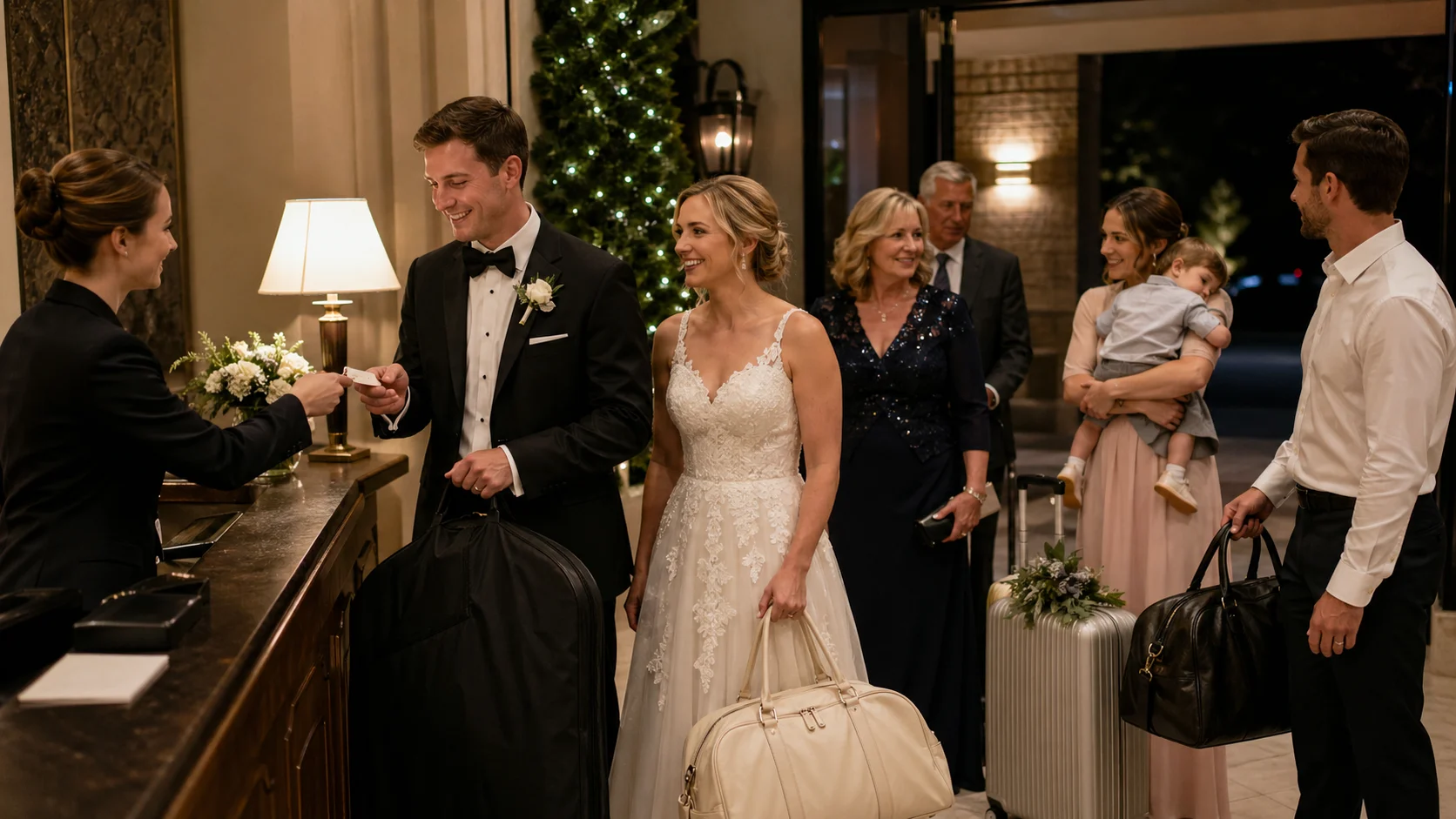
Overnight Stay Checklist: What Couples and Guests Often Realize Too Late
Overnight stays around weddings often seem solved once rooms are booked. This article looks at room access, bags, keys, transport, breakfast, checkout, and the late-night waiting moments couples and guests usually notice too late.
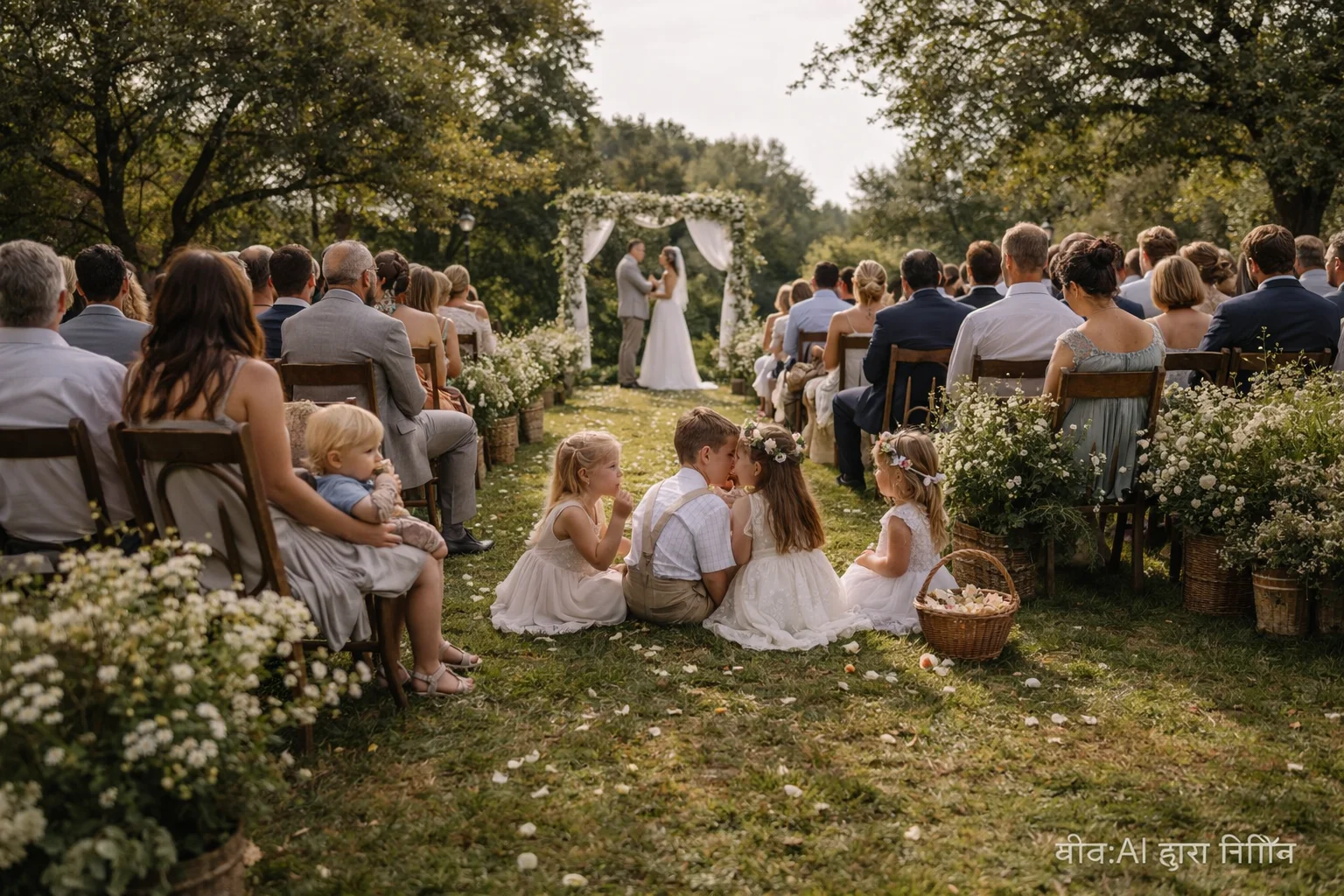
Children During the Ceremony: What Helps in the Exact Moment
Children do not disturb a wedding ceremony by default. They react to pressure, duration, unfamiliar rules, and adult tension. This article looks at what happens in the actual moment, when things begin to tip, how space and sequence can support children better, and how parents can stay part of the celebration without spending the ceremony in crisis control.
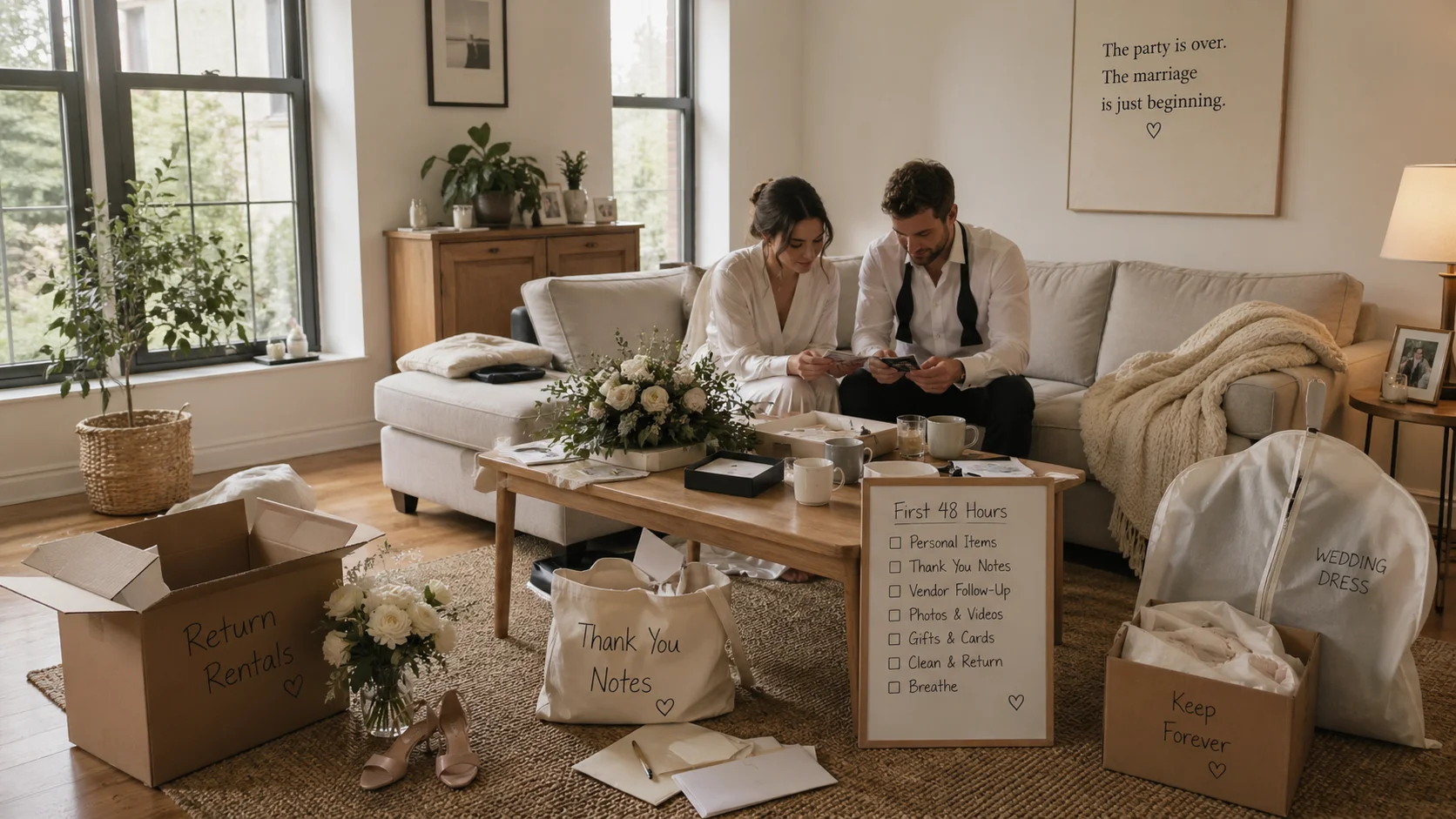
After-the-Wedding Checklist: What Needs Attention in the First 48 Hours
The first 48 hours after a wedding are quiet, practical, and easy to underestimate. This article looks at personal items, gifts, clothing, vendor closure, early photos, and the small tasks that help the after feel lighter instead of turning into scattered errands.
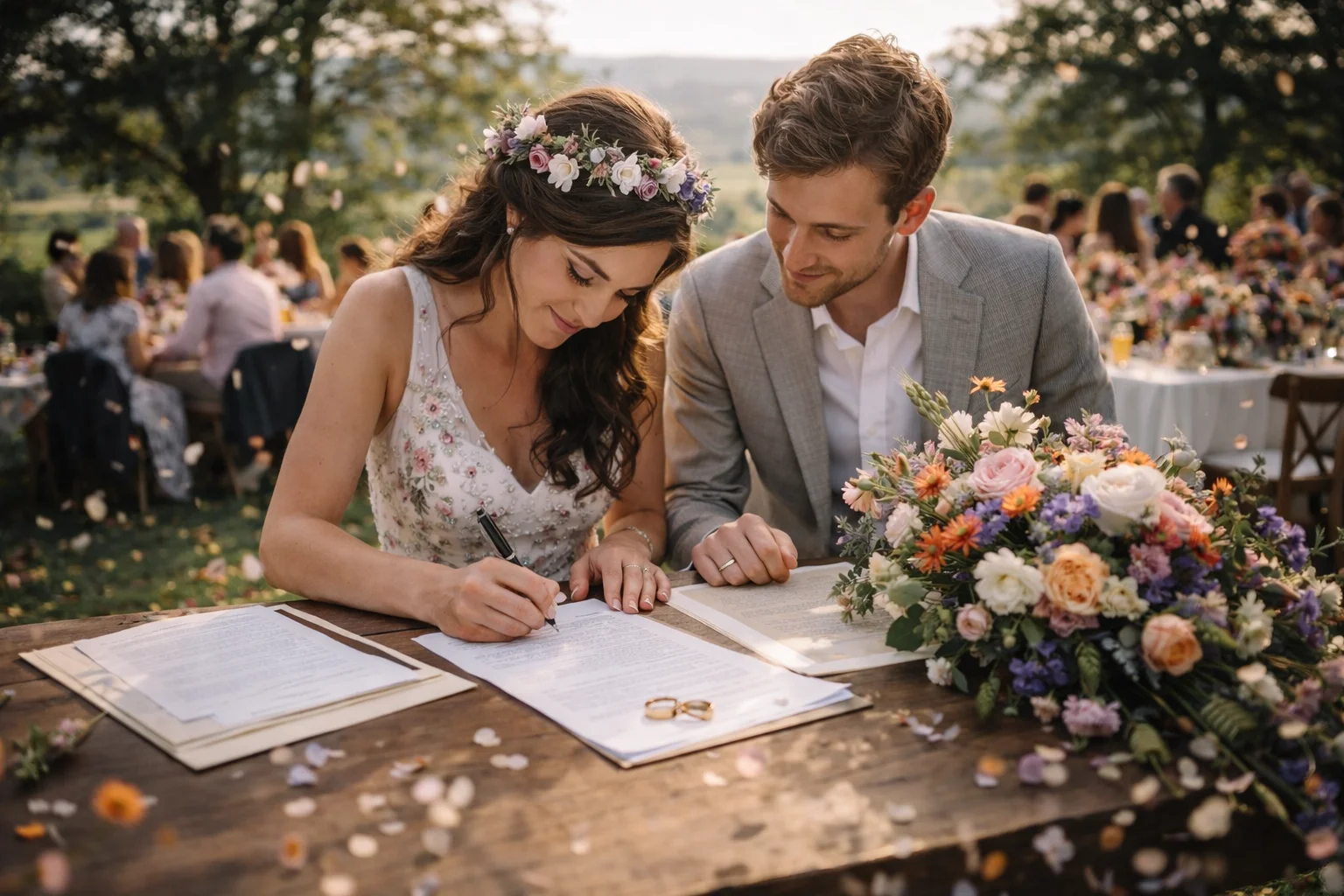
What Legal Documents Know, and What Marriage Learns Later
A wedding can be filed, certified, and recorded, but that is only one version of what has happened. The legal documents matter because they give the marriage standing in the world, while the story begins in the quieter space that no form can fully describe.
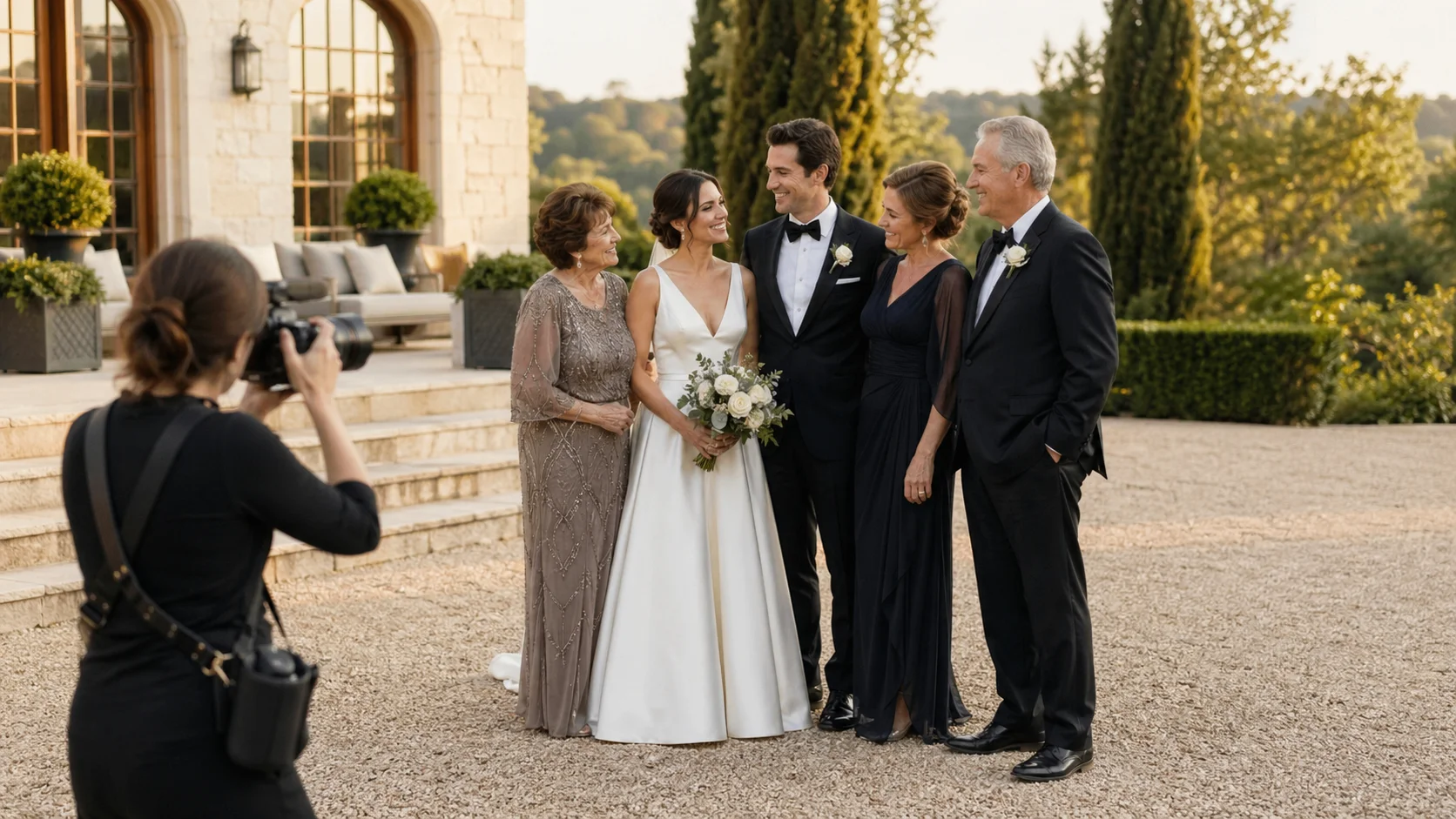
Photographer Coordination Checklist: What Helps Without Overdirecting the Day
Wedding photography needs enough coordination to protect the important images, but not so much direction that the day starts feeling staged. This article looks at shot priorities, family helpers, light windows, access, ceremony limits, and the space photographers need to notice real stories.

Some Things Only Work With Certain Guests
Wedding activities rarely work on format alone. They depend on guest chemistry, timing, shared ease, and the unspoken permissions already moving through the room before anyone fully names them.
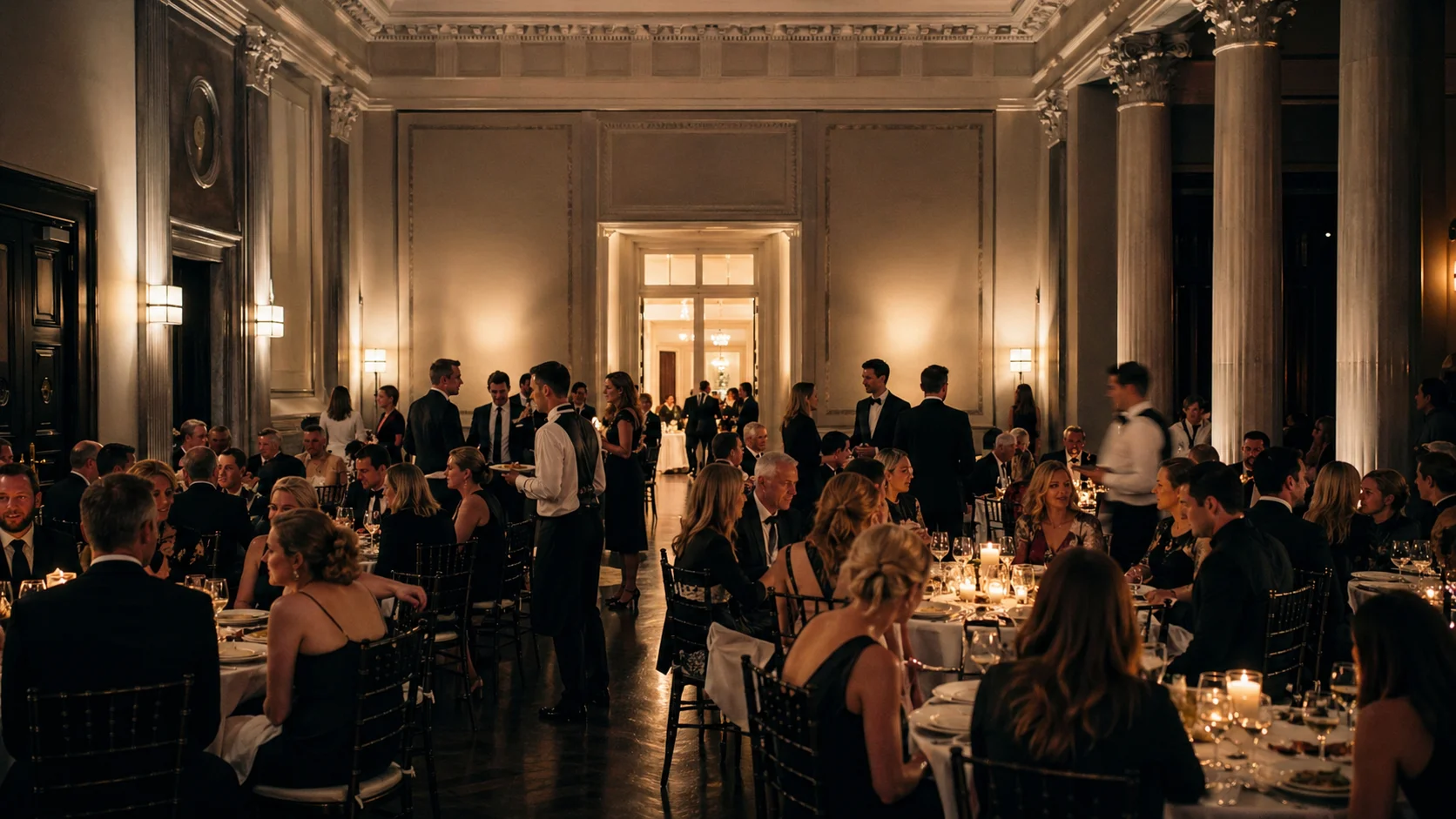
Wedding Dinner Flow Checklist: What Keeps the Room Together Between Courses
Wedding dinners usually drift or hold together in the moments between courses, not during the food itself. This article looks at service rhythm, guest movement, music, speeches, and the small in-between conditions that keep the room socially connected.
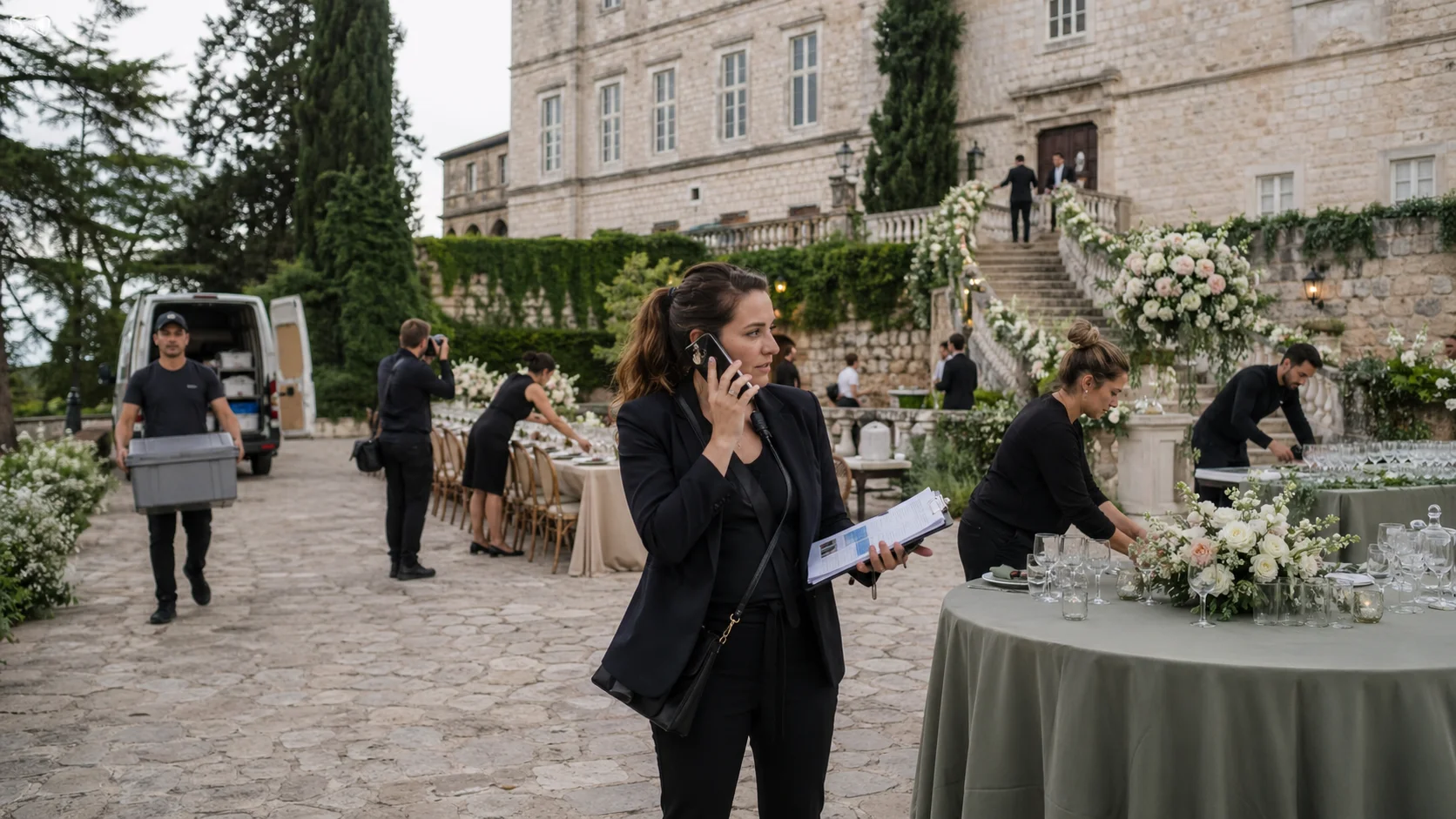
Vendor Contact Checklist: Who Needs to Reach Whom When the Day Starts Moving
A wedding contact list is not the same thing as a wedding communication plan. Once the day starts moving, what matters is not only who is involved, but who should contact whom, for what reason, and at which moment.
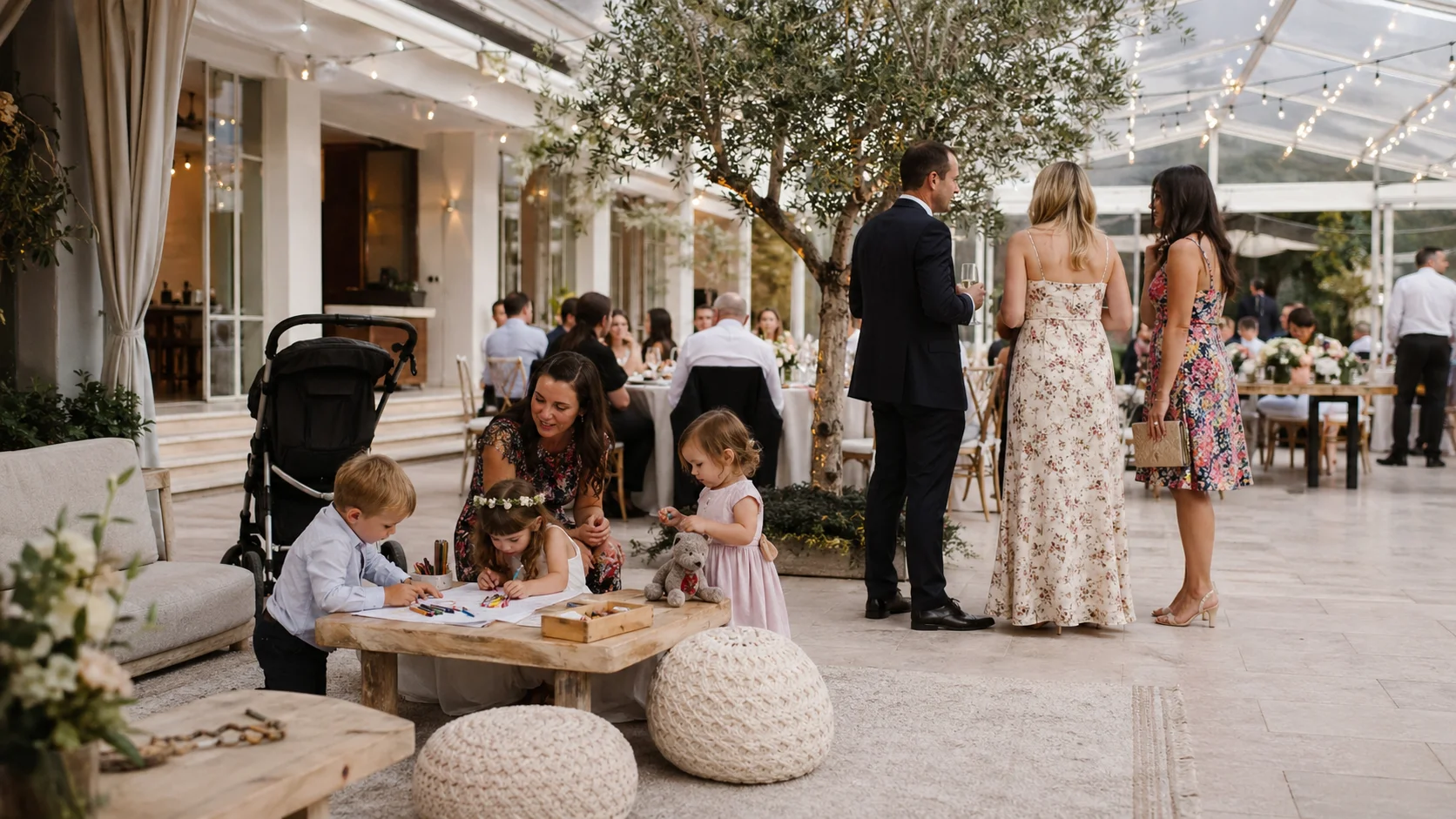
Kids at Weddings Checklist: What Helps Families Stay Longer Without Strain
Families with children usually leave weddings early for a series of small reasons rather than one big one. This article looks at what helps them stay longer with less strain, from food timing and retreat spaces to quieter transitions and the simple need for relief.
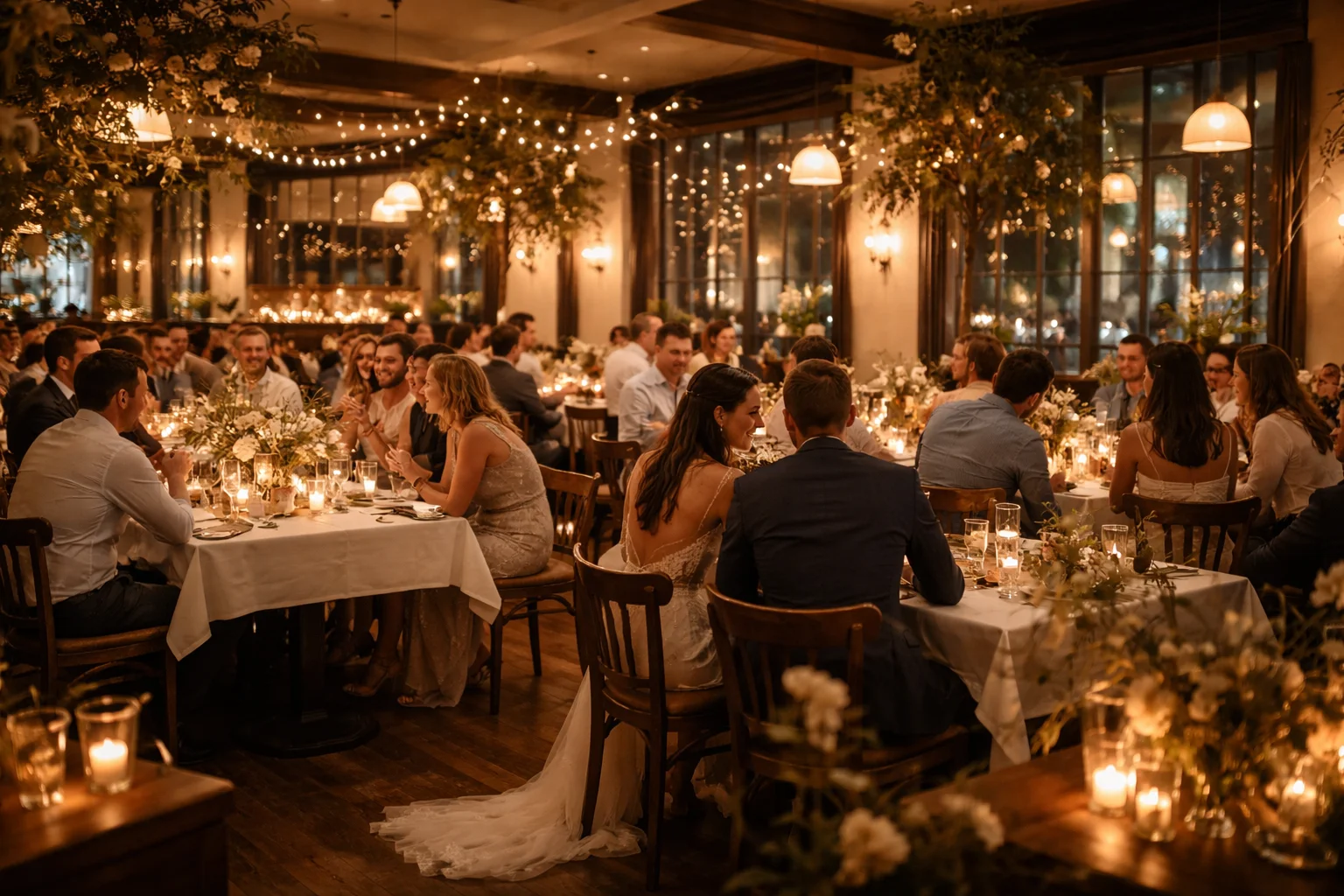
Restaurant Weddings: Why Some Rooms Feel Social Without Much Effort
Restaurant weddings often feel warmer more quickly than larger, more neutral venues. This article looks at why certain dining rooms support conversation, movement, and shared atmosphere so naturally, and how that ease turns into the small social scenes people later remember.

Music for Kids and Families at Weddings: International Hits, Trends and Timeless Crowd Pleasers
Family-friendly wedding music rarely works by sheer volume or by forcing participation. It works when recognition arrives quickly enough that children move closer, older guests stay a little longer, and the room begins to trust what is happening. This article looks at music for kids and families through international examples and the quieter logic of how wedding playlists help people remain together.
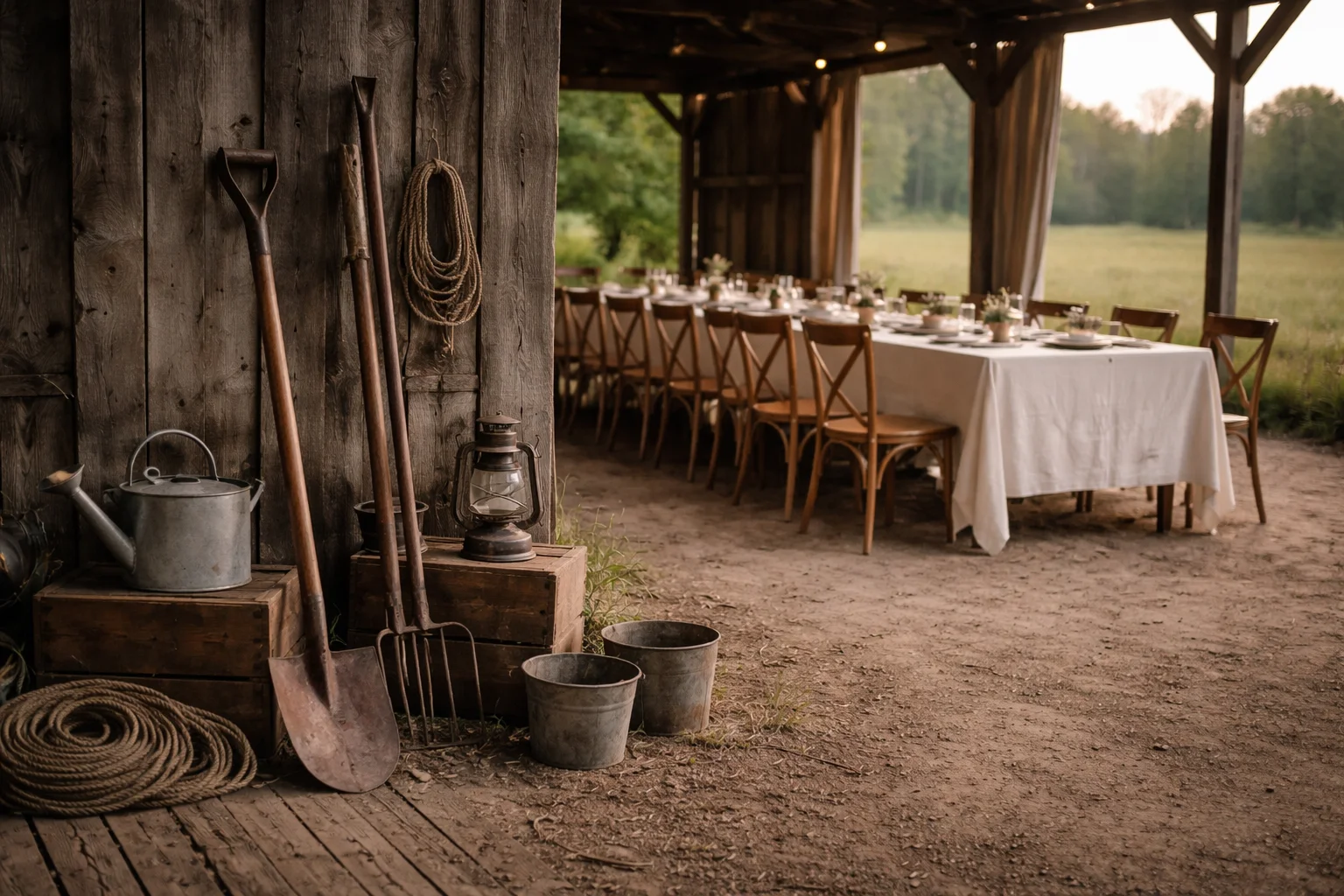
Vintage Tools as Static Objects in Rustic Weddings
Old tools can strengthen a rustic wedding space without ever becoming formal decor. This article looks at how leaving them quiet, slightly uneven, and largely untouched can preserve the character of a venue while adding depth, history, and a more believable sense of place.