
Stylish City Weddings: Trendy, Cool, and Affordable Urban Wedding Venues That Truly Work
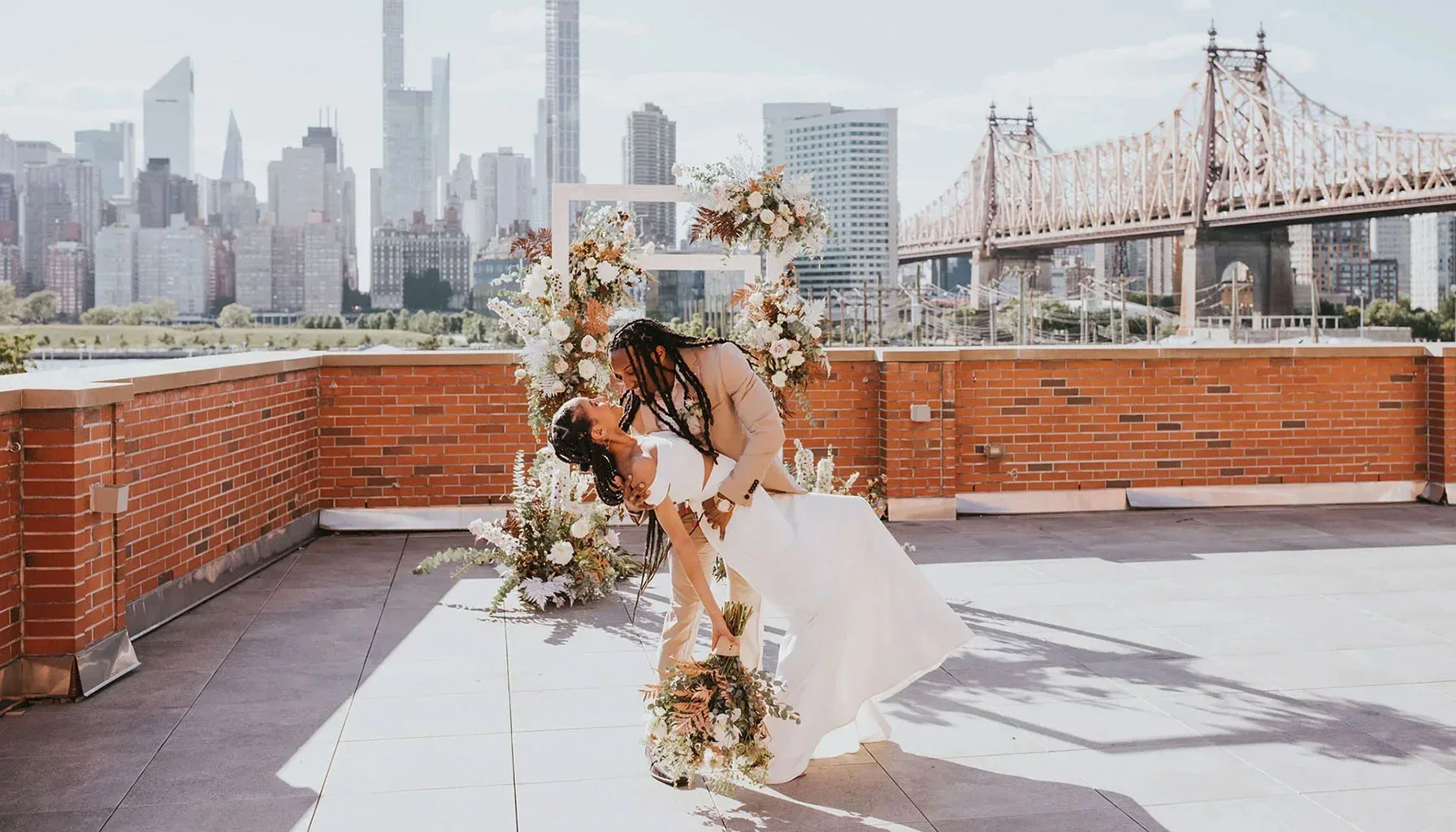
Stylish City Weddings: Urban Celebrations That Feel Considered and Work in Practice
Introduction
City weddings have shifted in tone over the past years. What once felt like a fallback now often feels intentional. Urban spaces bring clarity. They are easy to reach, already alive, already shaped by daily use. When chosen carefully, city venues tend to support weddings that feel grounded, social, and realistic. Not staged. Simply present.
Why City Weddings Continue to Work Well
Cities offer density. Transport, accommodation, food, and services sit close together. Guests arrive without long travel days. They orient themselves quickly. Many appreciate being able to step in and out of the celebration without effort. When planned with attention, urban weddings feel active but not overwhelming. Structured, yet open.
Urban Wedding Locations That Shape the Atmosphere
Certain city venues do more than host a celebration. They influence how guests move, speak, and stay. The space becomes part of the memory, often without calling attention to itself.
Rooftop Venues and Skyline Settings
Rooftops change perspective. The city stays visible, but distant. Guests tend to slow down once they arrive. Views support conversation without dominating it. Some rooftops come with higher fees, others remain accessible through hotels or shared event spaces, especially during daytime hours or quieter seasons.
Industrial Lofts and Warehouses
Lofts and former industrial spaces are often chosen for their honesty. Materials are visible. Decoration becomes optional rather than necessary. These venues allow flexibility and tend to adapt well to different guest numbers. Many couples appreciate the balance between openness and structure they provide.
Urban Gardens and Courtyards
Hidden gardens and inner courtyards offer pause within density. They feel enclosed without being isolated. Guests often comment on the contrast. Many of these spaces are maintained by public or local institutions, which can make them accessible and practical while still feeling special.
Creative Studios and Cultural Spaces
Galleries, studios, and cultural venues carry their own rhythm. Guests tend to observe first, then settle in. These spaces are often adaptable and open to nontraditional formats. They suit celebrations that value atmosphere over formality.
City Wedding Locations That Remain Approachable
Many city weddings succeed precisely because expectations stay realistic. Simpler spaces often allow more focus on people rather than setup.
Restaurant and Café Venues
Restaurants already understand flow. Seating, service, timing. Private rooms or full buyouts reduce coordination effort and tend to feel social by default. Guests stay longer when food and conversation align naturally.
Community Halls and Small Event Spaces
Community spaces are often underestimated. With considered lighting and a clear layout, they transform easily. Their central locations and flexibility support larger guest groups without pressure.
Converted Spaces and Pop-Up Locations
Temporary venues invite adaptability. Empty offices, rooftops, or studios become usable through short-term planning. These spaces suit couples who prefer involvement and openness over permanence.
Planning Considerations That Support the Day
Urban weddings benefit from clarity. Venues that are easy to reach reduce early fatigue. Clear communication around transport and parking helps guests arrive calmly. City regulations shape timing and sound, but when acknowledged early, they rarely disrupt the flow. Comfort remains central: airflow in industrial spaces, shade outdoors, seating for pauses. When the city itself is allowed to remain visible, the setting often feels complete without added effort.
Conclusion
City weddings continue to prove reliable. Not because they impress, but because they function. From rooftops and lofts to restaurants and community spaces, urban settings offer variety without excess. When choices are made with attention to guests and place, celebrations feel warm, current, and easy to inhabit.
Related Articles
Fragmented Celebrations: One Wedding Day Across Multiple Places
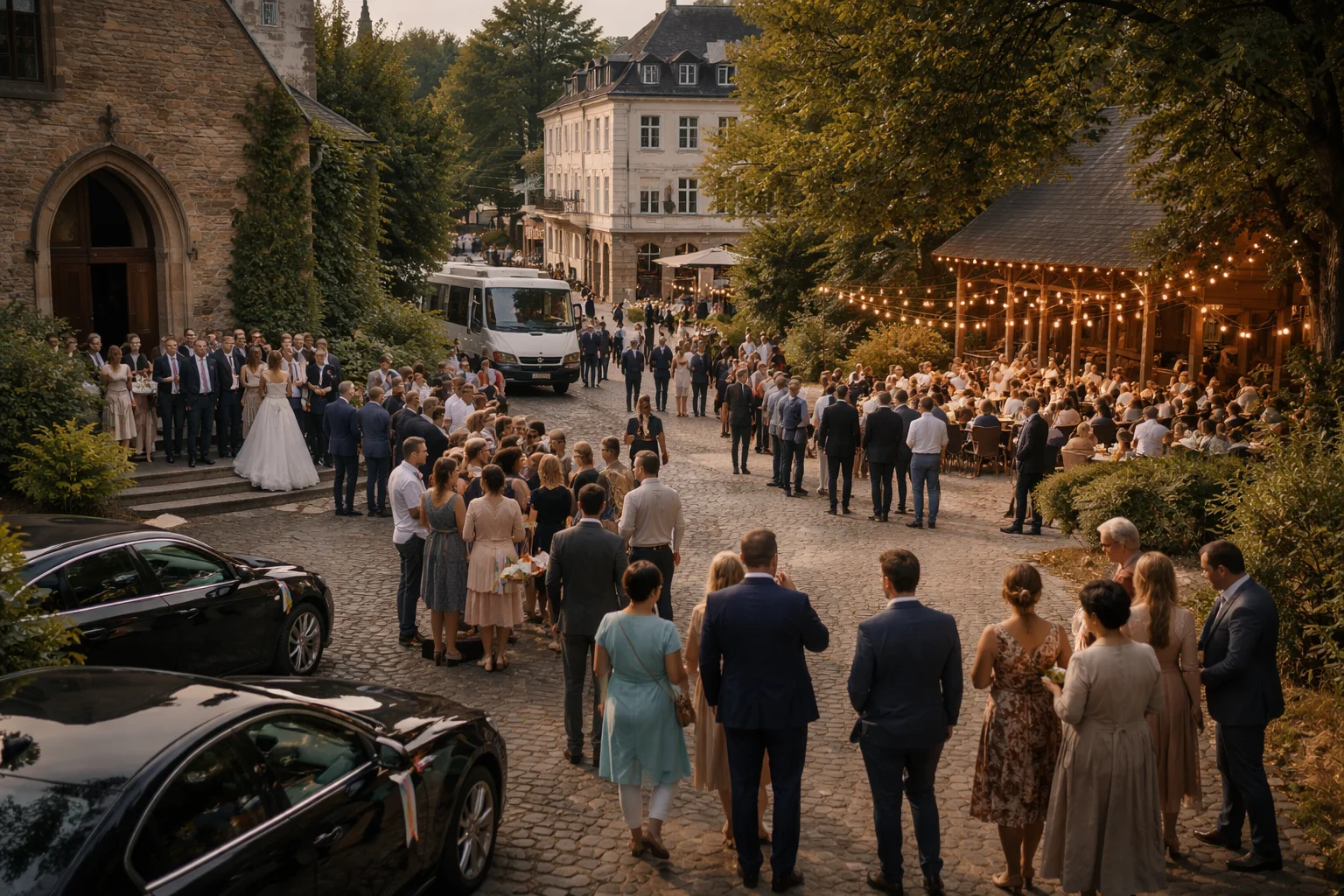
Some wedding days do not stay in one place. They shift. People arrive somewhere, then later they are somewhere else, sometimes without fully noticing the change itself. It feels continuous, but also slightly broken up. Not in a bad way, just how it unfolds.
A City Wedding Moves Fast Until It Pauses
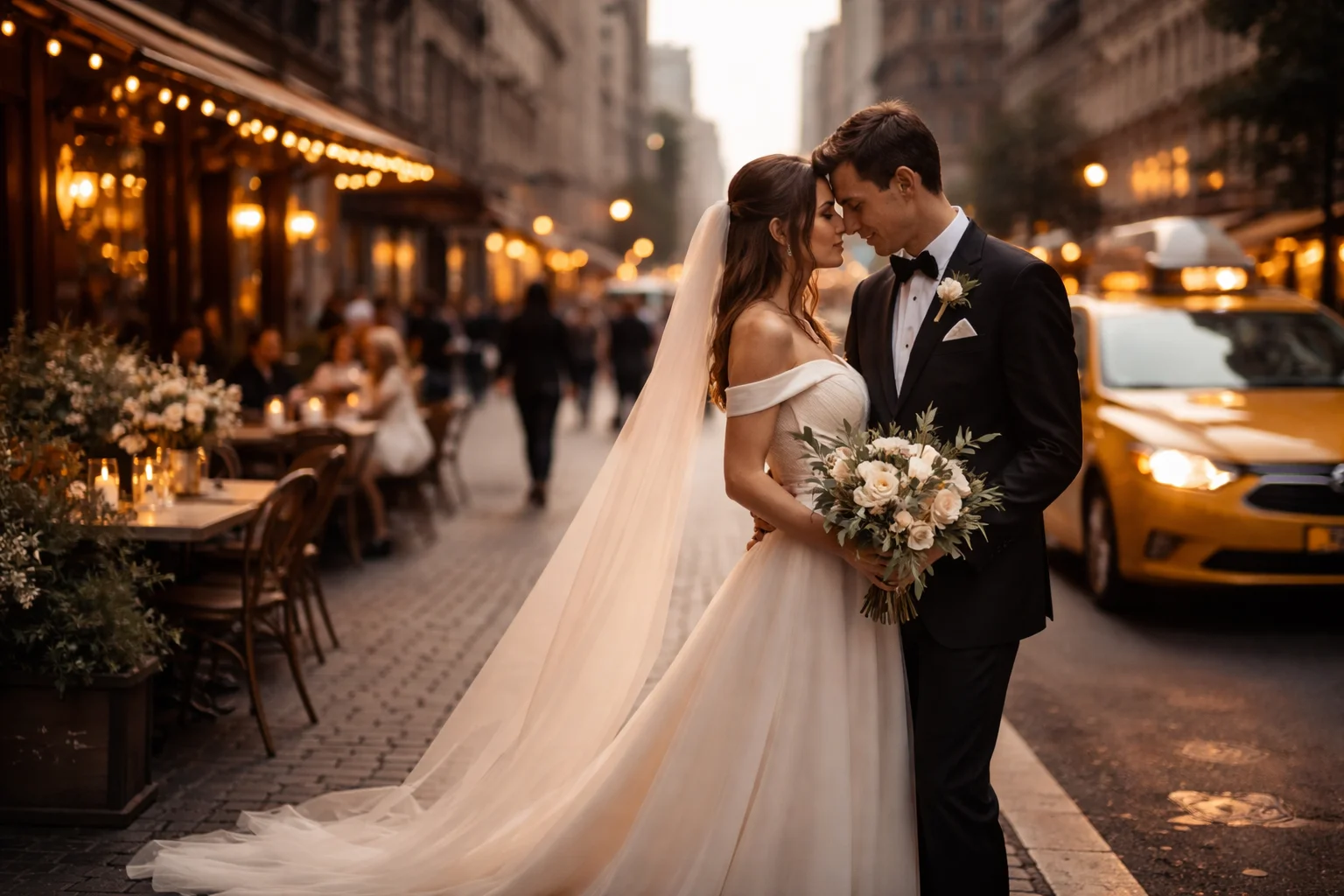
City weddings are shaped by movement. Traffic, schedules, tight timelines, elevators, crowded sidewalks, the constant awareness that everything is happening in the middle of something else. Planning one often means working with constraints rather than against them.