
Wedding Timeline Planning Guide
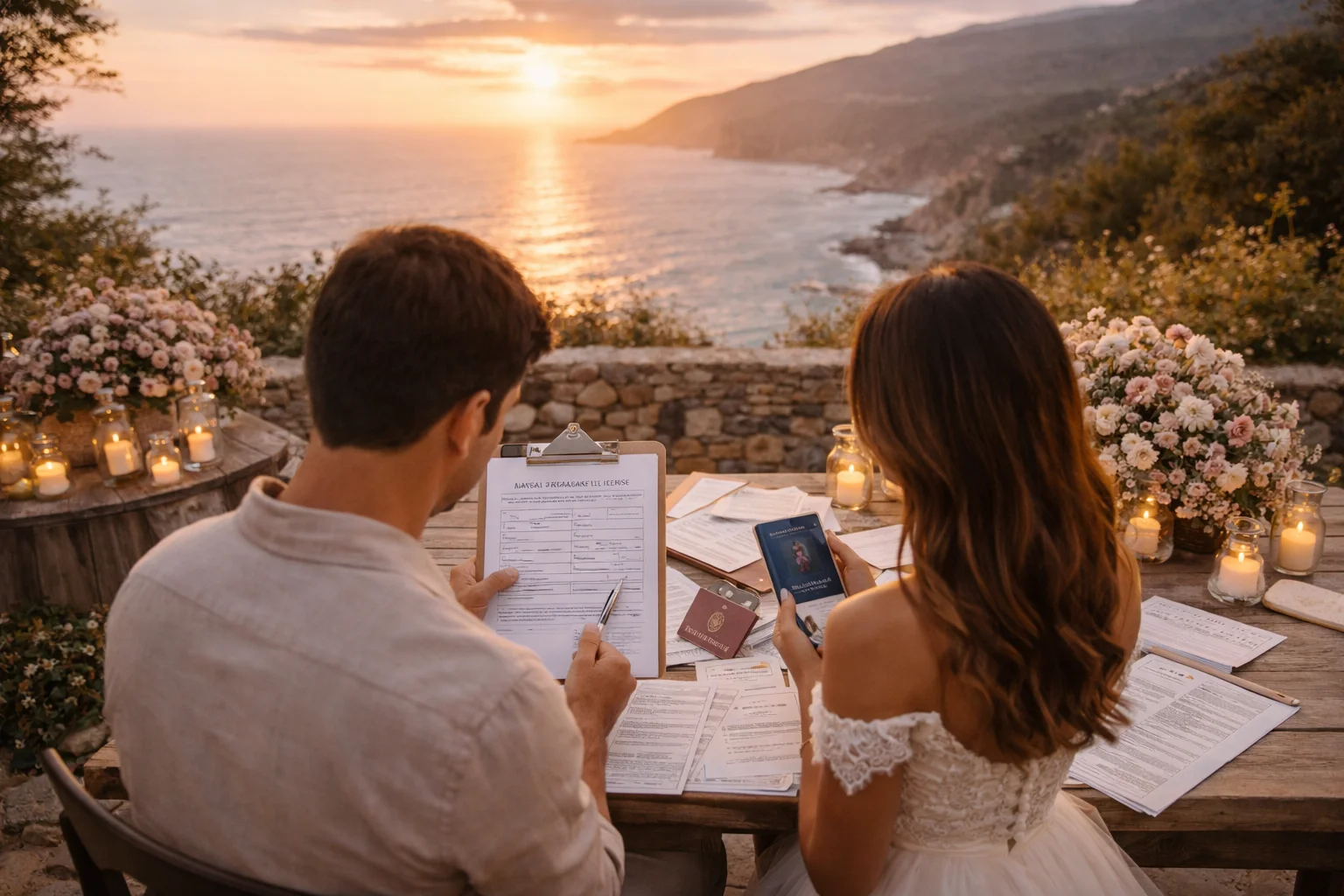
Wedding Timeline Planning That Actually Holds Together
What makes a timeline useful is not control for its own sake. It is the way structure reduces friction. A well built schedule creates breathing space where people usually expect pressure. The calm feeling guests remember later often comes from timing decisions nobody ever noticed in the moment.
Definition
A wedding timeline can be understood as the planned sequence of events, preparations, transitions, and pauses that organizes the day from early setup to the final hours, allowing the celebration to move with clarity rather than improvisation under stress.
Morning Preparation
The day usually begins earlier than expected. Getting ready, deliveries, beauty appointments, dressing, and last messages all happen in a compressed window that looks manageable on paper until real life enters it. A timeline that leaves margin in the morning tends to protect the rest of the day.
Transitions Between Moments
Weddings are shaped less by the big moments alone and more by what happens between them. Travel time, waiting, room changes, greeting guests, gathering family for photos, moving from ceremony to reception. These in between segments are where a loose schedule usually starts to fray.
Ceremony and Reception Flow
A ceremony may be short, but its timing affects everything that follows. Reception flow matters just as much. Dinner service, speeches, cake, dancing, and quiet pauses need some rhythm or the evening starts feeling either rushed or oddly flat. Good timing rarely feels visible. It just makes the celebration easier to inhabit.
Vendor Coordination
Photographers, musicians, florists, planners, drivers, catering teams, and venue staff all rely on timing in different ways. When each person works from a clear structure, fewer questions have to be solved in real time. The timeline becomes a shared reference point rather than a private note.
Space for Delays and Breathing Room
Almost every wedding runs into something small. A car is late, weather shifts, someone cannot be found, getting dressed takes longer, a conversation stretches past its slot. A strong timeline does not depend on perfection. It survives because it includes enough room for ordinary disruption.
Conclusion
Wedding timeline planning is not really about making the day rigid. It is about giving the day a frame strong enough to hold emotion, movement, and unpredictability without losing its balance. When the structure works, people notice something simpler than planning. They notice ease.