Wedding Rituals
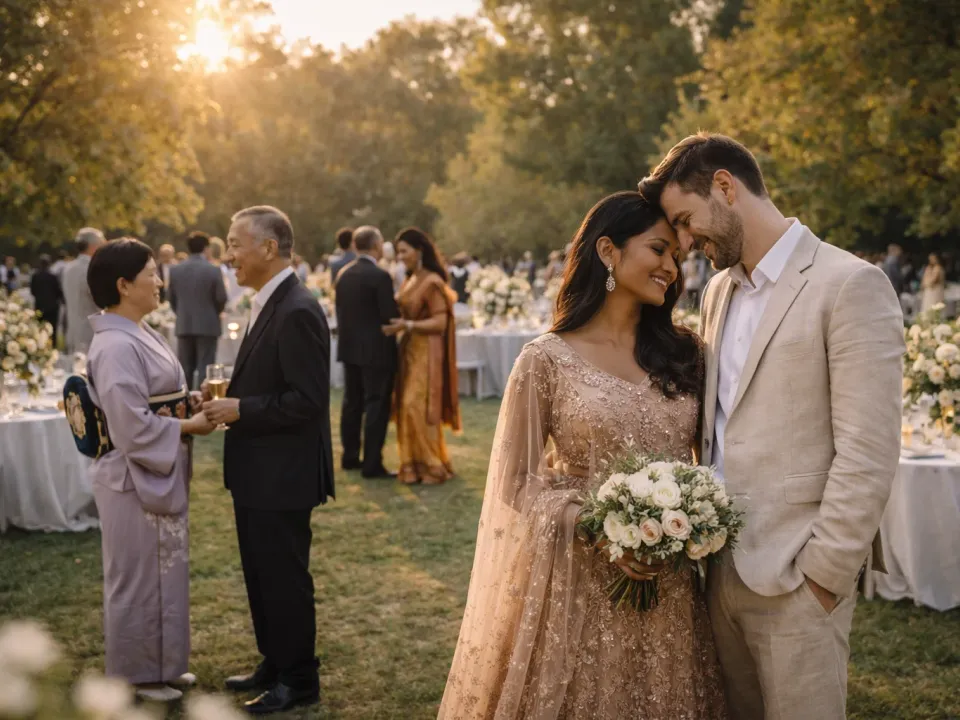
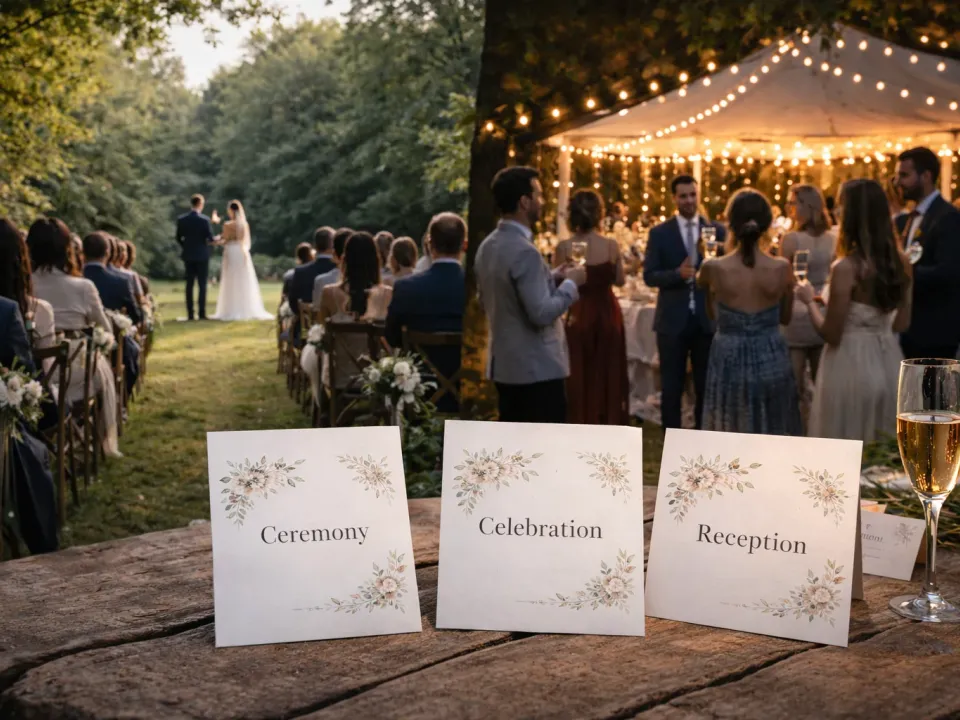
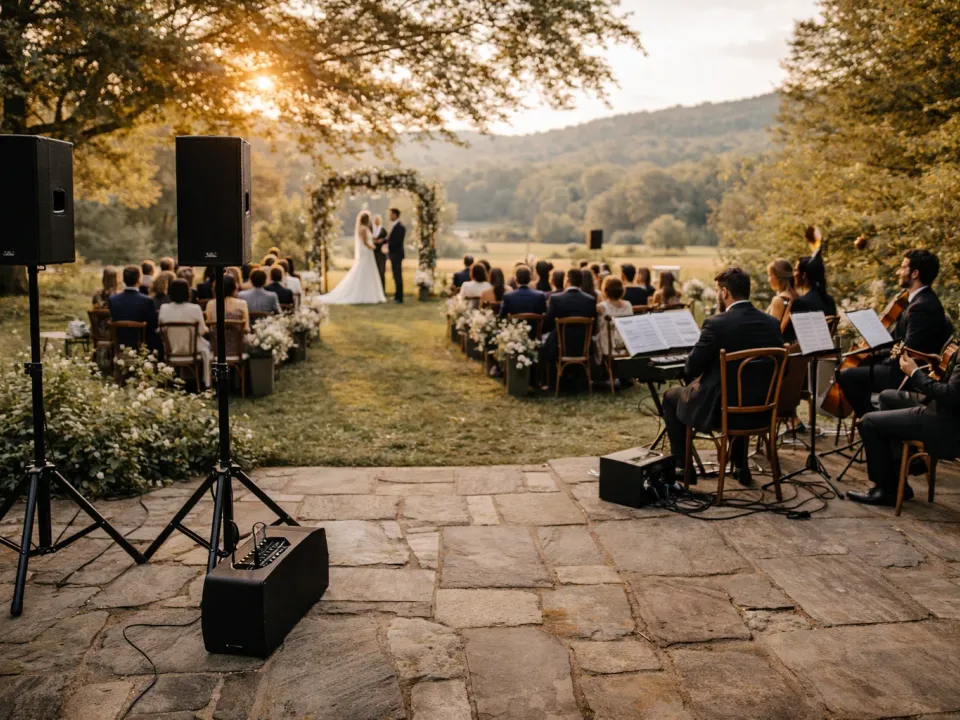
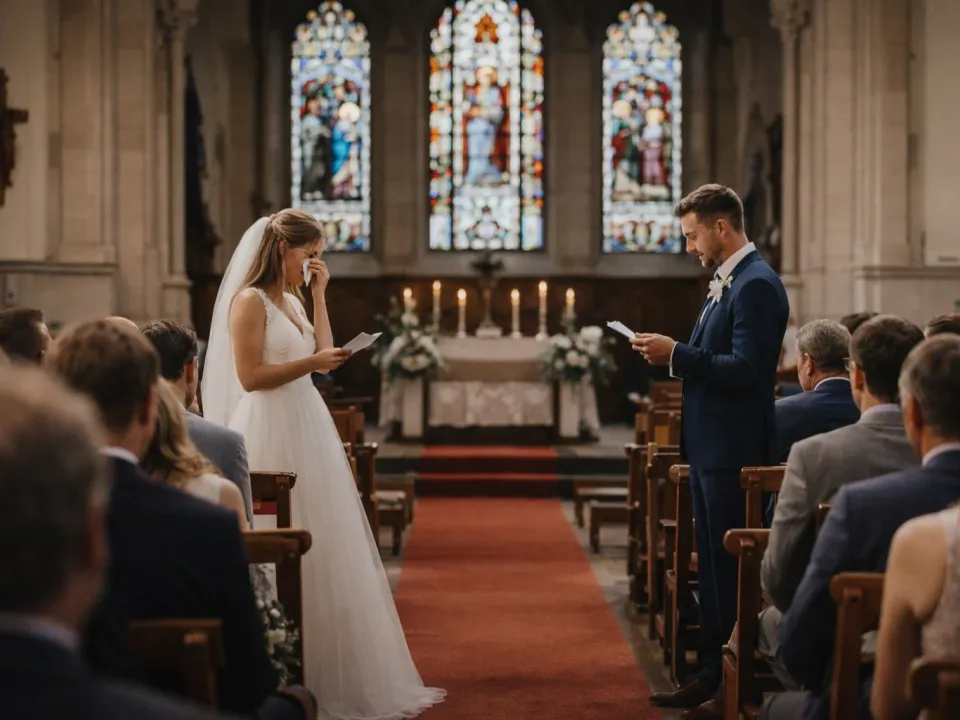
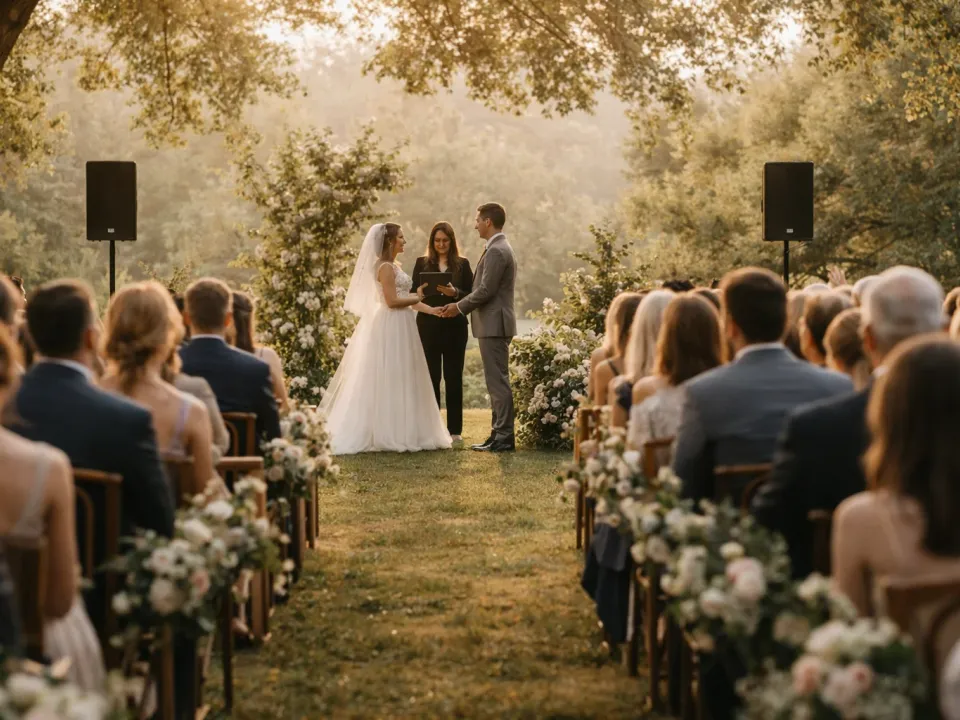
A wedding is often described as a celebration. But at its core, it is a ritual — a structured attempt to carry private commitment into public life. Where engagement promises intention, a wedding gives that intention a visible form.
Across cultures and centuries, wedding rituals have tried to answer the same question: how can love be supported once it leaves the privacy of two people and enters the world?
Two dimensions of wedding rituals
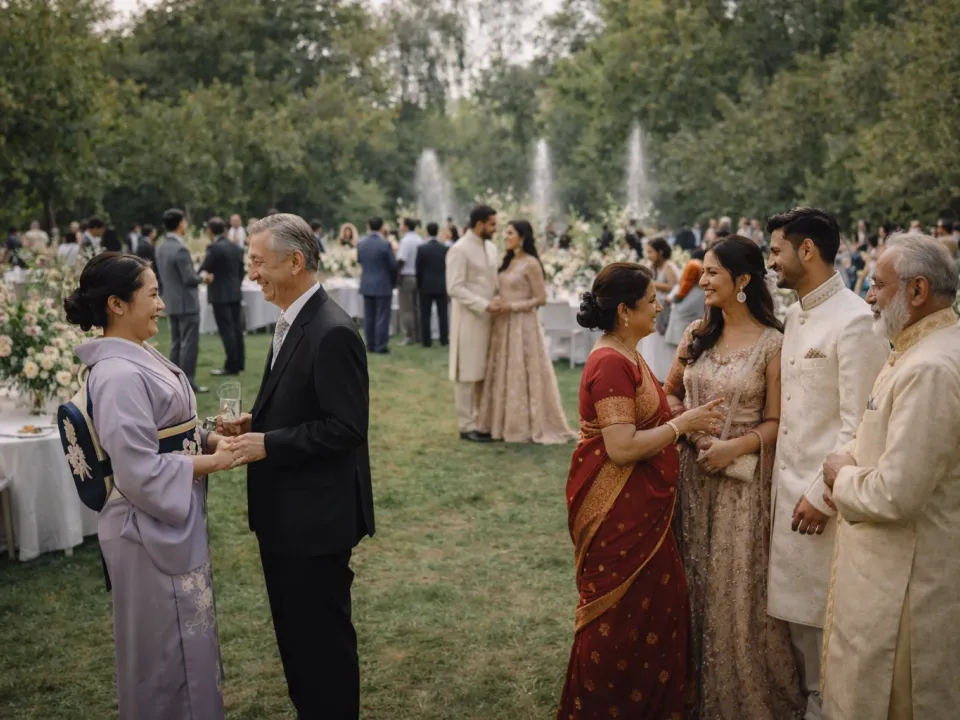
Every wedding ritual operates on two levels at once. It speaks to the couple, and it speaks to the community. It marks a personal passage and establishes a social reality.
This dual role explains why weddings are filled with symbols, repetition, and tradition. They are designed to be remembered — not only by those marrying, but by those witnessing.
Begin with symbolism and tradition
If you want to understand wedding rituals beyond planning and aesthetics, start with these foundational paths:
Marriage as an emotional threshold
Marriage is not only a legal or social status. It is an emotional threshold. A wedding ritual marks the moment when a relationship accepts endurance as part of love.
This threshold brings stability, but it also introduces gravity. Expectations solidify. Roles become visible. The future feels closer and less abstract.
Before and after the ritual
A wedding concentrates attention on a single day. But its effects extend far beyond the ceremony. The days before and after often reveal more than the ritual itself.
A wedding does not protect love. It protects the space in which love must learn to live.— Loving Rocks
Where wedding rituals lead next
Once the ceremony ends, the ritual releases the couple back into daily life. The portal continues into what remains after visibility fades:
- After — life beyond ceremony.
- Imprints — how rituals become emotional memory.
- Stories — lived marriages, not idealized ones.