Traditional Wedding Symbols
Wedding symbols existed long before modern ideas of romance. They were created to give commitment a language that could be recognized, remembered, and shared beyond the couple themselves.
Symbols do not explain love. They contain it. By repeating familiar forms, weddings link personal relationships to something older and larger than the present moment.
Rings: continuity and return
Wedding rings extend the symbolism of engagement rings. Their circular form suggests continuity — a return rather than a straight line forward.
Worn daily, rings transform a single ceremony into a long-term reminder. They hold memory, intention, and expectation in a form that does not require words.
Vows: speaking commitment aloud
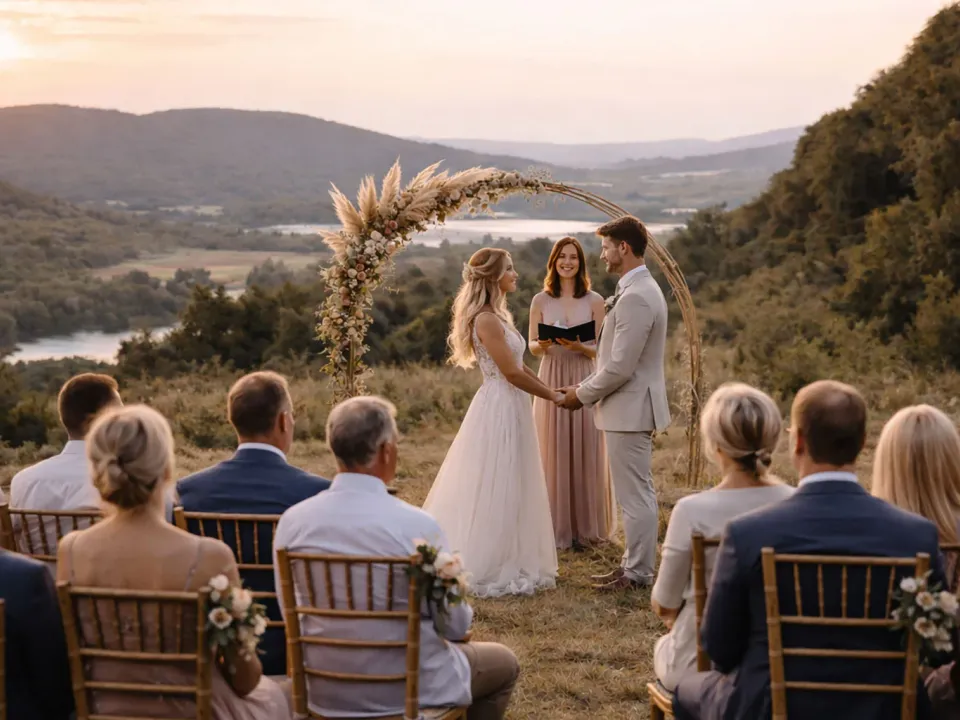
Vows are among the most fragile wedding symbols. They rely entirely on language, yet attempt to promise endurance beyond what language can guarantee.
By speaking vows publicly, couples bind their future to memory. The words become a reference point — recalled in moments of closeness and conflict alike.
Clothing and appearance
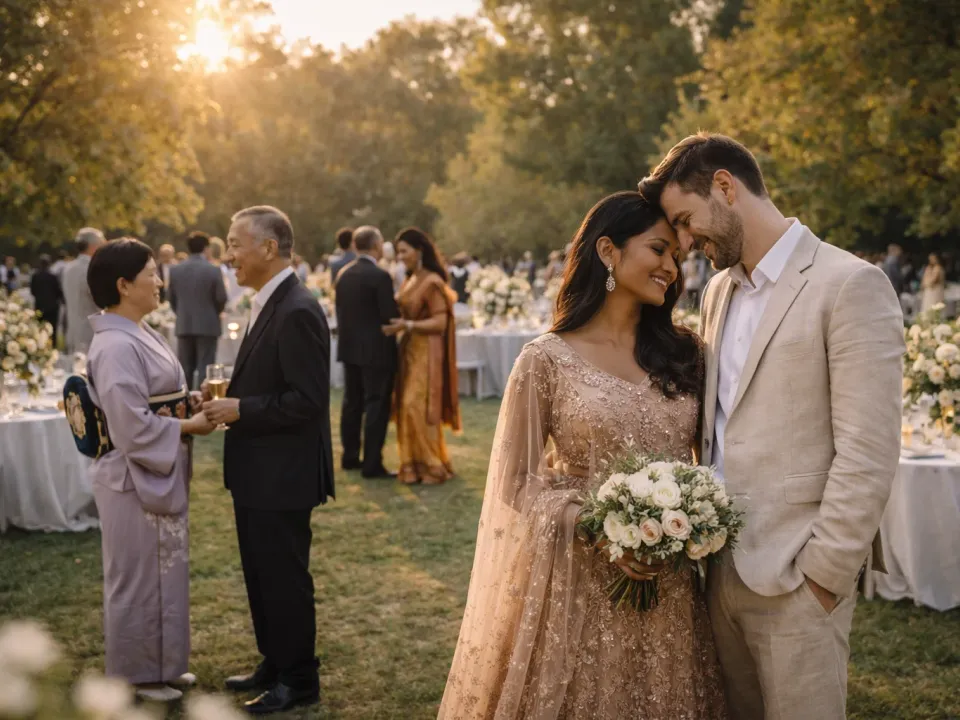
Traditional wedding clothing marks transition. It separates the day of marriage from ordinary life and signals readiness for a new role.
Uniformity, formality, and ritual dress are not about beauty alone. They create visual order at a moment when emotional change is intense.
Gestures and repetition
Walking together, exchanging objects, standing before witnesses — these repeated gestures stabilize a moment that might otherwise feel overwhelming.
Repetition reassures. By doing what has been done before, couples borrow confidence from history.
Symbols do not replace love. They give it a shape that can survive memory.— Loving Rocks
Why traditional symbols endure
Traditional wedding symbols persist because they solve a problem that love alone cannot: how to make commitment visible, repeatable, and socially legible.
Even when adapted or rejected, these symbols continue to influence how marriage is imagined and understood.
Continue exploring wedding rituals
To deepen your understanding of marriage as ritual, continue with these related paths: