
What a Budget Decides, What a Ring Still Means

What a Budget Decides, What a Ring Still Means
Most wedding budgets begin with a list. Venue, food, attire, photography, travel. The categories are familiar, and the numbers tend to grow faster than expected. What feels less visible at first is how early decisions, often made before any spreadsheet exists, already influence what the budget will become.
One of those early decisions is the engagement ring. It is rarely treated as part of the wedding budget, yet it sets a tone. Not only financially, but symbolically. When couples start thinking about cost, they often find themselves returning, consciously or not, to what the ring was meant to represent in the first place.
BudgetA well-planned budget is the foundation of a relaxed wedding planning journey. It helps you set priorities, estimate costs realistically, and make thoughtful decisions without losing track of the big picture. Whether you’re planning a grand celebration or an intimate wedding, a clear budget allows you to focus on what truly matters and approach your special day with confidence and joy.

An engagement ring is a small object asked to carry a large promise. Its meaning is not in the material, but in what it represents, repeats, and quietly announces.
A wedding budget is the financial framework that guides decisions before and during the planning process. It allocates resources, sets limits, and helps couples prioritize what matters most for their ceremony and celebration.
The Ring as a First Decision
Long before vendors are contacted, the engagement ring introduces a certain logic of value. It may be chosen carefully, impulsively, traditionally, or in quiet agreement. However it arrives, it often reflects what the couple is willing to invest emotionally and financially at the very beginning.
Budgets Are Also About Meaning
When people speak about budgets, they often mean limits. But a budget is also a map of meaning. It shows what is given space and what is reduced. Some couples spend more on gathering people together. Others invest in documentation or travel. These choices are rarely neutral. They are shaped by what feels significant.
Symbolism Does Not Follow Price
It is easy to assume that higher cost equals greater meaning, especially when it comes to rings. But symbolism does not behave that way. A simple ring can carry as much weight as an elaborate one, sometimes more. What matters is the shared understanding attached to it, not the market value assigned from outside.
Adjusting Expectations Along the Way
As planning continues, budgets shift. Unexpected costs appear, priorities change, and initial assumptions are revised. In these moments, returning to the original meaning of the engagement can help. It offers a reference point that is not tied to numbers, but to intention.
Keeping the Balance
A well-considered wedding does not ignore cost, but it does not let cost define everything either. The practical and the symbolic can coexist. The budget ensures sustainability, while the meaning behind the ring and the commitment itself ensures that the day does not become purely transactional.
Conclusion
In the end, a wedding is shaped by both calculation and intention. The budget provides structure, but the symbolism that began with the ring continues to influence how that structure is used. When both are acknowledged, the result feels less like a compromise and more like a coherent beginning.
Related Articles
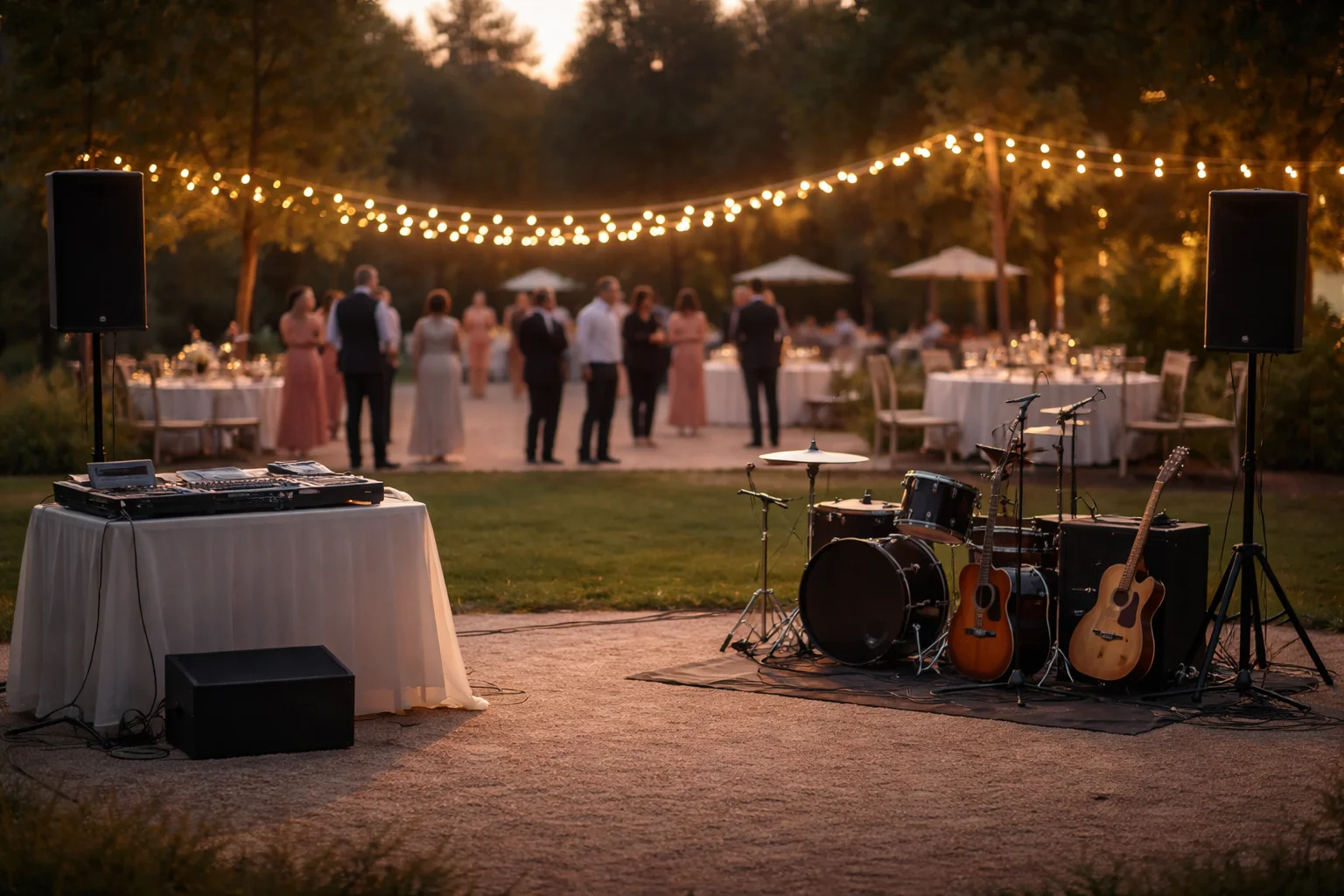
Music Budget: DJ, Band or Playlist at Weddings
Music is part of almost every wedding reception, although it is not always the first topic during planning. Venue, food, guest numbers. Those decisions tend to appear earlier. Later the conversation moves toward sound in the room. How the evening should feel once dinner ends and people begin to gather near the dance floor.

Wedding Budget Conversations Checklist: What Should Be Said Before Money Turns Quiet
A wedding budget is rarely only about numbers. This checklist helps couples and families name financial expectations, priorities, and unspoken pressure before silence turns into confusion, tension, or unnecessary cost.
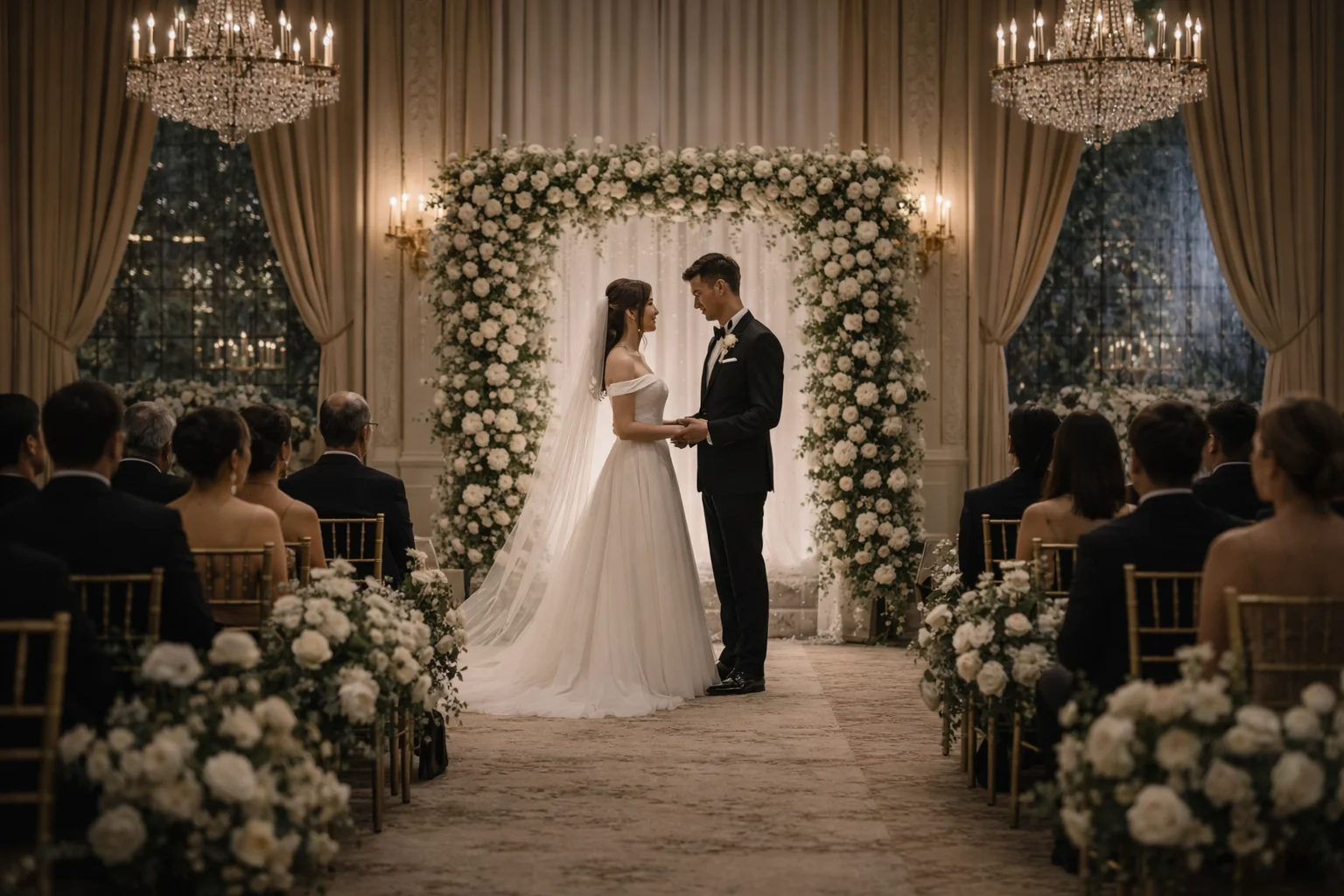
Where Elegance Meets Meaning in a Wedding Ceremony
Elegant weddings are often described through surfaces. Clean lines, restrained palettes, carefully chosen materials, a sense that nothing is excessive and everything is considered. It looks effortless, but that effortlessness is usually constructed with precision.
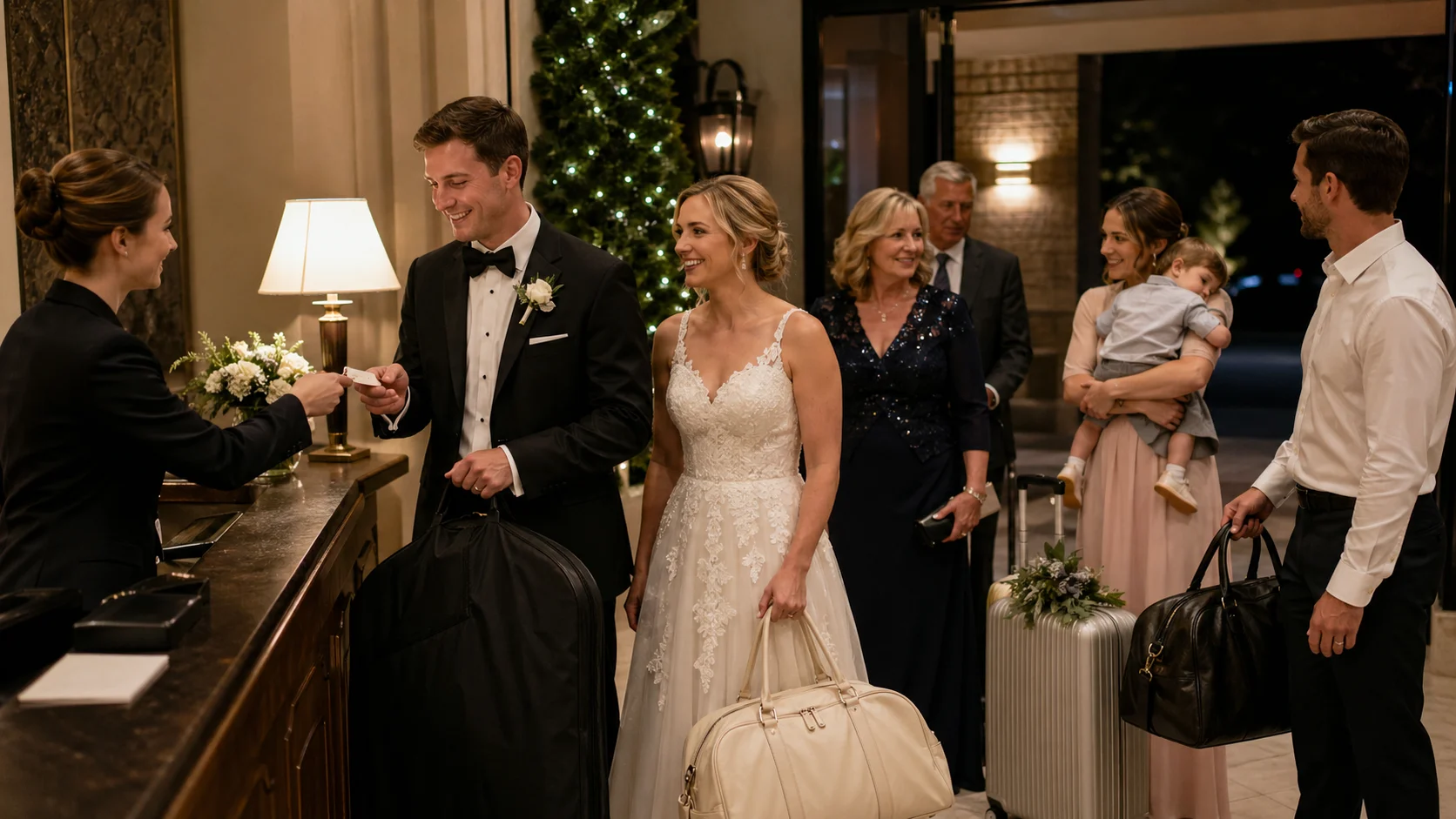
Overnight Stay Checklist: What Couples and Guests Often Realize Too Late
Overnight stays around weddings often seem solved once rooms are booked. This article looks at room access, bags, keys, transport, breakfast, checkout, and the late-night waiting moments couples and guests usually notice too late.

The engagement ring as a sign of a decision
The engagement ring stands on the edge of a big moment and remains present for a long time afterwards. It is part of everyday life, not just a memory of a proposal. This text describes what makes an engagement ring, how it is selected, and why decisions regarding shape, material, ring size, and wearing style mostly arise from observation. It is about common variants, the handling of diamonds and alternatives, as well as developments that have quietly established themselves. In the foreground are experiences, voices from practice, and the question of how a ring fits a person without defining them.

Who Pays for What? A Wedding Budget Checklist for Couples and Families
When families help pay for a wedding, money can bring generosity, relief, pressure, or quiet control. This checklist helps couples discuss contributions, boundaries, priorities, and expectations before financial support begins shaping the day in unspoken ways.
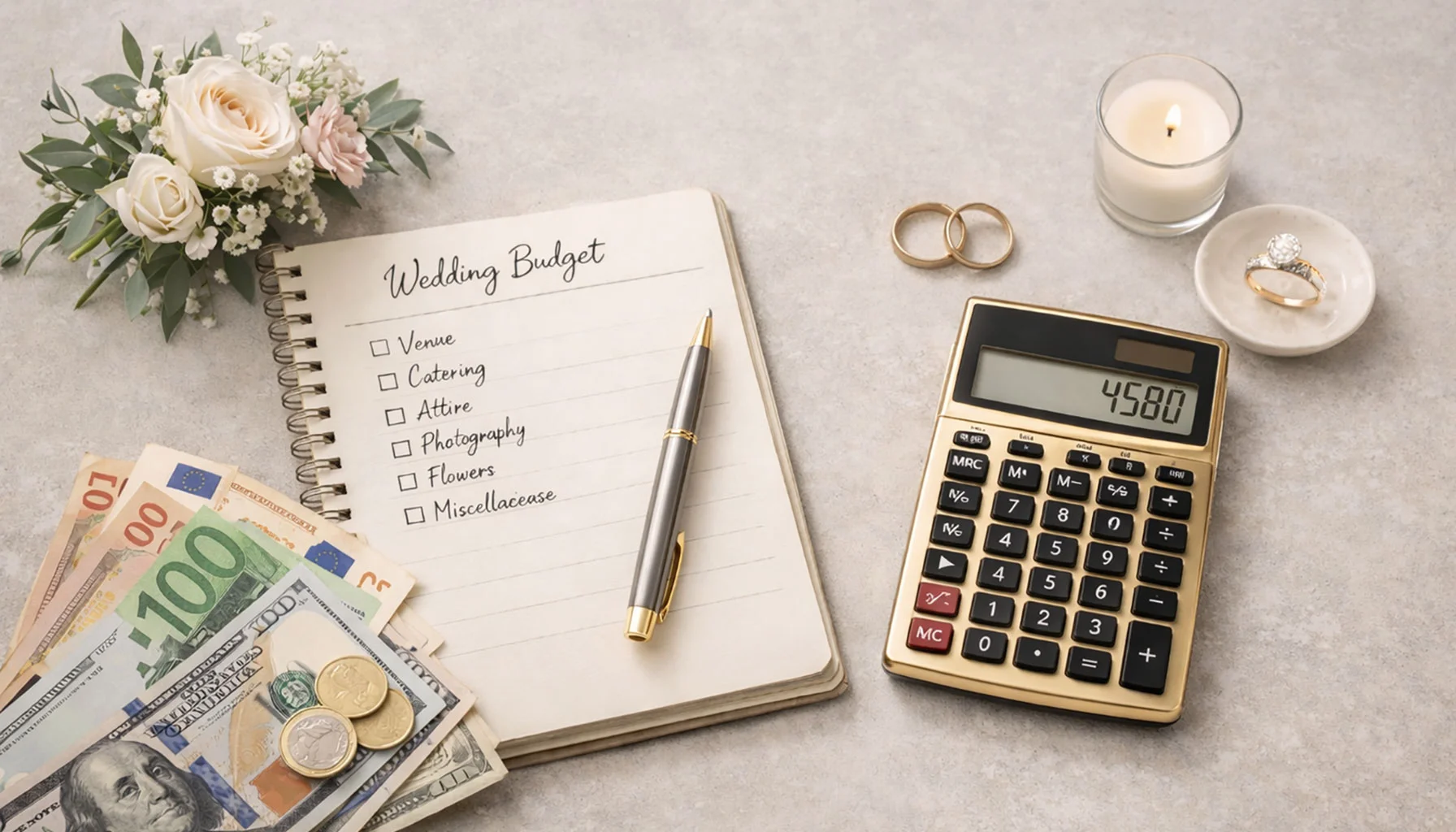
The Complete Wedding Budget Guide: Realistic Costs, Smart Planning & What to Expect
A wedding budget is more than a total amount. It shapes how smoothly a day runs, how supported guests feel, and how much flexibility exists behind the scenes. Observations from real weddings show that clarity around costs brings calm into the process. When hosts understand what a budget realistically provides, decisions become steadier. The celebration may not grow bigger, but it often feels more coherent.

Wedding invitation online – Clearly organized, personally connected
Digital wedding invitations have established themselves in practice as a reliable organizational tool. They consolidate information, facilitate feedback, and connect guests regardless of their location. A wedding website provides clarity, reduces coordination effort, and allows for flexible adjustments to the schedule. Key are clear content, an uncluttered design, and a personal approach. This turns a technical solution into a fitting start for a shared day.