
A Day Made of Love: Thoughtful Decoration Ideas for an Unforgettable Wedding
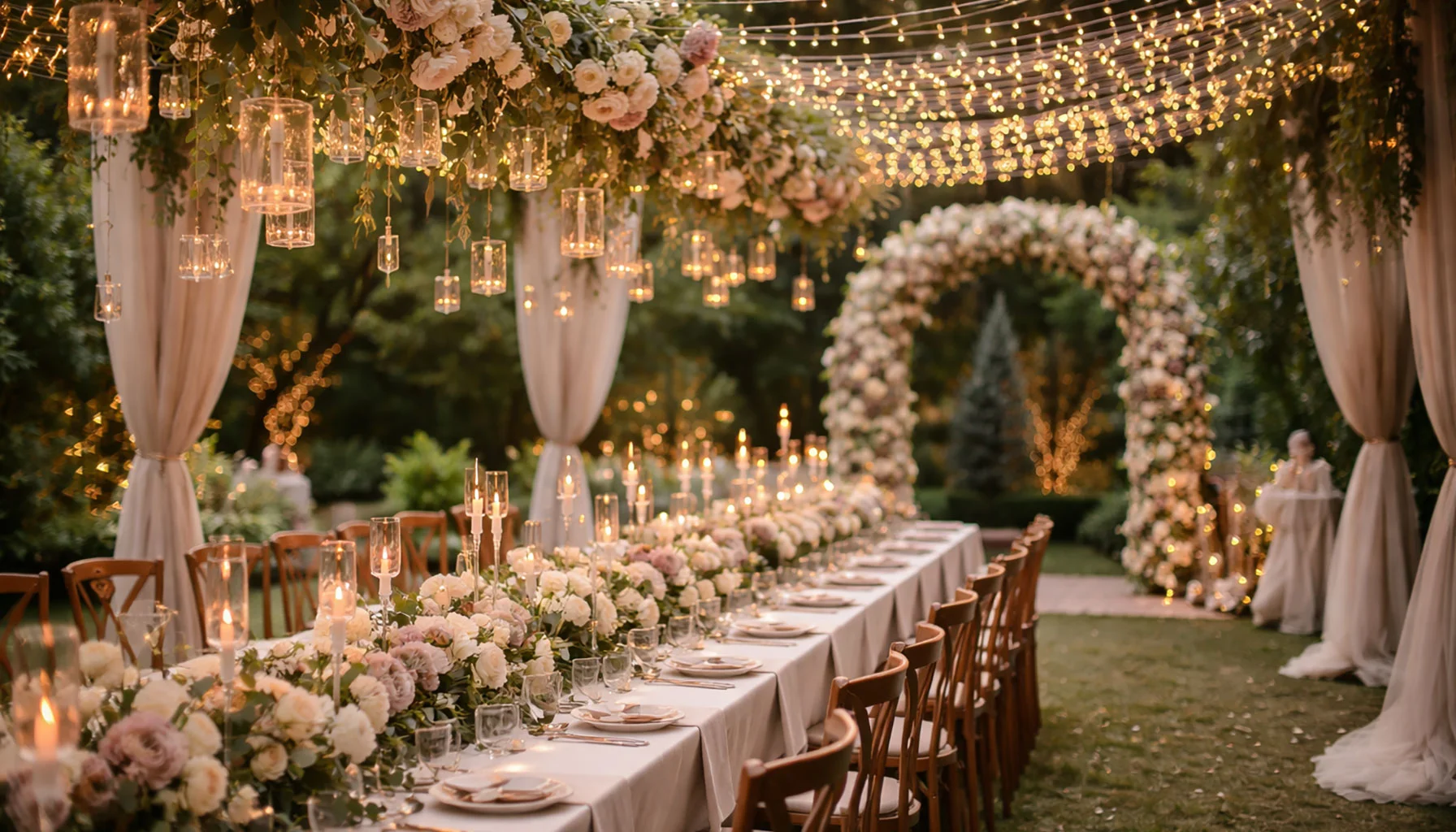
Wedding decoration shapes how a day is experienced. It frames conversations, slows or guides movement, and influences how people settle into a space. Well considered design does not demand attention. It works quietly in the background. Guests may not remember every detail, but they remember how the room felt, how light changed over the evening, and how personal the setting seemed. In that sense, wedding decoration becomes meaningful when it supports the moment rather than trying to replace it.
This is also why decoration belongs naturally beside ancient wedding rituals. Loving Rocks describes ancient rituals through shared symbols, repeated forms, and objects that carried meaning without needing explanation. Decoration still does part of that work. A candle line, a repeated material, an open threshold, or one carefully framed table can make a room feel ordered, expectant, and socially legible before a single formal word is spoken.
Decoration IdeasDecoration ideas play a central role in shaping the atmosphere of a wedding. From subtle accents to expressive design elements, the right décor brings the chosen style to life and creates a welcoming setting for guests. Thoughtfully selected materials, colors, and details help transform any space into a place that feels personal, harmonious, and memorable.
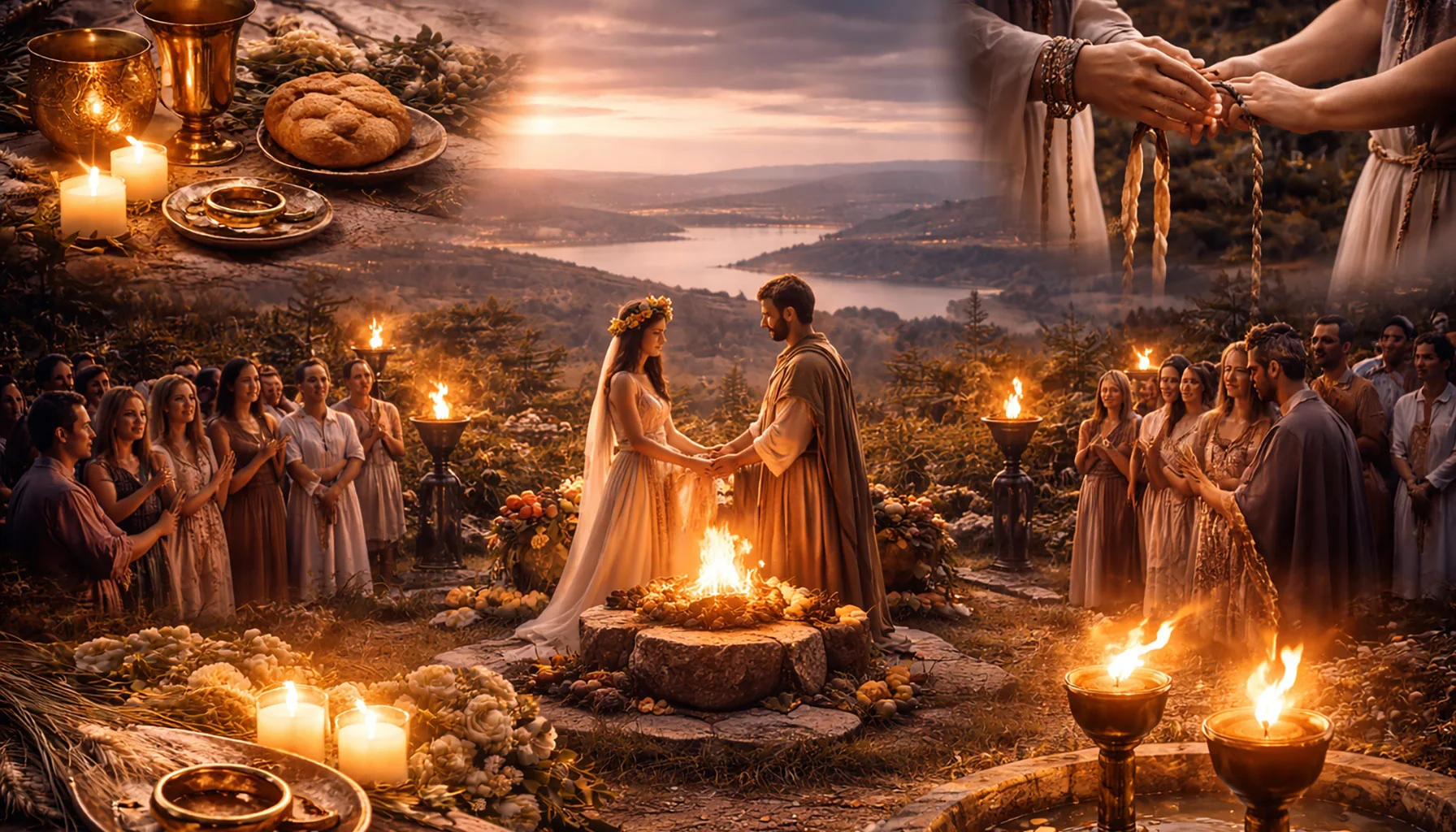
Long before romance became personal, marriage was ritual. Ancient wedding rituals were designed to bind families, stabilize communities, and carry commitment across generations.
Definition
Thoughtful wedding decoration is not only a set of visual choices. It is the arrangement of light, materials, spacing, and repeated details in a way that gives the celebration atmosphere and form. Its strongest effect is often structural rather than spectacular. It helps people understand how to move, where to gather, and what kind of day they have entered.
Decoration Works Best When It Creates Direction
Guests rarely notice decoration in the order planners imagine. They register proportion, spacing, and orientation first. A ceremony area with air around it, a dining table that clearly gathers people, or a welcome threshold that feels slightly marked can do more than a room filled with ideas. Thoughtful decoration starts by deciding where attention should land and what should remain quiet.
Repetition Gives Decor Its Symbolic Weight
Ancient wedding rituals relied on repeated forms because repetition makes meaning feel stable. Decoration still follows that logic. A color returning in paper, flowers, linen, and small printed details. One material repeated across the ceremony and dinner. A single shape or visual rhythm carried through the day. These choices feel calm because they do not need to explain themselves. They become legible through recurrence.
Light and Thresholds Matter More Than Excess
Lighting is one of the most powerful decoration decisions because it changes how long people stay, how closely they gather, and how the day moves into evening. Candles, lanterns, indirect light, or restrained spotlights influence mood more deeply than many decorative objects ever do. The same is true of thresholds. An aisle, a doorway, a courtyard entrance, or a slightly marked transition between one part of the day and the next often carries more emotional force than a heavily dressed surface.
Materials Feel Strongest When They Seem Honest
Decoration tends to stay in memory when the materials feel believable in the space. Wood, linen, glass, ceramics, seasonal flowers, natural branches, handwritten details, or restrained printed pieces often work because they seem handled rather than imposed. Even modern or glamorous weddings usually become more convincing when at least some details feel materially honest instead of purely performative.
The Best Decoration Leaves Room for Participation
Some of the most memorable decoration ideas are the ones guests can enter without pressure. Memory boards, quiet wishing corners, handwritten notes, place based table names, or small interactive details that remain optional all help guests feel included in the atmosphere instead of only placed inside it. Decoration becomes unforgettable not when it proves how much was done, but when it allows people to feel held by the room and gently part of it.
Conclusion
Wedding decoration leaves an impression when it is aligned with the people, the place, and the symbolic logic of the day. Clear decisions, repeated details, restrained lighting, and materials that feel true to the setting usually carry further than elaborate setups. What remains afterward is rarely one centerpiece or one installation. It is the sense that the room knew how to hold the wedding before the wedding fully began.
Related Articles
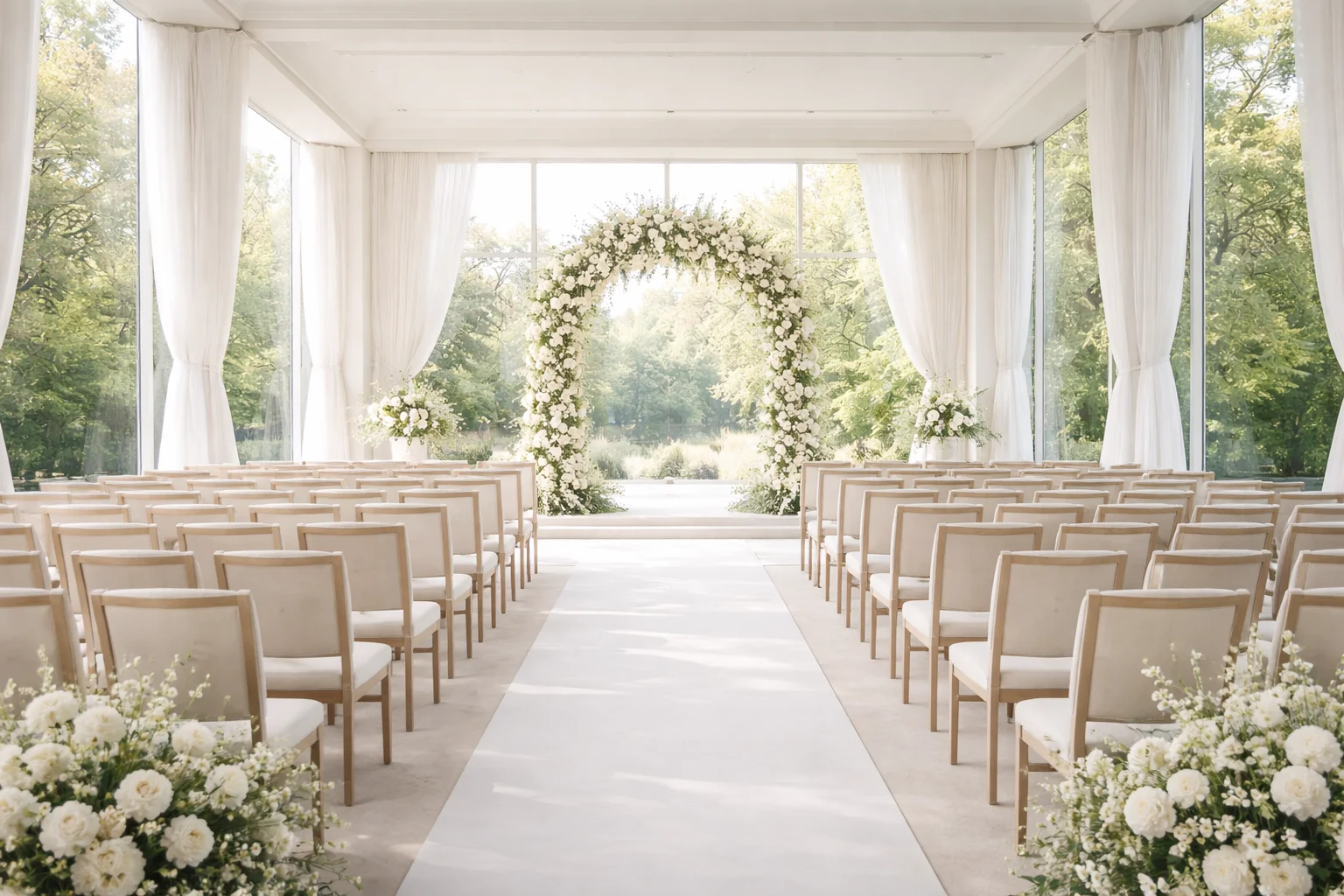
What Guests Notice First in Wedding Decoration — and Why
Guests rarely notice wedding decoration in the order planners imagine. They register proportion, spacing, light, and the calm or tension of a room long before they name a flower or a fabric. This is why the visual intelligence of luxury cars offers an unexpectedly useful lens: both rely on line, restraint, material confidence, and the power of a well-held pause.
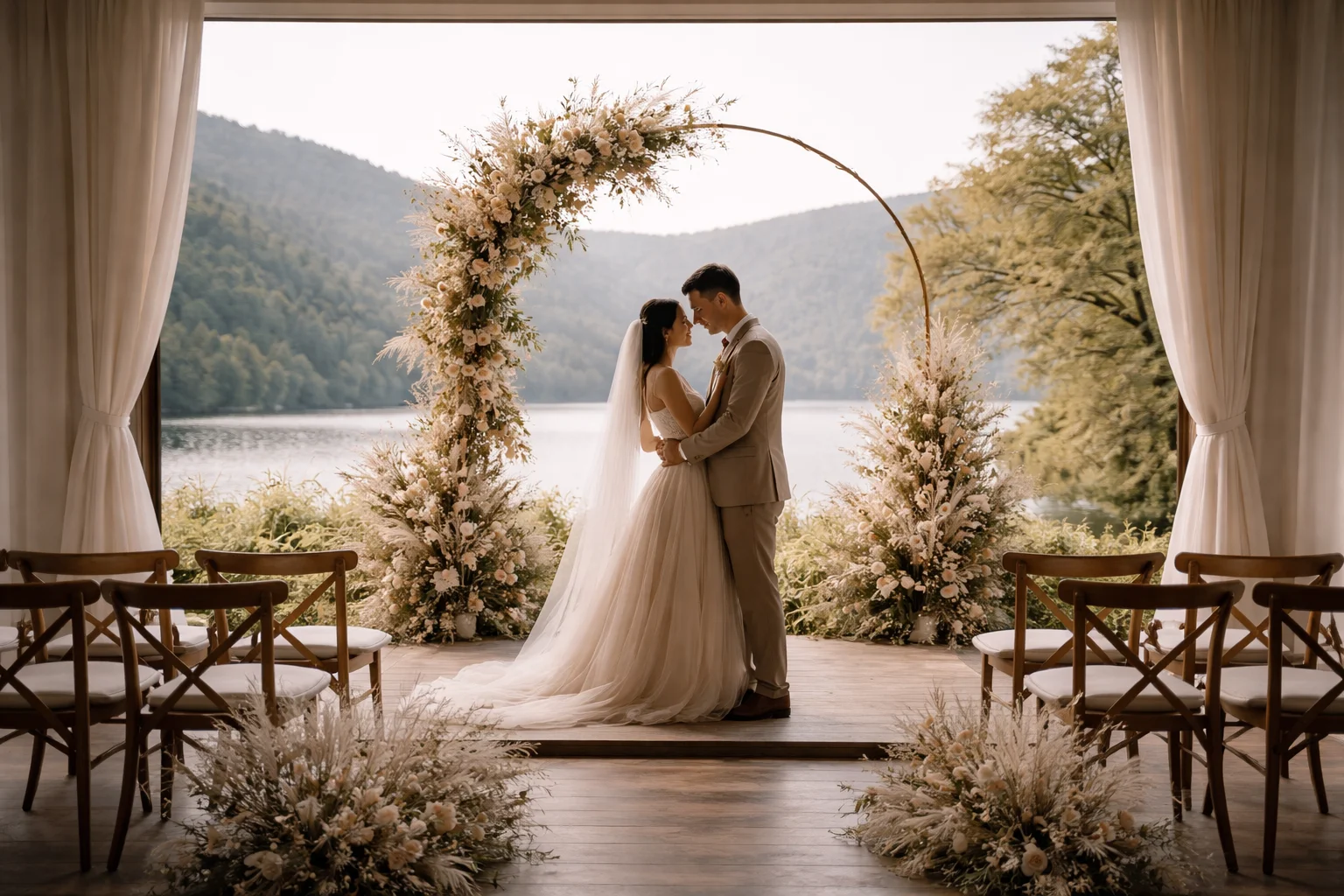
When Wedding Decoration Says More by Saying Less
In wedding planning, decoration is often discussed in visible terms: florals, candles, tables, color, scale. But the rooms people remember are rarely memorable because they were crowded with ideas. They stay with us because the space knew when to pause. A ceremony arch with air around it, a table that holds only what matters, a doorway left almost bare so that the people moving through it become the focus: these choices do more than decorate. They create emotional direction through wedding decoration that feels considered rather than performed.
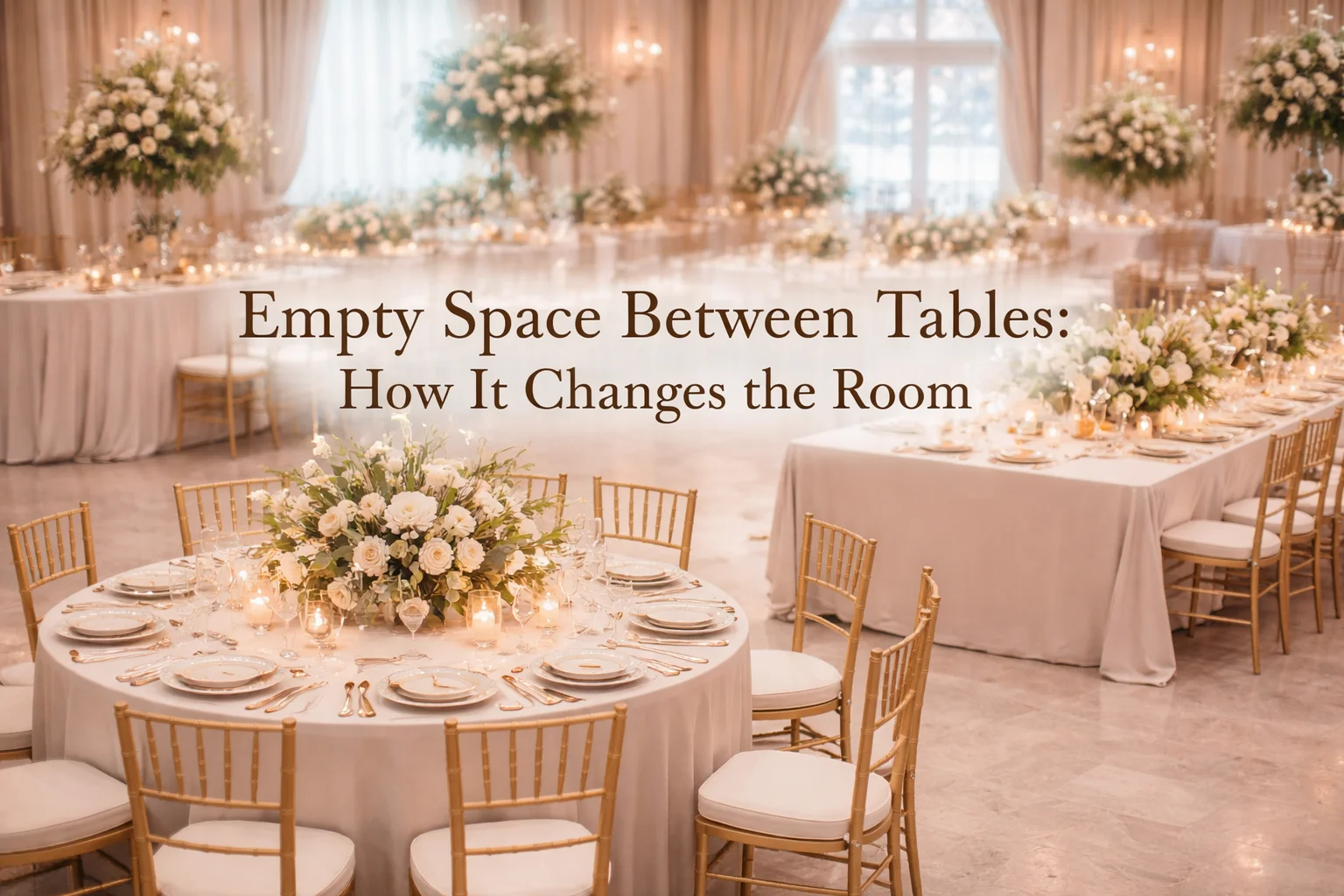
Empty Space Between Tables and How It Shapes the Room
Most layouts start with the tables themselves. Size, shape, how many fit. The areas in between are often adjusted at the end, sometimes just to make things work on paper. In the actual room, though, those leftover spaces do something. Not in a designed way. More like they shift how people move without anyone really pointing at it.
When Wedding Decoration Says What People Leave Unspoken
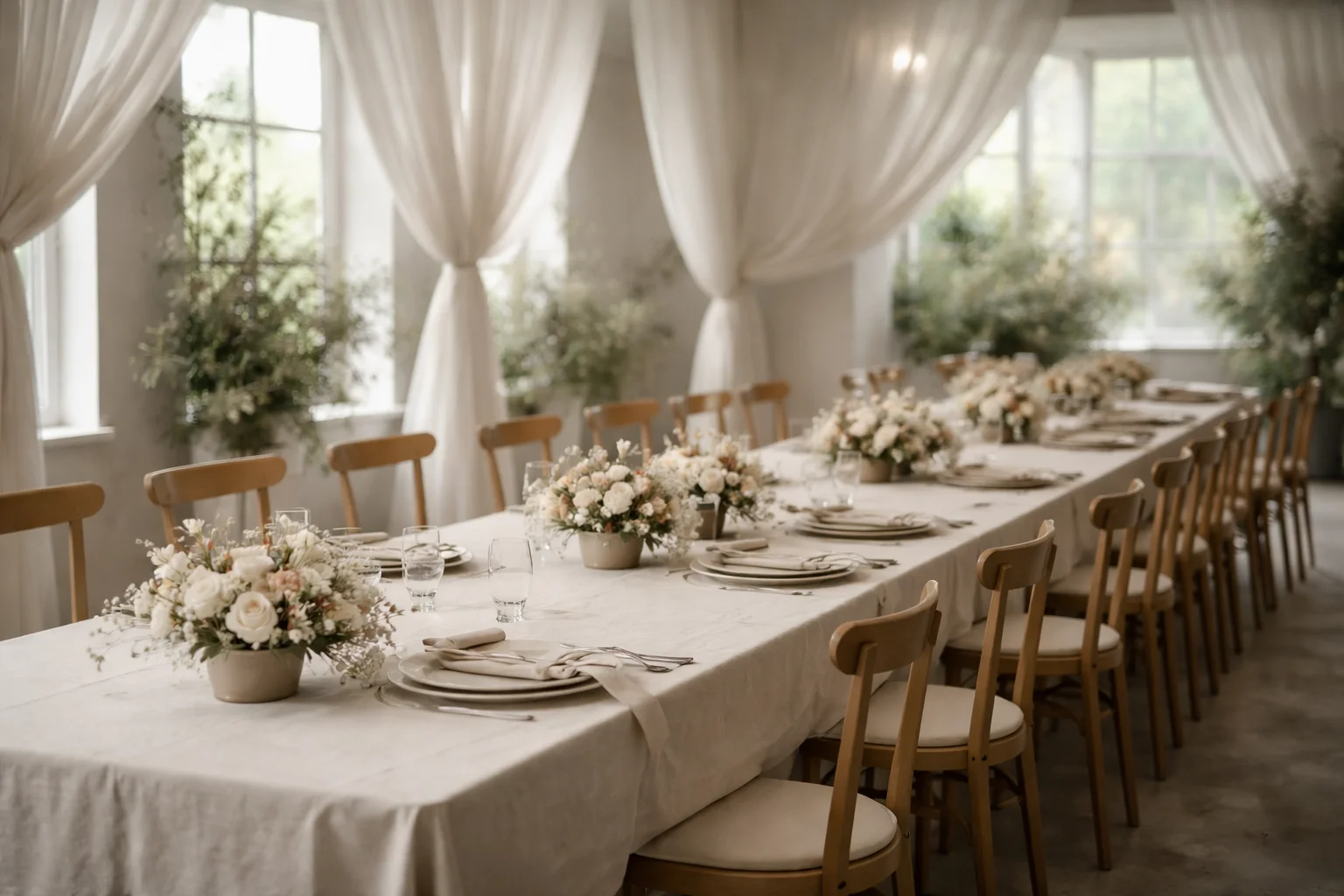
Wedding decoration is often discussed through color palettes, florals, table settings, and style references. Those things matter, but they are rarely the whole story. The room also carries what has not been fully explained: family tensions handled with grace, private histories that shape a couple's choices, or a shared wish for the day to feel calm rather than spectacular. In that sense, decoration is not only visual. It becomes part of the emotional architecture of the ceremony.