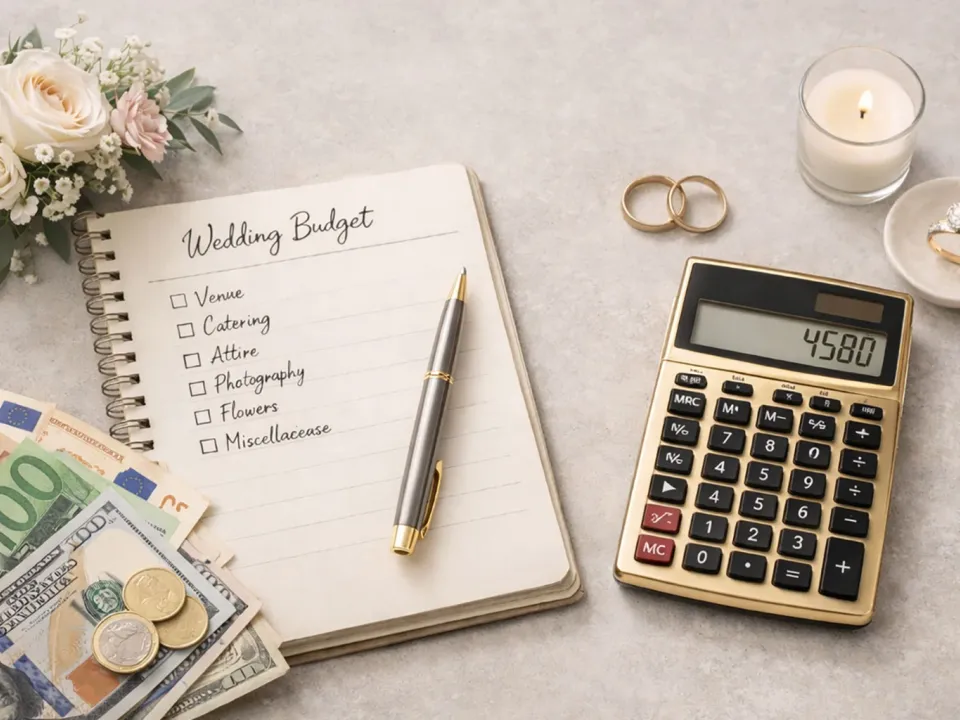
Wedding Budget Planning Without Losing the Plot
What makes budget planning difficult is not only the cost itself. It is the constant tension between meaning and money. Almost every decision carries both. Something may feel important emotionally and still stretch the budget beyond what makes sense. That is where priorities stop being abstract and turn into actual choices.
Definition
A wedding budget can be understood as the financial framework that shapes how resources are allocated across the celebration, helping couples estimate costs, set priorities, track spending, and make practical decisions without losing sight of the overall experience.
Setting Priorities Early
Budget pressure becomes easier to handle when priorities are decided before too many bookings happen. A wedding cannot be premium in every single category unless the budget is unusually wide. Choosing what matters most early on keeps later decisions from turning into small arguments over everything.
The Real Cost of Guest Count
Guest count quietly controls more of the budget than people first assume. More guests usually means more food, more seating, more space, more rentals, more invitations, more favors, more logistics. A shorter guest list often changes the financial picture faster than cutting decorative details ever could.
Hidden and Forgotten Expenses
The budget rarely gets challenged by the obvious categories alone. It is the smaller things around the edges that start to pile up. Alterations, delivery fees, service charges, tips, stationery, extra hours, beauty appointments, legal paperwork, last minute fixes. Individually they look manageable. Together they do not.
Comparing Value Instead of Price Alone
The cheapest option is not always the one that saves the most in the long run. Sometimes lower prices create stress, replacements, or compromise in areas that affect the day more than expected. Value sits somewhere between cost, reliability, quality, and how much pressure a decision adds or removes.
Tracking Spending Before It Drifts
A budget usually slips in small steps, not one dramatic leap. A slight upgrade here, one extra vendor there, a few things moved from optional to necessary, and suddenly the original number no longer means much. Regular tracking keeps wishful thinking from taking over the planning process.
Conclusion
Wedding budget planning works best when it stays honest from the beginning. The goal is not to strip the celebration of beauty, but to make sure the choices behind it are clear, manageable, and grounded enough that the day still feels joyful when the bills become real.