Decoration Ideas

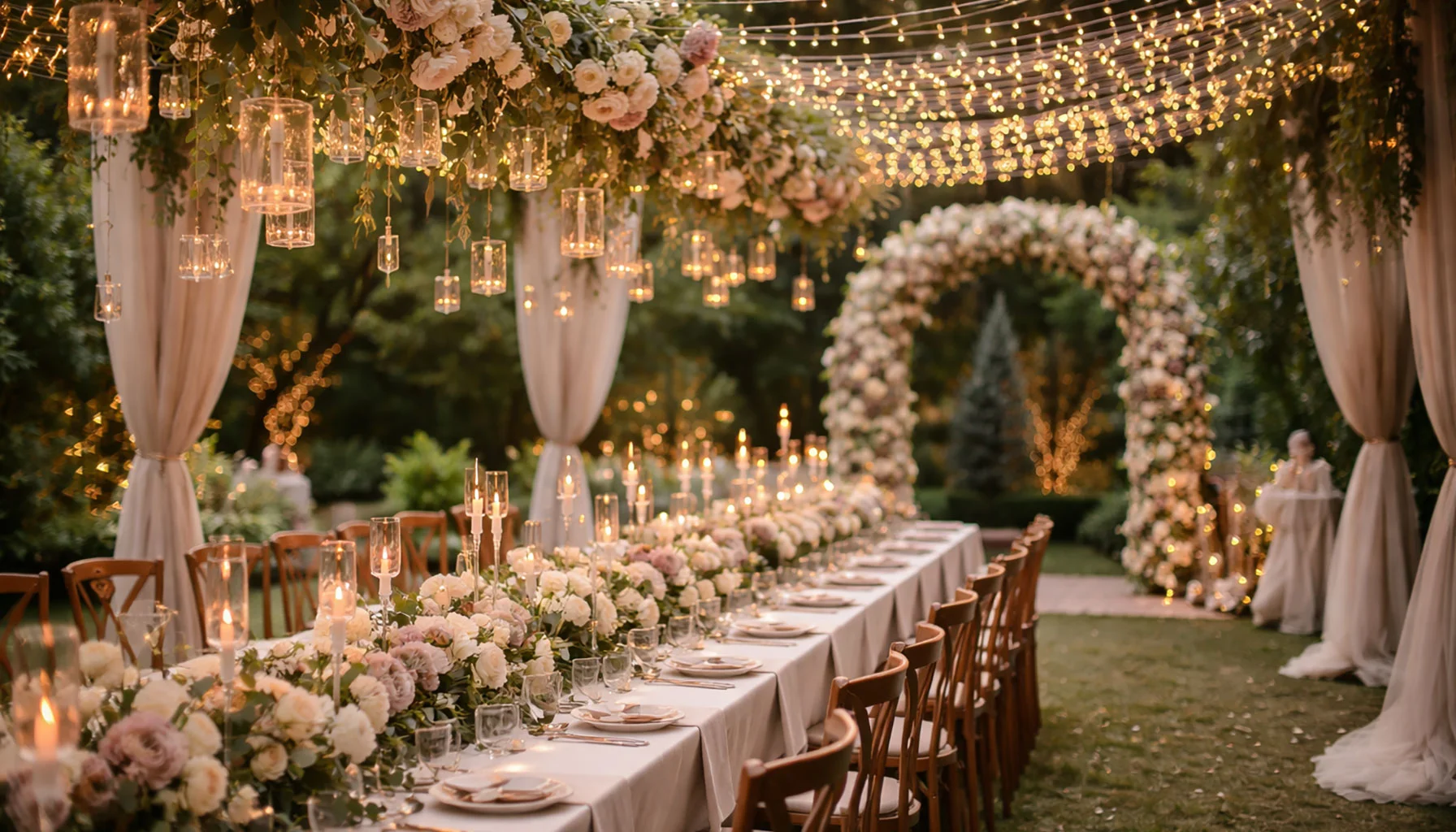
Decoration ideas play a central role in shaping the atmosphere of a wedding. From subtle accents to expressive design elements, the right décor brings the chosen style to life and creates a welcoming setting for guests. Thoughtfully selected materials, colors, and details help transform any space into a place that feels personal, harmonious, and memorable.

Articles

When Wedding Decoration Says More by Saying Less

When Wedding Decoration Says More by Saying Less

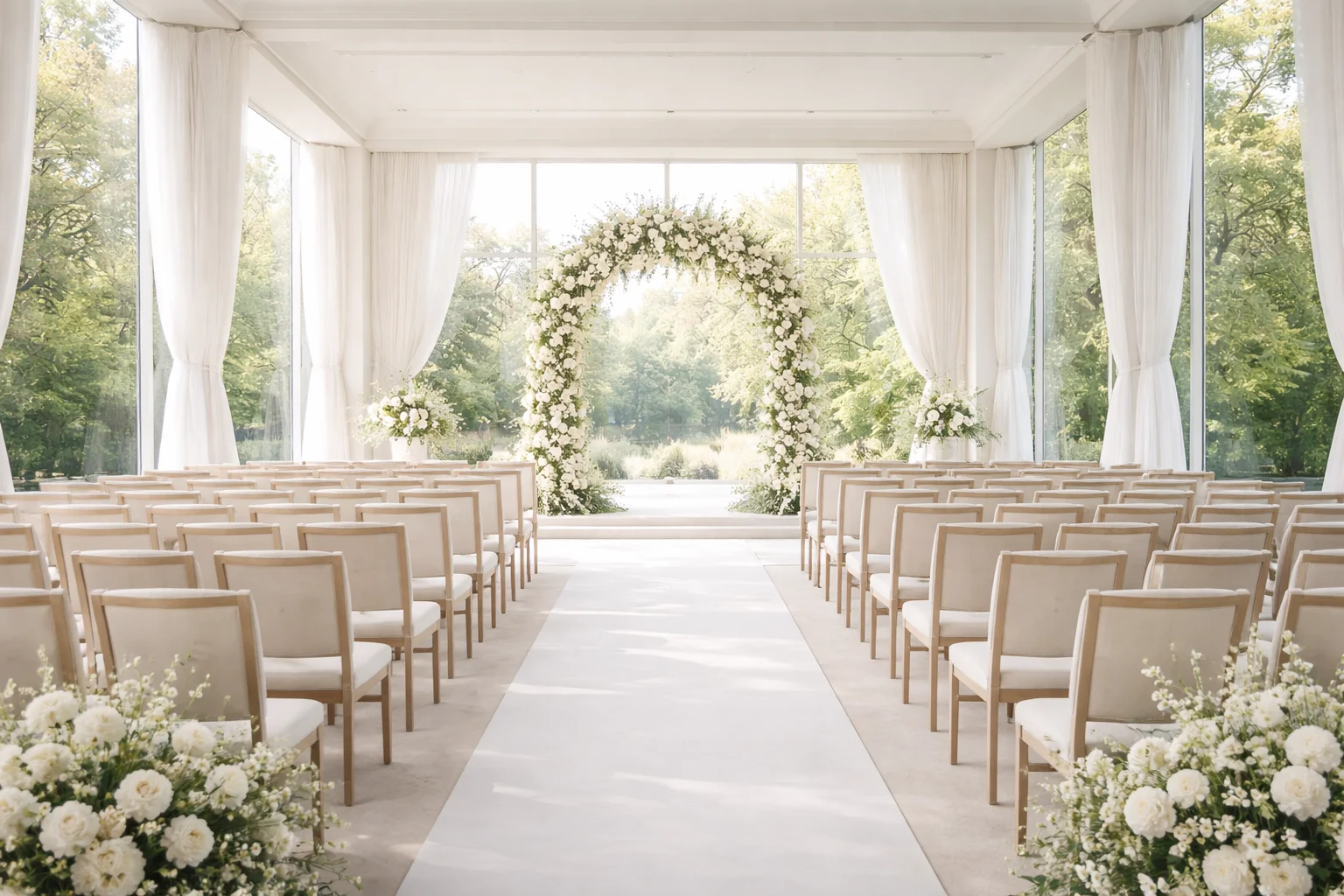
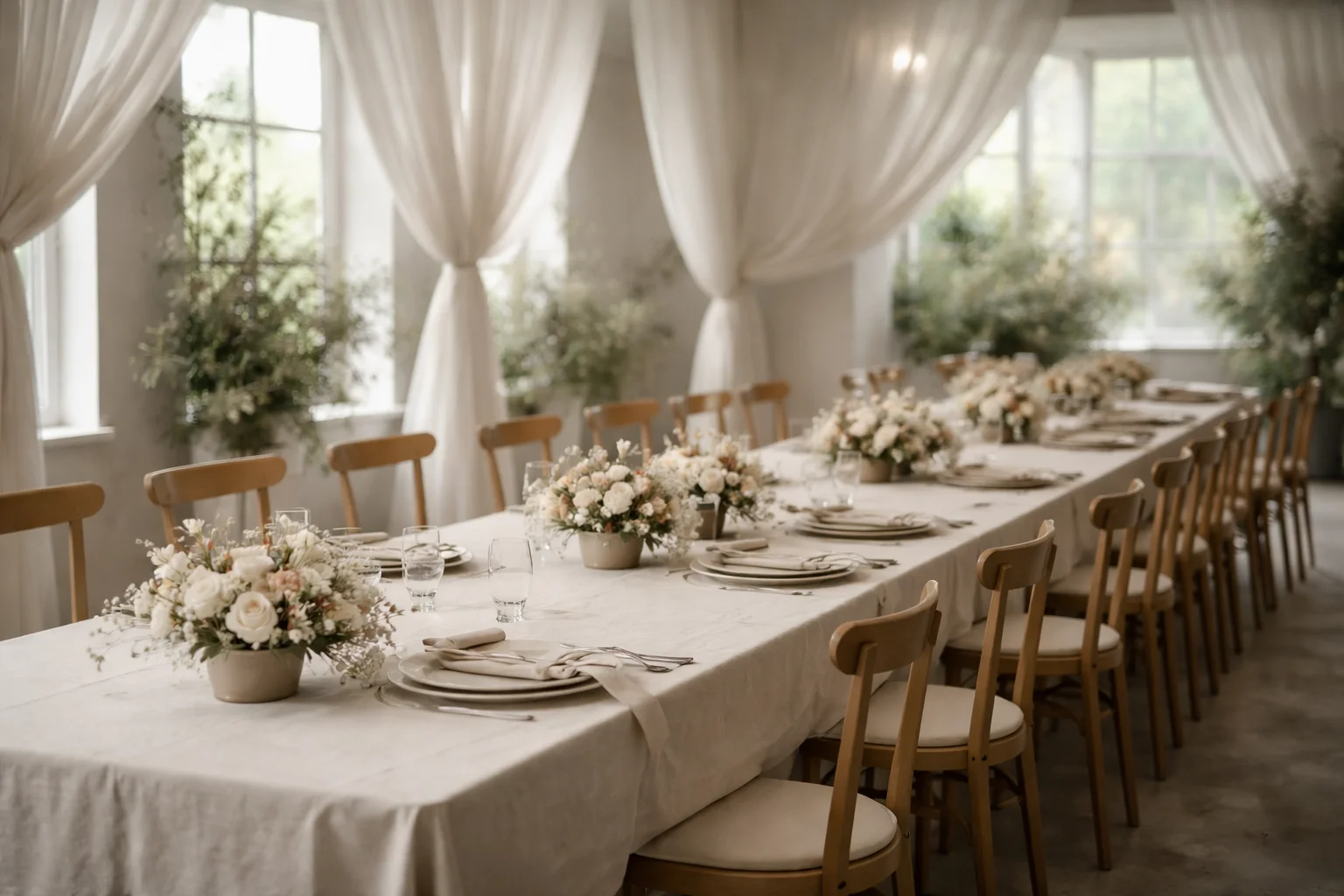
In wedding planning, decoration is often discussed in visible terms: florals, candles, tables, color, scale. But the rooms people remember are rarely memorable because they were crowded with ideas. They stay with us because the space knew when to pause. A ceremony arch with air around it, a table that holds only what matters, a doorway left almost bare so that the people moving through it become the focus: these choices do more than decorate. They create emotional direction through wedding decoration that feels considered rather than performed.
When Wedding Decoration Says What People Leave Unspoken

When Wedding Decoration Says What People Leave Unspoken

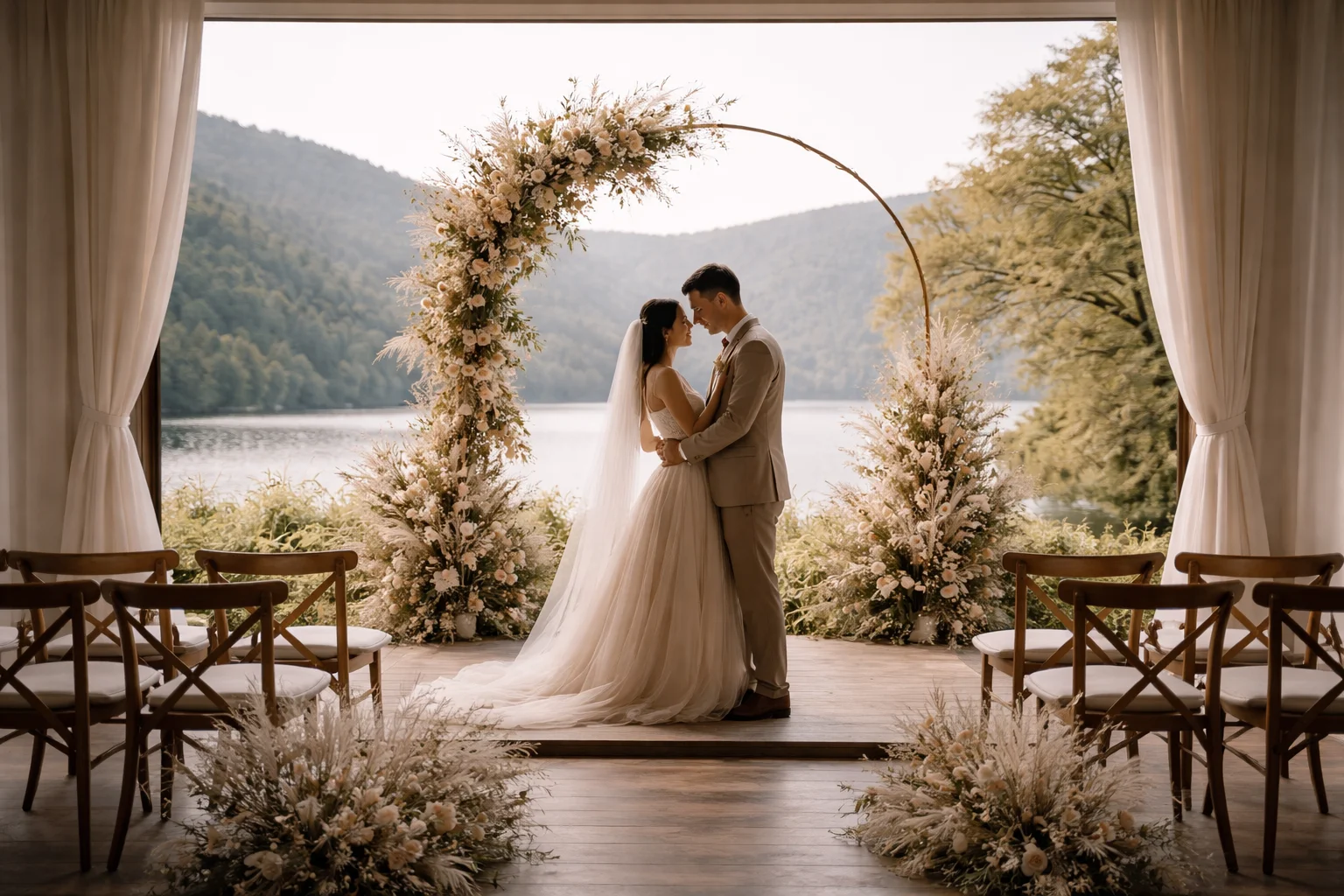
Wedding decoration is often discussed through color palettes, florals, table settings, and style references. Those things matter, but they are rarely the whole story. The room also carries what has not been fully explained: family tensions handled with grace, private histories that shape a couple's choices, or a shared wish for the day to feel calm rather than spectacular. In that sense, decoration is not only visual. It becomes part of the emotional architecture of the ceremony.
What Guests Notice First in Wedding Decoration — and Why

What Guests Notice First in Wedding Decoration — and Why

Guests rarely notice wedding decoration in the order planners imagine. They register proportion, spacing, light, and the calm or tension of a room long before they name a flower or a fabric. This is why the visual intelligence of luxury cars offers an unexpectedly useful lens: both rely on line, restraint, material confidence, and the power of a well-held pause.
Empty Space Between Tables and How It Shapes the Room

Empty Space Between Tables and How It Shapes the Room

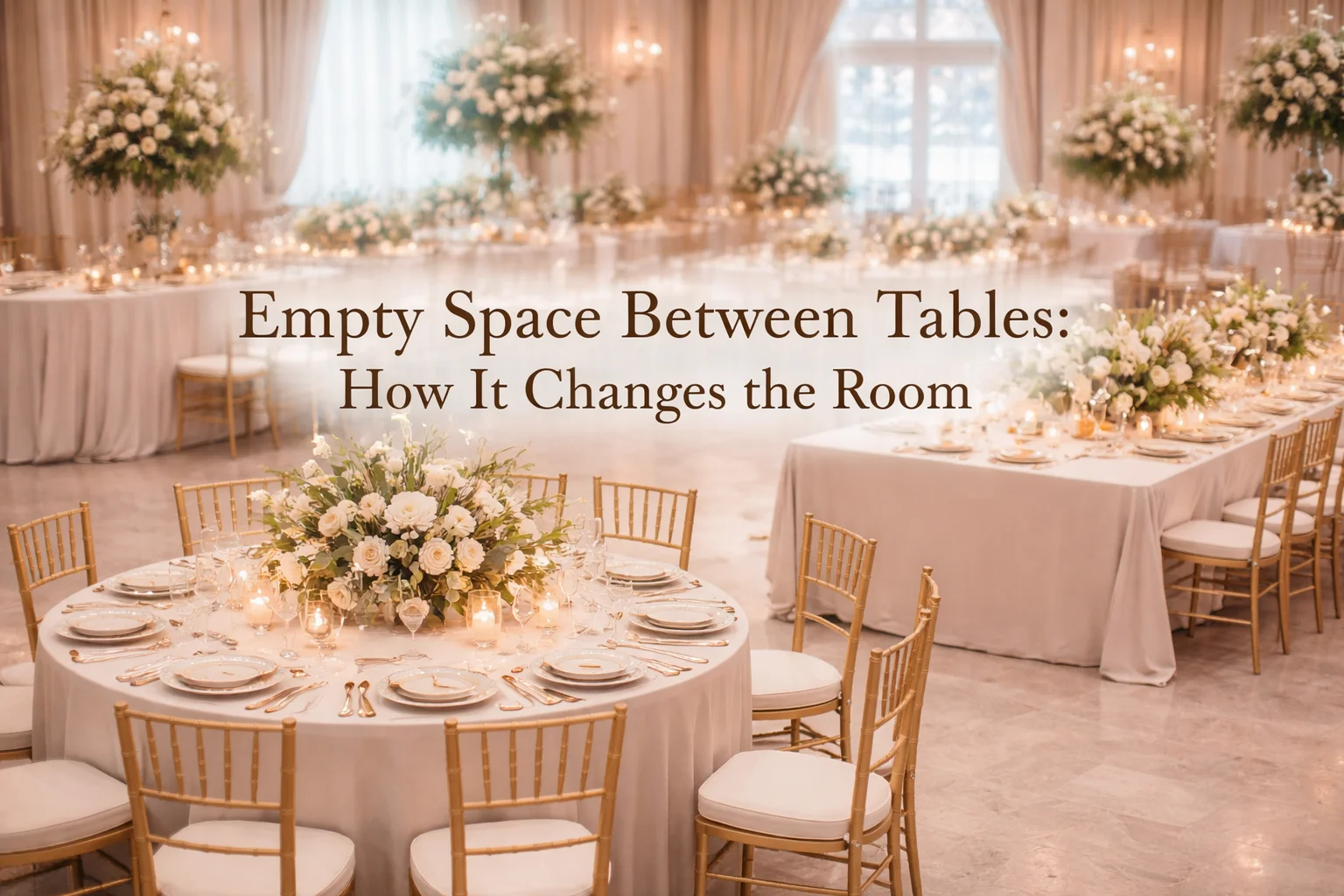
Most layouts start with the tables themselves. Size, shape, how many fit. The areas in between are often adjusted at the end, sometimes just to make things work on paper. In the actual room, though, those leftover spaces do something. Not in a designed way. More like they shift how people move without anyone really pointing at it.