The Proposal

The Proposal

A proposal is more than a question. It is a ritual of choice, vulnerability, and timing — a moment that can shape a relationship long after the answer is given.

The Proposal as a Ritual of Choice

A proposal is often treated as a performance. A surprise, a plan, a story to be told later. But beneath all of that, a proposal is something quieter and far more decisive: a ritual of choice.

It is the moment a relationship steps forward without knowing exactly what will follow. One person asks a question that cannot be taken back. The other answers knowing that the answer will change the shape of the future — even if the wedding never happens.

Why proposals matter

Proposals matter not because of rings, locations, or witnesses, but because they compress uncertainty into a single moment. They force clarity. They ask both people to acknowledge where they stand — not privately, but out loud.

That is why proposals leave such strong emotional traces. Long after details fade, people remember how it felt to ask — and how it felt to answer.

Public or private: where the question is asked

Some proposals are witnessed. Others happen in silence. Neither is inherently better — but each creates a different kind of pressure, memory, and meaning.

A public proposal invites the world into a private decision. A private proposal protects the intimacy of uncertainty. Understanding this difference matters more than choosing a “romantic” setting.

The moment of asking

There is always a moment before the words are spoken. A pause where the future is still open. That moment carries fear, hope, and vulnerability at once.

Many people remember this pause more clearly than the words themselves. It is the instant when commitment becomes real — not because of the answer, but because of the courage to ask.

When the answer changes everything

Whether the answer is yes, no, or something uncertain in between, a proposal ends one version of a relationship and begins another. Even rejection leaves a mark — often deeper than expected.

This is why proposals are remembered not only as beginnings, but as turning points. They draw a line that cannot be unseen.

A proposal does not promise a future. It reveals how ready two people are to face one.— Loving Rocks

Where the proposal leads

A proposal is not the end of the story. It is the threshold. From here, the portal continues into engagement, marriage, and what remains after rituals pass.

  • Engagement Rituals — the emotional climate that follows a “yes.”
  • Wedding Rituals — when commitment becomes public tradition.
  • Imprints — how proposals become emotional memory.
  • After — what remains when the moment has passed.

Articles

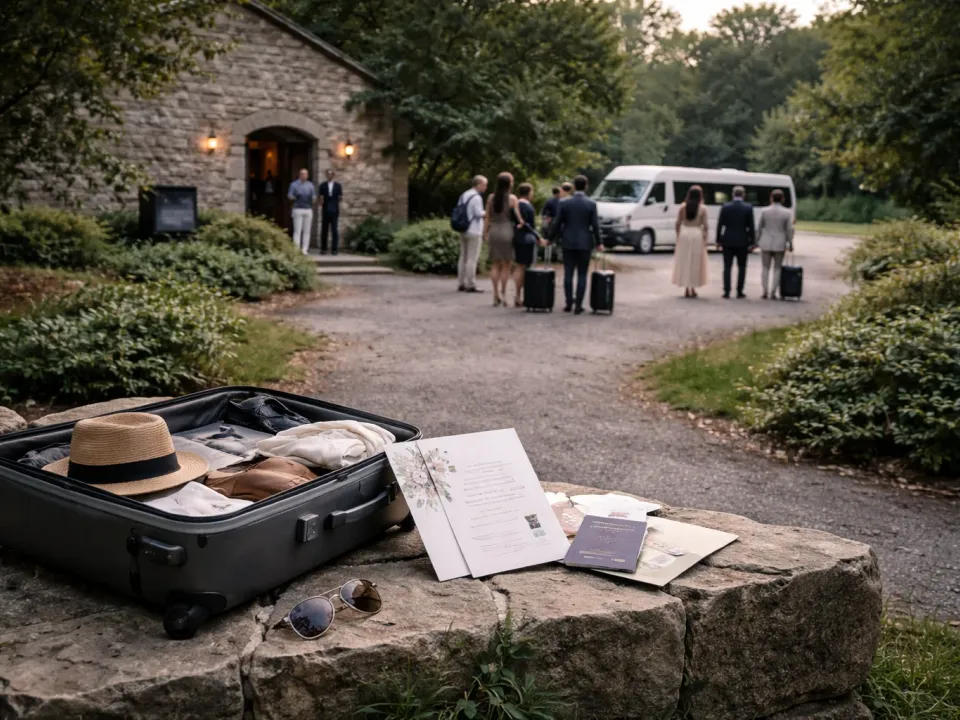
Guests Who Travel Far for the Wedding: What Invitation Means in Practice

Guests Who Travel Far for the Wedding: What Invitation Means in Practice

A wedding invitation does not mean the same thing to every guest. For people traveling far, it quickly becomes more than a warm gesture. It becomes a practical commitment of time, money, planning, and emotional effort. This article looks at what invitation means in practice when guests come from far away, and why distance reveals the real weight of being included.
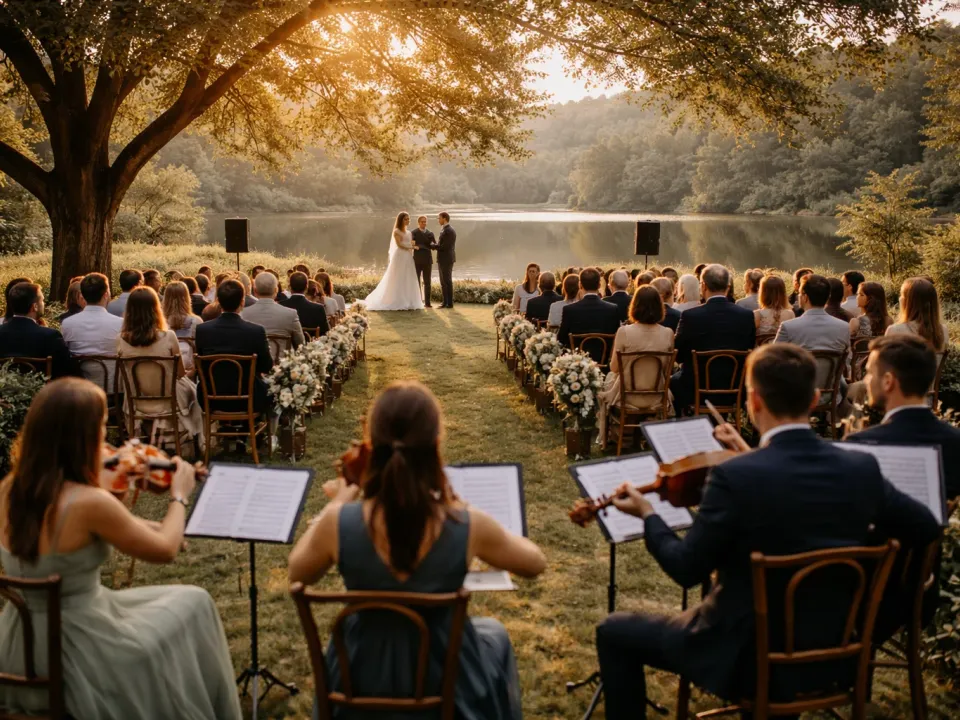
How Room and Situation Change Ceremony Music

How Room and Situation Change Ceremony Music

Ceremony music is never only a matter of taste. It behaves differently in wind, in formal rooms, in small gatherings, in religious settings, and in very quiet weddings where every note becomes more exposed. This article looks at how space and situation change the effect of wedding ceremony music, and why placement matters as much as the music itself.
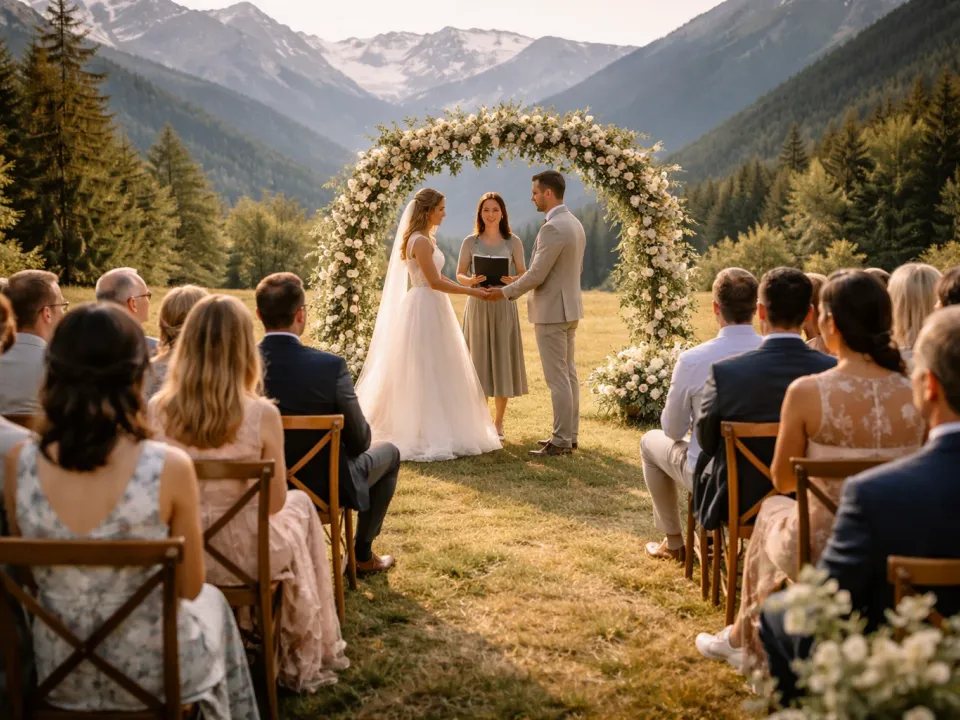
How a Free Ceremony Creates Meaning From the First Minute

How a Free Ceremony Creates Meaning From the First Minute

A free ceremony is often described as flexible, personal, and less bound by formal rules. But that freedom only works when the ceremony has real structure, emotional direction, and a clear sense of what belongs in the moment. This article looks at how a free ceremony begins, why it carries weight, how guests understand it, and what makes it feel meaningful rather than vague.
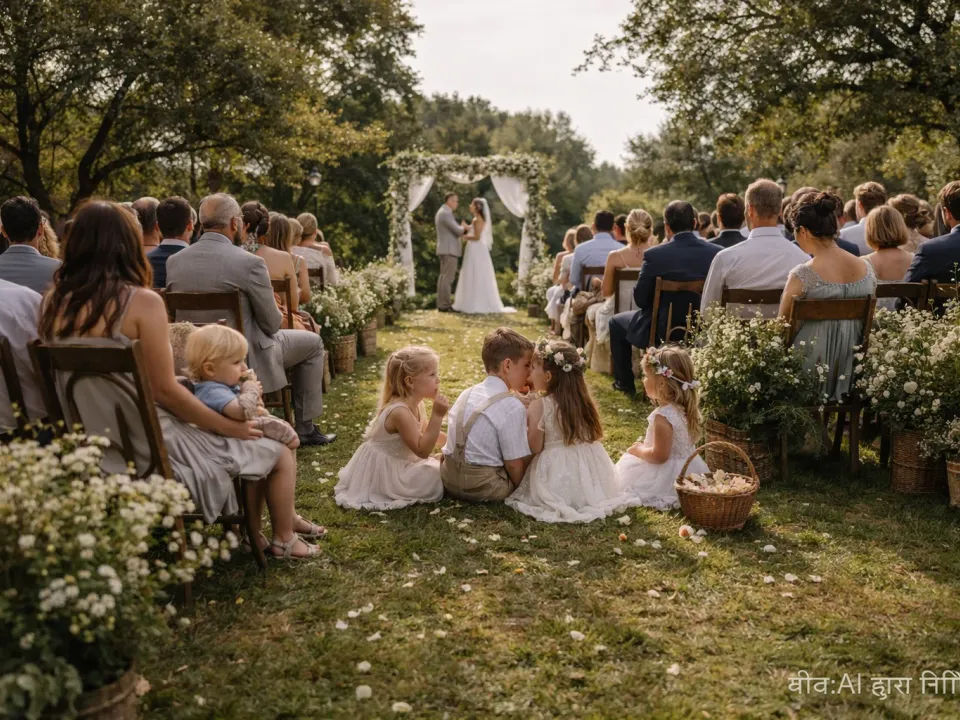
Children During the Ceremony: What Helps in the Exact Moment

Children During the Ceremony: What Helps in the Exact Moment

Children do not disturb a wedding ceremony by default. They react to pressure, duration, unfamiliar rules, and adult tension. This article looks at what happens in the actual moment, when things begin to tip, how space and sequence can support children better, and how parents can stay part of the celebration without spending the ceremony in crisis control.
What Couples Notice Too Late About a Wedding Venue

What Couples Notice Too Late About a Wedding Venue

Wedding venues are often chosen in a moment of projection. Couples imagine light, atmosphere, and feeling long before they understand flow, pressure points, and what the place is actually asking of the day. This article looks at what couples often notice too late about a venue, and why expectation and reality begin separating earlier than most people think.
The Bride Look Begins Long Before the Dress

The Bride Look Begins Long Before the Dress

The bride look is often discussed as a final decision. A dress, a hairstyle, a set of details chosen close to the wedding day. It appears as something visual, something assembled. But in practice, it rarely starts there.
When Winter Weddings Return to the Beginning

When Winter Weddings Return to the Beginning

Winter weddings carry a different kind of attention. Light is shorter, sounds feel softer, and every decision seems to stand out more clearly. There is less room for distraction, which often makes the ceremony feel more deliberate.
The Marriage Proposal: A Moment between Decision and Trust

The Marriage Proposal: A Moment between Decision and Trust

A marriage proposal is rarely only a surprise. More often, it gathers what has already grown in conversations, decisions, and quiet alignment. This article looks at the proposal as a visible threshold between decision and trust, while keeping close to lived experience, ring choice, gesture, timing, and the open reality of what may follow.