
Situational Playlists at Weddings: Real Moments, Small Shifts
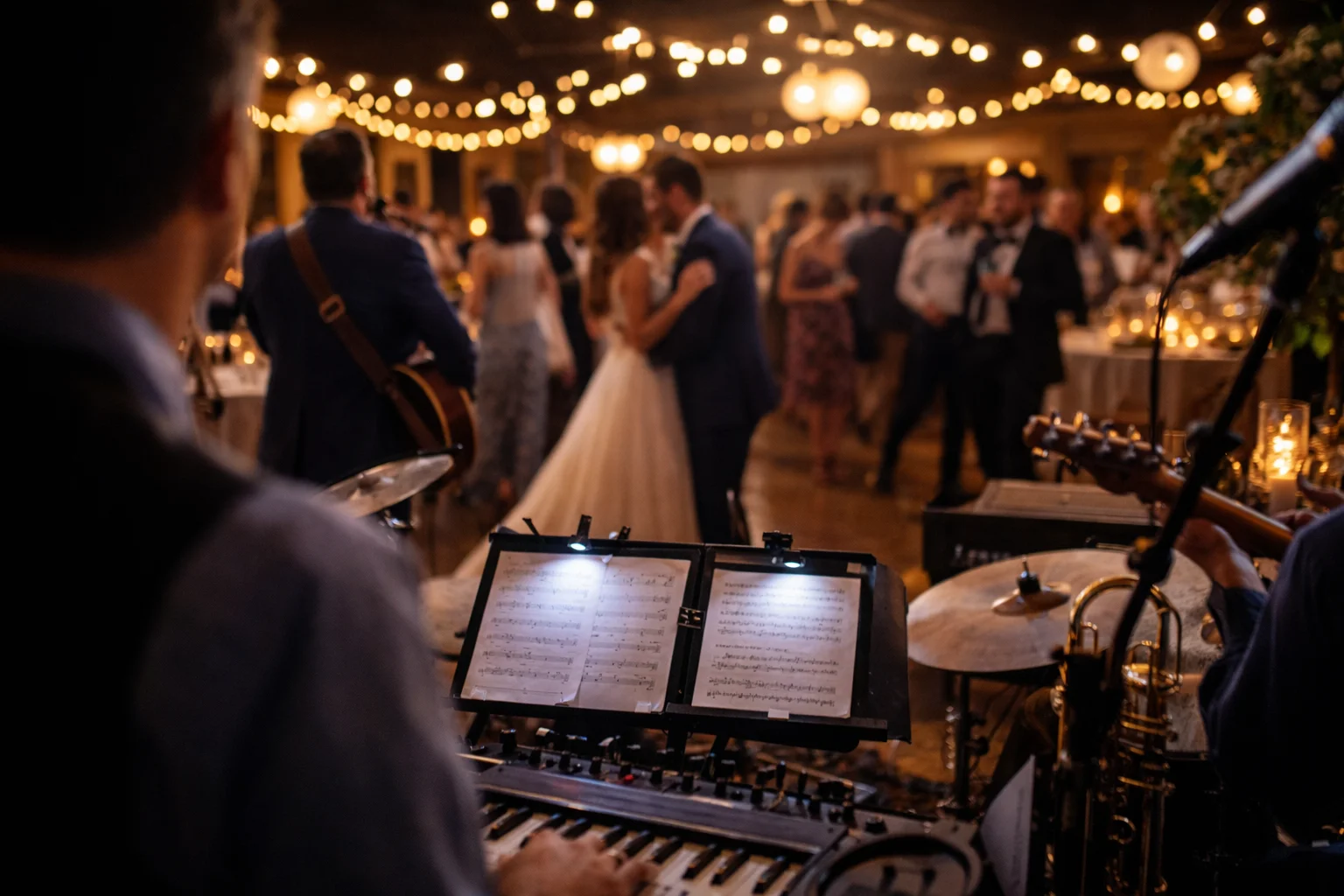
Wedding playlists often look coherent on paper and become something else entirely once the room begins to move. That is not failure. It is usually a sign that the music is doing its job. Good wedding music rarely follows genre logic for long. It follows the moment instead: who is still seated, who is drifting toward the floor, who needs a softer entry, when the room is waiting for something, and when it is ready to stop waiting.
This is why situational playlists tend to work better than fixed lists built around broad categories alone. Guests do not experience a wedding as pop, soul, disco, indie, or house in neat sections. They experience it as a sequence of small shifts. A known song arrives a little earlier than expected and opens the floor. A quieter track holds the room together between courses. Later, something bolder suddenly fits because enough people have stayed. The music keeps adjusting, often in increments small enough that nobody names them.
Definition
Situational playlists at weddings are music selections built around what is happening in real time rather than around a fixed genre plan. They respond to pacing, guest movement, social hesitation, timing gaps, and the subtle changes in energy that unfold across dinner, transitions, dancing, and the late-night hours.
When The Floor Does Not Start, Softer Openings Usually Work Better
Empty dance floors are often handled too aggressively. A huge anthem can feel like a demand before the room is ready to answer it. Mid-tempo familiarity tends to work better: something guests know, but do not feel shouted at by. Tracks in the range of "This Must Be the Place (Naive Melody)" by Talking Heads, "Dreams" by Fleetwood Mac, "September" by Earth, Wind and Fire, or "Shut Up and Dance" by WALK THE MOON can act as bridges rather than commands. The point is not to force a start. It is to remove resistance so the first few people move without feeling exposed.
The Most Important Playlist Is Often The One People Barely Notice
During dinner, between courses, or in the quieter edges of the reception, music should hold the room without asking for focus. This is where a strong playlist behaves almost like architecture. It fills the pauses, supports conversation, and prevents the room from flattening. Songs such as "At Last" by Etta James, "Stubborn Love" by The Lumineers, "Home" by Edward Sharpe and the Magnetic Zeros, or "Yellow" by Coldplay work well not because they dominate, but because they sit inside the room gently. If they disappeared, guests would feel the gap before they could explain it.
Party Playlist Ideas – CategoryThe right mix of songs keeps the dance floor alive and the energy high throughout the wedding celebration. A well-curated playlist balances timeless classics with modern hits and reflects the couple’s taste as well as the mood of their guests. Thoughtful song choices help create unforgettable party moments and ensure the celebration flows effortlessly from start to finish.
Waiting Is Part Of The Night, And Music Decides How It Feels
Wedding nights contain more waiting than people admit. Guests wait for the floor to fill, for speeches to end, for dessert to arrive, for the room to turn from seated to moving, for enough confidence to ask someone else to dance. Music can make those waiting phases feel empty, or it can make them feel inhabited. That is why the connection to waiting is so natural here. Good situational playlists do not erase pauses. They give them shape. A track that is too assertive makes waiting feel longer. A track with just enough motion makes the same pause feel like part of the evening rather than a lapse inside it.
After Midnight, The Playlist Can Afford To Be Less Polite
Later in the night, the social composition changes. Some guests leave. The ones who remain are usually more willing, less self-conscious, and more open to sharper turns in energy. This is where playlists can stretch. A DJ might let a track run longer. A band might loosen its internal structure. Slightly bigger choices begin to land: "Pink Pony Club" by Chappell Roan, "HOT TO GO!" by Chappell Roan, "Love On Top" by Beyonce, "Don't Stop Me Now" by Queen, "Don't Stop Believin'" by Journey, or "Feel So Close" by Calvin Harris. Earlier in the evening, some of these can feel premature. After midnight, they often feel exactly right.
Small Corrections Matter More Than Big Resets
Most wedding music decisions that work are not dramatic. They are adjustments of weight, familiarity, tempo, and patience. Hold one song a little longer. Enter the next one more gently. Delay the obvious anthem by ten minutes. Let a known chorus arrive when the room is almost, but not fully, there. Couples can help by briefing their DJ or band in moments rather than genres: opening the floor without pressure, carrying conversation through dinner, warming the room after speeches, building a late-night run for the guests who stay longest, and ending with either intimacy or release. That way the playlist remains usable when reality bends it.
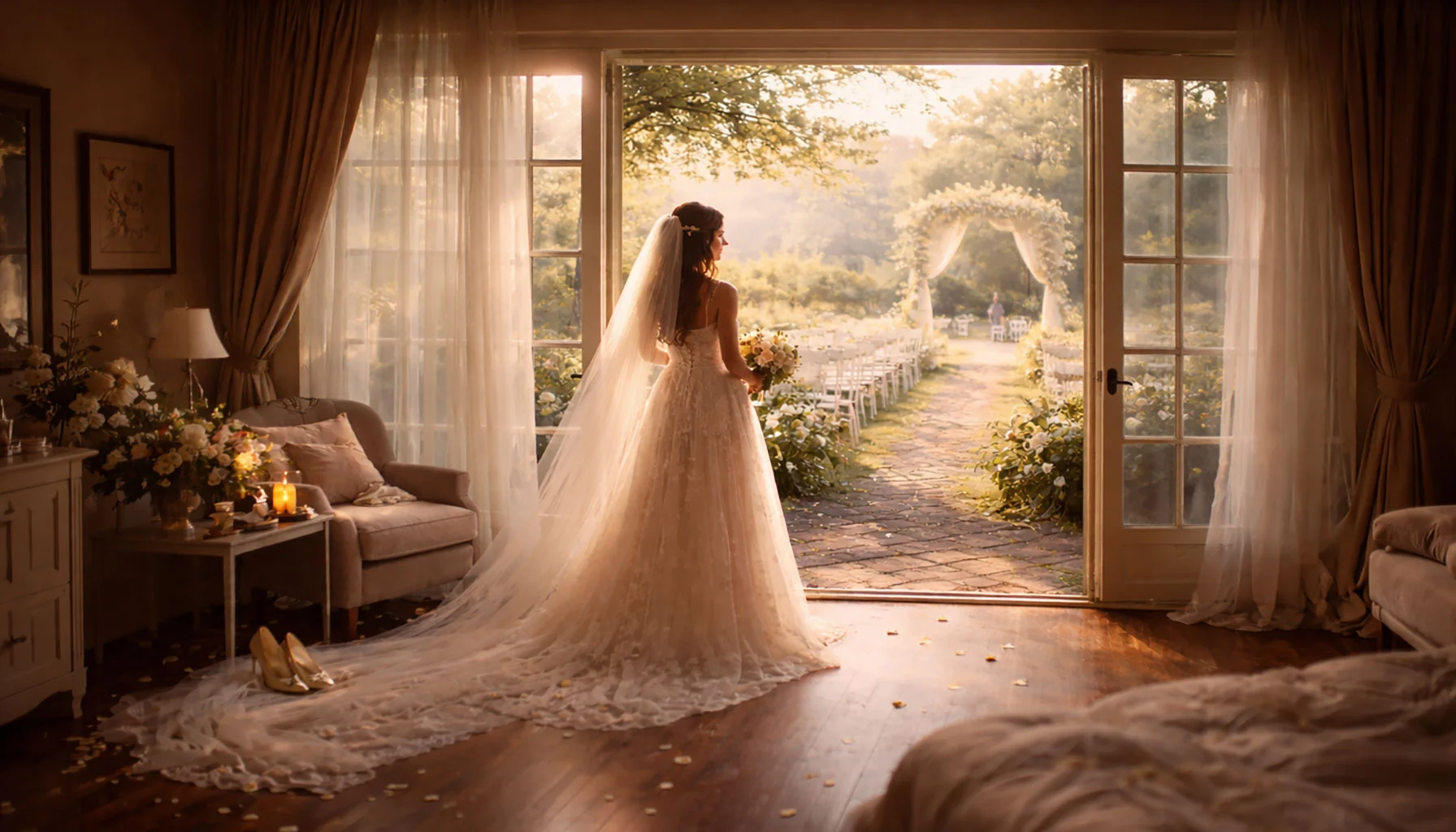
Waiting is not inactivity. It is the emotional state of knowing that something will happen, without knowing when or how.
Conclusion
Situational playlists work because they stay close to the lived reality of a wedding night. They follow movement, hesitation, waiting, release, and the small changes in confidence that pass through the room hour by hour. That makes them less tidy than genre-based planning and far more useful in practice. The best wedding playlists do not prove a music concept. They notice what the night is becoming and shift just enough to stay with it.
Related Articles
Overnight Stay Checklist: What Couples and Guests Often Realize Too Late
Overnight stays around weddings often seem solved once rooms are booked. This article looks at room access, bags, keys, transport, breakfast, checkout, and the late-night waiting moments couples and guests usually notice too late.
Wedding Rings Between Decision and Everyday Life
Wedding rings are rarely chosen as display objects. They are chosen for repetition, for wear, for the fact that they will remain present long after the ceremony itself has passed. This article looks at wedding rings through width, material, setting, and everyday use, while connecting them to the quieter emotional state of waiting that often surrounds such decisions.

The Wedding Guest List and the Quiet Art of Waiting
A guest list is one of the most practical parts of wedding planning, but it is also where uncertainty shows itself most clearly. Decisions about who will stand near the ceremony often unfold slowly, in pauses, hesitations, and unfinished conversations.
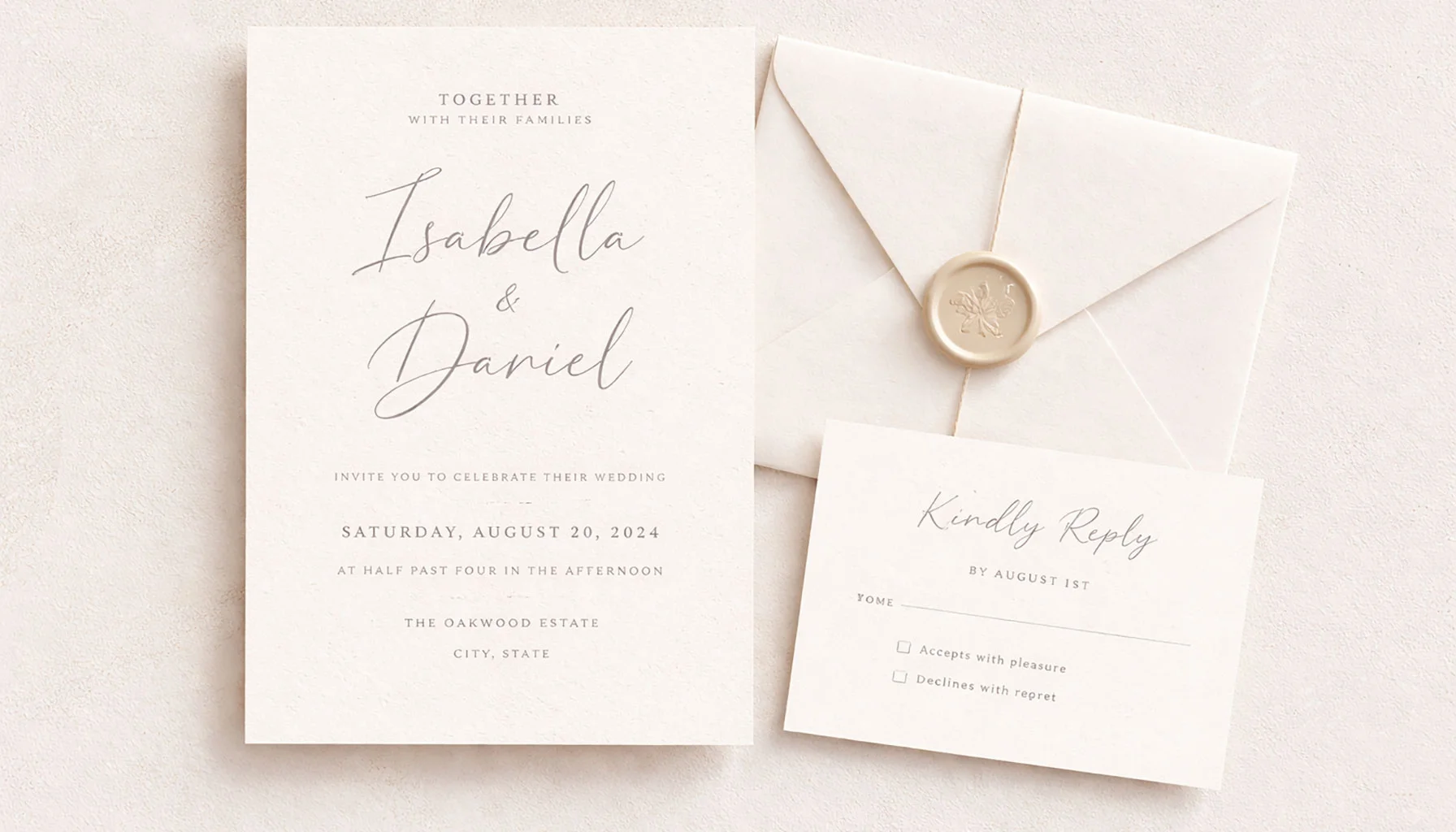
An Invitation to Remember: Creating Wedding Invitations That Set the Tone and Last Forever
A wedding invitation does more than announce a date. It begins shaping expectation, tone, and emotional distance long before anyone arrives. This article looks at invitations as the first quiet threshold of a wedding, where material, wording, and timing begin preparing guests for the day ahead.
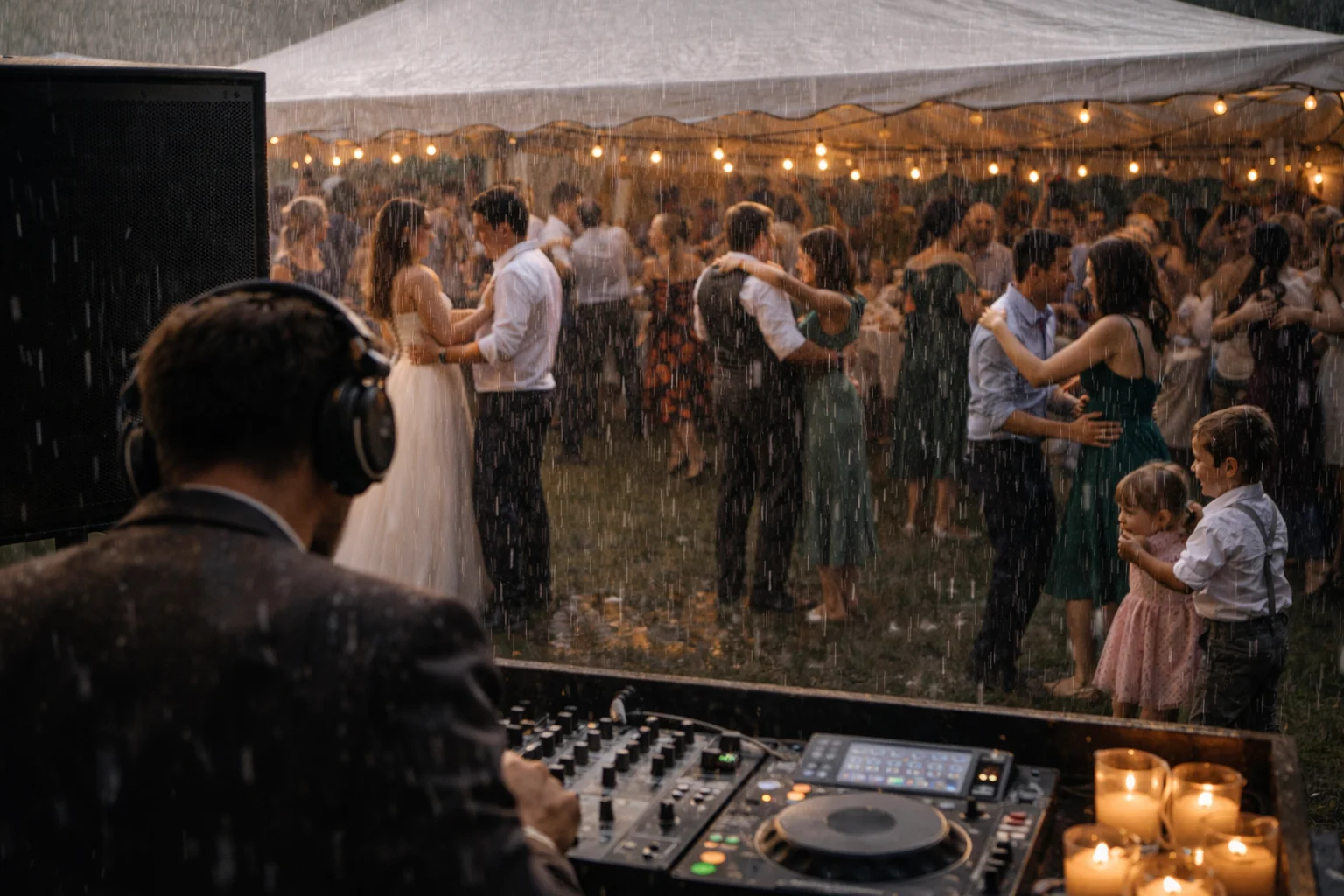
Rainy Wedding Playlist: Music That Works When the Weather Changes Everything
Rain changes a wedding faster than almost anything else. It alters timing, mood, movement, and expectation. This article explores how a rainy wedding playlist can steady the atmosphere, guide guests through uncertainty, and support practical decisions when the day suddenly shifts.
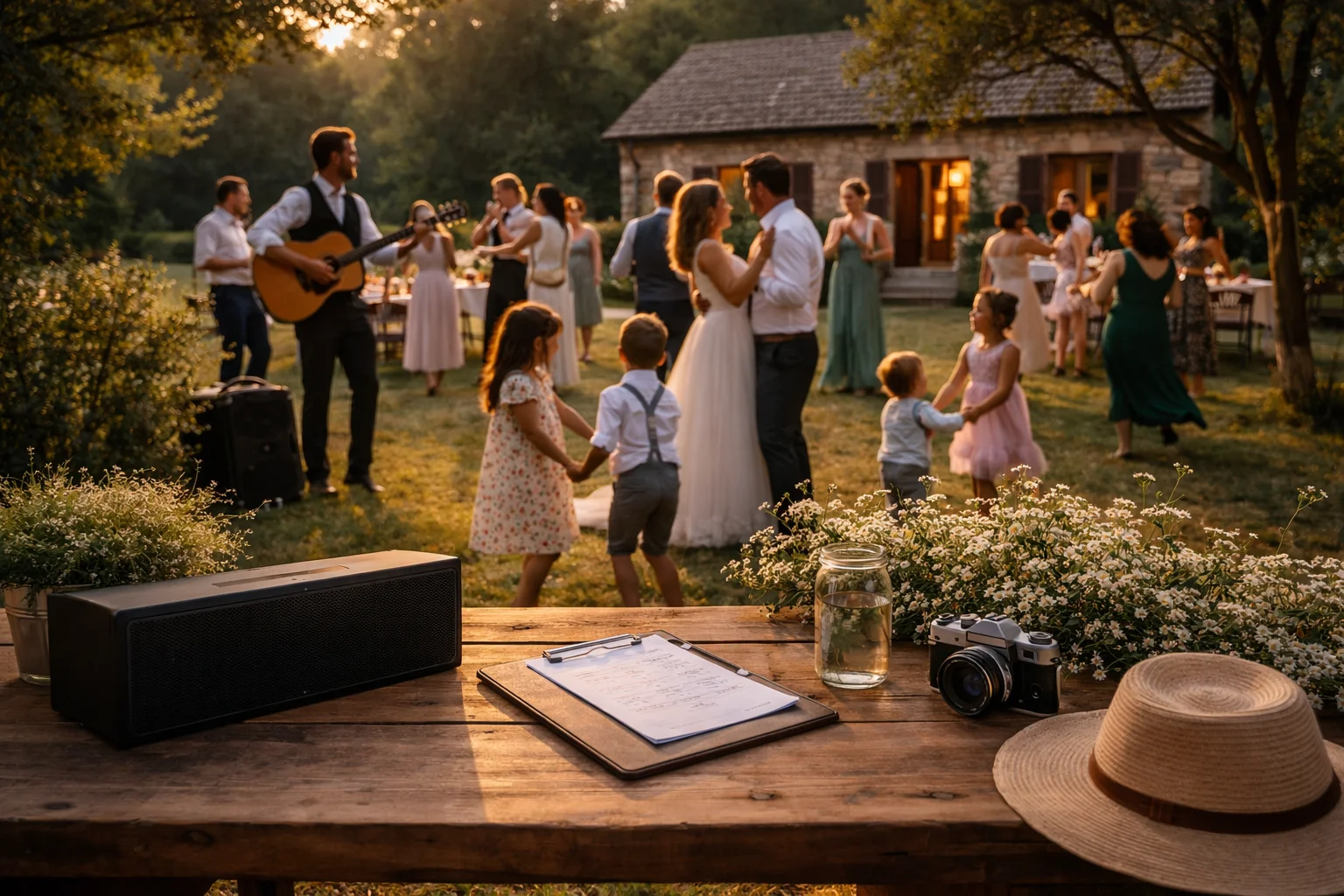
Outdoor Wedding Playlist: Music That Works in Open Spaces and Changing Atmospheres
Outdoor wedding music behaves differently. Open air changes volume, timing, and emotional focus, which is why a good playlist for an outdoor wedding needs more than beautiful songs. It needs rhythm, patience, and an understanding of how atmosphere shifts across the day.
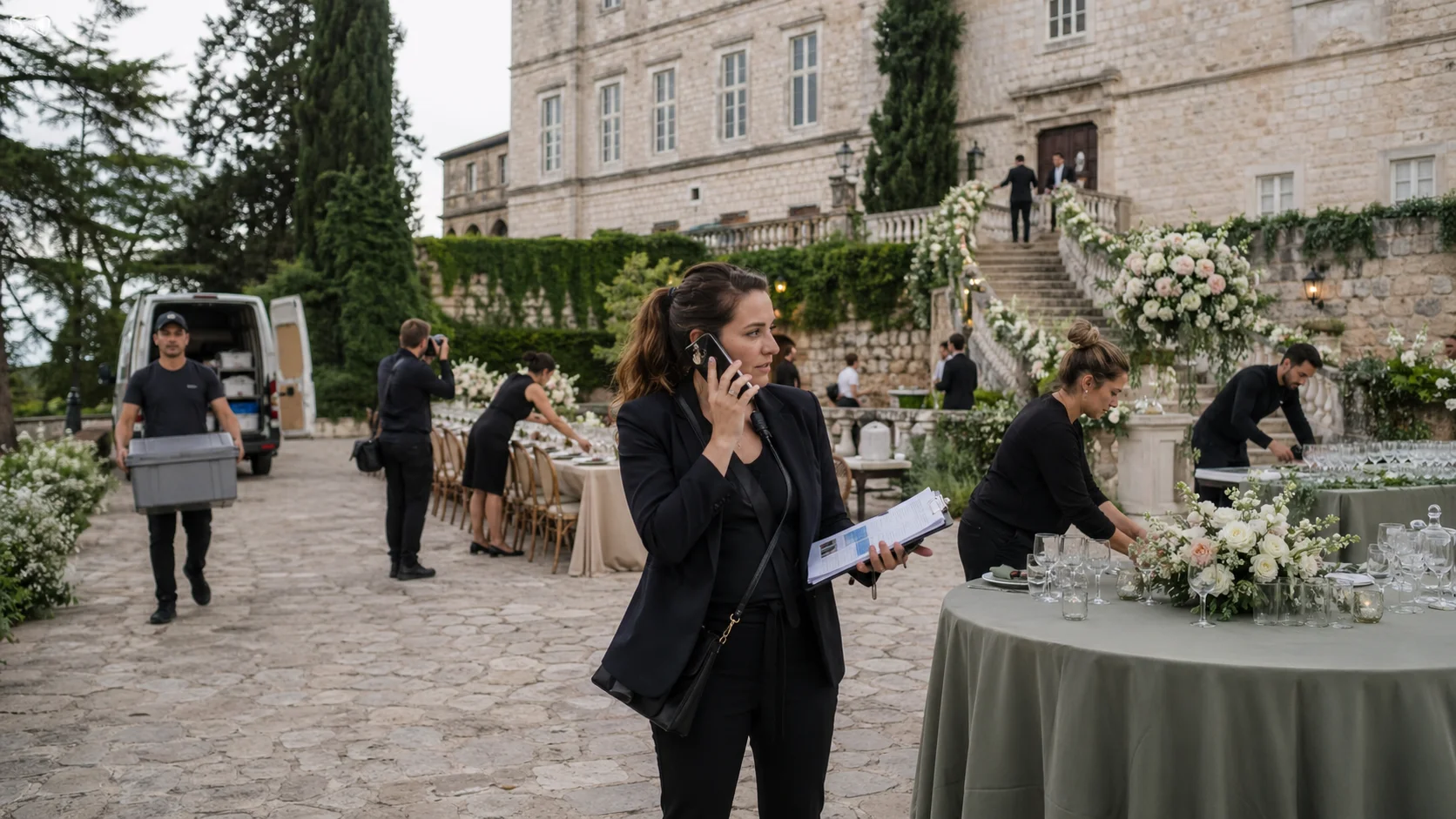
Vendor Contact Checklist: Who Needs to Reach Whom When the Day Starts Moving
A wedding contact list is not the same thing as a wedding communication plan. Once the day starts moving, what matters is not only who is involved, but who should contact whom, for what reason, and at which moment.
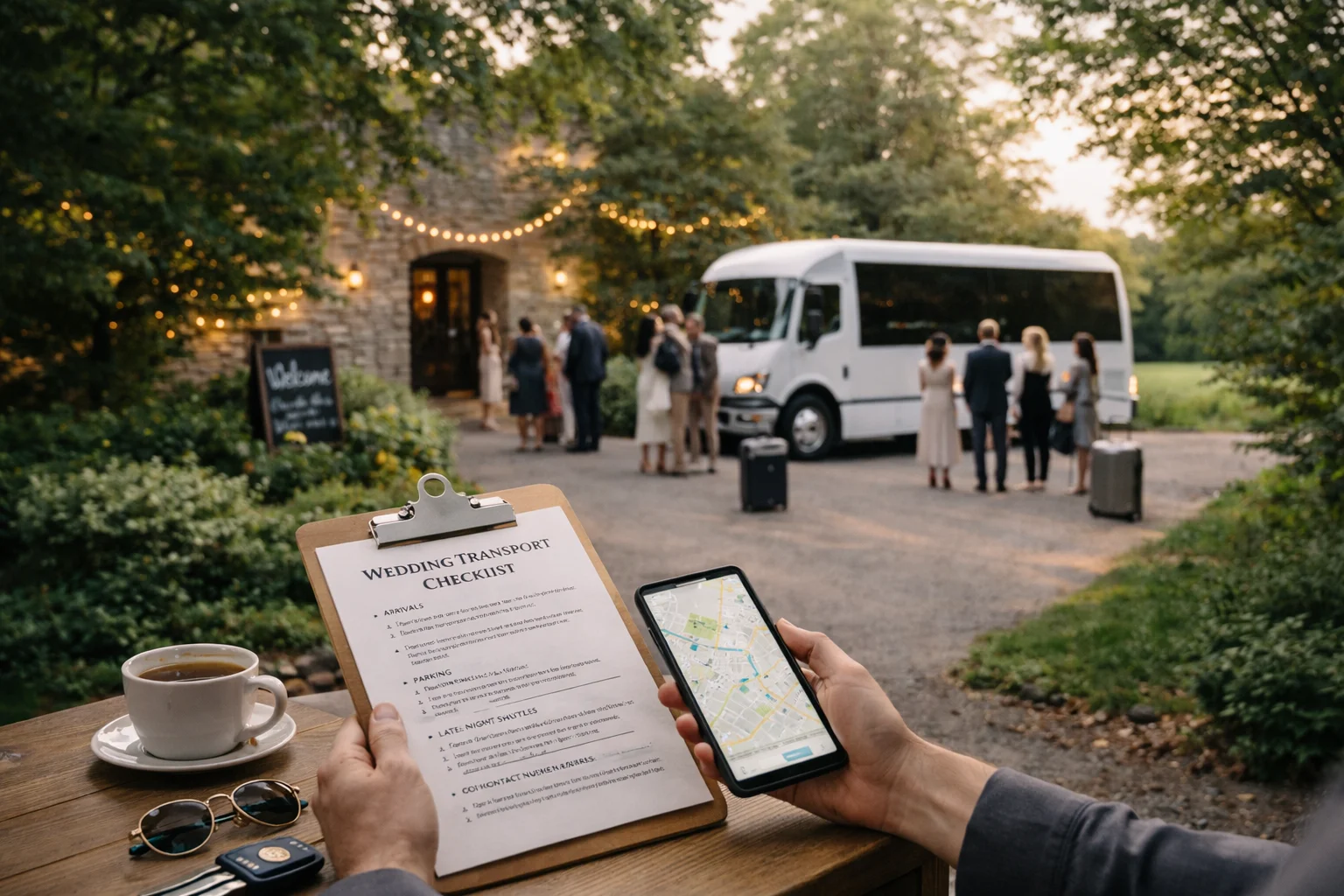
Wedding Transport Checklist: Arrivals, Transfers, Parking, and Late-Night Returns
Wedding transport is rarely remembered when it works, but it shapes the day long before the ceremony begins and long after the central moment has passed. This article looks at what still needs to be planned around arrivals, transfers, parking, and late-night returns, and why movement and waiting belong more closely together than many couples expect.
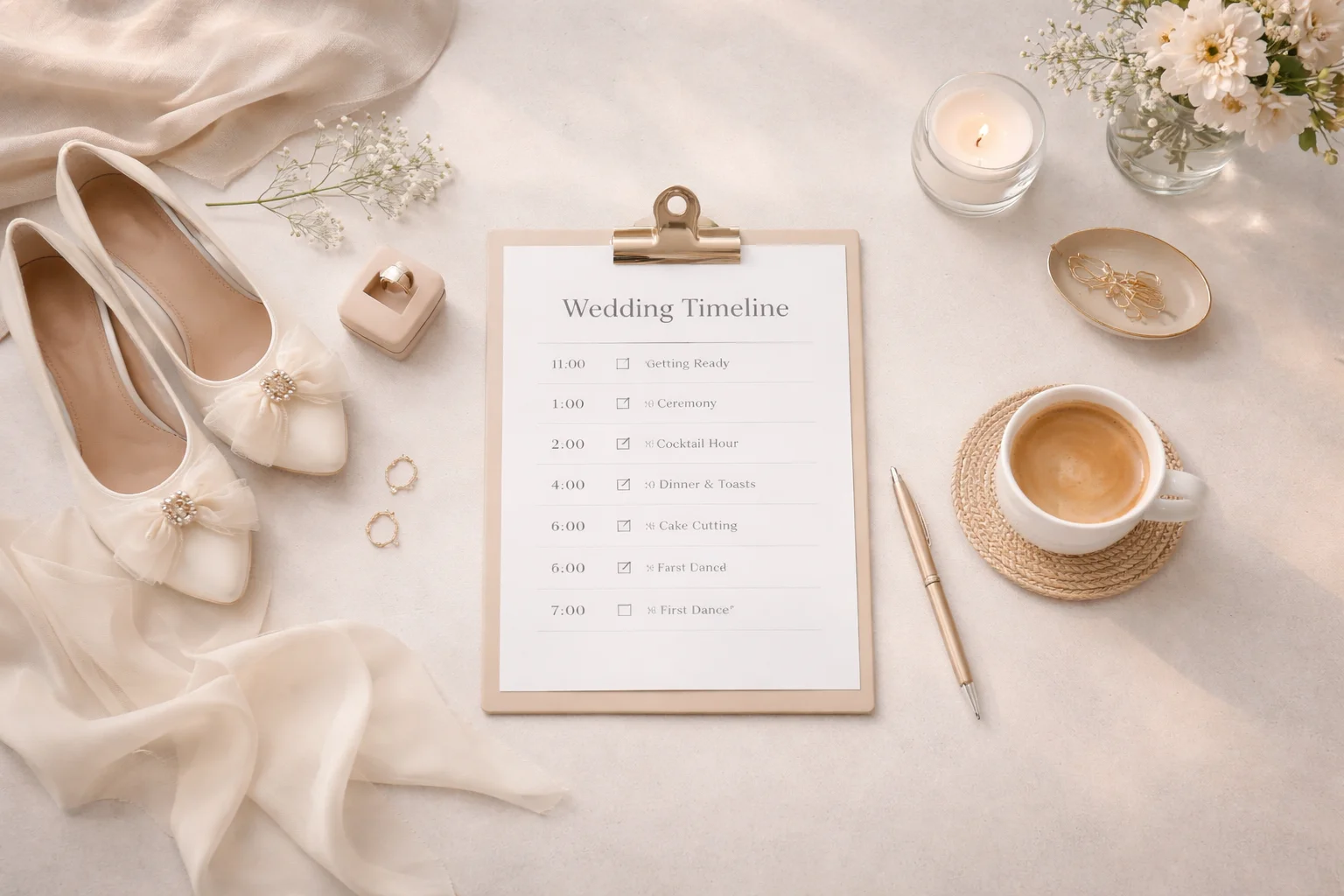
Minimal Wedding Timeline Checklist: How to Leave Space Without Losing Structure
A minimal wedding does not need to fill every moment too early. This checklist helps couples create a calm celebration with space, timing, and intentional restraint, while recognizing that waiting itself can shape the emotional atmosphere of the day.
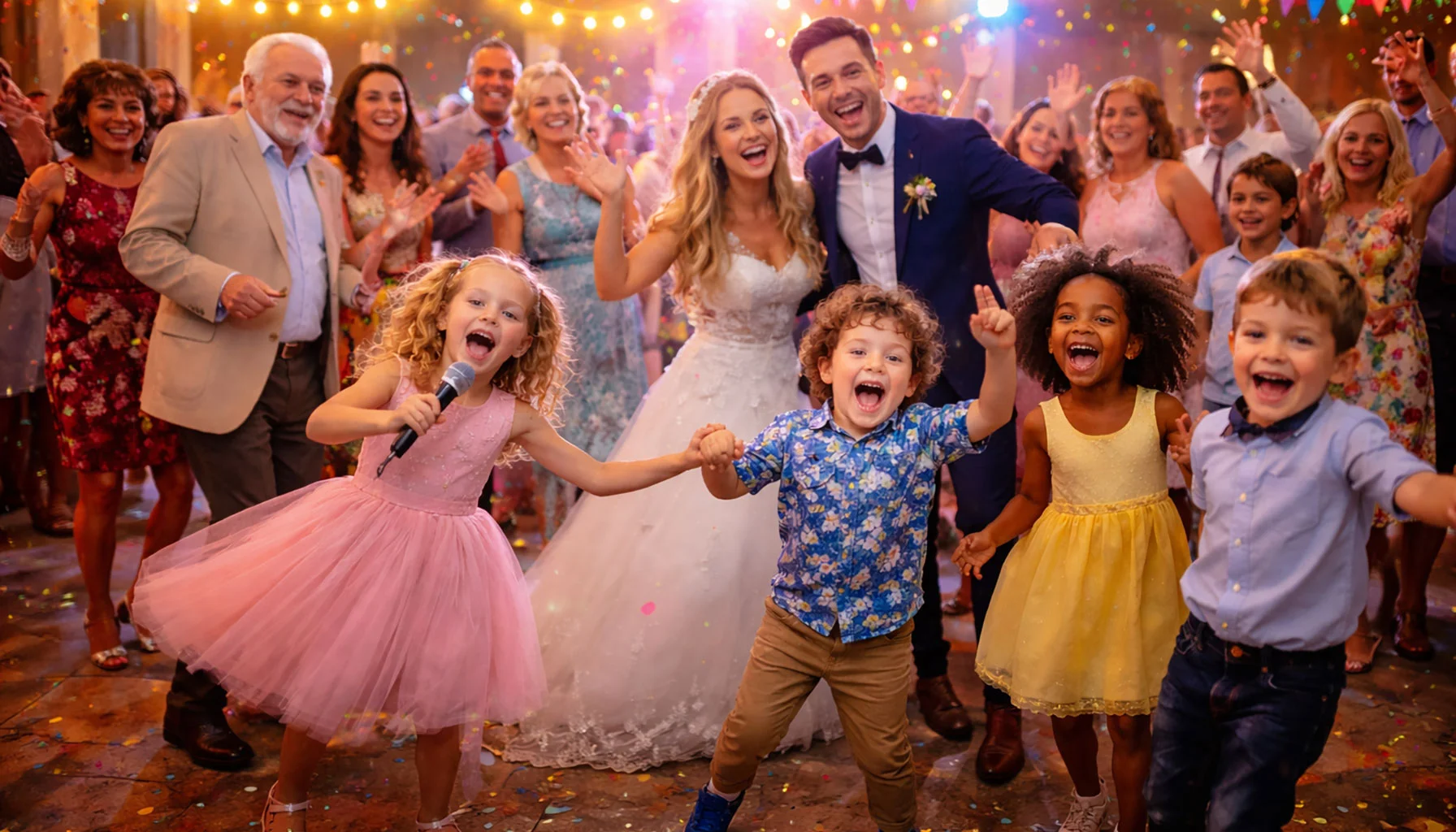
Music for Kids and Families at Weddings: International Hits, Trends and Timeless Crowd Pleasers
Family-friendly wedding music rarely works by sheer volume or by forcing participation. It works when recognition arrives quickly enough that children move closer, older guests stay a little longer, and the room begins to trust what is happening. This article looks at music for kids and families through international examples and the quieter logic of how wedding playlists help people remain together.