
Minimal Wedding Timeline Checklist: How to Leave Space Without Losing Structure
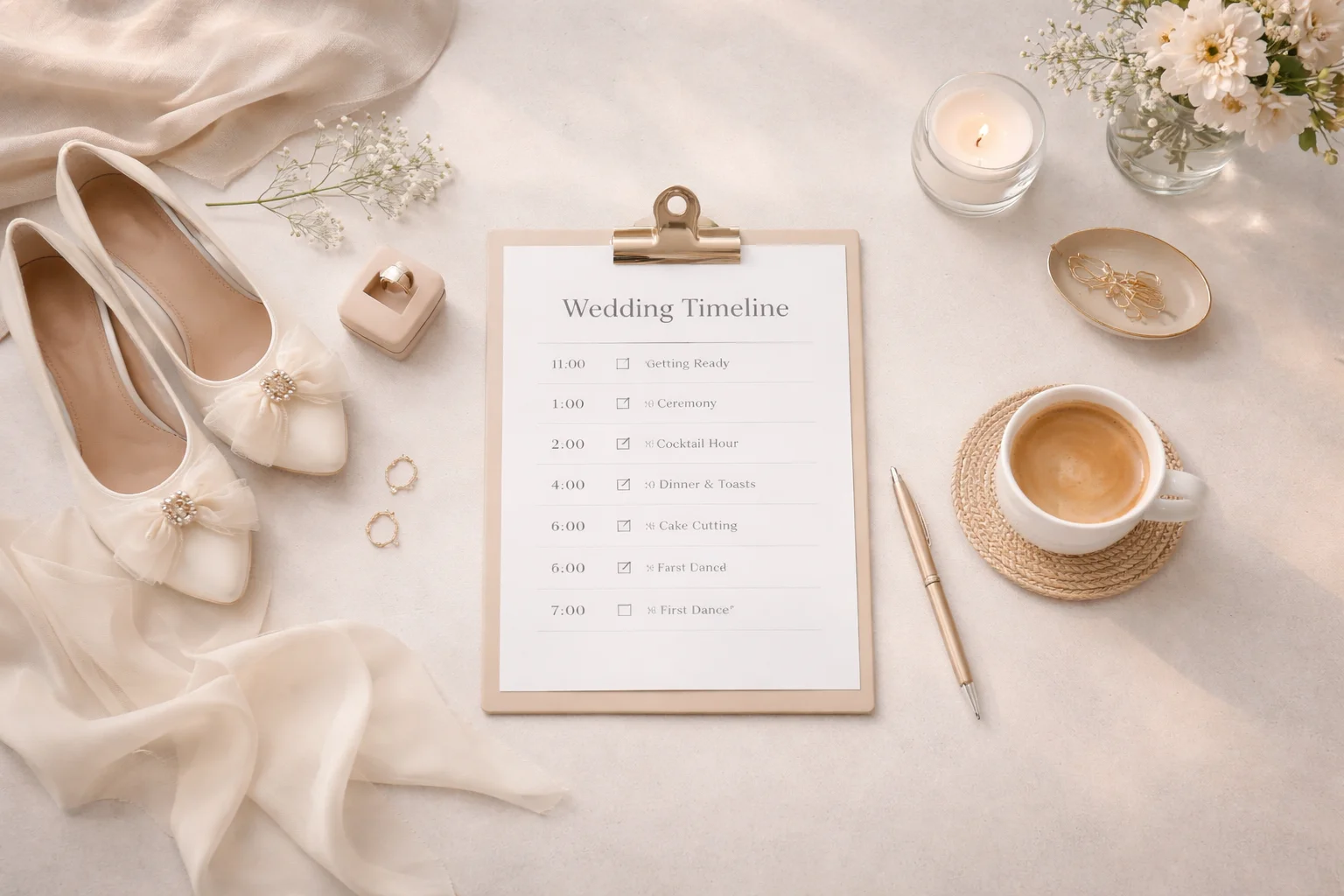
Minimal weddings are often misunderstood as visually reduced versions of larger celebrations. In reality, they depend just as much on timing as on design. A calm wedding atmosphere is not created only through fewer decorations or a cleaner setting. It is also created through pacing, quiet transitions, and the decision not to overload every hour too early.
That is why this topic belongs naturally to Modern & Minimal. Minimal weddings focus on simplicity, intention, and spaces where every visible choice has meaning. But it also belongs near Waiting, because one of the most overlooked parts of a minimal wedding is the way anticipation shapes the day. Not every pause needs to be filled. Not every transition needs noise. Sometimes the feeling of waiting is exactly what gives the moment its weight.
A useful minimal wedding checklist should therefore include more than visual guidance. It should help couples protect rhythm, leave breathing room, and avoid turning a clear concept into a crowded schedule. Minimal does not mean empty. It means that what remains should be given enough space to register.
Modern & Minimal | Loving RocksSimple, calm, and intentional wedding ideas with clear design and meaningful choices.
Minimal Wedding Timeline Checklist
This checklist is for couples who want the day to feel clear, calm, and emotionally present without becoming rigid. The goal is not to slow everything down artificially. The goal is to prevent the day from becoming so full that nothing has time to land.
1. Leave Real Space Before the Ceremony
- Is there enough time before the ceremony without unnecessary rushing?
- Have hair, makeup, dressing, and transport been planned with buffer time?
- Does the morning include at least one part that is not assigned to a task?
- Has the pre-ceremony schedule been kept intentionally light?
Minimal weddings often begin to lose their atmosphere long before guests arrive. The cause is usually not the visual concept. It is a morning that already feels too compressed.
2. Protect Waiting Instead of Trying to Eliminate It
- Have you allowed for moments where nothing specific needs to happen yet?
- Do you feel tempted to fill every pause with activity or messaging?
- Is there room for anticipation without turning it into stress?
- Have you accepted that not every important moment needs immediate distraction?
This is where the article moves closest to Waiting. Waiting is not absence of action. It is the emotional state in which something important is approaching but has not yet arrived. A minimal wedding can hold that state well, but only if the timeline does not constantly interrupt it.
3. Reduce Transitions That Add Noise
- Are there too many location changes in one day?
- Have unnecessary moves, pickups, or small stops been removed?
- Does each transition serve a real purpose?
- Can one part of the day continue naturally into the next without extra coordination?
A minimal wedding feels clearer when movement has a reason. Too many transitions make even a visually beautiful celebration feel busy underneath.
4. Let the Setting Do Some of the Work
- Does the venue already support the atmosphere without heavy correction?
- Can light, material, scale, or proportion carry part of the experience?
- Have decorative decisions been reduced to what is actually needed?
- Does the space still feel calm when people are simply present inside it?
Minimal weddings rely on what is already there: light, raw material, proportion, and arrangement. When the setting is doing enough, the schedule also needs less compensation through activity.
5. Keep Guest Flow Clear and Unforced
- Can guests understand where they should be without constant instruction?
- Is there enough clarity without over-explaining everything?
- Does the event flow naturally from arrival to ceremony to gathering?
- Have you avoided adding too many small programmed moments?
One sign of a strong minimal wedding is that guests can settle into the day without feeling pushed from one scheduled beat to another.
6. Use Silence and Pause Deliberately
- Have you allowed for quiet before key moments?
- Is music being used intentionally rather than constantly?
- Can a room stay still for a moment without anyone rushing to fill it?
- Have you accepted that stillness can deepen attention?
Minimal weddings often become memorable not because more was added, but because one pause was left intact. Silence can intensify presence when it is not treated as a problem to solve.
7. Resist Last-Minute Additions
- Are there new ideas being added simply because the schedule still looks open?
- Have any extras been proposed out of nervousness rather than need?
- Does every added element support the concept of the day?
- Is simplicity still being protected in the final stage?
Minimal weddings are often weakened in the last phase, when open space starts feeling suspicious and people begin adding small extras to reassure themselves. But clarity depends on restraint that lasts until the end.
Why waiting belongs inside a minimal wedding
Waiting is often treated as wasted time in event planning. But in emotional terms, it can be one of the most active parts of the day. Before the ceremony, before an entrance, before a first look, before a room settles, anticipation is already shaping meaning. The future is already present, but unresolved. That is precisely why Waiting belongs beside a minimal wedding perspective.
Minimal design gives that anticipation somewhere to exist. A crowded schedule tends to flatten it. A calm, intentional structure lets it gather weight. This does not mean the day should become slow or abstract. It means important moments need enough room to arrive without being buried under constant motion.
Waiting | Loving RocksWaiting is not inactivity but an emotionally active state shaped by anticipation and unresolved meaning.
A strong minimal wedding is therefore not only a question of visual reduction. It is also a question of confidence: confidence to leave space, confidence not to overfill, and confidence to let timing carry part of the atmosphere. When structure remains clear and the day is not crowded too early, waiting stops feeling like emptiness and starts feeling like presence.
That is often where minimal weddings feel most complete. Not when everything has been optimized, but when the day leaves enough room for light, pacing, and anticipation to do their work.
Related Articles

The Wedding Guest List and the Quiet Art of Waiting
A guest list is one of the most practical parts of wedding planning, but it is also where uncertainty shows itself most clearly. Decisions about who will stand near the ceremony often unfold slowly, in pauses, hesitations, and unfinished conversations.
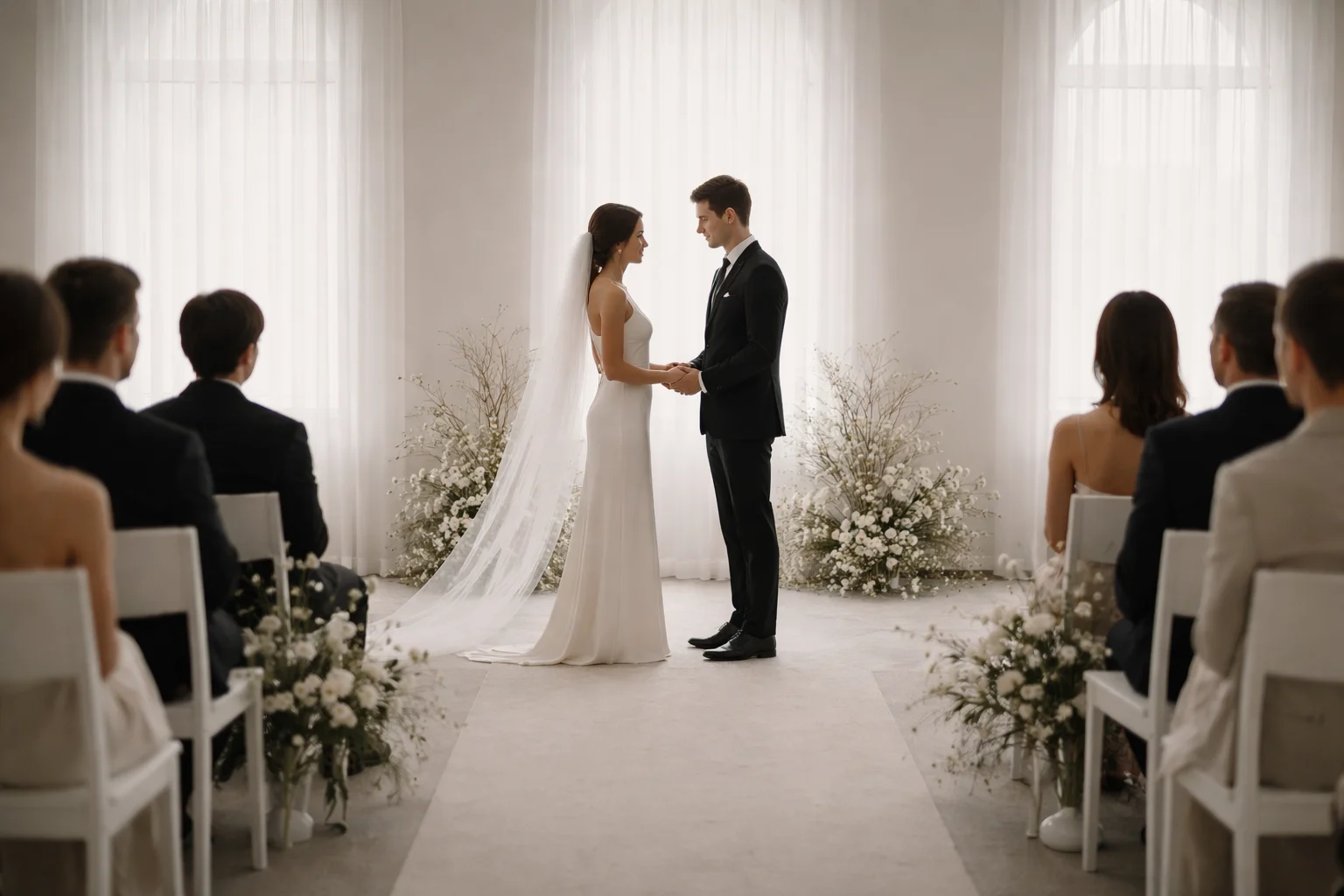
When Less Makes the Ceremony Clearer
Minimal weddings are often described as a reduction. Fewer elements, fewer decisions, fewer visible layers. Tables are cleared, colors are restrained, schedules are simplified. What remains can feel almost quiet in comparison to more elaborate celebrations.
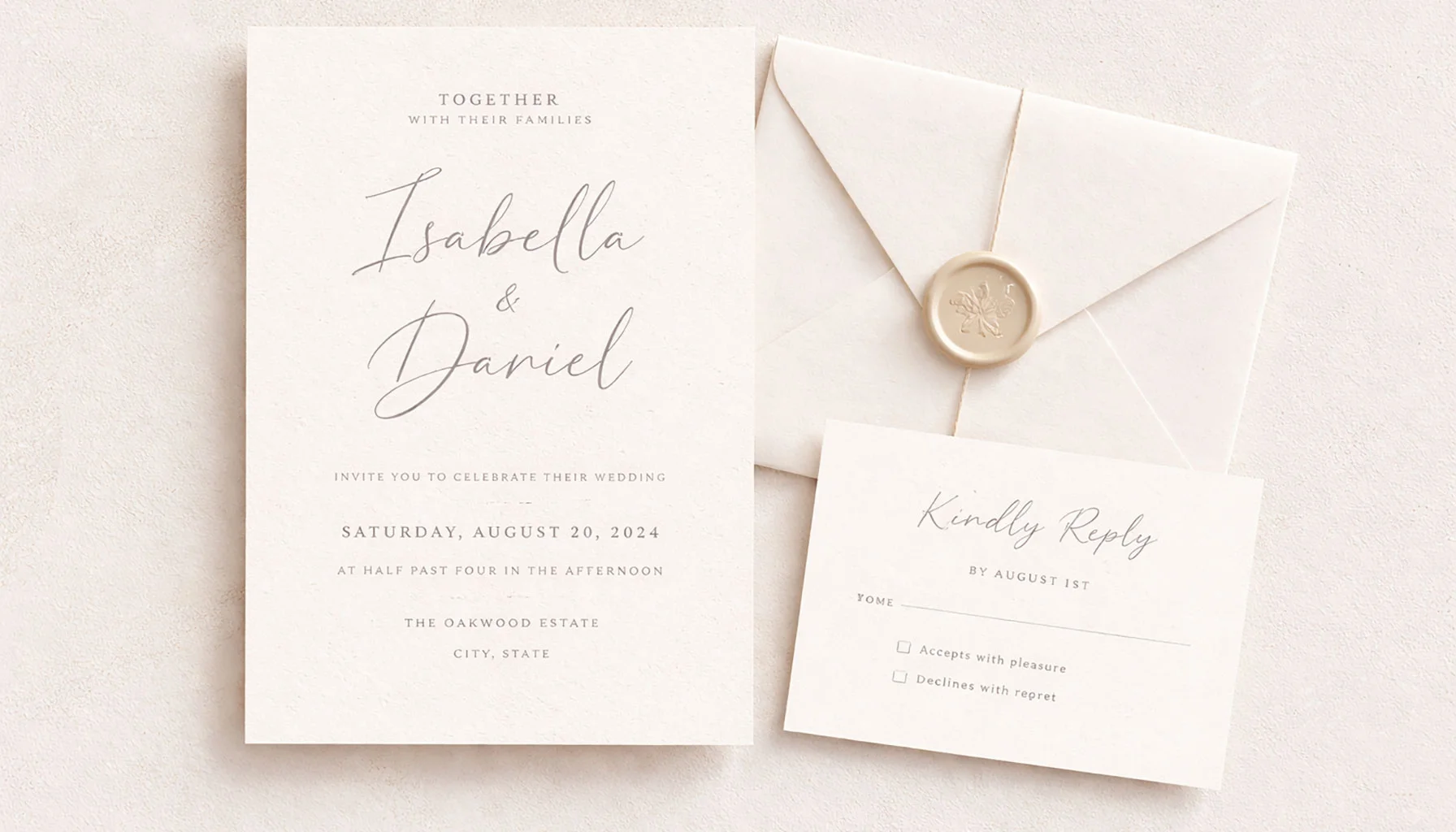
An Invitation to Remember: Creating Wedding Invitations That Set the Tone and Last Forever
A wedding invitation does more than announce a date. It begins shaping expectation, tone, and emotional distance long before anyone arrives. This article looks at invitations as the first quiet threshold of a wedding, where material, wording, and timing begin preparing guests for the day ahead.
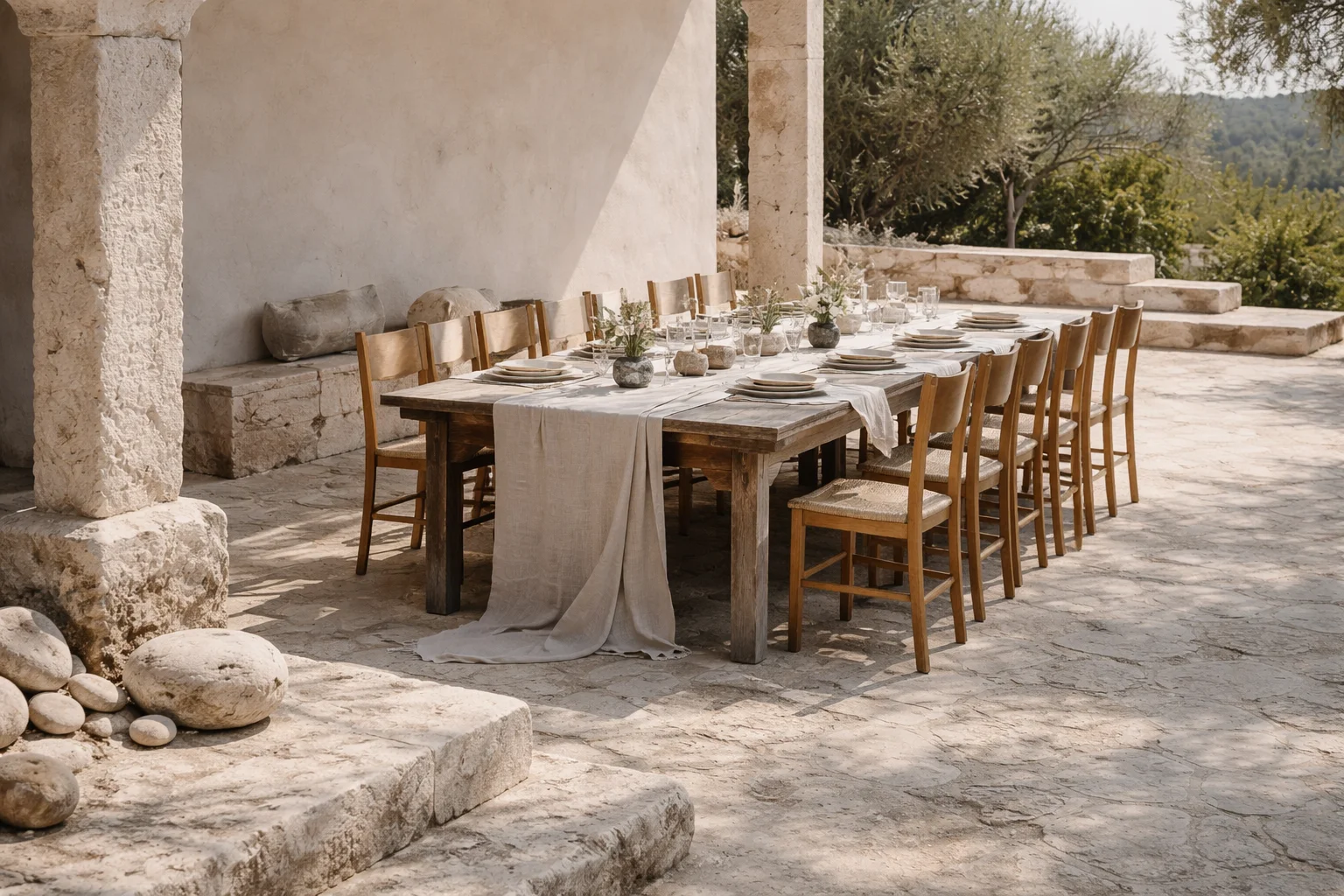
Raw Materials in Minimal Weddings (Stone, Linen, Wood)
Minimal weddings sometimes move closer to what is already present. Materials are not covered or heavily adjusted. Stone, linen, wood stay visible, sometimes almost too plain at first glance. The setup can feel a bit reduced, but not empty, just less arranged.
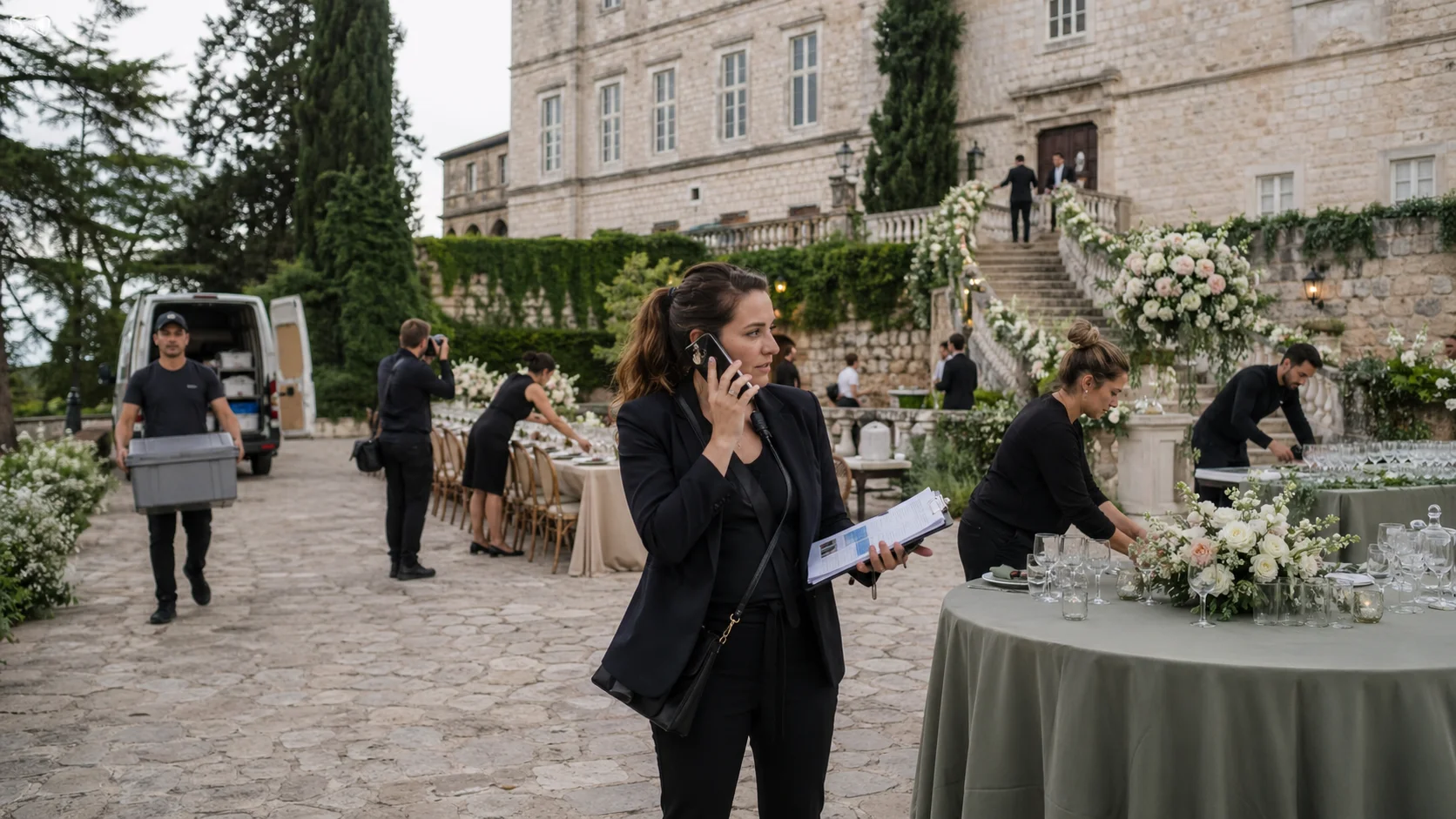
Vendor Contact Checklist: Who Needs to Reach Whom When the Day Starts Moving
A wedding contact list is not the same thing as a wedding communication plan. Once the day starts moving, what matters is not only who is involved, but who should contact whom, for what reason, and at which moment.
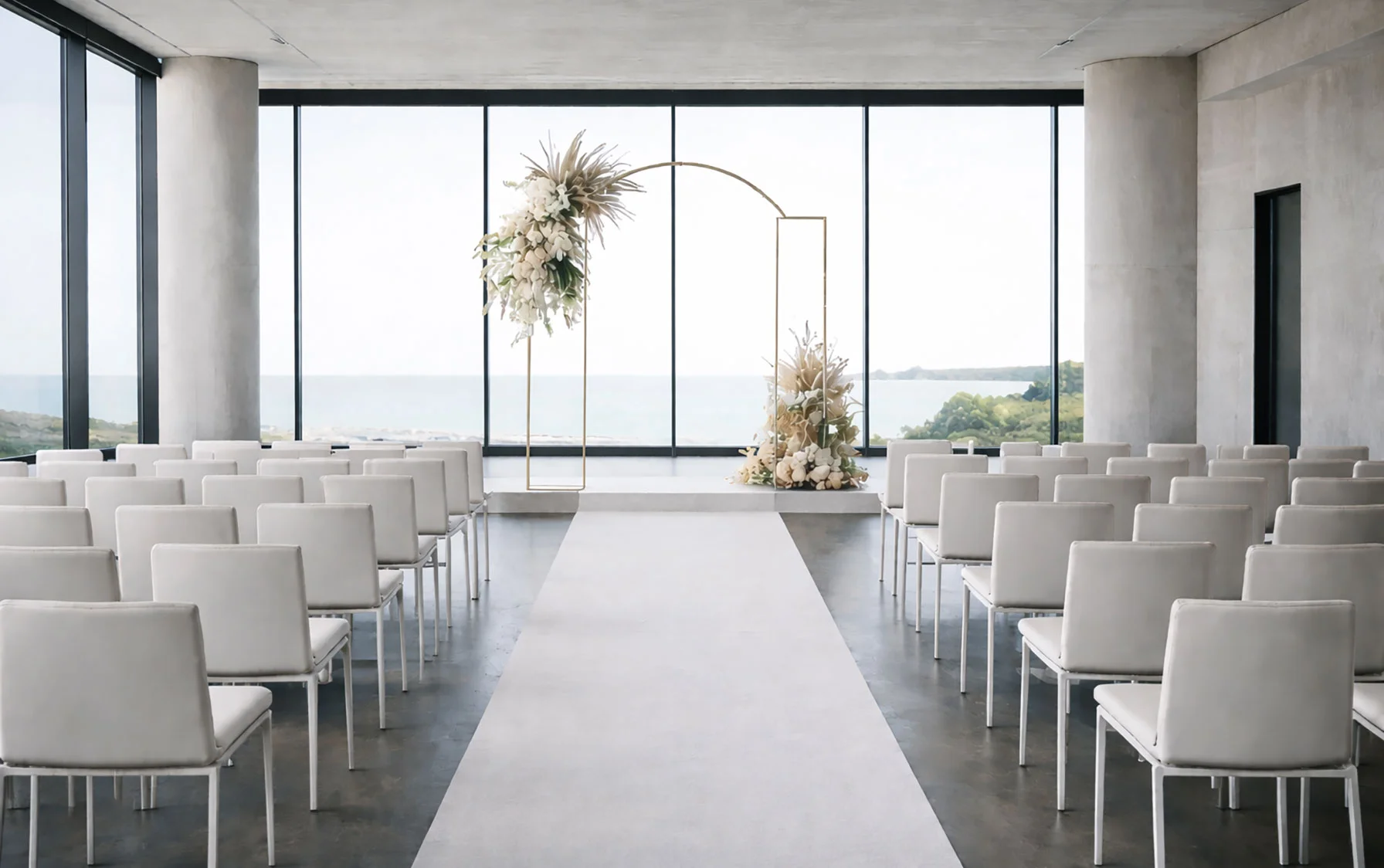
The Art of Modern Minimal Weddings
Modern and minimalist weddings tend to feel calm and deliberate. Spaces are clear. Timelines are structured without pressure. Choices are visible, but never loud. Instead of many details, attention shifts to light, proportion, and material. Guests move through the day with ease, conversations unfold naturally. This style of celebration relies on reduction, not restraint. It creates closeness through clarity and leaves room for what matters.
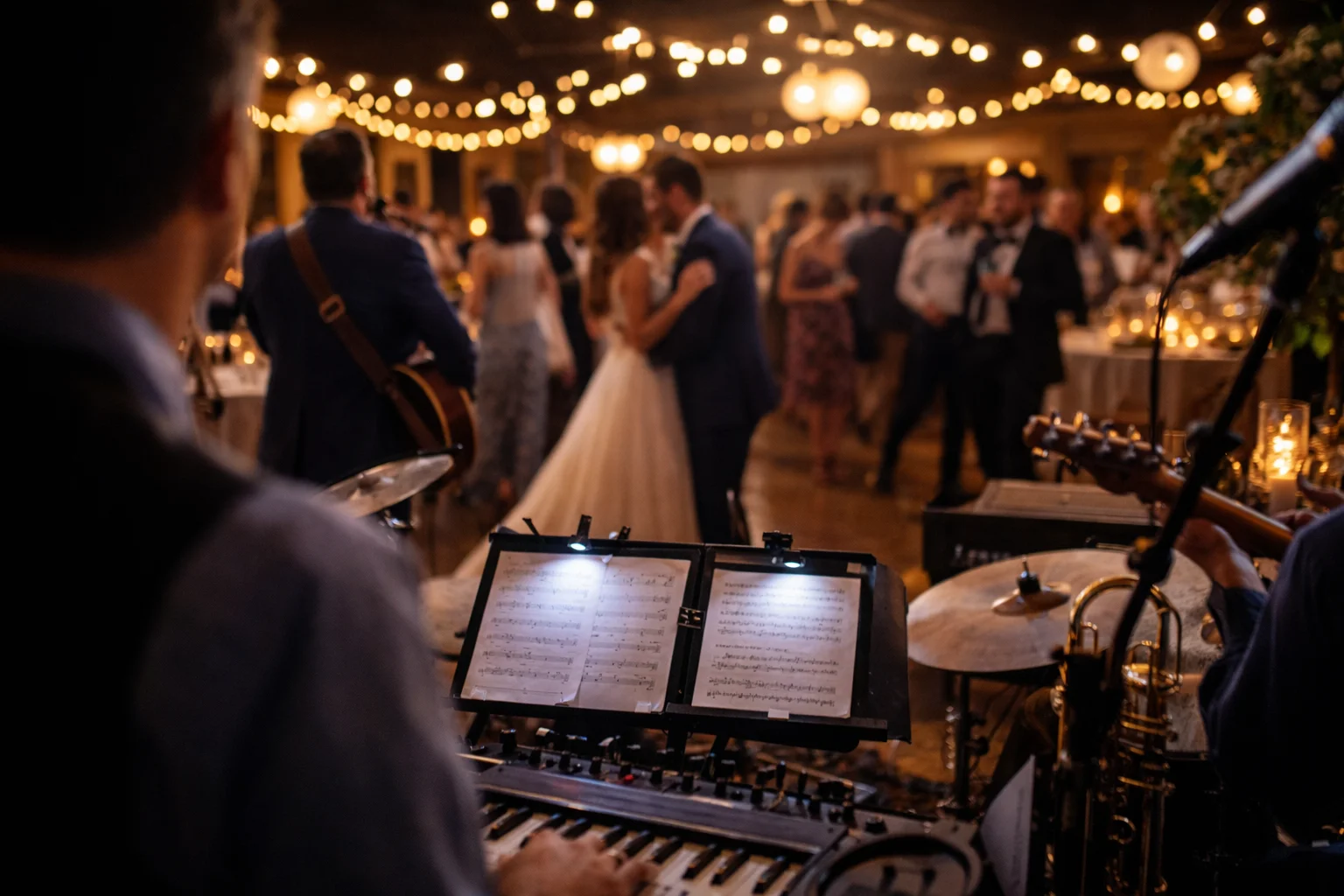
Situational Playlists at Weddings: Real Moments, Small Shifts
The best wedding playlists are rarely built around genres alone. They respond to hesitation, momentum, waiting, release, and the subtle changes that happen across a real evening, often through small song choices rather than big musical statements.
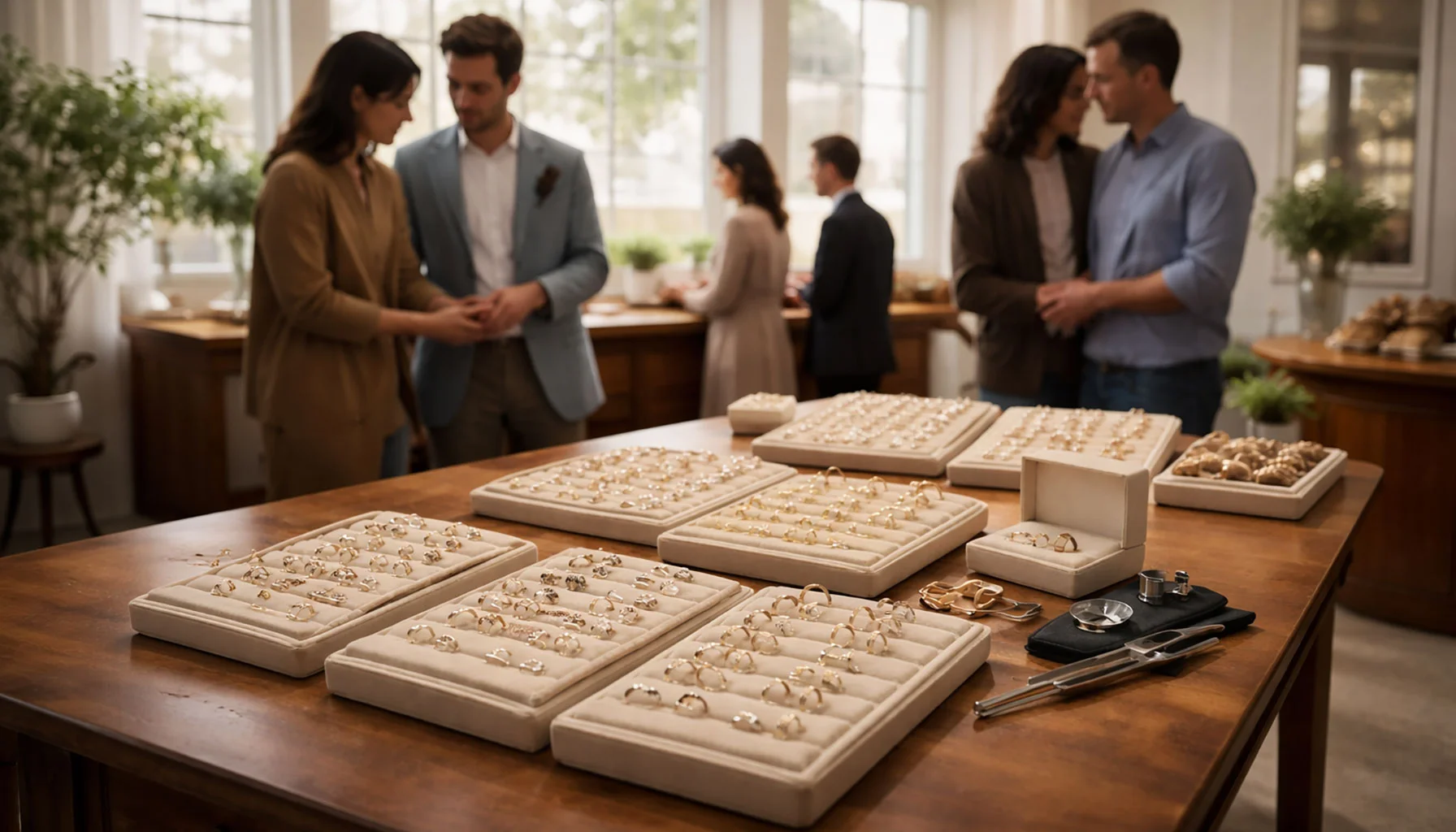
Wedding Rings Between Decision and Everyday Life
Wedding rings are rarely chosen as display objects. They are chosen for repetition, for wear, for the fact that they will remain present long after the ceremony itself has passed. This article looks at wedding rings through width, material, setting, and everyday use, while connecting them to the quieter emotional state of waiting that often surrounds such decisions.

Wedding Transport Checklist: Arrivals, Transfers, Parking, and Late-Night Returns
Wedding transport is rarely remembered when it works, but it shapes the day long before the ceremony begins and long after the central moment has passed. This article looks at what still needs to be planned around arrivals, transfers, parking, and late-night returns, and why movement and waiting belong more closely together than many couples expect.
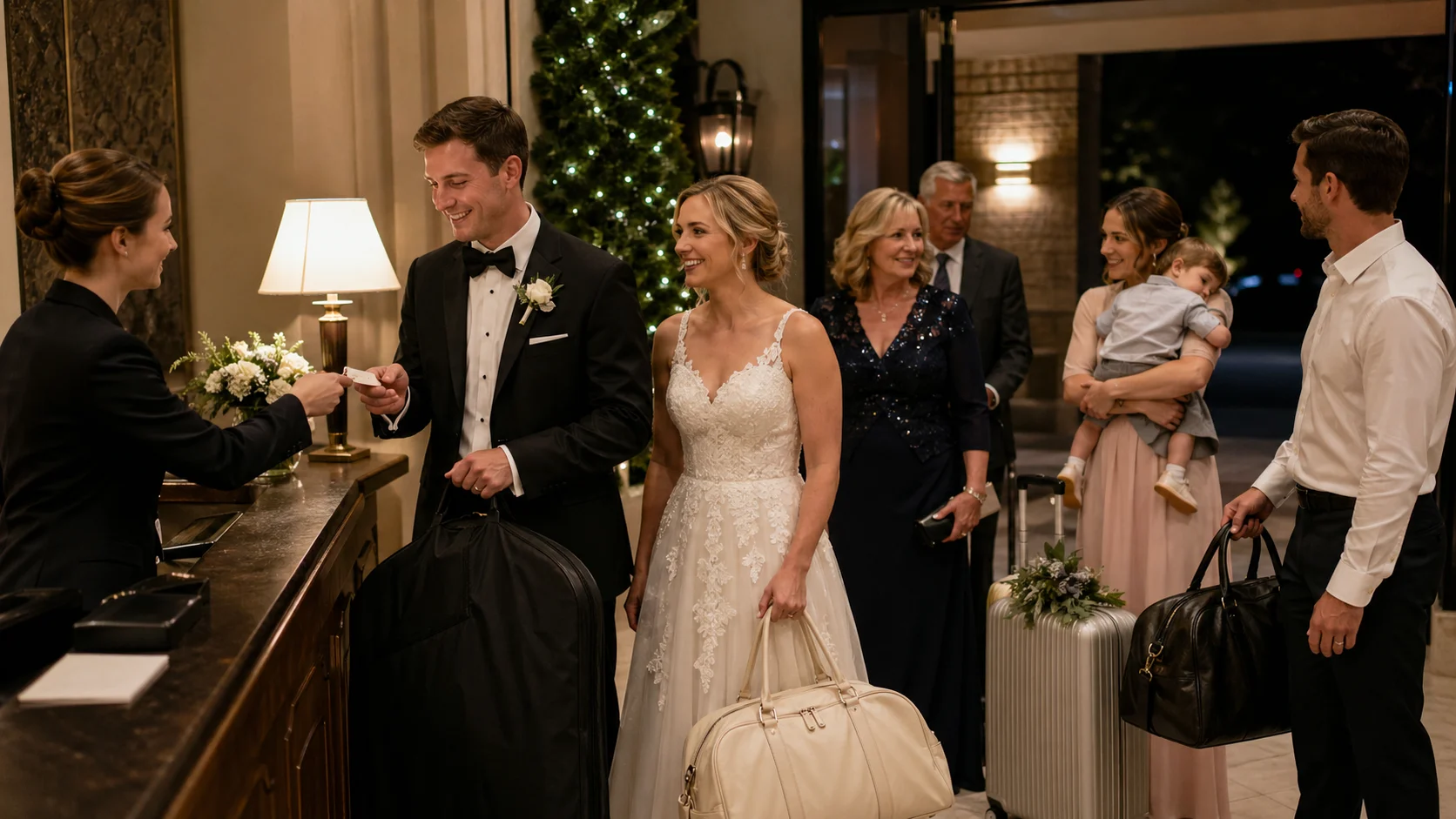
Overnight Stay Checklist: What Couples and Guests Often Realize Too Late
Overnight stays around weddings often seem solved once rooms are booked. This article looks at room access, bags, keys, transport, breakfast, checkout, and the late-night waiting moments couples and guests usually notice too late.