
AI-Edited Wedding Photos in 2026: Where Should the Documentary Boundary Be?
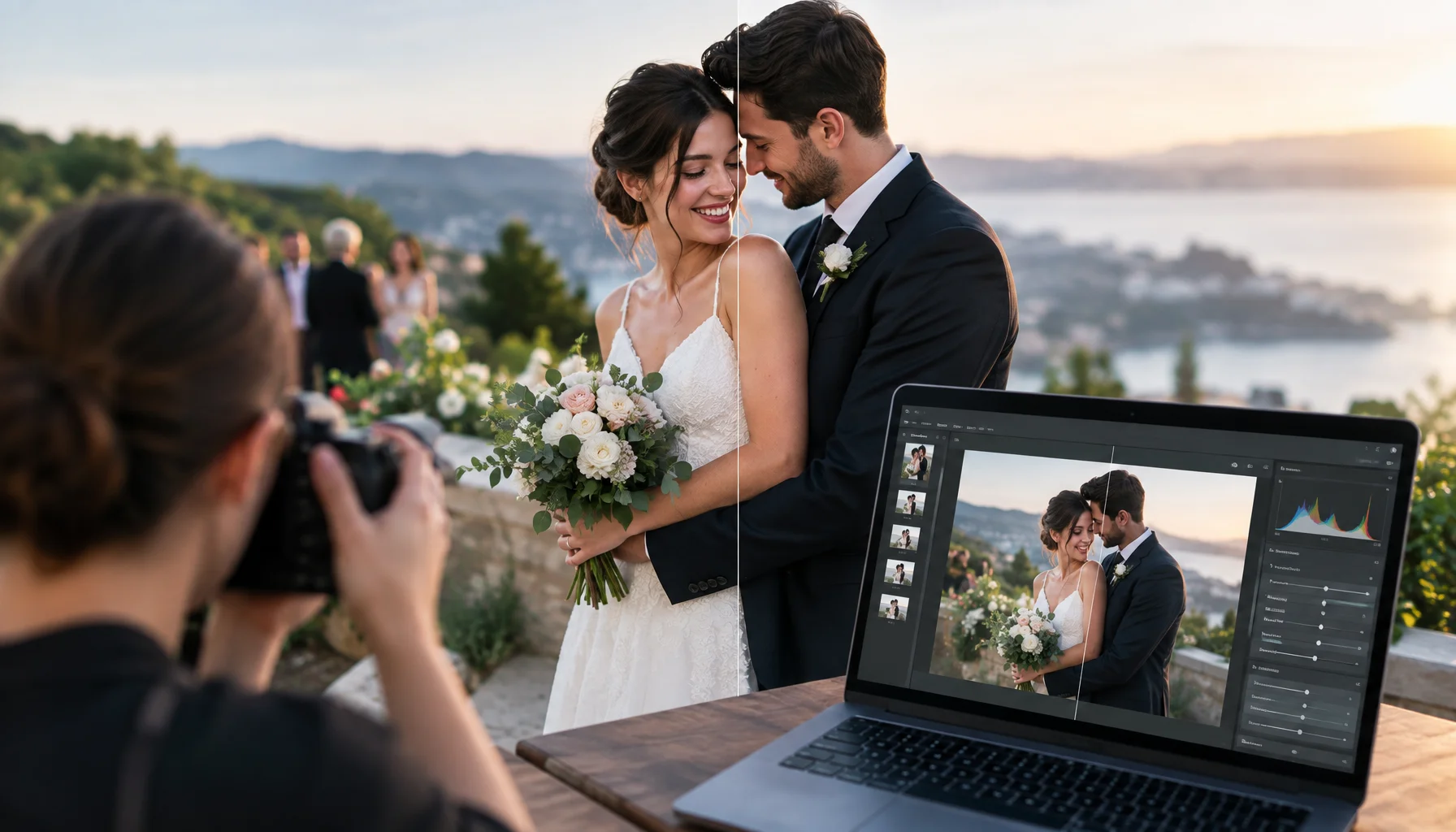
Wedding photography has always involved interpretation: exposure, white balance, cropping, retouching, color grading and selective editing. Generative AI changes the boundary because an edit can now create visual information that was never captured at the wedding at all. A distracting object can disappear, a sky can be replaced, part of a dress can be reconstructed, a guest can be moved, and entire background areas can be generated. The practical question for couples is no longer simply whether a photographer “uses AI.” It is which edits are allowed to change the record of what actually happened.
Wedding photos do two jobs at once
A wedding photograph is both an image and a memory object. It can be artistic, stylized and emotionally interpretive while still being used years later as a record of who was there, what the room looked like and what happened.
Traditional editing already changes the image. White balance changes color rendering. Exposure changes brightness. Cropping changes the frame. Retouching can soften skin, remove temporary blemishes or correct distractions.
Generative editing introduces a different possibility: the software can create plausible pixels for something the camera never saw. That does not automatically make the result unacceptable. It does mean the couple and photographer now need a clearer vocabulary for what kind of change is being made.
The Documentary Integrity Boundary
The useful boundary is not “AI versus no AI.” It is whether the edit changes the factual content that a reasonable viewer could later understand as part of the wedding.
Where the documentary boundary usually sits
| Edit class | Examples | Documentary effect | Suggested control | |
|---|---|---|---|---|
| Rendering | ||||
| Cosmetic correction | ||||
| Scene cleanup | ||||
| Reconstruction | ||||
| Material alteration | ||||
| Creative synthesis |
The hardest edits are not always the most obvious ones
Replacing an entire background is obviously synthetic. Smaller changes can be more consequential.
Removing a person from a family portrait changes who appears to have been present. Moving two people closer can change the apparent relationship. Removing a medical aid, religious object, accessibility device or cultural symbol can change something about identity or circumstance. Reconstructing a face after a blink may seem harmless to one couple and deeply uncomfortable to another.
This is why the correct boundary depends partly on meaning, not only on technical scale.
The Wedding Edit Disclosure Ladder
Match disclosure to the significance of the edit
Content Credentials add provenance, not truth
Content Credentials are secure metadata based on the C2PA open standard. Adobe describes them as a kind of digital nutrition label that can provide information about who created content and how it was created or edited.
In supported workflows, credentials can record creation and editing history. Adobe also automatically applies Content Credentials to certain Firefly-generated assets, and Lightroom, Photoshop and Camera Raw support Content Credentials in current 2026 releases.
That is useful for wedding imagery because it creates a technical way to carry provenance alongside the file. But provenance and truth are not the same thing. A credential can tell you that a generative tool was involved. It cannot decide whether removing a person from a family portrait was acceptable, whether the edit matched the couple's wishes or whether an image still represents the memory honestly.
Why provenance is suddenly relevant to ordinary couples
C2PA published new implementation guidance in July 2026 specifically addressing how Content Credentials can distinguish synthetic, AI-modified and non-synthetic content through tamper-evident, cryptographically signed manifests.
This does not mean every wedding photographer will deliver C2PA-enabled images tomorrow. It does mean image provenance is moving from a specialist problem toward a normal part of modern media workflows.
For couples, the immediate question is simpler: does the photographer preserve information about generative edits, and can the original capture or documentary master be retained separately?
The Original–Documentary–Creative model
One practical way to avoid future confusion is to separate the image workflow into three conceptual layers.
| Layer | Purpose | Typical content |
|---|---|---|
| Original capture | Preserve what the camera recorded | RAW/original files retained according to photographer workflow |
| Documentary master | Finished wedding record | Normal color, exposure, crop and agreed retouching; material scene changes constrained |
| Creative derivative | Artistic reinterpretation | Generative backgrounds, compositing, fantasy elements, major object/person changes |
Couples do not necessarily need access to every original file. The important principle is that a heavily synthetic derivative should not silently become the only surviving version of a meaningful moment.
What to ask a wedding photographer in 2026
- Do you use generative AI in your normal editing workflow?
- Which kinds of edits do you consider routine retouching?
- Would you add, remove or relocate people without asking us?
- Would you replace skies or venue backgrounds in documentary images?
- Do you use generative tools for technical reconstruction or only for clearly creative images?
- Can we request that certain categories of image remain non-generative?
- Do you retain original captures or documentary masters separately from creative derivatives?
- Do your exported images support Content Credentials or another provenance workflow?
- How should we request a correction if an AI-assisted edit changes something meaningful?
Do not reduce the discussion to “natural” versus “edited”
Every professional photograph is processed. Even a restrained documentary workflow makes interpretive decisions about exposure, color and framing.
The useful distinction is therefore not natural versus edited. It is rendering versus alteration: did the edit change how the captured scene is presented, or did it change the represented content of the scene?
Generative AI makes that distinction more important because a technically seamless alteration can be visually impossible to detect.
People should have different sensitivity levels
Not every person at a wedding will feel the same about synthetic editing. Some couples may welcome a reconstructed group photograph if someone blinked. Others may want the imperfect frame because the imperfection is part of what happened.
The sensitivity can be higher for bereavement, disability, body shape, scars, religious clothing, cultural objects and family relationships. The photographer cannot infer all of those boundaries from visual appearance.
That is another reason to establish a general policy before the wedding and ask separately before making an unusual material alteration.
AI body and face changes deserve their own boundary
Traditional retouching can already alter bodies and faces. Generative tools can make those changes faster and more extensive.
A useful default is to distinguish temporary details from identity-bearing features. Removing a temporary blemish at the couple's request is different from changing body proportions, facial structure, age markers, scars or disability-related features.
The technical ease of an edit should not be mistaken for permission.
Color still matters even when nothing is generated
Generative AI is only one source of photographic transformation. Light, white balance and editing style can change how the wedding palette appears even when every object in the image is authentic.
A pre-wedding AI editing agreement can be very short
You do not need a technical AI manifesto. The important thing is to make the couple's preference operational.
Example preference levels
| Preference | Normal editing | Ask first | |
|---|---|---|---|
| Documentary-first | |||
| Balanced | |||
| Creative-open |
When creative synthetic images can add value
A strict documentary boundary does not require banning creative AI. The cleanest approach may be separation.
A photographer could deliver the documentary wedding story and also create clearly identified artistic derivatives: a surreal portrait, an impossible landscape, a stylized anniversary image or a reconstruction requested by the couple.
Once the two categories are not silently mixed, experimentation becomes easier because nobody has to pretend the creative image is an untouched record.
The Wedding Image Integrity Check
Use this before approving an unusual AI-assisted edit
What would change this answer?
The workflow will change as provenance becomes more widely embedded in cameras, editing software, galleries and social platforms. If transparent edit histories become normal in wedding delivery, couples may no longer need to ask for them explicitly.
The boundary also changes by photographic genre. Fine-art wedding photography can legitimately allow more construction than documentary coverage. The important part is that the couple understands which kind of image they are commissioning.
Finally, individual couples will draw the emotional boundary differently. The framework is meant to expose that choice, not prescribe one universal definition of an acceptable edit.
Limitations
Content Credentials can provide provenance information when a supported workflow preserves it, but absence of credentials does not prove that an image was manipulated, and presence of credentials does not prove that every depicted event is truthful.
This article addresses planning, memory and workflow boundaries. Rights, contracts, privacy and legal requirements vary by jurisdiction and agreement and should be handled separately where relevant.
Conclusion
AI is making wedding-photo editing more capable at exactly the moment when technical alterations are becoming harder to see.
The solution is not to ban editing or demand untouched images. It is to decide where presentation ends and factual alteration begins. Agree on that boundary before the wedding, preserve a documentary version when meaningful content is changed, and use provenance tools when they fit the workflow. Years from now, the most valuable wedding image may not be the most perfect one. It may be the one whose relationship to the real day is still understood.
FAQ
AI-edited wedding photos
Do wedding photographers use AI for editing?
Should a photographer ask before removing a person from a wedding photo?
What are Content Credentials?
Do Content Credentials prove a wedding photo is real?
Should we ban generative AI from our wedding photos?
Glossary
Key wedding image terms
- Documentary Integrity Boundary
- A practical boundary between edits that change presentation and edits that materially change what a future viewer may believe happened at the wedding.
- Generative reconstruction
- An edit in which software creates plausible image content to reconstruct, extend or replace visual information that was not fully captured.
- Content Credentials
- Secure provenance metadata based on the C2PA standard that can carry information about content origin, creation and editing history.
- Documentary master
- The finished wedding image intended to preserve the documentary record while allowing the agreed level of ordinary processing and retouching.
- Creative derivative
- An artistic version derived from wedding imagery that may intentionally contain synthetic, composited or substantially altered content.
Primary technology sources and further reading
C2PA — New Implementation Guide for Content CredentialsJuly 2026 guidance on using Content Credentials to communicate synthetic, AI-modified and non-synthetic content through signed provenance manifests.
Content Credentials — Media ProvenanceOfficial C2PA ecosystem information explaining how Content Credentials provide origin and editing-history context for digital media.
Adobe Lightroom — Content CredentialsCurrent 2026 documentation describing Content Credentials as secure metadata for creation, attribution and editing history in photography workflows.
Adobe Firefly — Content Credentials OverviewCurrent documentation explaining automatic Content Credentials on Firefly-generated assets and how generative-AI involvement can be recorded.
Loving Rocks — Will Your Wedding Colors Actually Photograph the Way You Imagine?Internal guide to how material, light, white balance and editing translate the visual wedding palette into photographs.
Related Articles
Thank-You Cards After the Wedding: Tone, Timing, Format
Thank-you cards arrive after the wedding has already shifted into memory, which is exactly why they matter. This article looks at how tone, timing, and format shape the gesture, and why a brief, well-judged card often says more than a longer, more polished one.

Destination Wedding Checklist: What Changes When Travel Becomes Part of the Plan
A destination wedding is never only a wedding in another place. The moment travel becomes part of the plan, the guest list, the schedule, the budget, the emotional pressure, and even the meaning of attendance begin to change. This article looks at what a destination wedding checklist really needs to cover and why travel turns a wedding into a lived story long before the ceremony begins.
An Invitation to Remember: Creating Wedding Invitations That Set the Tone and Last Forever
A wedding invitation does more than announce a date. It begins shaping expectation, tone, and emotional distance long before anyone arrives. This article looks at invitations as the first quiet threshold of a wedding, where material, wording, and timing begin preparing guests for the day ahead.
Vintage Tools as Static Objects in Rustic Weddings
Old tools can strengthen a rustic wedding space without ever becoming formal decor. This article looks at how leaving them quiet, slightly uneven, and largely untouched can preserve the character of a venue while adding depth, history, and a more believable sense of place.
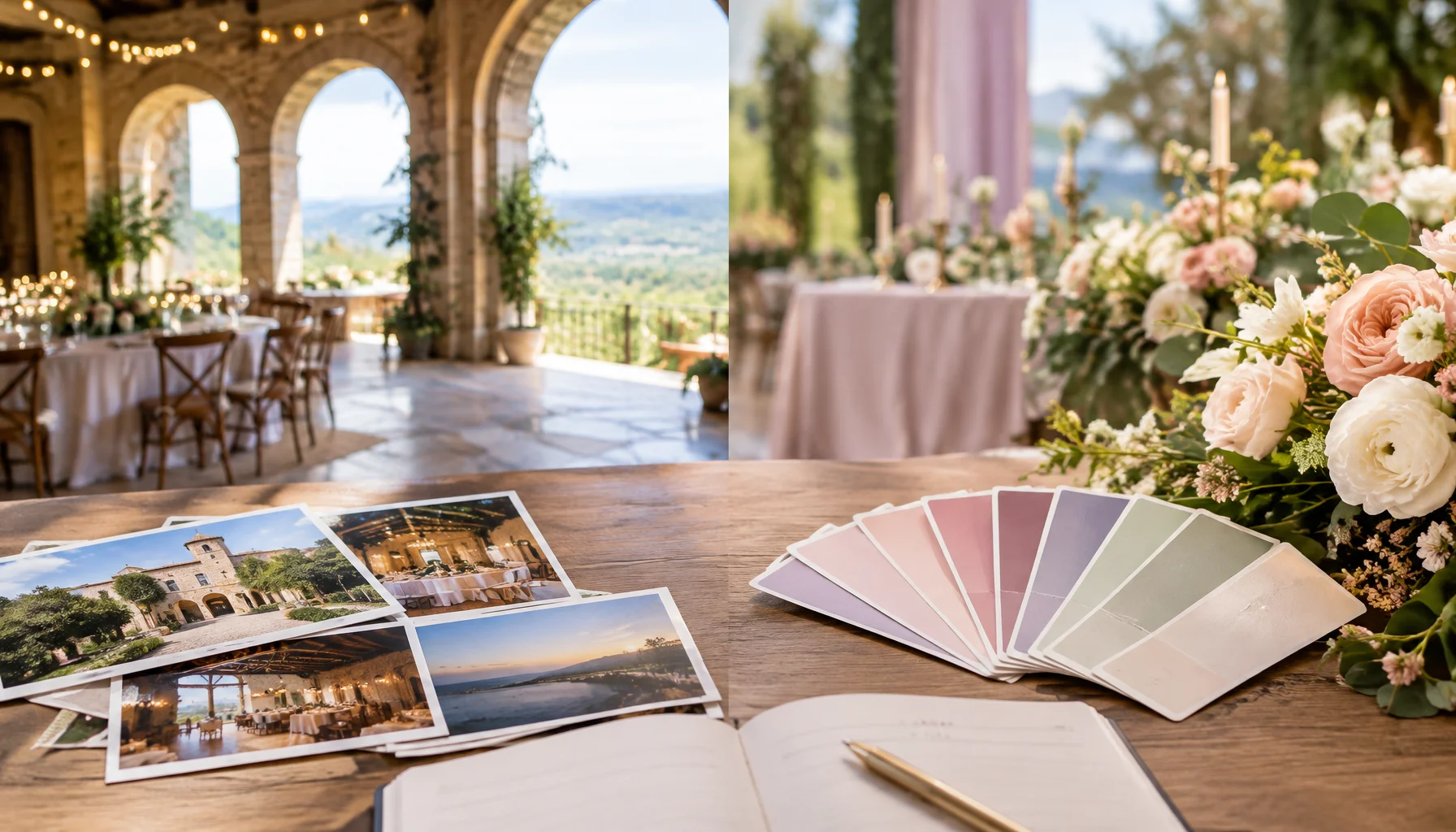
Choose the Venue or the Wedding Colors First? A Decision Method
Your venue already has a color palette before you add a single flower. This guide shows when the venue should shape your wedding colors, when the palette should come first, and how to test the decision against lighting, photography, meaning, and real-world constraints.
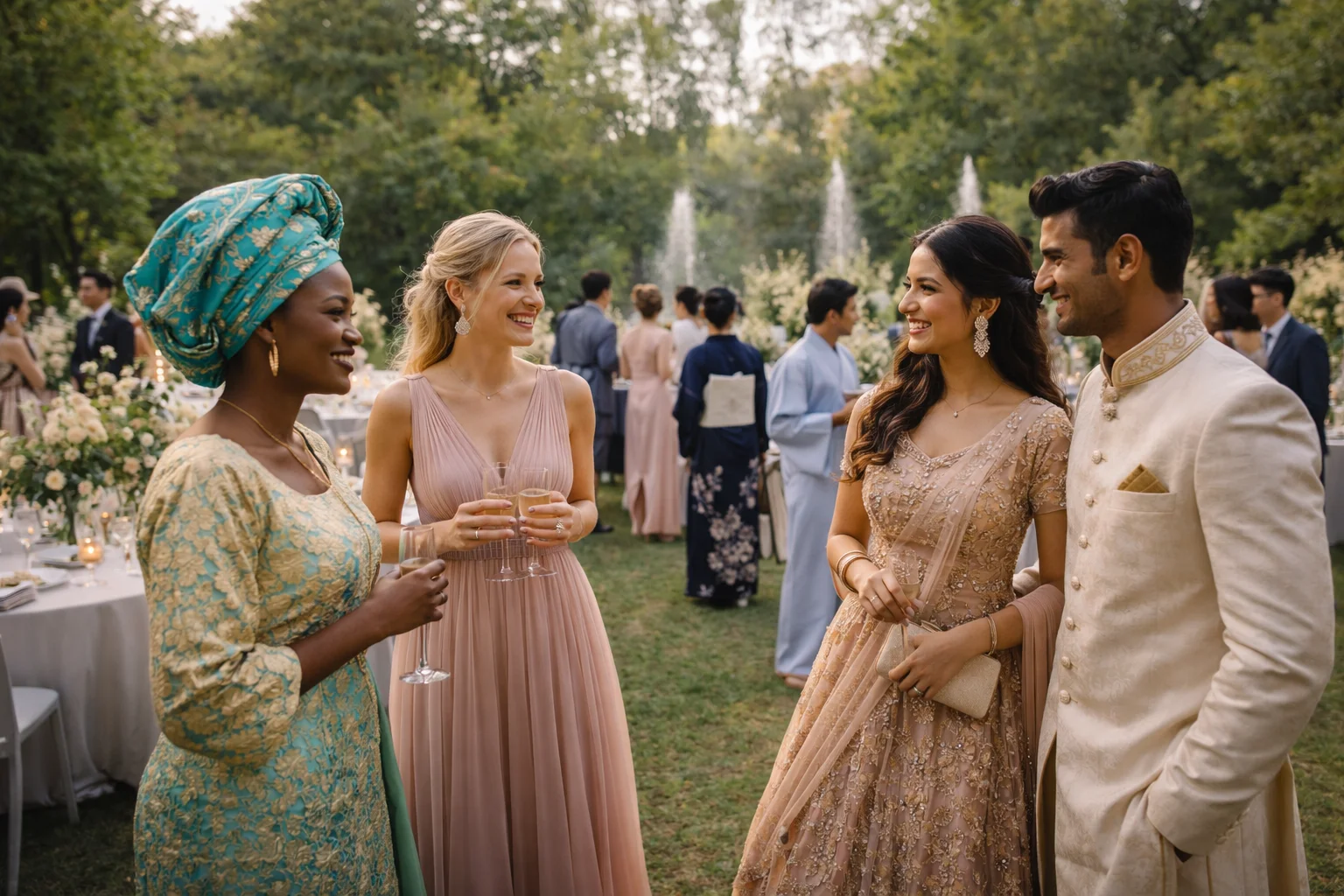
Dress Expectations at International Weddings: What Guests May Read Differently
Dress codes at international weddings are rarely just about clothing. Guests interpret formality, respect, family signals, and cultural meaning differently. This article looks at how attire is understood across contexts and why what seems obvious to one guest can feel unclear to another.

Why Notebooks Matter More Than You Think at Weddings
Notebooks at weddings are often treated as simple guest books, but their role goes deeper. They capture pauses, unfinished thoughts, and quiet moments that rarely surface in spoken form. This article explores how notebooks connect the visible ritual of a wedding with the invisible space of silence.
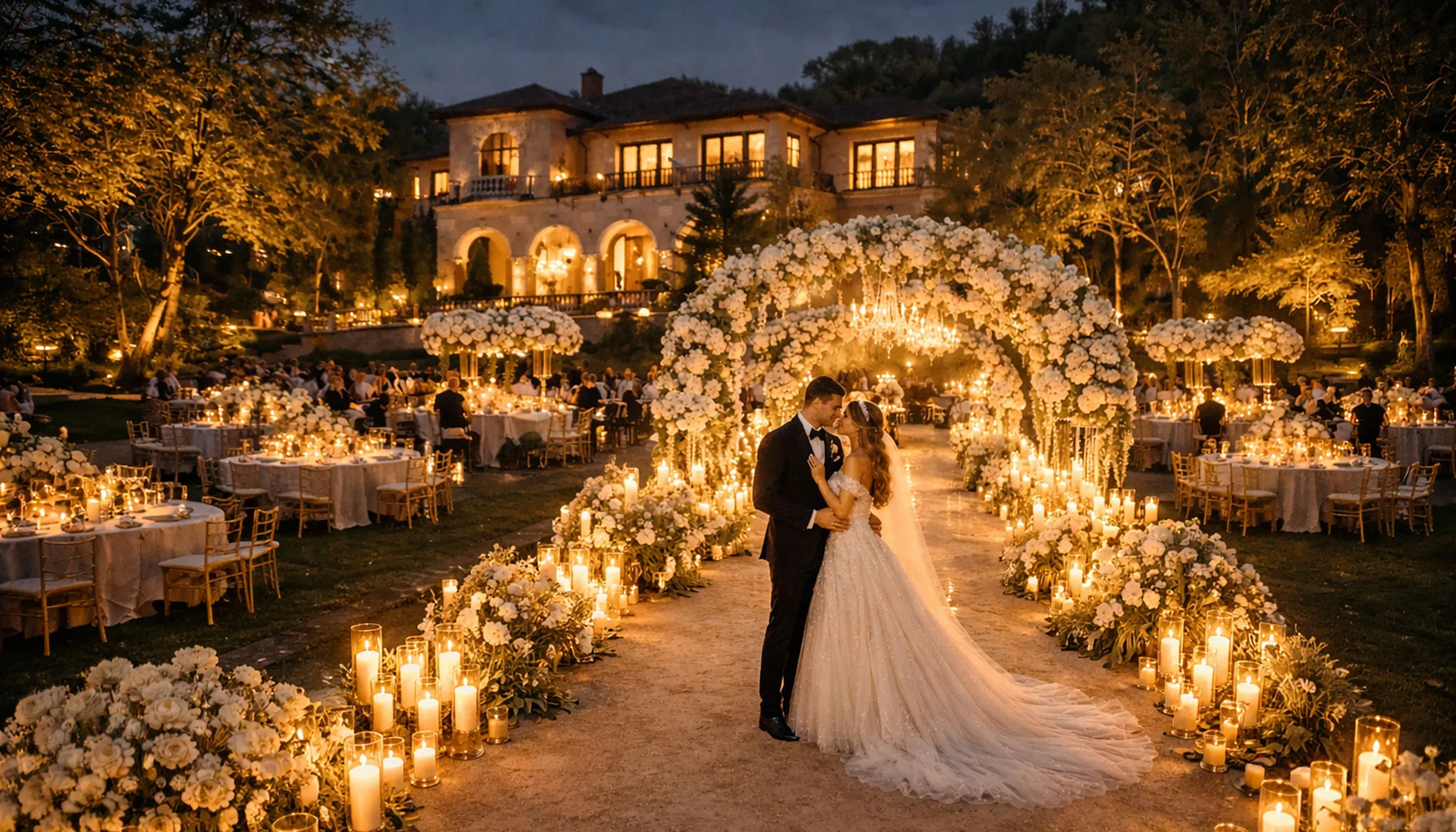
A day, carried by closeness
This wedding thrived on closeness and attention. Everything quietly intertwined and created a framework in which guests felt safe, welcome, and connected. From arrival to departure, a shared flow emerged that left room for conversations, laughter, and quiet togetherness. What remained was a feeling of warmth and cohesion that outlasted the day.
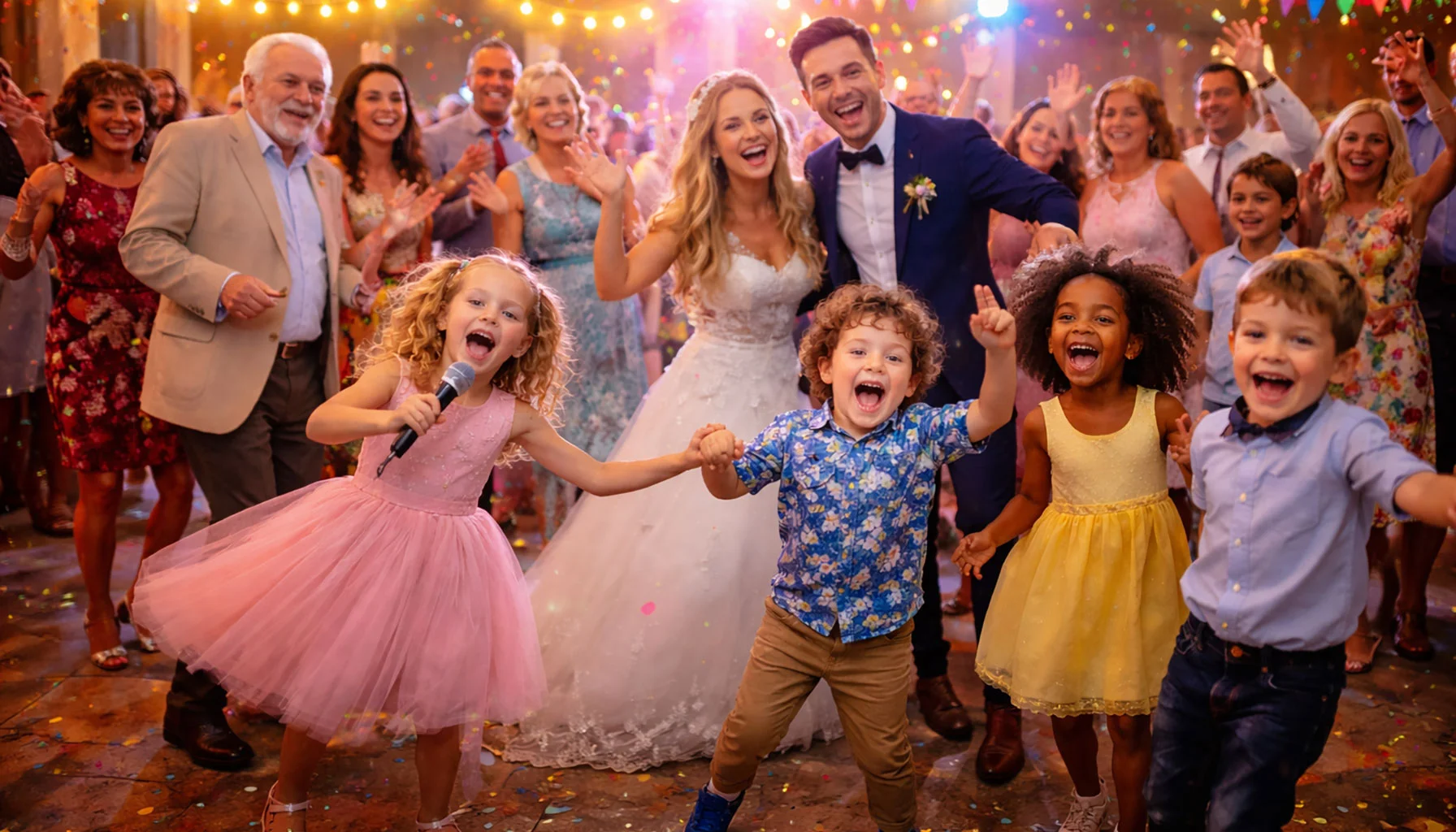
Music for Kids and Families at Weddings: International Hits, Trends and Timeless Crowd Pleasers
Family-friendly wedding music rarely works by sheer volume or by forcing participation. It works when recognition arrives quickly enough that children move closer, older guests stay a little longer, and the room begins to trust what is happening. This article looks at music for kids and families through international examples and the quieter logic of how wedding playlists help people remain together.
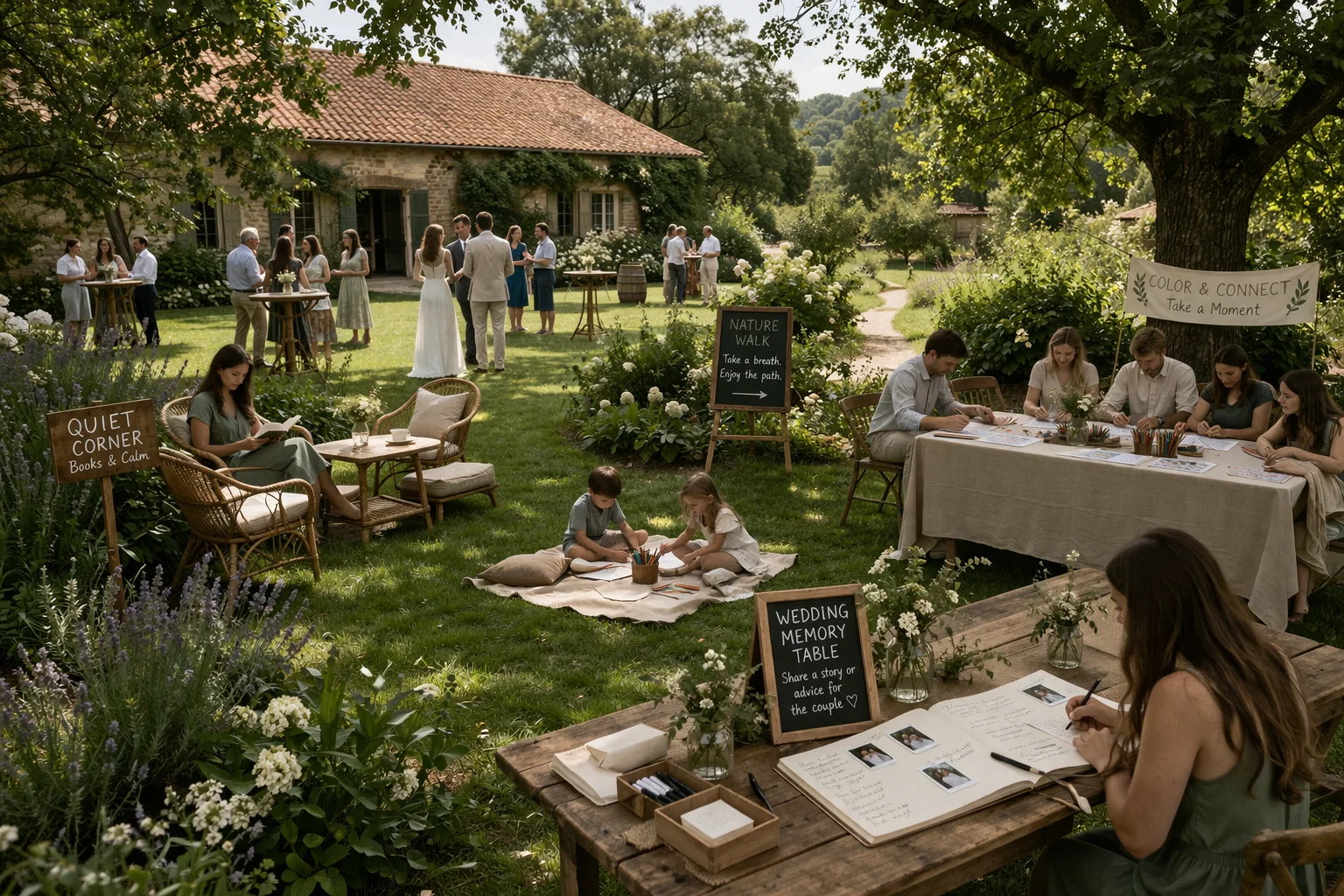
Quiet Wedding Activities for Introverted Guests
Not every wedding guest wants to fill the room with energy. Some feel most present in quieter moments, smaller conversations, and activities that do not demand performance. This article explores thoughtful wedding activities for introverted guests and why those quieter choices often create the most lasting stories.
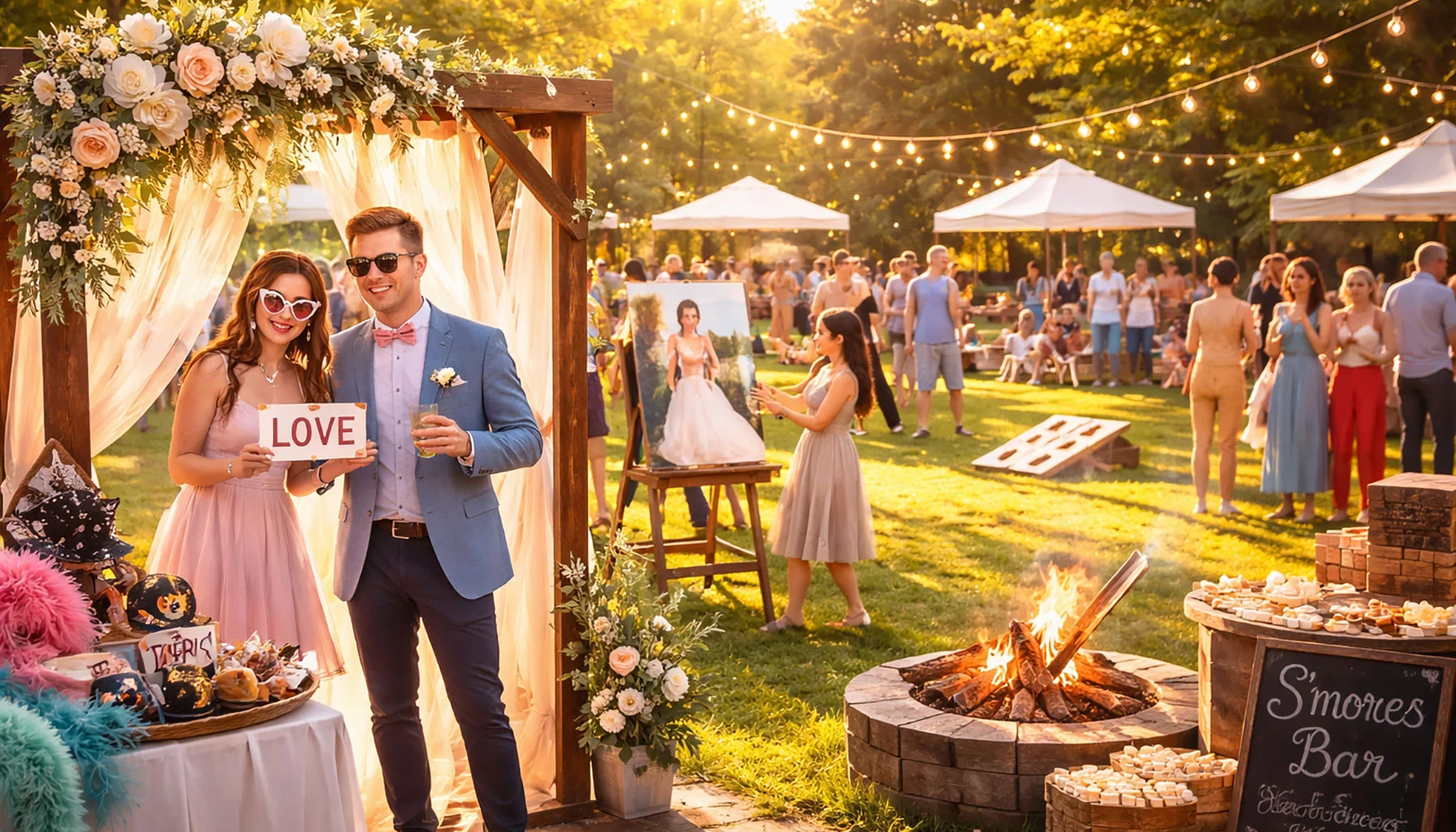
Wedding Guest Activities That Create Lasting Memories
The wedding activities guests remember most are rarely the loudest. They are the ones that give people something gentle to enter, something quiet to touch, and something small to carry away afterward. This article looks at which kinds of wedding guest activities tend to stay with people and why they often leave a deeper imprint than more spectacular entertainment.
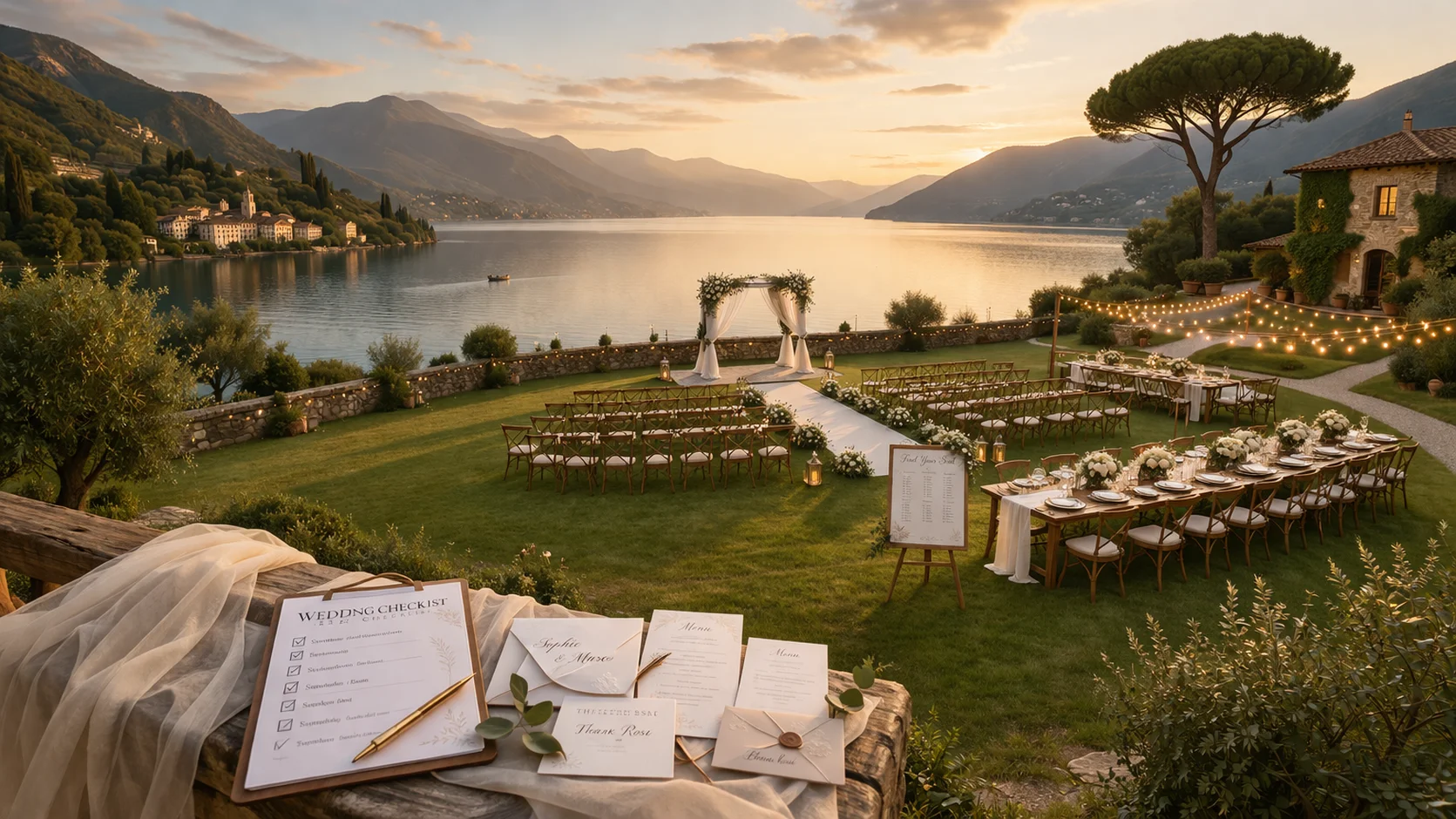
The Wedding Checklist That Grounds You: Turning Planning Into Something Meaningful
A wedding checklist isn’t just about tasks—it’s about clarity, intention, and trust. Here’s how to approach it in a way that feels calm, structured, and truly yours.