
Before Wedding Planning Takes Over: An Engagement Checklist for the Things That Actually Change

Engagement can become administrative with astonishing speed. There is a question, an answer, perhaps a ring, perhaps a quiet evening in which very little changes on the surface. Then someone asks about the date. A venue link appears in a message. Parents begin wondering who will be invited. A private decision starts producing public tasks.
This is usually the point where a wedding checklist becomes useful. Dates, documents, suppliers and deadlines are easier when they are written down. But before the practical list grows, there is another kind of checklist worth making — one concerned less with what needs to be booked and more with what has quietly changed.
Wedding ChecklistsPractical wedding planning checklists for keeping decisions, timing and responsibilities clear.
The first checklist is not about the wedding
The period after an engagement is often described as the beginning of wedding planning. Technically, it is. Emotionally, that description misses something. Engagement also changes the time horizon of a relationship. Conversations that once belonged to an indefinite future begin to acquire dates, consequences and witnesses.
That is the territory Loving Rocks explores through Rituals. A ritual is not important simply because it looks ceremonial. It matters because it marks a threshold. Something that was private or implicit becomes visible, named or structured. Engagement is one of those thresholds.
RitualsProposals, engagements, wedding symbols and the transitions that give relationships visible structure.
The strange part is that couples are often given very detailed advice about what to book next and very little space to ask what the engagement itself has changed. The practical work begins before the emotional transition has had time to settle.
Before you choose a date, check what each of you thinks the engagement means
Two people can say yes to the same proposal and still attach different meanings to what follows. One may experience engagement as a formal confirmation of a decision already made. The other may feel that a new phase has genuinely begun. Neither interpretation is necessarily wrong, but the difference matters once practical decisions start arriving.
- Does being engaged feel different from being together before the proposal?
- Do you both want to begin wedding planning immediately?
- Is there a preferred length of engagement, or no strong preference at all?
- Which decisions still feel private, and which are you comfortable sharing with family and friends?
- What does marriage represent to each of you beyond the wedding itself?
These questions can sound larger than they are. They do not require a formal evening or perfectly articulated answers. Sometimes the useful moment happens while walking home, making coffee or closing ten venue tabs that neither person particularly wanted to open yet.
Decide what becomes public — and what remains yours
Engagement changes how other people relate to a couple. Suddenly there are questions that previously would have felt intrusive but are now treated as ordinary: When is the wedding? Where will it be? Who will be invited? Are you changing your name? Will there be children? Even affectionate curiosity can create pressure.
The engagement period sits precisely between a private decision and a more public structure. That makes boundaries particularly useful. A couple does not need to decide everything immediately simply because the relationship has become more visible.
Engagement RitualsThe emotional and symbolic phase between saying yes and the wedding, including new expectations, pressure and changing relationship dynamics.
- Agree which details can be shared before decisions are final.
- Decide whether family opinions are advisory or part of the decision-making process.
- Clarify what you do not want to discuss publicly yet.
- Talk about how much of the engagement you want to put online.
- Notice whether outside excitement is beginning to set the pace for you.
Talk about money before money becomes a series of deposits
Wedding budgets become complicated partly because they rarely begin as one clear financial decision. They arrive in fragments: a venue deposit, a photographer, clothing, travel, stationery, accommodation. Each amount can seem manageable on its own while the total quietly becomes something else.
Before that happens, it helps to discuss the financial frame rather than individual prices. How much are you genuinely comfortable spending? Is family money involved, and does it come with expectations? Which parts of the wedding matter enough to justify significant cost, and which do not?
This conversation is practical, but it also belongs to the transition into marriage. Money exposes assumptions quickly: about security, generosity, status, independence and obligation. A spreadsheet can record the answer. It cannot produce one.
Check which traditions you actually want to carry forward
Engagement and weddings arrive with inherited forms already attached to them. Rings, announcements, family visits, parties, speeches, religious practices, civil formalities and countless smaller customs can appear to be part of the package.
They are not all obligations. A ritual becomes meaningful when the people inside it recognise themselves in what it expresses. Something can be traditional and still feel right. Something can also be traditional and feel strangely empty when performed only because nobody considered leaving it out.
- Which engagement or wedding traditions carry real meaning for either family?
- Which customs do you genuinely enjoy rather than merely accept?
- Are there rituals one of you values more strongly than the other?
- Is there anything you would rather reinterpret instead of repeating exactly?
- Are you keeping a tradition because it belongs to you, or because removing it feels difficult to explain?
Make the division of work visible early
Planning pressure rarely begins with a dramatic argument. More often, one person simply starts remembering more. They keep the list of questions in their head, chase replies, compare options and know which decisions are still unresolved. Because they are good at it, the imbalance can remain invisible for quite a while.
A checklist should reduce that invisible load, not formalise it. Shared planning means more than asking one person what needs to be done next. It means each person owns areas of responsibility strongly enough that the other does not have to supervise them.
- List the first major planning areas before assigning individual tasks.
- Give responsibilities an owner rather than a helper.
- Agree how decisions are made when both people care about the outcome.
- Mark the things neither person wants to manage and consider delegating them.
- Revisit the division when work, health, family or other circumstances change.
Leave some part of the engagement unproductive
Not every month between the proposal and the wedding needs to produce something. There is a tendency to measure engagement by progress: venue booked, invitations sent, dress chosen, documents collected. Progress is reassuring, particularly when the task list is long.
But engagement is also a finite period in its own right. There will eventually be a last evening when you are engaged rather than married, just as there was once a last ordinary day before anyone asked the question. Most couples will not recognise either moment while it is happening.
That is a good reason to protect a little time that does not serve the wedding. Have dinner without discussing suppliers. Take a weekend in which nothing gets researched. Keep one ritual that belongs only to the two of you and does not need to appear in photographs.
A short engagement checklist before the long wedding checklist
- What has becoming engaged changed for each of us?
- When do we actually want to begin planning?
- What stays private, and what can become public?
- How much are we comfortable spending?
- How much influence will family have?
- Which traditions matter to us personally?
- How will we divide the planning work?
- What parts of the engagement do we want to protect from wedding logistics?
- Are we planning the same kind of wedding, or have we only assumed that we are?
- What do we want this period to feel like when we remember it later?
None of these questions needs a perfect answer before a venue can be booked. That would simply turn another emotional transition into another administrative hurdle. The point is smaller: to notice what is happening while the logistics begin.
A good wedding checklist prevents important tasks from disappearing. A good engagement checklist does something slightly different. It prevents the relationship itself from disappearing behind those tasks.
Related Articles

Wedding invitation online – Clearly organized, personally connected
Digital wedding invitations have established themselves in practice as a reliable organizational tool. They consolidate information, facilitate feedback, and connect guests regardless of their location. A wedding website provides clarity, reduces coordination effort, and allows for flexible adjustments to the schedule. Key are clear content, an uncluttered design, and a personal approach. This turns a technical solution into a fitting start for a shared day.

Last-Week Wedding Checklist: What Still Needs Attention Shortly Before the Day
The last week before a wedding is rarely about major decisions. It is about clarifying what still has weight, what can no longer be improved by adding more, and what needs to be named before it starts shaping the day in silence. This article looks at what still deserves attention shortly before the wedding and why the unspoken layer often matters most at that stage.

Wedding Transport Checklist: Arrivals, Transfers, Parking, and Late-Night Returns
Wedding transport is rarely remembered when it works, but it shapes the day long before the ceremony begins and long after the central moment has passed. This article looks at what still needs to be planned around arrivals, transfers, parking, and late-night returns, and why movement and waiting belong more closely together than many couples expect.
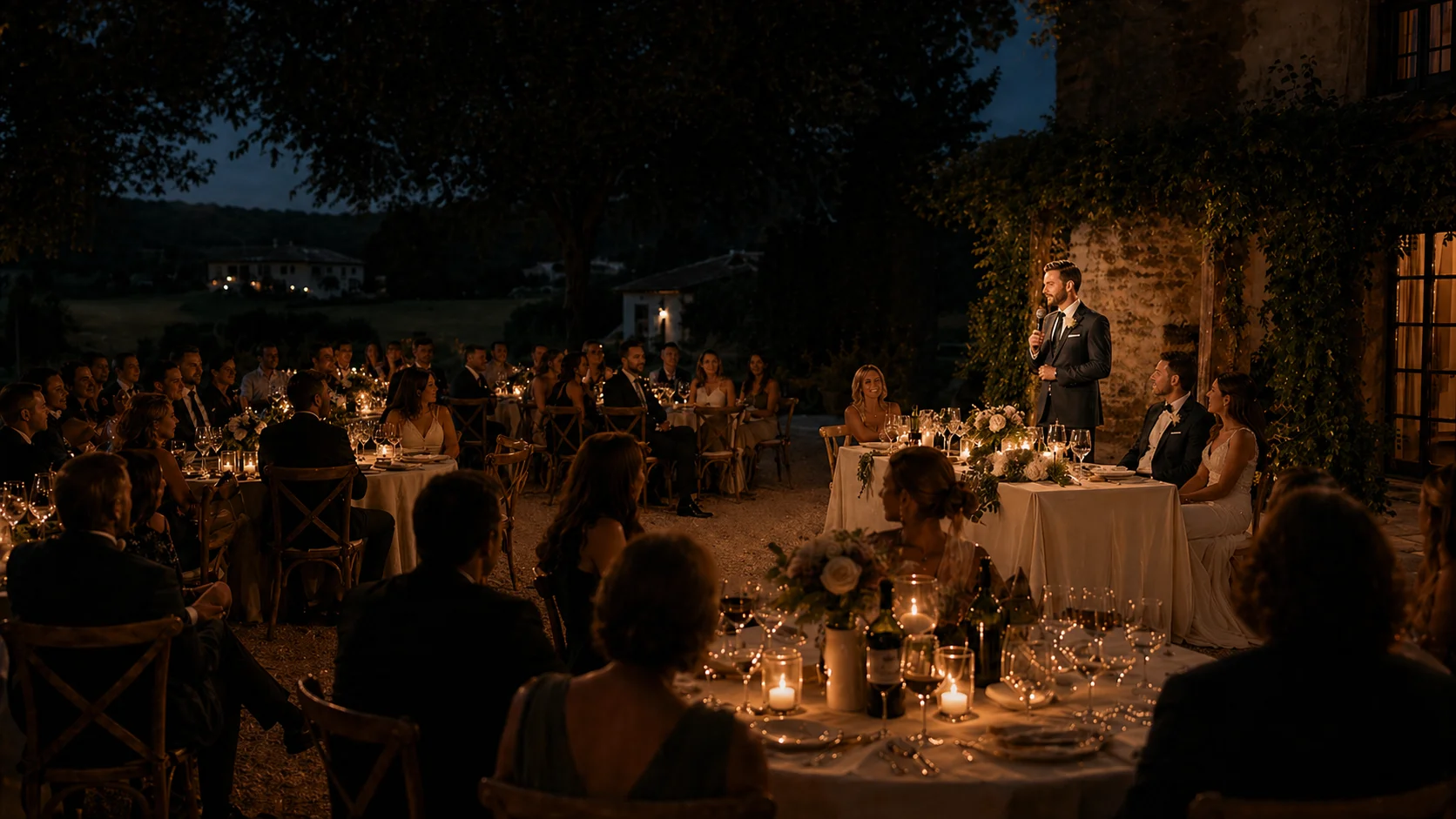
Speech Moment Checklist: What Makes a Toast Feel Held, Not Exposed
A wedding toast depends on more than good writing. It lands differently depending on attention, sound, timing, room tone, and the unspoken signals that tell a speaker whether the moment is carrying them or leaving them alone.
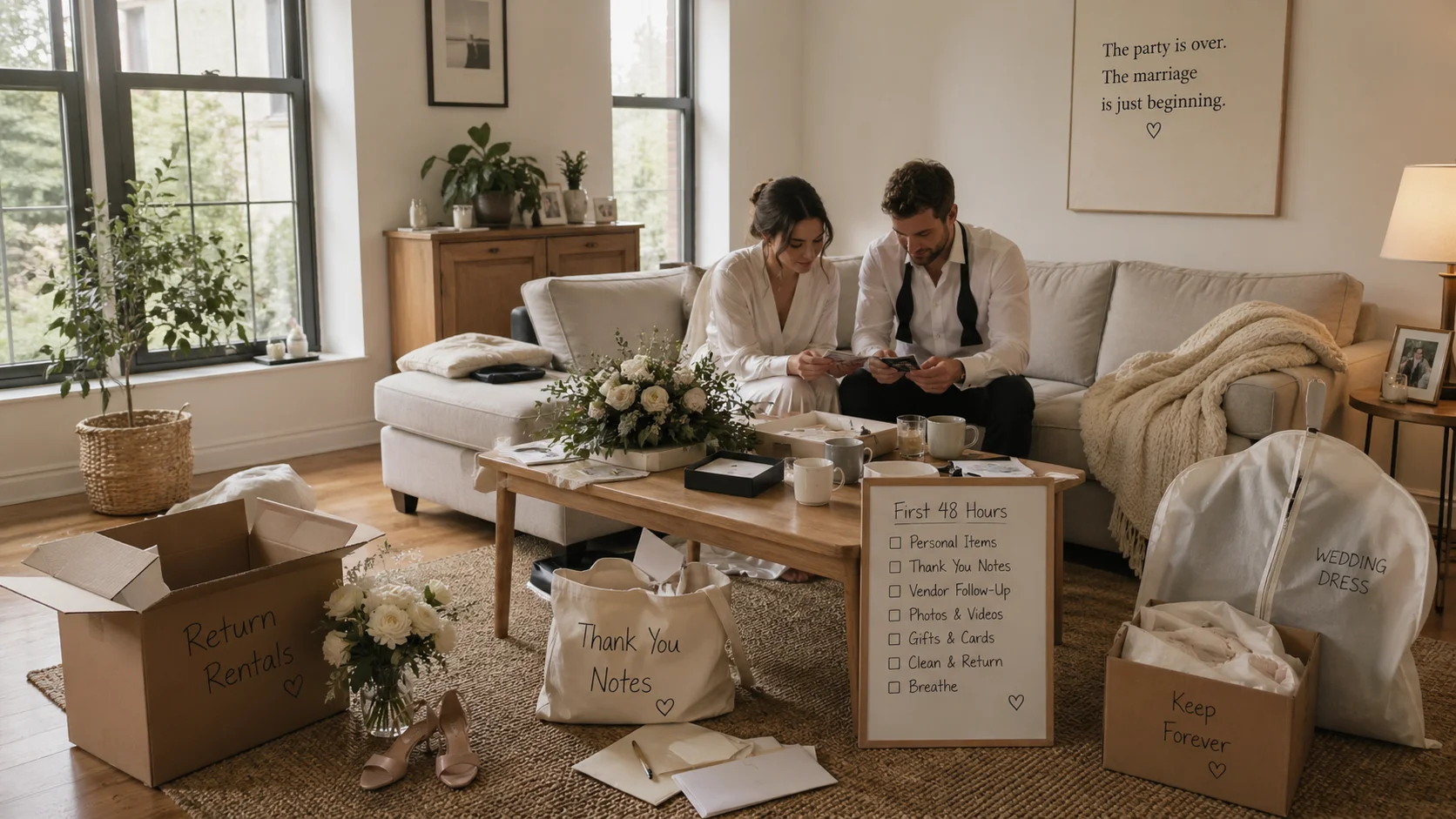
After-the-Wedding Checklist: What Needs Attention in the First 48 Hours
The first 48 hours after a wedding are quiet, practical, and easy to underestimate. This article looks at personal items, gifts, clothing, vendor closure, early photos, and the small tasks that help the after feel lighter instead of turning into scattered errands.
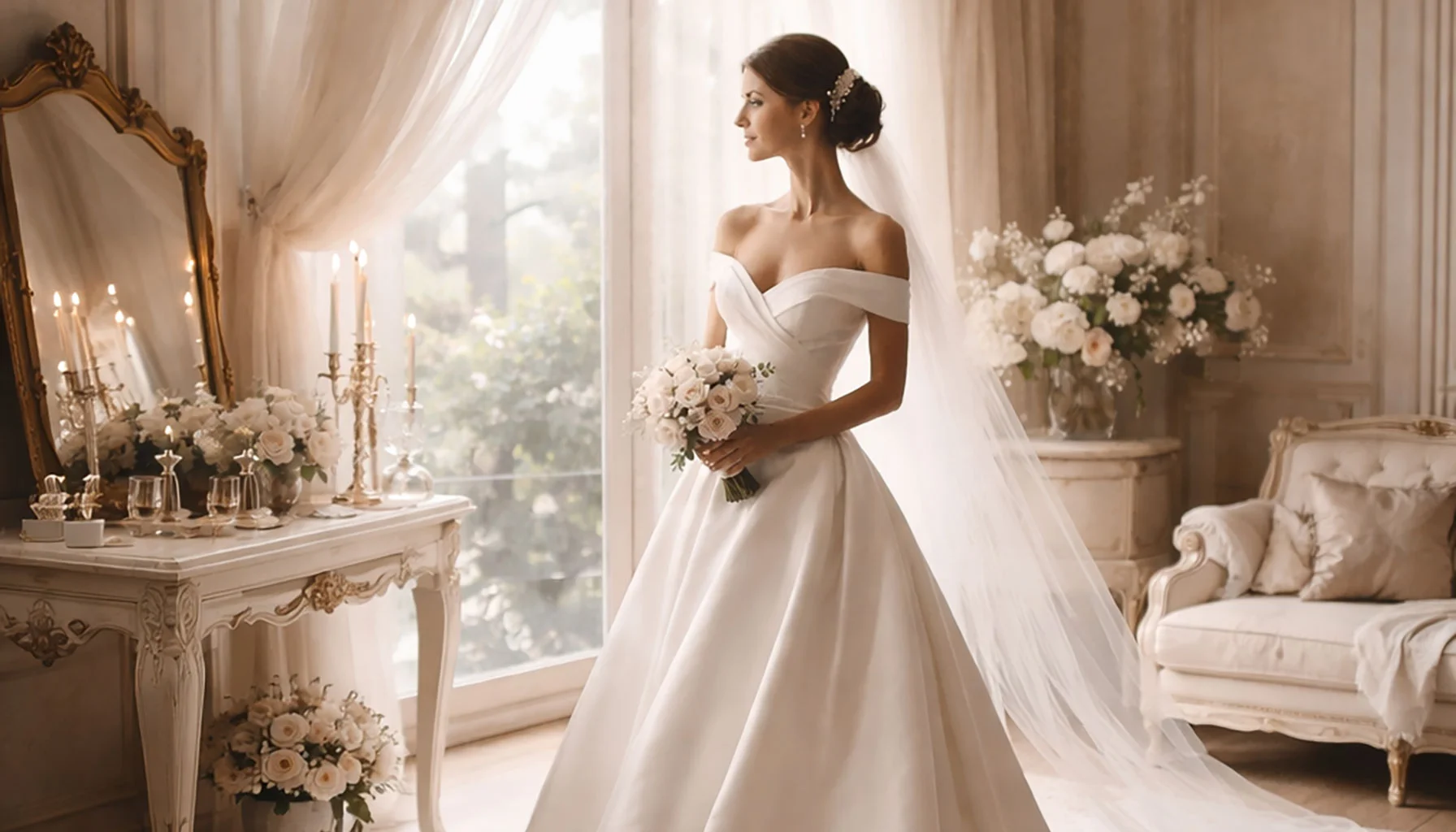
Beyond the Wedding Dress: What Truly Defines the Bridal Look and Experience
The bridal look is shaped long before the wedding day itself. It is created through thoughtful preparation, careful attention to detail, and a sense of inner calm that carries the bride through every moment. When styling, timing, and presence align naturally, beauty feels effortless rather than staged. Hair, makeup, accessories, and posture work together to support the bride rather than overshadow her. Yet what truly defines her appearance is how grounded and supported she feels. A bride who trusts her choices and releases the need for perfection radiates authenticity and quiet confidence. In this balance between outer expression and inner state, the bridal look becomes more than an image. It becomes an atmosphere — one that is felt, remembered, and carried far beyond the day itself.
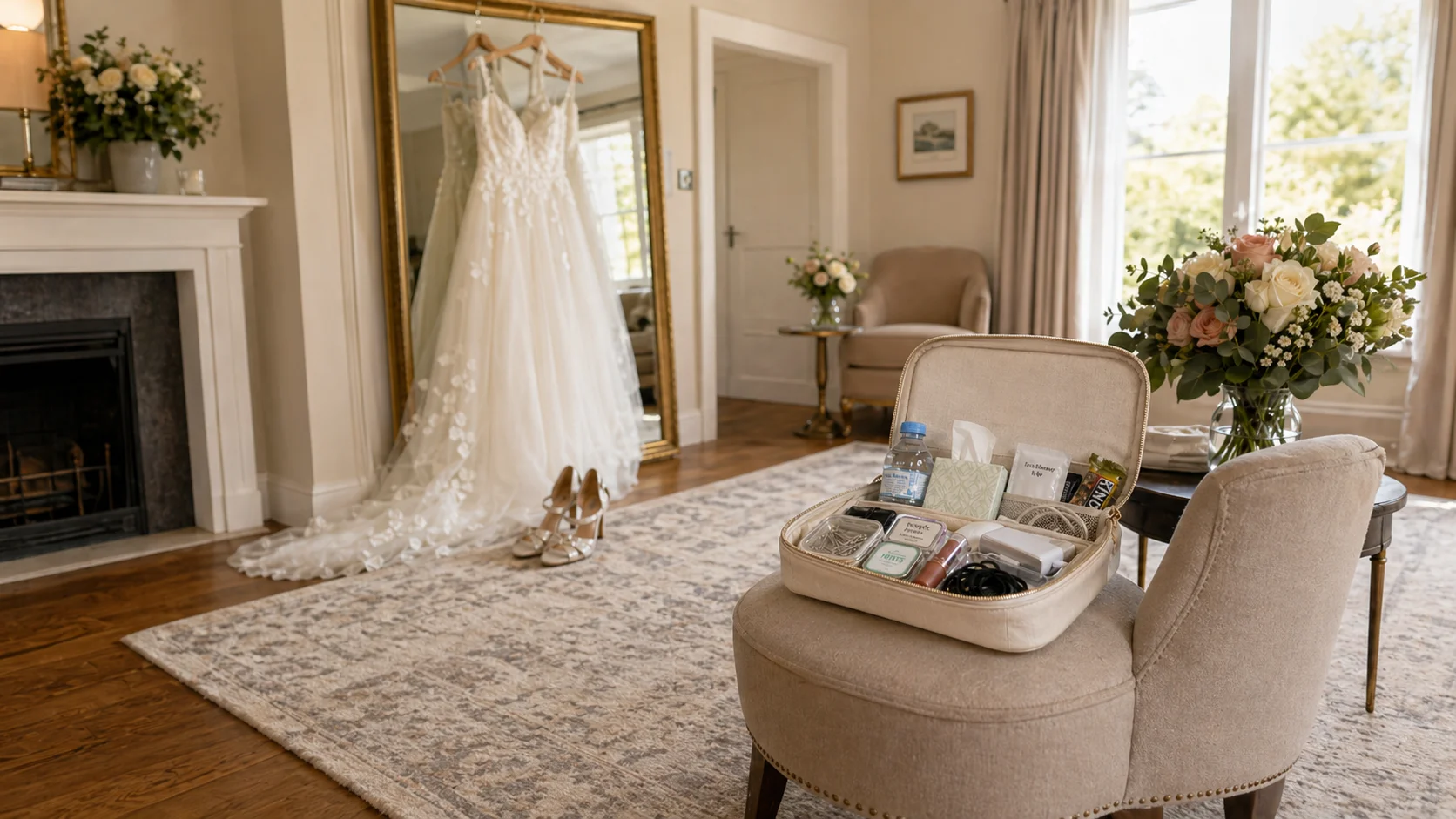
Wedding Bag Checklist: The Small Things That Quietly Save the Day
Wedding bags rarely draw attention, but they often carry the small items that keep the day from tightening around minor problems. This article looks at what to pack, who should hold it, and why the most useful things often matter most only in hindsight.

Engagement Ring and Wedding Ring: Two Moments, One Commitment
Engagement ring and wedding ring mark different stages of the same decision. One appears at the beginning, often tied to a single moment. The other enters daily life and stays there. Their forms, materials, and proportions follow different needs, yet they are meant to exist together. Understanding how they differ helps explain why both matter, and why their combination often says more than either ring alone.
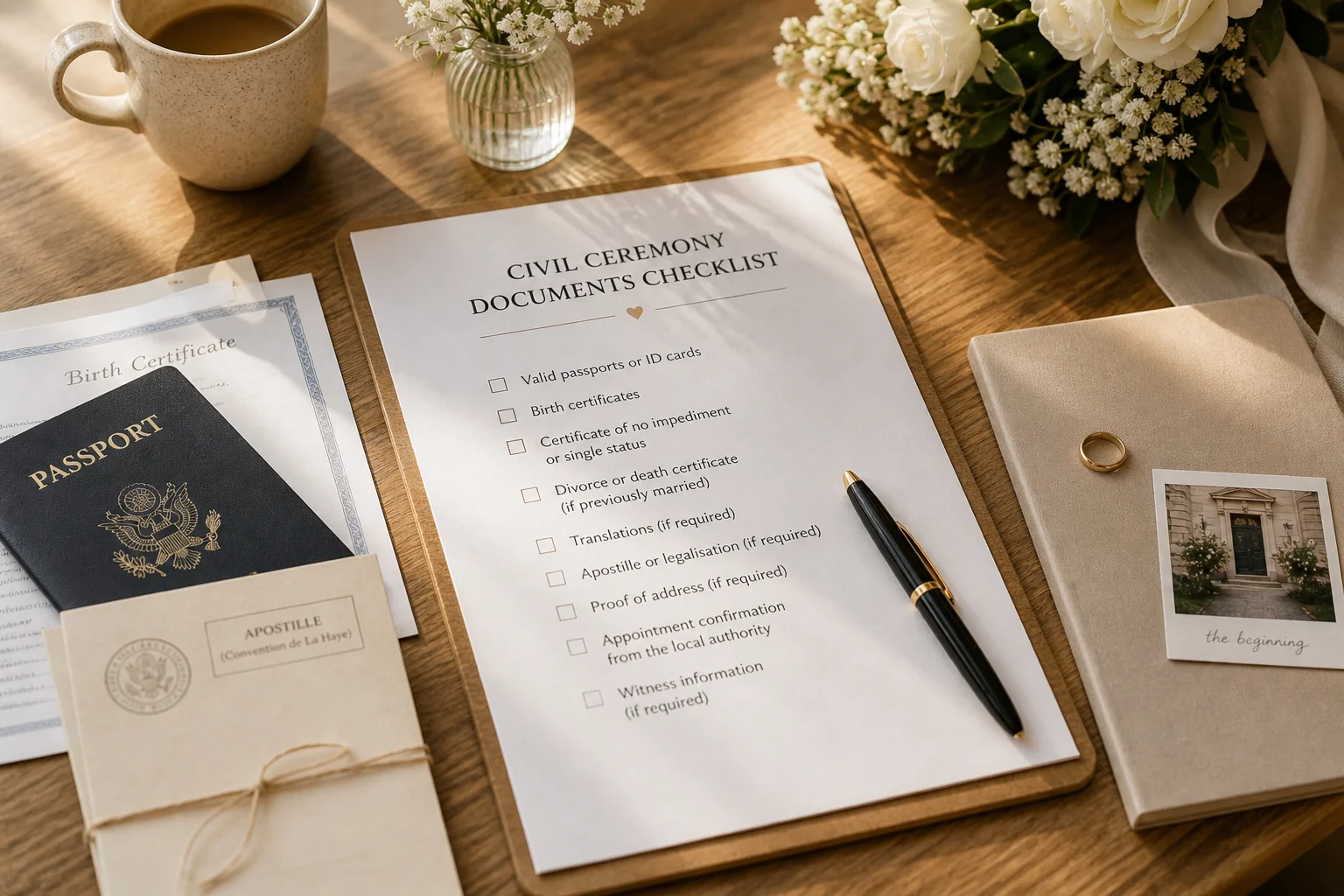
Civil Ceremony Documents Checklist: What Couples Usually Need Before the Wedding Can Happen
A civil ceremony may look simple, but it depends on documents being accepted before the public moment can begin. This article looks at identity records, marital status proof, translations, apostilles, witnesses, appointment rules, and the quiet legal threshold before the ceremony.

The Bridal Hairstyle as a Quiet Part of the Whole
A bridal hairstyle supports the entire look. It frames the face, works with the dress, and needs to hold throughout the day. In practice, the most convincing results come from aligning hair texture, proportion, and the flow of the wedding day. Less display. More coherence.
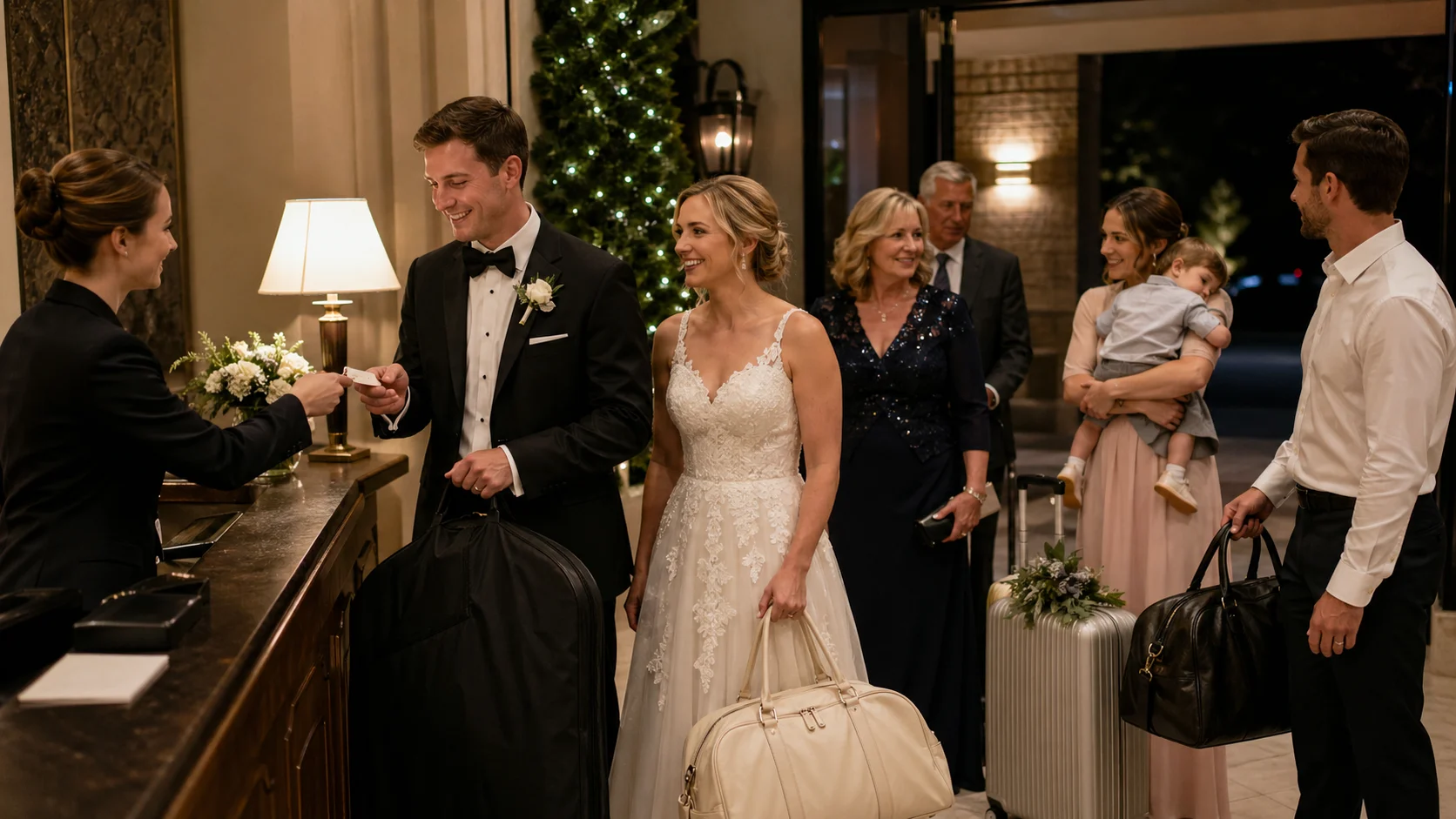
Overnight Stay Checklist: What Couples and Guests Often Realize Too Late
Overnight stays around weddings often seem solved once rooms are booked. This article looks at room access, bags, keys, transport, breakfast, checkout, and the late-night waiting moments couples and guests usually notice too late.
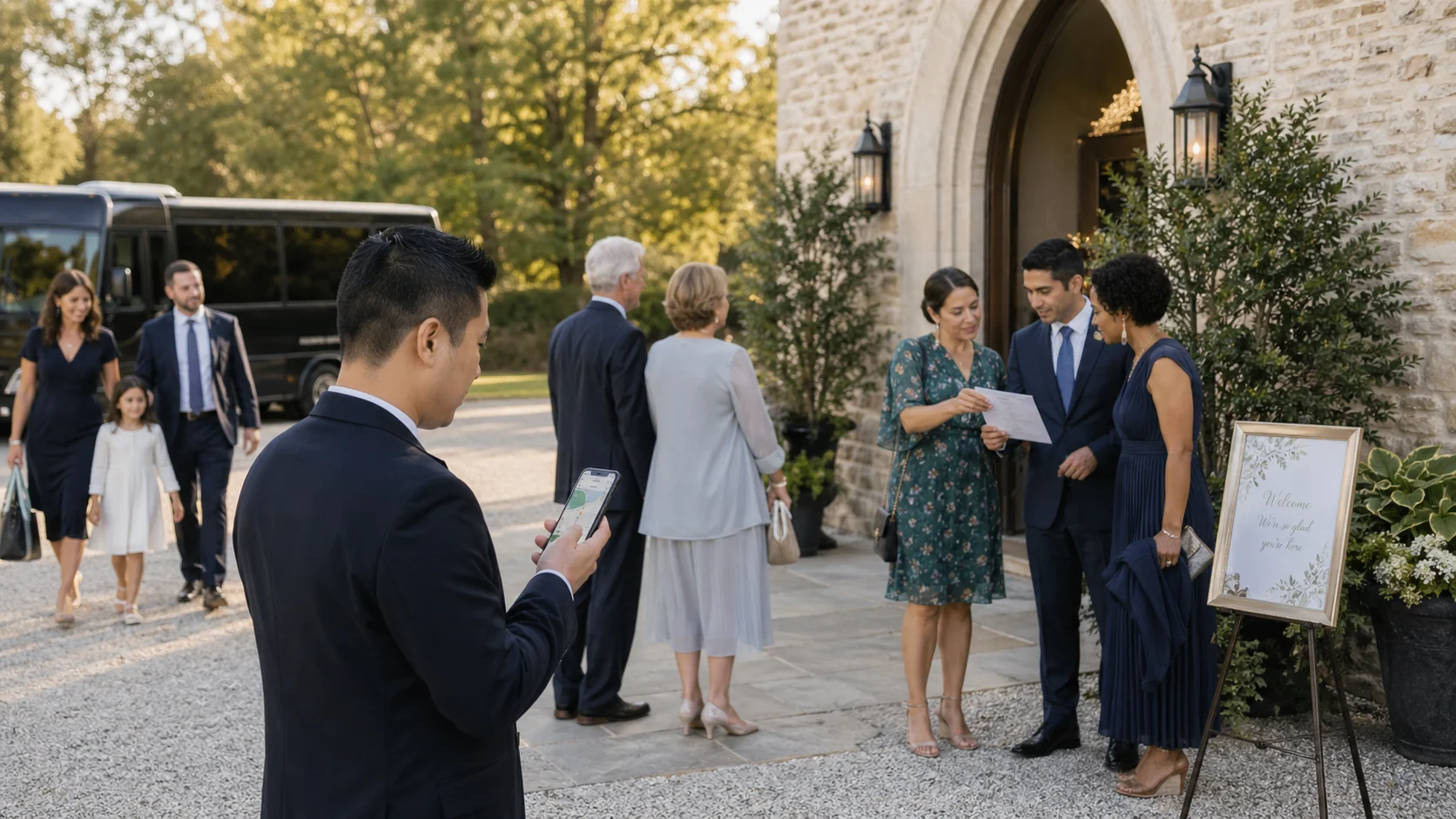
Wedding Website Checklist: What Guests Actually Need, and What They Ignore
Wedding websites work best when they reduce uncertainty instead of filling space. This article looks at what guests actually need to find quickly, what they usually ignore, and which unspoken questions a good website can answer before they become messages to the couple.